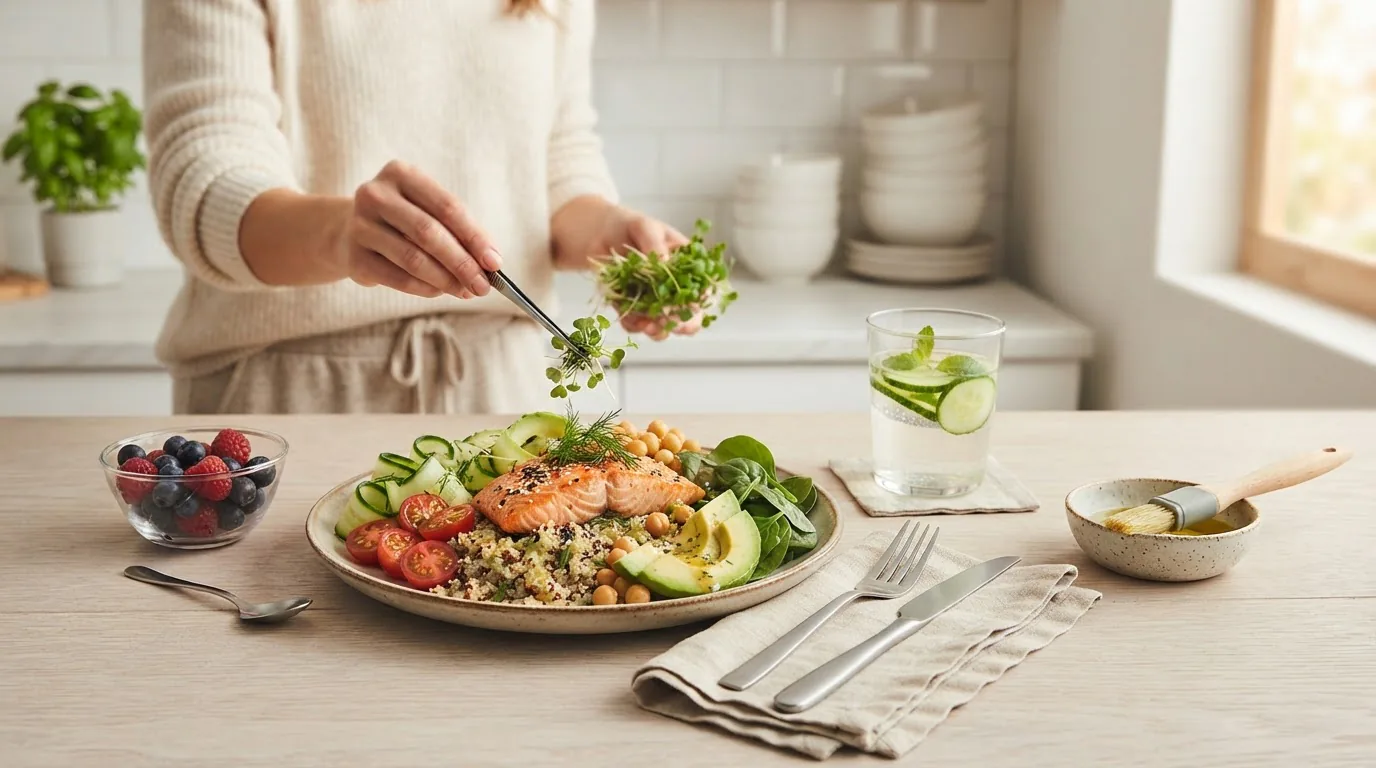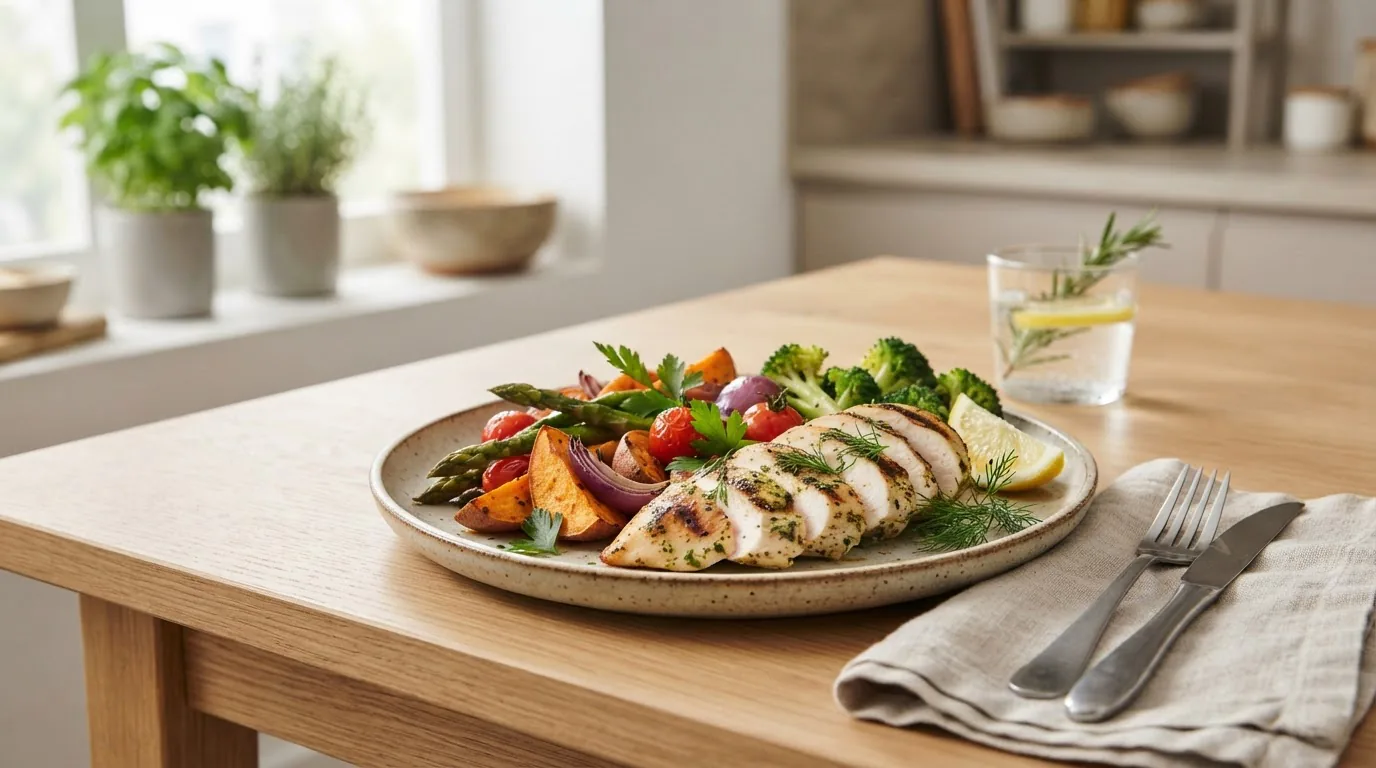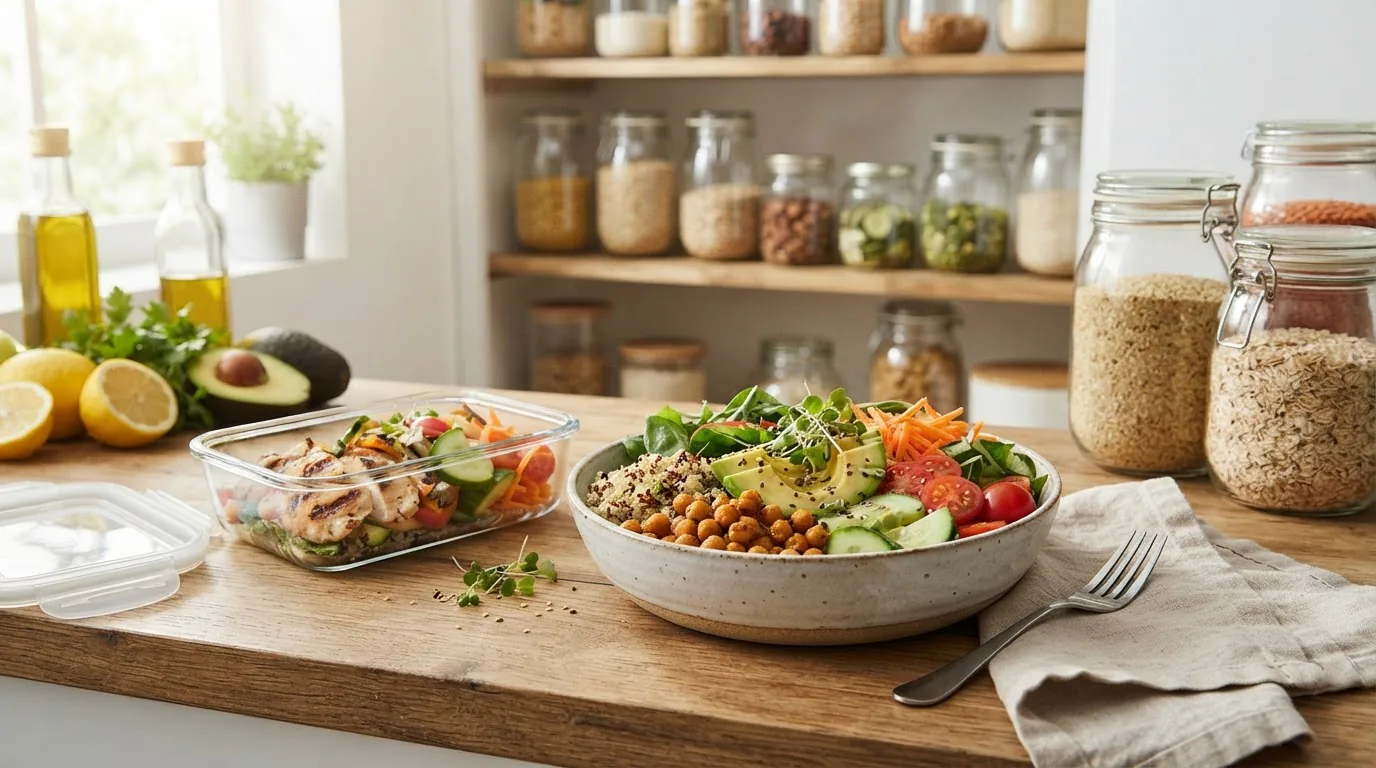
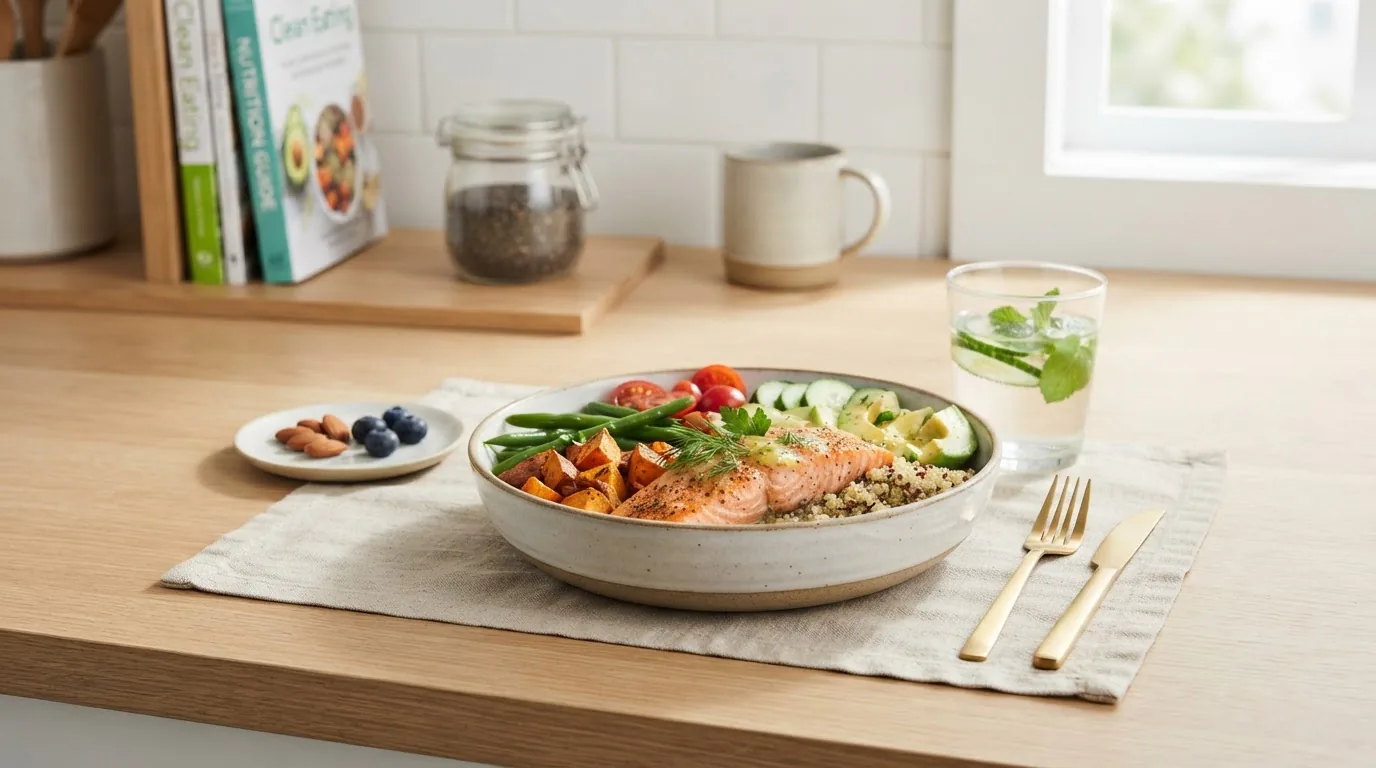
1200 calorie meal plan — a focused, low-calorie approach that can produce steady weight loss when planned for nutritional completeness. This guide shows how to build a balanced 1200 calorie daily meal plan, meet essential nutrient needs, and use high-protein variations safely for appetite control and muscle preservation.
Introduction to the 1200 Calorie Meal Plan
A 1200 calorie meal plan is a structured eating approach that targets roughly 1,200 kilocalories per day to create a caloric deficit for weight loss. “Caloric deficit” means consuming fewer calories than your body uses for basal metabolic rate plus activity, which forces the body to draw on stored energy. For many adults, a 1,200-calorie target represents a significant decrease from typical intakes and therefore requires careful attention to nutrient balance so energy, protein, vitamins, and minerals remain adequate.
When people ask, “What does a 1200 calorie diet include?” they often mean a daily routine of three meals and one or two small snacks that together prioritize nutrient-dense foods—lean proteins, high-fiber vegetables, whole grains in controlled portions, healthy fats, and limited added sugars. Clear definitions help: “caloric deficit” is the shortfall between intake and energy needs; “macronutrients” are protein, carbohydrates, and fats; “RDA” (Recommended Dietary Allowance) refers to a nutrient intake target set by authoritative bodies for most healthy people.
definition of diet and nutritional requirements
Use this guide to understand who should consider a 1200 calorie eating plan, how to meet macronutrient and micronutrient targets, and practical meal examples and recipes designed for meal timing, portion control, and satiety. Throughout, we reference US guidelines and nutrient reference data to keep your plan safe and evidence-informed.
Next, learn who this plan suits and what medical or lifestyle considerations should guide your choice.
Who Should Consider a 1200 Calorie Diet?
A 1200 calorie diet is not universally appropriate. It may be suitable for some adults seeking weight loss, particularly smaller-statured individuals, women with modest energy needs, or people under clinical supervision. Below are key considerations to decide if a 1200 calorie diet could fit your goals.
- Current body size and activity level: Smaller adults and those with low physical activity have lower energy needs and can sometimes reach a healthy caloric deficit at 1200 kcal/day.
- Weight-loss target and rate: A safe rate is commonly 0.5–2 pounds per week via a daily deficit of about 250–1000 kcal — a 1200 kcal target may be appropriate if starting intake and energy needs mean this creates a moderate deficit. According to a 2024 nutrition practice review, individualized deficits are recommended over fixed prescriptive intakes (source: professional nutrition review).
- Age and sex differences: Older adults and women often have lower basal energy needs; teenaged growth, pregnancy, lactation, and adolescence are contraindications for 1200 kcal without clinician oversight.
- Medical conditions and medications: People with diabetes, thyroid disease, eating disorders, or on medications that affect appetite/metabolism should consult a clinician first.
- Lifestyle and exercise goals: Active individuals or those doing heavy resistance training usually require more calories to support performance and recovery; a 1200 kcal plan can impair performance and recovery if not tailored.
- Duration: Short-term use with monitoring is safer than indefinite strict restriction; long-term adherence should include periodic re-evaluation for nutrient adequacy and metabolic effects.
Key decision checklist:
- Are you an adult with low-to-moderate activity? (Possibly suitable)
- Are you pregnant, breastfeeding, or growing? (Not suitable)
- Do you have medical conditions or medications that affect metabolism? (Consult provider)
- Can you commit to nutrient-dense foods and regular monitoring? (Essential)
If you meet several affirmative criteria and have medical clearance, proceed to detailed nutrition requirements to ensure safety and effectiveness.
Nutrition Requirements on a 1200 Calorie Meal Plan
Transitioning from “who” to “how”: the critical challenge with a 1200 calorie daily meal plan is delivering necessary micronutrients and macronutrients within tight energy limits. The priority is to maximize nutrient density per calorie while meeting key RDAs and avoiding common deficits.
balanced nutrition guide and meal requirements for health
Define the targets and tools:
- RDA/RDI definitions: RDAs and Dietary Reference Intakes (DRIs) describe nutrient levels to meet most healthy people’s needs. For specifics, consult authoritative resources such as the National Institutes of Health and USDA.
- Macronutrient priorities: Protein for satiety and muscle maintenance; fiber for fullness and gut health; healthy fats for essential fatty acids and vitamin absorption; carbohydrate for energy in the remainder of calories.
- Nutrient density approach: Choose foods that deliver the greatest micronutrient content per calorie (e.g., leafy greens, cruciferous vegetables, lean seafood, legumes, low-fat dairy, fortified foods).
Below are evidence-informed daily nutrient blocks tailored for a 1200 kcal plan. Use these as general targets; individual needs vary by age, sex, and health status.
| Nutrient | Target on 1200 kcal plan | Reference / Note |
|---|---|---|
| Calories | ~1,200 kcal/day | Purpose: moderate caloric deficit for weight loss |
| Protein | 90–120 g/day (25–40% kcal; ~0.8–1.2 g/lb LBM) | Higher protein supports satiety and lean mass; adjust for body weight |
| Carbohydrate | 100–130 g/day (~33–44% kcal) | Focus on whole grains, legumes, fruits, and vegetables |
| Fat | 30–45 g/day (~25–35% kcal) | Favor monounsaturated and polyunsaturated fats |
| Fiber | 25–30 g/day | From whole foods; supports satiety and glycemic control |
| Calcium | 1000–1300 mg/day | According to NIH DRIs; dairy or fortified alternatives recommended |
| Iron | 8–18 mg/day (higher for premenopausal women) | NIH DRI: women of childbearing years need higher iron |
| Vitamin D | 600–800 IU/day (15–20 mcg) | Many require fortified foods or supplements per NIH guidance |
| Vitamin B12 | 2.4 mcg/day | Critical for those on plant-forward plans |
Notes on the table: protein at 90–120 g is recommended for many aiming to preserve lean mass on low-calorie diets; this assumes a smaller or average adult with a higher protein ratio to calories. Protein needs should be individualized using body weight, lean body mass, and activity level. The NIH Office of Dietary Supplements and USDA provide DRIs and food-group guidance for micronutrients — consult their resources when planning.
consistent carb diet requirements
vitamin requirements for a healthy diet
Practical nutrient targets (bulleted):
- Protein: Aim for at least 20–30 g per meal and 10–20 g per snack to reach the daily protein goal; prioritize lean proteins (chicken breast, low-fat dairy, tofu, fish, legumes).
- Fiber: Include a vegetable or fruit with each meal and a whole-grain or legume source once daily to meet 25–30 g fiber goal.
- Calcium & Vitamin D: Two servings of dairy/factory-fortified alternatives or a supplement as indicated by clinician testing.
- Iron & B12: For premenopausal women, emphasize iron-rich foods (lean red meat, legumes, fortified cereals) and combine with vitamin C to enhance absorption; vegans should monitor B12 status and consider supplementation.
- Omega-3 fats: Two servings of fatty fish weekly or plant-based ALA sources; consider supplementation if intake is low.
Reference sources for RDAs and specific numbers: consult the NIH Office of Dietary Supplements for micronutrient RDAs (https://ods.od.nih.gov/), and USDA food group guidance for meal patterns (https://www.dietaryguidelines.gov).
Practical balancing tip: treat the day like a “fueling plan” for a small car — prioritize high-quality fuel (nutrient-dense foods) so every calorie provides more micronutrients and satiety per kilocalorie. Next, we’ll walk step-by-step through creating a balanced 1200 calorie daily meal plan with portion control and meal timing.
How to Create a Balanced 1200 Calorie Daily Meal Plan
Transitioning from nutrient targets to a practical plan means translating numbers into meals. Below is a step-by-step method to build a daily 1,200 kcal menu that balances macros and micronutrients while promoting satiety and simplicity.
- Determine your individual needs and obtain clearance. Get medical clearance if you have chronic conditions, are pregnant, breastfeeding, or if you’re under 18. A registered dietitian or clinician can adjust the 1200 kcal baseline using body-weight calculations and goals. For general calculators, compare your TDEE and subtract an appropriate deficit. According to a 2024 clinical practice update, personalized goals outperform one-size-fits-all plans (source: professional guideline).
- Set macronutrient ratios for the plan. For a 1200 kcal day, a reasonable composition is 30–40% protein, 30–45% carbohydrates, 25–35% fat depending on preferences. Example split: 35% protein (105 g), 40% carbs (120 g), 25% fat (33 g). This prioritizes protein to protect lean mass.
-
Distribute calories across meals for appetite control. Common structures:
- Three meals + 1 snack: breakfast 300 kcal, lunch 350 kcal, dinner 400 kcal, snack 150 kcal.
- Three meals only: breakfast 350 kcal, lunch 400 kcal, dinner 450 kcal (for those who prefer fewer meals).
Choose timing that fits your routine and hunger patterns. Consistency helps manage appetite and energy.
- Prioritize protein at every eating occasion. Aim for 20–35 g protein at each main meal. This helps satiety and preserves muscle. Sources: lean poultry, fish, eggs, Greek yogurt, low-fat cottage cheese, tempeh, legumes (pair legumes with a small portion of lean animal protein or nuts if needed).
- Fill half your plate with non-starchy vegetables. Veggies are low in calories and high in fiber, vitamins, and minerals. They boost meal volume without many calories, helping you feel full on fewer calories.
- Include a controlled portion of whole grains or starchy vegetables. Aim for 1 serving per day from whole grains (e.g., ½ cup cooked brown rice or 1 slice whole-grain bread) or adjust across meals to reach target carbs while preserving fiber.
- Use healthy fats sparingly but intentionally. 1 tablespoon olive oil, 1/4 avocado, or a small handful of nuts helps with nutrient absorption and satiety. Keep fat portions measured to avoid calorie creep.
- Plan snacks for hunger management, not calorie padding. A 100–150 kcal snack of Greek yogurt, a boiled egg, or an apple with 1 tsp peanut butter can stabilize blood sugar and prevent overeating later.
-
Meal prep and portion control. Batch-cook proteins, pre-portion snacks, and use a kitchen scale or measuring cups for consistent serving sizes. Visual portion cues help: palm-sized protein, fist-sized veg, cupped hand carbs, thumb-sized fats.
printable meal planning worksheet - Track and adjust based on progress and wellbeing. Follow weight, energy, sleep, menstrual cycles, and mood. If weight loss stalls or symptoms like persistent fatigue occur, reassess caloric target and nutrient density with a clinician.
Practical portion-control checklist (visual cues):
- Protein: 3–4 oz (palms) per meal
- Vegetables: 1–2 cups non-starchy veg per meal
- Starchy carbs: ½ cup cooked grains or 1 small potato once daily
- Fats: 1 tsp olive oil or 1 Tbsp nut butter per day portioned across meals
Comparison and additional resources: for readers who want a slightly higher calorie option or side-by-side comparison of strategies, see the 1400 calorie meal plan guide to evaluate trade-offs in satiety and micronutrient margin.
Next: concrete sample menus, recipes, and macro counts to make daily planning straightforward.
Sample 1200 Calorie Diet Menus and Recipes
Below are practical, ready-to-follow daily menus with calorie and macronutrient breakdowns. Each day totals approx. 1,200 kcal and balances protein, carbs, and fats while prioritizing nutrient-dense foods. Portions are estimated; use a food scale for exact tracking. These menus are USA-focused in ingredient availability and follow USDA food group patterns.
balanced diet nutrition charts
Example Day A — Balanced (≈1,200 kcal)
- Breakfast (≈300 kcal): Greek yogurt parfait — 3/4 cup nonfat Greek yogurt (100 kcal, 17 g protein), 1/4 cup granola (120 kcal), 1/2 cup mixed berries (40 kcal), 1 tsp chia seeds (40 kcal). Macros: ~24 g protein, 35 g carbs, 7 g fat.
- Lunch (≈350 kcal): Chicken salad bowl — 3 oz grilled chicken breast (140 kcal, 26 g protein), 2 cups mixed greens (20 kcal), 1/2 cup cherry tomatoes (15 kcal), 1/2 cup cucumber (8 kcal), 1/3 cup cooked quinoa (70 kcal), 1 Tbsp olive oil + lemon dressing (90 kcal). Macros: ~28 g protein, 25 g carbs, 14 g fat.
- Snack (≈120 kcal): Apple (80 kcal) + 1 Tbsp almond butter (40 kcal). Macros: 3 g protein, 16 g carbs, 6 g fat.
- Dinner (≈430 kcal): Baked salmon bowl — 4 oz salmon (230 kcal, 26 g protein), 1 cup steamed broccoli (55 kcal), 1/2 cup sweet potato (55 kcal), 1 tsp olive oil for cooking (40 kcal), lemon and herbs. Macros: ~28 g protein, 35 g carbs, 14 g fat.
- Daily macro approx: Protein 83 g; Carbs 111 g; Fat 41 g.
Example Day B — Lower Carb, Higher Protein (≈1,200 kcal)
- Breakfast (≈320 kcal): Omelet — 2 large eggs + 2 egg whites (140 kcal, 20 g protein), 1 cup sautéed spinach & mushrooms (40 kcal), 1 slice whole-grain toast (100 kcal), 1 tsp butter (40 kcal). Macros: ~23 g protein, 18 g carbs, 17 g fat.
- Lunch (≈340 kcal): Turkey and hummus wrap — 3 oz sliced turkey (90 kcal, 20 g protein), whole-wheat low-carb wrap (120 kcal), 2 Tbsp hummus (60 kcal), lettuce and sliced peppers (20 kcal), 1 small pear (50 kcal). Macros: ~22 g protein, 38 g carbs, 10 g fat.
- Snack (≈110 kcal): Cottage cheese 1/2 cup low-fat (90 kcal, 12 g protein) + cinnamon. Macros: 12 g protein, 6 g carbs, 2 g fat.
- Dinner (≈430 kcal): Shrimp stir-fry — 4 oz shrimp (120 kcal, 24 g protein), 2 cups mixed stir-fry vegetables (80 kcal), 1/2 cup cooked brown rice (110 kcal), 1 Tbsp teriyaki sauce (30 kcal), 1 tsp sesame oil (40 kcal), scallions/ginger. Macros: ~26 g protein, 55 g carbs, 11 g fat.
- Daily macro approx: Protein 83 g; Carbs 117 g; Fat 40 g.
Example Day C — Vegetarian (≈1,200 kcal)
- Breakfast (≈300 kcal): Smoothie — 1 cup unsweetened soy milk (80 kcal, 7 g protein), 1 scoop plant protein powder (120 kcal, 20 g protein), 1/2 banana (50 kcal), 1 Tbsp peanut butter (50 kcal). Macros: ~27 g protein, 28 g carbs, 10 g fat.
- Lunch (≈350 kcal): Lentil salad — 1 cup cooked lentils (230 kcal, 18 g protein), 1 cup mixed greens & cucumber (20 kcal), 1 Tbsp olive oil & vinegar (120 kcal). Macros: ~18 g protein, 40 g carbs, 12 g fat.
- Snack (≈100 kcal): Carrot sticks (35 kcal) + 2 Tbsp tzatziki (65 kcal). Macros: 3 g protein, 8 g carbs, 4 g fat.
- Dinner (≈450 kcal): Tofu stir-fry — 4 oz firm tofu (120 kcal, 12 g protein), 2 cups mixed vegetables (80 kcal), 1/2 cup cooked farro (120 kcal), 1 Tbsp peanut sauce (130 kcal). Macros: ~24 g protein, 65 g carbs, 18 g fat.
- Daily macro approx: Protein 72 g; Carbs 141 g; Fat 44 g. Consider supplementing vitamin B12 and vitamin D if needed.
Sample recipes (brief):
- Greek Yogurt Parfait: Layer 3/4 cup nonfat Greek yogurt with 1/2 cup berries and 1/4 cup low-sugar granola. Add 1 tsp chia seeds. Stir for even texture.
- Baked Salmon Bowl: Season a 4 oz salmon fillet with lemon, garlic, and dill; bake at 400°F for 10–12 minutes. Roast sweet potato cubes alongside. Serve with steamed broccoli and a drizzle of olive oil.
- Lentil Salad: Combine cooked lentils with diced cucumber, cherry tomatoes, parsley, lemon juice, and 1 Tbsp olive oil. Chill and serve over greens.
Portion tips and calorie accounting: use online nutrition databases or label information for precise counts. For food label conversions and standardized serving sizes, follow USDA serving guidelines at https://www.dietaryguidelines.gov.
For printable weekly menus and visuals that support meal prep, see the meal planner and chart resources linked earlier to help you apply these sample menus to your week.
Transitioning now, we’ll show a targeted 1200 calorie high protein diet variation for those prioritizing muscle preservation or appetite control.
1200 Calorie High Protein Diet Plan Variation
A high-protein variation of the 1200 calorie meal plan raises the protein share to better preserve lean mass and improve satiety. This is useful during active weight loss or when resistance training is part of your routine. The approach focuses on lean, low-calorie protein sources, timed protein distribution, and careful carb/fat balancing.
Why increase protein? Protein increases satiety, supports muscle protein synthesis, and has a higher thermic effect of food (TEF) than fats or carbs — which can slightly increase energy expenditure. According to the Academy of Nutrition and Dietetics, higher protein diets can be effective for short-term weight management when balanced appropriately (https://www.eatright.org).
Sample high-protein structure (≈1,200 kcal):
| Meal | Calories | Protein (g) | Carbs (g) | Fat (g) |
|---|---|---|---|---|
| Breakfast — Egg & Greek Yogurt | 320 | 36 | 20 | 10 |
| Lunch — Turkey + Veg Bowl | 350 | 35 | 30 | 12 |
| Snack — Cottage Cheese + Berries | 120 | 14 | 10 | 3 |
| Dinner — Grilled Fish + Veg | 410 | 40 | 20 | 15 |
| Daily total | 1,200 | 125 g | 80 g | 40 g |
Protein distribution: aim for 25–40 g protein per meal and 10–15 g at snacks; this promotes muscle protein synthesis and steadier blood amino acid availability across the day. High-protein snacks (cottage cheese, Greek yogurt, roast turkey slices) are effective without adding excess calories.
Practical high-protein food swaps and tips:
- Replace 1/4 cup cooked quinoa (≈55 kcal, 2 g protein) with 3 oz chicken (≈140 kcal, 26 g protein) in meals to increase protein-to-calorie ratio.
- Use egg whites or liquid egg whites to boost protein with low fat.
- Choose low-fat dairy or concentrated protein powders (whey or plant-based) to add lean protein to smoothies and breakfasts.
- Balance the rest of calories with fibrous vegetables and small starchy portions to meet carbohydrate and fiber targets.
Example high-protein snack options (≈100–150 kcal):
- 1/2 cup low-fat cottage cheese + cinnamon (≈100 kcal, 12–15 g protein)
- 1 hard-boiled egg + 1 small clementine (≈100 kcal, 7 g protein)
- 1 scoop whey protein mixed with water (≈100–120 kcal, 20–24 g protein)
High-protein strategies must remain mindful of kidney health in those with pre-existing kidney disease; consult a healthcare professional if you have kidney concerns. For in-depth macro balancing methods, see the macronutrient planning guide.
Now we shift to a clear-eyed look at benefits and risks of following a 1200 calorie diet so you can weigh trade-offs.
Benefits and Risks of Following a 1200 Calorie Diet
Below is a direct comparison of likely benefits and potential risks to help inform safe use of a 1200 calorie eating plan. Recommendations follow based on current nutrition best practices.
| Benefits | Risks |
|---|---|
| Predictable caloric deficit leading to weight loss when adhered to consistently. | Potential for nutrient deficiencies (iron, calcium, vitamin D, B12) if food choices are poor. |
| Improved insulin sensitivity and reduced body fat for many individuals with overweight (supported by clinical studies). | Excessive hunger, irritability, or fatigue if energy needs are underestimated. |
| Can be structured to preserve lean mass when protein is prioritized (high-protein variation). | Reduced exercise performance and recovery for highly active people due to limited carbohydrates and calories. |
| Encourages mindful eating, portion control, and food tracking—skills useful for long-term behavior change. | May be psychologically unsustainable for some, increasing risk of disordered eating patterns if overly restrictive. |
Caution notes and monitoring:
- Short-term use (weeks to a few months) can be effective; longer durations require monitoring of labs (iron studies, vitamin D, B12) and symptoms.
- Women of childbearing age should ensure adequate iron and overall calories to avoid menstrual changes or fertility issues. According to a 2024 clinical nutrition summary, energy intakes below needs can alter reproductive hormones in some women (source: clinical summary).
- Older adults should avoid aggressive calorie restriction without professional supervision to prevent muscle loss and frailty risk.
Risk mitigation strategies:
- Prioritize nutrient-dense foods listed in the Nutrition Requirements section.
- Consider a multivitamin or targeted supplements (vitamin D, B12, iron) if dietary sources are insufficient — after lab confirmation and clinician advice.
- Keep protein high and include resistance training to protect lean mass.
- Schedule periodic check-ins with a registered dietitian for long-term management.
Overall, a 1200 calorie diet can be an effective tool for weight loss if done intentionally with nutrient adequacy, monitoring, and adjustments. The next section covers tips for success and common mistakes to avoid to keep you on track.
Tips for Success and Common Mistakes to Avoid
Small planning choices make large differences in adherence and results. Follow these practical tips and avoid common pitfalls.
- Plan and prep weekly: Batch-cook proteins and chop vegetables to reduce decision fatigue and portion-control errors.
- Measure portions: Use a kitchen scale, measuring cups, or visual cues (palm for protein, fist for veg, cupped hand for carbs) to prevent calorie creep.
- Hydrate well: Aim for 8–10 cups fluid per day unless otherwise instructed; thirst can masquerade as hunger.
- Prioritize protein and fiber: These nutrients improve satiety; include them at every meal and snack.
- Include healthy fats in small amounts: Fats help nutrient absorption and satiety — but they are calorie-dense, so measure portions.
- Be mindful with beverages: Avoid sugary drinks; choose unsweetened tea, black coffee, or water to keep calories low.
- Track and reflect: Log food and symptoms; use weekly weight and body composition trends rather than daily fluctuations to evaluate progress.
- Allow flexibility: Include a planned higher-calorie meal occasionally to support social life and psychological sustainability.
- Avoid extreme restriction: If persistent hunger, fatigue, or mood changes occur, increase calories modestly or consult a dietitian.
- Sleep and stress management: Poor sleep and high stress increase hunger hormones and can undermine results; prioritize 7–9 hours of sleep when possible.
Common mistakes to avoid:
- Cutting calories but not increasing nutrient density (leading to deficiencies).
- Overestimating portion sizes of calorie-dense foods like nuts and oils.
- Skipping protein at meals, which reduces satiety and increases muscle loss risk.
- Adopting the plan long-term without periodic nutrition labs and professional guidance.
Next, learn when to consult a healthcare professional to ensure safety and tailored care.
When to Consult a Healthcare Professional
Consult a healthcare provider before starting a 1200 calorie meal plan if you have chronic conditions (diabetes, thyroid disorders, kidney disease), are pregnant, breastfeeding, under 18, or over 65. Seek immediate medical advice for warning signs such as dizziness, fainting, rapid weight loss (>2% body weight per week), irregular heartbeat, or pronounced fatigue. For individualized nutrient targets and lab monitoring (iron, vitamin D, B12), work with a registered dietitian or clinician.
Professional services to consider:
- Registered dietitian for personalized meal planning and supplement guidance.
- Primary care provider for baseline labs and safety screening.
- Endocrinologist if metabolic or hormonal issues may affect energy needs.
Regular follow-up every 4–8 weeks in early phases helps adjust calories and macros to maintain health and progress.
Conclusion and Additional Resources
Summary: A well-constructed 1200 calorie meal plan can create a safe caloric deficit and support weight loss when focused on nutrient-dense foods, adequate protein, fiber, and appropriate micronutrient coverage. Use meal structuring, portion control, and meal prep to improve adherence. Monitor wellbeing and labs, and adjust as needed with professional support.
Further reading and tools:
- printable meal planning worksheet — use to map weekly menus and grocery lists.
- Highest Protein Foods Chart Guide and Protein Requirements — for protein-dense swaps.
- Meal Planner Printable Guide and Weekly Menu Requirements — for weekly application.
Authoritative external resources for guidelines and nutrient reference:
- USDA Dietary Guidelines — for food group guidance and healthy meal patterns.
- NIH Office of Dietary Supplements — for RDAs/DRIs and supplement information.
- Academy of Nutrition and Dietetics — for evidence-based practice on weight management and diet safety.
Ready to start? Use the sample menus and the printable meal planning worksheet, prioritize protein and vegetables, track progress, and consult a provider for personalized adjustment. Sustainable change comes from consistent, nutrient-focused actions—start your plan with a clear monitoring strategy and professional support when needed.
Frequently Asked Questions
What is a 1200 calorie meal plan?
A 1200 calorie meal plan is a daily eating framework that limits intake to ~1,200 kilocalories to create a caloric deficit for weight loss, emphasizing nutrient-dense foods, balanced macronutrients, and portion control while monitoring vitamins and minerals to avoid deficiencies.
How does a 1200 calorie diet compare to a 1400 calorie diet for weight loss?
A 1200 calorie diet generally produces a larger caloric deficit and potentially faster weight loss than a 1400 calorie diet but increases risk of hunger and nutrient shortfalls; a 1400 calorie plan may be more sustainable and better for active individuals or those needing more micronutrient margin.
How do I create a balanced 1200 calorie daily meal plan?
Distribute calories across meals (e.g., 300/350/400/150), prioritize 20–35 g protein per meal, fill half the plate with vegetables, add measured whole grains and healthy fats, and use meal prep and tracking to ensure nutrient targets are met within 1,200 kcal.
Can I build muscle on a 1200 calorie high protein diet?
Building significant muscle is challenging at 1,200 kcal unless you’re new to training; however, a high-protein 1200 kcal plan can help preserve lean mass while losing fat when paired with resistance training and adequate protein distribution across meals.
How long does it typically take to see results on a 1200 calorie meal plan?
Many people see measurable weight loss within 1–4 weeks depending on starting weight and adherence; safe, sustainable rates are about 0.5–2 pounds per week, with variation by individual metabolism and activity level.
What should I do if I feel hungry on a 1200 calorie diet?
Increase protein and fiber at meals, add low-calorie vegetables for volume, ensure adequate hydration and sleep, time snacks strategically, and if hunger persists, modestly increase calories or consult a dietitian to adjust the plan.
Is a 1200 calorie diet safe for everyone?
No; it is not safe for pregnant or breastfeeding people, adolescents, some older adults, or those with certain medical conditions. Always consult a healthcare professional before starting a low-calorie regimen and monitor labs and symptoms.
How do I ensure quality and variety on such a low-calorie eating plan?
Choose nutrient-dense choices across food groups, rotate protein and vegetable sources, use fortified foods where needed, consider supplements based on lab results, and follow a meal-planning worksheet to maintain variety and nutrient coverage.