Veggie heavy meals can transform weeknight dinners into satisfying, nutrient-dense routines that save time, reduce grocery costs, and boost long-term health. This guide walks you through planning, building, prepping, and rotating vegetable-heavy dinners so you can eat more veggies consistently without sacrificing flavor or convenience.
Introduction to Veggie Heavy Meals
Shifting to plant-forward dinners means centering vegetables in your evening meals, whether as the main component or the largest portion of a balanced plate. Vegetable-based meals emphasize a diversity of produce—leafy greens, roots, cruciferous vegetables, alliums, and more—paired sensibly with proteins and whole grains. By planning veggie-heavy dinners deliberately, you move from ad-hoc choices to a repeatable weekly pattern that supports nutrition, satiety, and variety.
Meal planning for vegetable-heavy dinners isn’t just about recipes. It’s about establishing systems: shopping lists organized by vegetable subgroups, batch-prep strategies for time-starved nights, storage techniques that reduce waste, and simple portion rules that make a loaded plate feel normal. This article focuses on those practical planning strategies so you can sustainably include more vegetables at dinner without daily recipe hunting or extra kitchen hours.
For readers who want foundational nutrition context on produce, see fresh fruits and vegetables benefits.
Transition: Now that you understand what veggie-heavy meals are, let’s explore why prioritizing vegetable-rich dinners matters for health and daily life.
Why Focus on Veggie Heavy Dinners?
Centering dinner around vegetables yields measurable health gains and practical daily benefits. Vegetables are nutrient-dense, generally low in calories for their volume, and rich in fiber, vitamins, minerals, and phytonutrients that support cardiovascular health, weight management, and cancer prevention.
Here are concise, cited benefits and data points to support that focus:
- Higher nutrient density: Vegetables provide vitamins A, C, K, folate, potassium, and antioxidants per calorie—boosting micronutrient intake without adding excessive energy.
- Fiber and satiety: Fiber in non-starchy vegetables increases fullness and supports blood glucose control.
- Cardiovascular benefits: Greater vegetable intake correlates with lower risk of heart disease.
| Benefit | Evidence snapshot |
|---|---|
| Reduced heart disease risk | According to a 2022 meta-analysis in peer-reviewed research, higher vegetable intake linked to lower cardiovascular events (source type: peer-reviewed study). |
| Lower cancer risk | According to a 2023 NIH review, diets high in vegetables were associated with modest reductions in certain cancer risks (source type: NIH review). |
| Improved weight management | According to a 2024 industry report, higher vegetable consumption correlated with lower BMI in large cohort data (source type: industry report). |
For specific vitamin sources in vegetables, consult the dedicated guide to vitamin-rich vegetables.
Official recommendations also support increasing vegetable intake. The U.S. Department of Agriculture’s dietary guidelines encourage a varied vegetable intake across subgroups for optimal nutrition and chronic disease reduction. See USDA dietary guidelines for standards and serving targets (source type: government guideline).
The American Heart Association emphasizes vegetables for cardiovascular health; their guidance suggests filling half your plate with fruits and vegetables at meals to support heart-healthy patterns. Read more at the AHA: AHA recommendations on vegetable intake (source type: association guidance).
For broader public-health framing on vegetable consumption and disease prevention, see the CDC’s dietary guidance: CDC dietary guidance on vegetable consumption (source type: public health agency).
Transition: Understanding the why helps shape how you plan—next, practical meal planning principles make veggie-heavy dinners realistic and repeatable.
Planning Veggie Heavy Meals: Key Principles
-
Start with a balanced composition:
Use a modified plate model where vegetables occupy 50–60% of the plate, proteins 20–30%, and whole grains or starchy vegetables 10–20%. This “vegetable-forward plate” ensures volume eating—larger portions with fewer calories—while keeping meals satisfying. For carbohydrate guidance that includes fruits and veggies, see carbohydrates in fruits and vegetables.
-
Plan by vegetable subgroups:
Rotate types weekly across these subgroups: leafy greens (spinach, kale), cruciferous (broccoli, cauliflower), root vegetables (carrots, beets), alliums (onion, garlic), nightshades (tomatoes, peppers), and legumes/pulses (green beans, edamame). Balancing subgroups keeps micronutrients varied and interesting. For an in-depth subgroup breakdown, see vegetable subgroups.
-
Batch and schedule prep:
Set two weekly prep sessions: a Sunday grocery-and-batch-cook session and a midweek refresh. Roast a tray of mixed root vegetables, blanch and shock cruciferous vegetables, and prepare a large vinaigrette to dress salads or bowls. Label containers with dates and planned uses to avoid decision fatigue.
-
Use a theme night system:
Assign themes to nights—“Stir-Fry Monday,” “Taco Tuesday,” “Sheet-Pan Wednesday,” “Pasta-Plus Thursday,” “Soup/Stew Friday.” Themes reduce choice overload and let you build vegetable variations around a consistent technique.
-
Portion control and visual cues:
Train your eye: a dinner plate is easier to compose if you think in cups or handfuls—aim for 2–3 cups of mixed vegetables for most adults per dinner. Use shallow bowls for salads to make large vegetable volumes feel manageable and appealing.
-
Include one “anchor vegetable” per meal:
Choose a dominant vegetable (e.g., roasted Brussels sprouts, spiced eggplant) and build flavors and sides around it. Anchors simplify shopping and deepen familiarity with seasonal produce.
-
Mix raw and cooked textures:
Combine crunchy raw elements (slaws, raw peppers, quick-picked onions) with warm roasted or braised vegetables for satisfying mouthfeel diversity that pleases picky eaters and kids.
-
Budget and season planning:
Plan dinners around seasonal and sale produce to reduce cost. Bulk-buy frozen vegetables (peas, mixed stir-fry blends, edamame) as reliable backups that retain nutrients and reduce spoilage.
-
Track one-week increments:
Test a single-week plan and iterate. Log what vegetables were consumed, which dishes flopped, and how much waste occurred. Small iterative adjustments build lasting routines.
-
Account for dietary needs and nuance:
Consider sodium-sensitive diners, low-FODMAP needs, or texture preferences. For carbohydrate-focused balancing when swapping fruit for extra veg or vice versa, consult resources on carbs in vegetables.
Transition: With principles in place, seasonal produce choices help make planning easier and more flavorful—let’s map vegetables by season and their practical uses for dinner menus.
Seasonal Vegetables to Include in Dinner Meal Plans
Building veggie-heavy dinners around seasonal produce improves flavor, nutrition, and cost-efficiency. Seasonal vegetables are typically fresher, cheaper, and more nutrient-rich because they’re harvested at peak ripeness and spend less time in storage. Storage life varies: root vegetables (carrots, beets) last weeks in cool storage, while tender greens need quick turnover.
Spring offerings include tender, sweet vegetables that work well in light dinners. Summer brings abundant tomatoes and peppers for bright, raw-friendly dishes. Fall shifts toward heartier roots and squashes, ideal for roasting and braising. Winter highlights storage crops and hardy greens for warming soups and sheet-pan dishes.
Here’s a seasonal vegetable list by time of year to guide weekly dinner plans:
- Spring (Mar–May): asparagus, peas, radishes, young carrots, spinach, ramps, artichokes. Plan light pastas, warm salads, and quick sautés.
- Summer (Jun–Aug): tomatoes, bell peppers, cucumbers, eggplant, zucchini, corn. Use raw salsas, grilled vegetables, and chilled soups.
- Fall (Sep–Nov): Brussels sprouts, sweet potatoes, beets, butternut squash, cauliflower, mushrooms. Perfect for roasting, stews, and mash sides.
- Winter (Dec–Feb): kale, collards, cabbage, carrots, parsnips, onions, storage potatoes. Think braises, hearty soups, and one-pan roasts.
For gardeners and cooks planning dinners around homegrown produce, check spring vegetable planting and availability to align your planting schedule with dinner menus.
For longer-term storage guidance for fall produce, see seasonal vegetable and fruit storage tips.
Seasonality also affects nutrient profiles—some vitamins and phytonutrients are more abundant in fresh produce. Use seasonal rotation to maximize variety and prevent monotony. Transition: Knowing what’s in season helps the shopping list; next, assemble those vegetables into a balanced dinner plate.
How to Build a Veggie-Heavy Dinner Plate
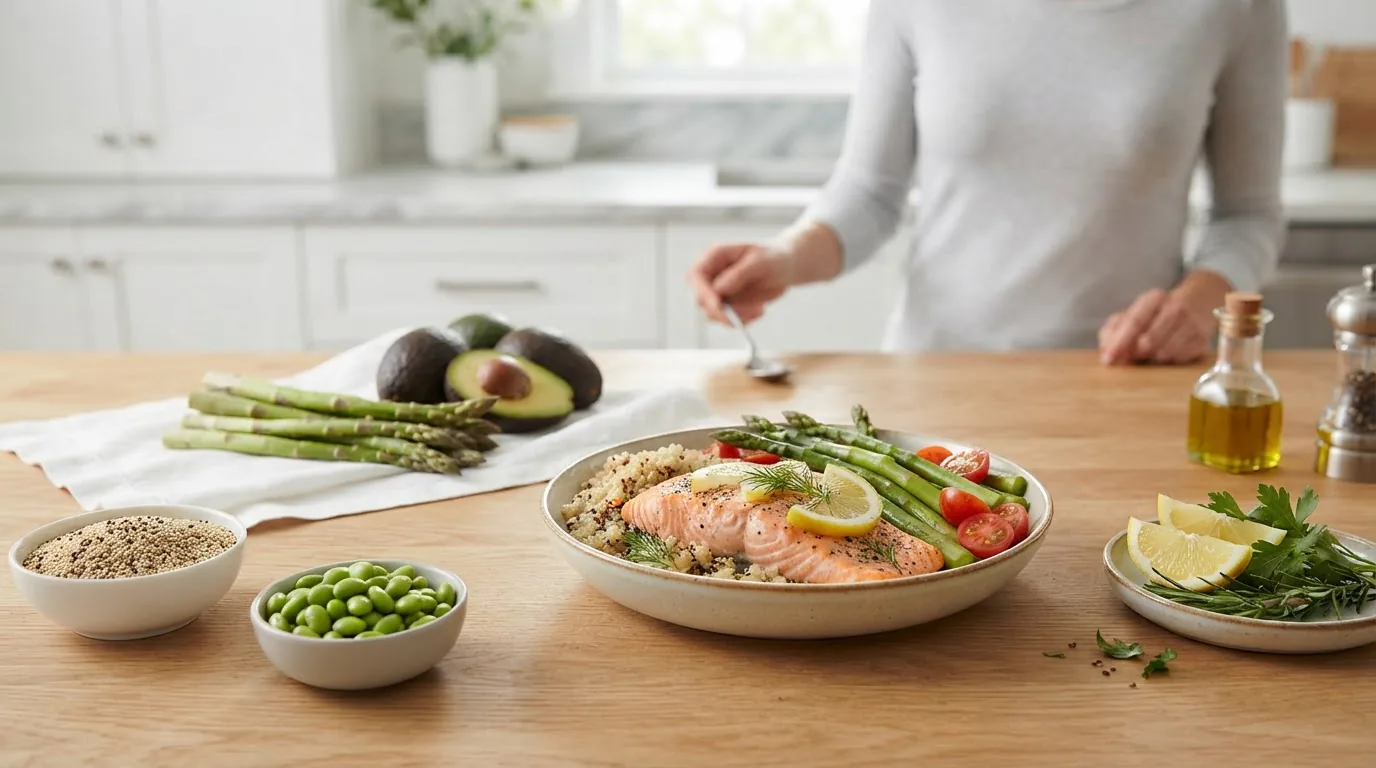
Creating a satisfying veggie-heavy dinner plate is a stepwise process: choose an anchor vegetable, add complementary vegetables, select a lean protein or plant-based alternative, and finish with a modest serving of whole grains or starchy veg if desired. Follow these steps and examples to build plates quickly.
-
Step 1 — Pick the anchor (50–60% of plate):
Select one dominant vegetable or mixed preparation that forms the base—e.g., a bowl of roasted root vegetables and kale, or a grilled vegetable stack (eggplant, zucchini, tomato). Anchors provide texture and flavor focus.
-
Step 2 — Add two complementary vegetables (15–20% each):
Mix a cooked vegetable with a raw or pickled one to create contrast—e.g., braised cabbage with a lemony arugula salad. This ensures diversity in micronutrients and textures.
-
Step 3 — Add protein (20–30%):
Choose lean proteins (chicken breast, fish), plant proteins (tofu, tempeh, legumes), or a small portion of cheese. Combining protein with vegetables improves satiety and supports muscle recovery.
-
Step 4 — Add controlled carbs (10–20%):
If including grains or starchy vegetables, keep portions modest: ½–1 cup cooked whole grain (brown rice, farro) or a small roasted sweet potato. For low-carb preferences, increase non-starchy vegetables instead.
-
Step 5 — Finish with flavor components:
Dress with a vinaigrette, sprinkle toasted seeds/nuts, or add a spoon of yogurt or tahini. Flavor layers make vegetables feel indulgent without caloric overload.
Example plates to visualize composition:
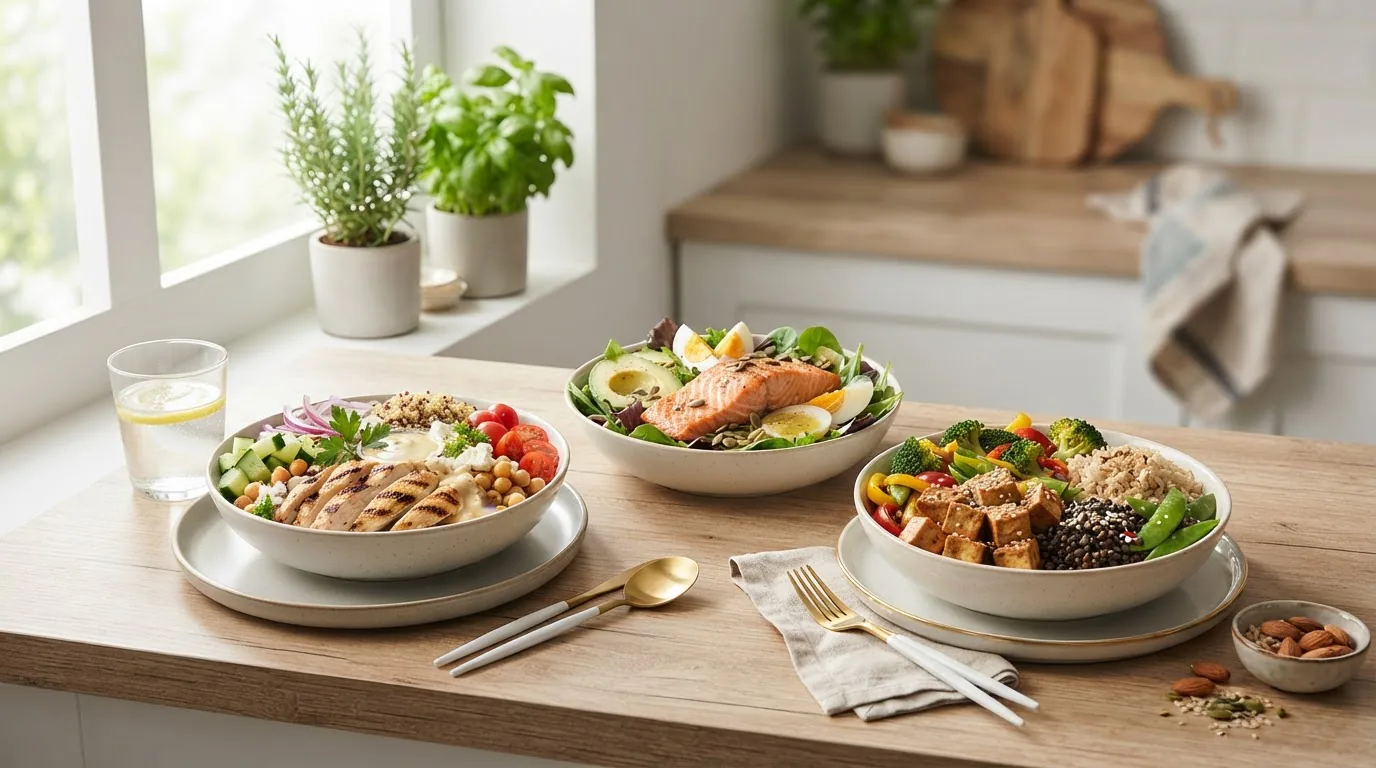
- Mediterranean Sheet-Pan Plate: Roasted eggplant & peppers (anchor), a quick cucumber-tomato salad (complement), grilled lemon chicken (protein), ½ cup farro (carb), drizzle of herb vinaigrette.
- Asian Stir-Fry Bowl: Wok-tossed broccoli, bok choy, and carrots (anchor), quick-pickled daikon (complement), tofu or shrimp (protein), ½ cup brown rice (carb), toasted sesame and scallions.
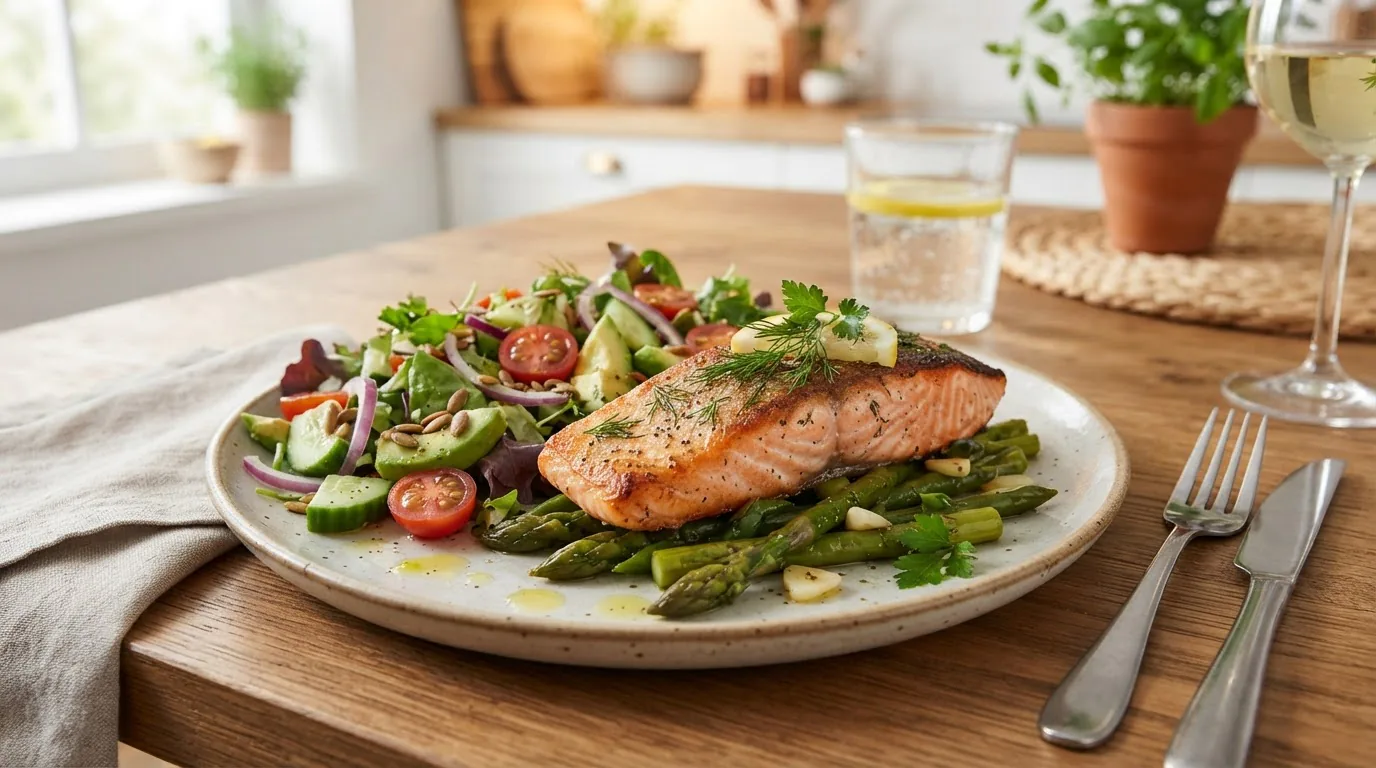
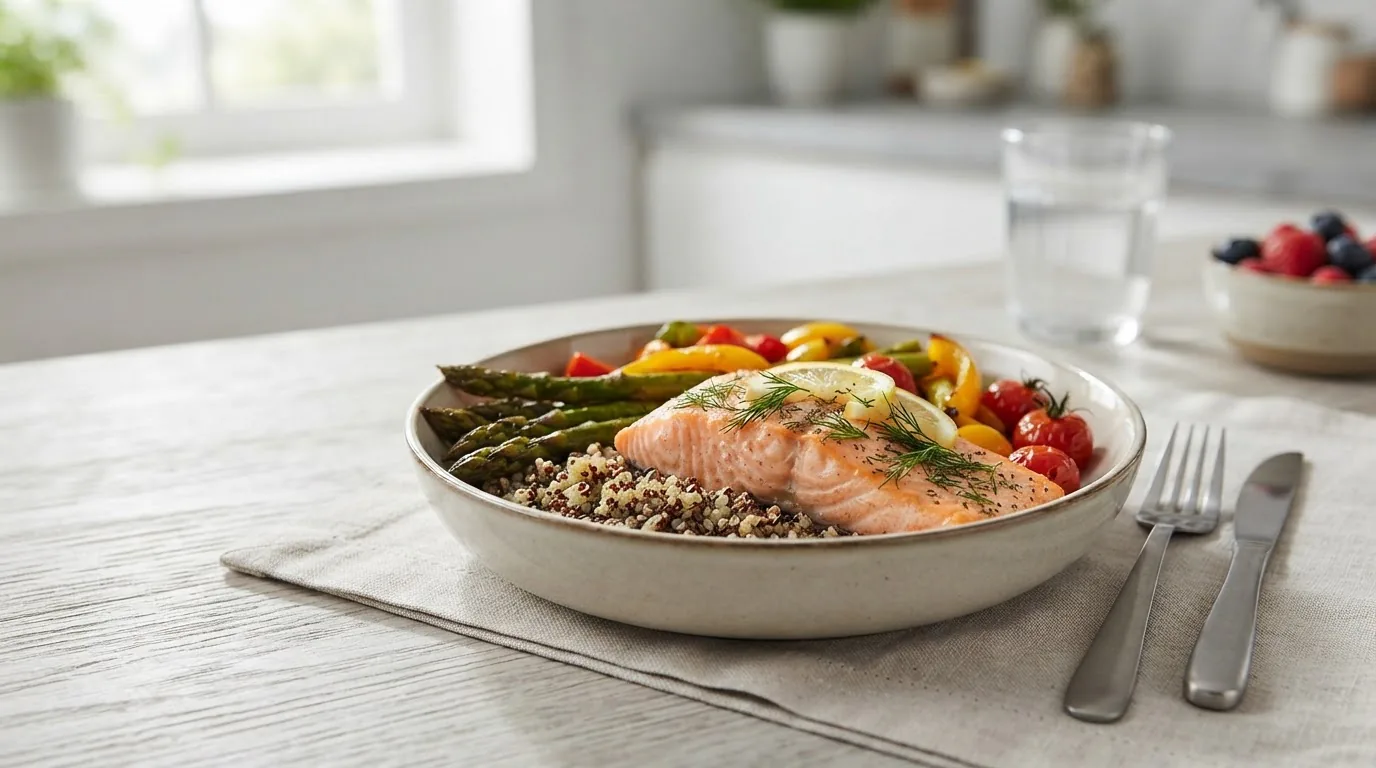
- Autumn Comfort Plate: Roasted Brussels sprouts and butternut (anchor), sautéed garlic kale (complement), pan-seared salmon (protein), small mashed sweet potato (carb), sprinkle of pumpkin seeds.
When considering starchy vegetables and carb content in your plate, refer to resources on carbs in vegetables to match portions to your energy goals.
Transition: Once you can visualize plates, efficient prep and cooking techniques make creating them fast—next section covers time-saving vegetable preparation.
Easy Preparation and Cooking Tips for Vegetables
Simple techniques elevate vegetable flavor and reduce cook time. Mastering roasting, steaming, stir-frying, and braising lets you prepare large batches and combine them into varied dinners all week.
Core techniques with step-by-step guidance
-
Roasting — the easiest flavor intensifier:
Preheat oven to 425°F (218°C). Cut vegetables into uniform pieces for even cooking. Toss with 1–2 tbsp oil per sheet pan, salt, pepper, and optional spices. Roast 20–45 minutes depending on density—toss once midway. For large batches, use two sheet pans to avoid crowding.
-
Steaming — rapid and nutrient-conserving:
Use a steamer basket over simmering water or a microwave-safe covered dish with a splash of water. Steam tender greens 1–3 minutes; firmer veg like broccoli 4–6 minutes. Shock in ice water if keeping cold for salads.
-
Stir-frying — quick high-heat cooking:
Heat a wok or large skillet until very hot. Add a thin oil layer, then aromatics (garlic, ginger). Add dense vegetables first (carrots, broccoli), then quicker-cooking items (leafy greens) near the end. Finish with a sauce to coat.
-
Braising — deep flavor with minimal hands-on time:
Sear vegetables or aromatics, add a flavorful liquid (stock, tomatoes, wine) to cover partially, and simmer until tender. Braising is ideal for cabbage, fennel, and hearty greens.
-
Grilling — smoky summer flavor:
Oil vegetables lightly to prevent sticking. Use grill baskets for small pieces. Grill thicker vegetables (eggplant, peppers, onions) over medium heat until charred and tender, flipping once.
Bulleted time-saving tips
- Batch-cut vegetables after shopping and store in clear containers with paper towels to absorb moisture.
- Par-cook dense vegetables (sweet potatoes, beets) in advance; finish with a quick roast or sauté to reheat.
- Use frozen vegetables as pantry staples—they’re flash-frozen at peak freshness and cut prep time.
- Make versatile dressings and sauces (e.g., lemon-tahini, soy-ginger) that can be reused across bowls and salads.
- Invest in a good mandoline, sharp knives, and a large sheet pan to reduce prep time and ensure even cooking.
- Plan one-pot or sheet-pan meals when evenings are busy to cut cleanup time.
- For cabbage-specific methods and nutrition, review cabbage nutrition and cooking methods.
- For step-by-step vegetable prep techniques, see how to prepare vegetables.
Transition: With techniques and tips in your toolkit, you can assemble weekly plans that rotate flavors and prep styles—next are complete sample meal plans to jump-start a week.
Sample Veggie Heavy Dinner Meal Plans and Ideas
Below are multiple example weekly dinner plans and quick descriptions to fit different household needs: a busy weeknight plan, a family-friendly plan, a vegetarian batch-prep plan, and a seasonal (fall/winter) comfort plan. Each plan emphasizes vegetables, time-saving prep, and balanced composition.
1) Busy Weeknight — 5 Dinners in 30–45 Minutes
- Monday — Stir-Fry Bowl: Quick garlic-ginger stir-fry with broccoli, snap peas, and shredded carrots (anchor), tofu or shrimp (protein), ½ cup cooked brown rice (carb). Use a bottled stir-fry sauce and pre-cut frozen rice to shave minutes.
- Tuesday — Taco Night: Sautéed bell peppers and onions with spiced black beans (anchor), quick pico de gallo (complement), corn tortillas, avocado slices. For more on avocado benefits, see avocado nutrition and uses.
- Wednesday — Sheet-Pan Medley: Roasted sweet potato, red onion, and Brussels sprouts (anchor) with lemon-herb chicken. Add a simple arugula salad with sliced celery for crunch and celery nutritional benefits.
- Thursday — Pasta Primavera: Whole-wheat pasta tossed with sautéed zucchini, cherry tomatoes, spinach, and garlic, finished with a splash of pasta water and Parmesan.
- Friday — Homemade Pizza Night: Whole-grain crust topped with tomato sauce, mushrooms, bell peppers, and arugula after baking.
2) Family-Friendly — Veggie-Savvy Comfort Foods
- Monday — Hidden Veggie Meatballs: Turkey or plant-based meatballs blended with grated carrot and zucchini, served with marinara and spaghetti squash or whole-wheat pasta.
- Tuesday — Veggie-Loaded Chili: Lentil and bean chili with bell peppers, tomatoes, onions, and shredded kale. Serve with a small corn muffin.
- Wednesday — Baked Fish & Veg: White fish with lemon over a bed of roasted fennel, potatoes, and green beans.
- Thursday — Stir-Fried Noodles: Wide noodles with cabbage, carrots, snap peas, and diced chicken—easy to modify for picky eaters.
- Friday — Veggie Quesadillas: Whole-wheat tortillas with black beans, spinach, and grated butternut squash; serve with sliced avocado.
3) Vegetarian Batch-Prep Week — Make-Ahead Bowls
- Prep Session: Roast a tray of mixed root vegetables, steam green beans, cook farro, make a big jar of lemon-tahini dressing, and roast chickpeas.
- Meals:
- Roasted root veg + farro + chickpeas + kale + tahini dressing.
- Warm bowl with roasted cauliflower, lentils, sautéed spinach, and yogurt dressing.
- Grain-free bowl: roasted eggplant, tomato ragù, sautéed collards, and grilled halloumi.
- Use frozen components and pre-made dressings for quick assembly. For simple recipe ideas, check simple vegetable dinner recipes.
4) Seasonal Comfort Plan (Fall/Winter)
- Monday — Hearty Vegetable Stew: Carrots, parsnips, turnips, and kale simmered with tomatoes and white beans, served with whole-grain bread.
- Tuesday — Sheet-Pan Sausage & Roots: Roast brussels, beets, and sweet potato with chicken or plant sausage; add mustard-yogurt sauce.
- Wednesday — Cabbage & Mushroom Stir: Sliced cabbage, shiitake mushrooms, and scallions with soy-ginger sauce over brown rice.
- Thursday — Baked Polenta with Greens: Creamy polenta topped with sautéed Swiss chard, roasted cherry tomatoes, and grated Pecorino.
- Friday — One-Pot Beans & Greens: Cannellini beans with braised escarole and garlic, finished with lemon and chili flakes.
Budget considerations: plan dinners that reuse components (e.g., a big roast becomes lunches, a salad base, and a blended soup). Frozen and canned low-sodium legumes are cost-effective protein sources to pair with vegetables.
Transition: Implementing meal plans often encounters predictable hurdles—here are common challenges and practical solutions to keep veggie-heavy dinners sustainable.
Common Challenges and Solutions When Adopting Veggie Heavy Dinners
Adopting a veggie-heavy dinner routine can meet resistance from picky eaters, busy schedules, cost concerns, and storage woes. Below are common problems with actionable solutions.
-
Problem: Picky eaters resist vegetables.
Solution: Introduce vegetables with preferred flavors and textures (cheese, umami, crispness). Start by mixing small amounts into familiar dishes (pasta sauces, tacos) and progressively increase vegetable proportion.
-
Problem: Meal prep time is prohibitive.
Solution: Use theme nights and batch-cook on low-effort days. Frozen vegetables, canned beans, and pre-washed greens save prep time. A 60–90 minute weekend session can supply most weeknights.
-
Problem: Cost and spoilage concerns.
Solution: Buy in-season produce, utilize frozen alternatives, and store vegetables properly (paper towels in produce containers; cool, dark storage for roots). Plan meals that reuse perishable items within 2–3 days to minimize waste.
-
Problem: Flavor fatigue or monotony.
Solution: Rotate cooking methods (roasting, grilling, braising), change cuisines weekly (Mediterranean, Asian, Latin), and incorporate pickles or dressings to refresh flavors.
-
Problem: Concerns about adequate nutrition for children/seniors.
Solution: Combine vegetables with protein and healthy fats to improve nutrient absorption and calorie adequacy. For special populations, consult a registered dietitian for tailored portion strategies. Vegetables can and should be adapted (softer textures, purees) for chewing or digestion issues.
-
Problem: Uncertainty about portion sizes.
Solution: Use simple cues—two cupped handfuls of vegetables for the anchor, a palm-sized portion of protein, and a thumb-sized serving of fats. Measuring cups help until the eye is trained.
Transition: With these solutions, veggie-heavy dinners become approachable—let’s summarize what consistent planning achieves and how to begin.
Conclusion: Benefits of Consistent Veggie Heavy Dinner Planning
Consistently planning vegetable-heavy dinners increases nutrient intake, supports weight and heart health, reduces mealtime stress, and lowers food waste when paired with smart storage and prep. Start small: implement one theme night, batch-prep two staples, and rotate seasonal vegetables weekly. Over time, these practical habits lock in improved taste preferences and healthier routines.
Ready to begin? Pick one dinner theme for this week, shop a focused list of seasonal vegetables, set one 60-minute prep block, and follow a sample plan above to make veggie-heavy dinners your new normal.
Frequently Asked Questions
What exactly are veggie heavy meals?
Veggie heavy meals are dinners where vegetables make up the largest portion of the plate—typically 50–60%—with smaller portions of proteins and carbs. They combine multiple vegetable subgroups and textures to maximize nutrients and satiety while keeping calories moderate.
How do veggie heavy dinners compare to meat-focused meals in nutrition?
Veggie heavy dinners offer higher fiber, vitamins, and phytonutrients per calorie and generally fewer saturated fats and calories than meat-focused meals; combining vegetables with lean proteins balances essential amino acids and micronutrients for a complete meal.
Can veggie heavy meals help with weight loss?
Yes. Because vegetables are low in calories but high in volume and fiber, replacing calorie-dense components with vegetables can reduce total energy intake and support weight loss when combined with overall calorie control and activity.
How can I plan a week’s worth of vegetable-rich dinners easily?
Use theme nights, batch-cook staples (roasted veg, grains, proteins), and create a simple shopping list by vegetable subgroup. Plan two prep sessions per week to chop, roast, and store components for quick assembly each night.
What are some quick preparation tips for vegetable-heavy meals?
Roast large trays at high heat, steam greens briefly, stir-fry on high heat, and use frozen vegetables for convenience. Make dressings and sauces in advance to add flavor quickly to reheated vegetables.
How much do veggie heavy meals typically cost compared to other dinners?
Veggie heavy meals can be less expensive when planned around seasonal produce, legumes, and frozen vegetables. Bulk grains and canned legumes reduce per-meal cost while fresh seasonal items add flavor without large expense.
How do I deal with picky eaters when serving vegetable-heavy dinners?
Start by blending small amounts of vegetables into familiar dishes, pairing vegetables with preferred flavors (cheese, sauces), and offering one familiar side. Gradually increase vegetable proportions and vary textures to build acceptance.
Are veggie heavy dinners safe and nutritious for children and seniors?
Yes—when balanced with adequate protein, healthy fats, and appropriate portion sizes. Adapt textures (softer cooking, purees) for seniors and ensure calorie needs are met for children; consult a clinician for individualized guidance.