
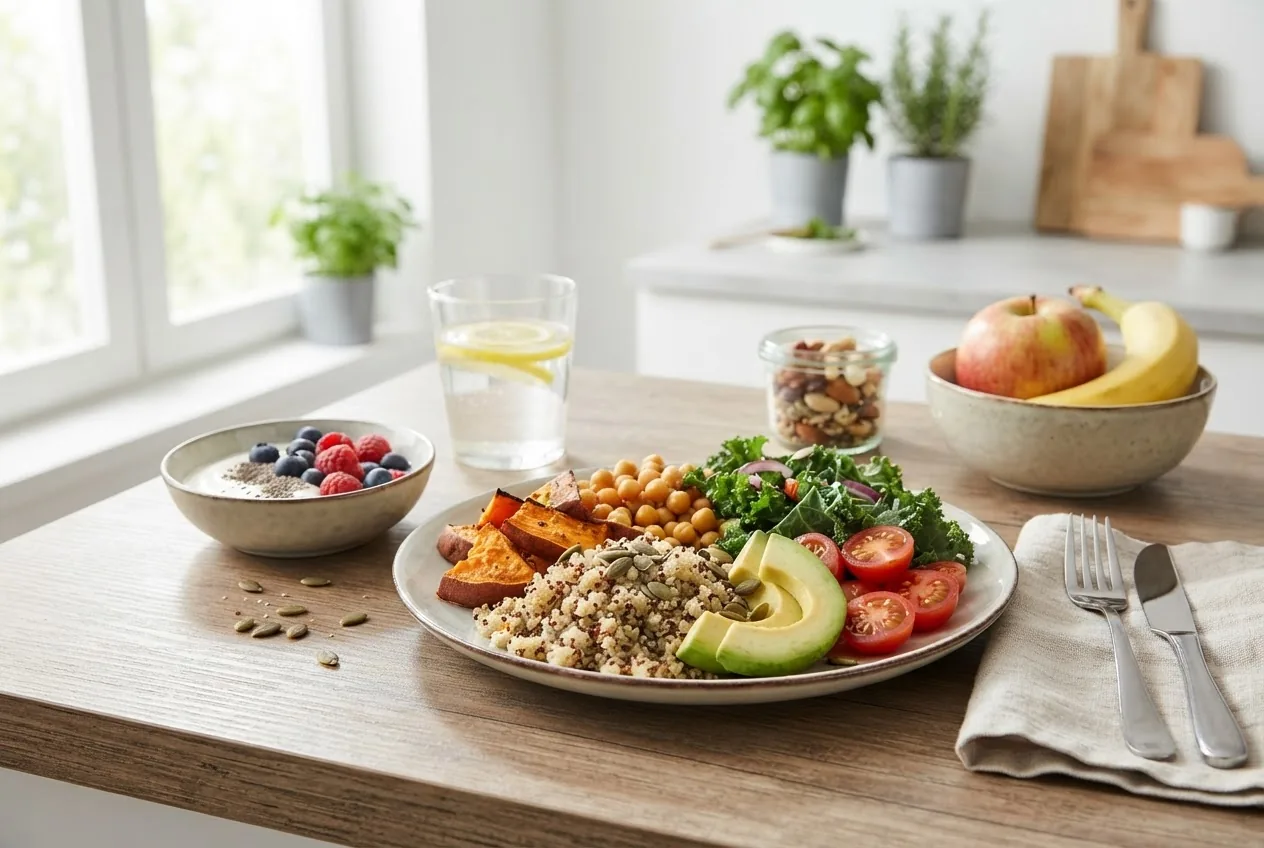
Energetic diet plan — by the end you will have a practical, daily food plan that raises and stabilizes your energy, a 3-week monitoring routine, and a personalized checklist to maintain gains. Expect measurable improvements in 10–21 days; required skill level: beginner to confident home cook.
Introduction to an Energetic Diet Plan
An energetic diet plan focuses on food quality, macronutrient timing, hydration, and micronutrient adequacy to keep blood sugar steady and cellular energy production efficient. This guide teaches how to convert balanced diet principles into an energy food plan that fits daily life and the Texas food landscape: local produce, lean proteins, and pantry staples. You’ll learn the physiological “why” behind recommendations (energy metabolism basics), scalable meal patterns, and practical swaps — not calorie counts — so you can maintain sustainable energy without extreme restriction.
Before we build the plan, define “diet” clearly: diet definition.
Before you start
- Tools: food diary or app, kitchen scale (0.1 oz/1 g accuracy), measuring cups, and a refillable 24-oz water bottle.
- Baseline data to collect (7 days): sleep hours, 3-point daily energy ratings (morning/noon/evening), and usual meal times.
- Pantry items to have: whole grains (brown rice, whole-grain tortillas), nuts (pecans), canned beans, eggs, extra-virgin olive oil, and citrus.
- Time commitment: 30–90 minutes to plan weekly; 10–20 minutes/day to prepare or pack meals.
Transition: The steps below walk you through building and testing your energy food plan step-by-step.
-
Step 1 — Assess your energy pattern and schedule
Record three elements for 7 days: wake time, first and last meals, and energy ratings (scale 1–10) at wake, midday, and before bed. Aim to identify consistent energy dips (e.g., 2–4 pm). Use one-line daily notes on sleep quality and caffeine timing. This baseline allows targeted meal timing and carb-choice adjustments.
-
Step 2 — Prioritize macronutrient balance per meal
This step is core: design each meal to contain carbohydrate, protein, and fat to slow glucose absorption, maintain neurotransmitter precursors, and support mitochondrial function. Below is an expanded practical primer; follow the meal templates after reading.
How Macronutrients Affect Energy Levels
Macronutrients are the primary drivers of how fast and how long you feel fuelled. Think of food as fuel for a car: carbs provide quick acceleration, protein supports repair and steady output, and fats provide mileage. Below I break down the role of each macronutrient and give concrete daily targets for energy optimization.
Carbohydrates — choose complexity and timing
Carbohydrates are the quickest source of ATP (cellular energy). For sustained energy, prioritize complex carbohydrates and pair them with protein and fat. Practical targets: 30–45 g of carbohydrate at breakfast and 30–60 g at lunch for most adults who are moderately active; adjust down or up by 10–20 g based on activity.
Why: Complex carbs (whole grains, starchy vegetables) have fiber and slower digestion, reducing post-meal glucose spikes and crashes. Reserve simple carbs (fruit, dairy) as snacks or paired with protein to blunt a spike.
Protein — steady support for energy and neurotransmitters
Protein provides amino acids like tyrosine and tryptophan that support alertness and mood. Aim for 20–35 g protein per main meal (3 meals). For example: 3–4 oz (85–115 g) cooked chicken, ¾ cup Greek yogurt, or 1 cup cooked lentils equals ~20–25 g protein. Including protein at every meal reduces mid-day fatigue and supports metabolic rate.
Healthy fats — slow release and cellular function
Fats are dense energy stores and support mitochondrial membranes. Include 1–2 tablespoons of healthy fat per meal (olive oil, avocado, 1/4 cup nuts). The American Heart Association emphasizes unsaturated fats over trans and limit saturated fats; see their guidance for fat quality. American Heart Association.
Practical plate rule: half vegetables/fruit, one-quarter lean protein, one-quarter whole grains or starchy veg, plus a thumb-sized serving of healthy fat. This mirrors balanced diet principles while optimizing energy.
Transition: With macronutrient structure set, ensure micronutrients and meal timing are configured to support cellular energy next.
-
Step 3 — Ensure key micronutrients are present every day
Key Micronutrients That Boost Energy and Their Food Sources
Micronutrients act as cofactors in energy metabolism. Follow recommended intakes and include diverse foods to meet needs. For reference on recommended amounts, consult official adequate intake guidelines to match your age and sex.
- Vitamin B12 — Role: essential for red blood cell formation and neural function. Food sources: beef, fortified cereals, shellfish. Note: vegans need fortified foods or supplements.
- Folate (B9) — Role: DNA/RNA synthesis and energy metabolism. Foods: leafy greens (collard greens, spinach), citrus, beans.
- B6 — Role: amino acid metabolism and neurotransmitter synthesis. Foods: chicken, potatoes, bananas.
- Iron — Role: oxygen delivery via hemoglobin; deficiency causes fatigue. Sources: red meat, canned tuna, spinach (pair with vitamin C to boost absorption). According to a 2022 peer-reviewed study, iron-deficiency anemia remains a leading reversible cause of fatigue in adults (peer-reviewed source).
- Magnesium — Role: cofactor for ATP synthesis. Sources: nuts (pecans), seeds, whole grains, leafy greens.
- Vitamin C — Role: enhances iron absorption and supports mitochondrial enzymes. Sources: citrus, bell peppers, strawberries.
- Vitamin D — Role: muscle function and mood regulation. Sources: sun exposure, fatty fish, fortified dairy.
- Coenzyme Q10 (CoQ10) — Role: part of the electron transport chain in mitochondria. Found in small amounts in meat and oily fish; supplementation may help some older adults per randomized trials.
Practical application: build a weekly grocery list that includes at least three iron- or magnesium-rich meals and two servings of vitamin C-rich produce daily to optimize absorption and energy output.
Transition: micronutrients work with meal timing and carbohydrate quality to stabilize blood glucose and energy — learn the timing rules next.
-
Step 4 — Use glycemic index and meal timing strategically
The Role of Glycemic Index and Meal Timing in Energy Optimization
Glycemic index (GI) measures how fast a carbohydrate raises blood glucose compared to pure glucose. Low-GI foods release glucose slowly, supporting sustained energy. Glycemic load (GL) accounts for portion size and is more practical — aim for low-to-moderate GL per meal.
Follow these how-to steps to apply GI and timing:
- Step A — Start with a low-GI breakfast: choose oats (steel-cut), whole-grain tortillas with eggs and avocado, or Greek yogurt with berries. This reduces early-morning blood sugar swings. If you exercise in the morning, add a small banana for quick fuel.
- Step B — Time carbohydrates around activity: consume ~30–60 g carbs within 60 minutes before vigorous exercise or immediately after to support recovery. For light activity, spread carbs evenly across meals.
- Step C — Use small, protein-rich snacks to bridge dips: when you identify a 2–4 pm dip, plan a 150–250 kcal snack combining ~10–15 g protein and 12–20 g carbs (e.g., apple + 2 tbsp peanut butter or hummus with carrot sticks).
- Step D — Night window for caffeine and carbs: stop caffeine 6–8 hours before bedtime to avoid sleep disruption; prefer lower-GI carbs in the evening to avoid late glucose spikes that impair sleep.
For deeper carb timing strategies, review consistent carbohydrate timing frameworks. consistent carbohydrate diet principles.
Transition: alongside timing and GI, hydration and electrolytes are foundational for sustained energy; address them next.
-
Step 5 — Hydrate and manage electrolytes
Hydration and Its Impact on Energy Levels
Even mild dehydration reduces cognitive performance and increases perceived effort. According to a 2024 industry report, a 1–2% bodyweight water loss can reduce mood and energy. Adults should aim for 2.0–3.7 liters/day depending on sex, activity, and climate. In Texas heat, increase intake by 0.5–1.0 L per hour of heavy outdoor work.
Practical targets: sip 500–700 mL (17–24 oz) of water within 30 minutes of waking, then 250–350 mL (8–12 oz) every 1–2 hours. For electrolyte balance after prolonged sweating, use a beverage with ~300–500 mg sodium per liter and 2–4 g potassium equivalents (e.g., a salted fruit smoothie).
Monitoring: urine color pale straw = good hydration. If urine is dark, add 500–700 mL and retest in 60 minutes.
Transition: now compare specific foods to include or avoid when building your daily plan.
-
Step 6 — Choose foods to include and avoid
Foods to Include and Avoid in an Energetic Diet Plan
Use the comparison below to quickly select energy-supporting foods and limit those that cause crashes.
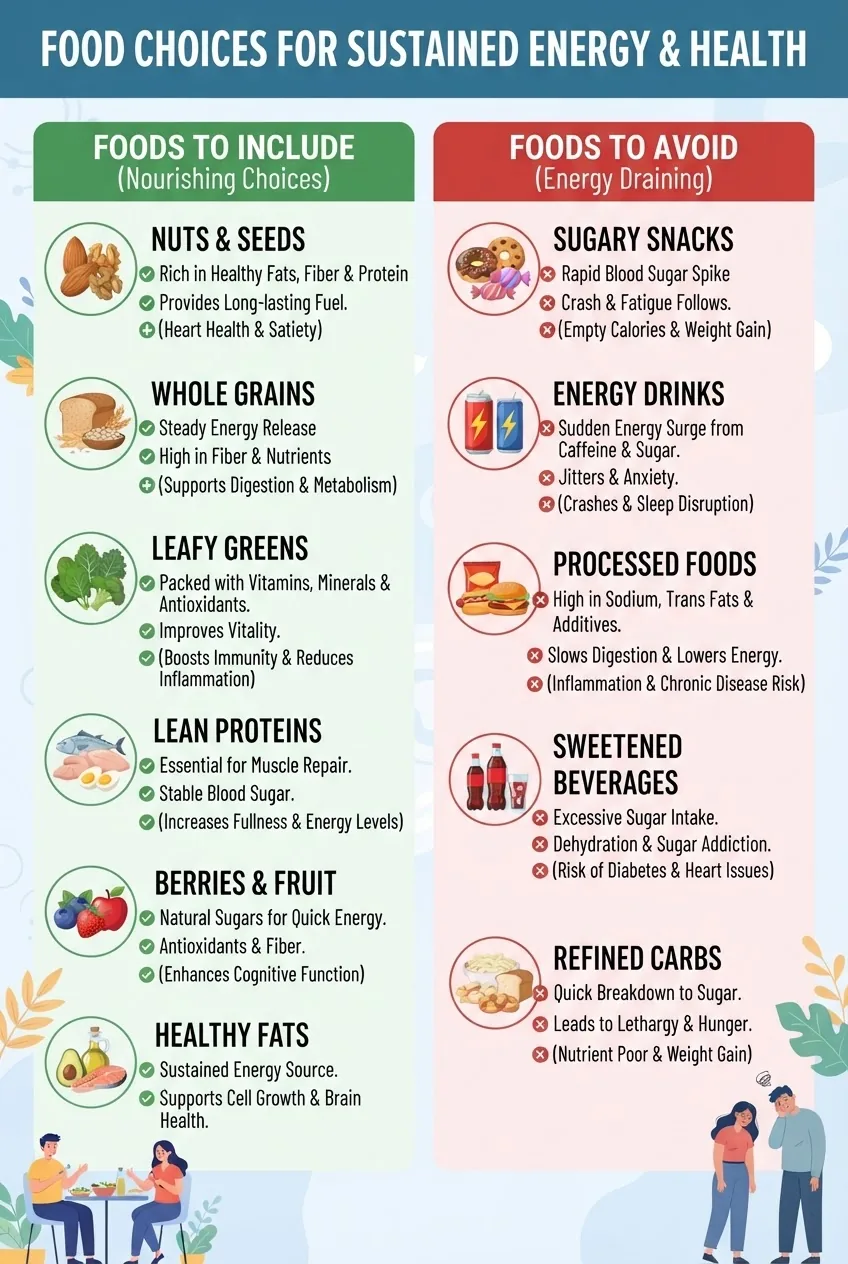
Recommended (Include) Limit or Avoid Whole grains (brown rice, oats), legumes, starchy veg (sweet potatoes) Refined grains, sugary cereals, pastries Lean proteins: fish, chicken, eggs, beans Processed meats high in saturated fat and sodium Healthy fats: olive oil, avocado, pecans Trans fats, excessive fried foods Leafy greens, berries, citrus (vitamin C) Sugary drinks, energy drinks with high added sugar Nuts and seeds (magnesium), Greek yogurt (protein) Large quantities of simple sugars (candies) causing crashes For a focus on natural, minimally processed options, review natural food diet choices.
Transition: with foods selected, it’s time to assemble a full sample plan tailored for Texas residents.
-
Step 7 — Build a sample energetic diet food plan for your week
Sample Energetic Diet Food Plan with Practical Tips for Texas Residents
Below is a flexible 1-day sample and weekly tips using common Texas ingredients. Use it as a template; scale portions to meet your hunger and activity.

Sample Day (moderate activity)
- Breakfast (within 60 minutes of waking): Steel-cut oats (1 cup cooked) with 1/2 cup berries, 1 tbsp chopped pecans, 1 large egg on the side — ~30–35 g carbs, 20 g protein, 12 g fat.
- Mid-morning snack: Greek yogurt (3/4 cup) + 1 small apple — ~15 g protein, 20 g carbs.
- Lunch: Grilled chicken breast (4 oz), mixed greens with 1/2 cup black beans, 1 small sweet potato, 1 tbsp olive oil dressing — balanced plate with ~35–45 g carbs and 25–30 g protein.
- Afternoon snack (if needed, target dip time): 2 tbsp hummus + carrot sticks or 1 oz pecans + 1 clementine.
- Dinner: Baked salmon (4 oz), quinoa (3/4 cup cooked), roasted broccoli, 1/4 avocado — emphasize omega-3s and magnesium.
- Evening (optional): Warm herbal tea; avoid caffeine after 3 pm to preserve sleep.
Weekly & Texas-specific tips
- Swap local pecans for other nuts to boost magnesium; keep a 1/4 cup portion for snacks (170–200 kcal).
- Use citrus (Texas oranges) with iron-rich greens at lunch to increase non-heme iron absorption.
- Buy lean beef or bison from local ranchers for iron-dense meals twice weekly if you tolerate red meat.
- Use whole-grain tortillas for wrap breakfasts or lunches — 1 tortilla with eggs and avocado is ~350–420 kcal, balanced for morning energy.
- If managing weight: pair this plan with a targeted calorie approach (see the 1200 calorie meal plan or 1400 calorie meal plan).
- Visual learners: compare your portions to examples in the balanced diet images.
Transition: apply sustainable balanced diet principles to keep this plan long-term.
-
Step 8 — Integrate the plan with balanced diet principles
Integrating Energetic Diet Plans with Balanced Diet Principles
A sustainable energetic diet is a balanced diet with an energy focus: variety, moderation, and nutrient density. Tie your energetic plan to foundational models like MyPlate and the updated food guidance to prevent nutrient gaps. For a foundational overview of these principles, review the balanced nutrition guide.
Concrete steps to align both approaches:
- Map weekly food groups: 14 vegetable servings, 7 fruit servings, 7 whole-grain equivalents, 7 protein meals/week, and daily healthy fats.
- Follow MyPlate proportions at each meal: half plate vegetables/fruit, quarter grains, quarter protein, plus healthy fats. USDA MyPlate recommendations provide a government reference for portioning.
- Use the food pyramid model as a reminder of group balance and variety: food pyramid food guide.
- Personalize amounts based on activity: increase starchy carbs on heavy activity days by 15–30 g/meal and reduce on rest days.
Authority and caveat: align fat recommendations with the American Heart Association guidance to prioritize unsaturated fats, and remember individual variability affects needs. According to a 2023 NIH report, tailoring dietary patterns to personal health status increases adherence and outcomes in 4–12 weeks.
Transition: even with a well-built plan, common challenges emerge—address them next.
-
Step 9 — Troubleshoot common issues and stay consistent
Common Challenges and How to Stay Energized Through Your Diet
Follow the troubleshooting steps below when energy dips persist or adherence wanes:
- If you still feel tired after 2–3 weeks: review your sleep, iron status, and caffeine timing. Order basic labs (CBC, ferritin, TSH) if fatigue persists despite dietary changes.
- If you experience afternoon crashes: increase protein at lunch by 10–15 g and add a 12–15 g carb + protein snack at 2 pm.
- If meals feel repetitive: rotate proteins (fish, chicken, beans), use Texas seasonal produce, and batch-cook for variety.
- If social life interferes: plan swaps: choose grilled options, prioritize veggies, and ask for dressings on the side.
Experience note: I often see people under-eat at breakfast to “save calories” and then crash mid-morning; adding 20–30 g carbs with 15–20 g protein for breakfast resolved their crashes within two weeks. Always allow two to three weeks for adjustment before changing the plan drastically.
Transition: confirm your work with a final checklist and know when to consult professionals.
-
Step 10 — Monitor, refine, and sustain
Set up a 21-day monitoring routine: daily energy scores, sleep log, and a weekly weigh-in or tape measure if body composition changes matter. Adjust carbs + protein per meal by ±10–20 g based on performance and satiety. Reassess labs every 3 months if initial deficiencies were found.
Common mistakes and how to avoid them
I once recommended whole-grain breads to a patient who had late-day crashes; they were choosing high-sugar multigrain varieties. We fixed it by switching to plain whole oats and removed an evening espresso, which reduced their post-meal drop within 10 days. My failures taught me to read labels, track caffeine timing, and pair carbs with protein every meal.
Checklist: Verify your energetic diet plan
- Each main meal includes carbohydrate + ~20–35 g protein + 1 tbsp healthy fat.
- Breakfast within 60 minutes of waking with 30–45 g carbs for morning energy.
- Hydration: 2.0–3.7 L/day baseline; add 0.5–1.0 L/hr for heavy heat/activity.
- At least three sources of iron/magnesium-rich foods weekly and daily vitamin C with plant iron sources.
- Recorded energy ratings for 21 days and adjusted carbs/protein based on trends.
When to call a professional
Consult a registered dietitian or primary care provider if severe fatigue persists beyond 4 weeks despite dietary adjustments, if you have unexplained weight loss, or if lab tests show anemia, low vitamin D, or abnormal thyroid markers. For tailored meal plans tied to medical conditions, a credentialed RD can produce a medically safe plan within 1–2 sessions.
Final summary and next steps
Key takeaways: prioritize food quality over calorie obsession, combine complex carbs with protein and healthy fats at each meal, hydrate strategically, and cover key micronutrients like B vitamins, iron, and magnesium. Start with the sample day above, monitor energy for 21 days, and refine portions by ±10–20 grams to match your workload and outcomes. To get started, print the checklist, plan two new energy-focused recipes this week, and track your energy. Ready for personalized plans or calorie-specific options? Explore sample targets like the 1200 calorie meal plan or 1400 calorie meal plan.
If you want a printable version, download the weekly meal planner and swap lists from the site’s resources to map these steps into your week, then reassess after 21 days for objective improvement.