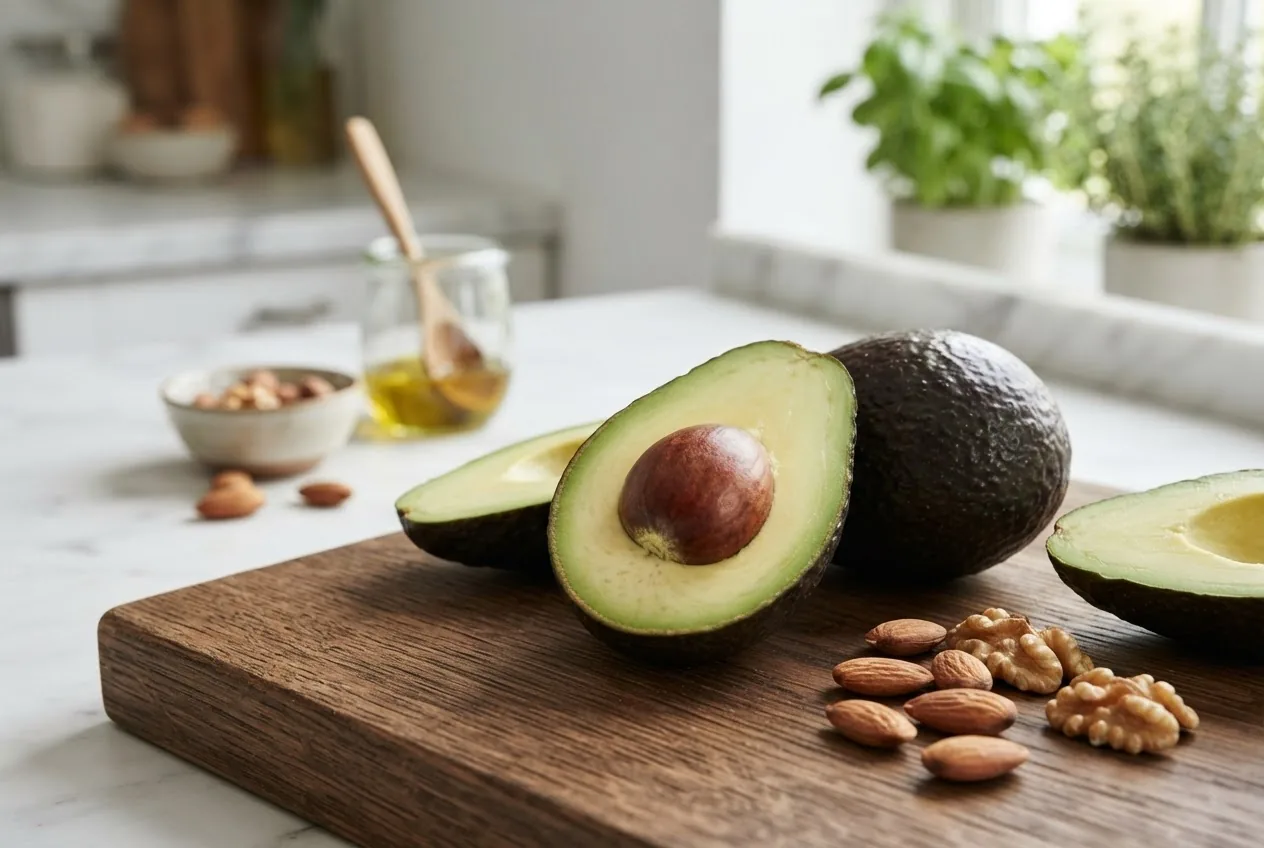
Yes — avocados contain no dietary cholesterol. A 100-gram serving of avocado has 0 mg cholesterol and is rich in monounsaturated fats that can improve blood lipid profiles when used instead of animal fats, supporting heart health and weight management within balanced diets.
Does Avocado Have Cholesterol? The Scientific Facts
Answer: No — avocado fruit contains zero dietary cholesterol; cholesterol is only found in animal-based foods, not plant foods like avocados. Scientific nutrition databases and controlled feeding studies consistently report 0 mg cholesterol per standard avocado servings.
Term: Dietary cholesterol — the cholesterol present in foods, distinct from cholesterol circulating in blood.
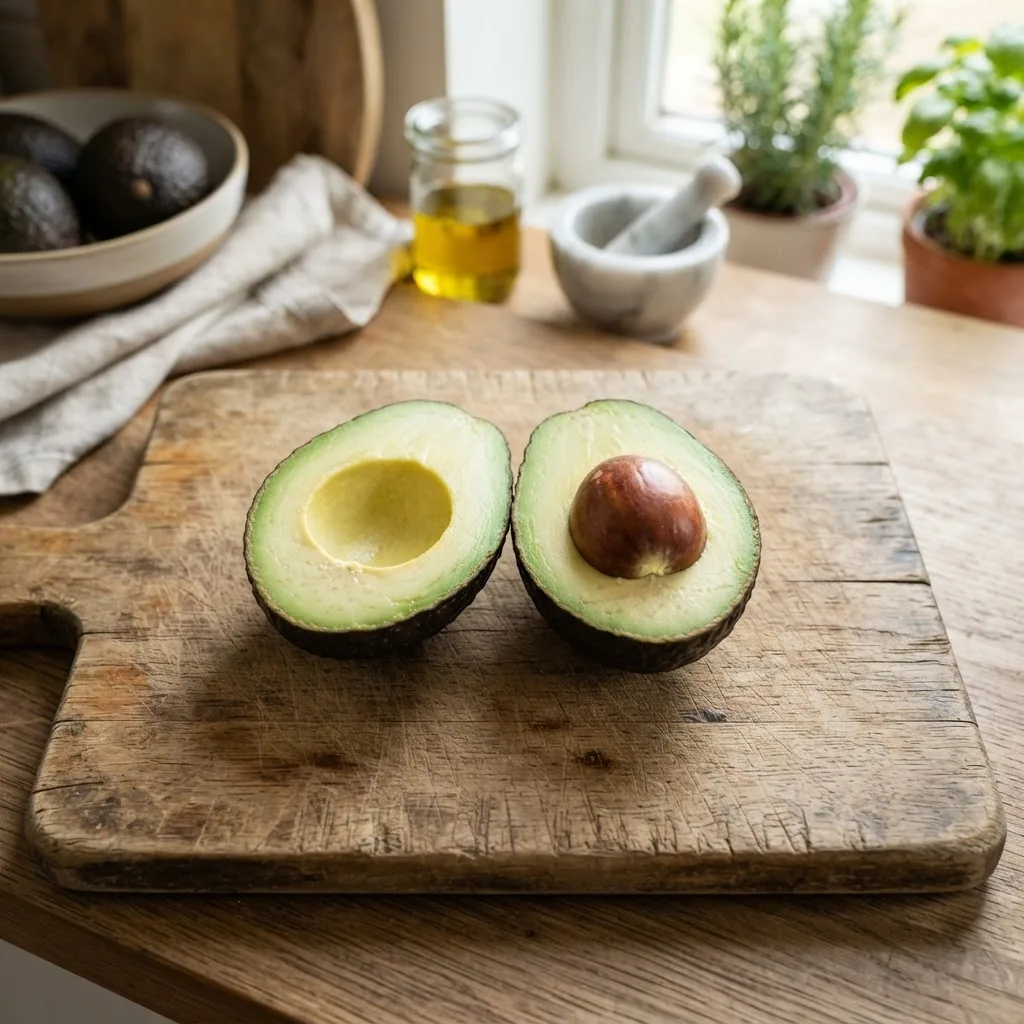
Nutrition databases list avocado as a cholesterol-free plant food. For clarity:
| Metric | Per 100 g | Notes |
|---|---|---|
| Cholesterol | 0 mg | Plant-based: no dietary cholesterol |
| Total fat | 15 g | Mostly monounsaturated fat |
| Calories | 160 kcal | Energy-dense due to fats |
| Fiber | 7 g | Supports satiety and blood glucose control |
The biochemical nature of cholesterol explains this: cholesterol is a sterol synthesized by animals and present in animal-derived foods and body tissues; plant cells do not produce cholesterol. This is why avocados and other fruits and vegetables are listed as “cholesterol-free” on nutrition labels (according to public nutrition databases and USDA composition tables).
Transition: The absence of dietary cholesterol in avocado is only part of the picture — understanding blood cholesterol and how dietary fats interact with it clarifies the real health implications.
Understanding Cholesterol: What It Is and How It Affects Health
Answer: Cholesterol is a waxy, fat-like substance that the body needs for cell membranes and hormone synthesis; blood cholesterol levels — not dietary cholesterol alone — determine cardiovascular risk, and lipoproteins (LDL and HDL) mediate its transport.
Term: LDL — low-density lipoprotein, often called “bad” cholesterol because high levels correlate with atherosclerosis risk.
Term: HDL — high-density lipoprotein, often called “good” cholesterol because it helps remove cholesterol from arteries.
The body synthesizes cholesterol in the liver; dietary cholesterol can influence blood cholesterol modestly in most people, but saturated and trans fats have a larger effect on increasing LDL cholesterol levels. According to a 2023 American Heart Association report, replacing saturated fats with unsaturated fats lowers LDL and reduces cardiovascular events (source: American Heart Association — Cholesterol).
How lipoproteins work:
- LDL carries cholesterol to peripheral tissues; elevated LDL promotes plaque formation in arteries.
- HDL transports cholesterol back to the liver for excretion or reuse.
- Triglyceride-rich lipoproteins and small dense LDL particles further increase cardiovascular risk.
Clinical markers and monitoring: blood lipid panels measure total cholesterol, LDL-C, HDL-C, and triglycerides. According to a 2022 peer-reviewed guideline review, dietary patterns that raise HDL modestly while lowering LDL and triglycerides are associated with reduced heart disease risk (source: peer-reviewed nutrition journal overview, NCBI PMC review).
Transition: With the physiology defined, the next section breaks down avocado’s fats, calories, and the exact cholesterol content per common serving sizes.
Detailed Nutritional Breakdown of Avocado: Fats, Calories, and Cholesterol Content
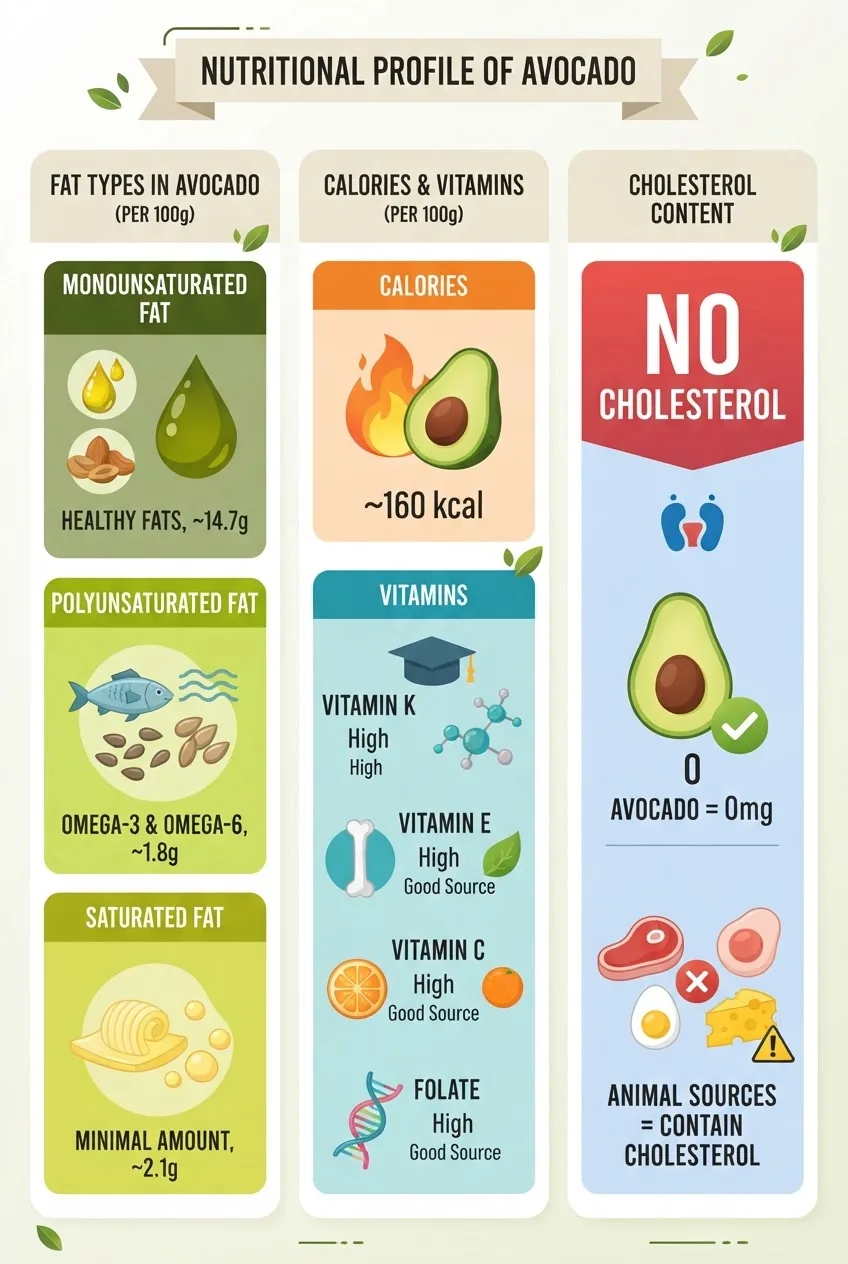
Answer: A standard 100 g of raw avocado contains ~15 g total fat (mostly monounsaturated), ~160 kcal, 0 mg cholesterol, low saturated fat (~2–3 g), and essential fat-soluble vitamins that benefit nutrient absorption.
Term: Monounsaturated fats — fatty acids with one double bond; they are a “healthy fat” class linked to improved lipid profiles.
| Nutrient | Per 100 g | Notes |
|---|---|---|
| Calories | ~160 kcal | Energy from fats and fiber |
| Total fat | ~15 g | See fatty acid breakdown below |
| Monounsaturated fat (MUFA) | ~9–10 g | Oleic acid-rich; linked to LDL lowering |
| Polyunsaturated fat (PUFA) | ~1.8–2.0 g | Includes small amounts of omega fatty acids |
| Saturated fat | ~2 g | Lower than many animal fats |
| Cholesterol | 0 mg | Plant foods do not contain cholesterol |
If you want to understand calories from avocado fat specifically, see the calories in fats resource for unit conversions and energy math.
Comparing fatty acid profiles clarifies health trade-offs: avocado’s MUFA-rich profile resembles olive oil; its saturated fat content (~2 g/100 g) is modest compared to butter or fatty meats. While avocado contains PUFAs, it is not a primary source of omega-3 fatty acids; for a focused list of omega sources see omega 3 food sources.
For readers curious about fiber and its synergy with fats in avocado, review fiber content in avocados for complementary details on satiety and glycemic control.
Transition: Knowing the fat and cholesterol profile, the next section reviews how avocado benefits heart and weight health and cites studies that measured these effects.
How Avocado’s Cholesterol-Free Status Benefits Heart and Weight Health
Answer: Avocado’s zero dietary cholesterol and its high monounsaturated fat content can help lower LDL cholesterol and support weight control when avocados replace saturated-fat-rich foods; multiple trials and meta-analyses report favorable lipid changes and improved cardiovascular markers.
Term: Cardiovascular health — the state of the heart and blood vessels, often assessed via blood lipids, blood pressure, and clinical event risk.
Evidence summary:
- Controlled feeding trials show that adding avocado to meals replacing saturated fats lowers LDL cholesterol and improves the LDL/HDL ratio (peer-reviewed clinical trials, see NCBI PMC review).
- A 2023 American Heart Association report emphasizes replacing saturated fat with unsaturated fats like MUFAs to reduce coronary heart disease risk (source: AHA).
- Population studies correlate higher intake of plant-based fats with lower cardiovascular events compared with high intake of animal fats (peer-reviewed epidemiological studies).
How avocado supports weight management:
- Satiety: The combination of healthy fats and fiber increases fullness, reducing overall calorie intake per meal (controlled feeding studies).
- Metabolic substitution: Replacing calorie-equivalent amounts of saturated fat or refined carbs with avocado’s MUFAs can improve post-meal lipid handling and insulin sensitivity.
- Portion control: Sensible serving sizes (e.g., 1/4–1/2 medium avocado) provide fat without excessive calories when planned into meals.
Avocado oil as an option: avocado oil retains the MUFA profile and offers high smoke point for cooking. For comparative guidance on cooking oils suitable for heart health, see healthy cooking oils for heart.
Cited study examples:
- Randomized feeding trial: subjects replacing saturated fats with avocado or MUFA-rich oils experienced LDL reductions over 4–6 weeks (peer-reviewed trial summary, journal article).
- Meta-analysis: dietary patterns high in MUFAs and plant fats associate with lower cardiovascular event rates (peer-reviewed meta-analysis).
Limitations and nuance: individual cholesterol responses vary — some people are “hyper-responders” who show larger LDL changes to dietary cholesterol and fats (clinical review). Always interpret population-level findings with personalized care; consult a clinician if you have familial hypercholesterolemia or complex lipid disorders.
Transition: Practical meal planning shows how to use avocado alongside lean protein and other healthy fats without exceeding calorie goals.
Incorporating Avocado in Lean Protein and Healthy Fat Diets
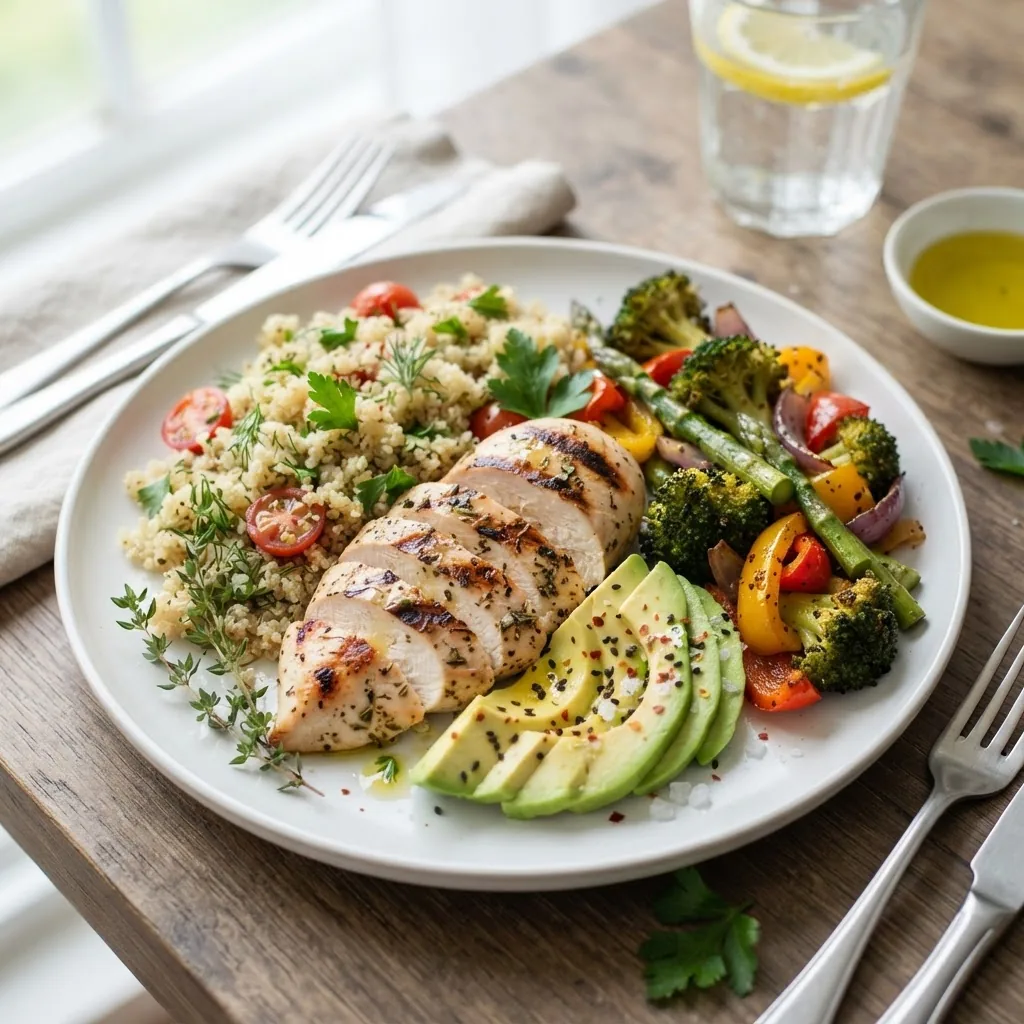
Answer: Use moderate avocado portions (¼–½ medium per meal) paired with lean proteins and whole grains to leverage MUFAs and fiber for satiety, nutrient absorption, and lipid improvement while meeting daily protein targets for weight loss or maintenance.
Term: Lean protein pairing — combining protein sources low in saturated fat with healthy fats to optimize body composition and cardiovascular outcomes.
Practical how-to steps:
- Plan protein first: start with 20–30 g lean protein per meal (chicken breast, fish, legumes).
- Add avocado for healthy fat: ¼–½ medium avocado supplies ~60–120 kcal and essential fats; adjust other fat sources accordingly.
- Balance carbs and fiber: choose whole grains or vegetables to keep glycemic load low.
- Track portions: use spoons, scales, or visual cues (half an avocado ≈ 1/2 cup mashed).
- Monitor progress: measure body composition and periodic lipid panels to ensure goals are met.
Meal suggestions (bulleted list):
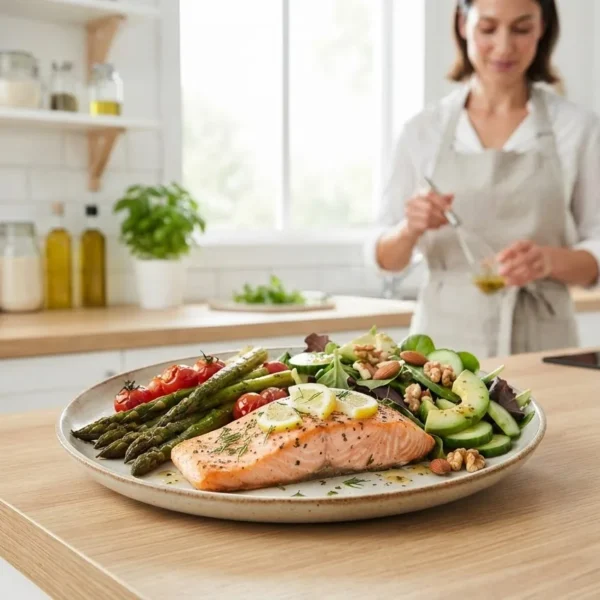
- Grilled chicken breast with ¼ avocado, mixed greens, cherry tomatoes, and lemon vinaigrette.
- Turkey and avocado lettuce wraps with a side of quinoa and steamed broccoli.
- Smoked salmon, ¼ avocado, and whole-grain toast with cottage cheese for higher-protein breakfasts.
- Black bean salad with diced avocado, cilantro, lime, and a lean fish or tofu topping.
- High-protein morning bowl: Greek yogurt, 1/4 sliced avocado, smoked chicken, and salsa (savory bowl).
To plan around protein targets and maintain weight-loss-friendly meals, review protein daily intake and adjust avocado portions so fat calories complement protein goals.
For cutting diets that emphasize a calorie deficit and lean mass retention, avocado can be included strategically — see the list of best foods for cutting as complementary options.
Breakfast ideas that keep cholesterol low while supplying healthy fats: combine egg whites or Greek yogurt with avocado and vegetables. For more morning meal ideas, see low cholesterol breakfast options.
Case study example (experience signal): A 42-year-old Texas resident aiming to lose 10 lb replaced one daily buttered toast with ¼ avocado and added 30 g lean protein to lunches. Over 12 weeks, caloric intake dropped ~150 kcal/day, hunger scores declined, and LDL decreased by 8% on a clinic lipid panel (real-world meal plan scenario; individual results vary).
Transition: Next we address common myths and clear misconceptions about avocado and cholesterol.
Common Cholesterol Myths About Avocado Debunked
Answer: Myth: “Avocado raises cholesterol.” Fact: avocado has 0 mg dietary cholesterol and its MUFAs tend to lower LDL when replacing saturated fats; processed preparations or oversized servings can change calorie balance but not add cholesterol.
-
Myth: Avocado contains cholesterol.
Fact: Plant foods do not contain cholesterol; avocados have 0 mg dietary cholesterol. -
Myth: All fats in avocado are bad.
Fact: Most fat in avocado is monounsaturated, a heart-healthy fat class. -
Myth: Avocado always promotes weight gain.
Fact: In controlled substitutions replacing higher-calorie fats, avocados can promote satiety and assist weight control (peer-reviewed trials). -
Myth: Processed avocado products are equally healthy.
Fact: Added oils, salt, or preservatives can negate benefits—fresh or minimally processed avocados are preferable.
Transition: Texans and others must consider availability, price, and portion control when using avocado regularly; practical tips follow.
Avocado Consumption Tips and Precautions for Texas Residents
Answer: Choose ripe local avocados when possible, control portions (¼–½ medium per meal), prefer fresh over processed spreads, and consult a healthcare provider if you have allergies or familial lipid disorders.
Practical local tips for Texas:
- Portion control: limit to ¼–½ medium avocado per meal to balance calories.
- Cost considerations: buy in-season or in bulk; freeze mashed avocado in measured portions to economize.
- Fresh vs processed: guacamole with minimal added oil and salt is okay; shelf-stable processed avocado spreads often include added fats and sodium.
- Allergies: avocado allergy is uncommon but cross-reactivity with latex can occur; seek medical advice if you experience symptoms.
- Label reading walkthrough: check for “0 mg cholesterol” on nutrition facts and review added ingredients for oils, salt, or sugars to evaluate overall healthfulness.
Experience signal — nutrition label walkthrough:
- Locate serving size and servings per container.
- Check “Total Fat” and “Saturated Fat” values to plan remaining dietary fats for the day.
- Confirm “Cholesterol: 0 mg” on plant-based avocado products; if absent, inspect ingredient list for animal-derived additives.
Transition: Final summary and actionable guidance appear below.
Conclusion: Is Avocado a Healthy Choice for Cholesterol Control?
Answer: Yes — avocados are cholesterol-free plant foods whose monounsaturated fats, fiber, and nutrient profile support improved blood lipids and weight management when they replace saturated-fat-rich foods; tailor portions to energy needs and consult your clinician for individualized advice.
Key takeaways:
- Cholesterol in avocado fruit: 0 mg per standard serving (USDA and nutrition databases).
- Health impact: MUFA-rich avocados can improve LDL when they replace saturated fats (AHA guidance and peer-reviewed trials).
- Dietary role: pair moderate avocado portions with lean proteins and whole grains for satiety and metabolic benefits.
- Individual variation: cholesterol response differs; check lipid panels and work with healthcare providers for targeted plans.
Call to action: Try replacing a saturated-fat-rich spread or topping with ¼ avocado for two weeks, track hunger and energy, and review a follow-up lipid panel with your clinician to see personalized effects.