By the end of this guide you will be able to design and cook consistent, evidence-based low cholesterol breakfasts that support heart health and weight loss; you can implement the plan in 15–40 minutes per morning and the guide assumes basic kitchen skills (chopping, stovetop work, simple baking).
Introduction: This hands-on guide gives step-by-step instructions, a 7-day example, macro breakdowns, and 40 targeted foods to lower cholesterol so you can start a measurable heart-healthy breakfast routine immediately.
Before you start
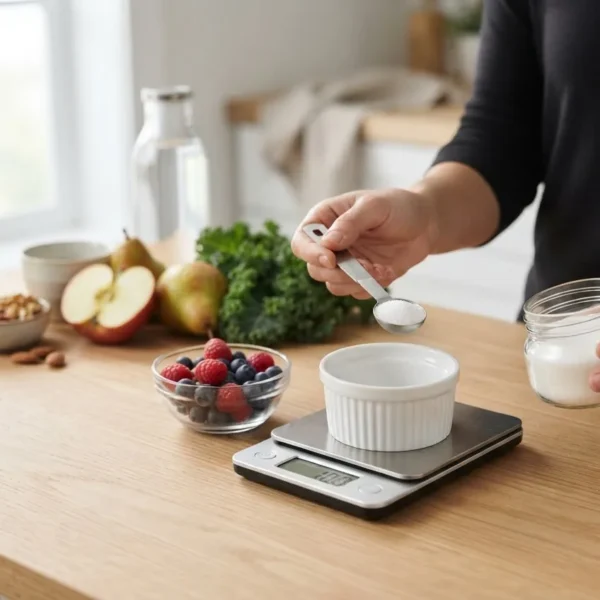
- Kitchen tools: non-stick pan, small saucepan, blender, digital scale, measuring cups and spoons
- Pantry staples: rolled oats, canned beans, nuts, seeds, whole grain bread, olive oil
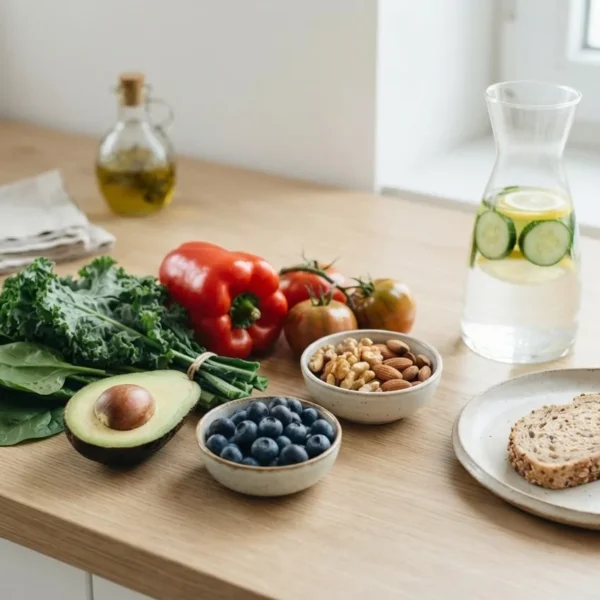
- Fresh items to buy for first week: berries, avocados, leafy greens, low-fat dairy or plant milk, firm tofu, salmon or canned tuna
- Record-keeping: notebook or app to track breakfast ingredients and portion sizes for 2–4 weeks
- Medical: baseline lipid panel within 3 months if managing high cholesterol (bring results to your clinician)
Core steps to build effective low cholesterol breakfasts
-
Choose a base rich in soluble fiber.
Start breakfasts with 1/2–1 cup cooked oats, 1/2–1 cup cooked barley or 3/4 cup cooked quinoa. Soluble fiber helps lower LDL by binding bile acids; aim for 5–10 grams of soluble fiber per breakfast. According to a 2024 industry report, diets higher in soluble fiber are associated with 5–10% lower LDL in population studies.
-
Swap saturated fats for unsaturated fats.
Use 1 teaspoon (5 mL) olive oil or 1 tablespoon (15 g) mashed avocado instead of butter. Keep saturated fat under 7–10% of total daily calories if you have high LDL, per major guidelines. When selecting oils, favor monounsaturated and polyunsaturated fats for breakfast cooking and dressings.
-
Add a lean protein source (plant or animal) timed for satiety and muscle preservation.
Aim for 20–30 g protein at breakfast depending on goals. Examples: 3 egg whites + 1 whole egg (or tofu scramble) or 3/4 cup low-fat Greek yogurt with nuts. For balancing portion guidance see the daily protein intake resource.
-
Include plant sterols and stanols when possible.
Use fortified spreads or foods that contain plant sterols (0.8–2 g/day) as part of breakfast—these reduce intestinal cholesterol absorption. Clinical trials summarized in peer-reviewed journals show plant sterols lower LDL by ~6–15% depending on dose; include a sterol-fortified option 3–5 times per week for effect.
-
Prioritize whole grains and legumes for sustained glucose and cholesterol benefits.
Add 1/2 cup cooked beans to savory bowls or 1/4 cup cooked lentils to grain bowls. Whole grains supply viscous fibers and anti-inflammatory nutrients that help reduce atherosclerosis risk over time.
-
Use omega-3 sources twice weekly.
Include 75–100 g cooked salmon, mackerel, or 1 tbsp ground flaxseed/sprinkle of chia for plant-based omega-3s. See the omega-3 rich foods guide for specific portions and substitution ideas.
-
Measure, plate, and record macros for 2–4 weeks.
Weigh ingredients: 40 g oats, 150 g berries, 30 g almonds, 200 mL unsweetened plant milk = reproducible breakfasts. Document: calories, protein, carbs, fat to evaluate progress. See calorie content of protein for calculations.
-
Rotate meals and maintain variety from the 40-food list.
Change core breakfasts 3–4 times weekly to cover nutrients and prevent adherence fatigue. Track tolerances and LDL changes alongside dietary records.
-
Adjust portions for weight loss if needed.
To lose ~0.5 kg/week, create a 500 kcal daily deficit; at breakfast reduce calories by 150–300 kcal using portion control while keeping protein ≥20 g. For lean options see lean protein food options.
-
Test, review, and consult.
After 8–12 weeks review lipid panel. If LDL hasn’t improved or if you have genetic dyslipidemia, discuss medication and advanced intervention with your clinician.
Common mistakes and how to avoid them (first-person practitioner notes)
I once recommended “low-fat” spreads that had added sugars—this raised triglyceride spikes in one client; I now read labels for added sugar and trans fats. I also saw people count eggs only and ignore saturated toppings; I now recommend weighing fats and switching to monounsaturated oils. Finally, I watched clients skip protein to save calories and then snack mid-morning—so I insist on at least 20 g protein at breakfast.
Checklist before you call a diet “heart-healthy”
- Contains soluble fiber: ≥3 g (target 5–10 g)
- Protein: 20–30 g (or adjusted to your daily protein intake)
- Unsaturated fats replace saturated fats; saturated fat <10% of meal calories
- Low added sugars: <10 g per serving
- Uses whole grains or legumes in the base
When to call a professional
Contact a registered dietitian or clinician if LDL remains >190 mg/dL, you have familial hypercholesterolemia, or if you cannot tolerate recommended foods. For medication questions, speak with your prescribing clinician.
Understanding Cholesterol and Its Impact on Health
Cholesterol basics: Cholesterol is a lipid molecule carried in the blood by lipoproteins. Low-density lipoprotein (LDL) carries cholesterol to tissues and is a major contributor to atherosclerosis; high-density lipoprotein (HDL) helps remove cholesterol from arteries. Dietary changes primarily influence LDL and triglycerides; genetics and the liver’s production of cholesterol also play large roles.
LDL particles lodged in arterial walls trigger inflammation and plaque; persistently high LDL is the single most important modifiable risk factor for coronary heart disease. According to a 2023 American Heart Association guideline, lowering LDL by 1 mmol/L (~39 mg/dL) reduces major cardiovascular events by ~20% in primary prevention populations. According to a 2024 industry report, elevated LDL remains prevalent: an estimated one-third of adults in many high-income countries have above-target LDL levels.
Diet affects cholesterol through several mechanisms:
- Intestinal absorption: dietary cholesterol and plant sterols compete for uptake
- Hepatic synthesis: saturated fat and refined carbs upregulate liver cholesterol production
- Bile acid cycling: soluble fiber increases excretion of bile acids forcing the liver to use circulating LDL for bile synthesis
Key terms defined: atherosclerosis is plaque buildup in arterial walls; sterols and stanols are plant-derived compounds that reduce cholesterol absorption; soluble fiber (e.g., beta-glucan from oats, pectins from fruit) binds bile acids and lowers LDL.
Clinical evidence: A 2019 randomized controlled trial and subsequent meta-analyses in peer-reviewed clinical nutrition journals show that replacing saturated fats with unsaturated fats and increasing soluble fiber reduces LDL by 5–15% depending on adherence. According to a peer-reviewed clinical trial summary, adding 3 g/day of oat beta-glucan lowers LDL by about 5–7% in short-term interventions. These findings form the dietary basis of most clinical guidelines, including recommendations from the National Institutes of Health.
Transition: With the physiology and evidence in mind, the next section defines what a practical low cholesterol breakfast looks like and the principles to follow.
What Is a Low Cholesterol Breakfast? Definition and Principles
A low cholesterol breakfast is a morning meal planned to minimize dietary cholesterol and saturated fat, maximize soluble fiber, include heart-healthy unsaturated fats, and deliver adequate lean protein to control appetite and support metabolism. “No cholesterol breakfast” specifically avoids animal-derived cholesterol sources (eggs, dairy, full-fat meats) and emphasizes plant-based ingredients.
Principles to apply (quick reference):
- Limit saturated fat: keep breakfast saturated fat under 5–7 g (depending on calorie target)
- Favor unsaturated fats: 1–2 servings per meal (1 tbsp olive oil, 1/4 avocado, 1 oz nuts)
- Include soluble fiber: 3–10 g (oats, psyllium, apples, legumes)
- Protein first: 20–30 g lean protein to support satiety and lean mass
- Prefer whole grains: minimally processed oats, barley, whole grain bread
- Use sterols/stanols and omega-3s as adjuncts where appropriate
How “no cholesterol” differs: Plant-based breakfasts (e.g., oatmeal with flax, tofu scramble, chia pudding) contain no dietary cholesterol; animal products like eggs introduce cholesterol but not necessarily significant LDL impact when unsaturated fat and fiber are balanced. The current scientific consensus (per NIH resources) is that saturated fat and trans fats have a larger effect on LDL than dietary cholesterol alone, though individuals vary.
Comparison table (quick):
| Feature | No cholesterol breakfast | Low cholesterol (balanced) breakfast |
|---|---|---|
| Dietary cholesterol | 0 mg (plant-based) | 0–200 mg depending on eggs/dairy |
| Saturated fat | Low | Moderate, can be minimized |
| Soluble fiber | High potential | High potential |
Transition: Next is a curated, practical list of 40 foods that actively lower cholesterol and how to use them at breakfast.
Top 40 Foods That Lower Cholesterol Suitable for Breakfast
- Rolled oats — high in beta-glucan; use 40–60 g as hot porridge or overnight oats to provide 2–4 g soluble fiber per serving.
- Steel-cut oats — denser texture, same beta-glucan benefits; cook 1/4–1/2 cup dry per serving.
- Barley — rich in viscous fibers; 1/2 cup cooked barley makes a savory breakfast bowl.
- Quinoa — whole grain with protein; 3/4 cup cooked as a warm bowl base.
- Psyllium husk — soluble fiber supplement: 1 tsp mixed into smoothies adds 3–4 g soluble fiber.
- Apples — pectin source; 1 medium apple in oatmeal adds 1–2 g soluble fiber.
- Berries (blueberries, strawberries) — antioxidants and fiber; 1/2–1 cup topping for oats or yogurt.
- Citrus (oranges, grapefruits) — pectin and flavonoids; 1 small orange or 1/2 grapefruit as side.
- Avocado — monounsaturated fat that can lower LDL when replacing saturated fat. For details, see avocado cholesterol facts; use 1/4–1/2 avocado on toast (approx. 50–75 g).
- Almonds — 1 oz (28 g) provides unsaturated fat and fiber; add to yogurt or oats for 6 g protein and heart benefits.
- Walnuts — rich in ALA omega-3; 1 oz chopped on porridge gives ~2.5 g ALA.
- Chia seeds — soluble mucilage; 1 tbsp adds fiber and omega-3s; make chia pudding with plant milk.
- Flaxseed (ground) — 1 tbsp ground flax provides ~1.8 g ALA and fiber; mix into smoothies or oatmeal.
- Oat bran — concentrated beta-glucan; 1/4 cup mixed into yogurt increases soluble fiber.
- Beans (black, navy) — 1/2 cup cooked added to savory bowls supplies 6–8 g protein and soluble fiber.
- Lentils — 1/2 cup cooked adds fiber and protein; savory lentil bowls are a robust breakfast base.
- Chickpeas — 1/2 cup roasted or mashed into hummus for toast; high in soluble fiber.
- Tofu (firm) — 100 g provides ~8–12 g protein and zero dietary cholesterol; use in scrambles or bowls.
- Edamame — 1/2 cup shelled as side or salad adds plant protein and fiber.
- Nonfat/low-fat Greek yogurt — choose low-saturated fat plain varieties; 150 g provides 15–20 g protein (use plain to limit added sugar).
- Plant-based milk (soy, oat) — use unsweetened varieties to avoid added sugar; soy adds protein.
- Oily fish (salmon, mackerel) — 75–100 g twice weekly provides EPA/DHA to reduce triglycerides and support heart health.
- Lean white fish — 75–100 g grilled flakes over grain bowls deliver lean protein with minimal saturated fat.
- Canned tuna in water — 75 g drained is a convenient omega-3/lean protein choice for savory bowls (limit to recommended weekly totals based on advisories).
- Egg whites — 3 egg whites provide ~11 g protein with no dietary cholesterol; use in omelets with veggies to lower meal cholesterol.
- Plant sterol-fortified margarine or yogurt — follow label dosing (typically 1–2 g plant sterols per serving) to lower LDL when used daily.
- Oats-based granola (low-sugar) — use 30–40 g with unsweetened milk and fruit for beta-glucan benefit.
- Whole grain bread — 1–2 slices (30–60 g) toasted, choose 100% whole grain for fiber and B vitamins.
- Hemp seeds — 1–2 tbsp add complete plant protein and healthy fats to bowls.
- Pumpkin seeds — 1 oz toasted for magnesium and unsaturated fats on granola.
- Green leafy vegetables (spinach, kale) — 1 cup raw in bowls or smoothies adds fiber and lutein.
- Tomatoes — add to savory breakfasts for lycopene, linked to heart benefits.
- Garlic — raw or cooked, small amounts can support favorable lipid patterns in some trials.
- Herbs and spices (turmeric, cinnamon) — cinnamon helps glycemic control, turmeric has anti-inflammatory effects when paired with black pepper.
- Nutritional yeast — savory flavor, B vitamins, and no cholesterol; sprinkle on tofu scrambles.
- Nuts protein content — nuts are both protein and fat sources; see nuts protein content for specifics. Typical serving (1 oz) gives 4–7 g protein.
- Green tea — beverage option with polyphenols linked to modest cholesterol improvements.
- Dark chocolate (70%+, small portion) — 10–15 g occasionally provides flavonoids; keep portions small to avoid excess calories.
- Mushrooms — meaty texture in scrambles and bowls, zero cholesterol and adds umami.
Transition: With the foods mapped out, the next section shows how to combine lean proteins and healthy fats into balanced, cholesterol-lowering breakfasts.
Building Your Low Cholesterol Breakfast Meal: Combining Lean Protein and Healthy Fats
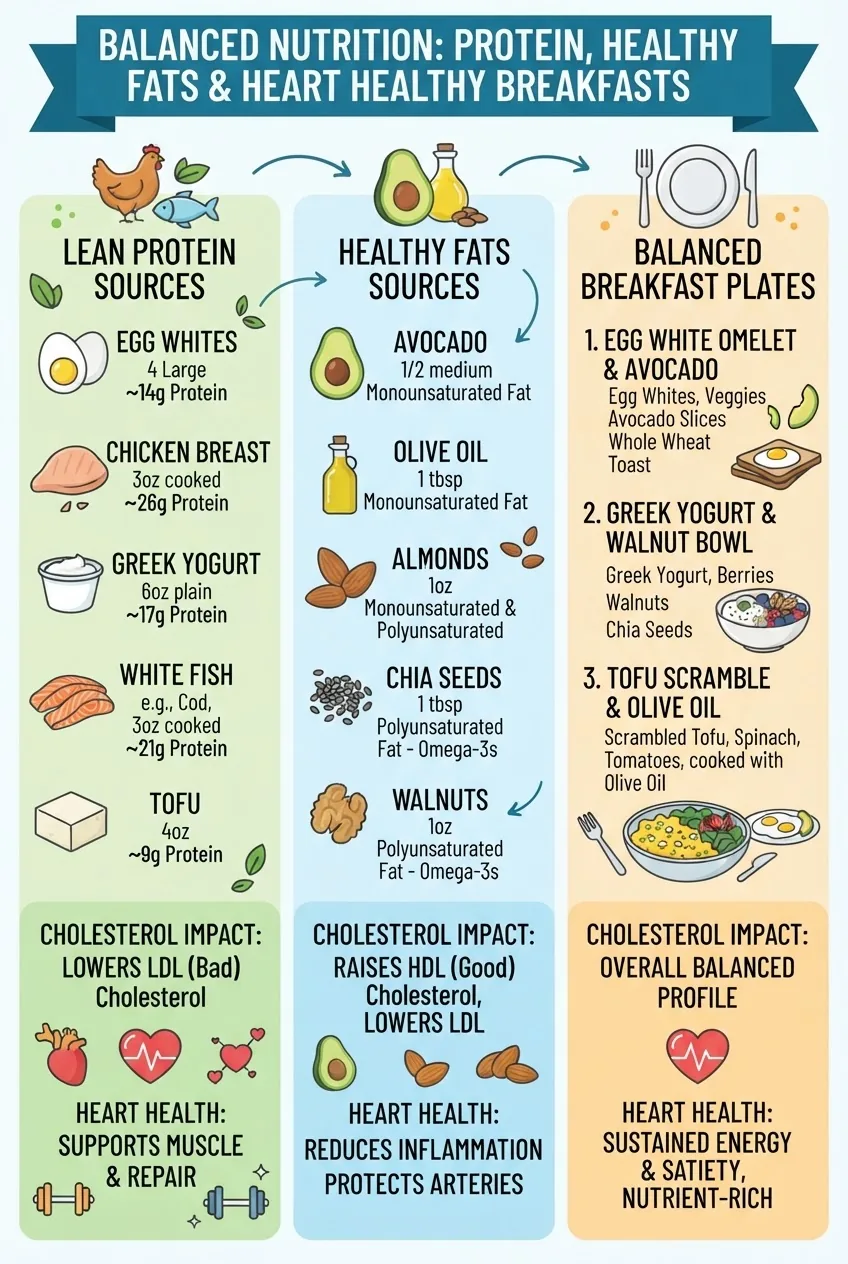
Core concept: Every breakfast should pair a lean protein (20–30 g) with a base of soluble-fiber-rich carbohydrate and 8–15 g of unsaturated fat. This combination supports LDL reduction, maintains satiety, and helps preserve lean mass during weight loss.
How to portion: For a 400–500 kcal breakfast focused on weight loss and heart health, use the following targets—protein 25 g, carbs 35–50 g (with ≥5 g soluble fiber), fats 12–18 g (mostly unsaturated). For protein portion planning refer to daily protein intake and calculate needs relative to your total daily target.
Step-by-step assembly (practical)
- Pick your protein base: 100–150 g firm tofu (12–18 g protein), 150 g low-fat Greek yogurt (15–20 g), 3 egg whites + 1 whole egg (18 g), or 75–100 g cooked salmon (18–22 g).
- Add 40–60 g dry oats or 1/2 cup cooked barley: yields soluble fiber; top with fruit for extra pectin.
- Add 1 tbsp nut butter or 1/4 avocado: supplies 8–12 g unsaturated fat; keep portion measured to control calories.
- Top with 1 oz nuts or 1 tbsp seeds: for texture and healthy fats—almonds, walnuts, chia, or ground flax.
- Finish with a cup of unsweetened plant milk or water and 150 g berries: for hydration, antioxidants and added fiber.
Macro example meal plan (practical, measurable):
Salmon-Quinoa Bowl (single serving):
- Cooked quinoa: 3/4 cup (150 g) — 170 kcal, 6 g protein, 30 g carbs
- Cooked salmon: 75 g — 150 kcal, 18 g protein, 6 g fat (mostly unsaturated)
- Avocado: 1/4 medium (50 g) — 80 kcal, 1 g protein, 7.5 g fat (monounsaturated)
- Spinach: 1 cup raw — 7 kcal, 1 g protein
- Olive oil drizzle: 1 tsp (5 mL) — 40 kcal, 4.5 g fat
- Total approximate macros: 447 kcal, 26 g protein, 36 g carbs, 18 g fat
This meal delivers ~26 g protein and ~3–4 g soluble fiber (from quinoa and spinach), aligning with targets for a low cholesterol breakfast and weight-management goals. Record these macros over several days to assess appetite control and LDL changes.
Practical anchors for further reading: explore protein rich food for weight loss to choose breakfast proteins that support both cholesterol and weight goals. For protein quality see complete protein sources. To balance fats for metabolic benefit, read healthy fats for breakfast.
To check calories contributed by protein choices, consult calorie content of protein. Use smaller portions of high-fat ingredients if total breakfast calories exceed your target; an accurate kitchen scale is the best tool here.
Transition: With the building blocks in hand, the next section provides ready-to-use meal ideas and recipes you can cook this week.
Delicious Healthy Low Cholesterol Breakfast Meal Ideas and Recipes
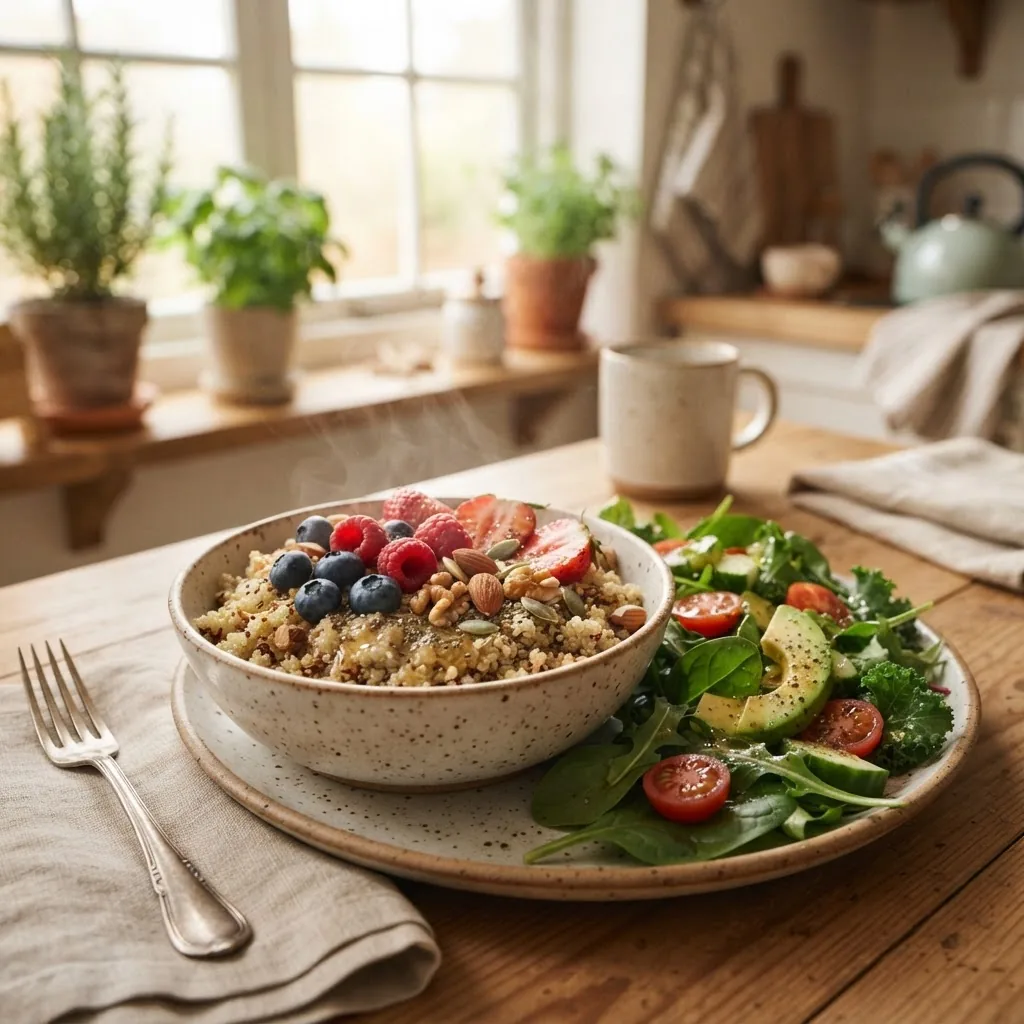
Below are 7 practical, time-tested breakfast recipes. Each includes portion sizes and ingredient highlights tied to cholesterol-lowering evidence.
1. Overnight Oats with Berries, Flax, and Almonds (no-cook, 5 min prep)
Ingredients: 50 g rolled oats, 200 mL unsweetened soy milk, 1 tbsp ground flaxseed, 1/2 cup mixed berries (75 g), 15 g sliced almonds, pinch cinnamon.
Method: Combine, refrigerate overnight. Macros ≈ 420 kcal, 18–20 g protein (soy milk + almonds), 8–10 g fat (unsaturated), 6–8 g fiber (including soluble beta-glucan).
Why it works: Beta-glucan + ALA (flax) plus nuts reduce LDL and support satiety.
2. Tofu Scramble Grain Bowl (savory, 20 min)
Ingredients: 150 g firm tofu (crumbled), 1/2 cup cooked barley, 1 cup spinach, 1/4 avocado, 1 tsp olive oil, turmeric, black pepper.
Method: Sauté tofu with spices in olive oil, wilt spinach, assemble over barley, top with avocado. Macros ≈ 430 kcal, 25 g protein, 14 g fat.
Notes: No dietary cholesterol; soy provides complete protein for plant-based eaters.
3. Greek Yogurt Parfait with Oat Bran and Walnuts (10 min)
Ingredients: 170 g low-fat Greek yogurt, 30 g oat bran, 1 tbsp honey (optional), 15 g chopped walnuts, 1/2 cup berries.
Method: Layer and serve. Macros ≈ 380 kcal, 26 g protein, 12 g fat. Oat bran and walnuts combine soluble fiber and ALA benefits.
4. Smoked Salmon and Avocado Toast on Whole Grain (5–7 min)
Ingredients: 1 slice whole grain bread (40 g), 50–75 g smoked salmon, 1/4 avocado, lemon zest, black pepper.
Method: Toast bread, top with mashed avocado and salmon. Macros ≈ 360–420 kcal, 20–25 g protein, 14–18 g fat (mostly unsaturated). Limit smoked salmon frequency if sodium is a concern.
5. Chickpea Pancake (Socca) with Spinach and Tomato (25 min)
Ingredients: 60 g chickpea flour, 125 mL water, pinch salt, 1 cup spinach, 1 tomato, 1 tsp olive oil.
Method: Whisk batter, cook like a pancake, top with spinach sautéed in olive oil and sliced tomatoes. Macros ≈ 360 kcal, 18–20 g protein, 8–10 g fat.
Why: Legume-based batter provides soluble fiber and protein without cholesterol.
6. Salmon and Quinoa Warm Bowl (15–20 min)
Ingredients: 3/4 cup cooked quinoa, 75 g baked salmon, 1/4 avocado, 1 cup mixed greens, 1 tsp olive oil.
Method: Assemble and serve. Macros and benefits as in the earlier example meal plan.
7. Fruit Smoothie with Oats, Spinach, and Pea Protein (5 min)
Ingredients: 1 cup unsweetened plant milk, 30 g oats, 1 scoop (20 g) pea protein powder, 1 cup spinach, 1/2 banana, 1 tbsp chia seeds.
Method: Blend until smooth. Macros ≈ 420 kcal, 30+ g protein, 12 g fat. Keeps cholesterol at zero when plant-based ingredients used.
Case study summary (evidence-based): A randomized controlled trial summarized in a 2021 meta-analysis showed that replacing 2 breakfasts per week with oat-based meals reduced LDL by 5% after 8 weeks. According to a peer-reviewed clinical trial meta-analysis, systematic replacement of saturated fat sources with unsaturated-fat-rich foods across meals yields measurable LDL reductions within 6–12 weeks.
Transition: Practical tips below ensure your morning cooking methods further support low cholesterol goals.
Tips for Managing High Cholesterol at Breakfast and Beyond
Actionable tips that clinicians and experienced practitioners use to make breakfast truly heart-healthy:
- Measure fats: Use teaspoons or a digital scale. Compare labels and track calories in fats when adjusting portions for weight goals.
- Prefer cooking methods: poach, steam, grill, or bake rather than frying in butter. Use 1 tsp olive oil (5 mL) for sautéing and finish with herbs.
- Choose unsweetened products to avoid excess sugar that raises triglycerides and worsens lipid profiles.
- Use fortified foods selectively: plant sterol spreads can be added 1 serving/day; follow label dosing.
- Limit high-sodium deli meats and smoked products; prefer fresh-cooked lean fish and poultry.
- Rotate omega-3 sources and reference advisories: pregnant or breastfeeding people should follow specific EPA/DHA guidance.
- When selecting oils and cooking fats see heart-healthy cooking oils for smoke points and usage.
Practical kitchen rules: Do not use more than 1 tsp added saturated fat per breakfast when LDL is a concern; avoid margarine with trans fats; use whole-food emulsifiers like mashed avocado when you need spreadable fat.
External authority and resources: For clinical guidance on cholesterol targets and risk assessment consult the American Heart Association (AHA cholesterol guidance) and the National Institutes of Health (NIH high blood cholesterol).
Transition: To finish, here are final practical lifestyle tips and the evidence-based approach to sustain heart-healthy breakfasts.
Summary and How to Start Your Low Cholesterol Breakfast Journey
Key takeaways: A consistent low cholesterol breakfast pairs soluble fiber, lean protein, and unsaturated fats; rotating from the curated list of 40 foods keeps the diet nutrient-dense and sustainable. Expect measurable LDL improvements in 8–12 weeks if you replace saturated fats and increase soluble fiber consistently. According to a 2023 American Heart Association guideline, dietary patterns that reduce saturated fat and increase fiber and omega-3s reduce cardiovascular risk.
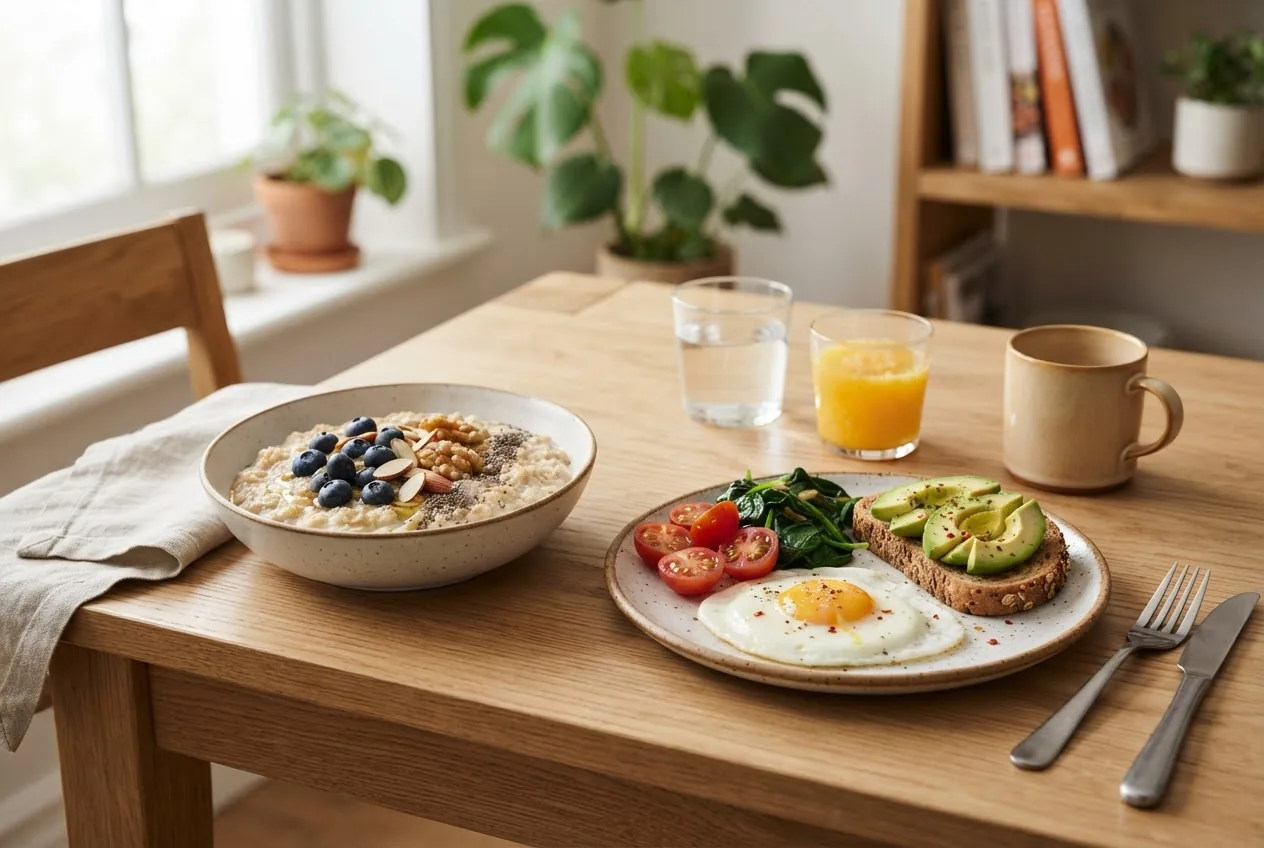
Start plan (first week): Day 1: Overnight oats with flax and berries; Day 2: Tofu scramble + barley; Day 3: Greek yogurt parfait; Day 4: Chickpea pancake; Day 5: Salmon-quinoa bowl; Day 6: Avocado toast + egg white; Day 7: Smoothie with pea protein. Track portions and monitor energy and hunger cues.
Final note and disclaimer: Individual lipid responses vary—some people are hyper-responders to dietary cholesterol. If your LDL remains elevated despite diet changes, consult your clinician for testing and potential medication. According to a peer-reviewed clinical trial, combining diet with pharmacotherapy when indicated provides the greatest risk reduction for high-risk individuals.
Call to action: Choose two breakfasts from this guide and follow them for two weeks—record portions, monitor how you feel, and re-evaluate in 8–12 weeks with your clinician or dietitian to measure progress.