By the end of this hands-on guide you’ll be able to locate, evaluate and choose nearby healthy restaurants in Texas confidently; this process takes about 90–180 minutes for an initial local scan and ongoing 10–30 minute checks before each visit. Assumes beginner-to-intermediate skills with mobile maps, restaurant menus and basic nutrition terms.
Before you start
- Smartphone or laptop with GPS and access to Google Maps, Apple Maps or Yelp.
- One or two trusted review apps (Yelp, Google Reviews, HappyCow) and a notes app to log findings.
- Basic nutrition reference: printed checklist or bookmarked pages from USDA and AHA guidelines.
- Budget target per meal (I recommend $8–$15 for lunch, $12–$30 for dinner in most TX cities).
- Time plan: 90–180 minutes to research 5–10 local options; 10–30 minutes to verify a place before ordering.
Core steps
-
Define what “healthy” means locally.
Understanding What Makes a Food Place “Healthy”
Start with a working definition: a healthy food place prioritizes nutrient density, minimally processed ingredients, clear menu transparency, and reasonable portion control. When you search for healthy food places near me you should look beyond buzzwords (like “clean” or “detox”) and focus on measurable signals: sourcing, cooking methods, macronutrient balance, and sodium management.
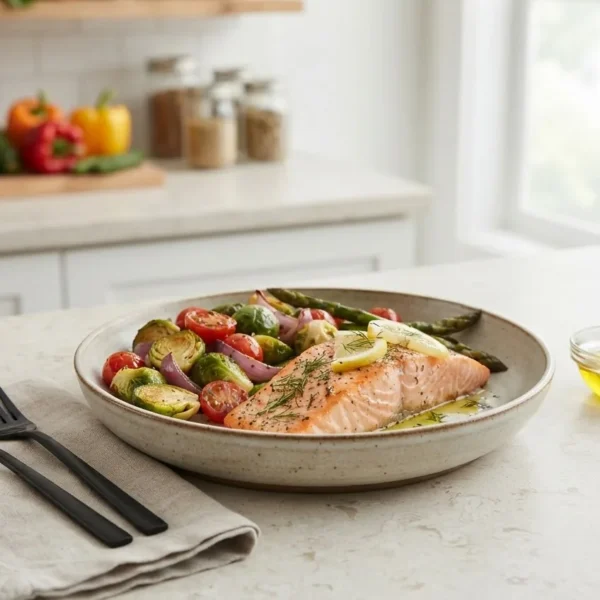
Nutrient density means a dish delivers vitamins, minerals and protein per calorie rather than empty calories from added sugars and refined starches. Examples of nutrient-dense swaps you’ll find at genuinely healthy eateries: swapping white rice for quinoa or brown rice, choosing grilled over fried protein, adding legumes or leafy greens, and serving sauces on the side.
Minimally processed and “clean food” principles show up when menus emphasize whole-food ingredients: local produce, whole grains, lean proteins (grilled chicken, tofu, fish), and limited use of industrial seed oils or pre-made sauces. A healthy menu often marks items by dietary needs (vegetarian, vegan, low sodium), lists core ingredients, and displays calorie or macro cues.
Low sodium meals are a common requirement. Restaurants committed to low-sodium options use minimal added salt, avoid high-sodium condiments, and offer requests like “no added salt” or “sauce on the side.” Nutrient-savvy staff or menu notes that list approximate sodium or ask about salt preferences are strong signals.
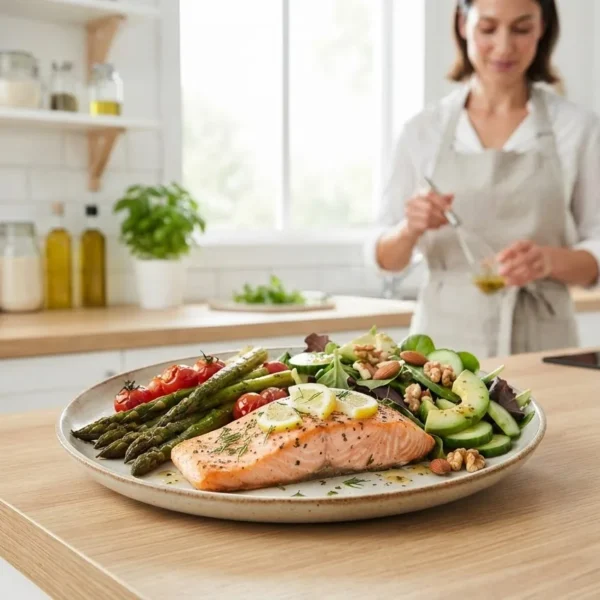
Balanced meal options mean plates contain a protein source, fiber-rich carbohydrate (vegetables, whole grains), and a healthy fat (olive oil, avocado, nuts) — in roughly 25–35g protein, 30–60g carbohydrate and 10–20g fat for a standard adult meal depending on energy needs. For diners with specific goals (weight loss, heart health), portion control and macro balance shift, but the structure stays the same.
Price and accessibility matter. A healthy restaurant should offer at least a few affordable nutritious choices rather than only premium-priced bowls. When evaluating places in Texas neighborhoods, I look for menu variety at multiple price points and visible sourcing claims like “farm-to-table” or “organic produce.”
To deepen your understanding, pair practical evaluation with trusted dietary frameworks. According to the 2023 USDA Dietary Guidelines, emphasize vegetables, fruits, whole grains, lean proteins and limit added sugars and sodium. Likewise, American Heart Association recommendations for dining out stress portion size, heart-healthy fats and sodium reduction.
For cooks who want consistent references when comparing menus, consult the pillar guide on nutritious and tasty meals.
Transition: With a clear definition of “healthy,” the next step is practical discovery — using the right tools to find options near you.
-
Use apps and filters to build a local shortlist.
How to Find Healthy Food Places Near Me: Tools and Tips
- Map search with health-focused keywords: Open Google Maps or Apple Maps and search terms like “healthy restaurants near me,” “low sodium restaurants,” “salad bar near me”. Use filters for rating (4.0+), distance (within 2–5 miles) and open now.
- Use specialty apps: Install HappyCow for vegetarian/vegan options, and Nutritionix Restaurant Search or CalorieKing for nutrition estimates. Many apps let you filter by dietary needs.
- Scan menus first: Look for ingredient lists and method indicators (grilled, roasted, steamed). If menus are absent, put the restaurant lower on your shortlist.
- Read recent reviews for health cues: Search terms in reviews like “fresh,” “bland,” “sauce-heavy,” or “no salt” to confirm claims.
- Check delivery platform menus: Services like DoorDash and UberEats often show full menus and nutrition labels for some chains; use them to preview low-calorie or protein-rich choices.
Practical tips: use at least two discovery channels (map + app + social) and cross-reference. Set a simple scoring method: Menu transparency (0–3), Ingredient quality (0–3), Price value (0–2), Diet labels (0–2). Score 8+ indicates a strong candidate.
Personal walkthrough: I opened Google Maps, set radius to 3 miles, then searched “healthy places to eat” and filtered for 4+ stars; next I switched to Yelp to read “fresh” and “no salt” mentions, and finally checked the restaurant’s site for ingredient sourcing. This process took about 25–40 minutes to produce a vetted short-list of 6 restaurants in an urban Texas ZIP code — time varies by density.
Don’t forget other meal times; for morning options see healthy breakfast spots to complement lunch and dinner planning.
Transition: After you find candidates, match restaurant types to your nutritional priorities — in Texas, certain venue types consistently deliver.
-
Identify venue types that fit healthy criteria in Texas.
Top Types of Healthy Food Places to Look For in Texas
Texas’s food scene is diverse; look for specific venue types that reliably offer nutritious options:
- Farm-to-table restaurants — emphasize local produce and seasonal menus; often better transparency on sourcing and preparation. Example: farm-driven brunch spots in Austin and San Antonio that list farm partners on the menu.
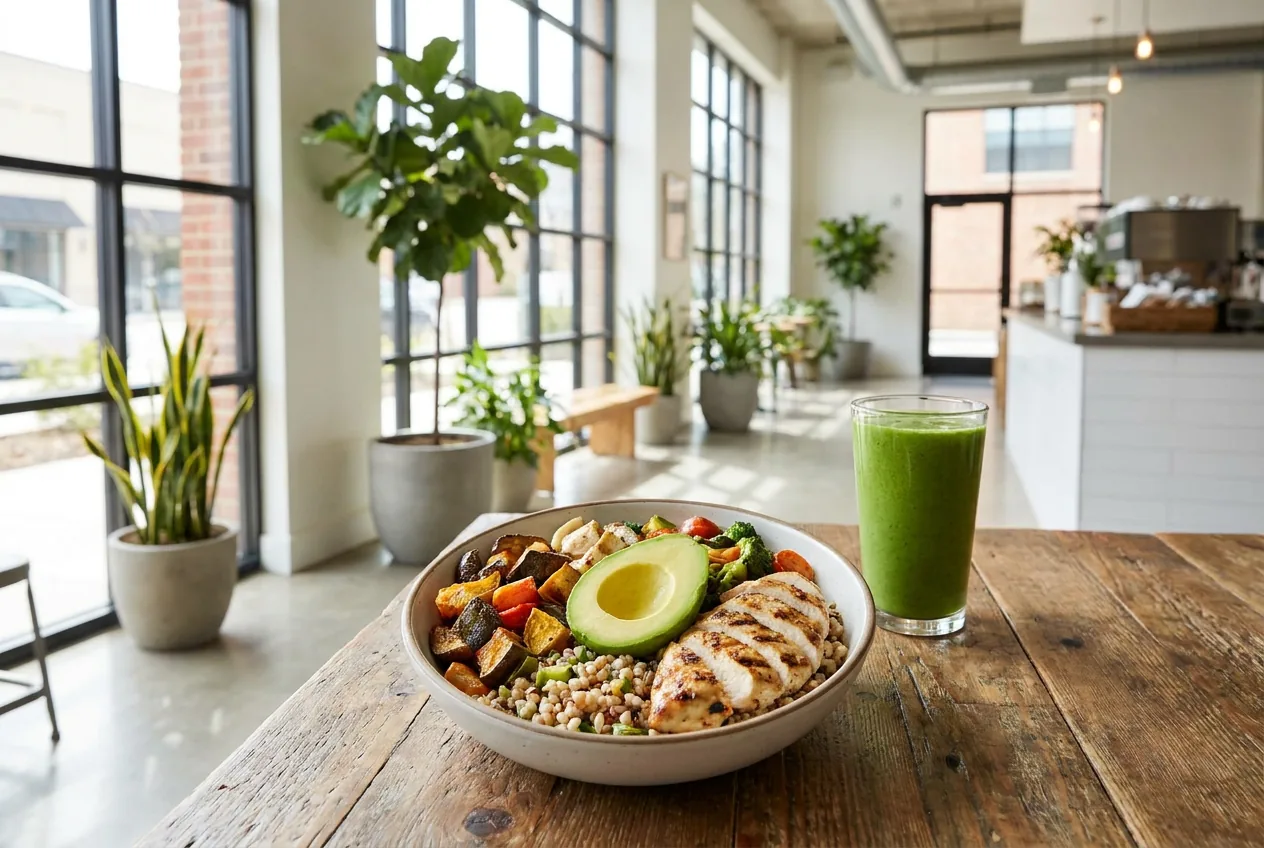
- Salad bars and build-your-own bowls — allow portion and ingredient control: choose mixed greens, lean proteins, legumes, and skip croutons and heavy dressings.
- Vegetarian & vegan eateries — focus on plant-based nutrient density and whole-food preparations; great for low-sodium and fiber-rich meals.
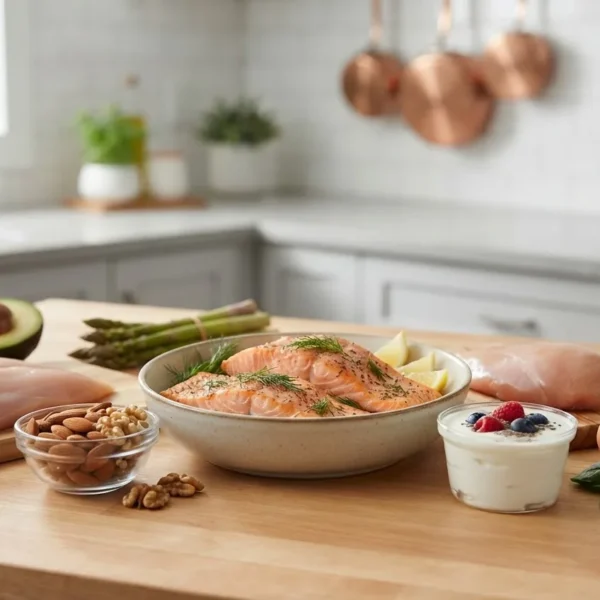
- Protein-focused restaurants — shops that emphasize grilled fish, rotisserie chicken, lean steak, or plant-proteins; useful when you need high-protein restaurant meals.
- Organic cafes and juice bars — best for snacks, salads and smoothies that prioritize organic produce and minimal processing.
- Ethnic restaurants with healthy traditions — Mexican taquerias with grilled fish or nopales, Mediterranean spots offering grilled kebabs with tabbouleh, and Vietnamese pho shops with broth-based soups and lean protein options.
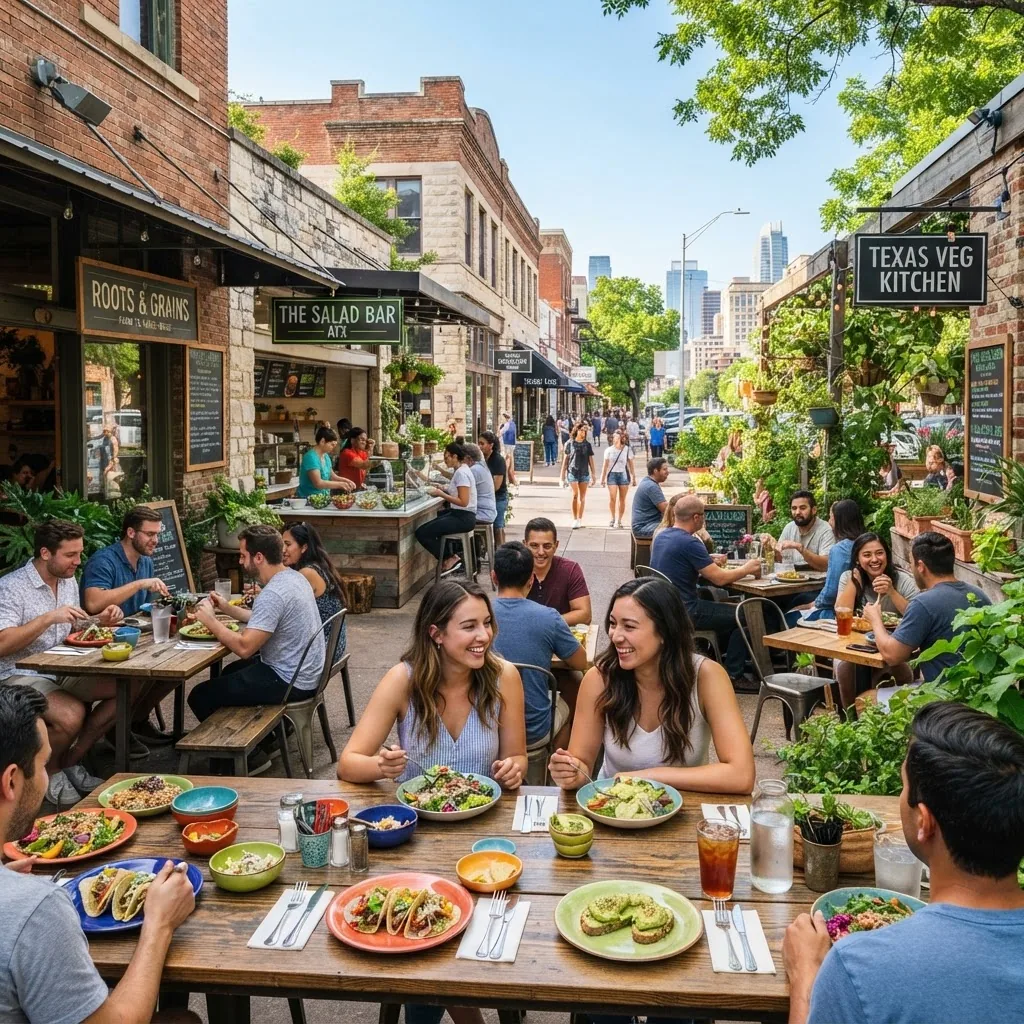
Mini-case: a vegetarian-focused cafe I vetted in Dallas lists protein grams on signature bowls and offers a “no added salt” preparation — a useful benchmark when rating other places. For readers who prefer plant-forward choices, see resources on vegetarian-friendly healthy restaurants.
Transition: knowing the right place types lets you find affordable options that don’t compromise nutrition.
-
Spot wallet-friendly healthy options and local deals.
Affordable Healthy Places to Eat: Budget-Friendly Options Nearby
Affordable nutritious dining is realistic in Texas when you apply a few rules: choose grilled over fried, favor bowls that mix grains and vegetables, and use lunch or weekday specials. Below are practical cost-saving patterns and mini case studies.
- Fast-casual bowls: $8–$12 for a grain + veg + protein bowl — choose brown rice/quinoa, double vegetables, and lite sauce.
- Local delis and markets: Many have salad bars or rotisserie chicken for $7–$14 with protein and veg options.
- Weekday lunch specials: Look for $9–$13 three-course light lunches at farm-to-table spots that otherwise run $18–$30 for dinner.
- Meal-share portions: Order an entrée to share and add a side salad to cut cost and manage portions.
Mini case study — Austin neighborhood market: I compared two lunch bowls: Bowl A (grilled chicken + quinoa + roasted veg) for $10.50; Bowl B (fried chicken + white rice + heavy sauce) for $9.50. After asking for sauce on the side and extra veg, Bowl A became the clear nutritional and value winner. This field check took 12 minutes including asking the staff about salt.
Mini case study — San Antonio deli: The salad bar priced by weight offered a 50/50 veg-to-protein ratio for under $12; adding beans as a low-cost protein increased fiber and reduced price-per-protein gram versus ordering an entrée.
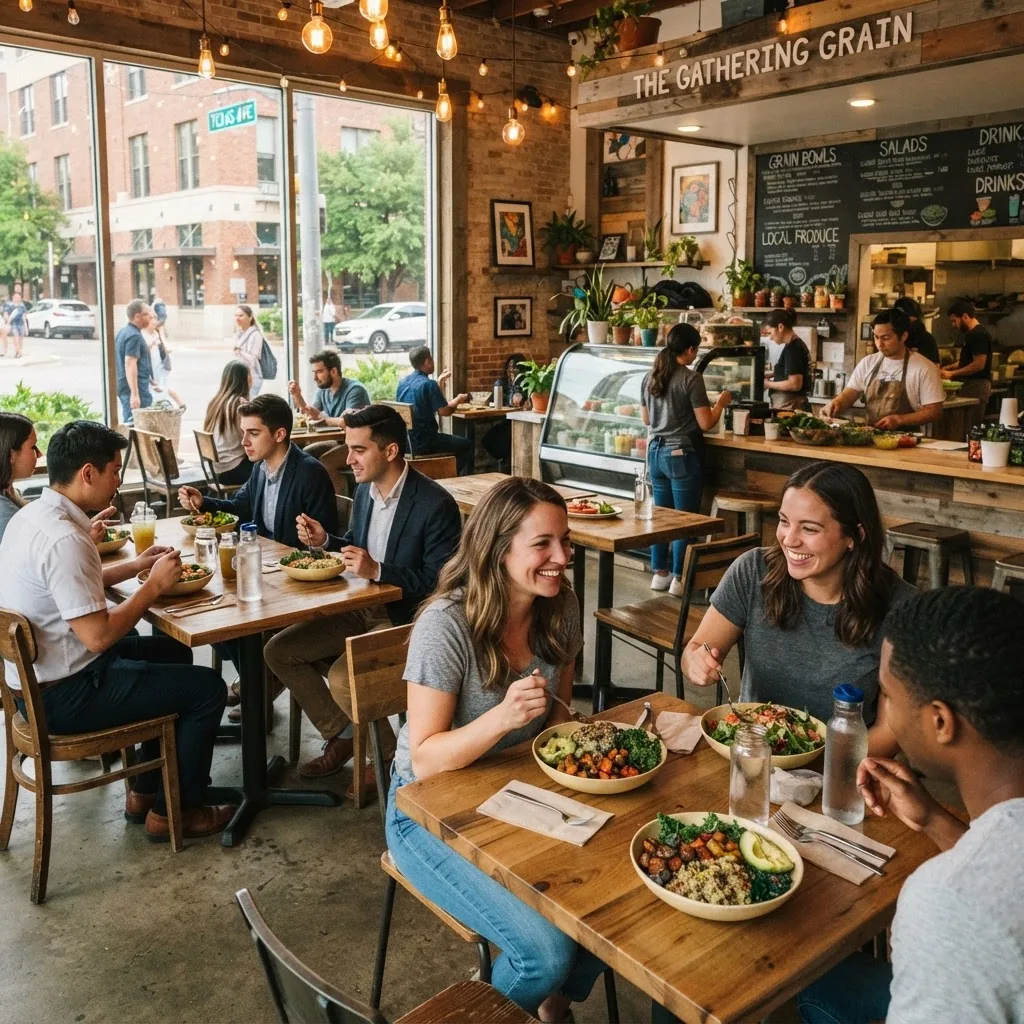
For broader personal-budget strategies, read budget-friendly healthy eating and for vegetarian thrifty choices see affordable vegetarian options.
Transition: once you know affordable venues, match them to meal timing — lunch, dinner or takeout — and customize orders to fit nutritional priorities.
-
Choose appropriate dishes by meal time and service type.
Healthy Dining Options for Different Meals (Lunch, Dinner, Takeout)
Lunch — quick, balanced and portable
Lunch is about timing and satiety. Aim for 20–35g protein, a fist-sized portion of vegetables, and 1 cupped-hand of whole grains. Good picks: grilled chicken salad with mixed greens and vinaigrette on the side, brown rice bowls with legumes and roasted veg, or broth-based soups with lean protein.
If you also prepare meals at home, pair restaurant choices with balanced low-calorie meal ideas to control total daily intake.
Dinner — nutrient-dense and social
Dinner can be slightly larger: target 25–45g protein and a plate built to be 50% vegetables, 25% lean protein and 25% whole grains or starchy veg. Order grilled or baked protein, request sauces on the side and choose steamed or roasted sides. For at-home complements, see additional nutritious dinner options and balanced healthy dinners if you track calories.
Takeout — verify before ordering
For convenience, prioritize items that travel well without sogginess or extra oil: grain bowls, roasted proteins, salads with dressing separate, and clear soups. Avoid breaded or sauced items unless you can request a lighter preparation.
If you order delivery, preview the menu on the platform and search for healthy takeout food near me options that list customizations.
Transition: you can refine choices further by focusing on specific nutritional considerations like sodium and protein.
-
Apply nutritional rules of thumb and a quick checklist.
Nutritional Considerations When Choosing Healthy Places to Eat
When choosing a restaurant or a dish, use this practical checklist derived from nutrition science and dining behavior:
- Low sodium: Ask for “no added salt” and sauces on the side; target under 600mg sodium per meal for sodium-sensitive individuals. According to a 2023 dietary recommendation summary, reducing sodium at meals helps meet daily targets.
- Protein content: Aim for 25–35g protein per meal for general satiety; for high-protein goals choose grilled chicken, fish, tempeh or legumes.
- Balanced macros: Build plates roughly 30% protein, 40% carbohydrates (preferring whole grains), 30% fats (favor mono- and polyunsaturated fats).
- Portion control: If a restaurant serves large portions, ask for a half-portion, order a starter plus a side salad, or ask for a to-go box at the start and box half immediately.
- Allergen-friendly choices: Confirm cross-contact procedures if you have severe allergies; staff training and kitchen layout matter.
- Ingredient sourcing: Prefer places that list suppliers or “local farms” and show photos or descriptions of prep methods.
Quick practical advice: when in doubt, choose broth-based soups or salads with a lean protein and oil-based dressing; avoid fried items, heavy creams, and large cheese- or carb-centric plates.
Transition: after you apply these nutritional checks, you should verify restaurants’ claims before trusting them repeatedly.
-
Systematically verify menus, sourcing and certifications.
How to Evaluate and Verify Healthy Restaurants Near You
Follow these five verification steps to confirm a restaurant’s health claims. Use the checklist below and log findings in your notes app.
- Check menu transparency: Does the menu list ingredients, preparation method and portion sizes? If not, contact the restaurant by phone or chat and ask for specifics.
- Look for certifications: Organic certification (USDA Organic), third-party sustainability or local farm partnerships increase trust. In Texas, some county health departments post lists of certified producers — check local resources like the Texas Department of State Health Services for verification (Texas DSHS).
- Read customer reviews for health signals: Search recent reviews for words like “fresh,” “no salt,” “sauce on side,” and “portion control.” Be wary of many 1–2 star reviews complaining about inconsistency.
- Assess ingredient sourcing: A call to ask where proteins are sourced (local farm, regional supplier) and if produce is seasonal gives real insight. Restaurants that answer confidently score higher in my rubric.
- Review health ratings: Local health inspection reports reveal sanitation but not nutrition — combine both data points. Use inspection results as a baseline for safety and menu checks for healthiness.
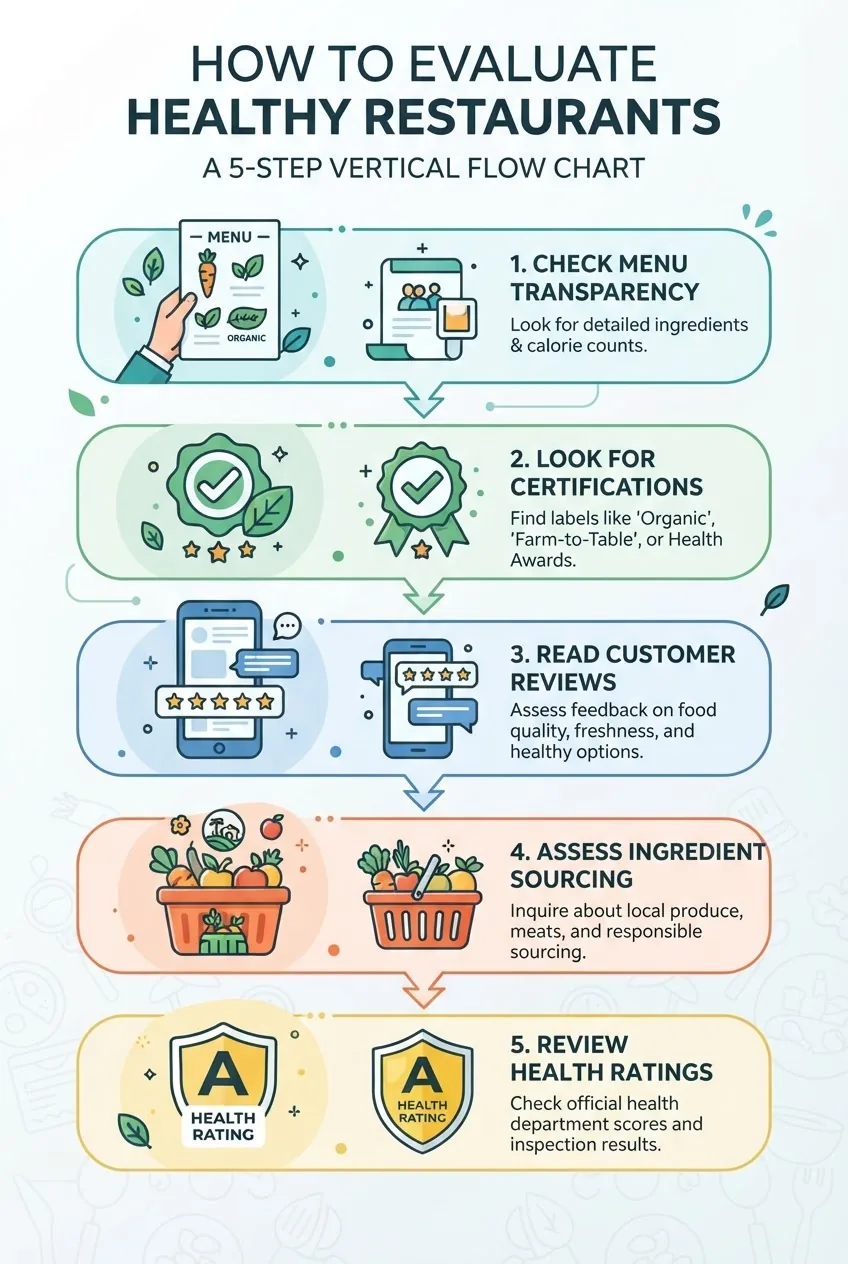
Methodology for rating healthiness: I score menu transparency (0–3), certifications (0–2), sourcing specificity (0–3), review corroboration (0–2) and safety inspection history (0–2). A total of 7+ suggests a reliably healthy place. This method balances cost vs. quality trade-offs — a low-cost deli with strong sourcing and transparent options can score higher than an expensive spot with vague claims.
Trust signals and caveats: menu items can change seasonally and staff turnover can affect consistency. Always re-check for the latest menu or call ahead. According to a 2024 industry report, menu updates and supplier changes occur frequently in the fast-casual sector, affecting consistency.
Transition: apply the verification checklist before committing to regular visits; next, I’ll share common mistakes I see in the field and how to avoid them.
Common mistakes and how to avoid them
I often see three recurring mistakes when people search for healthy dining: 1) trusting marketing language without menu verification, 2) assuming a high price equals healthy food, and 3) overlooking sodium and portion size. Once I asked staff at a touted “clean” cafe where they sourced fish and found the supplier used frozen pre-marinated fillets — that changed my score. To avoid these, always check the menu for ingredients, ask specific questions (how is protein cooked? where is produce sourced?), and inspect portion sizes or ask for a half portion.
Quick verification checklist
- Menu lists ingredients and prep methods — yes / no
- Protein source specified (local, pasture-raised, wild-caught) — yes / no
- Low-sodium request available — yes / no
- At least one protein-rich option (≥25g) — yes / no
- Affordable option exists for <$13 lunch or <$20 dinner — yes / no
- Recent positive reviews mentioning “fresh” or “no sauce” — yes / no
- Food safety inspection acceptable — yes / no
When to call in a professional
Hire a registered dietitian or food safety consultant when you have medical dietary needs (e.g., severe sodium restriction, PKU), when managing menu planning for a group with varied needs, or if you’re vetting a supplier for a business partnership. Expect a 1–3 hour consultation and a written menu audit costing $150–$500 depending on depth.
Conclusion: Making the Most of Local Healthy Food Options
Use the steps in this guide to build a reliable local shortlist of healthy restaurants: define what “healthy” means to you, use focused search tools, prioritize venue types that match your goals, apply nutrition checks, and verify claims before regular visits. A repeatable routine (research: 30–90 minutes; quick verify: 5–15 minutes) will save money and improve eating consistency.
Final practical CTA: scan locally this week for 5 candidates, score them using the checklist, and pick two to test over the next 10 days. Share results with a friend or your local food community to build a vetted neighborhood list.