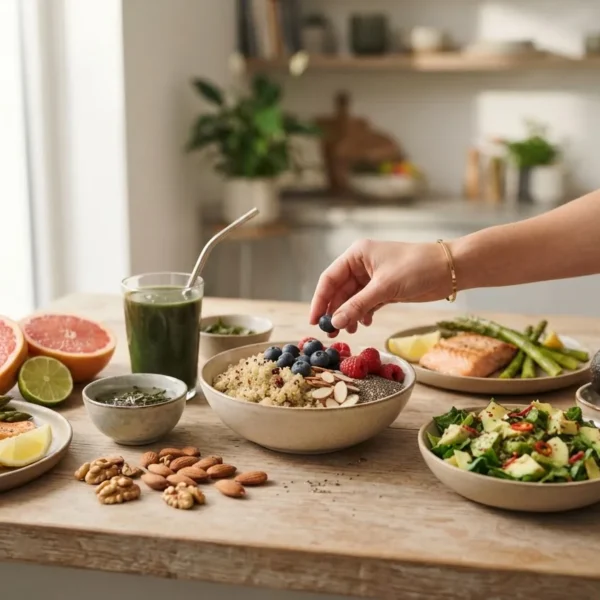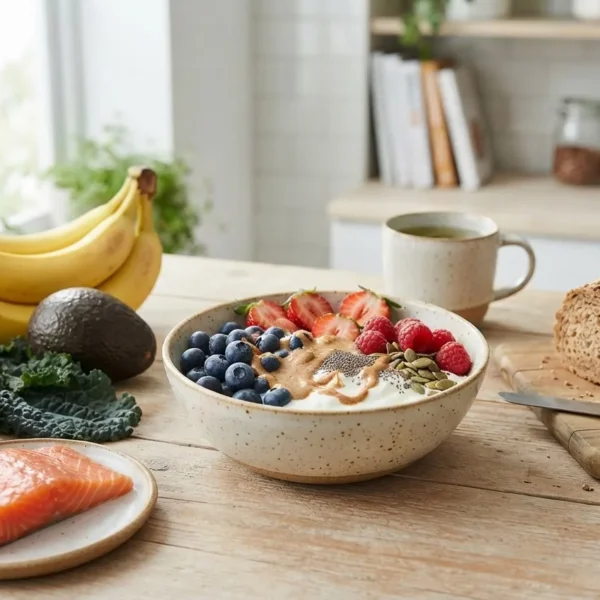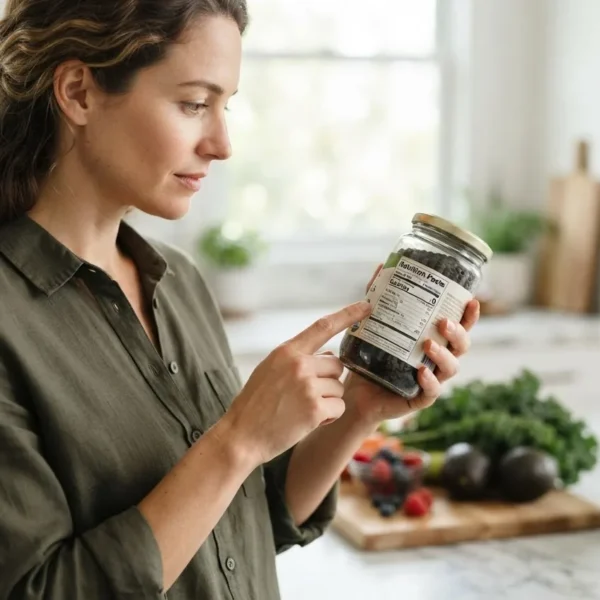

A healthy diet for female prioritizes nutrient-dense vegetables, fruits, whole grains, lean protein and healthy fats while ensuring adequate calcium, iron, vitamin D and folate; calories and macros are adjusted for age, activity and goals. Emphasize variety, fiber, hydration and routine lab checks to prevent deficiencies.
What exactly is a “healthy diet for female”?
A healthy diet for female is a personalized eating pattern that supplies sufficient calories plus specific macro- and micronutrients to support reproductive health, bone density, energy, and long-term disease prevention.
Term: nutrient-dense — foods that provide high levels of vitamins, minerals, fiber and other beneficial components relative to their calorie content.
A practical healthy diet for female combines:
- Regular servings of vegetables and fruit for fiber, antioxidants and folate.
- Whole grains for sustained energy and B-vitamins.
- Lean protein (including plant sources) to support muscle and hormones.
- Calcium and vitamin D sources for bone health.
- Iron-rich foods and strategies to maintain adequate iron stores.
- Healthy fats (monounsaturated and omega-3) for brain, skin and hormone function.
Design is adjusted for age, activity level, pregnancy, breastfeeding or menopause, and includes regular monitoring (weight, energy, and lab tests) to detect deficiencies early.
How many calories should a woman eat each day?
Daily calorie needs for women typically range from about 1,400 to 2,800 kcal depending on age, height, weight and activity; estimate needs via BMR plus an activity factor to get Total Daily Energy Expenditure (TDEE).
Term: Basal Metabolic Rate (BMR) — the number of calories a body burns at complete rest to maintain basic physiological functions.
Term: Total Daily Energy Expenditure (TDEE) — estimated daily calories burned including activity.
Use the Mifflin–St Jeor equation to estimate BMR (commonly used and validated):
- BMR (women) = 10 × weight(kg) + 6.25 × height(cm) − 5 × age(years) − 161.
- Multiply BMR by an activity factor: sedentary 1.2, lightly active 1.375, moderately active 1.55, very active 1.725.
Worked example: 30-year-old woman, 65 kg, 165 cm, moderately active: BMR = 10×65 + 6.25×165 − 5×30 −161 = 650 + 1031 −150 −161 = 1370 kcal. TDEE ≈ 1370 × 1.55 = 2,124 kcal/day.
For weight goals:
- Maintenance: eat near TDEE.
- Weight loss: create a sustainable deficit of 250–500 kcal/day (≈0.25–0.5 kg/week).
- Weight gain/muscle: add 250–500 kcal/day plus resistance training.
What macronutrient balance is best for women?
A flexible macronutrient range works: protein 15–30% of calories, fat 20–35%, carbohydrates 45–60%; adjust within these ranges for goals like weight loss, muscle gain or blood sugar control.
Term: macronutrient — a nutrient required in large amounts for energy and structure: protein, carbohydrates and fats.
Example distributions and why you might choose them:
- General health (balanced): 50% carbs / 20–25% protein / 25–30% fat.
- Weight loss (satiety-driven): 35–45% carbs / 25–30% protein / 30–35% fat.
- Muscle gain (higher protein): 40–50% carbs / 25–35% protein / 20–30% fat.
- Blood sugar control: lower-carb approach 30–40% carbs with higher protein and healthy fats.
Convert percentages to grams using energy values (protein 4 kcal/g, carbs 4 kcal/g, fat 9 kcal/g); the table below demonstrates grams for a 2,000 kcal day with three common splits.
| Macro Split | % Calories | Protein (g) | Carbs (g) | Fat (g) |
|---|---|---|---|---|
| Balanced | 25% protein / 50% carbs / 25% fat | 125 g | 250 g | 56 g |
| Higher protein | 30% protein / 45% carbs / 25% fat | 150 g | 225 g | 56 g |
| Lower carb | 30% protein / 35% carbs / 35% fat | 150 g | 175 g | 78 g |
Which foods are the best foods for women to prioritize?
Prioritize iron-rich proteins, calcium and vitamin D sources, folate-rich greens, omega-3 fats, whole grains and fiber-rich fruits and vegetables to meet female-specific nutrient needs.
Term: folate — the naturally occurring form of vitamin B9 found in foods, important for DNA synthesis and critical in early pregnancy.
Top food choices by nutrient target:
- Iron: lean beef, poultry, lentils, chickpeas, spinach, fortified cereals; pair with vitamin C to enhance absorption.
- Calcium + Vitamin D: low-fat dairy, fortified plant milks, canned salmon with bones, leafy greens; vitamin D aids calcium absorption.
- Folate: dark leafy greens, asparagus, citrus fruits, avocado, beans.
- Omega-3s: fatty fish (salmon, sardines), chia seeds, flaxseed, walnuts; aim for at least two 3.5 oz servings of fatty fish weekly.
- Protein: eggs, Greek yogurt, tofu, tempeh, fish, lean cuts of meat, legumes; distribute protein across meals (20–30 g/meal for satiety and muscle maintenance).
- Fiber: whole grains, oats, beans, berries, vegetables—target 25–30 g/day for most women.
Practical portion examples:
- 3.5 oz cooked salmon = ~22–25 g protein + ~1,000 mg omega-3 (varies).
- 1 cup cooked lentils = 18 g protein and 15.6 g fiber.
- 1 cup plain Greek yogurt = 15–20 g protein, plus calcium.
How can I design a day of eating that meets balanced nutrition?
Design a day by allocating calories and macros across three meals and 1–2 snacks, prioritizing protein at each meal, vegetables at two meals, whole grains once or twice, and healthy fats daily.
Below is a sample 1,800 kcal day that shows portion sizes, calories and macro estimates; adjust portions to meet your calculated TDEE or goals.
- Breakfast (≈420 kcal): Greek yogurt parfait — 3/4 cup plain Greek yogurt (120 kcal, 18 g protein), 1/2 cup mixed berries (40 kcal), 1/3 cup oats (120 kcal), 1 tbsp chopped walnuts (60 kcal), 1 tsp honey (20 kcal). Macros ≈ 28 g protein / 48 g carbs / 14 g fat.
- Mid-morning snack (≈150 kcal): 1 medium apple (95 kcal) + 1 tbsp almond butter (55 kcal).
- Lunch (≈520 kcal): Grain bowl — 3 oz grilled chicken (140 kcal, 26 g protein), 1/2 cup cooked quinoa (110 kcal), 2 cups mixed greens + roasted vegetables (80 kcal), 1/4 avocado (60 kcal), 1 tbsp olive oil lemon dressing (130 kcal). Macros ≈ 30 g protein / 45 g carbs / 20 g fat.
- Afternoon snack (≈150 kcal): Carrot sticks + 3 tbsp hummus (150 kcal).
- Dinner (≈560 kcal): Baked salmon 4 oz (230 kcal), 1 cup steamed broccoli (55 kcal), 3/4 cup sweet potato (100 kcal), 1 tsp butter or olive oil (45 kcal), side salad (80 kcal). Macros ≈ 35 g protein / 45 g carbs / 22 g fat.
Vegetarian swap: replace chicken and salmon with tofu/tempeh portions and add an extra 1/4 cup cooked lentils at lunch for protein parity. For people following an eating light diet, reduce grains and increase vegetable volume while keeping protein consistent.
How do I choose between diet approaches like Mediterranean, low-carb or eating light diet?
Choose the approach that matches health goals, medical needs, and personal preferences—Mediterranean for cardiovascular health, controlled low-carb for glucose control or weight loss, and an eating light diet for reduced calories with preserved nutrition.
| Diet | Good for | Drawbacks / Watch |
|---|---|---|
| Mediterranean | Heart health, sustainable, rich in vegetables and olive oil | Can be calorically dense if portions of nuts/olive oil aren’t controlled |
| Low-carb / Keto | Rapid weight loss, blood sugar control | May reduce fiber, can limit certain micronutrients; monitor lipids |
| Eating light diet | Lower calories with high-volume foods for satiety | Risk of missing micronutrients if protein and dairy/fortified foods omitted |
How should women adjust their diet across life stages?
Adjust calorie needs and prioritize stage-specific nutrients: adolescents need calories and iron; reproductive-age women require folate and iron; pregnancy increases calories, protein and folate; menopause needs calcium, vitamin D and heart-healthy fats.
Term: menopause — the permanent end of menstrual cycles, often accompanied by hormonal changes that affect metabolism and bone density.
Stage-specific guidance:
- Adolescence (teens): Support rapid growth: extra calories, iron, calcium and vitamin D; encourage balanced meals and limit sugary drinks.
- Reproductive years: Emphasize iron (due to menstrual losses) and folate (especially when pregnancy is possible); maintain 25–30 g fiber/day and routine exercise.
- Pregnancy: Additional ~300 kcal/day in second and third trimesters for most women; protein +25 g/day above baseline; folic acid 600 mcg/day; iron needs increase (consult provider).
- Breastfeeding: Increase calories by ~450–500 kcal/day during early breastfeeding; maintain hydration and nutrient-dense choices.
- Perimenopause and menopause: Focus on calcium (1,000–1,200 mg/day depending on age), vitamin D (600–800 IU or as tested), lean protein and resistance training to preserve muscle and bone.
- Older adults (70+): Protein needs may be higher per kg to limit sarcopenia; consider texture-modified foods if chewing or appetite issues occur.
What supplements should a woman consider and when are they necessary?
Supplements can fill gaps: vitamin D, calcium (if dietary intake low), iron (if deficiency present), B12 for vegan diets, omega-3s for those not eating fatty fish, and prenatal vitamins when planning or during pregnancy.
Term: Recommended Dietary Allowance (RDA) — average daily level of nutrient intake sufficient to meet the requirements of nearly all healthy individuals.
Common recommendations (general guidance; verify with provider):
- Vitamin D: many women need 600–800 IU/day; higher doses may be prescribed if blood levels are low; test 25(OH)D to guide dosing.
- Calcium: aim for 1,000–1,200 mg/day from diet and supplements combined if necessary.
- Iron: treat only when labs confirm deficiency; typical therapeutic doses are 60–120 mg elemental iron/day short-term, but routine supplementation without testing is not recommended for menstruating women unless advised.
- Folate: prenatal folic acid 400–800 mcg/day if pregnancy is planned or during pregnancy (higher needs during pregnancy).
- Vitamin B12: supplement 2.4 mcg/day for those on strict plant-based diets or with absorption issues.
- Omega-3 (EPA/DHA): 250–500 mg combined EPA+DHA daily as general target; higher doses for triglyceride lowering as advised by provider.
Link to a practical supplement overview: Best supplements guide for nutritional and health support. Always check interactions and test nutrient levels rather than guessing.
How do I eat a light diet but still get full nutrition?
Eat light while maintaining nutrition by choosing high-volume, low-calorie foods (vegetables, broth-based soups), lean protein at each meal, whole-grain small portions, and fortified dairy or plant milks for calcium and vitamin D.
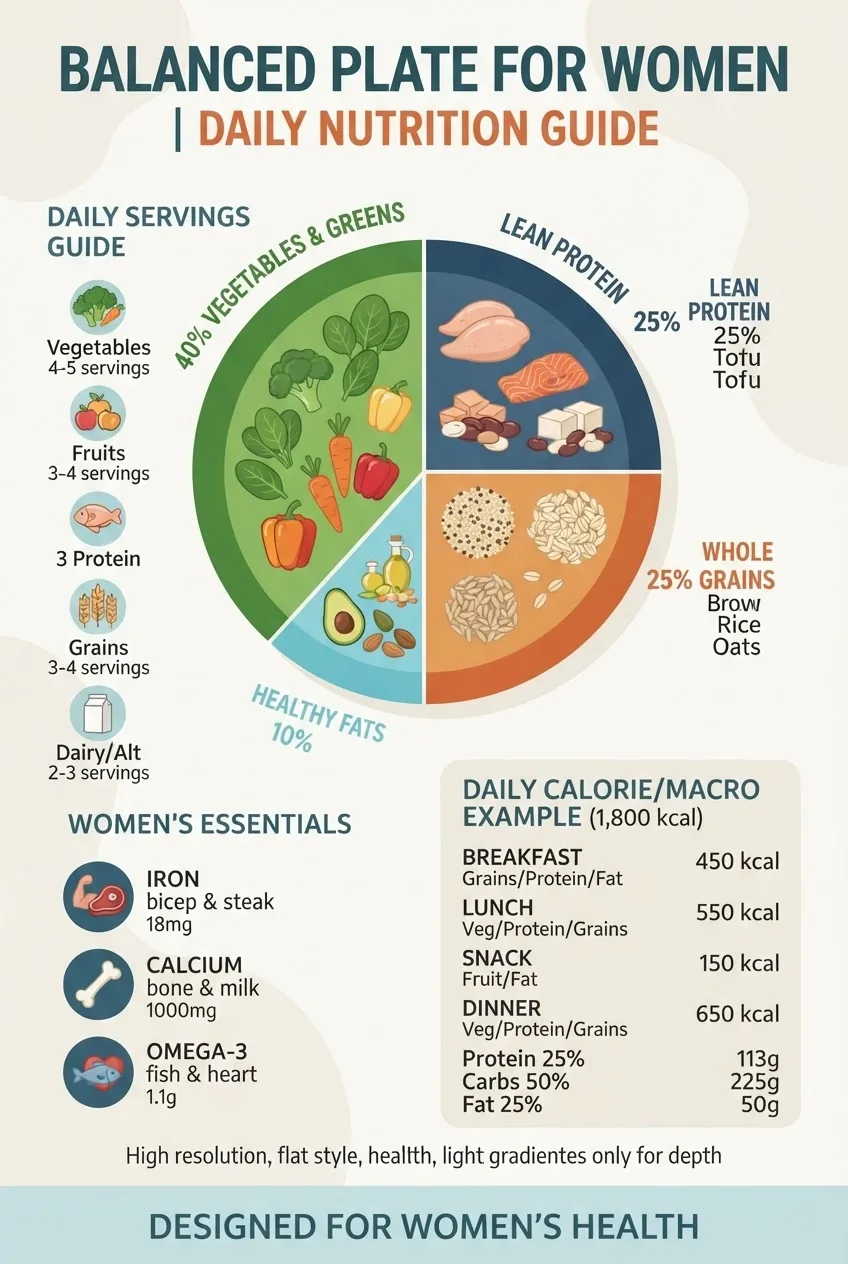
Strategies for an eating light diet without deficiencies:
- Volume-first meals: Bulk meals with non-starchy vegetables and a modest protein portion to stay full on fewer calories.
- Protein prioritization: 20–30 g protein per meal stabilizes appetite and preserves lean mass during weight loss.
- Include fortified foods: fortified milk/plant milk and cereals can cover vitamin D, calcium and B12 shortfalls.
- Plan snacks: Greek yogurt, cottage cheese, or a small handful of nuts so you don’t skip essential protein or fat.
- Hydration and fiber: 8–10 cups of water and 25–30 g fiber aid satiety and digestion.
Sample “light” dinner: 4 oz grilled turkey breast (120 kcal), large mixed greens salad (40 kcal) with 1/4 cup chickpeas (60 kcal), 1 tbsp olive oil lemon dressing (120 kcal) — total ≈340 kcal with protein and micronutrients.
How should I grocery shop and meal prep for a healthy diet for female?
Plan meals around protein sources, vegetables and whole grains; create a repeating 7–10 item grocery list, batch-cook versatile proteins and grains, and pre-chop vegetables to reduce decision friction and ensure healthy choices.
Core grocery categories and examples:
- Proteins: chicken breast, canned tuna/salmon, eggs, Greek yogurt, lentils, tofu.
- Vegetables: spinach, broccoli, bell peppers, carrots, frozen mixed vegetables.
- Fruits: berries, apples, bananas, citrus.
- Whole grains: oats, quinoa, brown rice, whole-grain bread.
- Healthy fats: olive oil, avocado, nuts, seeds.
- Dairy/fortified alternatives: milk or fortified plant milk, cheese in moderation.
- Pantry staples: canned beans, low-sodium broth, spices, vinegars.
Meal-prep workflow:
- Pick 3 proteins and 3 vegetable sides for the week.
- Cook large batches (e.g., roast 1–2 trays of vegetables; cook a pot of quinoa; grill or bake proteins).
- Portion into 3–5 ready meals and label with date; use airtight containers and refrigerate for 3–4 days or freeze portions for later.
- Pre-portion snacks (nuts, yogurt into containers) and prepare a salad jar for fast lunches.
Link to a grocery guide for shopping lists and practical swaps: Healthy Grocery List Guide. For weekly meal structures, see Meal Plans Guide.
How do I prevent and detect nutrient deficiencies common in women?
Prevent deficiencies by eating a variety of nutrient-dense foods, using targeted supplementation when necessary, and scheduling periodic lab tests for iron, vitamin D and B12 based on risk factors and symptoms.
Term: iron-deficiency anemia — a condition where low iron leads to decreased hemoglobin and reduced oxygen-carrying capacity, causing fatigue and weakness.
Common deficiency risks and signals:
- Iron: fatigue, pallor, heavy menstrual bleeding; test with CBC and ferritin.
- Vitamin D: bone pain, low mood, low serum 25(OH)D; test with 25-hydroxyvitamin D.
- Vitamin B12: numbness, memory issues; test serum B12 and methylmalonic acid if ambiguous.
- Calcium: usually subtle until bone loss; assess dietary intake and bone density in at-risk women.
Testing cadence:
- Routine primary care labs annually if symptomatic or risk factors present.
- Pregnancy labs: follow obstetric protocols for iron and vitamin levels.
- Postmenopausal bone density scans per guideline recommendations if risk factors exist.
Troubleshooting persistent fatigue: review calorie intake, iron status, thyroid function (TSH, free T4), B12 and vitamin D levels before attributing to poor diet alone.
How should physical activity be integrated with a healthy diet?
Combine regular aerobic exercise and resistance training with adequate protein and timing of carbohydrates to support energy, recovery and body composition goals—eat protein within 1–2 hours of strength sessions.
Smart nutrition around workouts:
- Pre-workout (30–90 min): small carbohydrate + protein snack (e.g., banana + 1 tbsp peanut butter).
- Post-workout: 20–30 g protein and some carbs to replenish glycogen and stimulate muscle repair (e.g., yogurt + fruit or protein shake).
- Hydration: replace fluids lost via sweat—consume 16–24 oz fluid per pound lost if tracking weight changes from exercise.
Protein recommendation with activity: aim for 1.2–1.6 g/kg body weight/day for active women, higher (1.6–2.0 g/kg) during calorie deficits to preserve lean mass when advised by a professional.
How can women with common conditions (PCOS, thyroid issues, diabetes) adapt this diet?
Adaptations depend on condition: PCOS benefits from weight management, higher protein and low glycemic carbs; hypothyroidism requires adequate iodine and selenium and monitoring calorie needs; diabetes needs carbohydrate distribution, glycemic indexing and individualized targets.
Quick condition-specific tactics:
- PCOS: Aim for weight loss if overweight, include lean protein, whole grains, and anti-inflammatory fats; monitor fasting insulin and lipids.
- Hypothyroidism: Ensure adequate iodine (iodized salt, seafood) and selenium (brazil nuts, fish); timing of thyroid medication relative to supplements is important—take levothyroxine on an empty stomach and separate from calcium/iron by 4 hours.
- Type 2 diabetes: Count carbohydrates, prefer low-GI carbs, pair carbs with protein and fat to blunt glucose spikes; work with a diabetes educator for insulin or medication adjustments.
Always coordinate dietary changes with specialty care when medical conditions and medications are present.
What are practical examples of weekly meal plans and a grocery list for busy women?
A practical weekly plan repeats three core proteins (chicken, salmon, lentils), two grain bases (quinoa, oats), abundant vegetables and simple snacks; a concise grocery list reduces waste and decision fatigue.
Example 7-day framework (rotate meals):
- Breakfasts: overnight oats, Greek yogurt parfaits, vegetable omelet with whole-grain toast.
- Lunches: grain bowls with protein and roasted vegetables, hearty salads, lentil soups.
- Dinners: baked fish or tofu with two vegetable sides and a small starch, stir-fry with brown rice, turkey chili.
- Snacks: fruit, nuts, cottage cheese, hummus and vegetables.
Compact grocery list for one week (base items):
- Proteins: 2 lb chicken breast, 3 cans salmon or 2 fillets fresh, 1 block tofu, 1 bag dried lentils.
- Vegetables: 2 bags mixed greens, 3 heads broccoli, 4 bell peppers, 1 bunch carrots, 1 bag frozen mixed veggies.
- Fruits: 1 pint berries, 6 apples, 6 bananas, 3 oranges.
- Grains & dairy: oats, quinoa, whole-grain bread, 1 carton milk or fortified plant milk, Greek yogurt.
- Pantry: olive oil, garlic, canned beans, low-sodium broth, spices, vinegar, nuts and seeds.
Batch-cook plan: roast all vegetables and a protein on Sunday, cook quinoa and oats, portion snacks in containers for grab-and-go reliability.
How do I monitor progress and know when to change the diet?
Monitor weight trends, body composition, energy levels, sleep, menstrual regularity and lab markers (iron, vitamin D, lipids); change the diet when progress stalls for 6–8 weeks or when symptoms indicate imbalance.
Key metrics and frequency:
- Weight: weekly trend tracking, not daily; sudden changes warrant review.
- Body composition: every 6–12 weeks via consistent method (calipers, body fat scale, DEXA if available).
- Symptoms: energy, mood, digestive function and menstrual cycle changes reported to clinician.
- Labs: ferritin and CBC annually if menstruating or symptomatic; vitamin D and B12 as guided by risk profile.
When to adjust macros or calories:
- No weight change in intended direction after 6–8 weeks: reduce or increase calories by 5–10% depending on goal.
- Loss of strength or lean mass: increase protein and adjust resistance training.
- Low energy despite adequate calories: check iron, thyroid, vitamin D and sleep hygiene.
Where can I find reliable healthy diet resources and further reading?
Use validated nutrition education from government and academic sources, registered dietitian guidance, and curated pillar content like a nutritionally complete meal guide to build reliable meal plans.
Recommended internal resources:
- Nutritionally Complete Meal Guide with Balanced Diet Advice — in-depth foundation and sample menus.
- 12 Foods You Should Eat Everyday for Health and Wellness — practical daily food suggestions.
- Healthy Grocery List Guide and Meal Plans Guide for shopping and planning.
Trusted external sources (examples to consult for guidelines):
- USDA National Agricultural Library for food composition and dietary guidance.
- NIH/NHLBI for clinical nutrition reviews and heart-healthy eating.
What practical barriers commonly stop women from eating healthy and how do I overcome them?
Common barriers include time, cost, cravings and lack of planning; overcome them with batch cooking, a short repeat grocery list, nutrient-dense low-cost staples, and structured snack plans to reduce impulse eating.
Cost-efficient nutrition tactics:
- Buy frozen vegetables and fruits—they retain nutrients and are often cheaper.
- Use canned fish and legumes for budget protein options.
- Shop seasonal produce and plan meals around sales and bulk purchases.
Time-saving tips:
- Cook once, eat multiple times: one roast chicken can produce 3–4 meals.
- Use simple recipes with five ingredients plus spices to reduce decision fatigue.
- Schedule two small prep sessions per week rather than daily cooking.
How long until I see results from changing to a healthy diet for female?
Visible results vary: energy and digestion can improve in days to weeks, weight changes in 2–8 weeks depending on calorie gap, and measurable blood markers (iron, vitamin D) often need 6–12 weeks after dietary changes or supplementation.
Realistic timelines:
- Energy and sleep: 1–3 weeks with better nutrition and hydration.
- Weight: 0.25–0.5 kg per week with sustainable deficits; faster initial loss may reflect water changes.
- Blood markers: recheck iron or vitamin D after 8–12 weeks of therapy or dietary change.
- Bone density: changes are long-term (years); focus on prevention and monitoring in menopause.
What are common food allergies or intolerances and how do they change a healthy diet plan?
Allergies require strict avoidance and emergency planning; intolerances allow substitutions—ensure nutrient replacements for eliminated foods (e.g., calcium if dairy-free, B12 if vegan).
Substitution examples:
- Dairy allergy/intolerance: fortified plant milks + yogurt alternatives; include calcium-fortified juices if needed.
- Gluten sensitivity or celiac disease: replace wheat with gluten-free whole grains (quinoa, brown rice, buckwheat) and monitor fiber intake.
- Nut allergy: use seeds (pumpkin, sunflower) and soy/nut-free spreads for healthy fats and protein.
Label reading and cross-contact prevention are essential in households managing allergies; consult an allergist for testing and an RD for meal planning.
How can I personalize this guide to my life in Texas, USA?
Localize by using Texas-available foods (fresh Gulf seafood, regional produce), seasonal farmer’s markets, and climate-based hydration strategies—adjust activity and fluid needs for hotter months and outdoor work.
Texas-specific tips:
- Use local seafood like Gulf shrimp and salmon (when in season) for omega-3s; canned sardines are shelf-stable and economical.
- Summer heat increases fluid and electrolyte needs—include hydrating foods (watermelon, cucumbers) and watch sodium if sweating heavily during exercise.
- Farmer’s markets in Texas often yield affordable seasonal produce—build meals around what’s fresh each week.
How do I get started immediately with a 7-day action plan?
Start with a 7-day plan: calculate TDEE, set a realistic calorie target, plan and shop for three proteins and vegetables, cook two batch-cook meals, and track intake and symptoms daily to adjust.
- Day 1: Calculate TDEE and set calorie/macro targets; make a shopping list from the compact grocery list above.
- Day 2: Shop and prep: cook 2 proteins + a grain, chop vegetables, portion snacks.
- Day 3–7: Follow simple rotating meals, prioritize protein at each meal, record energy and hunger, and weigh weekly at same time.
- End of week: review progress and adjust calories or meal composition for week 2.
Frequently Asked Questions
How much protein should a woman eat per meal to stay healthy?
Aim for 20–30 grams of protein per meal for most women; active women or those building muscle may need 1.2–2.0 g/kg/day total, spread evenly across meals to support satiety, repair and metabolic health.
Can I follow an eating light diet and still get enough iron?
Yes—prioritize iron-rich light foods like lentils, spinach, lean poultry and fortified cereals, combine with vitamin C for absorption, and monitor ferritin if you have heavy periods or symptoms of deficiency.
Are there specific foods that improve bone health for women?
Calcium-rich foods (dairy, fortified plant milks, canned fish with bones), vitamin D from sun and supplements as needed, protein and resistance exercise together best support bone health and reduce fracture risk over time.
How should a pregnant woman adjust calorie and nutrient intake?
Most pregnancies require an additional ~300 kcal/day in the second and third trimesters, extra 25 g protein/day, 600 mcg folate/day, and attention to iron and prenatal vitamin use as directed by an OB provider.
What are affordable, nutrient-dense staples I can buy in Texas grocery stores?
Affordable staples include canned beans, dried lentils, frozen vegetables, oats, eggs, canned tuna or sardines, Greek yogurt, brown rice and seasonal produce—these provide high nutrition per dollar and long shelf life.
How often should I check my vitamin D and iron levels?
Check vitamin D and iron when symptomatic or at baseline annually if you have risk factors (heavy menses, limited sun exposure, dietary restrictions); if levels are low, recheck after 8–12 weeks of therapy or dietary change.
How do I maintain weight loss without losing muscle mass?
Maintain adequate protein (1.2–1.6 g/kg), combine modest calorie deficits (250–500 kcal/day) with resistance training, and avoid very low-calorie diets that accelerate muscle loss—monitor strength and adjust as needed.
What is the best way to transition to a Mediterranean-style eating pattern?
Gradually increase vegetables, swap butter for olive oil, add fish twice weekly, replace refined grains with whole grains, and use legumes as protein sources; small weekly swaps help long-term adherence and heart benefits.