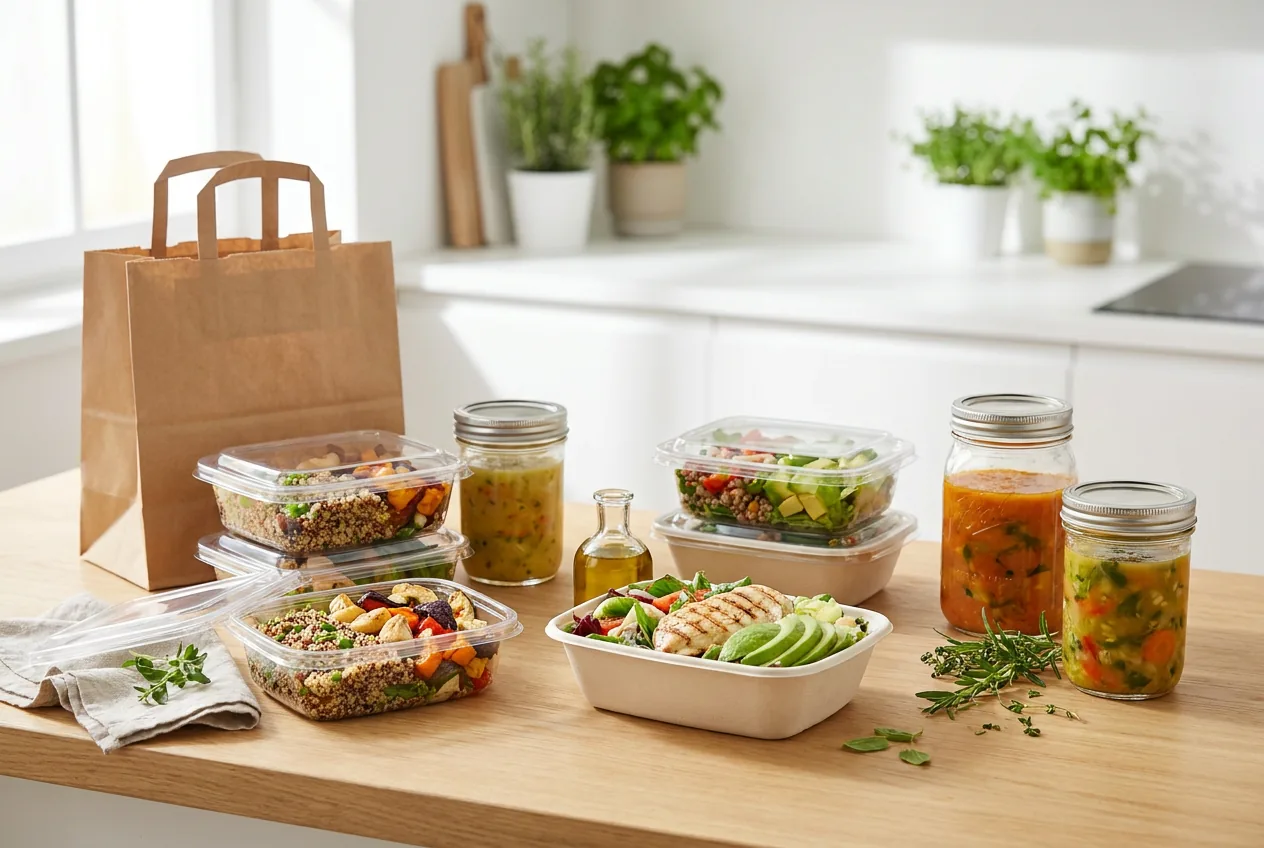
By the end of this hands-on guide you’ll be able to choose and customize healthy take out meals that fit your nutrition goals in under 30 minutes; this assumes a beginner-to-intermediate level of nutrition literacy and ordering confidence.
Before you start
- Prerequisites: basic familiarity with protein/vegetable portions and any personal dietary restrictions (e.g., allergies, diabetes).
- Tools: restaurant menu (app or paper), a phone or browser for nutrition info, a small food scale (optional), and a note app to track substitutions.
- Materials: access to local delivery or pickup services and one reusable container for leftovers (helps control portion reuse).
Understanding Healthy Take Out and Its Importance
This section explains what qualifies as healthy takeout, why it matters for daily nutrition, and the measurable benefits you can expect when you order with purpose. You’ll learn simple nutritional principles—macronutrient balance (protein, carbohydrate, fat), fiber, sodium awareness—and how they map to common takeaway dishes.
According to a 2024 industry report, many consumers prioritize convenience over nutrition but are willing to trade small increases in time or cost for healthier options; that trend is why restaurants increasingly list grilled, steamed or bowl options. For nutrition fundamentals, the USDA Dietary Guidelines remain the primary framework for macronutrient and portion recommendations, and the American Heart Association provides actionable sodium and fat targets for heart-healthy takeout.
What you’ll gain: a repeatable checklist to scan any menu in 60–90 seconds, rules for customizing orders to lower sodium and unhealthy fats, and concrete examples that work in Texas cities and towns. We’ll also compare trade-offs—e.g., extra sauce for flavor vs. added sodium—and give you substitution scripts to request when ordering.
If you also cook sometimes, compare takeout choices to home-prepared meals in the Yummiest Healthy Recipes Guide for Nutritious and Tasty Meals to decide when to order and when to make.
Transition: now that you understand why ordering intentionally matters, let’s walk through how to identify genuinely healthy takeout options—what to look for on menus, ingredient flags, and portion cues.
How to Identify Healthy Take Out Food Options
This section is a step-by-step, actionable checklist to evaluate any takeout option in a restaurant app, on a menu, or over the phone. Use these numbered checks in order—spend 60–90 seconds—and you’ll have a practical ordering decision.
- Scan cooking methods first: Prioritize grilled, baked, roasted, steamed or braised over fried, battered or deep-fried. Example: order “grilled chicken breast” instead of “crispy chicken” to cut fat by ~10–15g on typical portions. Look for explicit words: “grilled”, “roasted”, “steamed”, “charred”.
- Check ingredient quality: Prefer dishes listing whole ingredients (e.g., “grilled salmon, quinoa, kale, lemon vinaigrette”) over vague terms like “signature mix” or “house sauce.” Whole ingredient lists lower the chance of hidden hydrogenated oils or excessive sodium.
- Portion-size read: If a dish lists a single protein (4–6 oz), 1 cup of grains, and 1–2 cups of vegetables, it’s a reasonable portion. Ask for “half portion” or “kids portion” to control oversized entrees. For example, swap a listed 12-oz steak (very large) to a 6-oz portion to balance the plate.
- Spot cooking fats and sauces: Ask if dressings and sauces are made-to-order or pre-mixed. Request “sauce on the side” to limit added calories and sodium. A tablespoon of vinaigrette is ~60–80 kcal; that adds up if a dish includes 3–4 tablespoons.
- Check vegetable volume and variety: Opt for dishes that include at least one non-starchy vegetable (leafy greens, broccoli, peppers). If the menu lists “greens” or “market vegetables” ask which ones and request double vegetables when possible.
- Compare starch choices: Choose whole grains (brown rice, quinoa) or legumes instead of white rice, heavy mashed potatoes or fried sides. Legumes (beans, lentils) add fiber and protein—request black or pinto beans with Tex-Mex options.
- Protein quality and quantity: Favor lean cuts (chicken breast, turkey, fish, tofu) and portion-controlled servings (4–6 oz). When restaurants list “white meat” or “lean protein”, confirm portion sizes if possible.
- Sodium and seasoning flags: Dishes described as “house-smoked”, “pickled”, “cured”, “brined”, “soy-glazed” or “teriyaki” often carry elevated sodium. Ask for “no added salt” or “light soy” as simple substitutions.
- Allergy and diet signals: Look for GF, V, DF icons (gluten-free, vegan, dairy-free) but confirm preparation steps to avoid cross-contact. If a vegan dish uses heavy oil or processed soy, it may be plant-based but not low-calorie—inspect ingredient lists.
- Use quick nutrition lookups when available: If the app provides a nutrition panel, scan for saturated fat and sodium per serving: target <8–10g saturated fat and <800–1,000mg sodium for a single takeout entrée if you plan on additional sides. For heart-sensitive meals follow American Heart Association guidance on sodium and fat.
- Case study — ordering a Tex-Mex bowl in Austin: You want protein, beans, and veg. Choose grilled chicken (4 oz), brown rice (1/2 cup), black beans (1/2 cup), double fajita vegetables, salsa on the side, skip cheese and sour cream. This change reduces saturated fat and adds fiber.
- Case study — sushi or Japanese takeout in Dallas: Pick sashimi or nigiri (4–6 pieces) plus a seaweed salad or edamame instead of tempura rolls. Ask for brown rice if offered, and soy sauce in a small packet to limit sodium.
Transition: next, we’ll map these menu-reading rules to the cuisines you’re most likely to encounter in Texas so you can immediately apply substitutions at local restaurants.
Popular Healthy Cuisines for Take Out in Texas
Texas offers a wide range of takeout cuisines. The most consistently healthy options come from menus that emphasize fresh produce, lean proteins and minimal frying. Below are cuisines and specific dishes to target in Texas urban and suburban markets.
Mediterranean
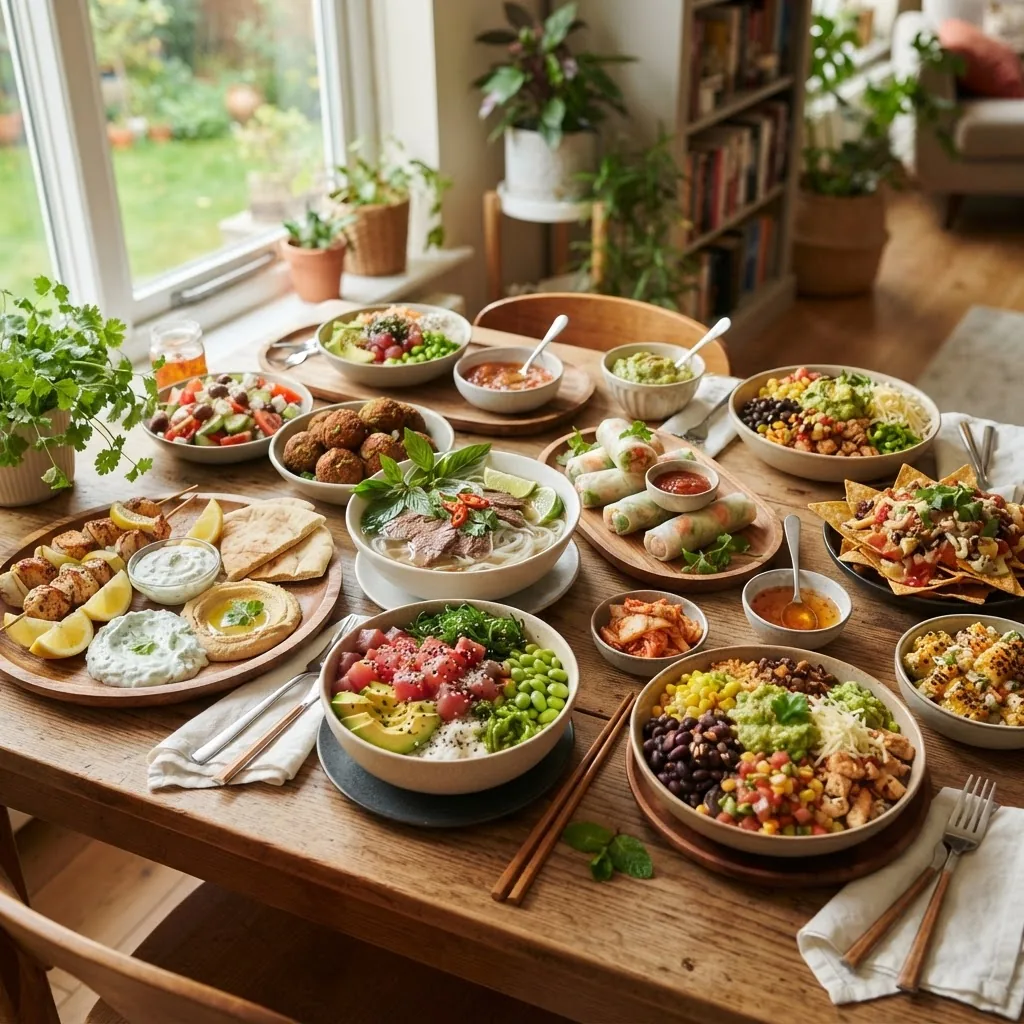
Mediterranean takeout is naturally aligned with healthy eating: grilled meats (kebabs), fresh vegetables, legumes, whole grains, and healthy fats like olive oil. Choose grilled chicken souvlaki or a salmon plate with a side of tabbouleh or a large Greek salad. Ask for dressings on the side and swap fries for a side of chickpeas or roasted vegetables. Mediterranean dishes typically provide a balanced macronutrient mix and are easy to portion-control.
Asian (e.g., Japanese, Vietnamese)
Many East and Southeast Asian takeout options are excellent for health when you select steamed, grilled, or broth-based items. Vietnamese pho (lean broth, rice noodles, herbs, sliced lean beef or tofu) can be lighter if you skim excess fat and moderate noodles. Japanese choices like sashimi, grilled fish, edamame, and clear soups are great. Avoid heavy tempura, sweet glazes, and excessive peanut sauces. Request sauces on the side and choose steamed or stir-fried with minimal oil.
Tex-Mex and Mexican-Inspired Healthy Options
Tex-Mex can be adapted into a nutritious meal: target dishes with beans, grilled lean proteins, salsas, and guacamole. Opt for tacos with corn tortillas, grilled fish or chicken, pico de gallo, and a side of grilled veggies. Skip cheese-heavy enchiladas and ask for no sour cream. Beans add fiber and plant protein; guacamole delivers healthy fats—order a 2–3 tablespoon serving to control calories.
Transition: now that you know which cuisines and dishes to favor, here are practical ordering and customization tips you can use every time you place a takeout order.
Tips for Ordering Healthy Take Out
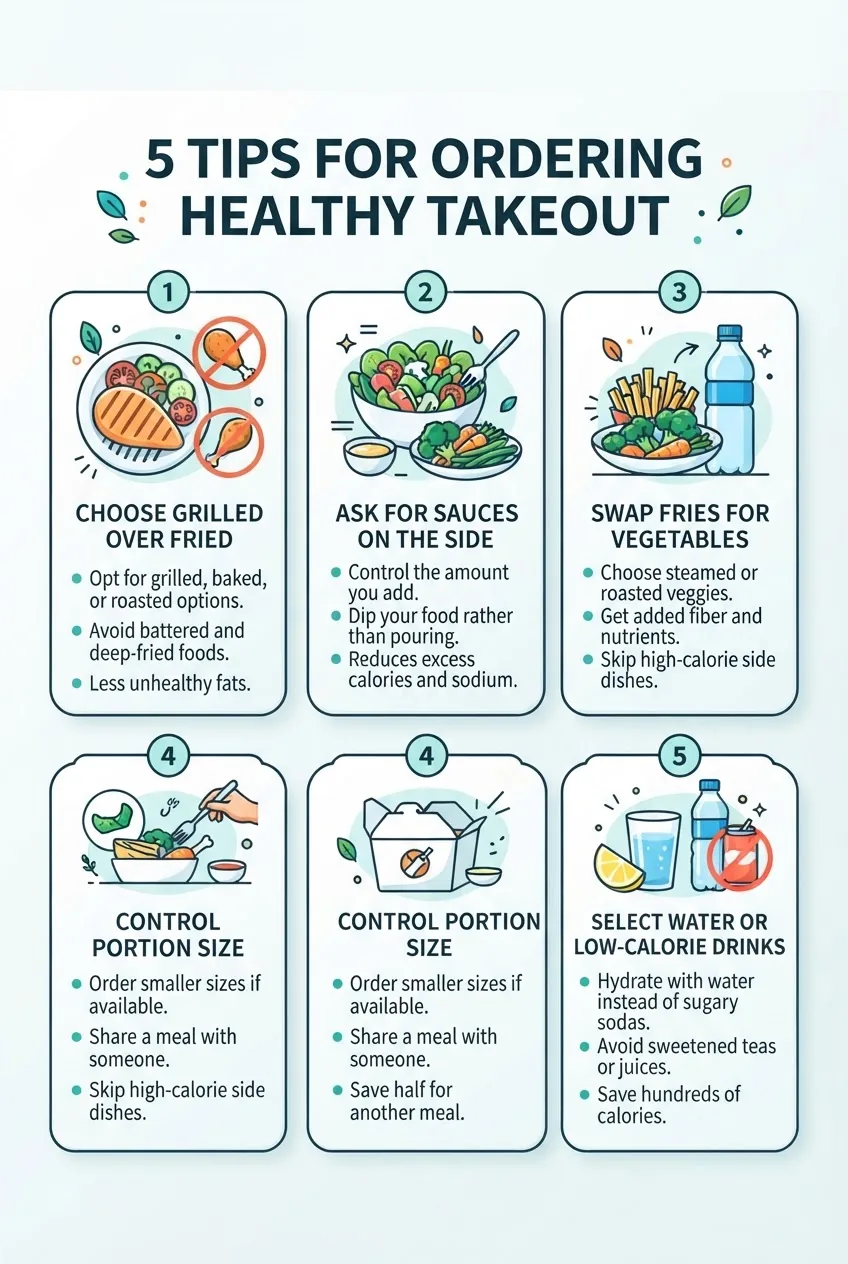
These are the operational ordering rules—phrases to say, substitutions to request, and standard portion swaps to ask for. Use them as your ordering script.
-
Request sauces and dressings on the side: Say “sauce on the side” or “dressing on the side” and start with one tablespoon; add more if needed. This reduces added sugar and sodium immediately.
affordable healthy foods are often available as sides—beans, roasted carrots, or salads—so you can swap fries without raising cost significantly.
- Choose cooking methods intentionally: Say “grilled, not fried” and “light oil” where applicable. For Asian dishes request “steamed” or “stir-fried with minimal oil”.
-
Swap starchy sides for vegetables or legumes: Ask to “substitute vegetables for fries” or “extra salad instead of chips.” This increases fiber and satiety while reducing refined carbs.
healthy lunch ideas can guide midday swaps when ordering for work.
-
Control portions with packing requests: Ask the restaurant to pack half the entrée separately (common pickup request) or request a “half-portion” to avoid overeating. If dining with others, split an entrée or order two sides and one protein to share.
500-calorie dinner ideas can inspire portion targets when you’re estimating a takeout portion size.
- Choose beverages carefully: Pick water, sparkling water with lemon, or unsweetened tea. Avoid sugary drinks; if ordering smoothies, ask about added sugars and request no added syrup.
-
Make modest swaps that restaurants accept: Examples: tortillas instead of rice, salsa instead of cheese sauce, brown rice instead of white, or lentils instead of fries. These swaps typically cost little and reduce empty calories.
affordable healthy foods include many swap options that save money and calories.
- Use customization scripts: Practice short phrases: “Please prepare grilled salmon, brown rice (half-cup), double vegetables, sauce on the side, no butter.” This reduces ambiguity and speeds up kitchen prep.
-
Check allergen and special-diet prep: When gluten or cross-contact matters, ask where items are prepared and whether fryers are shared. For strict diets request separate utensils and clear labeling.
vegetarian dinner recipes are a helpful home-cook backup when plant-based takeout options are limited.
-
Budget-smart choices: Choose bowls and grain plates instead of a la carte fried items. Many chains and local spots offer bowls with controlled portions—look for “protein + grain + veg” structure.
healthy lunch ideas can also double as ordering templates for lower-cost midday takeout.
-
Order as a system, not an individual item: Build a plate: protein (4–6 oz), vegetables (1–2 cups), complex carb or legume (1/2–1 cup), healthy fat (1–3 tbsp). This simple framework keeps meals balanced without calorie counting.
400-calorie meals for balanced eating can help with portioning if you want explicit calorie guidance alongside takeout.
-
When in doubt, simplify: A plate of grilled protein + steamed vegetables + a side salad is nearly always safer than a combo with multiple sauces and deep-fried elements.
cheap vegetarian dishes are often simple and low-risk choices when menus are unclear.
-
Affordable picks and chains: Learn which local healthy chains in your Texas city offer bowls and grilled proteins; use that as your fallback for reliable, repeatable orders.
heart-healthy meal delivery services can be an occasional alternative when you need stricter sodium or macronutrient control.
Transition: with ordering scripts in your pocket, let’s talk about how to compose a single takeout meal so it’s balanced for energy, appetite control, and nutrition.
Balancing Your Take Out Meal for Optimal Nutrition
A balanced takeout meal follows a simple, repeatable ratio: 25–35% energy from protein, 30–40% from healthy carbs (preferably whole grains or legumes), and 25–35% from fats—most of which should be unsaturated. Fiber should be at least 6–8 grams per meal to support fullness, and sodium ideally under 1,000 mg per entrée for most adults. These targets map to USDA and AHA recommendations for everyday eating.
- Start with protein: Aim for 4–6 ounces (115–170 g) cooked weight. Examples: grilled chicken breast ~4 oz, salmon fillet ~4 oz, tofu ~150 g. Protein anchors blood sugar and satiety.
-
Add fiber-rich carbs: Pick 1/2 cup cooked brown rice, 1/2 cup cooked quinoa, 3/4 cup black beans, or 1 medium sweet potato. These portions give 20–30 g carbohydrate and 5–8 g fiber.
600-calorie dinner recipes offer templates if you want structured portion ceilings to match takeout choices.
- Include vegetables: Add 1–2 cups non-starchy vegetables. Raw or lightly cooked vegetables add fiber, vitamins, and volume without excessive calories.
- Add healthy fats sparingly: 1–2 tablespoons of olive oil, 2 tablespoons guacamole, or a small handful of nuts provide essential fats without excess calories.
- Check timing and frequency: If ordering takeout for dinner, aim for your main carbohydrate earlier in the evening and include protein/fiber to avoid late-night hunger. If you order takeout multiple times per week, rotate cuisines to prevent nutrient monotony.
Transition: before we explore allergy and medical considerations, here are steps to handle restrictions and special diets when ordering takeout.
Special Considerations: Allergies, Dietary Preferences, and Health Conditions
Many people need to modify takeout due to gluten sensitivity, vegetarian preferences, diabetes, or heart conditions. Below are explicit, actionable steps and examples.
For general nutrient targets refer to the USDA guidelines, and for heart-specific targets reference the American Heart Association. For medical diets (e.g., diabetes or renal) consult a registered dietitian; see the Academy of Nutrition and Dietetics for professional resources.
- Gluten-free orders: Request GF bread or corn tortillas and ask about shared fryers. Avoid sauces thickened with wheat flour unless the kitchen confirms a GF alternative.
-
Vegan/vegetarian options: Choose legumes, tofu or tempeh and request no butter or egg-based sauces. When plant-based dishes contain heavy oils or coconut-based sauces, ask for “light oil” and “no coconut cream” to control saturated fat.
vegetarian dinner recipes can provide easy, healthy backup options if local takeout lacks balanced plant-based meals.
-
Diabetic-friendly choices: Favor fiber-rich carbs, lean protein, and healthy fats. Replace sugar-sweetened beverages with water and avoid white-flour tortillas or sugary glazes.
easy cheap diabetic meals are great references for balancing carbs with protein if you’ll occasionally make your own alternatives.
-
Heart-healthy adjustments: Select grilled fish, unsalted legumes, whole grains and request low-sodium preparation. Limit saturated fats and choose vegetable-based sides.
Dash Diet Meal Plan Guide for Heart Healthy Food Choices helps align takeout choices with clinical sodium and fat targets.
- Cross-contact and strict allergy scripts: Use clear requests: “I have a severe shellfish allergy—please use a clean pan and utensils and note ‘no cross-contact’ on the ticket.” If in doubt, choose restaurants that post allergy-handling procedures.
-
When takeout won’t meet needs: Have a fallback: a simple home plate of canned beans (1 cup), microwaved frozen vegetables (1–2 cups), and a grilled chicken breast (4 oz) — this gives control when takeout falls short.
healthy breakfast ideas can inspire quick, reliable fallback meals beyond takeout.
Transition: finally, here’s how to find and evaluate local Texas takeout options and resources so you can apply these rules in your city or town.
Local Texas Take Out Resources and Strategies to Find Healthy Options Near You
Texas has a varied foodscape—from Houston’s diverse ethnic neighborhoods to Austin’s bowl-focused fast-casual scene and San Antonio’s Tex-Mex staples. Use these strategies to identify reliably healthy takeout locally.
- Use local aggregation apps with filters: search for “grilled”, “bowl”, “salad”, and customer photos to validate portion sizes. Many apps now include nutrition info.
- Identify 3–5 reliable spots per city: one Mediterranean grill, one Asian noodle/sushi spot, one Tex-Mex restaurant and one farm-to-table or salad-centric place. Rotate among them.
- Check local Facebook groups, Nextdoor, or community boards where residents post “healthy picks” for specific neighborhoods—these recommendations are practical and current.
-
Explore healthy chains and meal-delivery kits in Texas that focus on portion control or heart-healthy meals for times you need stricter control.
heart-healthy meal delivery can be a reliable option if local takeout lacks consistent nutrition labeling.
- Use the local university extension or county health site to find farmers’ markets or community-supported kitchens that supply pre-made, healthy take-and-go meals.
-
If you can’t find healthy takeout: learn 3 quick backups to prepare at home in 15 minutes—rotisserie chicken + microwaved frozen veg + microwaved sweet potato; canned tuna + whole-grain crackers + salad; or black bean tacos with salsa and avocado.
cheap foods that are good for you include pantry-friendly, healthy backups to keep you fed when takeout options are limited.
Transition: below I share common practitioner mistakes I’ve seen when people try to make takeout healthy, and how to correct them.
Common mistakes and how to avoid them
I’ve reviewed hundreds of takeout orders for clients; here are mistakes I repeatedly catch and the exact corrections I recommend.
- Mistake: I assumed “salad” meant low-calorie; many salads come drenched. Fix: Always ask for dressing on the side and start with one tablespoon.
- Mistake: I ordered “white rice” without thinking; it spiked a client’s afternoon hunger. Fix: Substitute brown rice or beans to add fiber and stabilize blood sugar.
- Mistake: I accepted large portion sizes because the price was “too good.” Fix: Request a half-portion or boxing half the meal immediately to avoid overeating.
- Mistake: I trusted GF or V labels without confirming prep methods for cross-contact. Fix: Ask kitchen-specific questions for allergies and confirm separate utensils if needed.
Checklist: Verify your takeout before you finalize the order
- Cooking method: Grilled/steamed/roasted (not fried).
- Protein portion: 4–6 oz listed or requested.
- Vegetable portion: at least 1 cup non-starchy veg or double salad.
- Carb choice: whole grain or legume preferred, 1/2–1 cup.
- Sauces: on the side, one tablespoon to start.
- Sodium/fat flags: avoid “glazed”, “brined”, “smoked” if on a low-sodium plan.
- Allergy confirmations: ask about cross-contact and preparation location.
When to call in a professional
If you have complex medical conditions (renal disease, advanced diabetes, severe food allergies) or require a medically tailored diet, contact a registered dietitian or your healthcare provider to create an individualized plan. Use the Academy of Nutrition and Dietetics directory to find credentialed professionals.
Final transition to wrap up: below are compact takeaways and a call to action to start ordering smarter today.
Conclusion
Choosing healthy takeout is a repeatable skill: scan for cooking method, portion sizes, vegetable volume, and sauce control; use the ordering scripts provided; and rotate cuisines to meet nutrient needs. Start with one change per week—ask for sauces on the side this week, and substitute vegetables for fries next week. Apply these steps, and your takeout habits will support a nutritious lifestyle without sacrificing convenience. Ready to put it into practice? Pick one local restaurant and use the checklist above on your next order.