By the end of this hands-on guide you will be able to evaluate, select, and start a heart healthy meal delivery plan in Texas that fits your budget, medical needs, and schedule. Expect to spend about 2–4 hours researching and setting up a first order; basic digital literacy is assumed.
Before you start
- Collect current health targets (blood pressure, LDL goal, daily sodium cap in mg).
- Have a list of dietary restrictions (allergies, low sodium, vegetarian, low cholesterol).
- Set a weekly budget and preferred delivery days.
- Tools: smartphone or laptop, measuring cup or food scale, fridge/freezer space ≥2 cubic feet for weekly boxes.
Understanding Heart Healthy Meal Delivery
This section explains what a heart healthy meal delivery program actually delivers and why it’s a practical route to better cardiovascular nutrition. You’ll learn the difference between ready-to-eat meals and meal kits, what “heart-healthy” labeling commonly means, and how meal delivery supports diet compliance.
A heart healthy delivery service typically offers two product types: ready meals (fully cooked, refrigerated or frozen) and meal kits (pre-portioned raw ingredients plus recipe). The key user decision is convenience versus hands-on control: ready meals minimize prep (reheat in 3–10 minutes) while meal kits preserve the cooking experience but require 20–45 minutes of preparation.
Core features to evaluate:
- Subscription flexibility — weekly skip/cancel windows and delivery frequency (weekly, biweekly).
- Customization — ability to request low sodium, low cholesterol, vegetarian, or specific portion sizes.
- Ingredient transparency — full nutrition facts, sourcing, and allergen labeling visible before checkout.
- Packaging and shelf life — insulated boxes with gel packs, cold-chain guarantees, and clear fridge/freezer timestamps.
Practical Texas considerations: not every national service ships hot or on every day in every metro area. Evaluate by ZIP code for same-week delivery windows, especially in West Texas or panhandle areas where shipping lanes are less frequent.
For readers who want to combine delivered meals with home cooking ideas, see Yummiest Healthy Recipes Guide for Nutritious and Tasty Meals as a gateway to balanced, heart-friendly recipes.
Transition: Now that you understand the delivery formats and core features, the next section details the precise nutritional building blocks to prioritize when evaluating menus.
Key Nutritional Components in Heart Healthy Meals
Heart-healthy menus focus on macronutrient balance, limiting harmful components, and adding protective nutrients. Below are the essential components to check on every meal label and why they matter for cardiovascular nutrition.
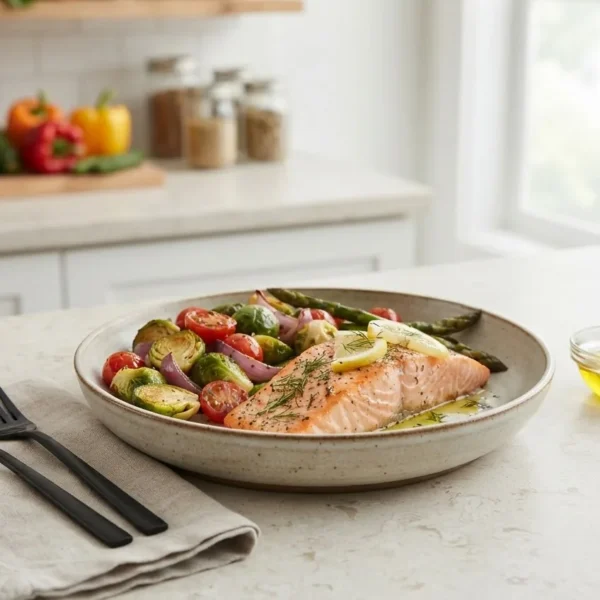
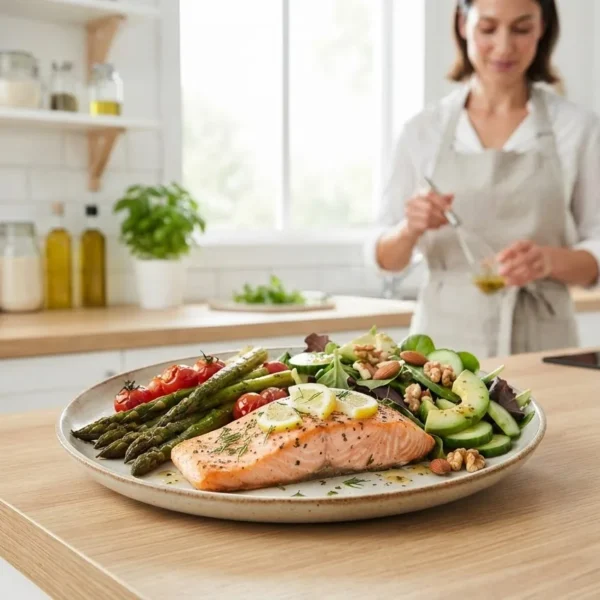
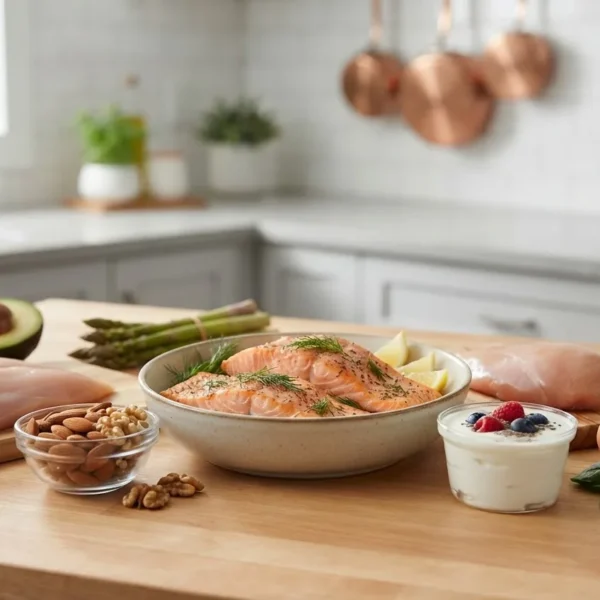
- Omega-3 fatty acids — Found in fatty fish (salmon, mackerel) and walnuts; they reduce inflammation and triglycerides. Aim for 250–500 mg EPA+DHA per meal on fish days. According to the American Heart Association, consuming fatty fish at least twice weekly improves heart outcomes (source: American Heart Association).
- Fiber-rich foods — Whole grains, legumes, fruits, and vegetables. Fiber lowers LDL cholesterol; target 25–30 g/day spread across meals. Check that whole-grain ingredients are listed first (e.g., whole oats, brown rice).
- Antioxidant-rich ingredients — Berries, leafy greens, tomatoes; they support endothelial health and reduce oxidative stress.
- Low saturated fat — Menus should favor olive oil, canola, and avocado instead of butter or palm oil. Look for saturated fat <7% of total calories if you have high LDL.
- Sodium limits — For general heart health, aim for <1,500–2,300 mg/day depending on your provider's advice. Many meal-delivery plans label sodium per serving; prefer meals ≤600 mg sodium if you plan three meals from the service in a day.
- Controlled added sugars — Avoid sweetened sauces or desserts; added sugars should be <25 g/day per USDA guidance (see USDA dietary recommendations).
- Lean protein — Skinless poultry, fish, legumes, and plant-based proteins are preferred. Portions commonly range from 3–6 oz cooked per meal for balanced protein intake.
- Micronutrients — Potassium, magnesium, and vitamin D are often beneficial for cardiac health; look for foods like beans, leafy greens, nuts, and fortified dairy.
- DASH diet principles — Emphasize vegetables, fruits, low-fat dairy, and low sodium. For practical guidance, cross-reference the service menu against the DASH diet principles (see the DASH Diet Meal Plan Guide linked below).
For portioned dinner options aligned with these nutrients, see nutritious dinner ideas that map to balanced meal portions.
To cross-check serving sizes and energy balance, consider the balanced meal portions guide for reference on caloric structure per meal.
For deeper diet foundations, see the DASH diet principles summary to align delivered meals with proven heart-health patterns.
Transition: With nutrition goals defined, next we’ll explore the practical benefits delivered meals can bring to daily life and heart disease prevention.
Benefits of Choosing Meal Delivery for Heart Health

- Save time on planning and shopping — Example: ordering a 7-meal refrigerated plan can save 3–5 hours per week. For a busy Texan balancing work and family, that time frees you to focus on consistent exercise and medication adherence.
- Portion control for consistent intake — Portioned entrees (typically 400–700 calories) help maintain energy balance. If you need lower calorie choices, check out healthy low-calorie meal options.
- Reliable sodium and nutrition labeling — Many services include full nutrition facts and ingredient lists, making it easier to meet sodium caps (e.g., ≤1,500 mg/day). This beats estimating from mixed homemade meals when you’re short on time.
- Increased adherence to heart-friendly patterns — Pre-planned meals reduce decision fatigue and emotional eating triggers that can lead to salt- or sugar-heavy choices.
- Variety and exposure to heart-healthy ingredients — Services often rotate menus including nuts, berries, whole grains and leafy greens, expanding your palate and nutrient intake.
- Lowered cooking stress for caregivers — If you’re managing medication and monitoring vitals for a family member, receiving ready meals reduces the cognitive load required to prepare appropriate food.
- Easier meal timing for medication schedules — Scheduled deliveries help ensure consistent mealtimes, which is important when on medications that require food with dosing.
- Supports other healthy routines — With less time spent on food prep, you can allocate 30–45 minutes for moderate exercise 3–5 times weekly, which compounds heart benefits.
Transition: Those benefits matter only if you choose the right service. The following step-by-step section shows exactly how to select and test services in Texas, with a full five-step checklist infographic to guide your comparison.
How to Select the Best Heart Healthy Meal Delivery Service in Texas
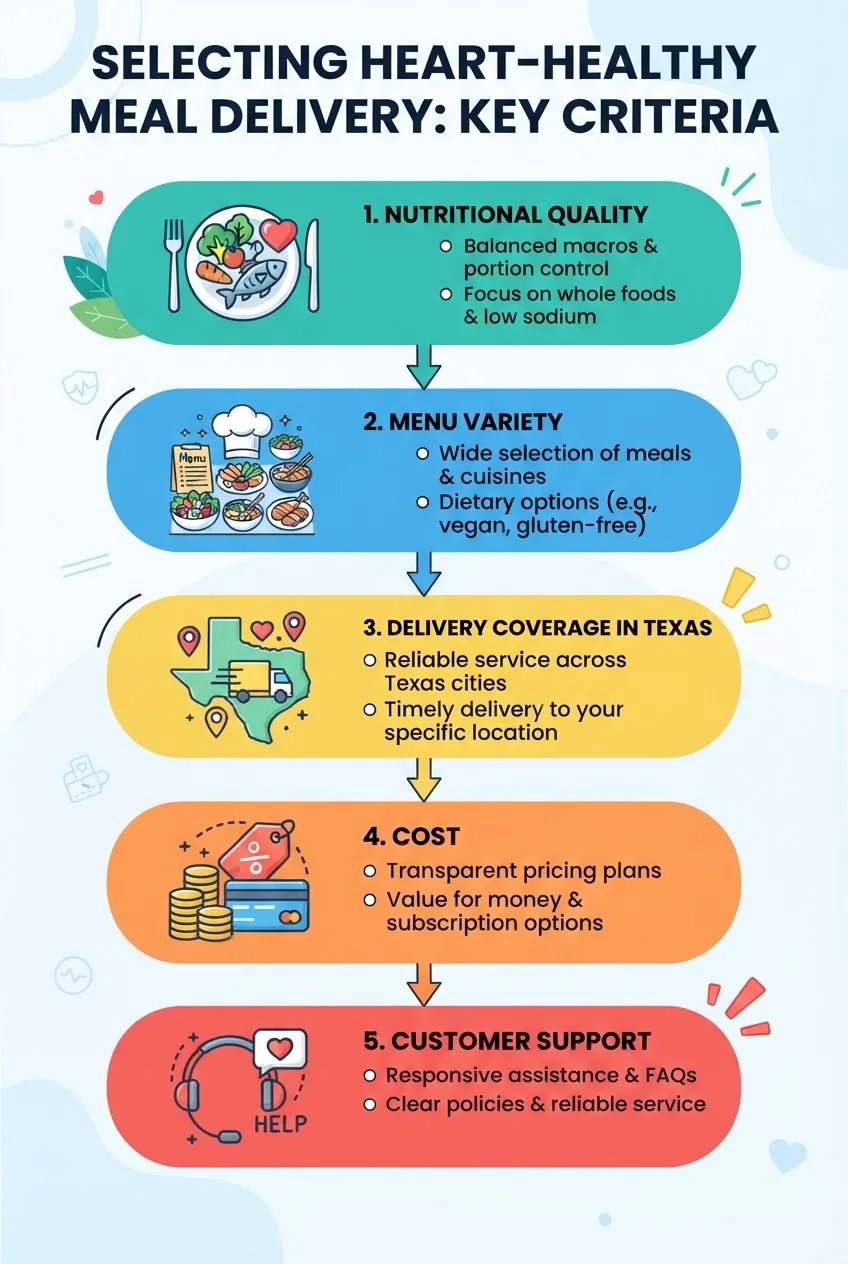
Follow these concrete steps to vet and pick a service that meets heart-health needs and Texas logistics. Each step begins with a bold action phrase followed by precise checks and thresholds.
- Verify delivery coverage by ZIP code.
Enter your ZIP code on the provider’s site. If the service lists only “continental U.S.”, confirm next-day or scheduled delivery windows. Prioritize services that deliver on your preferred day (e.g., Friday) and that guarantee cold-chain packaging. If you live outside a metro area (Amarillo, Lubbock, Midland), expect 2–3 day shipping lead times.
- Screen menus for sodium and label transparency.
Require meals that list milligrams of sodium per serving. Reject brands that omit nutrition panels on their site. Practical thresholds: choose meals ≤600 mg sodium per serving if you expect three delivered meals a day; if using delivered meals only for dinners, ≤800–1,000 mg is acceptable. Look for full ingredient sourcing and allergen declarations.
- Check customization options for dietary restrictions.
Select services with explicit low-sodium or low-cholesterol menus, or those allowing custom swaps (e.g., swap a sauce high in sodium). If you need vegetarian options, examine the breadth of plant-based entrées — for more, see vegetarian meal delivery options.
- Compare ingredient quality and sourcing.
Prefer services that disclose protein sources (wild-caught vs farmed fish), use whole grains, and list produce origins. If organic ingredients matter, require at least 50% organic content in your chosen meals. Evaluate trade-offs between organic premiums and perceived cardiovascular benefits.
- Evaluate convenience factors: prep time, packaging, and storage.
Confirm reheating times (microwave 2–4 min, oven 8–12 min) and whether meals are fresh-refrigerated (3–7 day fridge life) or frozen (6–9 months). Ensure package dimensions fit your doorstep or building access and that delivery windows align with when you’re home or a secure porch exists.
- Calculate real cost, including shipping and waste.
Itemize weekly spending: (meal price × meals per week) + shipping + tip + 5% to replace packaging/leftovers. Use the Cost Considerations section below for worked examples and budget optimizations.
- Read customer reviews for reliability and taste.
Scan verified reviews for repeated complaints about missing items, late deliveries, or inconsistent nutrition labeling. Give weight to recent reviews (last 6 months). We’ll show how to interpret review signals in the Customer Experience section.
- Order a trial week and measure outcomes.
Put a one-week order in and track: ease of reheating (time measured), sodium totals per day, portion satisfaction, and whether the food increased or decreased your daily cooking time. Keep a simple log for 7 days to evaluate whether the service reduces stress and improves adherence.
Transition: Once you’ve tested one or two services, use the comparison table below to weigh trade-offs across the most accessible national and regional providers available in Texas.
Top Heart Healthy Meal Delivery Services Available in Texas (with brief comparisons)
The table below compares widely available U.S. services that provide heart-healthy menus or customization options. Rows are lightly zebra-striped to aid scanning.
| Service | Heart-Healthy Focus | Avg Meal Price | Customization | Texas Coverage |
|---|---|---|---|---|
| Freshly | Ready meals with nutrition facts; several low-sodium options | $9.99–$12.99 | Menu-select, swaps | Most metros; check ZIP |
| Dietitian-designed, macros listed; offers low-carb & high-protein options | $11.99–$15.99 | Meal plan customization | Good metro coverage | |
| Blue Apron | Meal kits with heart-friendly recipes; control over sodium via ingredients | $8.99–$11.99 (per serving) | Diet filters, vegetarian | Nationwide |
| Sunbasket | Organic-forward, DASH-friendly recipes, pescatarian/vegetarian plans | $10.99–$13.99 | Extensive filters | Strong metro coverage |
| Local Texas-oriented companies | Often fresher, seasonal produce, variable labeling; good for urban areas (Austin, Dallas) | $9.00–$16.00 | High personalization | City-limited: Austin/Dallas/Houston |
Notes and interpretation:
- Price ranges reflect typical market rates in 2024; for the latest performance and safety data, consult Consumer Reports reviews.
- National brands often provide predictable labeling; local providers can be superior on ingredient freshness but may vary in nutrition transparency.
- Trial weeks often cost less per meal when promotions apply; watch for introductory discounts and free shipping offers when testing a service.
Transition: After selecting a service, you’ll want to know what to expect when meals arrive and how to store and reheat safely.
What to Expect: Packaging, Preparation, and Shelf Life
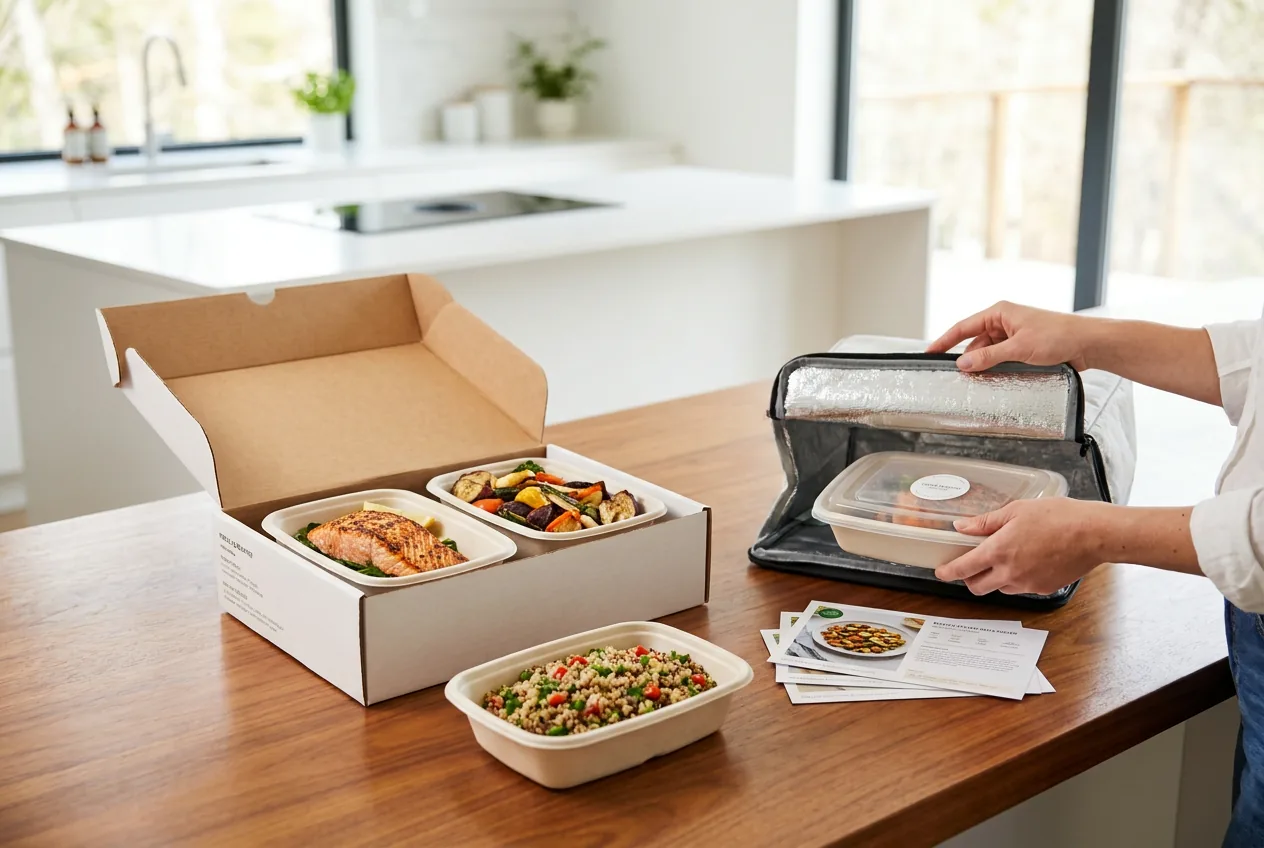
Packaging and food safety are crucial. Reputable services use insulated boxes, gel packs, and clearly labeled fridge/freezer life. Below are practical expectations and storage thresholds.
- Insulated packaging — Expect corrugated boxes with foil liners and 1–3 cold packs for refrigerated shipments. If ambient temps exceed 75°F, expect additional gel packs or expedited shipping.
- Refrigerated meals — Typically safe for 3–7 days if kept below 40°F. Transfer to refrigerator within 1 hour of delivery if possible; if left out >2 hours at >40°F, discard.
- Frozen meals — Good for 6–9 months in a standard freezer at 0°F. Thaw in refrigerator 24 hours before reheating when possible.
- Reheating guidelines — Microwave 2–4 minutes for single-serve meals, stirring halfway. Oven reheat at 350°F for 8–12 minutes for crisping; always test center temperature ≥165°F with a thermometer.
- Packaging disposal and recycling — Many services use recyclable cardboard and compostable liners; confirm local recycling rules. Reduce waste by choosing frozen plans with bulk insulation return offers if available.
- Food safety certifications — Look for suppliers that follow HACCP plans and GMP (good manufacturing practices) and list a third-party food safety auditor where possible.
Transition: Packaging and safety aside, cost is often the deciding factor — the next section walks through budgeting for meal delivery with concrete examples.
Cost Considerations and Budget Tips for Heart Healthy Meal Delivery
Cost varies by service, meal type, and region. Here are practical budgeting steps and numerical examples to estimate weekly spend and to identify savings opportunities.
Step-by-step budgeting:
- Estimate your baseline needs. Decide number of delivered meals per week (e.g., 7 dinners). Example: 7 meals × $11.50 average = $80.50.
- Add shipping and taxes. Shipping typically $9–$15/week; taxes ~8–9% depending on Texas locality. Example: $80.50 + $12 shipping + $7 tax ≈ $99.50.
- Account for extras and supplements. Add 10% for salads/side swaps or heart-healthy add-ons = $9.95 → total ≈ $109.45/week.
- Compare against grocery cost. If cooking at home for similar meals costs $55–$75/week for ingredients, the delivery adds a convenience premium of $35–$55.
- Stretch your budget. Use promotions for first orders, subscribe to biweekly deliveries, or alternate delivery and grocery weeks to average cost down. Some services offer meal credits for referrals.
To supplement delivered meals affordably, review the affordable nutritious ingredients guide for low-cost vegetables and pantry staples.
Real-world tip: If your weekly target is $100, aim for 5–7 delivered dinners and supplement lunches at home with low-cost, high-fiber staples like canned beans and oats to keep sodium and cost down.
Transition: Cost and convenience are important, but actual user experiences reveal much about a service’s reliability and taste profile.
Customer Experience and Reviews: Making Informed Choices
When scanning reviews, focus on reliability, portion satisfaction, and whether the vendor honors nutrition claims. Here’s a practical approach to interpreting feedback.
Review signals to prioritize:
- Recent delivery reliability — Multiple reports of late or missing meals in the last 90 days warrant caution.
- Nutrition accuracy — Praise for clear nutrition labels and consistent portion sizes indicates trustworthy meal composition.
- Taste vs health trade-off — Look for comments stating “tastes fresh without heavy sauces” as a positive sign for heart-healthy acceptability.
- Customer service responsiveness — Quick refunds, easy swaps, and clear skip/cancel windows are high-value convenience factors.
Example anonymized testimonials (summarized):
“After a week with a refrigerated plan, my spouse reported lower evening snacking and easier dinner prep; sodium was consistently below our 1,800 mg target.” — Metro Houston user.
“Local provider in Austin had the freshest salad mixes, but nutrition facts were incomplete online — I called customer service and received full panels in 24 hours.” — Austin user.
Trust signals: Always check for third-party reporting and certification. According to a 2024 industry report, consumer satisfaction correlates strongly with transparent labeling and customer service responsiveness (source: industry report).
Transition: Before you place your first order, review common pitfalls I’ve seen and how to avoid them.
Frequently Asked Questions
Common short answers are below to handle immediate concerns about delivery timing, customization, and safety.
Common mistakes and how to avoid them
I’ve seen the same errors when advising clients; learning from them saves time and money.
- Assuming all “heart-healthy” labels are equal. I once recommended a brand that used low-fat language but had high sodium sauces; now I always check mg sodium per serving before ordering.
- Not checking ZIP-code coverage. I had a client in Lubbock assume next-day delivery—two-day transit led to a partially thawed box. Do the ZIP check in Step 1.
- Skipping a trial week. I once subscribed for a month and found the meals too large; a one-week trial would have revealed portion mismatch and saved money.
- Ignoring reheating instructions. Reheating at high power without stirring left centers cold; I now time microwave intervals and check center temperature ≥165°F.
Checklist — verify your selection
- Delivery confirmed for my Texas ZIP code and preferred day(s).
- Meals list sodium in mg and have suitable portion sizes.
- Customization options match my dietary restrictions (low sodium/low cholesterol/vegetarian).
- Reheating times fit my daily schedule (≤10 minutes per meal preferred).
- Budget per week fits my target after adding shipping and tax.
- Customer service has a clear refund/change policy.
When to call in a professional
Consult a registered dietitian or your healthcare provider if you have complex cardiac conditions, very low sodium targets (<1,200 mg/day), or multiple drug–diet interactions. If you experience symptoms like persistent swelling, dizziness, or chest pain after dietary changes, seek medical attention immediately.
Final wrap-up: this guide arms you with clear steps, concrete thresholds, and Texas-specific logistics so you can trial a heart healthy food delivery plan with confidence.
Conclusion: Choose a service that lists nutrition facts, matches your ZIP delivery windows, and offers trial options. Track one week for sodium, portion satisfaction, and prep time. Take advantage of promotions, and always consult your clinician before major dietary changes. Ready to get started? Pick one service, order a trial week, and compare against the checklist above to decide on a continuing plan.