By the end of this guide you’ll be able to plan, prep, and plate satisfying low calorie high volume meals that keep you full for hours; this takes about 2–4 hours of initial planning and a 30–60 minute weekly prep session. Skill level: beginner to intermediate home cook.
This hands-on guide explains the science of satiety, step-by-step meal composition, and practical recipes with Texas-local ingredient ideas so you can start eating filling, nutrient-dense meals today.
Before you start
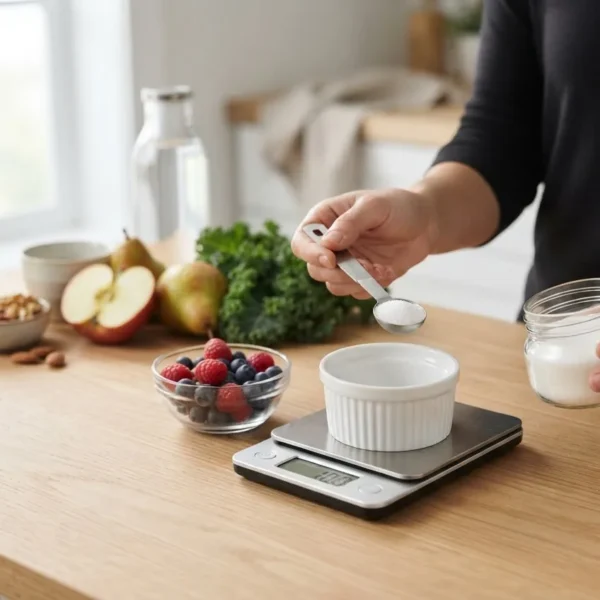
- Tools: Digital kitchen scale, measuring cups, large mixing bowls, 3–4 airtight containers (1–2 L), non-stick skillet, stockpot (4–6 qt).
- Pantry basics: dried or canned beans, rolled oats, brown rice, low-sodium broth, canned tomatoes, olive oil spray, basic spices (cumin, smoked paprika, chili flakes).
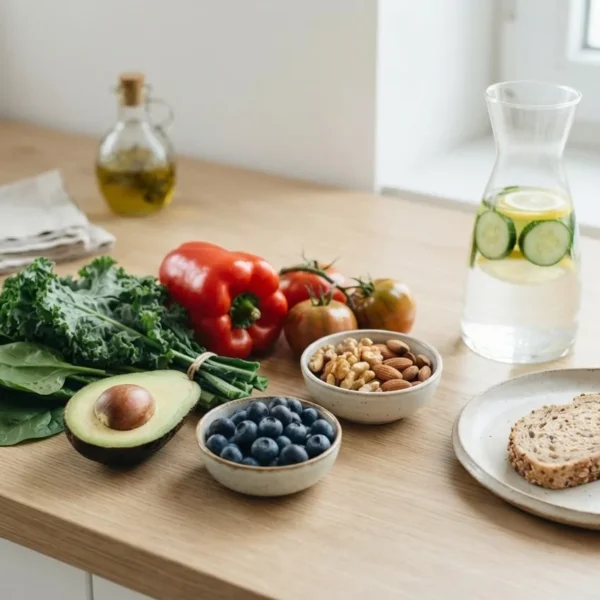
- Produce basics: leafy greens (spinach, romaine), water-rich veggies (cucumber, tomatoes), seasonal Texas vegetables (bell peppers, summer squash), lemons.
- Protein choices: canned tuna, boneless skinless chicken breast, firm tofu, Greek yogurt (0%–2%).
- Time planning: 2–4 hours initial learning and grocery trip; weekly batch cook 30–60 minutes for 3–5 meals.
Understanding Low Calorie High Volume Meals
What you’ll learn in this section: how energy density and volumetrics affect fullness, the roles of fiber and water in satiety, and practical metrics to choose foods that deliver volume without excess calories.
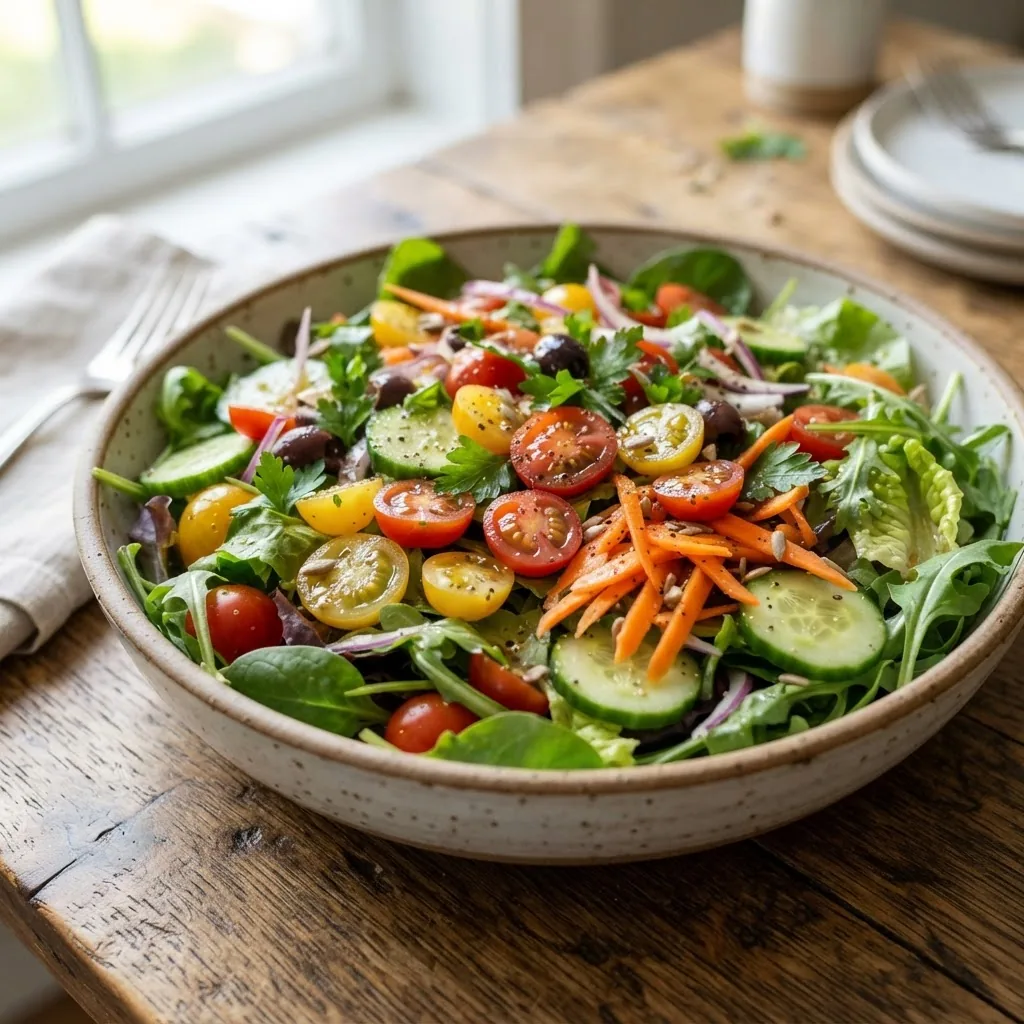
Energy density (kcal per gram) and portion size are the central factors when designing low calorie high volume meals. Foods with low energy density allow larger volumes per calorie, helping gastric stretch and sensory satisfaction without blowing calorie goals. The evidence base includes volumetrics research and recent satiety studies.
Key satiety mechanisms include gastric distension, gastric emptying rate, and hormonal signals (briefly: leptin and ghrelin). Biological responses vary by individual; for instance, fiber and water slow gastric emptying and blunt ghrelin—helpful for appetite control.
| Concept | What it means | Practical metric |
|---|---|---|
| Energy density | Calories per gram of food | Aim <0.8 kcal/g for big plates |
| Water content | High-water foods add volume | Include at least 1–2 cups water-rich veg per meal |
| Fiber | Slows digestion and increases fullness | Aim 6–10 g fiber/meal |
Research and guidelines: According to a 2023 USDA report on dietary patterns, emphasizing fruits, vegetables, and whole grains supports nutrient density while helping moderate energy intake (USDA dietary guidance). For satiety-specific evidence, meta-analyses in nutrition journals link higher-volume, low-energy-density diets to reduced hunger and modest weight loss (peer-reviewed studies on NCBI).
Stat block: Typical meal target for fullness without excess calories — 400–600 kcal per plated meal, 2–4 cups non-starchy vegetables, 3–4 oz lean protein or equivalent plant protein, 1/2–1 cup whole grain/legume for energy.
Transition: With the science framed, next we’ll explain why this approach helps weight management and metabolic health.
Why Choose High Volume Low Calorie Recipes for Weight Management
High volume low calorie recipes are designed to reduce hunger signaling and support sustainable calorie deficits while prioritizing nutrient density and meal satisfaction.
- Appetite control through volume: Filling plates with lower energy density foods produces gastric stretch and sensory satisfaction without high calories, helping reduce snacking between meals.
- Improved nutrient density: Volumetric meals emphasize vegetables, legumes, and whole grains that deliver vitamins, minerals, and fiber per calorie for metabolic health.
- Better glycemic responses: Combining fiber and protein helps blunt post-meal glucose spikes, aiding hunger control and long-term metabolic markers.
- Psychological adherence: Larger-looking meals feel more satisfying, supporting consistency in diets and long-term behavior change.
- Flexible calorie targets: This strategy easily scales across calorie goals (e.g., compare approaches in the 600 Calorie Dinner Recipes Guide for Healthy Eating to lower targets).
Evidence highlight: A clinical review found that low energy density approaches produced greater spontaneous reductions in energy intake than calorie counting alone (According to a 2021 peer-reviewed review in nutrition journals). The Academy of Nutrition and Dietetics supports focusing on nutrient-dense, fiber-rich foods for appetite control (Academy of Nutrition and Dietetics).
Transition: Knowing the benefits, you need to know exactly what ingredients and plate components to prioritize. The next section gives a categorized toolkit you can apply immediately.
-
Step 1 — Read and internalize the components:
Key Components of Low Calorie High Volume Meals
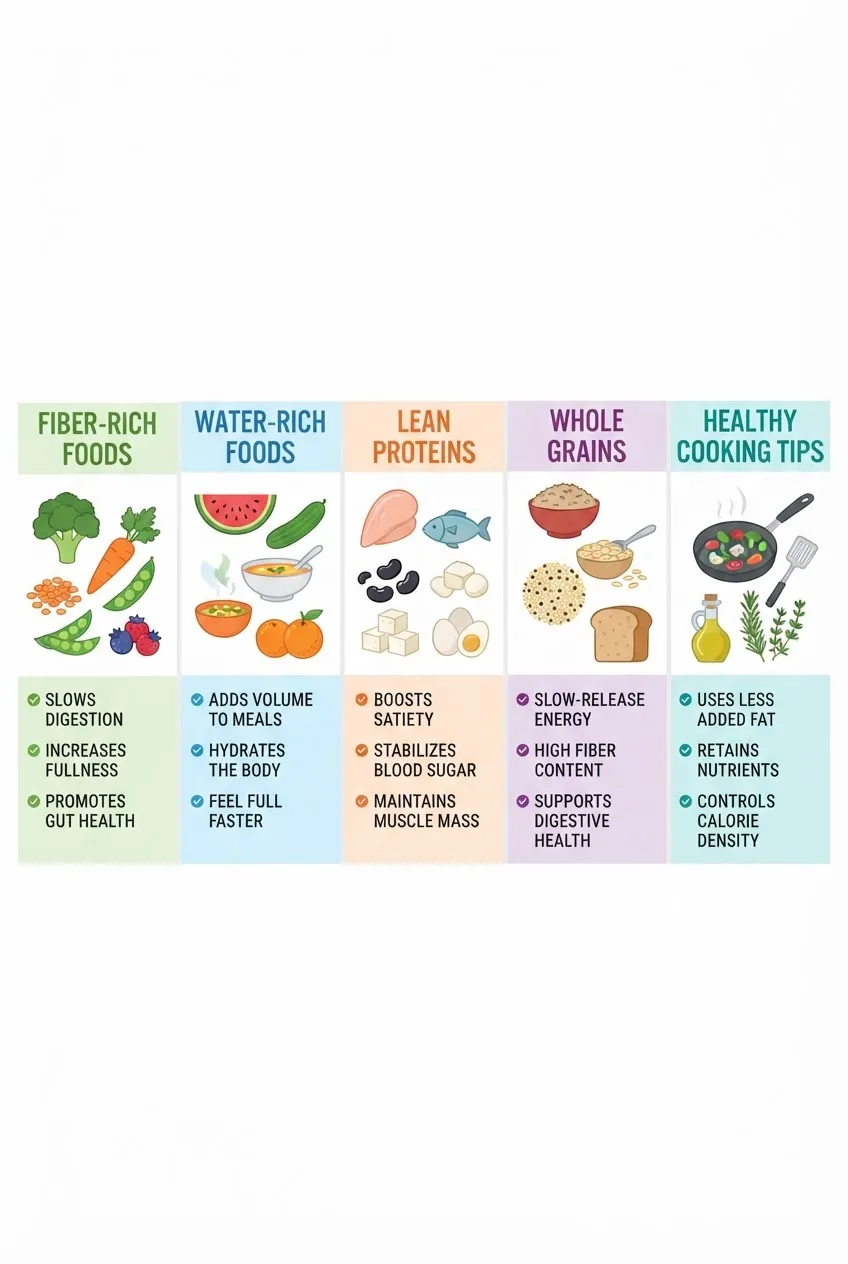
This section lists the categories and specific examples to use every week. Use the portion guidance next to each entry to build plates delivering bulk and nutrition.
Vegetables (base: 2–4 cups cooked or raw)
- Leafy greens: spinach, romaine, kale — 2 cups raw = very low energy density, add bulk.
- Cruciferous and root veggies: broccoli (1 cup cooked), cauliflower, carrots (1 cup raw) — high fiber and chew time.
- Water-rich: cucumber, tomatoes, zucchini — 1 cup each adds volume and hydration.
Fruits (snack or dessert: 1 medium or 1 cup)
- Berries (1 cup), melon (1 cup), citrus segments — water-rich and nutrient dense.
Fiber-rich foods (aim 6–10 g/meal)
- Legumes: 1/2 cup cooked lentils or chickpeas = ~7–8 g fiber; excellent for volume and protein.
- Whole grains: 1/2 cup cooked barley or brown rice = 2–3 g fiber; pair with veg for volume.
Lean proteins (3–4 oz cooked or plant equivalent)
- Chicken breast (3 oz cooked ≈ 140 kcal), canned tuna (in water), firm tofu (100–150 g) — choose lean or low-fat options.
- Greek yogurt (3/4 cup) or cottage cheese for creamy, high-volume toppings.
Low energy density staples
- Broth-based soups: 1–2 cups can provide 100–200 kcal and large volume.
- Zucchini noodles and cauliflower rice: swap for refined grains to reduce energy density.
Flavor, texture and fat (use sparingly but intentionally)
- Healthy fats: 1 tsp olive oil or 1 tbsp avocado — adds mouthfeel and satiety but track portions (45–120 kcal per tbsp).
- Herbs, acid (vinegar, lemon), spices to increase perceived satisfaction without calories.
Transition: With components understood, we’ll walk through concrete preparation steps you can use each week.
-
Step 2 — Master practical meal prep techniques:
How to Prepare Satisfying Low Calorie High Volume Meals
This how-to gives specific cooking methods, timing, and seasoning strategies so meals feel filling. Use the following steps and timings when batch cooking for a week.
- Batch-cook base proteins (30–40 minutes): Roast 2.5 lb boneless skinless chicken breasts at 425°F for 18–22 minutes (internal temp 165°F); slice and store in 3 containers (3–4 oz portions). For tofu: press 15–20 minutes then bake 25–30 minutes at 400°F, 1/2-inch cubes.
- Cook legumes and whole grains (20–30 minutes concurrently): Simmer 1.5 cups dry brown rice (yields ~4.5 cups cooked) or 1.5 cups lentils (no soak; 20–25 min) — portion into 1/2-cup servings.
- Prep large raw veg bowls (10–15 minutes): Chop 6 cups mixed greens, 3 cups sliced cucumber, 2 cups cherry tomatoes; toss with lemon juice and 1 tsp olive oil per 2-person portion to preserve crunch.
- Make two broth-based soups (30 minutes): Use low-sodium broth, 3 cups chopped vegetables, 1/2 cup cooked legumes per pot; simmer 20–25 min. Refrigerate in single-serve containers.
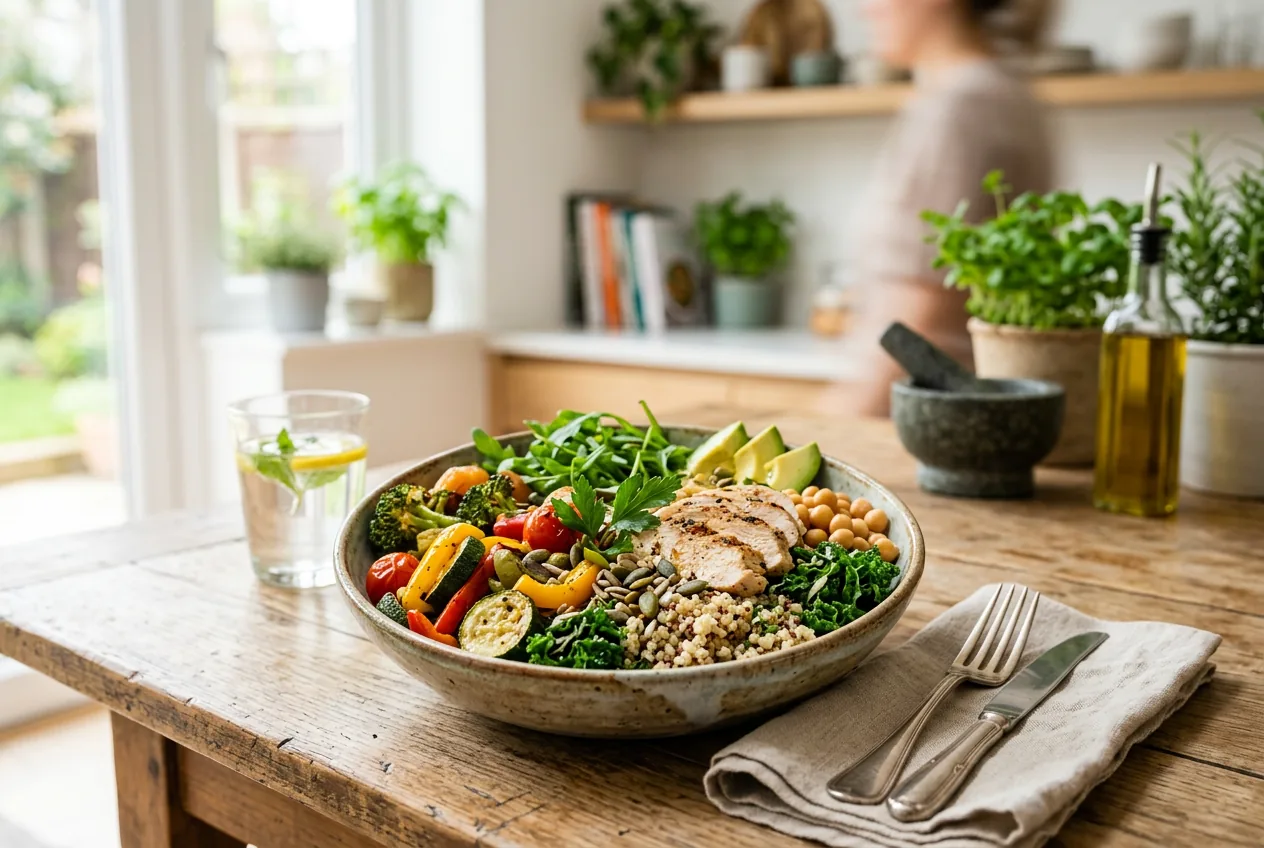
- Assemble grab-and-go bowls (10 minutes per bowl): 2 cups greens or soup base + 3–4 oz protein + 1/2 cup whole grain/legume + herbs + 1 tbsp salsa or vinaigrette (kept separate to avoid sogginess).
Seasoning tips: Use 1/2 tsp salt per 2 servings while cooking and adjust with acid (vinegar/lemon) at plating. Use smoked paprika and cumin for savory depth; fresh herbs for bright finish. Texture variety (crunchy seeds, creamy yogurt) increases satisfaction—limit added fats to 1 tbsp per serving.
Meal planning tip: Plan 3 batch-cooked proteins and 2 legumes/whole grain swaps per week to keep variety. Freeze one cooked protein batch for weeks you cannot prep.
Transition: Now see practical meal ideas that apply these components and methods so you can rotate meals easily.
Resource suggestion for breakfast volume strategies: See Breakfast Ideas Guide for Easy and Healthy Morning Meals for ways to extend volume eating into your first meal.
-
Step 3 — Pick balanced, high-volume meal templates:
Top 10 Low Calorie High Volume Meal Ideas and Recipes
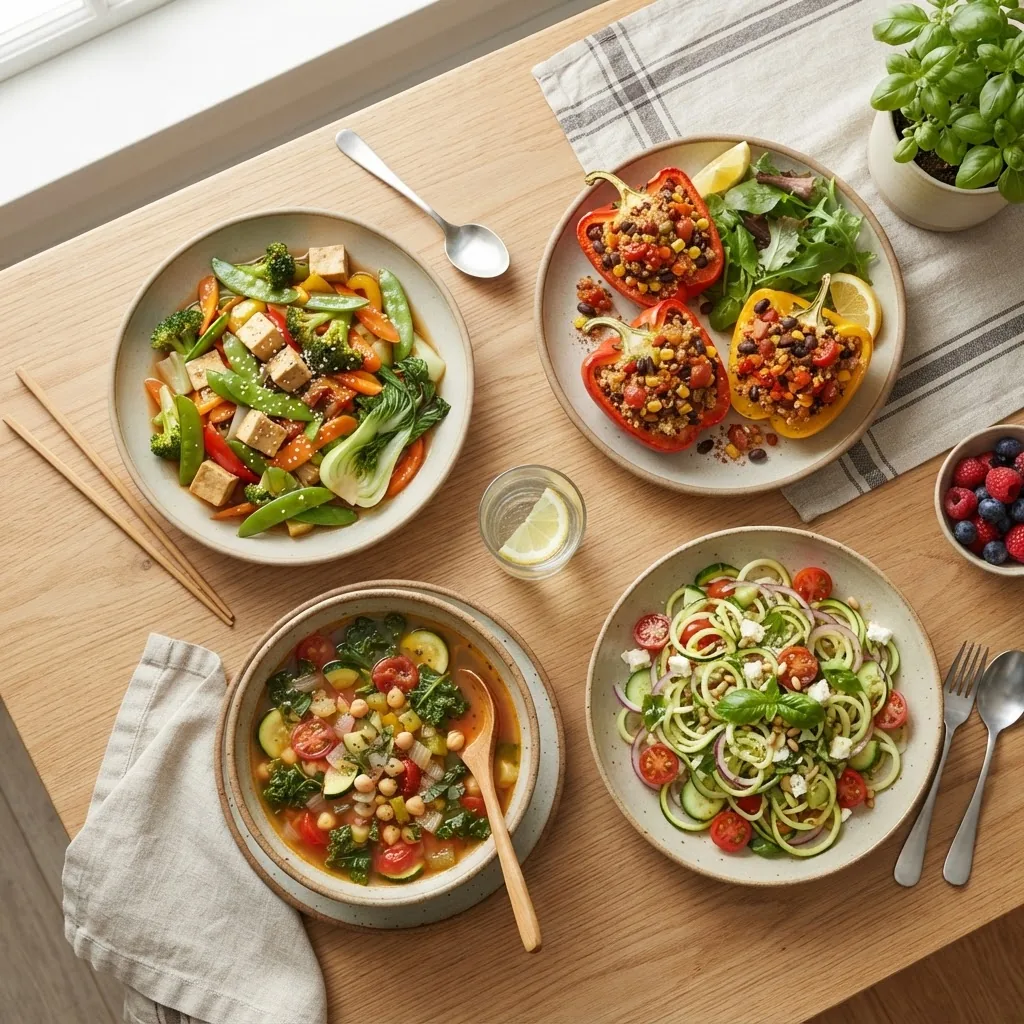
Below are concise recipe summaries and why they work for volume eating. Use them as templates—swap proteins, grains and sauces to keep variety.
- Vegetable-packed stir-fry with cauliflower rice: 3 cups mixed bell peppers, broccoli, 3 oz sliced chicken or tofu, 1 cup cauliflower rice; high volume, quick stir-fry in 1 tsp oil. Swap cauliflower rice for 1/2 cup brown rice if extra calories needed. See complementary ideas in the 400 Calorie Meals Guide for Healthy and Balanced Eating.
- Broth-based vegetable and lentil soup: 2 cups low-sodium broth, 1 cup mixed veg, 1/2 cup cooked lentils — 1.5–2 cups per serving provides filling liquid volume and fiber.
- Stuffed bell peppers with black beans and cauliflower rice: 1 large bell pepper stuffed with 1/2 cup black beans, 1/2 cup cauliflower rice, tomato, and salsa; top with 1 tbsp Greek yogurt. High fiber, colorful volume.
- Zucchini noodle “pasta” with turkey meat sauce: 2 cups spiralized zucchini + 3 oz lean turkey sauce made with crushed tomatoes and mushrooms — low energy density and hearty texture.
- Large mixed salad with chickpeas and roasted sweet potato: 3 cups mixed greens, 1/2 cup roasted cubed sweet potato, 1/2 cup chickpeas, 2 tbsp vinaigrette — sweet potato adds chew and satisfaction.
- Tex-Mex vegetable chili (Texas twist): 1.5 cups vegetable chili with tomatoes, kidney beans, corn, and poblano peppers; serve over a bed of romaine for extra volume. For more balanced calorie meals that complement volume strategies see 500 Calorie Meals Guide for Nutritious Dinner Ideas.
- Greek-inspired grain bowl: 1 cup mixed greens, 1/2 cup cooked barley, 3 oz grilled chicken, cucumber, tomato, 1 tbsp tzatziki — fiber and protein with hearty chew.
- Cold cucumber and melon soup with seared shrimp: 1.5 cups chilled cucumber-melon puree + 3–4 oz shrimp — hydrating and light but protein-rich.
- Vegetable-packed omelet with salsa and greens: 2 eggs + 1 cup sautéed spinach and peppers + large side salad — eggs provide satiety, veg add volume. Quick plant-forward alternatives in Quick Vegetarian Dinner Recipes Guide for Two People.
- Roasted vegetable platter with hummus and grilled chicken: 2 cups roasted seasonal Texas vegetables (summer squash, bell pepper) + 2 tbsp hummus + 3 oz chicken — roast at 425°F for 20–25 minutes for caramelization, which increases perceived satisfaction.
For more plant-focused dinners aligned with high volume meal principles, see Easy Meatless Dinner Ideas Guide for Healthy No Meat Recipes and Quick Vegetarian Dinner Recipes Guide for Two People.
Transition: Those ideas translate directly into shopping and seasonal choices, especially if you live in Texas—next we map shopping and planning practicalities.
-
Step 4 — Shop seasonally and plan for Texas markets:
Meal Planning and Shopping Tips for Texas Residents
Texas offers year-round produce options; here’s how to shop for volume and value.
- Shop seasonal markets: In spring and summer prioritize local tomatoes, squash, and bell peppers; in fall look for cabbage, broccoli, and sweet potatoes at farmer markets (buy 2–4 lb to roast for multiple meals).
- Buy frozen vegetables: For convenience and similar nutrient density, frozen peas, broccoli and mixed veg are affordable volume boosters.
- Buy legumes in bulk: Dried beans (2–4 lb bags) are cheaper per serving than canned; cook in large batches and freeze in 1-cup portions.
- Use markets for herbs: Fresh cilantro, parsley and jalapeños in Texas markets cost less and lift flavor without calories.
Shopping checklist (per week): 6–8 cups salad greens, 4–6 bell peppers, 2–3 cucumbers, 2–3 onions, 2–3 lb mixed root vegetables or squash, 2–3 cans or 1 lb dry legumes, 1–2 lb lean protein.
Budget resources: For affordable ingredient swaps and budget planning see Cheap Foods That Are Good for You Guide to Affordable Nutrition and How to Eat Healthy on a Budget Guide for Affordable Nutrition.
Transition: Even with planning, real-life obstacles occur—next identifies typical challenges and solutions from practice.
-
Step 5 — Anticipate and address common challenges:
Common Challenges and How to Overcome Them
Problem-solution format with direct fixes from real kitchen practice.
Meal boredom
Problem: I noticed I eat the same salad five days in a row and start craving takeout.
Solution: Rotate sauces and textures—swap vinaigrette for peanut-lime dressing, add roasted chickpeas one day and grilled shrimp another. Prep two different protein batches (e.g., chicken + tofu) and three types of dressings to mix flavors.
Cravings after low-calorie meals
Problem: I still feel hungry 45 minutes after a large salad.
Solution: Ensure 20–30 g protein at the meal and at least 6 g fiber. Add 1/2 cup cooked lentils or 3–4 oz chicken and include a starchy side (1/2 cup sweet potato) if needed to extend satiety.
Time and prep limitations
Problem: I have 30 minutes on Sunday and nothing else.
Solution: Use frozen mixed veg, canned beans (rinsed), and precooked grains. Roast a sheet pan of seasonal veggies at 425°F for 20–25 minutes while quinoa simmers—assemble three bowls in 30–40 minutes total.
Transition: Finalize what you’ve built with a compact checklist and when to seek professional guidance.
-
Step 6 — Evaluate your weekly plan and iterate:
Summary and Next Steps for Healthy Eating with Low Calorie High Volume Meals
Quick recap: prioritize low energy density foods (water-rich veg, broth soups), pair with moderate protein and minimal healthy fats, and use texture and seasoning to increase satisfaction. Track hunger responses and adjust grain/legume quantity if you feel persistently hungry.
Yummiest Healthy Recipes Guide for Nutritious and Tasty Meals is a comprehensive resource to expand your recipe variety beyond volume-focused meals and maintain long-term adherence.
Next steps: pick three recipes from the Top 10 list, schedule a 60-minute weekly prep block, and test satiety across three consecutive meals, adjusting protein or starchy sides by 1/4 cup increments to find the right balance for you.
Final note on variability: Individual responses to satiety vary—monitor hunger, energy, and mood. This guide complements but does not replace personalized medical or registered dietitian advice.
Common mistakes and how to avoid them
I once prepped five large salads that wilted because I mixed dressing in advance; lesson: always store dressings separately and add them at plating. I also underestimated protein portions—measure cooked protein to 3–4 oz per serving with a kitchen scale. Another mistake I made was trading all fats for volume; small amounts of fat (1 tbsp) improve satisfaction and prevent rebound cravings.
Quick checklist — verify before you plate
- Plate looks large: 2–4 cups vegetables or 1.5–2 cups broth-based soup.
- Protein is present: 3–4 oz cooked (or 1 cup legumes) per meal.
- Fiber target met: 6–10 g/meal via legumes, whole grains, veg.
- Healthy fat limited: ≤1 tbsp olive oil or 1/4 avocado.
- Seasoning added: acid + herb + one crunchy element for texture.
When to call in a professional
Consult a registered dietitian or physician if you have metabolic disease (diabetes, thyroid disorder), significant unintentional weight loss, gastrointestinal disorders requiring tailored fiber adjustments, or if you’re planning a medically supervised caloric restriction. For expert meal plans, consult the Academy of Nutrition and Dietetics directory (eatright.org).
Summary: Use volumetrics—prioritize water-rich, fiber-dense vegetables and legumes, include lean protein and small amounts of healthy fat, and rely on texture and seasoning to stay satisfied. Start with three volume-based meal templates, batch-cook key components, and refine portions using the checklist above.
Call to action: Try three meals from the Top 10 list this week, track hunger at 30, 60, and 120 minutes post-meal, and iterate quantities until you feel satisfied without excess calories.