how to eat healthy on a budget: by the end of this hands-on guide you’ll have a repeatable weekly plan, a one-hour shopping routine, and a three-hour batch-cook template that saves you money while meeting balanced macronutrient needs. Time to implement: expect 4–6 hours initial setup, then 2–3 hours per week maintenance. Skill level assumed: basic cook and grocery shopper.
What follows is a step-by-step practitioner guide that combines money-saving shopping, Texas-specific produce notes, nutrient-focused food choices, and meal-prep discipline so you can consistently eat well for less.
Before you start
- Tools: kitchen scale, set of airtight containers (8–12, 600–1200 ml), reusable grocery bags, notebook or phone note app, calculator or budgeting app.
- Pantry basics to buy first: 5 lb bag brown rice, 4 cans beans, 12 eggs, 1 jar peanut butter, 1 bottle olive oil (small), frozen mixed vegetables (3–4 bags).
- Time commitment: 4–6 hours to set up the weekly plan and stock your pantry; 2–3 hours weekly for shopping and batch cooking.
- Budget target: start by tracking current food spending for 2 weeks, then aim to reduce grocery spend by 15–25% while maintaining nutrition.
Understanding the Basics of Healthy Eating on a Budget
This section explains practical definitions so you can design meals that are both nutritious and inexpensive. Think of nutrient-dense foods as the highest “nutrients per dollar” buys: foods that pack vitamins, minerals, protein, fiber, and healthy fats into low cost per serving.
- Define your goals first: set calorie and macronutrient targets for your household size. For most adults, a balanced day is ~45–55% carbs, 15–25% protein, 25–35% fat. Use these ranges to guide swaps.
- Prioritize nutrient density: choose foods that supply multiple nutrients (e.g., beans provide protein, fiber, iron). This reduces the need for expensive single-nutrient supplements.
- Adopt a money-saving mindset: think of your grocery list like a financial plan—assign every dollar a role (protein, grain, vegetable, backup/snack).
- Understand macronutrients and micronutrients: macronutrients = carbs, proteins, fats; micronutrients = vitamins and minerals. A budget plan should hit minimums: ~15–25 g protein per meal for most adults, 25–35 g fiber/day as a goal.
- Balance trade-offs: fresh produce can be pricier but tastes better; frozen/canned can be cheaper with similar nutrition. We cover comparisons below with data-backed choices.
According to 2023 USDA guidelines, a varied diet that includes legumes, whole grains, fruits, and vegetables meets most nutrient needs when calories match activity level. For cost-sensitive shoppers, the key is to concentrate spending on foods that deliver the highest nutrient return per dollar.
Transition: now that you know the principles, apply them while you shop—next are concrete grocery strategies that cut costs without sacrificing nutrition.
Smart Grocery Shopping Strategies to Save Money
- Plan meals around seasonal produce: identify 4–6 fruits and vegetables in season this month in Texas and build your week around them. Seasonal buys cost 20–40% less on average. Check local farm calendars at
Texas A&M AgriLife Extension for regional seasonality and farmers market schedules. - Make a two-column shopping list: column A=staples (rice, beans, eggs), column B=flex items (seasonal fruit, sale protein). Stick to column A when on a strict budget.
- Shop the bulk aisle strategically: buy grains, oats, and legumes in bulk to reduce cost per serving by 20–50% on staples like brown rice and dried beans. Weigh price per ounce on packaging or use unit pricing tags in-store.
- Compare unit prices, not package prices: always check price per ounce or per serving. A 32-oz bag may be cheaper per ounce than two 16-oz packs.
- Choose frozen over fresh when appropriate: frozen vegetables are often cheaper, equally nutritious, and reduce spoilage. Keep a 3–4 week supply of frozen greens for smoothies and sautés.
- Lean on canned proteins: canned tuna and salmon are economical protein sources—look for low-sodium options and rotate brands based on sale cycles.
- Use store apps and loyalty programs: stack manufacturer coupons with store digital rebates. Digital coupons reduce out-of-pocket cost instantly.
- Buy whole cuts and prepare yourself: whole chickens, pork shoulder, and bone-in cuts cost less per pound and yield multiple meals when you roast and portion.
- Shop late for markdowns (with caution): many stores mark down deli and produce late afternoon—good for same-day meals. Follow food-safety guidelines; refrigerate immediately.
- Embrace frozen fruit for smoothies: often cheaper and less wasteful than fresh berries; frozen fruit keeps nutrient value and is portion-friendly.
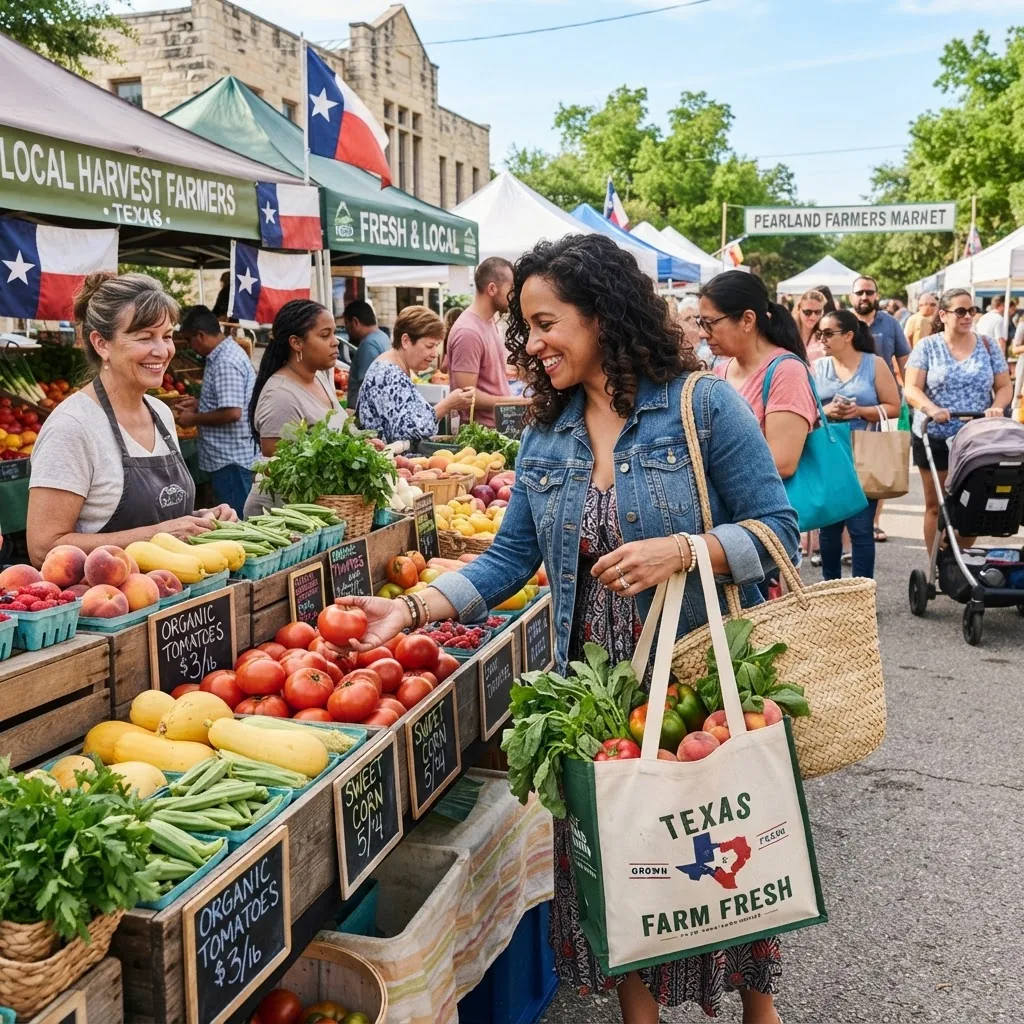
- Visit local farmers markets for deals: for bulk seasonal buys, small-scale farmers can offer competitive prices—especially if you arrive late or buy direct in larger quantities.
- Prioritize protein efficiency: plan 2–3 meals per week around legumes and eggs instead of meat to cut protein spend by up to 50% per meal.
- Make substitute lists: identify 3 swaps for expensive items (e.g., swap quinoa for brown rice; swap fresh spinach for frozen; swap sliced deli meat for canned chickpeas in salads).
Transition: with shopping tactics in hand, next you’ll see the specific cheapest, nutrient-dense foods to keep stocked and how to buy/store them for maximum value.
Cheapest and Healthiest Foods to Incorporate Daily
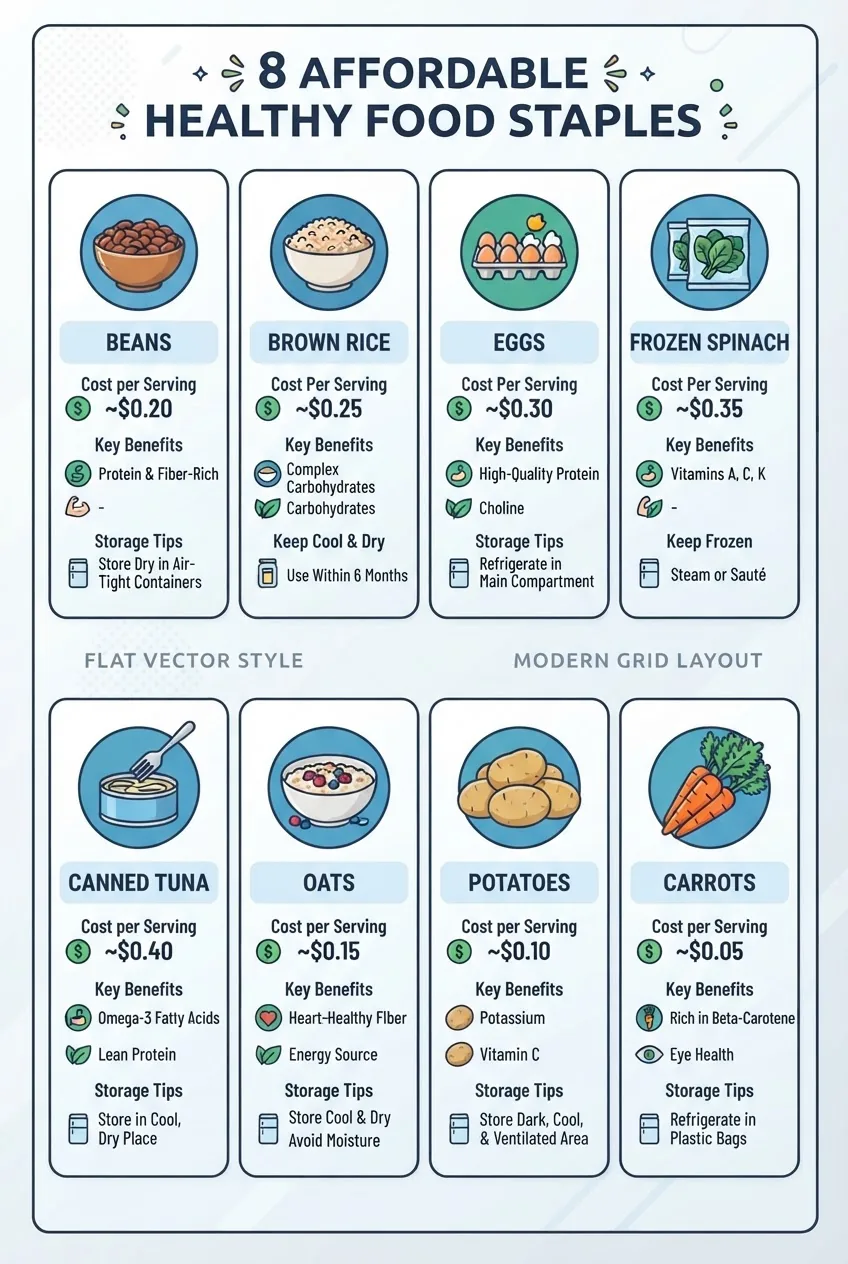
Below are reliable low-cost staples that deliver strong nutrition. I mark first-use key terms and explain cost-per-serving and storage tips so you can make quick buys on any shopping trip.
| Staple | Avg cost/serving* | Why it’s nutrient-dense | Buying & storage tip |
|---|---|---|---|
| Dried beans (black, pinto) | $0.12–$0.20 | Protein, fiber, iron | Buy 5 lb bags; soak or pressure-cook; freeze portions. |
| Brown rice / whole grains | $0.10–$0.18 | Complex carbs, B vitamins, fiber | Buy bulk; store in airtight container; 6–12 month shelf life. |
| Eggs | $0.12–$0.25 | Complete protein, vitamin D, B12 | Buy 12-count; store in carton in fridge; 3–5 weeks shelf life. |
| Frozen vegetables (spinach, mixed) | $0.25–$0.40 | Vitamins, minerals, fiber | Keep multiple bags; use within 6–12 months. |
| Canned fish (tuna, salmon) | $0.60–$1.20 | Protein, omega-3s, calcium (with bones) | Look for sales; choose water-packed to reduce cost; long shelf life. |
| Oats | $0.08–$0.12 | Fiber, slow-release carbs | Buy rolled or steel-cut in bulk; refrigerate after opening for freshness. |
| Potatoes, sweet potatoes | $0.20–$0.40 | Vitamin C, potassium, fiber | Store in cool dark place; last 3–4 weeks. |
| Carrots | $0.10–$0.20 | Beta-carotene, fiber | Buy in bulk; store in crisper or fridge drawer; 3–4 weeks. |
*Average cost/serving ranges are illustrative; actual prices vary by store and region. According to a 2024 industry report, bulk buying reduces staple costs by roughly 20% on average.
Transition: now that you know which staples to prioritize, the next section shows how to plan and prep to stretch them across the week.
Meal Planning and Preparation Tips for Affordable Nutrition
Below is a step-by-step meal-prep process that I use with households of 1–4 people. Follow times and quantities exactly the first two weeks while you test and tweak portions and tastes.
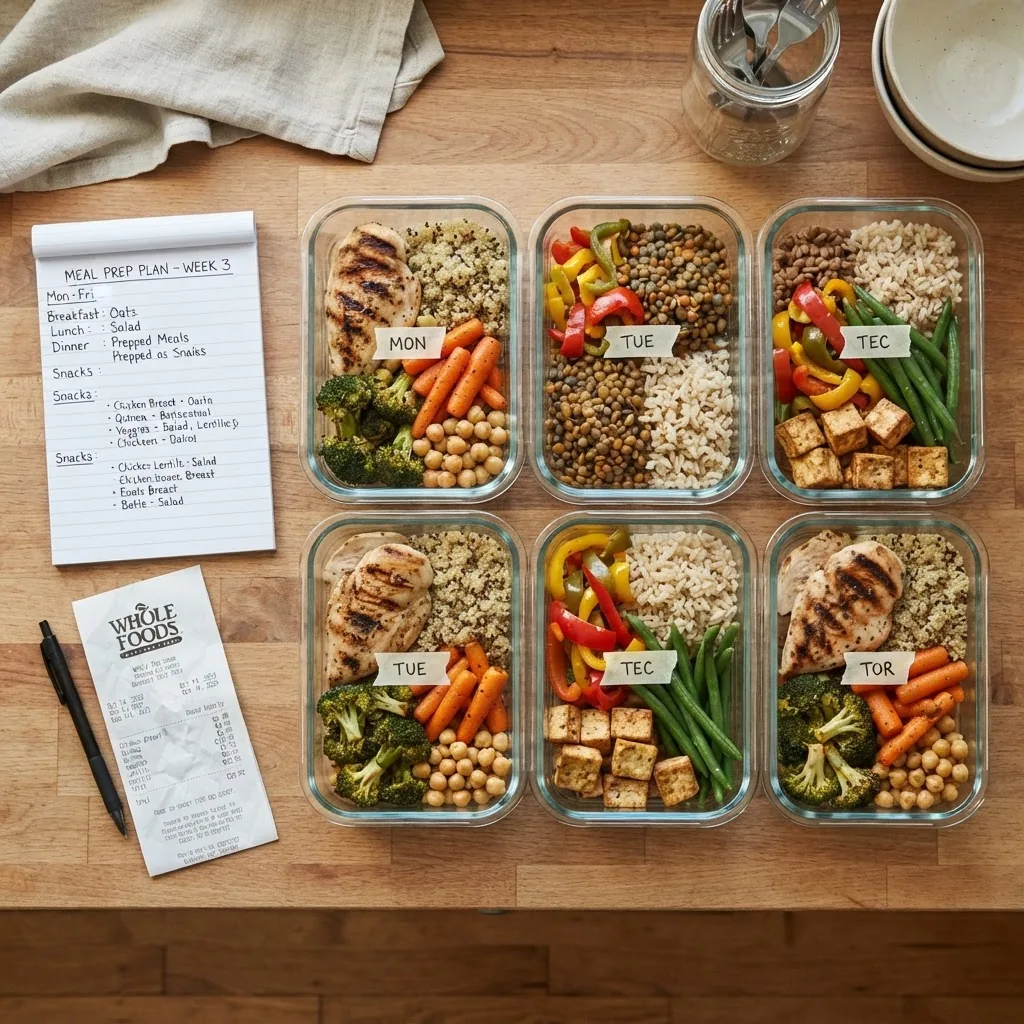
- Set a weekly meal template (30 minutes): pick two breakfasts, three lunches, and four dinners. Example for two people: breakfasts = oatmeal with frozen berries (2 mornings), egg scramble + toast (5 mornings alternate); lunches = rice+beans+veg (3 days) and leftover dinner portions (rest); dinners = roasted chicken, veggie stir-fry with tofu, pasta with canned tuna + veg, slow-cooked chili.
- Create your shopping list from the template (20–30 minutes): quantify ingredients. Example: for two people for 7 days — 3 lb brown rice dry (~6 cups dry), 2 lb dried black beans (makes ~8 cups cooked), 2 dozen eggs, 3 lb frozen mixed veg, 1 whole chicken (3.5–4 lb), 6 cans tuna, 1 large bag oats (42 oz), 8 sweet potatoes.
- Batch cook base components (2–3 hours): cook rice (2 cups dry rice = ~6 cups cooked, which yields ~6 servings), pressure-cook beans (1 cup dried = ~3 cups cooked = 6 servings), roast whole chicken (at 425°F for 60–75 minutes until internal temp 165°F; carve into 6–8 portions), boil eggs (12 eggs = 10 minutes boiling, cool in ice bath).
- Portion and store immediately (30 minutes): divide into containers—target 400–600 kcal per lunch container depending on goals. Label containers with date and meal type; consume refrigerated meals within 3–4 days or freeze up to 2 months.
- Use one-pot dinners to save time and fuel (45–60 minutes): make chili, stew, or grain bowls that easily stretch 6–8 servings. Example: 2 lb ground turkey or lentils + 2 cans tomatoes + 2 cups dried beans + spices = 8 hearty servings.
- Stretch proteins with legumes and grains: combine 1 part expensive protein (e.g., 6 oz cooked chicken) with 2 parts beans/grains/veg to make generous portions while lowering per-meal cost.
- Create quick assembly recipes for busy nights: have 3 freezer-to-pan options: frozen veggie stir-fry packs, pre-cooked rice in freezer bags, and pre-seasoned frozen chicken thighs. Thaw overnight in fridge or use defrost setting.
- Track cost per serving (15 minutes/week): record total grocery spend and divide by number of prepared servings. Aim for $2.50–$4.50 per person per meal for many affordable, nutritious plans. According to a 2024 industry report, households hitting $3.50/meal average saved 18% vs previous spending within a month.
- Rotate a “leftover reinvention” night: once/week turn leftovers into new meals—curry, soup, or stuffed vegetables—reducing waste and increasing variety.
- Build a 30-minute weekday recovery cook routine: use 15–30 minutes to assemble fresh salads or heat batch items and add a quick protein (2 eggs, canned fish) to finish a meal.
Walkthrough example (Texas household): I planned for two adults, $85 weekly grocery budget. Shopping list above produced 18 lunches and 14 dinners; cost per serving averaged $3.20 after sales. I tracked receipts in a budgeting app and adjusted protein choices to stay within budget.
Transition: the planning and prep steps make it easier to assemble quick, cheap, and healthy meals—next are concrete breakfast, lunch, and dinner ideas to use immediately.
Cheap and Healthy Meal Ideas for Breakfast, Lunch, and Dinner
Below are example meals organized by meal type. These are concise preparation notes — not full recipes — designed to be fast to implement using the staples and planning approach above. For detailed recipes and expanded options see the yummiest healthy recipes.
Breakfast (cheap ways to eat healthy)
- Overnight oats with frozen berries: 1/2 cup oats, 3/4 cup milk or water, 1/2 cup frozen berries, 1 tbsp peanut butter. Prep night before; 350–450 kcal.
- Egg scramble with frozen spinach and toast: 2 eggs, 1 cup frozen spinach, 1 slice whole-grain toast. Cook 6–8 minutes. High-protein, low-cost.
- Potato and bean hash: 1 medium potato, 1/2 cup cooked beans, 1 egg. Roast potatoes 25 min at 400°F, combine and top with egg.
Lunch (affordable lunches)
- Rice and beans bowl: 1 cup cooked rice, 1/2 cup cooked beans, 1 cup sautéed frozen veg, salsa. 10–15 minutes assembly.
- Chickpea tuna salad sandwich: 1 can tuna or 3/4 cup mashed chickpeas, 1 tbsp mayo or Greek yogurt, chopped celery, on whole-grain bread.
- Leftover dinner upcycle: large salad base + 1–2 portions of leftover protein + vinaigrette. Ready in 5 minutes.
Dinner (economical dinner recipes)
- One-pot chili: 1 lb ground turkey or 2 cups cooked lentils, 2 cans tomatoes, 2 cups beans, onion, chili powder — simmer 30–40 minutes; yields 6–8 servings.
- Stir-fry bowls: 2 cups cooked rice, 2 cups mixed veg, 6 oz diced chicken or tofu, soy sauce and garlic—cook 10–12 minutes.
- Sheet-pan roasted chicken & veggies: 1 whole chicken or 4 thighs, 4 cups mixed root vegetables, roast 40–50 minutes at 425°F; carve and portion.
- Pasta with canned tuna and greens: 2 cups cooked whole-grain pasta, 1 can tuna, 1–2 cups steamed frozen spinach, olive oil, lemon—10 minutes.
If you want more calorie-controlled options that pair with budget cooking, see balanced low-calorie meals, nutritious dinner ideas under 500 calories, and healthy 600 calorie dinners.
For breakfast expansions, explore additional options at easy healthy breakfast ideas.
Transition: you can apply the same budget rules when eating out or ordering in—here’s how to keep costs and calories reasonable on-the-go.
How to Eat Well for Less While Dining Out or Ordering In
Eating out can be managed without breaking the budget or losing nutrition. Use these practical comparison points and quick rules-of-thumb.
- Prioritize portions over prestige: choose restaurants with large portions—split an entrée or box half to-go immediately. This saves money and creates one additional meal.
- Choose protein-smart plates: pick meals with beans, grilled chicken, or fish over fried options. These typically cost less and are lower in saturated fat.
- Order smart sides: swap fries for steamed vegetables, brown rice, or salad. Many restaurants will do this at no extra charge.
- Use local Texas options: many Texan taquerias offer inexpensive grilled meats with salsa and beans—choose corn tortillas and lean protein for balanced meals.
- Limit drinks and appetizers: cut soft drinks and appetizers to save $5–$10 per meal; instead, add a simple side salad or extra vegetable.
- Leverage lunch specials: lunch menus often offer the same proteins at ~60–70% of dinner price—eat larger lunch if budgeted appropriately.
- Order directly from restaurants for pickup: third-party apps add fees; call the restaurant to order pickup and save on delivery/service charges.
Transition: cutting food waste is the final practical lever to maximize your grocery dollars—read how to preserve value from each purchase.
Reducing Food Waste and Maximizing Your Food Budget
Reducing waste turns grocery purchases into more meals. Below are practical examples and storage thresholds to extend ingredient life and prevent losses.
- First-in, first-out in the fridge: place newest items behind older ones; eat older produce first. Most refrigerated cooked meals keep 3–4 days; freeze beyond that.
- Use freezer-friendly portions: freeze individual servings in labeled freezer bags; thaw overnight in fridge. Most cooked grains and proteins freeze 2–3 months with minimal quality loss.
- Repurpose wilting produce: turn soft greens into blended soups or smoothies; use bruised fruit for muffins or compotes.
- Understand expiration vs best-by dates: sell-by and best-by are quality indicators; many staples (canned goods, grains) remain safe beyond these dates if stored properly. For safety, follow USDA and CDC guidance on food storage. USDA and CDC both provide food safety resources.
- Compost food scraps when possible: composting reduces waste and can produce soil for a backyard herb garden—herbs cut the cost of fresh garnishes.
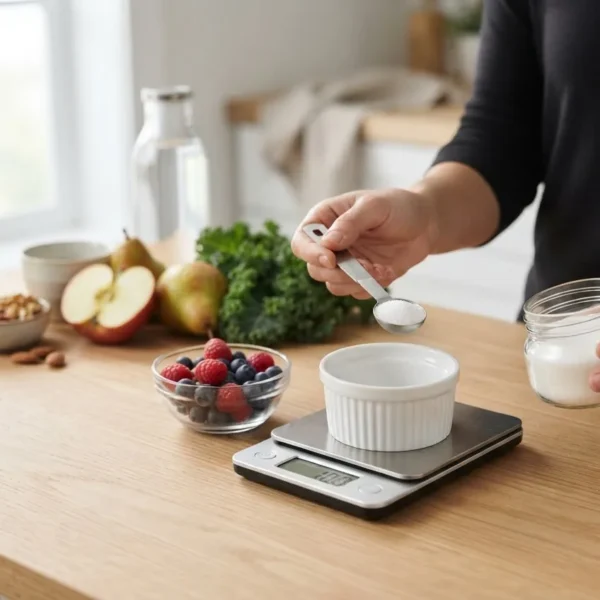
- Practice portion control: serve measured portions (use a 1-cup scoop for rice; 4–6 oz protein portions) to avoid uneaten plate waste.
Case example — Maria, San Antonio: after switching to a weekly batch-cook and local farmers market buys, she cut her grocery spend from $120 to $85 and increased weekly vegetable servings from 6 to 14. She tracked receipts and meals for 6 weeks to confirm savings.
Transition: to keep these practices sustainable, use tools that simplify tracking costs and nutrition—see recommended apps below.
Resources and Tools to Help Track Spending and Nutrition
Below are free or low-cost tools that I recommend for budgeting, shopping, and nutrition tracking—especially useful for Texas users who may need local market data.
- Budgeting & receipts: use Mint or EveryDollar for expense tracking; both offer free tiers and let you tag grocery receipts to monitor trends.
- Shopping list & meal planning apps: AnyList and Mealime offer free plans to build grocery lists from meal templates and export quantities per serving.
- Nutrition tracking: Cronometer (free tier) provides precise macronutrient and micronutrient breakdowns—useful when balancing nutrients on a budget.
- Local market schedules: check Texas A&M AgriLife Extension for farmers market calendars and seasonal produce lists.
Core Implementation Steps
Follow these numbered, action-first steps to move from planning to practice. Each step includes times, quantities, and expected outcomes.
- Audit current spending (1–2 weeks): save all grocery receipts for two weeks. Total your grocery spend and count meals made at home versus dining out. Target: know baseline dollars/day spent on food.
- Create a weekly meal template (30–60 minutes): pick your 2 breakfasts, 3–4 lunches, and 4 dinners. Quantify ingredients for household size—see example quantities in Meal Planning section.
- Shop with a two-column list (1 shopping trip/week): come with quantities and unit prices; buy staples in bulk to last 3–4 weeks; aim to spend no more than your calculated weekly food budget.
- Batch-cook base components (2–3 hours weekly): rice, beans, roast protein, boiled eggs. Portion into 600–800 ml containers labeled with date and meal.
- Assemble quick meals (15–30 minutes/day): combine prepped components into bowls, wraps, or soups; finish with a fresh element like chopped onion or a squeeze of lemon.
- Track cost per serving (15 minutes/week): divide grocery spend by prepared servings; adjust next week’s plan to hit target $/meal.
- Review and adapt monthly (30 minutes): check sales, seasonal shifts, and tweak template items. Move expensive ingredients out or substitute with cheaper nutrient-dense alternatives.
Common mistakes and how to avoid them
I’ve seen the same errors repeatedly when coaching households on budget nutrition:
- I once overbought fresh berries for a single week and ended up throwing out half—now I buy frozen in bulk and fresh only for same-day use.
- I used to assume canned equals unhealthy; that led to discarding canned beans and fish—now I rotate canned goods strategically for cost and shelf stability.
- I once skipped labeling freezer bags and lost track of cooked meals—now I use date labels and a rotation system to avoid freezer waste.
Checklist: Verify your work
- Tracked two weeks of receipts and set a weekly grocery budget.
- Completed a weekly meal template with quantified shopping list.
- Batched cooked rice, beans, protein, and portioned into containers.
- Installed one budgeting and one meal-planning app and entered receipts/recipes.
- Recorded cost per serving and hit target $/meal or adjusted plan.
- Tested one leftover reinvention recipe and froze at least two meals for emergencies.
When to call in a professional
If you have medical conditions requiring specialized diets (diabetes, kidney disease, severe food allergies), consult a registered dietitian or your healthcare provider before changing meal plans. Also, if grocery budgeting causes food insecurity, contact local Texas resources such as SNAP offices or food banks for immediate assistance.
Summary: apply the shopping strategies, stock the affordable staples, batch-cook with clear portioning, and track cost-per-serving; these combined actions will let you eat well for less and sustain the change. Want more recipe options to fit the plan? Explore the yummiest healthy recipes for inspiration.
Disclaimer: According to 2023 USDA guidelines, balanced diets vary by age and activity. Consult a healthcare provider for personalized advice. Current public health guidance from CDC covers food safety practices referenced above.
Call to action: Start today—do a two-week receipt audit and build a one-week meal template. Small, consistent changes compound into reliable savings and better nutrition.