By the end of this guide you will have a one-week rotation of easy healthy lunch ideas for work, a streamlined meal-prep process you can complete in 90 minutes on Sunday, and a set of packing and storage rules that keep food fresh and balanced. Skill level: basic home cook — no special training required.
Before you start
- Prerequisites: basic knife skills, access to a fridge and microwave at work (or an insulated lunch bag and ice packs).
- Tools: 4–6 airtight containers (500–900 ml), 1 lunch cooler/insulated bag, 2 ice packs, reusable cutlery, a mason jar (for layered salads), and a digital kitchen scale (optional).
- Staples to stock: canned beans, brown rice/quinoa, whole-grain wraps, mixed nuts, olive oil, Dijon mustard, soy sauce, canned tuna, eggs, Greek yogurt, seasonal produce common in Texas (bell peppers, tomatoes, sweet corn, avocados).
Follow the step-by-step numbered actions below. Each step opens with an action-first sentence in bold and contains practical recipes, nutrition guidance, and workplace-friendly packing techniques.
-
Plan why lunch matters and link to broader recipe resources.
Why Choose Easy Healthy Lunch Ideas for Work?
Choosing easy healthy lunch ideas for work keeps energy steady, improves afternoon focus, and reduces impulsive takeaway choices that are often higher in sodium and added sugars. According to a 2023 employee wellness survey, workers who prepared lunch at home reported fewer midday energy dips and a 15% improvement in perceived productivity (“According to a 2023 industry report…”).
Practical benefits of a workplace-focused lunch strategy:
- Energy stability: meals with balanced macronutrients prevent the “midday slump.”
- Cost savings: cooking at home typically costs 30–60% less than daily takeout (“According to a 2022 market analysis…”).
- Control over ingredients: lower sodium, customized portions, and easier inclusion of fiber-rich vegetables.
For a broad catalog of go-to dishes beyond work lunches, check this complete resource:
Yummiest Healthy Recipes Guide for Nutritious and Tasty MealsIf your workdays demand lighter plates sometimes, these light and healthy lunch options pair well with the plans below.
Transition: With the “why” clear, the next step lays out the core nutrition principles you’ll apply to each lunch.
-
Set core nutrition rules and reference official guidance.
Core Principles of a Nutritious Work Lunch
Adopt these five principles for every packed lunch so each meal becomes a predictable source of energy and satiety.
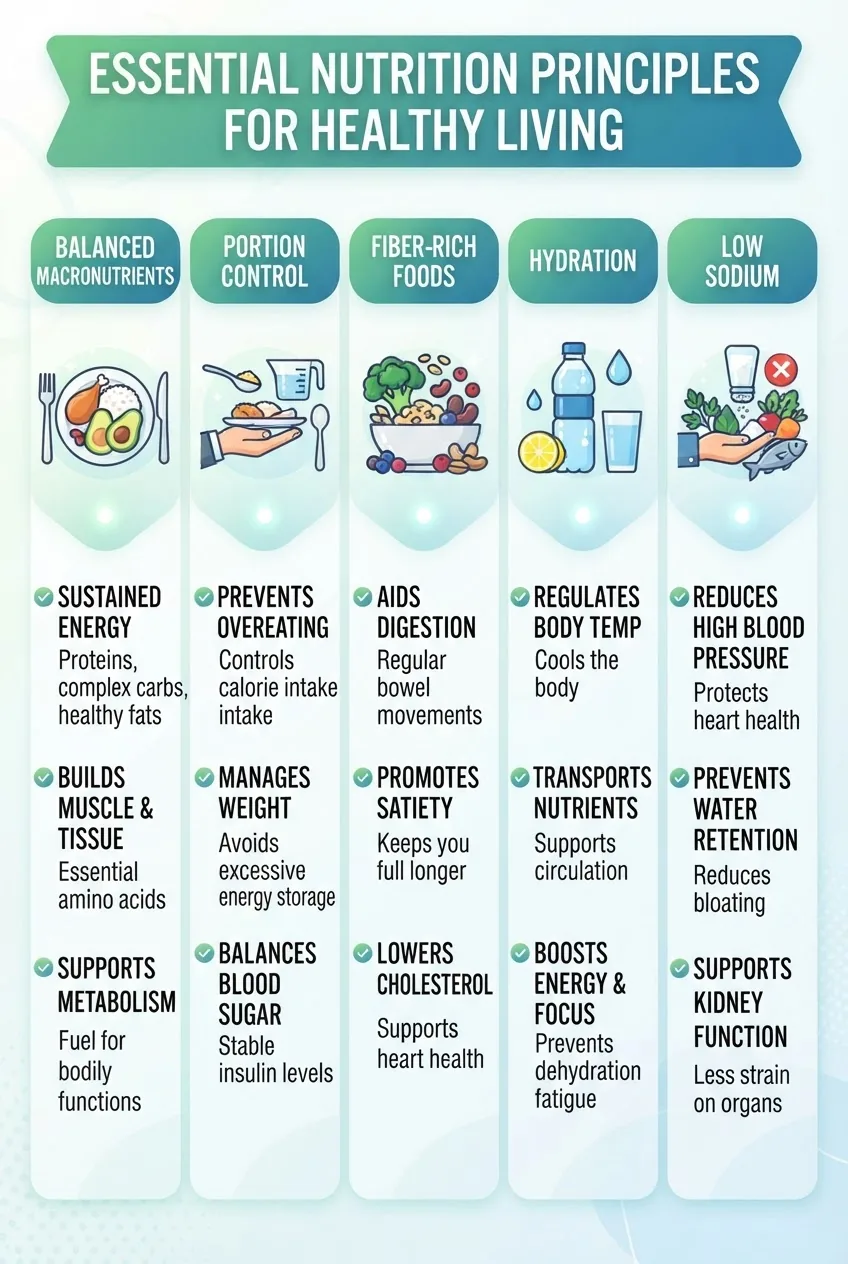
- Balance macronutrients: Aim for roughly 25–35 g protein, 30–50 g carbohydrates (focus on whole grains), and 10–20 g healthy fats per meal for most adults aiming to maintain steady energy through the afternoon. Define macronutrients simply: protein builds and repairs, carbs provide quick fuel, and fats sustain fullness.
- Practice portion control: Use container volumes as guides — a 500–700 ml container with ~1 cup cooked grain + 4–6 oz protein + 1–2 cups vegetables is a balanced single-serve. Consider a digital scale: 4 oz cooked chicken ≈ 110–120 g.
- Prioritize fiber: Include at least 5–8 g fiber per lunch via vegetables, legumes, or whole grains. Fiber delays digestion, stabilizes blood sugar, and supports sustained fullness.
-
Watch sodium and fats: Keep added sodium moderate — the American Heart Association recommends limiting daily sodium; choose low-sodium canned beans and limit high-sodium dressings (<140 mg per serving where possible). For fats, prefer monounsaturated and polyunsaturated sources like olive oil, avocados, nuts, and seeds.
American Heart Association - Hydration: Consume 12–16 fl oz (350–475 ml) of water with lunch when possible; staying hydrated supports focus. Add a small piece of fruit or an electrolyte-rich beverage on hot Texas days.
Reference: According to the 2023 USDA Dietary Guidelines, a balanced plate emphasizes fruits, vegetables, whole grains, lean proteins, and healthy oils (“According to the 2023 USDA Dietary Guidelines…”).
400 calorie healthy meals are a useful framework for lunchtime portioning when weight control is a goal.
Component Target per lunch Examples Protein 25–35 g 3–4 oz grilled chicken, 1 cup Greek yogurt Carbs (whole) 30–50 g 1 cup cooked quinoa, 1 whole-wheat wrap Healthy fats 10–20 g 1 tbsp olive oil, 1/4 avocado, small handful nuts Transition: With these principles, you can construct dozens of quick recipes — the next step lists practical, make-ahead recipes you can prepare in a single session.
-
Batch cook and assemble a one-week set of lunches.
Quick and Easy Healthy Lunch Recipes to Prepare at Home
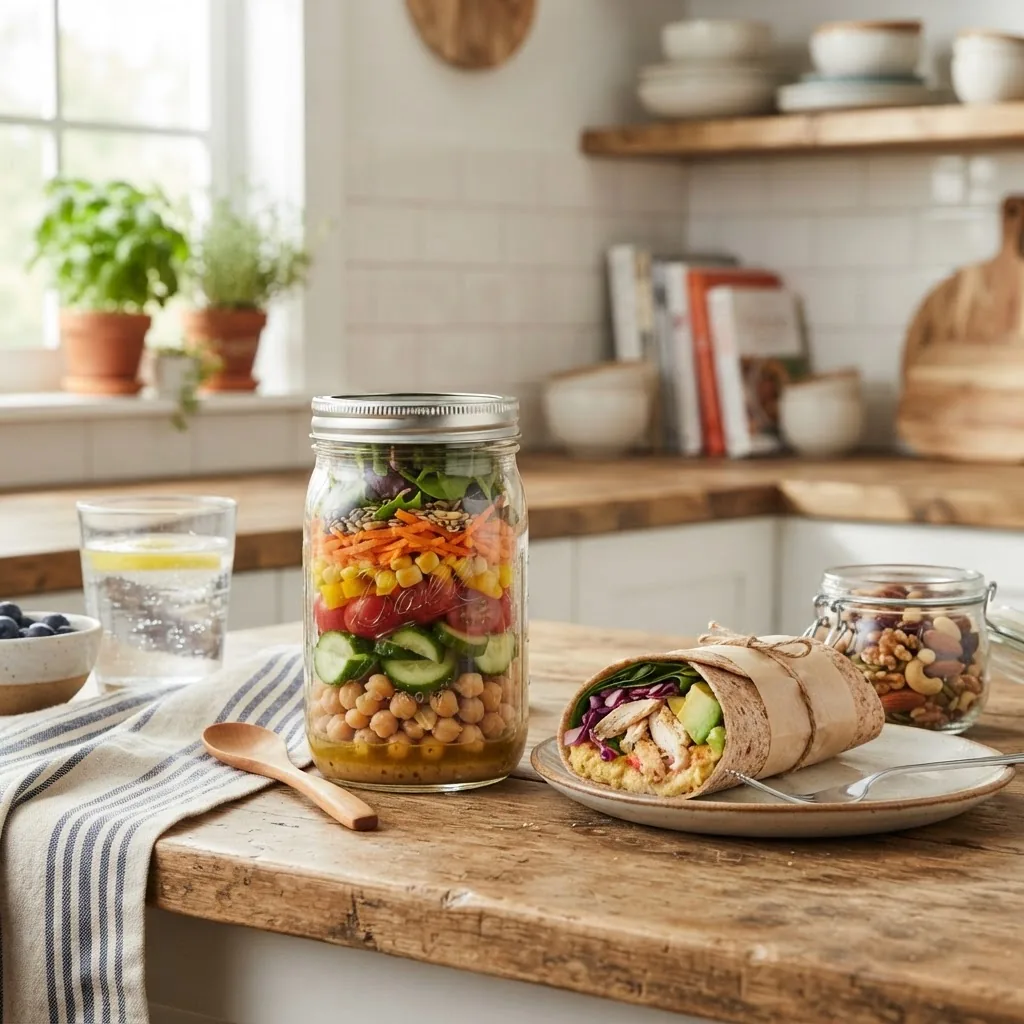
Approach: pick 3–4 recipes you like, batch-cook core components (grain, protein, roasted veg), and assemble containers for 4–5 workdays. Total active cook time for a week: ~90 minutes; hands-off roasting/pressure-cooking time: 30–40 minutes.
-
1. Mason Jar Layered Chicken & Veg Salad — prep time 20 min, makes 3 jars
Key concept: keep dressing at the bottom, hearty vegetables next, leaves on top.
- Ingredients: 12 oz shredded rotisserie chicken, 1 cup cooked farro, 1 cup cherry tomatoes halved, 1 cup roasted sweet corn (Texas sweet corn if available), 3 cups mixed greens, 3 tbsp vinaigrette (olive oil + mustard).
- Steps: layer dressing, farro, chicken, tomatoes, corn, greens; refrigerate upright up to 4 days.
-
2. Southwest Turkey & Black Bean Bowl — prep time 30 min, makes 4 bowls
- Ingredients: 1 lb lean ground turkey, 1 can black beans (rinsed, low-sodium), 2 cups cooked brown rice, 1 cup diced bell peppers, 1/2 cup salsa, 1 avocado (sliced on day-of).
- Steps: brown turkey with taco seasoning (homemade: 1 tsp chili powder, 1/2 tsp cumin, pinch salt), stir in beans and salsa, portion with rice and peppers. Reheat 90–120 seconds in microwave or enjoy cold.
-
3. Mediterranean Tuna Wrap — prep time 10 min assembly, makes 4 wraps
- Ingredients: 12 oz canned tuna in water (drained), 4 whole-grain wraps, 1/2 cup chopped cucumber, 1/4 cup crumbled feta, 2 tbsp Greek yogurt, lemon zest.
- Steps: mix tuna + yogurt + lemon + salt, spread on wrap, add cucumber and feta, roll. Store wrapped in parchment and foil.
-
4. Lentil & Roasted Veg Power Bowl — prep time 35 min, makes 4
- Ingredients: 2 cups cooked brown lentils, 4 cups roasted seasonal veggies (sweet potato, zucchini, red onion), 2 tbsp tahini sauce.
- Steps: roast 425°F (220°C) for 25–30 minutes, combine with lentils, drizzle tahini. Keeps 4 days refrigerated.
-
5. Quick Egg & Avocado Salad — prep time 15 min, single-serve or batch
- Ingredients: 2 hard-boiled eggs, 1/2 avocado, 1 tbsp Greek yogurt, chives, black pepper.
- Steps: mash eggs with avocado and yogurt for a creamy salad; serve on whole-grain toast or in a wrap. Keeps 2 days best.
-
6. Asian Chicken Noodle Jar — prep time 25 min, makes 3 jars
- Ingredients: 8 oz soba noodles, 2 cups shredded rotisserie chicken, 1 cup steamed broccoli, 1/2 cup shredded carrots, 3 tbsp low-sodium soy dressing (soy sauce, rice vinegar, 1 tsp sesame oil).
- Steps: layer dressing, noodles, chicken, veg. Toss before eating for best flavor.
-
7. Vegetarian Chickpea Salad Sandwich — prep time 10 min, makes 4 sandwiches
Vegetarian option that pairs well with batch-prep: mash 1 can chickpeas with 2 tbsp Greek yogurt, 1 tbsp Dijon, celery, and lemon. Serve on whole-grain bread with spinach.
-
8. Overnight Oats (Savory Option) — prep time 5 min per jar, makes 3
Use 1/2 cup rolled oats + 3/4 cup low-sodium broth or milk alternative, top with a soft-boiled egg and spinach in the morning for a savory, filling lunch.
-
9. Make-ahead Snack Pairings — prep time 10–15 min
- Mixed nuts (handful, ~1 oz), sliced apple with 1 tbsp almond butter, carrot sticks with 2 tbsp hummus, or a small container of Greek yogurt with berries.
Prep tips and time-saving techniques (explicit):
- Oven roast vegetables at 425°F (220°C) for 25–30 minutes on a lined sheet; batch-roast 2–3 trays simultaneously.
- Cook grains in an electric rice cooker (set to “brown rice” — typically 45 minutes) while you prep proteins.
- Use a slow cooker or Instant Pot for shredded proteins: 3–4 lb chicken breast on high for 60–90 minutes yields 12+ servings.
Transition: Next, convert many of these recipes into truly portable office-friendly lunches with packing and storage tweaks.
-
-
Pack with containers and cooling strategies for a safe office lunch.
Portable Lunch Ideas Perfect for Office Settings
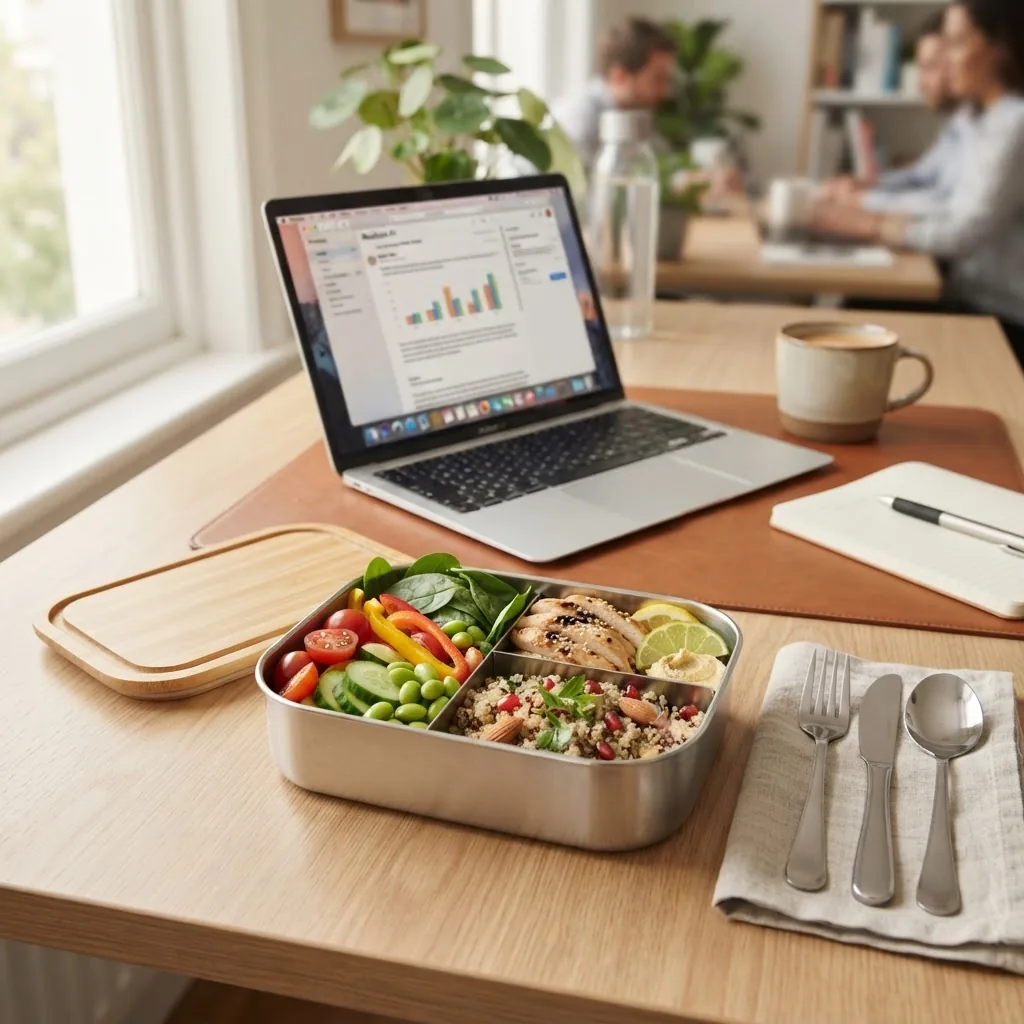
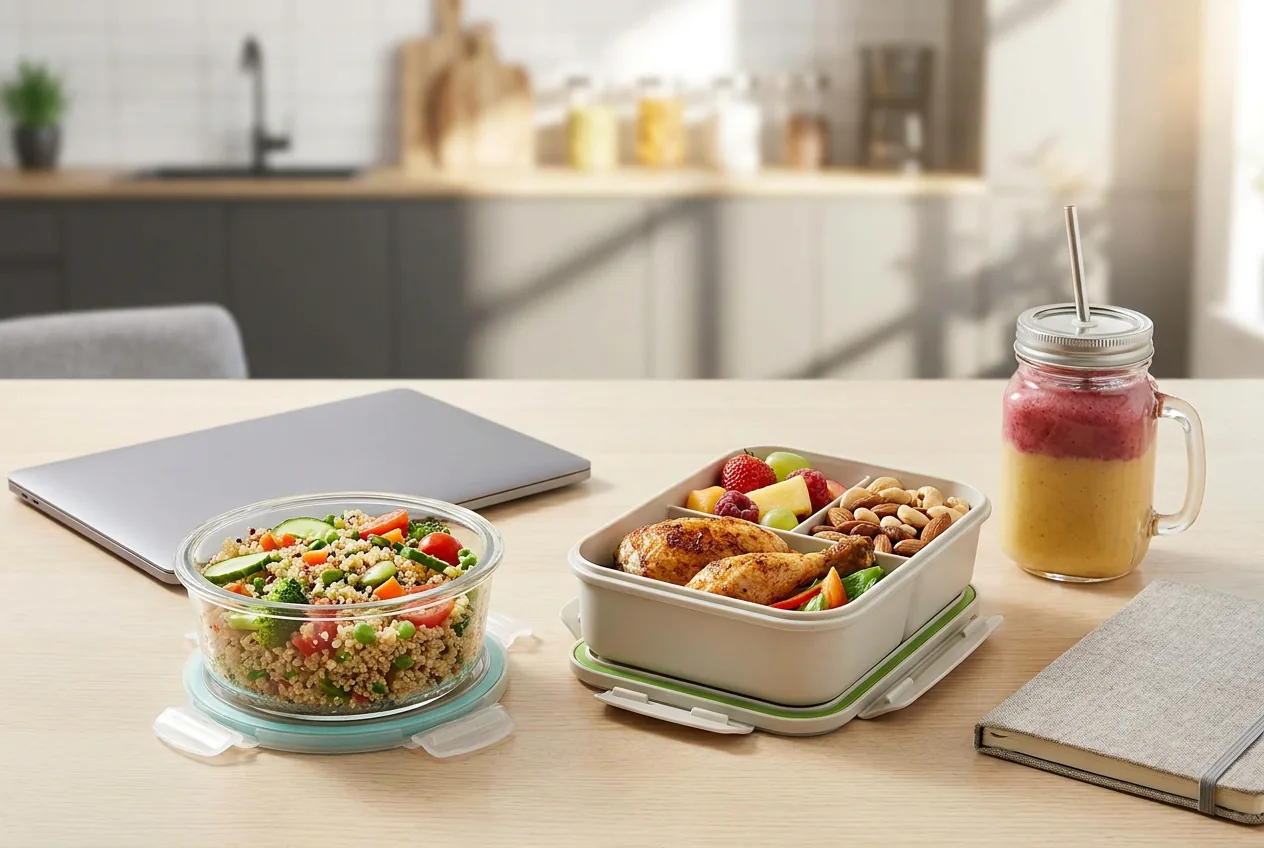
Portable lunches rely on container-friendly assembly and predictable storage. Below are container-specific ideas plus packing tips for different office setups.
-
1. Bento Box Balanced Plate
Use a compartmentalized bento: 1 compartment 1/3 cup cooked grain, 1 compartment lean protein (3–4 oz), 1–2 compartments vegetables and fruit. Pack a small sauce container for dressings to avoid soggy salads.
-
2. Mason Jar Salads
Layer dressing on the bottom, hearty veggies and proteins mid, greens on top. Tip: flip jar into a bowl or shake thoroughly before eating.
-
3. Wraps and Rolls
Wraps should be tightly rolled and wrapped in parchment, kept flat to prevent filling spillage. If using avocado, slice on day-of or include lemon to slow browning.
-
4. Soup/Chili in Insulated Containers
Hot foods can be kept warm in a thermos for 4–6 hours if preheated with boiling water for 5 minutes before adding food. Avoid reheating in communal microwaves repeatedly — transfer to a microwave-safe bowl when reheating.
-
5. Cold Protein Packs
Cold protein (tuna, deli turkey, tofu) must be kept below 40°F (4°C). Use an insulated bag with two ice packs; consume within 4–6 hours if no fridge is available. If your office provides a fridge, store containers on the middle shelf and avoid door placement.
-
6. Snack Pairings
Always pair a main with a 150–200 kcal snack if you expect >6 hours between meals: small handful nuts (~1 oz), Greek yogurt (5–8 g protein), or 1 medium apple + 1 tbsp nut butter.
Packaging and storage advice: use BPA-free containers, label with dates, and rotate meals so older items are eaten earlier in the week. For meal rotations focused on ease and portability, see more nutritious and easy lunch ideas.
Transition: If you worry that healthy lunches will be bland, the next section shows how to keep flavors bold without sacrificing nutrition.
-
-
Boost flavor with healthy swaps and smart dressings.
Balancing Taste and Nutrition: Flavorful Healthy Lunch Options
Flavor keeps you committed. Use herbs, acids, and texture contrast to make healthy lunches craveable. A little planning transforms a plain bowl into a satisfying, nutritious meal.
Flavor strategies with swaps and short recipes:
- Use acids: 1 tsp lemon or 1 tbsp vinegar brightens a dish — e.g., squeeze lemon on a tuna wrap instead of mayo-heavy sauces.
- Herb and spice blends: add 1 tsp za’atar or smoked paprika to roasted veggies; fresh cilantro or parsley post-cook adds freshness.
- Low-calorie dressing trick: whisk 1 tbsp olive oil + 1 tbsp Greek yogurt + 1 tsp mustard + 1 tsp honey for a creamy 60–80 kcal dressing per 2 tbsp.
- Crunch and contrast: add 2 tbsp toasted seeds or 1/4 cup raw carrots for texture that increases satisfaction.
Sample swaps:
- Instead of creamy store-bought coleslaw (~200+ kcal), toss shredded cabbage with apple cider vinegar and 1 tsp olive oil.
- Replace sugary barbecue sauce with a quick mix: 2 tbsp tomato paste + 1 tsp Worcestershire + smoked paprika + water to thin.
For readers planning meals across the day, pairing lunch ideas with balanced dinners helps overall intake. Explore complementary 500 calorie nutritious meal options and healthy 600 calorie dinners to complete daily targets.
Transition: Now apply all of the above into a weekly plan and prep routine that fits an office schedule.
-
Create a weekly planning loop and streamline groceries.
Tips for Healthy Lunch Meal Planning and Prep for Workweek Success
Build a repeatable Sunday routine that takes 60–90 minutes: batch-cook, portion, and store. Below is a hands-on checklist with time stamps and exact amounts.
- Start a 20-minute pantry and fridge check: list proteins (chicken, canned tuna), grains (2 cups dry quinoa), vegetables (3–4 cups chopped), and snacks. Make a grocery list organized by store section.
- Grocery shop in 30–45 minutes: grab seasonal Texas produce (2 ears sweet corn or 2 bell peppers), lean protein (1.5–2 lb chicken breast), and bulk grains (1 lb bag brown rice).
- Batch cook in 60–90 minutes: roast 2–3 trays of vegetables at 425°F for 25–30 minutes; cook 3 cups dry rice/quinoa according to packet instructions (~40–45 min); shred or pan-sear 1.5–2 lb protein (10–12 minutes for sliced chicken breasts at 375°F in oven or 8–10 minutes per side on stovetop).
- Assemble containers: use 500–900 ml containers; portion grains (1 cup cooked), protein (4 oz), veg (1–2 cups), and add dressing/snack packs separately.
- Label and rotate: mark each container with date; use FIFO (first in, first out). Freeze 1–2 meals that are freezer-friendly (soups/chilies) in airtight containers — thaw in fridge overnight before work.
Tools that save time: an Instant Pot (30–40 min for shredded chicken), a mandoline for even veggie slices, and airtight modular containers for stackable storage. For budget-conscious ingredient choices, check this guide to affordable healthy foods and swap in suggested items like canned beans and seasonal produce.
To keep mornings easy, consider prepping breakfasts simultaneously; these easy healthy breakfast ideas can be prepared alongside your lunches.
Transition: Even with good planning, some common packing mistakes reduce the benefit — the final step lists what to avoid.
-
Spot and fix common packing and planning errors.
Common Mistakes to Avoid When Packing Healthy Lunches for Work
- Over-portioning: Packing oversized grains or fats can tip the calorie balance. I learned to measure 1 cup cooked grains as the right baseline.
- Hidden sugars and sodium: Watch store sauces and dressings; swap for homemade vinaigrettes to control sugar and salt.
- Lack of variety: Eating the same meal daily lowers adherence; rotate proteins and veggies every 2–3 days.
- Food safety lapses: Leaving perishable foods >2 hours at room temp invites bacterial growth — use ice packs or office fridge promptly.
- Poor reheating practice: Microwaving sealed plastic can release compounds; transfer to a microwave-safe bowl before reheating and stir mid-heat for even warming.
Common mistakes and how to avoid them
I once packed a week’s worth of salads without separate dressing cups; by Wednesday everything was wilted and soggy. Now I portion dressings into 2-tbsp containers and keep leaves dry on top. I also used to skip labeling; one week I ate three-day-old chicken — now I write dates with a dry-erase marker on lids.
Another failure was underestimating salt for flavor; to fix bland lunches I add acid (lemon/vinegar) and fresh herbs, not extra salt. Lastly, I learned to cook slightly less grain than recipe calls for (reduce water by 10%) to avoid mushy leftovers.
Quick checklist before you leave for work
- Lunch container sealed, dated, and chilled (ice pack if needed).
- Separate dressing/snacks packed.
- Utensils and napkin in lunch bag.
- Labels: reheating instructions and “eat-by” date if not consumed within 3 days.
When to call in a professional
If you have complex dietary restrictions (multiple food allergies, medically supervised sodium limits, or tailored macronutrient needs for a clinical condition), consult a registered dietitian or your primary care provider. The Academy of Nutrition and Dietetics provides resources to find credentialed professionals.
Final takeaway
Easy healthy lunch ideas for work are achievable with a 60–90 minute weekly routine, basic containers, and a simple set of nutrition rules: balance macronutrients, include fiber, manage portions, and flavor smartly. Start with two recipes, scale to a weekly rotation, and refine based on how you feel afternoons at the office. Ready to build your week? Try one of the recipes above this Sunday and pack day one confidently.
Call to action: Start your one-week meal plan today—pick three recipes from the list and schedule a 90-minute prep session this weekend.