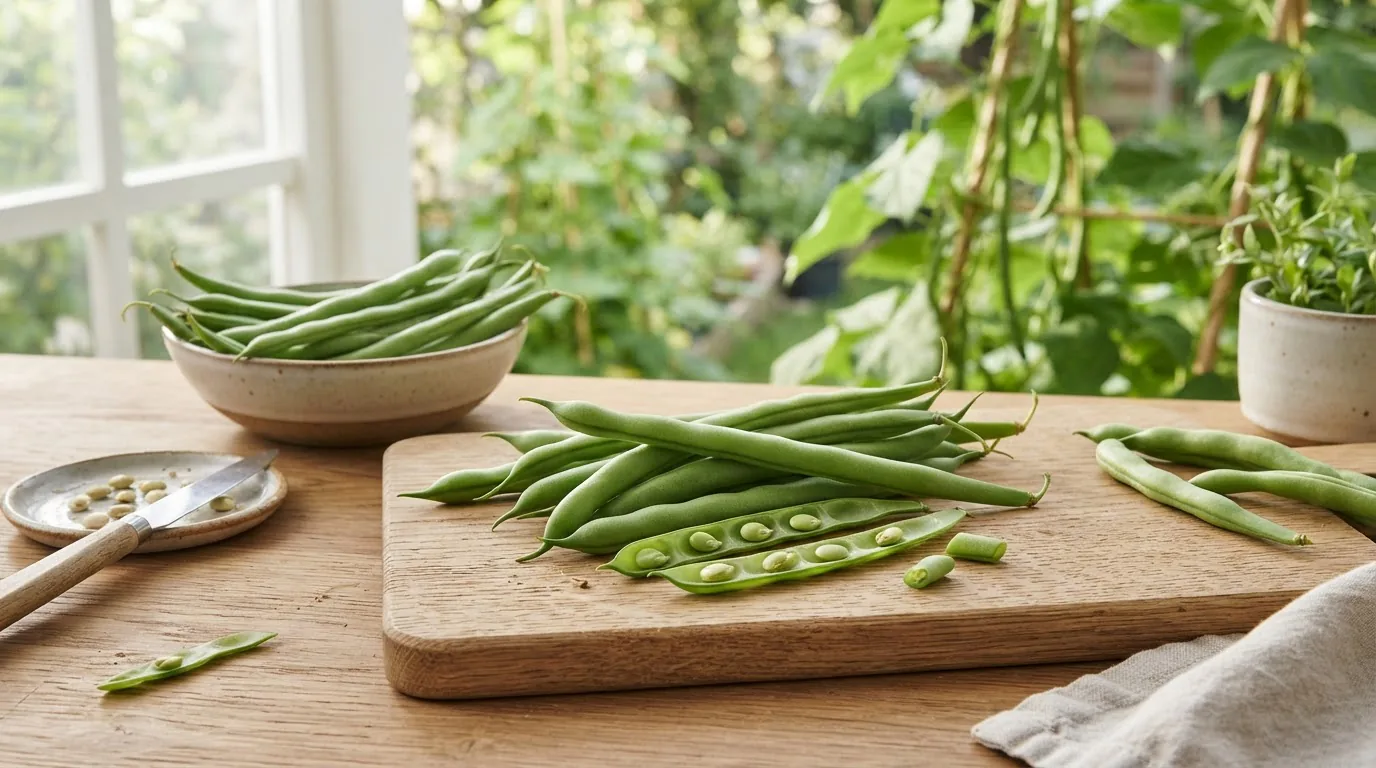
Green beans often spark the simple question: are green beans fruit? For cooks and gardeners alike, the answer sits at the crossroads of botany and kitchen practice — this guide explains the botanical reasoning, culinary classification, and practical gardening tips you can use.
Introduction: Are Green Beans Fruit?
Many home cooks and gardeners routinely call green beans a vegetable, but botanical classification tells a different story. This introduction outlines the distinction between culinary practice and plant biology, previews why green bean pods meet botanical criteria for fruit, and explains why that matters if you grow or prepare them. Throughout, we’ll compare green beans to other produce like cucumbers, and help you think like both a botanist and a cook.
First, a short roadmap: we’ll define botanical fruit and vegetable terms, show exactly how green bean anatomy and reproduction fit the botanical fruit definition, explain culinary classification and uses, compare green beans to cucumbers in both scientific and kitchen contexts, and finish with hands-on gardening steps for growing and harvesting different types of green beans.
Why this matters: understanding the botanical side clarifies seed dispersal and plant reproduction, while the culinary side shows how chefs and home cooks treat green beans in the pantry and on the plate.
Transition: With that overview, let’s define what botanists mean by “fruit,” so we can apply it precisely to green beans.
Botanical Definitions: What Makes a Fruit?
To answer “are green beans fruit,” we must first define the botanical concept of a fruit. In botany, the term “fruit” has a specific meaning tied to plant reproductive organs and seed development. Here are the core criteria:
- Origin from a flower’s ovary: A botanical fruit develops from the ovary of a flower after fertilization; it encloses one or more seeds.
- Function as a seed container and dispersal unit: Fruits typically aid seed protection and dispersal (wind, animals, gravity, or water).
- Includes true fruits and modified structures: Some structures that look vegetable-like are botanical fruits (e.g., pods, berries, drupes).
Key botanical terms explained:
- Ovary — the flower structure that contains ovules; after fertilization it matures into fruit.
- Ovule — the structure within the ovary that becomes a seed after fertilization.
- Seed dispersal — the suite of mechanisms (animal ingestion, mechanical ejection, wind, water) that spread seeds away from the parent plant.
- Pod (legume) — a simple dry fruit that develops from a single ovary and usually splits open on two sides to release seeds.
Botanical versus culinary “vegetable”:
- Botanical definition is about reproduction (ovary → fruit → seeds).
- Culinary definition is based on taste, texture, and use (savory vs sweet; ingredient roles in meals).
For readers who want a broader taxonomy and types of fruit, see this Types of Fruit Guide: Fresh Fruits and Vegetables Benefits.
Transition: Now that we have a working botanical definition of “fruit,” we can apply it to green beans and the legume family to show exactly why botanically they qualify as fruit.
Why Green Beans Are Botanically Fruits
Applying botanical criteria to green beans reveals that they are fruits in the botanical sense. Green beans are members of the legume family (Fabaceae), and their pods are classic examples of legumes — a type of fruit. Here’s the botanical logic:
Development from the ovary and flower: Each green bean pod forms from a flower ovary after pollination. The pod houses the developing seeds (the beans themselves), which is the central requirement for a botanical fruit.
Pod anatomy and function: A typical green bean pod has three main parts relevant to its fruit status:
- Pericarp (pod wall) — the transformed ovary wall that protects seeds
- Seeds (beans) — matured ovules capable of becoming new plants
- Septum or placentation — how seeds attach inside the pod
Green beans as legumes: Legumes are dry fruits that usually dehisce (split open) on two sutures when mature to release seeds. Many garden green beans are harvested before the pod dries and splits, which is why culinary practice regards them as vegetables — but botanically they remain fruits because they contain seeds and come from an ovary.
Seed dispersal strategy: In wild legumes, the pod often dries and splits, forcefully ejecting seeds — a mechanical means of dispersal. Domesticated green beans are selected for tasty, tender pods harvested early. The pod’s role in seed protection and dispersal is a hallmark of botanical fruit behavior.
Development stages: From flower to pod, green beans pass through these stages:
- Flower formation and pollination — the ovary receives pollen (self- or cross-pollination depending on cultivar).
- Fertilization — ovules inside the ovary develop into seeds.
- Pod enlargement — the ovary wall swells and thickens to form the pericarp.
- Maturation — seeds grow; in many cultivars the pod remains green and edible when immature.
- Drying and dehiscence (in dry bean varieties) — the pod dries and splits to release seeds for dispersal.
Comparison to a typical culinary “vegetable”: A carrot, for example, is an enlarged root — not derived from an ovary and not a fruit. In contrast, the green bean pod is directly connected to seed production. That botanical origin makes green beans fruits despite their vegetable-like culinary use.
Taxonomy note: The legume family (Fabaceae) includes peas, lentils, chickpeas, and many plants where the seed-bearing pod is central to reproduction. Botanically these are all fruits of a specific morphological type (legumes).
Authority and sources: For botanical terminology and legume classification, see university extension and botanical resources such as Cornell Cooperative Extension and UC Davis publications. For nutritional and classification data, USDA FoodData Central is a recommended source. Botanical Society of America provides accessible definitions on plant reproductive structures.
Transition: While we’ve established the botanical status of green beans, cooks still treat them as vegetables — let’s explore that culinary classification and why it matters.
Culinary Classification: Are Green Beans a Vegetable in Cooking?
In kitchens around the world, green beans function as vegetables. Culinary classification depends on flavor profile, texture, and how an ingredient is used in savory or sweet preparations, not on botanical origin. Green beans are almost always prepared and served like vegetables: sautéed, steamed, blanched, roasted, or added to casseroles and salads.
Practical culinary reasons green beans are considered vegetables:
- Savory flavor and firm texture that holds up to cooking methods common to vegetables.
- Used as side dishes, in stews, stir-fries, and salads rather than desserts or sweet preserves.
- Cultural conventions: markets and grocery sections list green beans under vegetables, which reinforces the culinary classification.
Cooking examples from professional and home kitchens:
- Blanched green beans tossed with lemon and toasted almonds — a common vegetable side in contemporary restaurants.
- Green bean casserole — a classic American savory dish traditionally served at holiday meals.
- Stir-fried green beans with garlic and soy — East Asian savory preparations that emphasize texture and umami.
Chefs’ perspective: While chefs know green beans are botanically fruits, their treatment in the kitchen focuses on maximizing texture and balancing flavors, aligning green beans with other vegetables for culinary planning and menu construction.
Ingredient handling and storage: Because green beans are harvested immature for tenderness, storage and preparation techniques mimic those for vegetables — quick blanching preserves color and texture, and refrigeration slows enzymatic degradation.
Transition: To clarify the gray area between botanical and culinary labels, let’s compare green beans to cucumbers — another produce item commonly debated as “fruit or vegetable.”
Comparing Green Beans to Cucumbers: Is Cucumber a Veggie?
Cucumbers and green beans are both botanical fruits, yet their culinary roles differ slightly. Cucumbers are members of the gourd family (Cucurbitaceae) and develop from flowers; they contain seeds within a fleshy pericarp, which makes them botanical fruits. Like green beans, cucumbers are commonly treated as vegetables in cooking.
| Characteristic | Green Beans | Cucumbers |
|---|---|---|
| Botanical classification | Fruit (legume pod from flower ovary) | Fruit (pepo from flower ovary) |
| Plant family | Fabaceae (legumes) | Cucurbitaceae (gourds) |
| Typical culinary use | Savory vegetable side; cooked or raw | Raw salads, pickled, or savory sides |
| Seed presence at harvest | Seeds visible inside pod; often immature | Seeds present in center; often small and edible |
| Dispersal mechanism | Pods may split (dry types) or be eaten whole (garden types) | Fleshy fruit eaten by animals, aiding seed dispersal |
Botanical nuance: Cucumbers are technically classified as pepos — a type of berry with a hard rind (typical for gourds). Both green beans and cucumbers qualify as botanical fruits because both develop from the flower ovary and contain seeds.
Cooking nuance: Cucumbers are most often eaten raw or pickled. Green beans are typically cooked, though they can be eaten raw when very young. Both are grouped with vegetables in culinary contexts due to their savory roles and textures.
Taxonomy and common confusion: People ask “is cucumber a veggie?” because culinary context dominates everyday language. The botanical answer is that cucumbers are fruits. For more detail on how botanical and culinary definitions differ, consult university extension resources and botanical references. USDA FoodData Central and university horticulture guides provide authoritative breakdowns.
Transition: If you’re convinced that green beans are botanical fruits but still want to grow them as vegetables in your plot, read on for types of green beans and practical growing advice.
Types of Green Beans: Growing and Harvesting Tips for Gardeners
Green beans are gardener-friendly, productive, and popular in home plots. Understanding types and harvest timing helps you maximize yield and flavor. Below is a practical how-to guide with numbered steps and tips for starting, maintaining, and harvesting green beans.
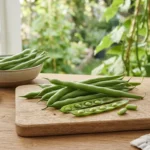
- Choose the type — There are three main types: snap (also called stringless), string (older varieties with a fibrous seam), and wax (yellow pods). Snap beans are the most common for fresh eating. Choose bush or pole varieties depending on space and support preferences.
- Site and soil — Plant in full sun (6–8 hours/day) with well-draining soil. Beans prefer pH 6.0–7.0 and moderate fertility; excessive nitrogen encourages foliage at the expense of pods. spring vegetables growing guide
- Planting time — Sow after last frost when soil has warmed to about 60°F (16°C). Direct-seed bush beans 1–1.5 inches deep with 2–4 inches between seeds; for pole beans, plant in rows with support or tepees and space seeds 3–4 inches apart.
- Support — Pole beans need trellises, stakes, or A-frames; bush beans do not. Support encourages air circulation and makes harvest easier.
- Watering — Keep soil consistently moist, especially during flowering and pod set. Water at the base to avoid wetting foliage and reduce disease risk.
- Mulch and fertility — Mulch to conserve moisture and suppress weeds. Beans fix atmospheric nitrogen with Rhizobium bacteria, so they generally require less nitrogen fertilizer; consider inoculating seed in poor soils.
- Pest and disease management — Watch for aphids, bean beetles, and fungal diseases. Practice crop rotation and remove infected plant material promptly. Encourage beneficial insects for biological control.
- Harvest timing — For best flavor, harvest when pods are firm, crisp, and before seeds bulge. Most snap bean varieties are ready 50–60 days after planting; check seed packet specifics for exact days to maturity.
- Harvest technique — Use scissors or fingers to avoid damaging vines; pick regularly (every 1–3 days) to encourage continued production.
- Post-harvest — Refrigerate fresh beans in breathable bags; blanch-and-freeze for long-term storage. Handle gently to preserve texture.
Quick growing tips from experience:
- Succession plant every 2–3 weeks for a steady harvest.
- Interplant with carrots, radishes, or marigolds to improve garden diversity and deter pests.
- Avoid overfertilizing with nitrogen; lush leaves but few pods is a common mistake.
Varietal notes:
- Snap/Stringless beans: bred for tenderness and lack of fibrous strings — best for fresh use.
- String beans (heritage): may have a seam that was once removed before cooking; many modern varieties are stringless.
- Wax beans: yellow pods provide color contrast and similar growing habits to green snap beans.
Reference and authority: For region-specific advice, consult local extension services such as Cornell Cooperative Extension or UC Davis vegetable resources for variety selection and pest management tailored to your climate. UC Davis Vegetable Research & Information Center.
Transition: Before we move on to other botanical fruits commonly mistaken for vegetables, here’s a brief nutritional overview to place green beans in dietary context and link to deeper nutrition resources.
Nutritional Overview of Green Beans (Brief Context)
Green beans are a low-calorie, fiber-containing fresh vegetable/fruit that provides several vitamins and minerals. Below is a compact stat block followed by a concise explanation and internal links to related nutrition resources.
- Calories (per 100 g): ~31 kcal — see comparisons for calorie content of vegetables.
- Key nutrients: Vitamin C, Vitamin K, some Vitamin A precursors, dietary fiber — see sources of essential vitamins for details.
- Carbohydrates: Low to moderate; for broader carbohydrate context see carbohydrates in fruit.
- Portion benefits: Low calorie and nutrient-dense when prepared with minimal added fats and sodium.
Context and moderation: While green beans are nutrient-rich, variety in produce intake is recommended. For guidance on fruit intake limits, see Can you eat too much fruit.
Health benefits and juices: For context about how fruits and vegetables contribute to overall health and juice considerations, see health benefits of fruits and juices.
Source note: Nutrient values referenced above align with public food composition databases, including USDA FoodData Central (United States Department of Agriculture). According to USDA FoodData Central 2024, green beans are low in calories and a good source of vitamin K and vitamin C.
Transition: Green beans are not the only botanical fruits commonly called vegetables — below are other familiar examples and why they cause confusion.
Other Examples of Botanical Fruits Confused as Vegetables
Several common foods are botanical fruits but are treated as vegetables in cooking. Here’s a concise list with explanations and internal links to related content.
- Tomato — Botanically a berry; culinary use as vegetable in sauces, salads, and stews. Often cited in legal and cultural contexts as a vegetable.
- Pepper (bell & chili) — Fruits derived from the ovary; used as savory vegetables in most cuisines.
- Squash (summer and winter) — Botanical fruits (pepos); includes zucchini (culinary vegetable) and butternut (often roasted or pureed).
- Avocado — A large berry with a single seed; commonly used in savory applications like guacamole. For a fuller profile, see Avocado Fruit Guide.
- Eggplant — A berry that’s commonly prepared as a vegetable in savory dishes.
- Okra — A pod (like beans) that contains seeds and derives from the flower ovary, used as a vegetable in cooking.
- Celery-like comparisons — Some readers ask Is celery a vegetable? for examples of produce often debated in classification contexts.
Common misconception explained: The disconnect stems from culinary classification focusing on flavor and use, while botanical classification focuses on reproductive structures. Historically, markets and food culture group produce by preparation rather than plant biology.
Further reading: For a broader look at how botanists and chefs define fruits and vegetables, see the site’s detailed comparative guides such as the vegetable vs fruit reference. clear guide to vegetable vs fruit differences.
Transition: To help you apply this botanical knowledge in the kitchen and garden, we’ll wrap up with a concise conclusion emphasizing practical takeaways and next steps.
Conclusion: Embracing Botanical Knowledge in Cooking and Gardening
Green beans are botanical fruits—specifically legume pods—because they develop from a flower’s ovary and contain seeds. Nonetheless, culinary tradition treats them as vegetables due to their savory flavor, texture, and typical use. For cooks, the practical takeaway is unchanged: prepare green beans like a vegetable for optimal results. For gardeners, recognizing green beans as fruit clarifies their reproductive biology, harvest timing, and seed-saving practices.
If you grow green beans, choose varieties suited to your garden space, harvest pods while tender, and use the cooking techniques you prefer. If you’re exploring related produce, compare cucumbers and other borderline examples to deepen your understanding of how botanical and culinary worlds intersect.
Ready to learn more? Try growing a small patch of both bush and pole snap beans this season, experiment with blanching and freezing for fresh winter meals, and explore the linked resources for seasonal planting and nutrition guidance.
Frequently Asked Questions
What makes a fruit different from a vegetable in botany?
A botanical fruit develops from a flower’s ovary and contains seeds; its primary role is seed protection and dispersal. Vegetables are culinary groupings based on edible plant parts (roots, stems, leaves) and not a botanical category.
Are green beans classified as fruits or vegetables?
Botanically, green beans are fruits because their pods develop from a flower ovary and contain seeds; culinarly, they are treated as vegetables due to savory use and texture.
How can I tell if green beans are botanically fruits or vegetables?
Check origin: if the edible part develops from the flower’s ovary and holds seeds (as green bean pods do), it’s a botanical fruit; roots, leaves, or stems are vegetables in botanical terms.
How do you grow green beans in a home garden?
Plant after frost in full sun with well-draining soil, choose bush or pole types, space seeds 2–4 inches apart (Pole: 3–4 in.), water consistently, and harvest pods when firm and tender, typically 50–60 days.
Is cucumber considered a fruit or vegetable botanically and in cooking?
Botanically, cucumber is a fruit (a pepo) because it develops from a flower ovary and contains seeds. In cooking, it’s commonly treated as a vegetable and used in salads, pickles, and savory dishes.
How long does it take for green beans to mature and be ready to harvest?
Most snap bean varieties mature in about 50–60 days from planting; exact timing depends on cultivar and growing conditions. Harvest when pods are crisp and before seeds bulge for best texture.
Why are some foods like tomatoes and green beans thought of as vegetables but are actually fruits?
Because culinary classification is based on taste and use—savory versus sweet—many seed-containing, flower-derived botanical fruits are used like vegetables in cooking, causing common misconceptions.
How can I ensure the quality and freshness of green beans at the grocery store?
Choose firm, bright pods without blemishes or sliminess; avoid limp or wrinkled pods. Store refrigerated in breathable bags and use within a week for best flavor and texture.