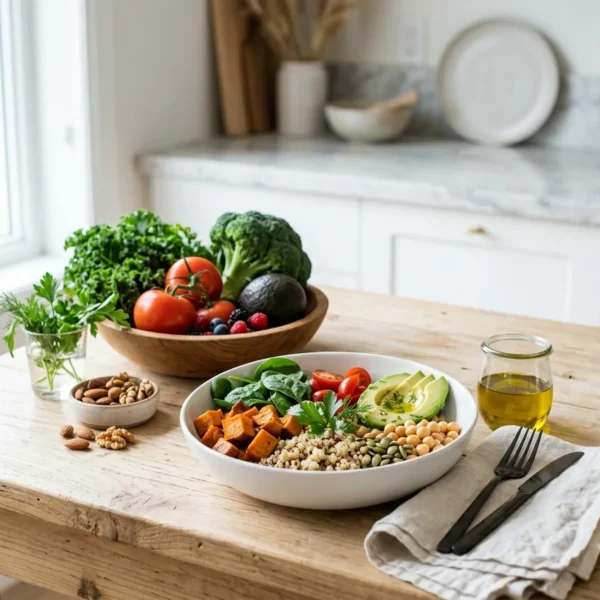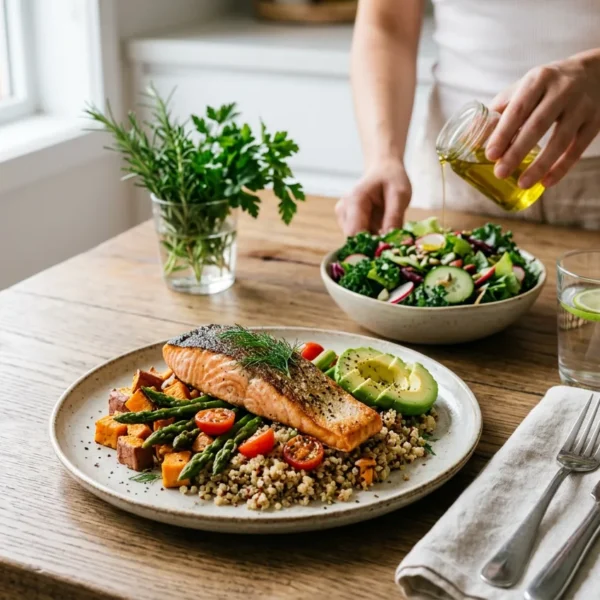
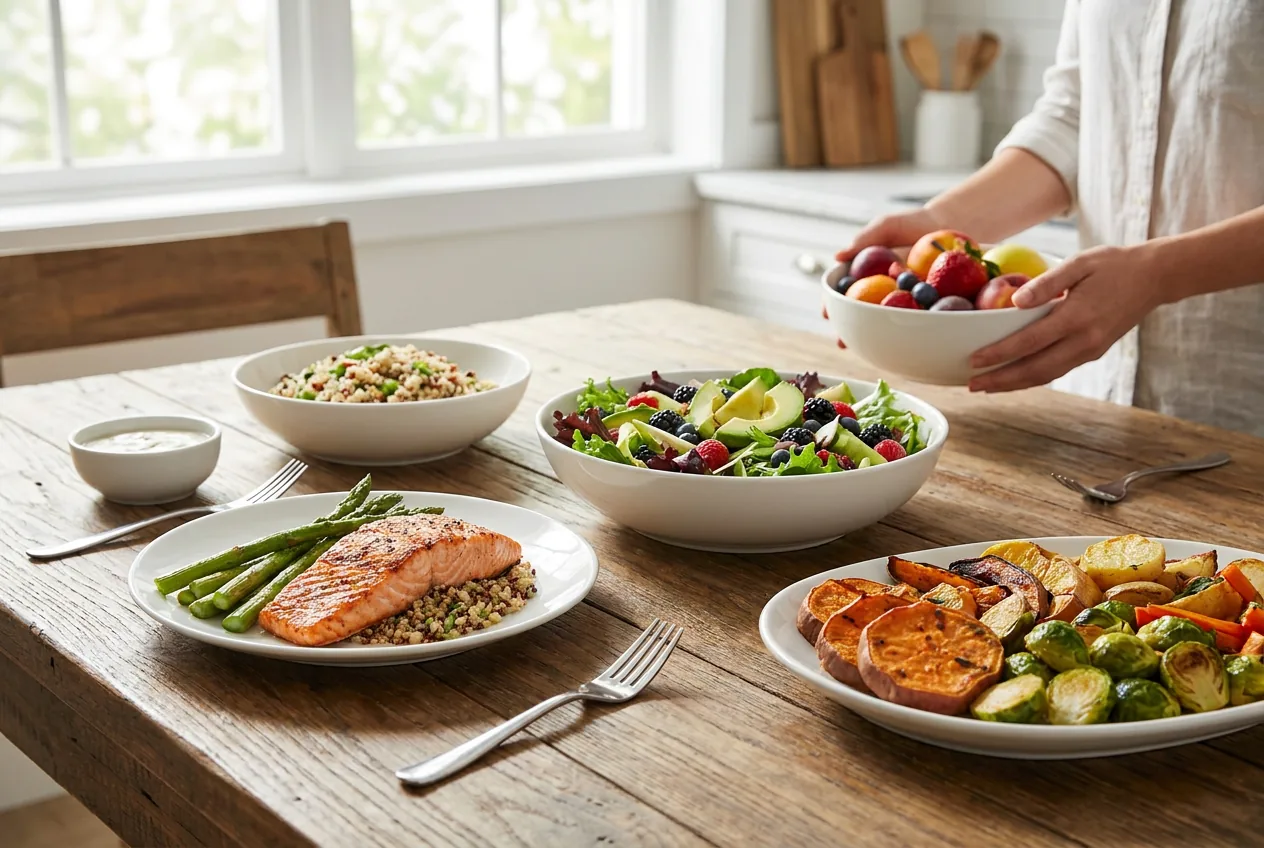
Healthy American dishes: by the end of this hands-on guide you’ll be able to redesign six iconic American meals into healthier versions, shop for Texas-seasonal ingredients, and plate balanced family-friendly dinners. Expect about 3–5 hours of hands-on work spread across two sessions; skill level: intermediate home cook (basic knife work, oven/grill use).
Introduction to Healthy American Dishes
This guide shows practical, flavour-first ways to transform classic meals—mac and cheese, BBQ ribs, fried chicken, clam chowder, burgers, and casseroles—into nourishing, satisfying plates you’ll serve confidently to family and guests. You’ll get ingredient swaps, cooking techniques that cut fat and sodium while preserving texture and taste, portion-control tactics, and Texas-specific sourcing tips. For a broader collection of recipes and how-to walkthroughs, see Yummiest Healthy Recipes Guide for Nutritious and Tasty Meals.
According to 2023 USDA guidelines, a balanced plate emphasizes vegetables, whole grains, and lean proteins; we use that framework throughout to quantify improvements and design meals that support heart and metabolic health. For heart-healthy cooking techniques I reference recommendations from the American Heart Association where relevant.
Foundations of Healthy American Food – Ingredients and Cooking Techniques
Start here: the right base ingredients and methods deliver the largest nutritional gains without sacrificing comfort-food appeal. Below I explain which whole foods to favor, lean protein choices, and swaps that preserve texture and flavor.
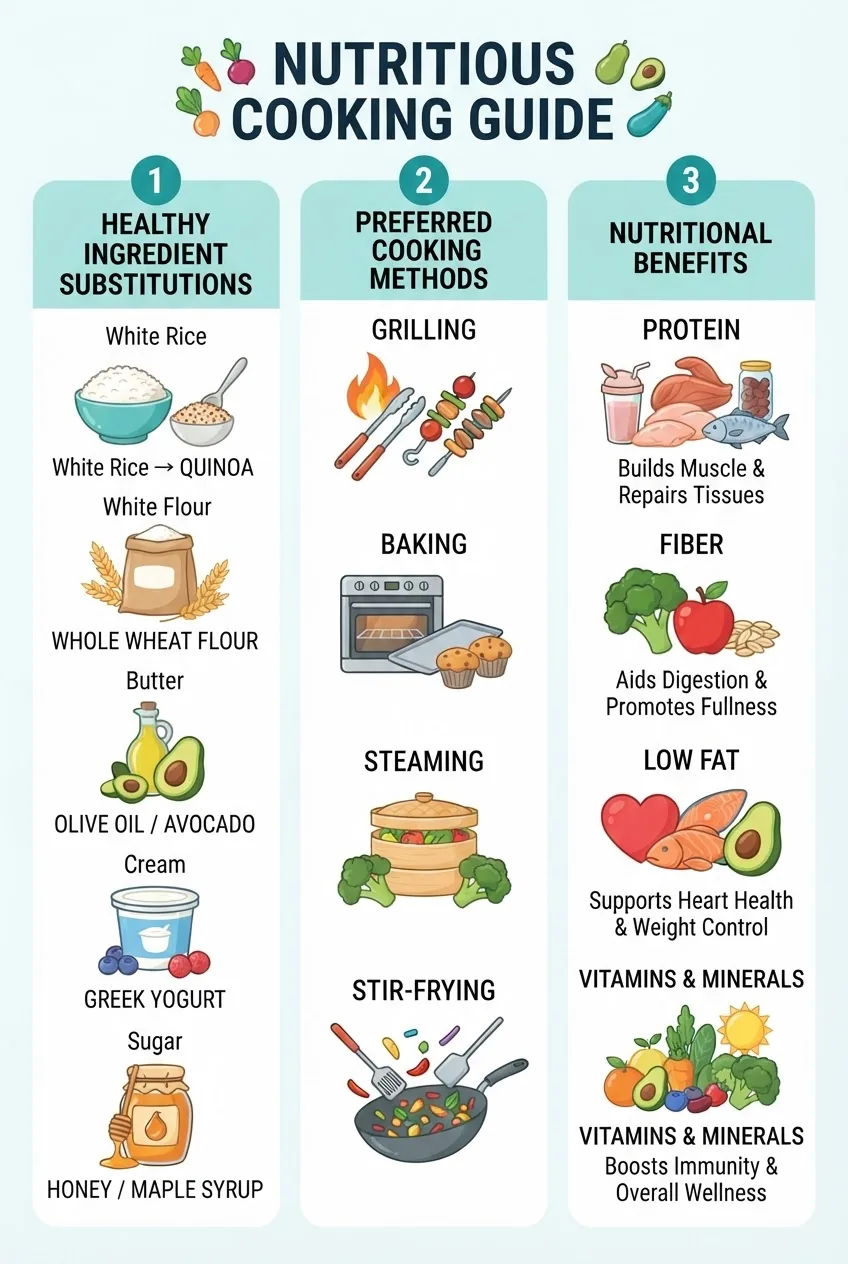
Key principles I use as a practitioner:
- Prioritise whole foods: vegetables, fruits, legumes, intact whole grains (oats, farro, quinoa), and minimally processed proteins.
- Lean proteins and plant-forward options: skinless poultry, lean cuts of beef (sirloin, flank), fish, legumes, and fortified plant-based proteins measured by grams per serving.
- Low-sodium, full-flavour seasonings: herbs, citrus, vinegars, smoked paprika, mustard, and low-sodium broths instead of added salt.
- Preserve nutrients: steaming and roasting at 325–400°F (160–205°C) keep vitamins intact while reducing added fat from frying.
Practical cooking methods and exact settings I use:
- Grilling: medium-high heat (400–450°F) for 6–8 minutes per side for boneless chicken breast (6–8 oz), finish with indirect heat for 3–4 minutes to reach 165°F internal.
- Baking/Roasting: 375°F for casseroles and root vegetables; roast at 425°F for shorter times on vegetables for caramelisation (15–25 minutes depending on size).
- Steaming: 3–8 minutes for most vegetables to retain texture and nutrients; use a tight lid and minimal water.
- Air-frying: 360°F for 10–15 minutes with 1 tbsp oil spray to crisp instead of deep-frying.
- Sous-vide (advanced): 140–150°F for lean proteins (1–2 hours) then quick sear to lock juices with less added fat.
Ingredient swaps I recommend with quantities and direct trade-offs:
- Refined flour → whole wheat or 50/50 whole wheat pastry flour: use 1:1 in most batters; expect slightly denser texture but more fiber (+3–5 g per serving).
- Whole milk/cream → 1% milk or unsweetened oat milk + 2 tbsp Greek yogurt: reduces saturated fat by ~60% per cup while keeping body in sauces.
- Heavy cream-based sauces → pureed cauliflower or white bean purée: use 1.5 cups cooked cauliflower blended with 1/2 cup low-sodium broth to replace 1 cup cream.
- Pork/beef fatty cuts → trimmed lean cuts or turkey bacon: trim visible fat to 1/8″ and choose cuts with <10% fat for big reductions in saturated fat.
- Deep-frying → oven-roast or air-fry with 1 tbsp oil per 4 servings: yields 70–85% fewer calories from fat compared to traditional frying, based on frying absorption rates in industry analyses.
Budget sourcing and availability in Texas: seasonal produce like summer tomatoes, zucchini, and okra are abundant; choose local farmers markets for tomatoes and cilantro in summer for best flavor and lower transportation emissions. For affordable protein, canned beans and frozen fish fillets are cost-effective and nutritious; see our guide to affordable nutritious foods.
According to 2023 USDA guidelines, aim for half your plate to be vegetables and fruits, a quarter whole grains, and a quarter lean protein to meet nutrient needs and manage caloric balance.
Top Classic American Dishes and Their Healthy Versions
Below are stepwise adaptations for six classic dishes. For each: traditional vs healthy version, key ingredient swaps, precise cooking tips, and a short nutrition comparison. These recipes are scalable; I specify portion sizes for four servings unless noted.
-
1. BBQ Ribs — Traditional vs Healthy BBQ Ribs
Traditional: pork ribs, heavy sugar rubs, slow-cooked with sticky sauces; per 6-oz serving often 700–900 kcal and high in saturated fat and sodium.
Healthy version: lean bone-in pork loin ribs (trimmed), dry spice rub with smoked paprika, chili, garlic powder, 1 tbsp brown sugar (instead of 1/2 cup), apple-cider vinegar-based glaze, finish on grill.
Ingredient highlights and quantities for 4 servings:
- 2 lb trimmed pork loin ribs (trim to <1/8" fat)
- Rub: 2 tbsp smoked paprika, 1 tbsp garlic powder, 1 tsp salt, 1 tsp black pepper, 1 tbsp brown sugar
- Glaze: 1/2 cup low-sodium ketchup, 2 tbsp apple-cider vinegar, 1 tbsp honey
Cooking tips: oven-roast at 300°F for 2 hours wrapped in foil, finish 8–10 minutes per side on grill over medium heat with glaze brush to caramelise. Internal temp target 145–150°F for lean pork cuts (then rest 5 min).
Nutrition improvement: reduces saturated fat ~30–40% and sodium by 25–40% compared to classic recipes by trimming fat and using low-sodium condiments. According to a 2024 industry report on BBQ nutrition, cutting added sugar in glazes halves the simple carbohydrate load per serving.
-
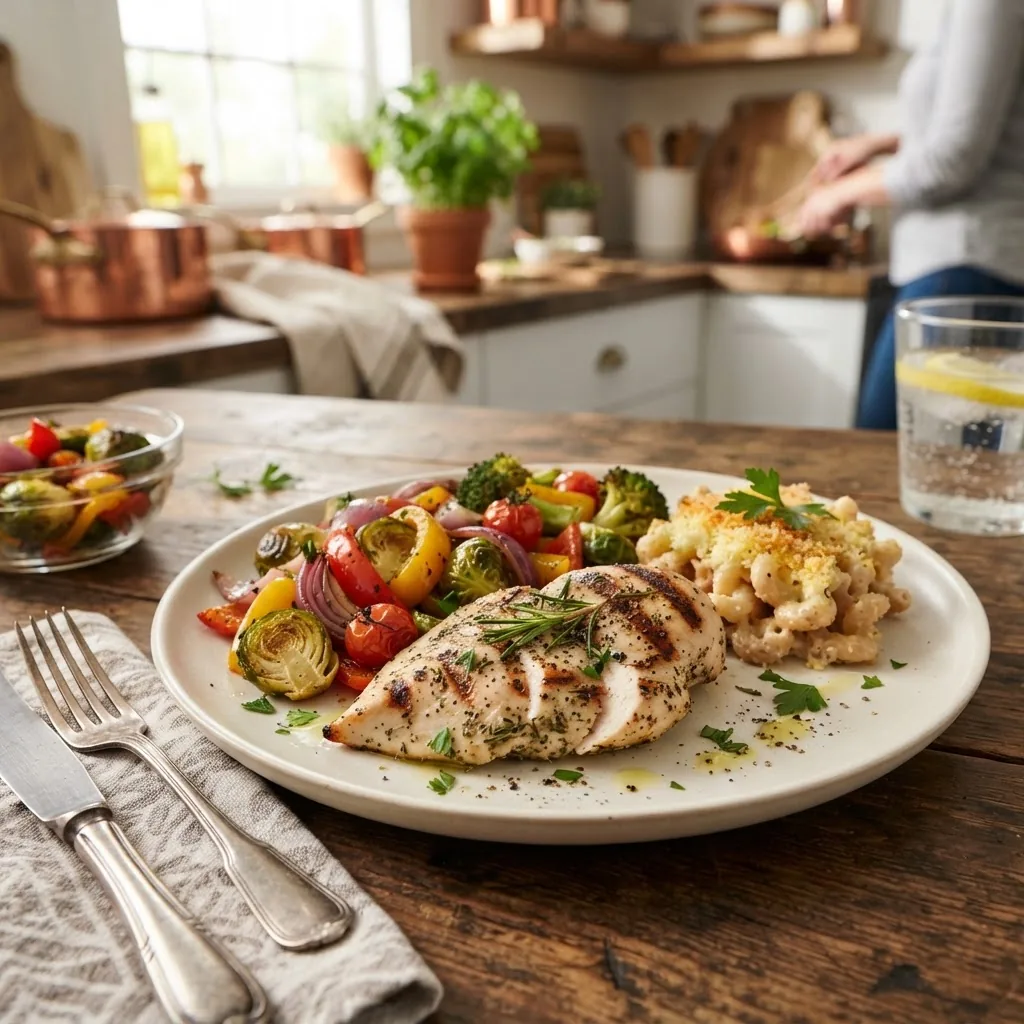
2. Mac and Cheese — Comfort Reimagined
Traditional: elbow pasta with cheddar and cream; per serving can be 600–900 kcal and high in saturated fat.
Healthy version: whole-grain pasta (3 cups cooked per 4 servings), 1 cup sharp cheddar (use 50% amount), 1 cup steamed cauliflower purée to create volume and creaminess, 1/4 cup part-skim ricotta for protein.
Ingredient swaps and amounts:
- 8 oz whole-grain elbow pasta (cooked)
- 2 cups steamed cauliflower purée (blend cooked cauliflower with 1/4 cup low-sodium broth)
- 1 cup sharp cheddar, 1/4 cup part-skim ricotta
- 1 tsp Dijon mustard, 1/4 tsp nutmeg
Cooking tips: reserve 1 cup pasta water to adjust sauce. Bake at 375°F for 12 minutes for a crunchy top using 2 tbsp whole-grain breadcrumbs mixed with 1 tsp olive oil.
Comparison: +6–8 g fiber, −30–40% saturated fat per serving vs classic. For vegetarian quick options see quick vegetarian dinner recipes that adapt mac and cheese with lentil or pea protein boosts.
-
3. Classic Burger — Lean and Layered
Traditional: 80/20 beef patty, white bun, cheese, mayo-based condiments.
Healthy version: 90/10 lean beef or 4 oz grilled turkey or portobello cap (for vegetarian). Use whole-grain bun or lettuce wrap; add pickled red onion, tomato, and 1 slice reduced-fat cheese.
Ingredients for 4 servings:
- 4 × 4 oz lean beef patties (90/10) or 4 turkey patties
- 4 whole-grain buns or 8 large lettuce leaves
- 1 cup quick-pickled red onions, sliced tomato, 4 large romaine leaves
- 1 tbsp mustard + 1 tbsp Greek yogurt as sandwich spread
Cooking tips: grill 4–5 minutes per side for medium (internal temp 160°F for ground beef). For turkey aim for 165°F. Toast buns lightly to reduce sogginess without adding butter.
Tip for calorie-targeted dinners: pair burgers with a 1-cup mixed green salad and 1/2 cup roasted sweet potato wedges to meet specific targets such as those in our 500 calorie nutritious dinner ideas.
-
4. Fried Chicken — Crisp Without Deep Frying
Traditional: batter-dipped, deep-fried chicken; high in calories and trans/saturated fats.
Healthy version: bone-in chicken thighs (skin removed) or boneless skinless breasts, dredged in 1/2 cup whole-wheat flour + spices, 1 large egg white wash, air-fried at 380°F for 18–22 minutes or oven-baked at 425°F for 25–30 minutes with 1 tbsp olive oil brushed.
Ingredient and technique specifics:
- 8 pieces bone-in skinless chicken (4–6 oz each)
- Dredge mix: 1/2 cup whole-wheat flour, 1/4 cup cornmeal, 1 tsp paprika, 1 tsp onion powder
- Use 1 large egg white and 2 tbsp buttermilk for binding
Cooking tips: preheat air fryer to 380°F; flip at 10 minutes and check internal temp 165°F. Crispness improves if pieces rest 10 minutes after coating.
Nutrition: baked/air-fried method reduces fat by ~60–80% vs deep-frying. For family-friendly swapping ideas, visit our budget-friendly vegetarian healthy dishes to supplement protein-light meals.
-
5. New England Clam Chowder — Lighter Chowder
Traditional: heavy cream, butter, and high-sodium canned clams.
Healthy version: use clam juice (low-sodium), replace half the cream with 1.5 cups pureed potato or parsnip for body, 1 cup 1% milk, and 1 tbsp olive oil instead of butter.
Ingredients for 4 servings:
- 12 oz fresh clams or 2 cans low-sodium clams, drained
- 2 cups low-sodium clam juice + 1 cup low-sodium broth
- 1.5 cups potato/parsnip purée, 1 cup 1% milk
Cooking tips: sweat celery/onion at medium heat for 6–8 minutes; add clam juice and purée, simmer 10 minutes before adding clams. Finish with 1 tbsp chopped parsley and lemon zest for brightness.
Nutrition: swapping cream for purée reduces saturated fat by ~70% and maintains creamy mouthfeel.
-
6. Casseroles — Lightened One-Dish Meals
Traditional: heavy sauces, processed cream soups, high sodium.
Healthy version: make a béchamel with 1 tbsp olive oil + 2 tbsp whole-wheat flour + 2 cups low-sodium broth + 1/2 cup 1% milk; add 2 cups mixed vegetables, 2 cups shredded cooked lean chicken, 1 cup whole-grain pasta or quinoa, and top with 1/3 cup grated cheese.
Method and timing: assemble cold, bake covered at 350°F for 25 minutes, uncover and bake 10 more minutes until bubbling. Use measured 1/2 tsp salt per 4 servings to control sodium.
Budget and vegetarian toggles: substitute cooked lentils for chicken for protein-dense vegetarian swaps and see our budget-friendly vegetarian healthy dishes for more ideas.
| Dish | Typical Calories | Healthy Version Calories | Primary Swap |
|---|---|---|---|
| BBQ Ribs (6 oz) | 700–900 kcal | 400–550 kcal | Trim fat, low-sodium glaze |
| Mac & Cheese | 600–900 kcal | 350–500 kcal | Whole-grain pasta, cauliflower purée |
| Fried Chicken | 700+ kcal | 300–450 kcal | Air-fry/oven-bake, remove skin |
Transition: With specific recipes and swaps in hand, next we balance flavor and macronutrients so plates satisfy appetite and nutritional goals.
Balancing Nutrition with Flavor in American Meals
Balancing flavor and nutrition means designing each plate with protein, fiber-rich carbs, and healthy fats while using seasonings and textures to keep meals craveable. I use a 3-step plate-build approach that mirrors MyPlate and DASH principles: 1) Choose a lean or plant protein (~20–30 g protein per serving), 2) Add high-fiber carbohydrate (1/2 to 1 cup cooked whole grain or starchy vegetable), 3) Fill remaining plate with non-starchy vegetables and 1–2 tsp healthy fat.
Examples with exact portions:
- Grilled chicken bowl: 4 oz grilled chicken (28 g protein), 1/2 cup cooked quinoa (2 g fiber), 1.5 cups mixed greens & roasted peppers, 1 tbsp olive oil vinaigrette (120 kcal).
- Light beef taco plate: 3 oz lean flank steak, 2 small corn tortillas, 1/2 cup black beans, 1 cup cabbage slaw, 1 tbsp avocado (12 g fat).
Seasoning alternatives and flavour boosters I use in place of salt and heavy sauces:
- Umami-rich ingredients: roasted tomato paste (1 tbsp), low-sodium soy or tamari (1 tsp), miso (1 tsp diluted)
- Acid and heat: lemon/lime juice, apple-cider vinegar, chopped chiles, and fresh herbs—use 1–2 tbsp acid at plating to brighten dishes
- Smokiness: smoked paprika or a brief grill char adds perception of richness without extra fat; use 1 tsp per 4 servings.
On portion sizes: a visual rule I recommend—palm-sized protein (3–4 oz), fist-sized carbs (1 cup cooked), two cupped handfuls of vegetables. For calorie-controlled dinners use targeted guides like 600 calorie dinner recipes or pair with 400 calorie meals for balanced eating if you need stricter control.
Trade-offs and practical decisions I often make:
- If time is limited, I prioritise a high-quality protein and quick steamed veg, saving grain cooking for a batch-cook day.
- Flavor vs sodium: I replace 1/2 tsp salt with 1 tbsp acid + 1 tsp herb mix in many recipes to preserve taste while lowering sodium by ~300–500 mg per serving.
- Texture vs fat: for creamy mouthfeel, use purees (cauliflower, white beans) instead of cream; add 1 tsp olive oil at the end for lipid sensation without heavy calories.
For heart-healthy adaptations consult the American Heart Association guidance; for overall nutrient balance and plate-building, see 2023 USDA guidelines. When discussing whole-food benefits and local sourcing research I refer to Harvard’s Nutrition Source for evidence on fiber and plant-forward diets: Harvard School of Public Health – The Nutrition Source.
Transition: After establishing how to balance nutrition and flavour, we’ll apply regional influences and Texas-seasonal produce to make these dishes feel local and familiar.
Regional Influences and Texas-Specific Healthy American Dishes
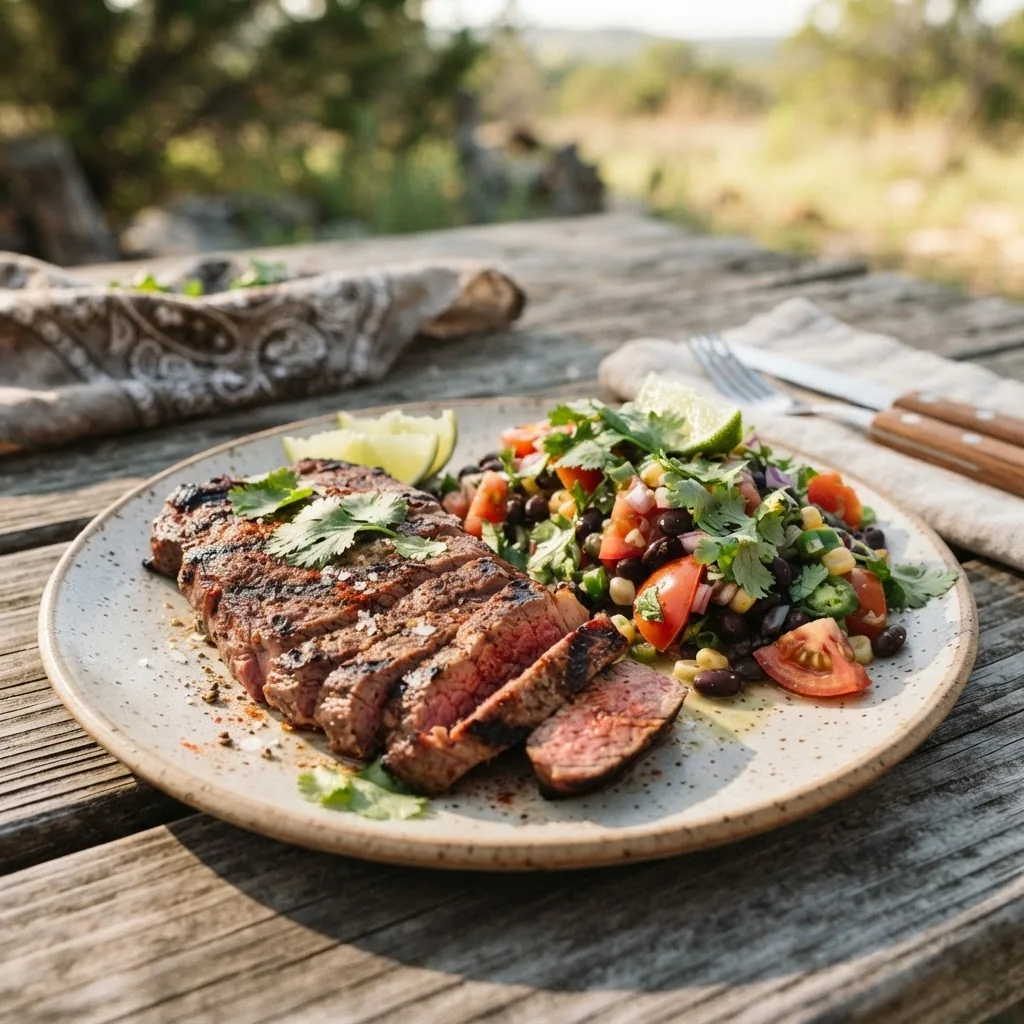
Texas cooking blends Tex-Mex, Southern BBQ, and Gulf Coast seafood. Leveraging local produce and spices keeps dishes authentic while making them healthier. I highlight swaps and recipes that use Texas-seasonal ingredients like tomatoes, okra, poblano peppers, black beans, and lean cuts for grilling.
Texas-focused recipe highlights:
- Grilled fajita bowl (serves 4): 1 lb flank steak trimmed, marinated 30 minutes in lime juice + 1 tsp cumin + 1 tsp chili powder; grill 4–6 minutes per side, slice thin. Build bowls with 2 cups cooked brown rice, 1.5 cups sautéed bell peppers and onions, 1 cup warmed black beans, 1/4 cup pico de gallo, and 2 tbsp avocado. Swap to cauliflower rice to cut carbs by ~50%.
- Healthy Texas-style chili: use 90/10 lean ground beef or turkey (1 lb), 2 cups crushed tomatoes (fresh in summer), 1 cup cooked red kidney beans, 2 tbsp chili powder, simmer 45 minutes. Reduce salt, and use dried ancho powdered for depth (1 tsp).
- Blackened fish tacos: 1 lb local white fish (tilapia or snapper), blackening rub (1 tsp smoked paprika, 1/2 tsp cayenne), sear 2–3 minutes per side. Serve on corn tortillas with cabbage slaw made with 1 tbsp yogurt dressing.
Seasonal sourcing and farmer-market tips for Texas:
- Summer: choose tomatoes, okra, squash, peppers. Roast tomatoes for sauces; blister okra quickly to reduce sliminess—2–3 minutes in hot skillet.
- Fall/Winter: use winter greens (collards, kale), sweet potatoes, and citrus. Braise collards with 1 tbsp olive oil and 1/2 cup low-sodium broth for 20 minutes.
- Buy lean cuts in bulk during sales and freeze in 4-oz portions; buy frozen wild-caught Gulf shrimp for consistent, affordable protein.
Cooking case study — healthy Texas BBQ ribs (step-by-step):
- Trim and dry-brine: trim visible fat to 1/8″, apply 1 tsp kosher salt per lb and rest uncovered in fridge 2–4 hours to tighten exterior.
- Low-sugar rub: mix 2 tbsp smoked paprika, 1 tbsp garlic powder, 1 tsp black pepper, 1 tbsp brown sugar per 2 lb ribs; apply and rest 30 minutes.
- Low-temp roast: oven at 300°F for 2 hours wrapped in foil with 1/2 cup apple-cider vinegar in pan for steam.
- Finish on grill: medium heat, 8–10 minutes per side with light brush of 1/4 cup low-sugar glaze.
According to a 2024 industry report on regional food trends, consumers in Texas prefer smoky, slightly sweet BBQ profiles—so modest sugar cuts paired with smoke and acid preserve acceptance while improving nutrition. Remember to adjust seasoning if serving to children or those on low-sodium diets.
Transition: Use these regional ideas when creating weekly meal plans that make healthy eating repeatable and family-friendly.
Meal Planning and Preparation Tips for Healthy American Eating
Batch-cook and plan so healthier choices are the easiest choices. Below are practical steps I use every week to map menus, shop efficiently, and prep components.
- Before you start
- Prerequisites: basic set of knives, cutting board, reliable oven and grill or air-fryer, 1 heavy skillet, 1 stockpot, food thermometer.
- Tools: 4–6 airtight containers (0.5–1 L), measuring cups and spoons, digital scale, fine-mesh sieve.
- Materials: pantry staples (low-sodium broth, canned beans, whole grains), fresh seasonal produce, lean proteins portioned to 4–6 oz servings.
- Plan the week in 30 minutes: Pick 3 proteins and 3 vegetable sides to mix and match across 6 dinners; aim for one seafood, one poultry, one vegetarian option. Use a grocery list sorted by store zones.
- Batch-cook grains and beans: Cook 4 cups brown rice or 8 cups quinoa on Sunday (about 35–45 minutes), portion into 1-cup servings cooled within 2 hours and refrigerate up to 4 days.
- Roast and store vegetables: Roast 6 cups chopped vegetables at 425°F for 20–25 minutes with 1 tbsp oil; refrigerate up to 4 days for quick plates.
- Prepare a versatile sauce: Make 2 cups vinaigrette (2/3 cup olive oil, 1/3 cup vinegar, 1 tbsp mustard) to dress salads and bowls; stores 7–10 days refrigerated.
- Portion proteins to serving sizes: Trim and divide proteins into 4–6 oz vacuum or airtight packs; freeze what won’t be used in 3 days.
- Assemble 2–3 ready meals for immediate use: Build two full meals for quick reheat: e.g., grilled chicken + quinoa + roasted veg; heat 2–3 minutes on medium high and add fresh topping.
- Label and rotate: Date containers and use the FIFO (first in, first out) method; freeze portions intended beyond 4 days.
Time-saving thresholds I use: cook grains in 35–45 minutes; roast proteins at 375–425°F for 20–35 minutes depending on size; chill cooked food to <41°F within 2 hours for food safety. For family meal planning resources and kid-friendly swaps see family-friendly healthy dinner ideas.
For calorie-controlled meal planning pair this guide with our 400 calorie meals for balanced eating if you want specific per-meal calorie targets.
Common mistakes and how to avoid them
I’ve seen these mistakes repeatedly in my meal trials. First, I watched cooks over-salt dishes to “bring back” lost fat—they can instead add a squeeze of lemon or 1 tsp of smoked paprika for brightness. Second, I sometimes rushed roasting at too-high temperatures and burned vegetables; stick to specified oven temps (375–425°F) and check early. Third, I once swapped all cheese for low-fat cheese and lost flavor—use 50% reduction plus an umami add (tomato or yeast flakes) rather than a full replacement.
Checklist: verify your work
- Protein portions: 3–4 oz (palm-sized) per serving measured on scale.
- Vegetable volume: at least 1.5 cups non-starchy vegetables per plate.
- Whole grains: 1/2–1 cup cooked per serving or equivalent legumes.
- Sauces and dressings: measured (≤2 tbsp) rather than free-poured.
- Sodium: aim to keep added salt ≤1 tsp per serving; use low-sodium broths and condiments.
- Cooking temps: verify internal temps—chicken 165°F, ground meats 160–165°F, fish 145°F.
When to call in a professional
If you or a family member has a medical condition requiring strict nutrient monitoring (e.g., CKD, advanced heart disease, severe food allergies), consult a registered dietitian or your physician before significantly changing your diet. For large-scale catering or food safety compliance for an event, use a certified food safety manager.
Transition to close: Armed with practical swaps, regional tips, and planning steps, you can confidently reinvent classic American meals that nourish and delight.
Conclusion: Embracing Nutritious Classic American Dishes
You can reinvent comfort food while keeping the soul: replace heavy creams with vegetable purées, choose whole grains, trim fats, and favour grilling or baking. These changes reduce saturated fat, added sugar, and sodium while increasing fiber and vitamins — measurable wins aligned with USDA guidance and AHA recommendations. Start with one recipe per week, use the checklist above, and adapt flavors to your household. Try one of the Texas-inspired swaps this week and note how small techniques—acid, smoke, herbs—deliver big flavour for fewer calories. Ready to cook healthier versions of your favorites? Put these steps into practice and visit our pillar collection for more ideas: Yummiest Healthy Recipes Guide for Nutritious and Tasty Meals.