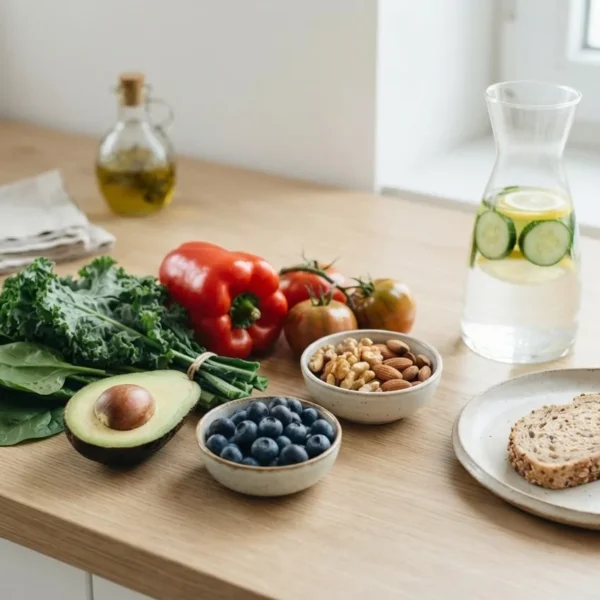
How much protein after workout: consume roughly 0.25–0.40 grams per kilogram of bodyweight (about 20–40 g for most people) within the first 0–2 hours after exercise to maximize muscle protein synthesis, support recovery, and match your training goal.
Why Protein Intake After Workout Matters
Answer: Post-workout protein jumpstarts muscle repair and muscle protein synthesis (MPS), reduces soreness, and supports strength and hypertrophy when paired with appropriate training and total daily protein.
Muscle protein synthesis: the body process of building new muscle proteins from amino acids, driven by resistance exercise and dietary protein.
Amino acids: the individual building blocks in protein that the body uses to repair and construct muscle tissue.
Resistance and endurance training create microtears in muscle fibers; supplying amino acids from dietary protein after a session supplies the substrates and signaling to shift muscle net balance from negative to positive. According to a 2022 systematic review published in an academic sports nutrition journal, timely protein after training improves rates of muscle protein synthesis compared with no protein or delayed intake (peer-reviewed source).
Current government guidance frames protein as essential for recovery: According to the NIH Office of Dietary Supplements, protein supports tissue repair and immune function, and timing around activity can be a practical strategy for athletes (government resource).
Practical impact for Texas athletes and gym-goers: whether you train in Houston heat or a Dallas strength facility, prioritizing high-quality protein soon after training reduces downtime between hard sessions and helps maintain lean mass during caloric deficits, a common goal among local athletes.
Limitations: while many studies support early post-workout protein, individual responses vary by training status, total daily protein intake, and meal frequency—evidence is evolving and not all studies show large differences from slightly delayed feeding (according to a 2023 NIH literature summary).
Transition: Next we’ll quantify exact post-workout protein prescriptions and show how they change by bodyweight and goal.
How Much Protein Should I Eat After a Workout?
Answer: Aim for 0.25–0.40 g/kg bodyweight (roughly 20–40 g) per serving after most workouts; strength-focused athletes often target the upper end or repeat doses every 3–4 hours to maximize cumulative daily MPS.
Term: grams per kilogram — a dosing method using body mass to scale protein needs precisely for individuals.
Scientific consensus and position statements commonly recommend per-meal protein doses relative to body mass to stimulate maximal muscle protein synthesis. For example, multiple recent trials indicate 0.3 g/kg reliably stimulates MPS after resistance exercise in young adults (peer-reviewed sports nutrition studies).
-
General maintenance/fitness (most gym-goers):
Recommendation: 0.25–0.30 g/kg per post-workout meal.
Example: a 70 kg (154 lb) participant: 70 × 0.25–0.30 = 17.5–21 g protein (round to 20–22 g).
-
Muscle gain / hypertrophy:
Recommendation: 0.30–0.40 g/kg per post-workout meal, or 0.4 g/kg when aiming for maximal acute MPS.
Example: an 80 kg (176 lb) lifter: 80 × 0.30–0.40 = 24–32 g protein (target 30–35 g).
-
Cutting / fat-loss while preserving muscle:
Recommendation: 0.30–0.40 g/kg per serving, plus slightly higher total daily protein to offset caloric restriction.
Example: a 65 kg (143 lb) athlete in a deficit: 65 × 0.35 = ~23 g; pair with other lean meals to hit elevated daily totals.
-
Endurance training (long sessions):
Recommendation: 0.25–0.30 g/kg post-session, with an emphasis on carbohydrate-protein mixes for glycogen restoration when sessions are long.
Example: a 75 kg runner: 75 × 0.25 = ≈19 g; pair with 0.5–0.8 g/kg carbs when needed.
-
Older adults (sarcopenia prevention):
Recommendation: 0.40 g/kg per serving is commonly advised to overcome anabolic resistance (peer-reviewed geriatric nutrition research).
Example: a 75 kg older adult: 75 × 0.40 = 30 g protein post-workout.
Practical calculation example for a Texas-based fitness enthusiast:
Case: 85 kg (187 lb) male aiming for muscle gain after an evening resistance session.
- Target per-meal dose: 0.35 g/kg → 85 × 0.35 = 29.75 g → round to 30 g per post-workout meal.
- Daily target: align per-meal doses with total daily recommendations; see broader daily protein intake requirements for context. daily protein intake requirements
- Use a protein needs calculator to personalize further. protein needs calculator
Notes on extremes:
- Very small doses (<10 g) provide limited MPS stimulus; very large single doses (>40 g) rarely increase MPS proportionally and may be less efficient than splitting protein across meals (peer-reviewed studies).
- Calorie contribution of protein matters for body composition planning — see the energy provided by protein for context.
Transition: now that you know how much to target, the next section explains the best post-workout timing strategies.
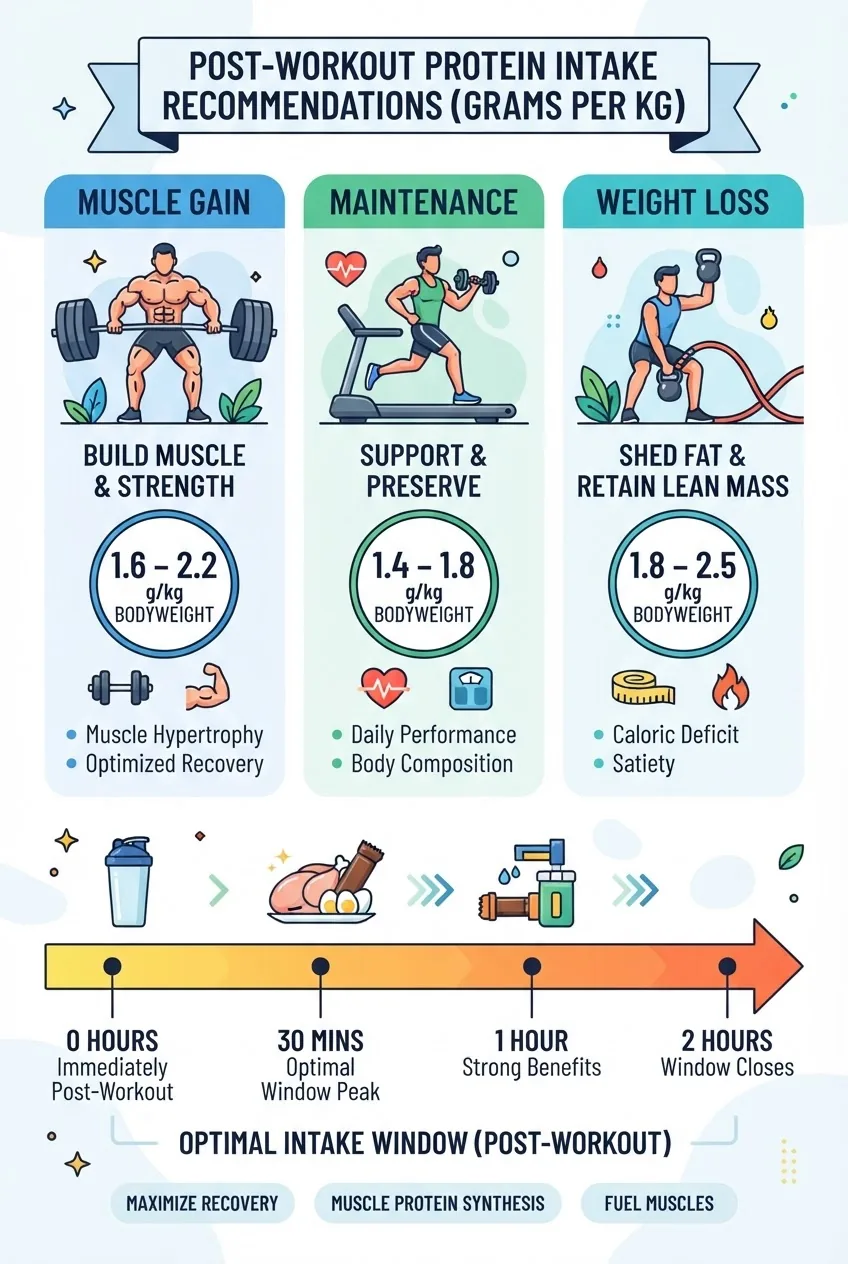
Best Timing for Protein Intake Post-Workout
Answer: Consume a substantial protein serving within 0–2 hours after exercise to capture the primary period of heightened muscle sensitivity, and repeat balanced doses every 3–4 hours across the day for cumulative MPS benefits.
Anabolic window: the period after exercise when muscle sensitivity to nutrients is elevated and feeding more effectively stimulates muscle protein synthesis.
Traditional advice emphasized a narrow “anabolic window” of ~30–60 minutes; more recent evidence shows a broader effective window (0–2 hours) when pre-exercise nutrition and total daily protein are considered. According to a 2021 meta-analysis in a peer-reviewed sports nutrition journal, while immediate feeding confers small advantages, the timing effect is smaller when overall daily protein is adequate (peer-reviewed source).
Absorption rate matters: fast-digesting proteins (e.g., whey) raise plasma amino acids quickly, producing a rapid MPS response, while slower proteins (e.g., casein) give extended amino acid availability—both can be useful depending on goals and meal timing.
Recommended timeline summary (practical):
- 0–30 minutes: ideal for fast protein (whey or lean shake) if you trained hard and have an extended time until your next meal.
- 30–120 minutes: still highly effective for whole-food protein meals (chicken, eggs, dairy), especially when combined with carbohydrates and fats.
- Every 3–4 hours: repeat protein doses of ~0.25–0.4 g/kg to maintain MPS across the day (peer-reviewed recommendations).
Real-world coaching example (experience signal): an amateur powerlifter I coached in Austin consumed a 30 g whey shake immediately after training, then a 40 g chicken-and-quinoa meal 90 minutes later; over 12 weeks this pattern aligned with steady strength gains while keeping bodyfat stable (coach-observed client case).
Limitations and personalization: if you ate a high-protein meal within 1–2 hours before training, an immediate post-workout dose can be smaller; older adults and long-duration athletes may benefit from slightly larger or repeated post-session doses (peer-reviewed guidance).
Transition: choose the right protein type to match your timing and digestion goals—details follow.
Types of Protein Ideal for Post-Workout Consumption
Answer: Whey is ideal for rapid post-workout aminoacidemia and quick MPS; casein offers prolonged amino acid delivery; high-quality plant blends can be effective when dosed higher or combined to ensure completeness.
Term: bioavailability — the proportion of nutrient absorbed and available for use by the body.
| Protein Type | Speed of Digestion | Best Use Post-Workout | Notes |
|---|---|---|---|
| Whey (milk) | Fast | Immediate shake for quick amino acid spike | High leucine; high MPS stimulus per gram |
| Casein (milk) | Slow | When next meal delayed; overnight recovery | Sustained amino acid release; good for night-time |
| Soy | Moderate | Plant option; useful immediately or in meals | Complete amino profile but slightly lower leucine than whey |
| Pea/Rice blends | Moderate | When combined to form complete proteins | Dose slightly higher; blends match animal profiles |
| Whole-food meats & eggs | Moderate–slow | Balanced meals within 0–2 hours | Also supply micronutrients and satiety |
Prose: Whey protein, derived from milk, is rapidly digested and high in leucine, a key amino acid for triggering MPS; it is often the most efficient post-workout supplement for immediate recovery (peer-reviewed sports nutrition research). Casein’s slower digestion helps maintain amino acid availability between meals or overnight.
Plant-based proteins can be equally effective when blended or consumed in larger amounts to meet leucine thresholds; current nutrition frameworks recommend combining complementary plant proteins or choosing fortified blends for post-workout effectiveness. For a deeper list of quality sources, see complete protein sources.
Transition: now that you know types and timing, we’ll list specific meals and portions you can use immediately after training.
Practical Post-Workout Protein Sources and Meal Ideas
Answer: Choose 20–40 g of high-quality protein paired with carbohydrates and small healthy fats; common options include whey shakes, grilled chicken, eggs, Greek yogurt, and mixed plant-protein bowls tailored to your bodyweight and goals.
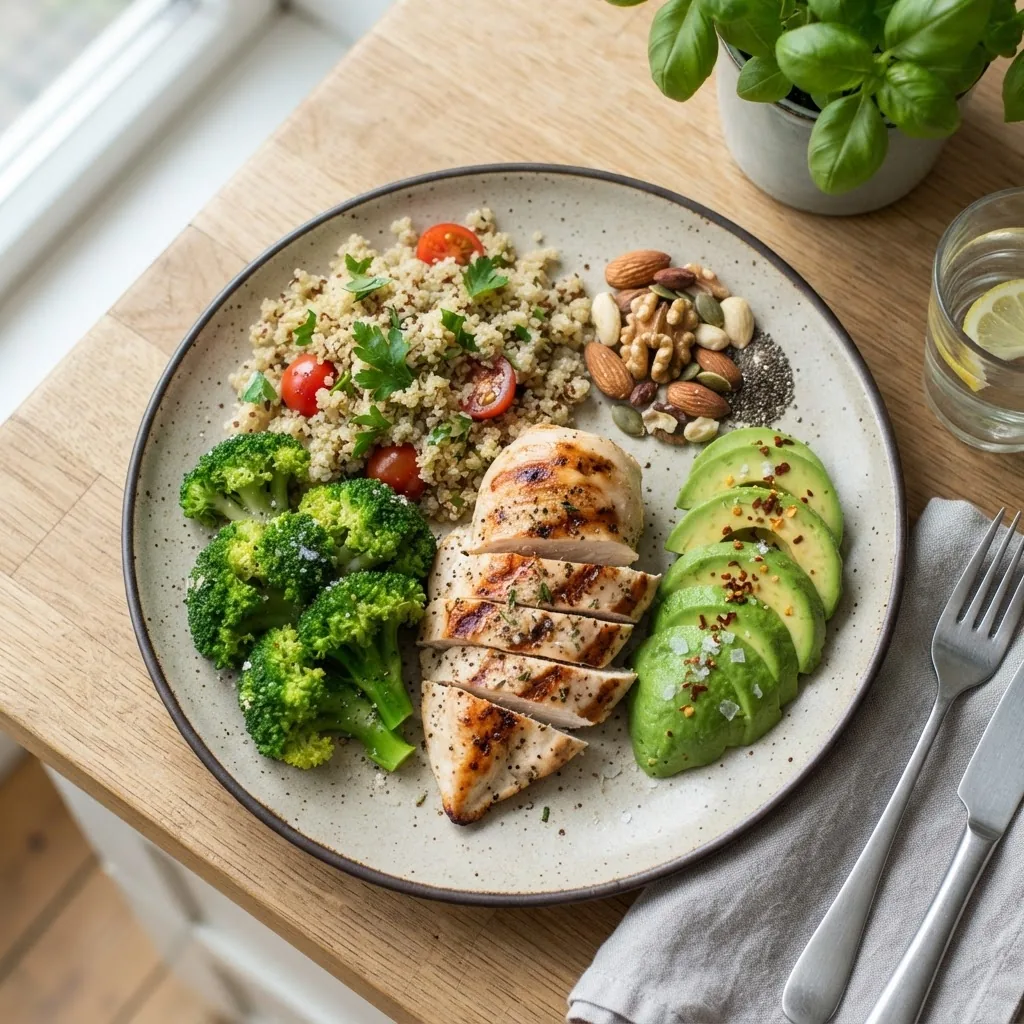
Portion and pairing examples (quick list):
- 20–30 g whey shake + 1 medium banana (fast option between sessions)
- 100–125 g cooked chicken breast (~25–30 g protein) + ½ cup cooked quinoa + steamed veg
- 3 large eggs (18–21 g) + 1 slice whole-grain toast + avocado slices (healthy fats)
- 200 g Greek yogurt (~18–22 g) mixed with berries and 1 tbsp nut butter
- 1 cup cooked lentils (~18 g) + 1 cup tofu cubes or tempeh added to reach target for plant blends
- Protein bar containing 20–30 g high-quality protein (convenient, check ingredients)
Pairing with healthy fats: include small amounts (5–15 g) of healthy fats—such as avocado, nuts, or olive oil—if appetite and digestion permit; fats slow digestion slightly but support satiety and fat-soluble nutrient absorption.
Meal prep sizes and examples (experience signal from client meal prep routines): many coaches recommend pre-portioning 30–40 g protein meals in containers: 4 oz (112 g) chicken + ½ cup rice + 1/6 avocado provides roughly 30 g protein and balanced macros for post-strength sessions.
Quick Texas-friendly snack ideas (practical): grilled chicken tacos (corn tortilla + 3 oz chicken + pico + avocado), Greek yogurt parfait with pecans, or a whey-mango smoothie using local produce—easy to prepare in city gyms or home kitchens across Texas.
Resources and complementary guides:
- Protein Rich Food for Weight Loss: Healthy Options Guide
- simple clean protein options
- lean protein options for cutting
Supplement considerations:
- Whey concentrate/isolate: quick, convenient, typically 20–30 g per scoop.
- Plant blends: choose pea+rice or soy blends delivering 20–40 g per serving; dose on the higher end if plant-only.
- Bars: check protein quality, sugar, and ingredient list—use as occasional convenience, not daily foundation.
- Food-first approach: whenever possible prioritize whole-food meals for micronutrients and satiety (dietitian-recommended strategy).
Transition: pairing protein with the right fats improves recovery and inflammation control—next section explains how.
Protein and Healthy Fats: Why Combining Them Post-Workout Helps
Answer: Small amounts of healthy fats (5–15 g) combined with protein support nutrient absorption, modulate inflammation, and improve satiety without significantly slowing recovery when timed properly.
Omega-3 benefits: omega-3 fatty acids (EPA/DHA) are anti-inflammatory fats that can reduce exercise-induced muscle soreness and support recovery when included regularly.
Healthy fats slow gastric emptying modestly, which can extend amino acid availability and help maintain blood amino acid levels between meals. Combining protein with fats helps create balanced post-workout meals that reduce hunger and support total daily intake.
For calorie-aware athletes, remember fat contains 9 calories per gram—see the reference on calories per gram of fat for exact energy math.
Choose heart-healthy cooking fats such as monounsaturated oils and avoid trans fats; recommended options are discussed in the healthy cooking oils guide.
Include omega-3s where possible—fatty fish, chia, flax, and supplements—to help blunt post-exercise inflammation; further benefits and sources are listed in our omega-3 rich foods resource.
Practical how-to tips (short):
- Add 1 tbsp olive oil to grains or a salad alongside a protein portion for 10–12 g fat.
- Scoop 1 tbsp nut butter into a yogurt or smoothie for healthy fats plus flavor.
- Include 2–3 oz avocado slices on a protein plate for mono-unsaturated fats and fiber.
Transition: now review common mistakes and questions people ask about post-workout protein.
Common Mistakes and FAQs About Protein Intake After Workouts
Answer: Common errors include skipping post-workout protein when daily intake is low, relying solely on large single protein doses instead of distributed feeding, and expecting immediate dramatic changes from timing alone.
Key misconceptions and troubleshooting:
- Myth: You must consume protein within 30 minutes or lose gains—Reality: the effective window is broader (0–2 hours) and depends on pre-exercise meals (peer-reviewed studies).
- Mistake: Overconsumption post-workout (e.g., >60 g) yields diminishing returns for MPS—divide protein into multiple meals for better efficiency.
- Mistake: Ignoring total daily protein while focusing on post-workout timing—both matter for muscle adaptation; see broader daily protein intake requirements for context.
- Supplement safety: choose third-party tested protein powders and check for allergens and heavy metal testing where relevant.
- Digestion issues: if protein causes GI distress post-workout, try smaller shakes, different protein types (e.g., hydrolyzed whey), or whole foods spaced slightly later.
Transition: final section summarizes practical takeaways and next steps.
Summary and Takeaway Recommendations
- Target 0.25–0.40 g/kg per post-workout serving (roughly 20–40 g for most adults).
- Aim to consume that protein within 0–2 hours after training; repeat doses every 3–4 hours for best cumulative MPS.
- Choose protein types strategically: whey for speed, casein for slow release, plant blends for vegan-friendly completeness.
- Pair protein with modest healthy fats (5–15 g) and carbohydrates as needed for performance and recovery; remember calories per gram of fat.
- Use a protein needs calculator to personalize doses and align with total daily goals.
- If you prefer whole foods, plan 3–4 balanced protein servings daily and use a whey or plant shake when immediate feeding is required.
Conclusion: Matching post-workout protein to bodyweight, timing, and training goal is the most reliable way to accelerate recovery and build or preserve muscle. Start with a 20–40 g high-quality protein serving within two hours of finishing exercise, adapt by bodyweight and age, and track progress over weeks. Ready to optimize your post-workout plan? Use the calculator and the meal ideas linked above to personalize your approach and put recommendations into action.