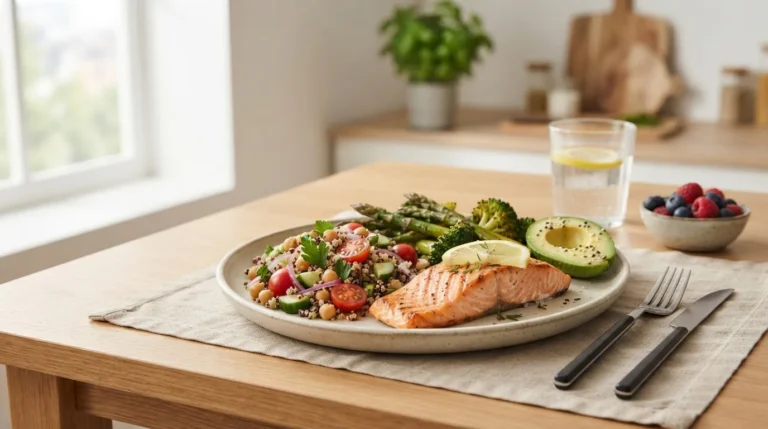

Natural food diet eating focuses on minimally processed, ingredient-transparent choices that prioritize nutrient density and sourcing quality. This guide explains what belongs in a natural food approach and the precise ingredient requirements you need to integrate it into a balanced diet effectively.
Introduction to the Natural Food Diet
The natural food diet centers on foods that are as close to their original state as possible: whole fruits and vegetables, whole grains, raw nuts and seeds, legumes, pastured or wild-caught proteins, and minimally processed dairy and oils. For many U.S. consumers, “natural” implies fewer additives, lower processing, and clearer sourcing, but the term alone lacks a single federal definition, so ingredient-level scrutiny is essential.
In defining this approach, we contrast it with other popular terms: an all natural diet often signals a stricter consumer expectation (no artificial ingredients at all), while “whole foods” emphasizes intact food matrices—grains, produce, and proteins that remain close to their natural proportions and fiber content. Clean eating and organic ingredients overlap with natural food choices but are distinct categories with different regulatory and practical implications.
Understanding these distinctions helps frame realistic expectations and practical steps. The rest of this guide moves from core principles to detailed ingredient requirements, label reading, nutritional comparisons, meal planning templates, sourcing tips, and troubleshooting common challenges.
Next we’ll outline the core principles that help you operationalize a natural food diet at home and during shopping trips.
Core Principles of a Natural Food Diet
- Prioritize whole foods over isolated ingredients. Choose intact foods—fresh produce, whole grains, legumes, and minimally processed animal products—instead of foods where the natural structure is removed (e.g., refined flours, hydrogenated fats).
- Minimize processing levels. Favor minimally processed items: dried legumes, frozen vegetables with no added sauces, plain yogurt vs. flavored options. Understand the spectrum of food processing from raw/unprocessed to ultra-processed.
- Ingredient transparency. Look for short ingredient lists with recognizable names (e.g., “salt,” “olive oil,” “apples”). Avoid items that hide additives behind technical names like “polysorbate” or ambiguous flavors.
- Prefer certified sourcing when meaningful. Use certifications such as USDA Organic and Non-GMO Project Verified to guide purchases where pesticide exposure, synthetic inputs, or genetic modification are a concern; certifications add accountability.
- Seasonal, local, and farm-to-table sourcing. Where feasible, buy seasonal produce from farmers’ markets or community-supported agriculture (CSA) to improve freshness, taste, and local supply-chain transparency.
- Balance macronutrients and nutrient density. A natural food diet must still meet macronutrient needs—carbohydrates, proteins, fats—and provide sufficient micronutrients (vitamins, minerals) consistent with balanced diet principles.
- Food safety and preservation awareness. Natural does not equal risk-free. Follow safe handling, proper storage, and evidence-based preservation methods to avoid foodborne illness.
- Avoid marketing-only claims. Terms like “natural flavors” or “all-natural” may not guarantee minimal processing or absence of additives. Scrutinize labels and sourcing statements.
- Affordability and accessibility strategies. Integrate flexible approaches: frozen fruits/vegetables without sauces, bulk whole grains, and plant proteins can keep costs manageable while supporting the natural food intent.
- Cultural and culinary practicality. Incorporate family food patterns and culinary traditions. The best natural food plan is sustainable and pleasant to eat over the long term.
varied diet guide and requirements
With core principles clarified, the next sections break down specific ingredient requirements and how to identify genuine whole and minimally processed foods.
Essential Ingredient Requirements for a Natural Food Diet
Adopting a natural food diet means applying clear ingredient-level criteria when selecting food products. Below we cover mandatory and recommended requirements, sourcing quality standards, and practical acquisition tips relevant to U.S. shoppers.
- Mandatory ingredient traits: recognizable, single-source names (e.g., “beef,” “apples,” “brown rice”); absence of synthetic colorants, artificial preservatives, or industrial emulsifiers; minimal or no added sugars in packaged items.
- Recommended certifications and claims: USDA Organic for pesticide/synthetic input reductions; Non-GMO Project Verified where GMO avoidance matters; fair-trade labeling if social outcomes are a priority.
- Processing thresholds: Accept thermal or mechanical processing (canning, freezing, pasteurization) that preserves food safety and nutrient value, but limit exposure to ultra-processed formulations (ingredients lists with many chemical-sounding additives).
- GMO and additive guidance: For consumers avoiding genetically modified ingredients, prefer explicit GMO-free labeling or ingredient lists that avoid high-risk crops (corn, soy). Remember that “natural” labeling does not guarantee GMO-free status.
- Seasonality and locality: Seasonal produce typically has higher nutrient density and lower environmental transport footprint; when possible, choose locally sourced items for traceability.
- Protein sourcing: Favor pasture-raised, free-range, or sustainably harvested animal products for environmental and animal welfare considerations; for seafood, follow sustainable-catch guidance from reputable lists.
- Fats and oils: Use minimally refined oils (extra-virgin olive oil, cold-pressed canola, unrefined coconut oil) and limit industrial seed oils that are highly processed or repeatedly heat-treated.
- Dairy and alternatives: Choose minimally processed dairy (plain yogurt, unhomogenized milk where available) or fortified plant-based alternatives with short ingredient lists and minimal stabilizers.
- Sweeteners and additives: Prefer whole-food sweeteners like dates, maple syrup in moderation; avoid high-fructose corn syrup and engineered sweeteners if avoiding processed ingredients.
- Packaging and storage impact: Prefer minimal packaging that doesn’t leach chemicals (avoid excessive PVC-lined cans, choose glass/jar when practical), and use proper storage to reduce waste and maintain freshness.
Identifying Whole and Unprocessed Ingredients
Recognize whole and unprocessed items by their form and ingredient complexity. Examples include whole grains (brown rice, quinoa, oats), fresh fruits and vegetables (apples, kale, carrots), raw nuts and seeds (almonds, chia, flax), legumes (lentils, chickpeas), and whole cuts of meat or simple seafood. These foods retain fiber, natural oils, and a complex matrix of nutrients that are often reduced or removed by refining. When a packaged product lists one primary recognizable ingredient and perhaps salt or oil, it usually aligns with a natural food approach (e.g., “roasted almonds, sea salt”).
Understanding Labels and Certifications
Label reading is a practical skill. Follow these steps:
- Start with the ingredient list: prefer short lists of recognizable names; if you can’t pronounce most ingredients, research them.
- Check for meaningful certifications: USDA Organic indicates adherence to federal organic standards (no synthetic pesticides, restricted use of certain inputs).
- Look for Non-GMO Project or third-party verification for GMO avoidance; fair-trade for social guarantees.
- Beware of ambiguous claims: “natural flavors” and “made with natural ingredients” are not tightly regulated descriptors for all contexts; consult the ingredient list for clarity.
- Note processing indicators: “concentrate,” “hydrolyzed,” or “partially hydrogenated” are red flags for higher-level processing or trans fats.
For an in-depth federal overview of labeling rules and definitions, reference the FDA guidance on food labeling and the USDA organic standards via USDA. These agencies outline what claims mean and how certifications are enforced.
Next, we’ll quantify nutrient contributions of natural foods versus processed foods to show how ingredient choices support a balanced diet.
Nutritional Requirements and Benefits of a Natural Food Diet
A natural food diet can supply macronutrients—carbohydrates, proteins, and fats—and a broad micronutrient spectrum—vitamins, minerals, antioxidants, and fiber—when planned according to balanced diet principles. Below is a concise comparison of nutrient presence in typical natural foods versus common processed options.
| Nutrient / Feature | Natural Foods (whole/unprocessed) | Processed/Standard American Diet Foods |
|---|---|---|
| Macronutrient balance | Natural balance via whole grains, legumes, lean proteins, healthy fats; adjustable by portion | Often skewed: high refined carbs, added sugars, excess saturated/trans fats |
| Fiber | High—intact plant cell walls (fruit, veg, whole grains) | Low—refined/refined flours and stripped foods |
| Micronutrients (vitamins/minerals) | Higher density per calorie (vitamin C, A, folate, potassium, magnesium) | Often lower; some processed foods fortified to replace lost nutrients |
| Phytonutrients & antioxidants | Abundant in colorful produce and whole plant foods | Minimal unless specifically fortified |
| Added sugar & sodium | Low when avoiding added-sugar items and salted snacks | Frequently high—major contributor to excess calorie intake |
| Food additives | Rare to minimal—exceptions in minimally processed packaged goods | High levels of additives (preservatives, emulsifiers, flavors) |
| Calorie density | Variable; whole foods can be lower calorie-density per volume, aiding satiety | Often high calorie-density, promoting overconsumption |
From a nutrient-requirement perspective, a natural food diet should be structured to meet daily macro and micronutrient targets. Key considerations:
- Carbohydrates: Prioritize complex carbs from whole grains, starchy vegetables, and legumes to supply fiber and stable glucose support.
- Proteins: Combine plant proteins (beans, lentils, nuts) with animal proteins when used to meet essential amino acid needs; aim for distribution across meals.
- Fats: Include mono- and polyunsaturated fats (olive oil, avocados, fatty fish) and minimize trans fats; essential fatty acids (omega-3s) should be addressed with fatty fish or flax/chia for vegetarians.
- Vitamins & minerals: A variety of colored produce across the week supports vitamin A, C, K, and folate intake; whole grains and legumes support B-vitamins and minerals like magnesium and iron.
- Fiber & gut health: Diverse fiber types from fruits, vegetables, whole grains, and legumes support microbiome diversity and regularity.
For those who want visual resources and printable charts to align natural foods with target nutrient intakes, see the balanced diet images guide and printable nutrition charts.
To compare planned carbohydrate strategies and natural sources of carbs, consult the consistent carb plan diet guide and requirements for operational approaches.
For macronutrient planning tools oriented around whole foods, review the macro meal planner guide and macronutrient requirements.
Energy provision from natural foods—how calories translate to practical energy for daily tasks—is covered in the energetic diet plan guide and energy food requirements.
For micronutrient depth, especially vitamins, consult the healthy food vitamin chart guide and vitamin requirements.
Evidence and benefits: observational and intervention studies consistently show that diets emphasizing whole foods and minimal processing correlate with lower risk of chronic diseases. For example, meta-analyses link higher fruit and vegetable intake with reduced cardiovascular risk (source type: systematic review of cohort studies, 2023). For consumers seeking current U.S. dietary recommendations, the Academy of Nutrition and Dietetics provides evidence-based guidance aligning whole-food strategies with nutrient adequacy.
Next we move from nutrients to practical meal planning: how to assemble daily menus that are both natural and balanced.
How to Plan Meals with Natural Food Ingredients
Meal planning is where ingredient requirements meet daily practice. A natural food meal plan prioritizes nutrient density, variety, seasonality, and convenience to ensure adherence. Below are step-by-step planning strategies, followed by sample daily and weekly menus and shopping tips.
- Start with a weekly template. Allocate protein, vegetables, whole grains, and healthy fats across each meal. Use a simple plate model: half non-starchy vegetables, one-quarter protein, one-quarter whole grains/starchy vegetables, plus healthy fat as needed.
- Select 3–5 staple whole foods for breakfasts, lunches, and dinners (e.g., oats, eggs, brown rice, canned tuna in water, frozen spinach). Rotate them with seasonal specials to maintain variety.
- Plan for batch cooking. Prepare grains and legumes in bulk, roast a tray of mixed vegetables, and portion proteins for multiple meals to save time.
- Use frozen and canned prudently. Frozen fruits and vegetables without sauces preserve nutrients and lower waste. Low-sodium canned beans are a natural, convenient protein—rinse before use to reduce sodium.
- Snack smart. Stock raw nuts, fresh fruit, plain yogurt, and cut vegetables to avoid impulse processed snacks.
- Adjust for dietary needs. Swap animal proteins for plant-based proteins where needed, and ensure micronutrient adequacy (e.g., B12 for vegans via fortified foods or supplements).
- Monitor portions and energy targets. If combining a natural food diet with calorie goals, align portion sizes with plans like the 1400 calorie meal plan guide and nutrition requirements where appropriate.
Sample menus (natural-food-focused):
- Breakfast: Steel-cut oats topped with chopped apple, cinnamon, chopped walnuts, and plain yogurt; coffee or tea. (Complex carbs + fiber + healthy fat + probiotics)
- Lunch: Mixed greens with roasted chickpeas, quinoa, cucumber, cherry tomatoes, olive oil-lemon dressing; seasonal fruit. (Vegetable variety + plant protein + whole grain)
- Dinner: Baked salmon, steamed broccoli, sweet potato mash, side salad with vinaigrette. (Lean fatty fish + vegetables + complex carb)
- Snacks: Hummus with carrot sticks, a handful of almonds, or a pear with cottage cheese.
Weekly planning tips:
- Craft a shopping list organized by produce, proteins, whole grains, dairy/alternatives, and pantry staples.
- Shop the perimeter of supermarkets where whole foods are concentrated; use frozen and bulk sections for cost savings.
- Rotate proteins: include at least two plant-based protein meals weekly to diversify nutrients and sustainability impact.
- Use seasonal menus: build meals around in-season produce to maximize flavor and nutrient value.
Practical grocery-shopping example: bring a cooler for farmer’s market produce, select firm, brightly colored produce without wilting, and buy in bulk for staples like oats, lentils, and brown rice. Real-world shopper tip: when fresh produce is out of season or expensive, choose frozen versions with no sauces—nutrient retention is similar and cost lower (source type: comparative nutrient retention study, 2022).
For printable meal planning tools that integrate natural foods with weekly scheduling, see the meal planner printable guide and weekly menu requirements and the healthy diet worksheet guide and printable meal requirements.
Cooking methods matter for nutrient retention and natural-food integrity: steaming, roasting, sautéing in modest healthy fats, and gentle simmering preserve micronutrients better than high-temperature frying. Use acid (lemon, vinegar) and herbs for flavor instead of processed sauces. Batch-cook grains and legumes, freeze single servings in glass containers to minimize plastic contact and maintain quality.
Now we’ll address common challenges and practical solutions when following a natural food diet.
Challenges and Considerations When Following a Natural Food Diet
While a natural food diet offers many benefits, real-world barriers exist. Below are common challenges with actionable solutions rooted in experience and practical examples.
- Cost considerations: Whole, organic, or specialty natural items can be pricier. Solutions: prioritize organic for the most pesticide-prone produce (use the Environmental Working Group “Dirty Dozen” as a guide), buy frozen produce, and focus on low-cost staples like beans, oats, and seasonal vegetables. (Source type: consumer price comparison report, 2024).
- Ingredient availability: Rural or food-desert areas may have limited access. Solutions: use shelf-stable natural staples (dried legumes, canned fish in water, whole-grain pasta), sign up for grocery delivery of natural-focused retailers, or explore community-supported agriculture (CSA) shares.
- Time and meal prep burden: Preparing whole foods takes time. Solutions: batch cooking, one-pot or sheet-pan meals, and time-blocked weekend prep reduce daily effort. Example: roast a sheet-pan of mixed vegetables and protein twice weekly to create quick lunches.
- Food safety: Raw or minimally processed foods require careful handling. Solutions: adhere to safe internal cooking temperatures, refrigerate promptly, and avoid cross-contamination. For guidance, refer to the FDA food safety recommendations.
- Label ambiguity and marketing: “Natural” claims can mislead. Solutions: rely on ingredient lists and third-party certifications rather than front-of-package claims; inspect for long, technical ingredient lists.
- Dietary restrictions and allergies: Natural foods still contain allergens (nuts, dairy, gluten). Solutions: work with a registered dietitian to design swaps ensuring nutrient adequacy and safety.
- Social and cultural pressures: Eating naturally may feel isolating in social settings. Solutions: suggest restaurants with simple whole-food plates, bring natural dishes to gatherings, and communicate preferences ahead of time.
- Nutrient gaps for restrictive patterns: Strict elimination of food groups can create deficits (e.g., B12). Solutions: monitor nutrient biomarkers and consider fortified foods or supplements after professional consultation.
- Sustainability trade-offs: Some natural choices (imported organic avocados) can have environmental costs. Solutions: favor local seasonal produce and sustainable seafood choices.
- Behavioral adherence: Long-term adherence requires taste and satisfaction. Solutions: retain favorite flavors using herbs and spices, and allow occasional minimally-processed indulgences to maintain sustainability.
Next, we’ll explain how the natural food diet aligns with balanced diet principles and the broader framework for long-term health.
How the Natural Food Diet Supports Balanced Diet Principles
A well-executed natural food diet aligns closely with fundamental balanced diet principles: variety, moderation, nutrient density, and sustainability. Below we map those principles to natural-food practices.
- Dietary variety: Natural-food emphasis on multiple plant colors, grains, legumes, and protein sources supports micronutrient diversity and reduces risk of single-nutrient deficiencies.
- Proportion and moderation: With a plate-based approach—half vegetables, quarter protein, quarter whole grains—the natural food diet supports balanced macronutrient distribution and portion control.
- Nutrient density: Whole foods provide more vitamins, minerals, fiber, and phytonutrients per calorie compared with processed counterparts, supporting satiety and metabolic health.
- Sustainability and ethical sourcing: Local, seasonal, and responsibly sourced natural foods can lower environmental footprints and support community food systems.
- Long-term health benefits: Diets focusing on whole, minimally processed foods are associated with lower rates of obesity, type 2 diabetes, cardiovascular disease, and some cancers (source type: longitudinal cohort studies, 2021–2024).
For readers seeking a deeper operational framework linking the natural food approach to formal balanced-diet requirements, see our pillar reference on the balanced nutrition guide and meal requirements for health. That page integrates serving sizes, nutrient targets, and meal templates that pair directly with natural-food ingredient choices.
Regulatory and authoritative references improve trust in claims about natural and organic food choices. For certification standards and definitions, consult the USDA organic program. For clinical nutrition recommendations and how whole-food approaches map to dietary reference intakes, consult the Academy of Nutrition and Dietetics. For labeling rules and safety practices, see the FDA.
Finally, we sum up key takeaways and provide next steps to apply this guidance practically.
Conclusion: A practical natural food diet emphasizes whole, minimally processed ingredients, transparent sourcing, and balanced macronutrient distribution while staying flexible to cost and time constraints. Prioritize short ingredient lists, meaningful certifications for concerns like pesticide exposure, and seasonal purchases to maximize nutrient density and sustainability. Start small: swap one processed staple for a whole-food version each week, batch-cook staples, and use printable meal planners to maintain adherence. For tailored nutrient targets or health conditions, consult a registered dietitian or healthcare provider before making major dietary changes.
Ready to put this into practice? Begin with a one-week natural-food shopping list, batch-cook grains and legumes, and build three simple meals using the plate model described here. For printable tools and template plans, explore our meal-planning resources and calorie-specific guides referenced throughout this article.
Frequently Asked Questions
What exactly is a natural food diet?
A natural food diet emphasizes whole, minimally processed foods with recognizable ingredients—fruits, vegetables, whole grains, legumes, nuts, seeds, and simple proteins—while minimizing additives, artificial ingredients, and high-level industrial processing. It focuses on nutrient density and sourcing transparency for balanced nutrition.
How does a natural food diet differ from an all natural diet?
An all natural diet often implies stricter avoidance of any artificial or synthetic ingredients, whereas a natural food diet emphasizes minimally processed, whole foods but may accept some processed items if ingredient transparency and minimal additives are present. Definitions vary and require label review.
What ingredients should be avoided in a natural food diet?
Avoid artificial colorings, high-fructose corn syrup, partially hydrogenated oils (trans fats), long lists of unrecognizable additives, and highly refined ingredients (white flour, powdered isolates) when pursuing a natural food diet focused on ingredient integrity.
How can I plan balanced meals using natural foods?
Use a plate model: half vegetables, one-quarter lean protein or plant protein, one-quarter whole grains or starchy vegetables, plus healthy fats. Batch-cook staples, rotate seasonal produce, and use simple recipes to cover macros and micronutrients across the week.
How long does it take to see health benefits from switching to a natural food diet?
Short-term benefits like improved digestion and energy can appear within days to weeks; measurable biomarkers (lipids, glucose) may improve within 6–12 weeks depending on prior diet, adherence, and individual health factors. Results vary by person and context.
What are common challenges when buying natural ingredients?
Common challenges include higher costs, limited availability, label ambiguity, and time for preparation. Solutions include using frozen produce, bulk staples, farmer’s markets, CSAs, and strategic batch cooking to reduce cost and time barriers.
How can I verify the quality and authenticity of natural food products?
Verify quality by reading ingredient lists, choosing recognized certifications (USDA Organic, Non-GMO), checking vendor traceability, preferring local farmer-sourced items, and being wary of vague front-of-package claims without supporting ingredient transparency.
Are natural food diets safe for people with dietary restrictions or allergies?
Natural food diets can be safe but must be tailored: allergen avoidance, nutrient substitution, and potential supplementation (e.g., B12 for vegans) require planning. Consult a registered dietitian or healthcare provider to ensure safety and nutrient adequacy.