Plant Based Diet Meal Plan Guide and Nutrition Requirements — practical steps, nutrient-focused templates, and a full 7-day plan to build balanced, sustainable plant-based meals that meet essential macronutrient and micronutrient needs. This guide gives evidence-based strategies and ready-to-use meal templates so you can plan confidently.
Introduction to Plant-Based Diet Meal Plans
A successful plant-based diet meal plan centers on whole grains, legumes, nuts, seeds, fruits and vegetables combined to meet energy and nutrient needs while emphasizing variety and nutrient density. Readers often ask how to design meals that are satisfying, balanced and backed by nutrition science — this guide answers that with actionable templates and meal-prep strategies.
Plant-based eating can range from predominantly vegetarian meals to fully vegan patterns; the practical focus here is on assembling balanced plates that supply the required macronutrients and micronutrients without relying on animal products. For foundational context on how diets are defined and categorized, see diet definitions.
To appreciate how current plant-forward guidance evolved, review historical frameworks such as the historical dietary guidelines and later updates that shifted emphasis toward food variety and whole foods. For a comparison with other popular approaches, check popular diet comparisons and broader diet type comparisons.
Transition: With the context set, the next section outlines the core nutrients plant-based eaters must monitor and where to get them.
Core Nutrition Requirements for a Plant-Based Diet
Building a nutritionally complete plant-based diet requires attention to both macronutrients (carbohydrates, protein, fat) and micronutrients (vitamin B12, iron, calcium, vitamin D, zinc, iodine). Below is a concise nutrient-summary “stat block” and practical sourcing guidance adapted to USDA guidance and clinical nutrition evidence.
For overarching balanced diet principles that inform portions and meal composition, consult the Balanced Nutrition Guide and Meal Requirements for Health.
Visual learners may prefer the nutrition charts that map servings and portion sizes for food groups common in plant-based plans.
| Nutrient | Why it matters | Plant-based sources / tips | Notes / Targets |
|---|---|---|---|
| Protein | Supports muscle, enzymes and repair | Legumes, tofu, tempeh, seitan, edamame, lentils, nuts, seeds, whole grains | Aim for 0.8–1.2 g/kg body weight for general adults (higher for athletes). Combine diverse sources across the day. |
| Vitamin B12 | Required for nerve and blood health | Fortified plant milks/cereals, supplements | Supplementation usually needed for strict vegans; follow NIH guidance for dosing. |
| Iron (non-heme) | Oxygen transport | Legumes, fortified cereals, spinach, tofu, seeds; pair with vitamin C to boost absorption | Women of reproductive age often need more; monitor hemoglobin and ferritin. |
| Calcium | Bone health | Fortified plant milks, tofu (calcium-set), leafy greens (bok choy, kale), almonds | Bioavailability varies—choose calcium-set tofu and fortified options as needed. |
| Vitamin D | Bone and immune function | Fortified foods, sun exposure, supplements in low-sun months | Check levels seasonally; some populations require supplementation. |
| Omega-3 (EPA/DHA) | Heart and brain health | ALA: flaxseed, chia, walnuts; consider algal DHA/EPA supplements for direct long-chain omega-3s | ALA conversion to EPA/DHA is limited; supplements recommended for higher needs. |
| Zinc | Immune and wound healing | Legumes, nuts, seeds, whole grains; soaking/sprouting improves bioavailability | Phytates reduce absorption—process foods to improve uptake. |
| Iodine | Thyroid function | Iodized salt, sea vegetables (use cautiously), fortified foods | Be mindful of excess when using seaweed frequently. |
| Vitamin A (beta-carotene) | Vision and immunity | Carrots, sweet potatoes, dark leafy greens | Convertibility varies; include fat to support absorption. |
Quantitative targets should reference standards like the Recommended Dietary Allowances (RDAs) and Adequate Intake levels when RDAs are not established.
Adaptation to official frameworks is helpful: consult the USDA food guide and the U.S. Department of Agriculture (USDA) for updated recommendations and nutrient databases (source: USDA, 2025).
Evidence and authoritative positions: The Academy of Nutrition and Dietetics supports appropriately planned vegetarian and vegan diets across the lifespan (source: Academy of Nutrition and Dietetics position paper, 2016; review updates ongoing). For nutrient-specific safety and supplement dosing, rely on the NIH Office of Dietary Supplements (source: NIH ODS fact sheets, 2024).
Transition: Next, we examine how macronutrients are distributed in practical plant-based meal plans and examples of source foods for each macronutrient.
Macronutrient Breakdown and Sources in Plant-Based Diet Plans
Macronutrients are the major energy-yielding nutrients: carbohydrates, proteins and fats. Define terms: macronutrients are nutrients needed in gram amounts to provide energy and structural building blocks for the body.
For guidance on managing carbohydrate consistency, see the consistent carbohydrate diet.
Energy distribution from foods should follow personalized needs; refer to the energy food requirements for strategies to match caloric needs to activity level.
| Macronutrient | Role | Plant-based sources | Practical serving examples |
|---|---|---|---|
| Carbohydrates | Primary energy source; fuels brain and activity | Whole grains (brown rice, oats, quinoa), starchy vegetables, fruits, legumes | 1 cup cooked quinoa, 1 medium sweet potato, 1 cup fruit |
| Protein | Repair, enzymes, hormones | Legumes, tofu, tempeh, seitan, soy products, quinoa, nuts | 1 cup cooked lentils ≈ 18 g protein; 100 g tofu ≈ 8–12 g protein |
| Fat | Energy, fat-soluble vitamin absorption, cell membranes | Avocado, olive oil, nuts, seeds, nut butters | 1 tbsp olive oil, 1/4 cup almonds, 1 tbsp ground flaxseed |
How to allocate macronutrients: a practical adult distribution is 45–65% of calories from carbs, 10–35% from protein, and 20–35% from fat — adjusted by goals such as weight loss, athletic performance, or metabolic conditions (source type: Dietary guidelines summary, USDA, 2025).
Tools like a macronutrient meal planner help track these splits without focusing only on calories.
Remember staple grains like rice fall into the grain food group; review grain food group information for serving sizes and role in plans.
Consider the energy food requirements when shifting macronutrient ratios for athletic training or high daily activity.
Practical tips:
- Make legumes and whole grains a daily habit for protein and complex carbs.
- Include a source of healthy fat every meal to aid absorption of fat-soluble vitamins.
- Use nut butter, tahini or avocado to boost calories and satiety when needed.
Transition: After covering macronutrient structure, the next section reviews common nutrient deficiencies among plant-based eaters and practical mitigation strategies.
Common Nutrient Deficiencies and How to Address Them
Switching to plant-based eating often uncovers gaps in specific micronutrients. Being proactive prevents deficiencies. Below are the most common concerns and clear actions to address each.
Detailed vitamin comparisons are available in the vitamin charts for visual reference.
- Vitamin B12 — Tip: Take a daily or weekly supplement (typical dosing: 25–100 mcg/day oral cyanocobalamin or 1000 mcg weekly) or consume fortified foods regularly. Monitor levels via serum B12 and methylmalonic acid if concerned (source type: NIH ODS fact sheet, 2024).
- Iron — Tip: Eat iron-rich plants (lentils, chickpeas, fortified cereals) and combine with vitamin C-rich foods (citrus, peppers) to increase non-heme iron absorption. Avoid drinking tea/coffee with meals to limit inhibitors (source type: Nutritional bioavailability review, 2020).
- Omega-3 fatty acids — Tip: Include ALA sources (flax, chia, walnuts) daily; consider algal DHA/EPA supplements if you have cardiovascular or cognitive health goals (source type: Omega-3 review, 2021).
- Vitamin D — Tip: Use fortified foods and consider supplementation, especially during months with limited sun; assess serum 25(OH)D as needed (source type: Endocrinology guideline, 2022).
- Calcium — Tip: Use fortified plant milks, calcium-set tofu, and low-oxalate leafy greens; spread intake across the day for better absorption (source type: Calcium intake guidance, 2023).
- Zinc and iodine — Tip: Include nuts, seeds and iodized salt (in moderation); if seaweed is a regular food, monitor iodine intake to avoid excess (source type: Micronutrient intake review, 2021).
- Protein balance — Tip: Focus on total daily protein and variety; combining legumes with grains across meals ensures complementary amino acid patterns over the day (source type: Protein adequacy summary, Academy position, 2016).
For perspective on common gaps in the broader population, see Standard American Diet comparison, which highlights where plant-based plans often improve intake (e.g., fiber) but may need supplementation for specific micronutrients.
Practical checklist to prevent deficiencies:
- Use one fortified food per day (plant milk, cereal) or take a B12 supplement.
- Plan a weekly source of algal DHA/EPA if you do not eat fish.
- Soak, sprout or ferment legumes and grains to reduce phytates and improve mineral bioavailability.
- Track blood markers (B12, ferritin, 25(OH)D) annually or as advised by your clinician.
Transition: Next, a step-by-step method to build a balanced plant-based meal plan tailored to your needs, with an example daily plan and links to printable planning tools.
How to Build a Balanced Plant-Based Meal Plan
Creating a plan is like assembling a well-rounded team of nutrients: each meal should include a quality protein source, fibre-rich carbohydrate, healthy fat and colorful produce for vitamins and minerals.
If you need specific calorie targets, adapt these steps with the calorie meal plan guide or other caloric templates.
Use printable meal planning worksheets to map meals and groceries.
- Set your goal and constraints. Determine calorie range, activity level and any allergies or preferences. For tailored calorie targets, see caloric intake guidelines and the calorie meal plan guide for examples.
- Choose a plate model. Use a plant-based adaptation of the Healthy Plate: half non-starchy vegetables + 1/4 whole grains/starchy veg + 1/4 protein (legumes/tofu) + small serving of healthy fat. See Healthy Plate requirements for visual guidance.
- Plan protein sources across the day. Aim for 20–30 g per meal for many adults depending on goals. Include diverse sources (soy, legumes, tempeh, seitan). For high-protein options, consult high protein plant foods.
- Map micronutrient “anchors.” Schedule daily B12 (fortified or supplement), include calcium-fortified milk alternatives, and add a weekly algal omega-3 or daily ALA servings. Use Recommended Dietary Allowances (RDAs) and Adequate Intake levels as targets.
- Build a 7-day framework then double down on meal prep. Block-repeat breakfasts and a few lunches to simplify shopping, while rotating dinners and snacks for variety.
- Use portion control tools. For weight or performance goals, use the portion and serving sizes, portion plate control, or portion control guide.
- Test and track outcomes. Monitor energy, sleep, strength gains and basic labs (B12, ferritin, vitamin D). Adjust frequency of fortified foods/supplements accordingly.
When planning with heart health in mind, align with AHA nutrition guidelines such as limiting saturated fat and prioritizing whole grains and legumes.
For visual and printable aids, use printable meal planning worksheets and the portion plate for weight loss when refining servings.
Example daily meal plan (balanced, ~2000 kcal illustrative)
Breakfast: Overnight oats with 1/2 cup dry oats, 1 cup fortified soy milk, 1 tbsp ground flaxseed, 1/2 cup berries, 2 tbsp chopped almonds — fiber, carbs, ALA, calcium, protein.
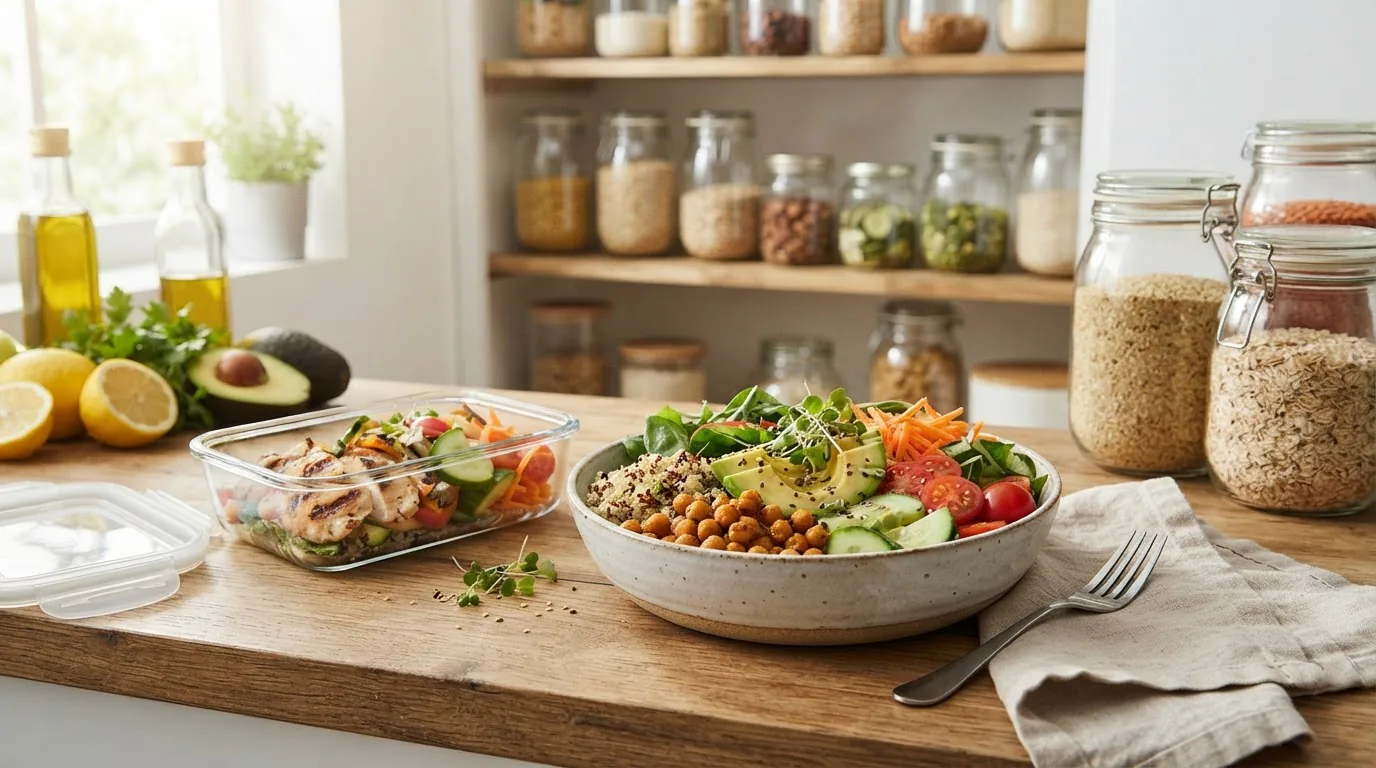
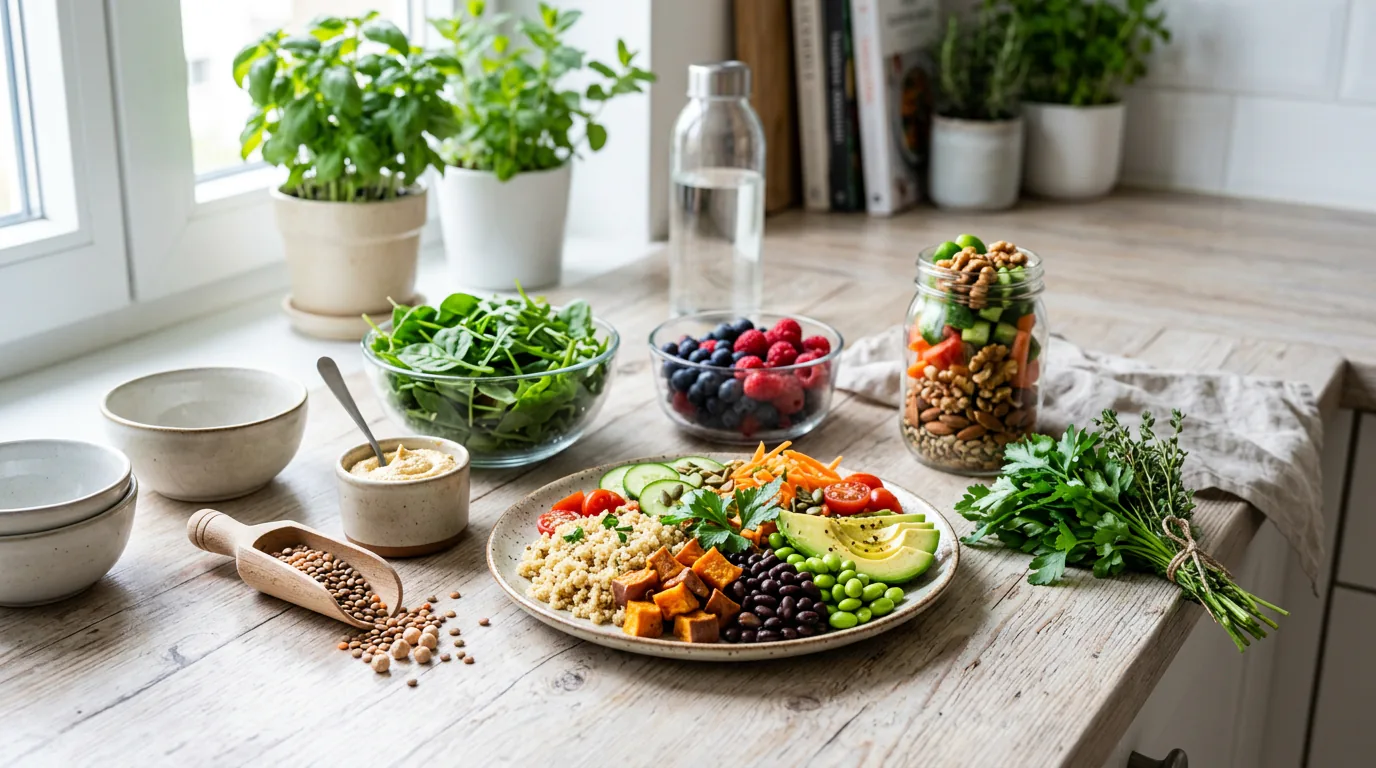
Lunch: Buddha bowl with 3/4 cup cooked quinoa, 3/4 cup roasted chickpeas, 2 cups mixed greens, roasted sweet potato slices, tahini-lemon dressing — plant protein, complex carbs, healthy fat, micronutrients.
Snack: Apple with 2 tbsp peanut butter.
Dinner: Stir-fry with 100 g tempeh, 2 cups mixed vegetables, 1 cup brown rice, 1 tbsp sesame oil, garlic and ginger — balanced macronutrients, iron, zinc.
Evening: Fortified plant milk or small serving of fortified cereal if extra calcium or B12 required.
Adjust portion sizes using the portion control guide and choose plate-based visuals with the portion plate control.
Transition: The following section provides a complete sample 7-day meal plan with grocery list and notes to make implementation straightforward.
Sample Plant-Based Diet Meal Plan: 7-Day Guide
Below is a practical, diverse 7-day plan balancing macronutrients and key micronutrients. Use it as a template — swap similar ingredient classes to maintain nutrient balance.
Downloadable supports and a weekly meal planner printable can help you schedule the week and grocery shop efficiently.
-
Day 1
- Breakfast: Green smoothie (1 cup fortified soy milk, 1 banana, 1 cup spinach, 1 tbsp flax, 2 tbsp oats)
- Lunch: Lentil and roasted veg salad with quinoa, lemon-tahini
- Snack: Handful walnuts + orange
- Dinner: Tofu stir-fry with broccoli, bell pepper, brown rice