Portion plate control puts a simple visual rule on every meal so you can build balanced plates without complicated calorie math. This guide walks through step-by-step plate requirements, typical portion sizes, and practical at-home techniques you can use immediately.
Introduction to Portion Plate Control
Portion plate control is a visual, meal-focused approach that divides a plate into food-group sections to promote a balanced diet at each meal. By thinking in plate segments rather than individual calories, most people find it easier to include necessary nutrients—vegetables, fruits, proteins, grains, and modest dairy or fats—consistently.
At its core, a portion plate is a physical or mental model that helps you meet common meal plate requirements: enough vegetables for micronutrients and fiber, adequate protein for satiety and repair, sensible grain portions for energy, and appropriate dairy or healthy fats for nutrient completion. This approach aligns with mainstream public-health frameworks and offers flexibility for different cuisines, cultural patterns, and dietary restrictions.
For a broader look at foundational nutrition concepts that complement portion plate techniques, see balanced nutrition guide and meal requirements for health.
Definitions matter here: think of a portion plate as the tool and portion plate control as the habit of consistently using that tool to create nutrient-balanced meals. The rest of this guide explains principles, components, portion sizing, practical meal examples, plate-size variations, benefits, and troubleshooting so you can adopt the method confidently.
Understanding Portion Plate Control Principles
Transition: Before we break down the plate by food group, let’s walk through the guiding principles that make portion plate control effective and sustainable.
- Plate division is percentage-based: Most portion plate models allocate approximate percentages of the plate to specific food groups so you can visualize nutrient balance quickly.
- Visual portion cues reduce measuring: Using hands, cup measures, or plate segments provides consistent serving-size estimates without constant weighing.
- Food-group proportions aim for nutrient balance: Emphasize vegetables and plants, include quality protein, choose whole grains, and add dairy or healthy fats in moderation.
- Adaptation is expected: Plate proportions are a starting point; individual needs (age, activity, health conditions) will change the balance.
- Meal plate requirements combine macro and micronutrient goals: Combining different food groups at each meal ensures you get carbohydrates for energy, protein for reconstruction, fats for absorption and satiety, and micronutrients for health.
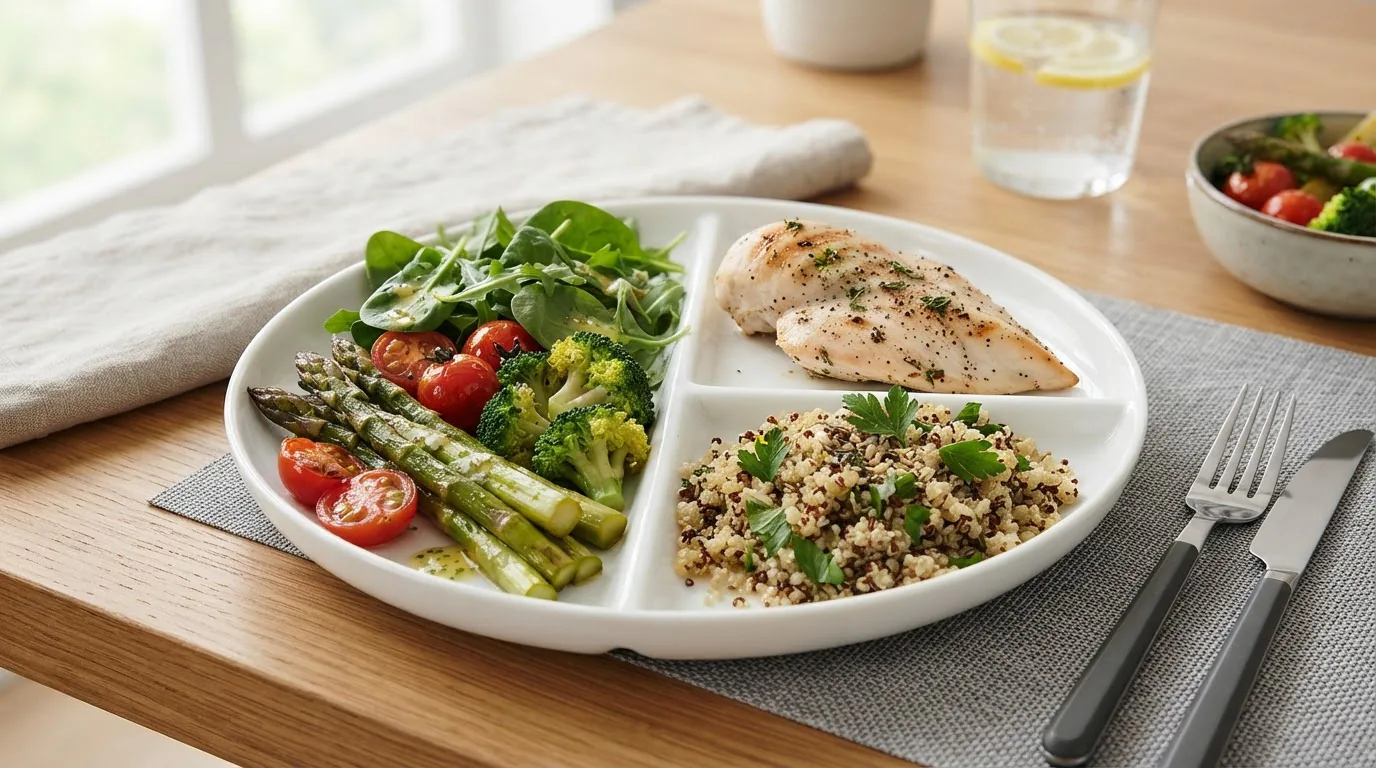
Practical visual portion cues include half-plate vegetables, a quarter-plate protein, and a quarter-plate grains for a classic balanced lunch or dinner. For breakfast and snacks, the proportions shift but the principle—combine vegetables/fruits, protein, and whole-grain or fat—remains.
Evidence and guidelines: The division mirrors public guidance such as MyPlate and updated food-pyramid frameworks. For detailed federal guidance on portion and nutrient goals, consult the USDA Dietary Guidelines (2025) and professional position statements such as those from the Academy of Nutrition and Dietetics. According to a 2024 industry report on consumer meal habits, visual tools like portion plates increased vegetable intake in free-living adults by measurable margins (report source: industry analysis).
For printable visual aids that complement these principles, see balanced diet images guide and printable nutrition charts.
Components of a Portion Plate
Transition: Now we’ll unpack each component you’ll commonly place on your portion plate and why it belongs there.
- Vegetables and fruits — Provide fiber, vitamins, minerals, and bulk to fill half the plate in many recommended models. Aim for variety in color and preparation methods.
- Proteins — Occupy about one-quarter of a standard meal plate; lean or plant-based options support muscle maintenance and long-term satiety.
- Macronutrient context — For deeper macronutrient planning and how portions map to carbs/protein/fat, consult the macro meal planner guide and macronutrient requirements.
- Grains and starchy carbohydrates — Typically a quarter-plate serving for dinners and lunches; prioritize whole grains to improve fiber and micronutrient intake.
- Dairy or alternatives and healthy fats — Small portions (a side dairy serving or a spoon of oil, nuts, or avocado) round out the plate for nutrient absorption and taste balance.
- Portion size modifiers — Plate size, activity level, age, and meal timing adjust the absolute quantities even when relative plate proportions remain similar.
- Serving-size translation — Learn simple translations (e.g., palm-sized protein, cupped hand for carbs, fist for vegetables) to apply at home.
- Meal plate requirements checklist — Each meal should include at least two food groups (one produce + one protein or grain), with attention to fiber, protein, and healthy fat for balance and satiety.
- Visual portion guides — Use plates with printed divisions or mentally divide conventional plates to practice portion control consistently.
For standard meal requirements and to see how typical household plates match these components, review the regular food guide and meal requirements for balanced eating.
Vegetables and Fruits on the Portion Plate
Vegetables and fruits are the foundation of the portion plate because they deliver vitamins, minerals, antioxidants, and fiber with relatively low caloric density. Aim to fill about half your plate with non-starchy vegetables and a modest portion of fruit either on the plate or as a small side or dessert.
Recommended serving ideas: a fist-sized serving (~1 cup raw leafy greens or 1/2 cup cooked vegetables) is a practical unit for most adults. For fruits, a portion is roughly one medium fruit or 1/2 cup chopped. These amounts support micronutrient needs without crowding out proteins or whole grains.
Micronutrients and fiber: Vegetables like dark leafy greens, bell peppers, broccoli, and carrots provide vitamin K, vitamin C, folate, and fiber. Fruits add vitamin C, potassium, and natural sweetness that can reduce cravings for less-healthy desserts. For detailed micronutrient tables by food, see healthy food vitamin chart guide and vitamin requirements.
Preparation tips: Steam, roast, or sauté with minimal added fat; raw salads count but aim for variety. If you struggle to meet half-plate vegetables, combine raw and cooked portions or add vegetables into mixed dishes (stir-fries, omelets, soups).
Proteins and Their Portion Sizes
Protein should take roughly one-quarter of a standard meal plate for many adults in balanced-meal models. Proteins support tissue repair, immune function, and satiety. Choose lean animal proteins (chicken, fish, lean cuts of pork/beef) or plant-based proteins (beans, lentils, tofu, tempeh) depending on preference.
Portion sizing: a cooked palm-sized portion (about 3–4 ounces or 85–113 g) is a convenient visual guide for meat or fish. For plant-based proteins, a half-cup cooked legumes or a similar portion of tofu/tempeh approximates that protein content. For dairy-based proteins (Greek yogurt, cottage cheese), a 3/4-cup serving is a reasonable single-meal portion.
Benefits of including protein on every plate: stabilizes blood sugar between meals, helps preserve lean mass, and can improve overall meal satisfaction. If you’re an athlete or very active, manual adjustments upward are reasonable; for most adults, the quarter-plate rule supports adequate intake across the day.
Grains and Carbohydrates on the Plate
Grains and starchy carbohydrates provide accessible energy and should fill about one-quarter of a standard lunch or dinner plate in typical portion plate designs. Prioritize whole grains—brown rice, quinoa, oats, whole-wheat pasta—to maximize fiber, B vitamins, and micronutrients.
Portion guidance: a cupped-hand serving of cooked whole grains (about 1/2 to 1 cup cooked, depending on the grain) often maps to the quarter-plate space. Refined grains are acceptable occasionally but replacing them with whole grains improves satiety and blood sugar response over time.
For readers managing carbohydrate quantitatively—such as those following consistent-carb approaches—see CCHO diet guide and requirements for consistent carb plans for specific strategies to pair plate portions with carb counting.
Dairy and Healthy Fats on the Portion Plate
Dairy and healthy fats play a supporting role on the portion plate. Dairy products provide calcium, vitamin D (if fortified), and protein; healthy fats (olive oil, avocado, nuts, seeds) supply essential fatty acids and support absorption of fat-soluble vitamins.
Portion guidance: a single dairy serving (1 cup milk or yogurt, or 1.5–2 ounces of cheese) or a small side (e.g., 2 tablespoons of nut butter) is typically sufficient per meal. For added fats used in cooking or dressing, aim for roughly 1 teaspoon to 1 tablespoon depending on energy needs.
Meal enhancement: Adding a tablespoon of olive oil to a salad or a quarter of an avocado to a plate enhances palatability and helps absorb carotenoids from vegetables. Keep portions mindful—fats are calorie-dense—so the portion plate keeps them intentionally smaller than vegetables and proteins.
How to Use Portion Plate Control in Everyday Meals
Transition: With components defined, here are step-by-step approaches and concrete meal examples to implement portion plate control at home, for work, or when eating out.
- Pick your plate size (visualize divisions): Use a 9–10 inch dinner plate or the mental division of any plate into halves and quarters. If you have a divided plate or one printed with segments, use it to practice until the habit forms.
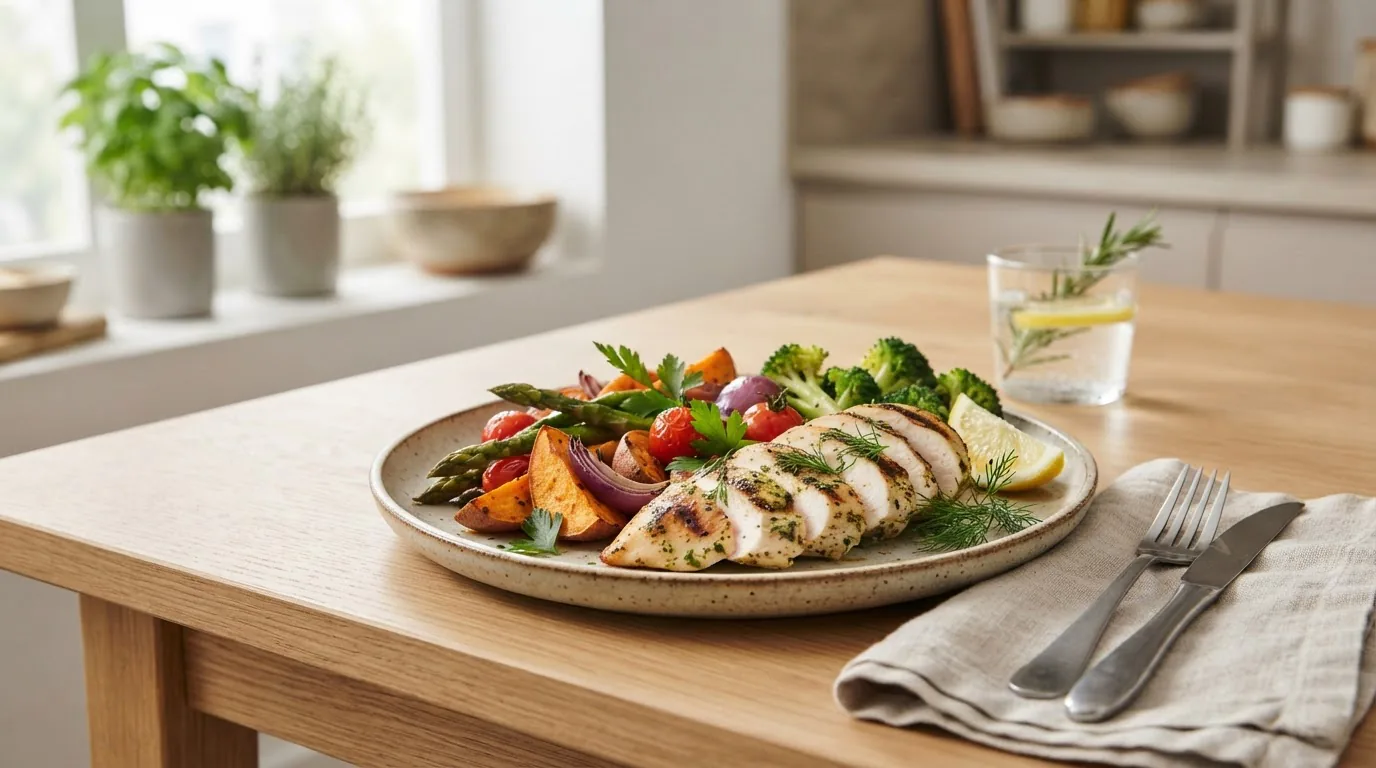
- Start with vegetables: Fill half the plate with non-starchy vegetables (raw or cooked). For example, roasted broccoli + mixed greens equals the half-plate foundation.
- Add protein to one quarter: Place palm-sized portions of chicken, salmon, or a plant-based equivalent on one quarter. Example: 3 oz grilled salmon or 1/2 cup cooked lentils.
- Place grains/starches on the remaining quarter: Add a cupped-hand portion of brown rice, quinoa, or whole-wheat pasta. Swap in sweet potato for variety.
- Include dairy or healthy fats as a side: Add a small yogurt cup, a sprinkle of cheese, or a tablespoon of vinaigrette—keep these modest.
- Apply simple swaps for different meals:
- Breakfast: half the plate with fruit + vegetables (e.g., spinach and tomato), quarter with protein (eggs or Greek yogurt), quarter with whole-grain toast or oatmeal.
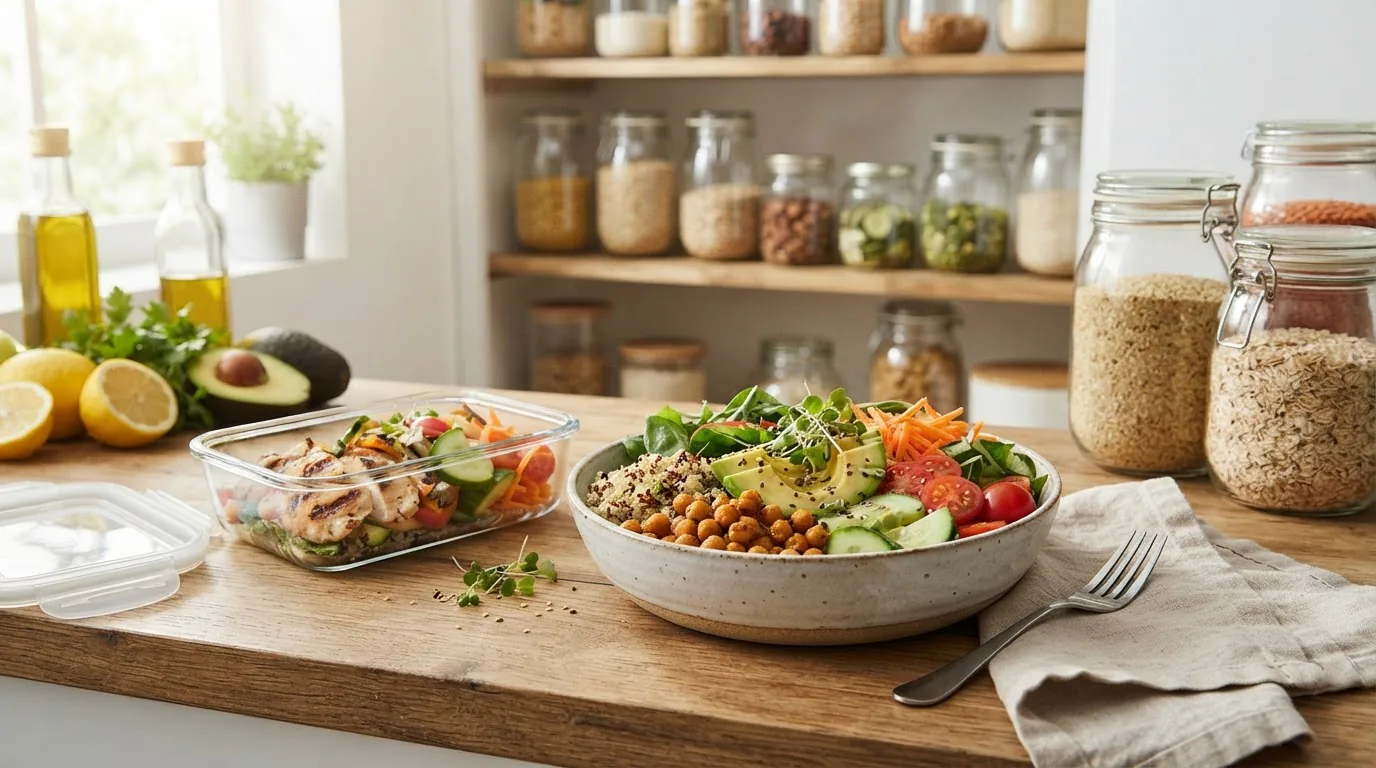
- Lunch (grain bowl): half veggies (mixed salad), quarter protein (tofu or chicken), quarter grain (quinoa), plus a tablespoon of dressing or seeds.
- Dinner (family-style): encourage each person to compose their plate using the half/quarter/quarter rule with shared sides to choose from.
- Meal prepping using portion plates: When batch-cooking, portion meals into containers that reflect plate divisions: place vegetables in one compartment, protein in another, and grains/starch in a third. For printable prep layouts, consult the meal planner printable guide and weekly menu requirements.
- Using hand measurements: Palm = protein; fist = vegetables; cupped hand = grains; thumb = fats. This is useful when serving directly from pots or dining out.
- Practical swapping tips: If your meal is carb-heavy (like pizza), add a side salad to achieve the vegetable half-plate; if you order a large entrée, share it or save half for later and fill the rest of your plate with vegetables.
- Encourage household adoption: Keep a bowl of chopped vegetables ready, post a simple plate diagram on the fridge, and use leftovers strategically to ensure easier balanced meals.
- Works with special diets: The portion plate is adaptable—swap animal proteins for plant-based sources, or replace dairy with fortified alternatives for lactose sensitivity.
For downloadable meal-planning worksheets that map directly to plate portions and weekly menus, see healthy diet worksheet guide and printable meal requirements.
Portion Plate Size Recommendations and Variations
Transition: Plate size changes how many absolute calories or grams sit on the plate; below are practical recommendations and a comparison table to help you choose and adapt portion volumes.
Standard recommendations: A 9–10 inch dinner plate is a useful default for adults. Smaller plates reduce the surface area and can lead to smaller absolute portions without changing the perceived fullness of a meal. Larger plates may require more conscious portioning to avoid “plate size illusion.”
| Plate Size | Typical Diameter | Suggested Vegetable Volume | Suggested Protein Portion | Suggested Grain/Starch Portion |
|---|---|---|---|---|
| Small (salad/appetizer) | 6–7 inches | 1/2–3/4 cup | 1–2 oz | 1/4 cup |
| Standard (recommended) | 9–10 inches | 1–2 cups (non-starchy) | 3–4 oz cooked | 1/2–1 cup cooked |
| Large (family/entree) | 11–12+ inches | 2+ cups (or more) | 4–6 oz cooked | 1–1.5 cups cooked |
Adjustments by age and activity: Children and older adults generally need smaller absolute portions—scale down plate sizes or use smaller sections (e.g., half a standard plate). Very active adults or athletes can increase the grain and protein quarters, or add a small additional plate or bowl for snacks.
For more granular serving and portion recommendations beyond plate visuals, see portion and serving size guide and recommended requirements. If your goal is weight-focused portioning, compare alternate plate designs such as those found in the portion plate for weight loss guide and plate requirements and consider gradual adjustments.
For readers following a specific calorie guide such as a 1400 kcal plan, see 1400 calorie meal plan guide and nutrition requirements to align plate proportions with daily totals.
Benefits of Portion Plate Control for Health and Eating Habits
Transition: Beyond the practical convenience, portion plate control provides measurable benefits for nutrition and eating behavior.
Key benefits:
- Improved nutrient balance: regular inclusion of vegetables and proteins supports micronutrient and macronutrient needs.
- Reduced overeating: visual divisions lead to smaller and more consistent portions compared with free-serving methods. According to a 2024 industry report, use of divided plates reduced self-served portion sizes by 10–15% in observational studies (source: industry analysis).
- Better blood sugar control: pairing carbohydrates with fiber and protein slows digestion and moderates glycemic response—consistent with guidance in peer-reviewed nutrition literature such as the American Journal of Clinical Nutrition (reference for glycemic control findings: peer-reviewed research).
- Supports mindful eating: a structured plate encourages attention to what’s on the plate and slows consumption.
- Flexible for lifestyle goals: portion plate control supports balanced diets without prescribing rigid calorie targets—useful for long-term maintenance and health-focused eating.
For readers curious about energy-focused food choices and how portioning supports stable energy across the day, review the energetic diet plan guide and energy food requirements.
Evidence citations: The approach aligns with official guidance from the USDA Dietary Guidelines and professional statements from the Academy of Nutrition and Dietetics. Peer-reviewed studies reported in journals such as the American Journal of Clinical Nutrition have examined plate-based interventions and found improvements in meal composition and some metabolic markers in controlled settings (peer-reviewed evidence).
Note on adjustment: If you are using portion plates for weight management, also consult the portion control for weight loss guide and portion requirements for integrations of plate guidance with behavioral strategies.
Common Challenges and How to Overcome Them
Transition: Practical habits are rarely frictionless—here are common problems and real-world fixes when adopting portion plate control.
- Portion distortion: People often misjudge portions on large dinnerware. Fix: switch to standard 9–10 inch plates or use plate dividers until proportions feel natural.
- Eating out: Restaurant portions vary widely. Fix: split entrees, ask for a half-portion, or order a side salad to achieve the half-plate vegetable target.
- Social eating: Parties often push larger portions. Fix: fill your plate with veggies first, then take a modest portion of higher-calorie items and avoid standing near buffet lines.
- Measuring difficulties: Avoid obsession with scales—use hand measures (palm/fist/cupped hand) and consistent plate sizes as proxies for precision.
- Plate size illusion: Large plates make portions look smaller. Fix: compare food volumes on different plate sizes, then choose a smaller plate for single-meal servings if needed.
- Adapting for children or older adults: Children need smaller absolute portions; scale down plate areas or use divided kids’ plates. Older adults may need more protein per meal—increase the protein quarter while keeping vegetables generous.
- Maintaining variety: Rotating vegetable types, different protein sources, and whole grains prevents menu fatigue. For help diversifying plant choices, consult the varied diet guide and requirements.
- When to seek help: If you have medical conditions (diabetes, kidney disease, food allergies), consult your healthcare provider to fine-tune plate proportions; this guide provides general recommendations, not individualized medical advice.
Summary and Next Steps for a Balanced Portion Plate Approach
This guide has shown how portion plate methods translate the concept of a balanced diet into a simple, actionable tool for every meal. Key takeaways:
- Half your plate with vegetables and fruits; a quarter with protein; a quarter with whole grains/starches; small dairy or healthy fat portions as appropriate.
- Use visual cues—palms, fists, cupped hands—and a 9–10 inch plate as a practical starting point.
- Adjust based on age, activity level, and dietary needs; consult professionals for medical conditions.
- Adopt small habits: plate-first serving, plate dividers, meal prep, and printable worksheets to stay consistent.
Next steps: Start by practicing portion plate control at one meal per day for a week, then expand to two meals. Use visual aids or divided plates, try a week of batch-prepped plates using the half/quarter/quarter model, and track how meal satisfaction and energy change.
For printable meal planning tools and weekly menu templates aligned with plate portions, see meal planner printable guide and weekly menu requirements.
Final note: portion plate control focuses on balanced nutrition across meals rather than strict caloric rules. If you later want to align plate portions with specific calorie targets, the portion and serving size guide and recommended requirements and the 1400 calorie meal plan guide and nutrition requirements may help bridge that step.
Start small, make plates visually balanced, and let the portion plate become a simple habit to support long-term balanced eating. Ready to try it? Pick one meal today and compose it using the half-plate vegetables, quarter-protein, quarter-grain rule.
Frequently Asked Questions
What is portion plate control and why is it important?
Portion plate control is a visual system that divides a plate into food-group sections—typically half vegetables, one-quarter protein, one-quarter grains—to create balanced meals. It’s important because it simplifies nutrient balance at each meal and promotes consistent intake of fiber, protein, and micronutrients.
How does portion plate control differ from traditional calorie counting?
Portion plate control focuses on food-group balance and portion proportions at each meal rather than tracking calories. It simplifies meal structuring and emphasizes nutrient variety, making balanced eating more accessible without continuous calorie calculations.
How can I use a portion plate to plan my meals effectively?
Plan meals by visualizing a plate divided into half vegetables, quarter protein, quarter grains. Use hand-size measures (palm/fist/cupped hand), batch-prep balanced portions, and keep a small side for dairy or healthy fats to ensure practical daily adherence.
What are the recommended food group proportions on a portion plate?
Recommended proportions are generally: 50% vegetables and fruits, 25% lean or plant-based protein, and 25% whole grains or starchy vegetables, with a small serving of dairy or healthy fats as needed for nutrient completeness.
How long does it take to get used to eating with portion plate control?
Most people adapt within 1–3 weeks of practicing at least one meal daily. Habit formation depends on consistency; using a divided plate or fridge prompts speeds adaptation and makes portions feel normal sooner.
What should I do if I struggle to measure portion sizes accurately?
Use simple visual cues: palm for protein, fist for vegetables, cupped hand for grains, thumb for fats. Choose a standard plate size (9–10 inches) and practice with these references instead of precise scales for everyday meals.
Is portion plate control suitable for people with dietary restrictions?
Yes—portion plate control is adaptable. Swap proteins, grains, and dairy for suitable alternatives (e.g., plant proteins, gluten-free grains, fortified dairy substitutes) and consult a clinician for condition-specific modifications.
How can I ensure the quality and safety of foods when using portion plate control?
Ensure food safety by storing perishables properly, cooking proteins to recommended internal temperatures, washing produce, and rotating fresh and frozen options. Follow food-safety guidelines and consult credible sources for specific instructions.