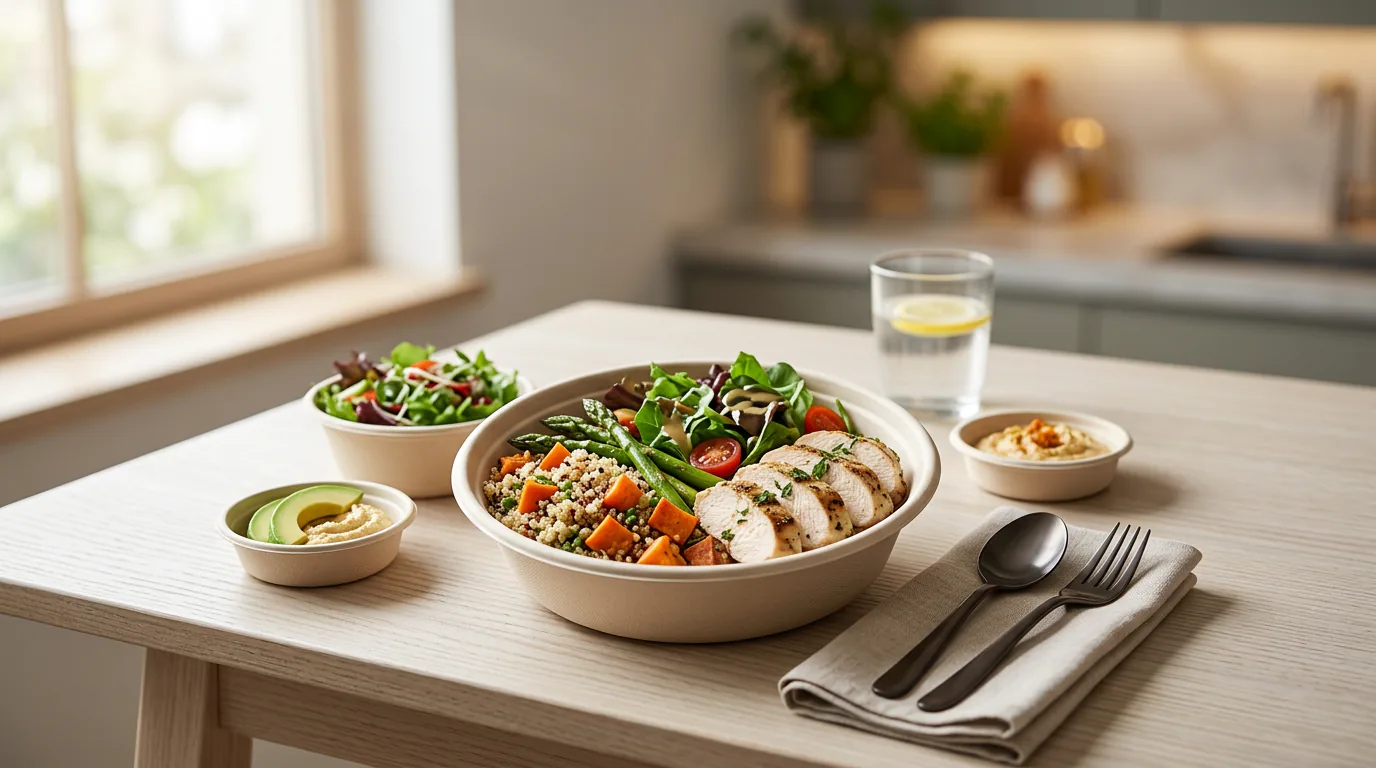
healthy take out can be both nutritious and affordable when you know what to order, how to customize dishes, and which cost factors to watch. This guide breaks down pricing, nutrition balance, ordering strategies, and apps so you can eat better without overspending.
Understanding Healthy Take Out: What Qualifies as Balanced and Nutritious?
Not every menu labeled “healthy” is balanced. For clear decision-making when ordering takeout, a balanced, nutritious meal generally contains the right mix of carbohydrates, protein, healthy fats, fiber, vitamins and minerals, and reasonable sodium and added sugar levels.
Below are straightforward nutrition criteria and quick reference numbers that help you identify balanced takeout options. These align with federal recommendations and commonly used clinical guidelines.
- Macros balance: Aim for roughly 40–55% carbohydrates, 20–35% fat, and 15–30% protein per meal depending on your activity level and goals (guidance adapted from USDA macronutrient ranges).
- Calories per meal: Typical balanced lunch/dinner: 400–700 kcal for most adults (adjust for age, sex, activity).
- Fiber: Target 5–10 g fiber per meal (total 25–30 g/day recommended by many public health resources).
- Sodium limit: Prefer meals under 800 mg sodium per entree; aim lower if you have hypertension (CDC sodium guidance).
- Added sugar: Keep added sugars minimal—ideally under 10 g per meal for most savory meals and low-sugar beverages.
Stat block — quick takeout nutrition checks
- Vegetable portion: ≥1 cup non-starchy vegetables or a large salad with dressing on the side.
- Lean protein: 3–6 oz cooked (chicken breast, fish, tofu, legumes).
- Whole grains: ½–1 cup cooked grain or a whole-grain wrap.
- Healthy fat: 1–2 tablespoons (olive oil, avocado, nuts) rather than large amounts of fried oil or creamy sauces.
For deeper recipe-level nutrition support and to learn how to interpret nutrition facts when cooking, see Yummiest Healthy Recipes Guide with Nutrition Facts and Tips.
Nutrition sources and authority: USDA dietary guidance supports the macronutrient ranges and vegetable-first plate model (U.S. Department of Agriculture – MyPlate); CDC offers sodium and food-safety guidance relevant to takeout (Centers for Disease Control and Prevention).
Transition: With clear criteria for what makes a takeout meal balanced, let’s examine how cost factors influence what you choose.
Cost Factors Behind Healthy Take Out Meals
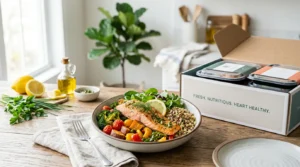
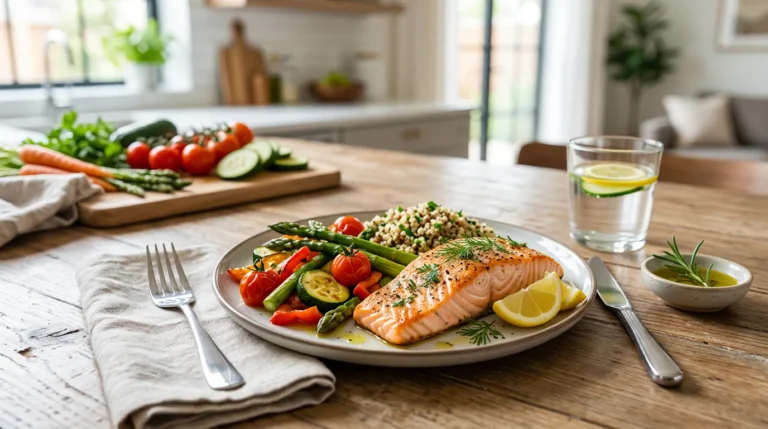
- Ingredient quality and sourcing — Meals with fresh produce, wild-caught fish, or organic ingredients typically cost more. For example, a grilled salmon bowl with roasted vegetables usually runs higher than a chicken-and-rice bowl because of protein and produce costs.
- Protein choice — Beef and seafood cost more per serving than chicken, tofu, or legumes. Swapping shrimp for chicken can lower an entree by $2–6.
- Portion size and plating — Restaurants price meals by portion; large bowls with double protein or added sides increase the total. A “regular” bowl may cost $9–13; a large or extra-protein version can reach $14–20.
- Cooking method — Grilled, steamed, or oven-roasted items cost less than fried or labor-intensive preparations that add time and energy costs.
- Location and restaurant type — Fast-casual chains are often cheaper than independent boutique eateries. Urban centers and airports generally have higher menu prices.
- Delivery fees and markups — Third-party apps add delivery fees, service fees, and dynamic pricing. Expect $2–8 in delivery fees plus 10–25% menu markups in some markets.
- Customization and add-ons — Extra toppings, specialty sauces, or sides add $0.50–5 per item.
- Time of day and promotions — Lunch specials and early-bird discounts can drop per-meal cost significantly.
Cost comparison examples (typical US ranges, per-meal):
- Fast-casual salad bowl (base with greens, one protein, light dressing): $8–13. With extra protein or avocado: $11–17. (According to a 2024 industry pricing summary.)
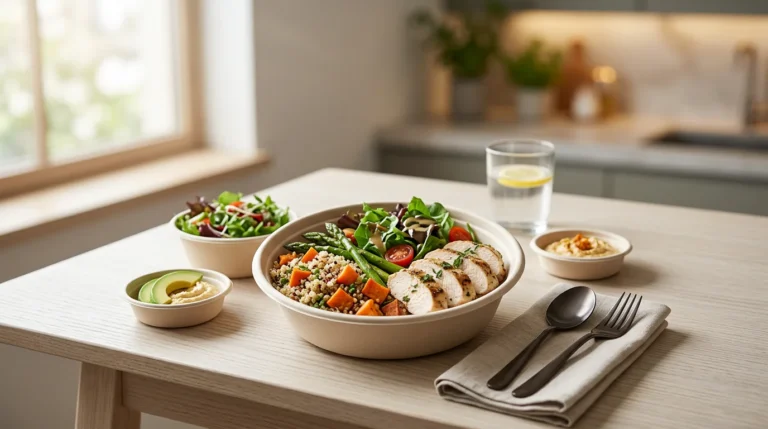
- Mediterranean plate (protein, grain, salad, hummus): $9–16 depending on protein choice. Lamb/seafood on the high end, chicken or falafel on the low end.
- Asian-style rice/noodle bowl (protein, veggies, sauce): $7–14. Higher for sushi bowls or specialty seafood.
- Healthy sandwich/wrap with side salad: $7–12; adding a premium side or beverage raises cost by $3–6.
Cost-drivers by ingredient (estimates of added menu price):
- Avocado: +$1–2
- Extra protein (4 oz): +$2–5
- Gluten-free bread or specialty grain: +$1–3
- Premium sauces or garnishes: +$0.50–3
Saving strategies tied to cost drivers:
- Choose chicken, tofu, or legumes as the main protein to save $2–6 per meal.
- Request dressing on the side and ask for half the sauce to reduce calories and avoid paying for high-cost sauces.
- Skip premium add-ons like avocado when the price jumps—ask for a side of veggies instead.
- Use app promos, neighborhood specials, or pick-up instead of delivery to remove delivery and service fees.
Practical example of cost vs. nutrition trade-off: A grilled chicken bowl sold for $12 with vegetables and brown rice provides balanced macros and fiber; upgrading to salmon increases cost to $16 but adds omega-3s. Decide if the nutrient upgrade is worth the $4 difference based on budget and goals.
Transition: Now that you know what raises or lowers the bill, here’s how popular healthy cuisines typically stack up in price and nutrition.
Popular Healthy Take Out Cuisine Types and Their Typical Costs
| Cuisine | Typical Healthy Meals | Cost Range (US) | Nutrition Highlights |
|---|---|---|---|
| Mediterranean | Grilled chicken/shawarma plate, grain bowls, mezze plates | $9–16 | High in olive oil healthy fats, vegetables, legumes; moderate sodium in some sauces |
| Asian (Pan-Asian, Japanese, Thai) | Rice/noodle bowls, sushi rolls, steamed fish | $7–18 | Lean proteins, vegetables; watch for sodium in soy/sauce, fried toppings |
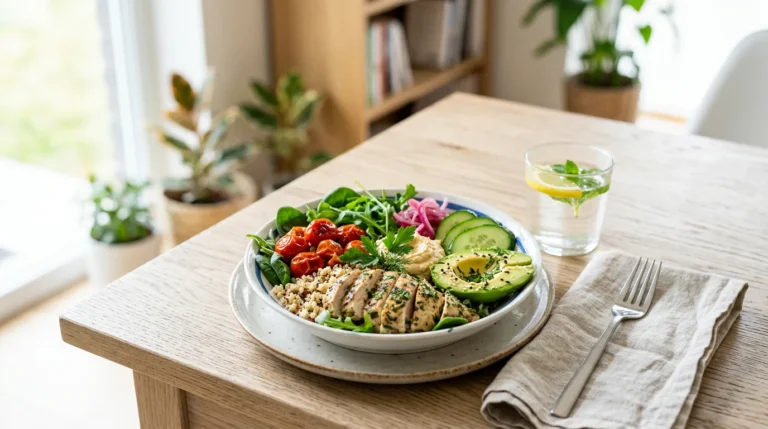
| Salad Bars / Fast-Casual Bowls | Custom salad/bowl with grains, protein, dressings | $8–15 | Customizable macro balance; easy to add veggies and whole grains |
| Vegetarian / Vegan | Buddha bowls, lentil/legume dishes, tofu stir-fries | $7–14 | High fiber and plant protein; often lower saturated fat |
| Healthy American | Grilled protein plates, salads, baked fish | $9–17 | Lean proteins, whole grains; portion sizes can vary widely |
| Unique / Offal & Specialty | Grilled chicken hearts, organ-meat bowls | $8–18 | High in micronutrients like iron and B12; price varies with novelty |
Notes and linkables:
- For high-protein at-home alternatives, check high-protein chicken breast recipes.
- Vegetarian takeout often mirrors simple at-home dishes; try quick vegetarian dinner recipes for inspiration when you want to replicate a favored takeout.
- For adventurous eaters exploring organ meats you might find similar nutrition to specialty takeout; see unique chicken heart recipes.
Transition: Knowing cuisine cost and nutrition patterns, you can now apply concrete ordering strategies to get balanced, affordable meals every time.
How to Order Balanced Healthy Take Out: Expert Tips and Strategies
Ordering well is both a nutrition and budgeting skill. Use these steps to decode menus, customize smartly, control portions, and manage cost without sacrificing balance.
- Scan the menu for structure — Look for meals that pair a lean protein, vegetables, and whole grains. If the menu lists calories or nutrition facts, check calories, sodium, and fat. Registered dietitians recommend prioritizing “protein + veg + whole grain” as a mental checklist.
- Choose the protein first — Pick lean, lower-cost proteins like grilled chicken, tofu, beans, or legumes to keep costs down and protein adequate. Swapping out shrimp or steak for chicken typically saves $2–5 without losing protein quality.
- Order vegetables generously — Ask for extra non-starchy vegetables or a side salad instead of chips or fries. Vegetables usually add minimal cost ($0–2) and boost fiber and volume.
- Manage sauces and dressings — Request sauces on the side and ask for half portions of high-calorie dressings. This reduces hidden calories, added sugars, and sodium while retaining flavor.
- Control portions — If a bowl is oversized, split it into two meals or ask for a “half” portion. Many chains will accommodate smaller portions for a reduced price or you can save the second half for later.
- Use smart swaps — Swap white rice for brown rice or mixed greens when available. Replace fried components with grilled or steamed options. Common swaps often cost $0–2 but improve fiber and lower unhealthy fats.
- Read ingredient cues — “Grilled,” “steamed,” “roasted” = generally healthier; “crispy,” “breaded,” “crispy sesame” = likely fried and higher in fat. Watch for “special sauces” or “glazes” which often contain added sugar and sodium.
- Bundle strategically — Choose combos where the side is a salad or steamed veggies rather than fries. Promotions that include a healthy side offer better value than a la carte add-ons.
- Price-out your customizations — Before you finalize an order, check if add-ons like avocado or premium protein significantly increase the total. If cost is tight, prioritize items that hit macro needs most effectively (protein and veg).
- Timing and frequency — If you order takeout more than three times weekly, small savings per meal compound. Consider switching one or two nights to homemade or meal-prepped alternatives to free up budget for occasional higher-priced meals.
Menu-decoding examples
- “Salad with grilled salmon, mixed greens, and citrus vinaigrette” — Balanced: protein, veggies, healthy fat. Watch portion size and vinaigrette amount.
- “Teriyaki bowl with white rice and crispy chicken” — Swap crispy chicken for grilled; ask for brown or half rice, add extra steamed bok choy to reduce calories and sodium impact.
- “Burrito with rice, beans, cheese, sour cream, guacamole” — Ask for half cheese, no sour cream, extra beans and veggies. Beans add fiber and protein at low cost.
Cost-saving customization examples
- Opt for a smaller protein portion with double vegetables to cut $2–4 while improving fiber.
- Choose a water or unsweetened tea instead of bottled sugary drinks to save $1.50–3 and reduce added sugars.
Dietitian tips (practical wording): Registered dietitians recommend checking sodium and fiber on nutrition labels when available and asking for sauces/dressings on the side to reduce hidden calories and sodium. If nutrition info isn’t available, default to simple whole-food ingredients and avoid “fried” or “crispy” descriptors.
Walkthrough: ordering via delivery apps with built-in filters (step-by-step)
- Open app and set filters: select “healthy,” “low-calorie,” or “high-protein” if available.
- Choose restaurants with menu nutrition info or clear ingredient descriptions.
- Select base meal (grilled protein + veg + whole grain). Add customization notes: “dressing on side,” “light salt.”
- Compare pick-up vs. delivery price; choose pick-up when feasible to avoid delivery fees.
- Apply promo codes or loyalty credits before checkout; use combo deals that include a salad or veggie side.
For home-cooking alternatives on busy nights that complement your takeout strategy, consult simple healthy dinner ideas.
Transition: Tools and apps can streamline the above steps—here are the best ones to find affordable, healthy takeout near you.
Tools and Apps for Finding Affordable Healthy Take Out Near You
Use apps and web tools that surface menu information, allow healthy filters, and show price comparisons. Below are practical platforms and tips to use them effectively.
Popular delivery and discovery tools
- DoorDash — filter by cuisine and sometimes “healthy” tags; check for pick-up pricing differences.
- Uber Eats — allows searching menu items and often shows nutrition info when restaurants provide it.
- Grubhub — good for local restaurant menus and sometimes alternative pickup fees.
- Yelp — search for “healthy” or “farm-to-table” and read ingredient details in reviews for clues on portion sizes and quality.
- Restaurant websites — often the most reliable source for exact nutrition facts and portion sizes.
- Nutrition tracking apps (MyFitnessPal, Cronometer) — use to estimate calories and macros from menu items if nutrition facts are unavailable.
App-savvy tactics
- Always compare pick-up vs delivery price—the difference can be $2–10.
- Check restaurant websites for full nutrition facts even if the third-party app omits them.
- Use promo codes and loyalty rewards to lower per-meal cost of healthier choices.
- Filter for “salads,” “bowls,” or “grilled” when available to surface balanced meals faster.
For meal-prep complements that save money across the week, consider these resources for chicken meal prep ideas that pair well with occasional takeout: healthy chicken meal prep ideas.
Transition: Even with careful ordering and apps, common challenges arise—here’s how to handle them.
Common Challenges with Healthy Take Out and How to Overcome Them
Takeout has many benefits, but there are pitfalls like hidden calories, excessive sodium, and freshness concerns. Below are common problems and pragmatic fixes rooted in food-safety and nutrition guidance.
Problem: Hidden calories and portion creep
Solution: Ask for nutrition info or estimate with a nutrition app. Opt for half portions or split meals. Swap calorie-dense sides (fries) for a vegetable side. For guidance on caloric control and portion awareness, review USDA serving-size frameworks (USDA).
Problem: High sodium and added sugar
Solution: Ask for sauces on the side, choose low-sodium options, and avoid glazed or sweet sauces. The CDC recommends monitoring sodium intake; choose items under 800 mg sodium per entree when possible (CDC).
Problem: Oversized portions
Solution: Order a half-size, save half for later, or choose an appetizer-sized entree as your main. Bring your own reusable container to immediately portion out at pickup if acceptable.
Problem: Freshness and food safety
Solution: Pick up when feasible, heat food fully if needed, and avoid perishable toppings left at room temperature for long. Follow CDC food safety steps like reheating to 165°F when reheating takeout.
Problem: Ambiguous menu wording
Solution: Ask staff for details—what’s in the sauce, how the protein is cooked, portion sizes. If you’re ordering for health reasons (allergies or sodium limits), be explicit and confirm preparation methods.
For seasonal needs—like ordering when it’s cold—consider warming, comforting options that still meet nutrition goals. See comforting winter meal ideas to match comfort with health.
Transition: If you want concrete examples, the next section offers sample daily plans with estimated costs and nutrition breakdowns to model week-long decisions.
Sample Budget-Friendly Healthy Take Out Meal Plans and Cost Breakdown
Below are three sample daily plans—Budget Saver, Balanced Everyday, and Active Day—designed for USA consumers using takeout strategically. Each day lists estimated costs, approximate calories, and macro considerations. Prices are national average ranges and vary regionally.
Mini case study: Sarah, a busy teacher in Chicago, ordered takeout 4 nights last week. She used app pick-up promos twice, swapped steak for chicken twice, and requested dressings on the side. Her per-meal average dropped from $15 to $10 and her meals increased in vegetables and fiber because she replaced fries with side salads. According to a 2024 consumer pricing survey, small per-meal savings like this can reduce weekly food spend by 20%.
Plan A — Budget Saver (one-day)
- Breakfast: Greek yogurt (plain) with a small fruit cup from a cafe — $3.50; ~250 kcal; 15 g protein.
- Lunch: Fast-casual rice bowl with grilled chicken, double veggies, half rice — $9.00; ~550 kcal; 35 g protein; low added sugar.
- Dinner: Mediterranean wrap (chicken, hummus, salad) without fries — $8.50 pick-up special; ~620 kcal; 30 g protein.
- Daily estimated cost: $21.00 (excluding coffee/snacks). Approx calories: 1,420 kcal.
Plan B — Balanced Everyday (one-day)
- Breakfast: Oat-based bowl with nuts and fruit (store pickup) — $5.00; ~350 kcal; 8 g protein.
- Lunch: Salad bowl with tofu or grilled chicken, dressing on side (fast-casual) — $11.00; ~500 kcal; 28 g protein; 8 g fiber.
- Dinner: Baked fish plate with quinoa and steamed greens — $14.00 dine-in or pick-up; ~600 kcal; 35 g protein; moderate sodium.
- Daily estimated cost: $30.00. Approx calories: 1,450 kcal.
Plan C — Active Day (athlete-style)
- Breakfast: Egg-white wrap with spinach and whole-grain tortilla — $6.50; ~300 kcal; 20 g protein.
- Lunch: Protein bowl (double protein, brown rice, vegetables) — $14.00; ~750 kcal; 50 g protein.
- Dinner: Large salad with grilled chicken, avocado (on side), whole-grain roll — $13.00; ~650 kcal; 40 g protein; 12 g fiber.
- Daily estimated cost: $33.50. Approx calories: 1,700 kcal.
Weekly cost comparison (5 nights ordering takeout, 2 nights home-cooked):
- Low-cost strategy average: $10–12 per takeout meal → Weekly takeout cost: $50–60.
- Moderate strategy average: $12–16 per takeout meal → Weekly takeout cost: $60–80.
- High-cost strategy (frequent premium proteins and add-ons): $16–22 per takeout meal → Weekly takeout cost: $80–110.
Case study takeaway: By prioritizing chicken/tofu, extra vegetables, and pickup promos, Sarah lowered her weekly takeout spend from roughly $75 (mixed choices) to $50 while improving meal fiber and lowering added sugar intake.
For readers who want to switch some nights to meal prep to balance costs, see easy healthy lunch meal prep ideas and for couples seeking at-home dinner cost comparisons, check healthy dinner recipes for two with cost details.
Transition: Summing up, here are the key reminders and an actionable checklist so you can order smartly tonight.
Conclusion: Balancing Cost and Nutrition When Ordering Healthy Take Out
Healthy take out is achievable and affordable when you combine smart ordering, portion control, and app-savvy tactics. Prioritize lean proteins, vegetables, whole grains, and sauces on the side. Use pickup, promotions, and low-cost proteins like chicken or legumes to keep per-meal costs down. Remember to check nutrition facts when available and follow basic food-safety practices from authoritative sources such as the USDA and CDC (USDA, CDC).
Actionable reminders:
- Use the “protein + veg + whole grain” checklist when ordering.
- Ask for dressings on the side and request reduced salt if needed.
- Compare pick-up vs delivery pricing and use promos to save money.
- When ordering often, mix in meal-prep nights to lower weekly spend and improve variety.
Start applying one tip tonight—ask for your dressing on the side or swap a premium protein for grilled chicken—and you’ll see both cost and nutrition benefits quickly. For additional recipes and nutrition facts to support balanced choices, visit Yummiest Healthy Recipes Guide with Nutrition Facts and Tips.
Frequently Asked Questions
What is considered healthy take out food?
Healthy take out typically pairs a lean protein (chicken, fish, tofu, legumes), non-starchy vegetables, and a whole-grain or vegetable base, with sauces on the side and limited added sugars and sodium. Aim for balanced macros and at least 5–10 g fiber per meal for satiety and nutrition.
How does healthy take out compare to cooking at home in terms of nutrition and cost?
Cooking at home usually costs less per serving and lets you control sodium, added sugar, and portion sizes. Takeout offers convenience; with careful ordering—lean proteins, extra veg, dressing on side—you can approximate home nutrition while paying a premium of roughly $3–8 per meal.
How can I order balanced healthy take out meals without overspending?
Prioritize lower-cost proteins like chicken, tofu, or beans, request extra vegetables, avoid premium add-ons, choose pick-up over delivery, and use app promos. Splitting large portions or ordering half sizes also reduces cost while maintaining balanced macros and fiber.
What are the best apps to find affordable healthy take out near me?
DoorDash, Uber Eats, and Grubhub are useful for menu browsing and picking up promotions; Yelp helps find healthy local spots. Check restaurant websites for full nutrition facts and compare pick-up versus delivery prices to save money.
How much does a typical healthy take out meal cost in the USA?
Typical costs vary by cuisine and location: expect $8–15 for a balanced salad or bowl at fast-casual places; $9–17 for Mediterranean or healthy American plates; delivery and add-ons can raise totals to $15–22 per meal in many urban markets.
How do I avoid hidden sugars and sodium when ordering takeout?
Request sauces and dressings on the side, avoid glazed or sweet-marinated items, choose fresh vegetables over sides like fries, and ask for reduced-salt preparation. When available, review nutrition labels for sodium and added sugar before ordering.
What should I do if my healthy take out meal doesn’t meet my dietary needs?
If a meal lacks balance, ask the restaurant for modifications (extra veggies, swapped grains, dressing on side). If the order is incorrect, contact the restaurant immediately for correction or refund and document dietary restrictions to prevent repeat issues.
How can I trust the quality and nutrition claims of takeout restaurants?
Trust is higher when restaurants provide full nutrition facts on menus or their websites. Cross-check ingredient lists, read reviews, and prefer establishments with clear preparation methods. For safety, follow CDC reheating guidance and choose pickup when freshness is crucial.