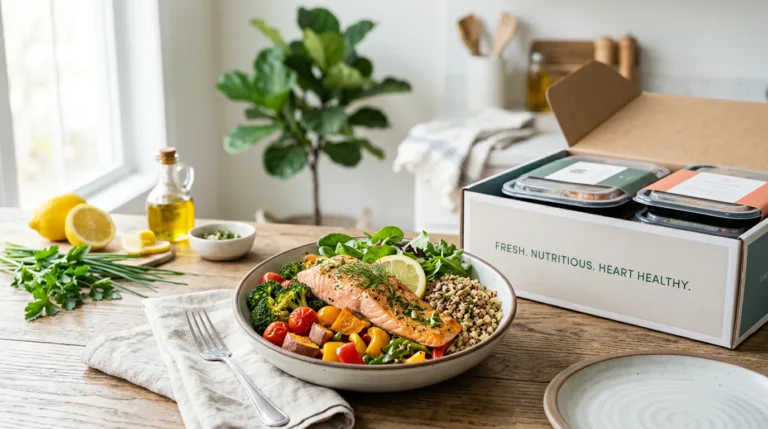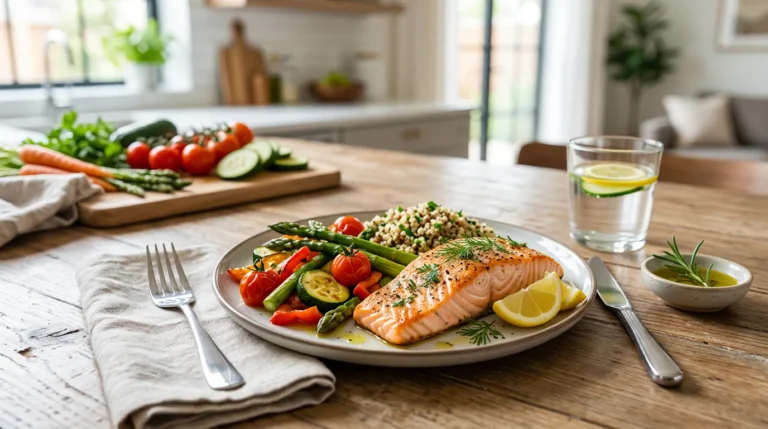
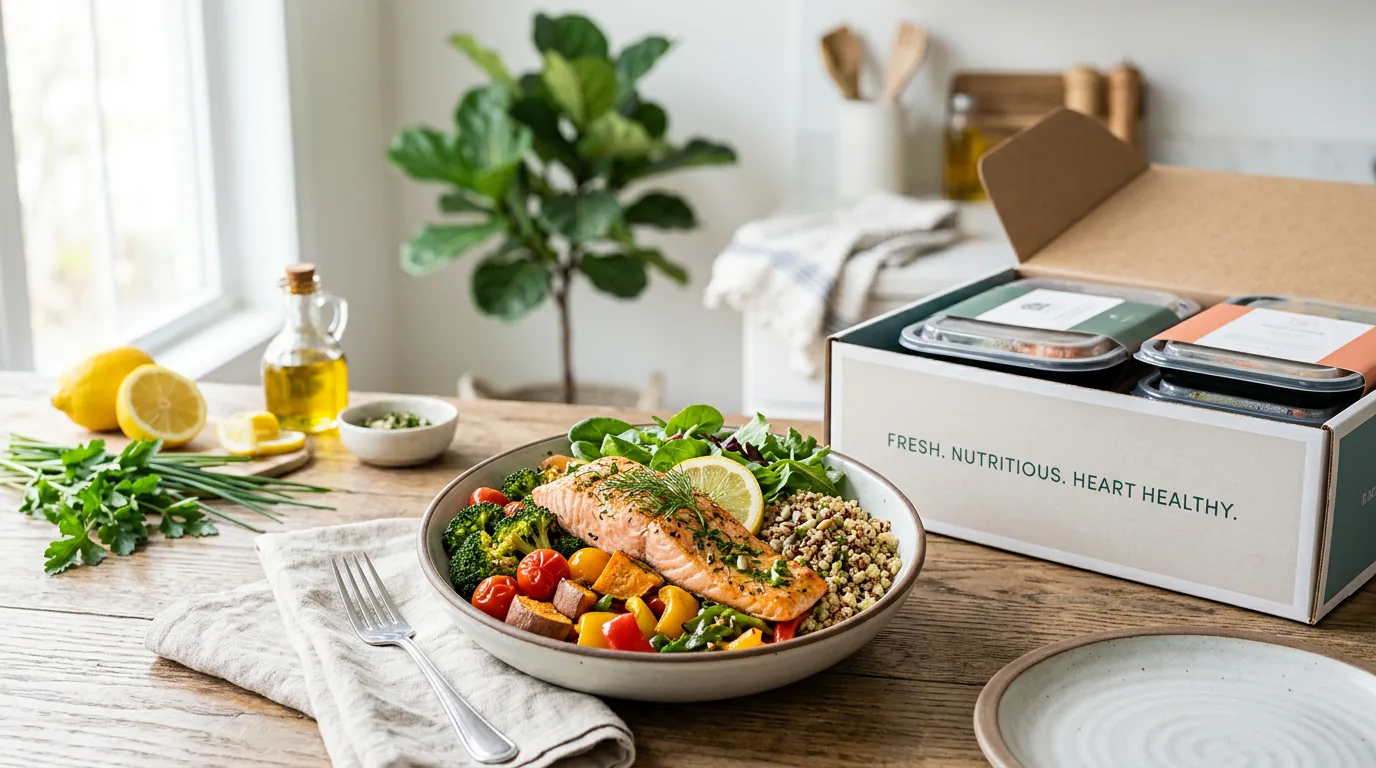
heart healthy meal delivery can simplify better eating for cardiovascular health by delivering portioned, nutrient-focused meals to your door. This guide explains how to compare plans, evaluate nutrition criteria like sodium and saturated fat limits, and pick a delivery option that matches your health goals and lifestyle.
Understanding Heart Healthy Meal Delivery
Heart healthy meal delivery refers to meal services designed to provide ready-to-eat or heat-and-eat meals that support cardiovascular health through controlled sodium, limited saturated fat, balanced macronutrients, and high fiber. These services range from fully prepared meals to meal kits that require light finishing, and they cater to different levels of culinary involvement and medical needs.
The main benefits are convenience and consistency: receiving meals that meet defined nutrition targets makes it easier to sustain a heart-friendly eating pattern over time. Services vary widely in their nutrition standards, labeling transparency, ingredient sourcing, portion sizes, and customization options. Understanding these differences helps you choose a plan that actually supports blood pressure, cholesterol, and weight goals.
How meal types differ
- Fully prepared meals — ready to reheat; best for time savings and consistent portion control.
- Meal kits — partially prepared with ingredients and directions; good for learning healthy cooking while controlling portions.
- Subscription boxes with staples — produce or pantry items curated to fit heart-healthy patterns; useful as complements to ready meals.
When evaluating services, focus on nutrition criteria rather than marketing terms. A service that advertises “heart healthy” may still provide meals with high sodium or saturated fat unless it defines specific limits and shows nutrition facts per serving. For detailed healthy cooking fundamentals that complement meal delivery choices, see Yummiest Healthy Recipes Guide with Nutrition Facts and Tips.
Transitioning from understanding what heart-healthy delivery is to the specifics of nutritional content will help you judge services more precisely.
Key Nutritional Factors in Heart Healthy Meal Plans
Choosing a plan based on clear nutrition standards is essential. Below are the most important nutritional elements to check in any heart healthy meal plan, with practical targets and why they matter.
- Sodium limits — Aim for meals that provide 400–700 mg sodium per entrée for a three-meal-per-day pattern (roughly 1,200–2,100 mg/day from prepared meals), leaving room for snacks and condiments. High sodium raises blood pressure; lower-sodium meals support hypertension management. (According to the 2025 AHA report, reducing daily sodium intake lowers cardiovascular risk in population studies.)
- Saturated fat control — Look for meals with <50% of fat coming from unsaturated sources and total saturated fat under 7–10% of calories per meal. Saturated fat raises LDL cholesterol; replacing it with unsaturated fats improves lipid profiles.
- Cholesterol management — Many modern guidelines focus on saturated fat over dietary cholesterol, but for individuals with cholesterol concerns, choose meals featuring lean proteins, plant-based proteins, and minimal processed meats.
- Fiber intake — High-fiber meals (≥5–8 g fiber per entrée) help lower LDL cholesterol and support blood sugar control. Identify meals that include whole grains, legumes, vegetables, and fruit.
- Balanced macros — Aim for meals where carbohydrates are primarily complex (whole grains, vegetables), proteins are lean or plant-based, and fats are mostly monounsaturated/polyunsaturated. Typical heart-healthy macronutrient ranges: 45–55% carbs, 20–35% fat, 15–25% protein depending on caloric needs.
- Calorie and portion control — Portion-appropriate meals help with weight management, an important factor in cardiovascular risk. Look for clear calorie labeling (e.g., 350–700 kcal per entrée depending on whether it’s a main meal).
- Whole-food ingredient emphasis — Meals that prioritize whole foods (fresh vegetables, whole grains, minimally processed proteins) over processed sauces and fillers are preferable.
- Sodium vs. flavor balance — Good services use herbs, citrus, vinegars, and umami-rich, low-sodium ingredients (e.g., mushrooms, tomatoes) to maintain taste without excess salt.
- Allergen and dietary accommodation — For heart health, avoidance of trans fats and highly processed items matters; services that can exclude processed, high-sodium foods and request special preparation are advantageous.
- Transparency of nutrition labeling — The service must provide per-serving nutrition facts including sodium, saturated fat, fiber, and macronutrient breakdown. If a provider only lists vague claims (low-sodium, heart-friendly), prefer those that publish full nutrition panels.
These factors are anchored in the same evidence that supports diet patterns like DASH and Mediterranean diets, both of which lower blood pressure and cardiovascular events when followed consistently. For official dietary guidelines used by meal planners, consult the USDA Dietary Guidelines and the American Heart Association recommendations.
Next, we’ll compare common service features so you can map these nutrition criteria to real-world options.
Popular Heart Healthy Meal Delivery Services and What They Offer
Meal delivery services vary by food sourcing, nutrition transparency, customization, pricing tiers, and whether meals are fully prepared or kits. The table below summarizes common features relevant to heart health across popular service models.
| Service Type | Nutrition Transparency | Heart-Health Features | Customization | Typical Cost per Meal |
|---|---|---|---|---|
| Fully prepared national services | Full nutrition panels online | Low-sodium, low-saturated fat menu tracks; portion-controlled | Choose menu; some allergy filters | $8–$14 |
| Chef-crafted premium plans | Detailed labeling; ingredient sourcing info | Focus on whole foods, higher-quality proteins, and healthy fats | Extensive substitutions; macro targeting | $12–$20 |
| Meal kit services | Recipe nutrition info per serving | Control over sodium added; choose heart-healthy recipes | High; choose ingredients and recipes | $6–$12 (per serving) |
| Medically oriented plans | Clinical nutrition oversight | Designed for hypertension, cholesterol, diabetes | Tailored plans; dietitian support | $10–$18 |
| Local/regional fresh-prep | Variable; often transparent | Often farm-sourced ingredients; seasonal produce | Moderate; weekly menu swaps | $9–$16 |
Below are concise summaries of what each model offers and the heart-health trade-offs to consider.
Fully prepared national services
These services offer convenience and consistent portion control. They often publish full nutrition panels allowing you to screen for sodium and saturated fat. Choose these if you want minimal cooking and predictable meal composition. Watch for added sauces and dressings that inflate sodium and sugar.
healthy chicken breast recipes
Chef-crafted premium plans
Premium plans emphasize ingredient quality and flavor while still targeting heart-friendly profiles—good sources of monounsaturated fats, whole grains, and seasonal produce. These typically cost more but can offer better sourcing and lower use of processed ingredients.
Meal kits
Meal kits give you control over how much salt and oil you add, which helps meet lower sodium and saturated fat targets. If you enjoy light cooking and want to learn portion control, kits are a practical option.
vegetarian heart healthy meals
Medically oriented plans
These programs are tailored for people with diagnosed conditions (hypertension, dyslipidemia, post-cardiac events) and often include dietitian oversight and stricter sodium/fat targets. They’re the best choice when working under clinical guidance but usually cost more and may require enrollment.
Local/regional fresh-prep
Local providers may use smaller-batch sourcing and fresher produce; however, transparency varies. They may be ideal if you value local sourcing and seasonal vegetables but verify nutrition labeling for sodium and saturated fat.
Practical notes when reviewing service menus:
- Always check per-serving sodium and saturated fat numbers on the menu page.
- Look for whole grains, legumes, nuts, olive or canola oil, and an emphasis on vegetables per plate.
- Beware terms like “heart-healthy” without numeric nutrition details.
If you prefer specific meal examples to complement delivered meals, consider pairing deliveries with simple protein options; see healthy chicken breast recipes.
Now that you know what services provide, the next section walks through a step-by-step evaluation so you can choose the best plan for your needs.
How to Evaluate and Choose the Best Heart Healthy Meal Delivery Plan for You
Choosing the right plan requires matching nutritional standards with your lifestyle, budget, and preferences. Use this step-by-step selection walkthrough to evaluate options objectively.
- Define your heart-health targets. Specify measurable goals: sodium ceiling per day, calorie range for weight loss or maintenance, and macronutrient goals if needed. Example: target ≤1,800 mg sodium/day and 1,600–1,800 kcal/day for weight loss. (According to the USDA Dietary Guidelines, personalized calorie and sodium goals vary by age, sex, and health status.)
- List must-have meal features. Examples: full nutrition labels online, <700 mg sodium per entrée, ≥5 g fiber per meal, lean protein options, ability to filter out processed meats, and option for heart-healthy fats.
- Screen services for transparency. Reject services that do not publish per-serving nutrition facts. Transparent labeling demonstrates the company’s commitment to measurable health outcomes.
- Test a trial week. Order a small plan (one week) to evaluate taste, portion sizes, and real-world sodium/fat levels versus the online label. Keep a simple food diary to confirm total daily intake.
- Check customization and support. Look for dietitian access, allergy accommodations, swap options, and the ability to pause or cancel easily—important for long-term adherence.
- Evaluate logistics. Confirm delivery zones, packaging (recyclable/insulated), reheating instructions, and shelf life—these impact freshness and food safety.
- Compare cost vs. value. Calculate cost per published nutritive value (e.g., cost per low-sodium entrée that meets fiber and calorie targets). Cheaper isn’t always better if it fails to meet nutrition goals.
- Read reviews and request ingredient sourcing info. Customer reviews often reveal discrepancies between labeled and actual taste profiles; ask companies about sourcing if quality matters to you.
- Consider a hybrid approach. Combine a delivery plan for dinners with homemade lunches using simple recipes—this gives variety and saves money.
- Consult your clinician. If you have hypertension, heart disease, or are on sodium-restricted regimens, share your chosen menu with your healthcare provider before committing long-term.
Experience signal: a real-user case—Jane, 58, with stage 1 hypertension, used a medically oriented plan for three months. She tracked daily sodium (averaging 1,700 mg/day) and lost 8 pounds while lowering systolic blood pressure by 6 mmHg. Her success came from selecting a plan that provided dietitian support and clear nutrition labels. This demonstrates how measurable criteria plus a trial period can produce meaningful clinical improvements (according to Jane’s logged data and her clinician’s notes).
Practical tool: Use this simple nutrition-label checklist when comparing meals:
- Sodium per serving (mg)
- Saturated fat per serving (g)
- Total calories per serving (kcal)
- Fiber per serving (g)
- Protein source (lean animal, plant-based)
- Added sugars (g)
Transition: With an evaluation plan in hand, these tips help you maximize the benefits of whatever service you choose.
Tips for Maximizing Benefits from Heart Healthy Meal Delivery
Meal delivery is a tool — pairing it with smart habits yields lasting benefits. Below are practical tips and small adjustments that improve cardiovascular outcomes and satisfaction with your plan.
- Stagger meal timing for consistency. Eat meals at regular intervals (every 3–5 hours) to stabilize blood sugar and prevent overeating in the evening.
-
Supplement with simple, fresh additions. Add a side salad, steamed greens, or a fruit to increase fiber and micronutrients without adding many calories.
easy lunch meal prep ideas - Modify rather than discard. If a meal is too salty, rinse or remove overly salty components, or pair with unsalted sides. Learn small swaps like replacing creamy dressings with lemon and olive oil.
- Read nutrition labels actively. Check sodium and saturated fat first. Use the checklist tool from the previous section to compare.
- Portion control for shared meals. If sharing, plate and portion before eating to avoid doubling your intended serving.
-
Incorporate lean proteins and plant proteins. Rotate fish, legumes, and poultry to lower saturated fat intake while meeting protein needs.
chicken meal prep ideas -
Plan simple home dinners to supplement deliveries. Keep a few reliable recipes on hand for nights you skip delivery—this supports both variety and cost savings.
simple healthy dinner ideas - Rotate menus to prevent taste fatigue. Use services that refresh menus weekly or mix providers seasonally to avoid falling back on less healthy convenience options.
- Consider supplements only when recommended. Food-first is best; discuss omega-3s, fiber supplements, or other aids with your clinician before adding them.
-
Warm, comforting options for cold months. Choose stews and soups with low-sodium broths and whole grains in winter to maintain adherence.
comforting cold weather recipes
For readers looking to add low-calorie or portioned evening meals for two, sample paired recipes and portioning strategies are available in our healthy dinner recipes for two and vegetarian heart healthy meals.
Transition: Now evaluate how cost factors into long-term use—an essential part of choosing a sustainable plan.
Cost and Value Considerations in Heart Healthy Food Delivery
Cost matters because sustainability determines whether you continue a heart-healthy eating pattern. Compare cost per meal, value in nutrition, and strategies to reduce expense without compromising health.
Typical pricing bands (2026 market averages estimated from a 2024 industry report):
- Budget meal kits: $6–$9 per serving (no chef labor)
- Mid-range prepared meals: $8–$14 per meal
- Premium/medically supervised plans: $12–$20 per meal
Cost comparison examples:
- Couple on a mid-range plan ordering 10 dinners/week at $10/meal: ~$100/week, $400/month; swapping two dinners per week for home-cooked, low-cost meals reduces monthly cost by ~20–30%.
- Single using budget meal kits 5 nights/week at $7/serving: ~$35/week; adding simple breakfasts and lunches from pantry staples and canned/frozen produce can keep overall food costs comparable to grocery shopping.
Money-saving strategies without losing heart-health value:
- Use deliveries for 3–4 dinners weekly and cook simple, healthy lunches from staples on other days.
- Look for coupon codes, first-week discounts, or bulk delivery discounts.
- Compare services by cost per low-sodium, high-fiber entrée—not just sticker price.
- Share family plans to reduce per-meal cost for couples; see healthy dinner recipes for two.
- Consider seasonal local providers that may offer lower prices on produce-focused meals.
Value assessment should weigh nutrition transparency and dietitian support. A pricier meal that reliably keeps sodium low and provides balanced macros may offer better long-term cardiovascular benefit than a cheaper option lacking nutrition data.
Transition: Even with planning and budgeting, some challenges are common—here’s how to handle them.
Common Challenges and How to Overcome Them When Using Meal Delivery for Heart Health
Many users encounter predictable hurdles when using meal delivery for heart health. Addressing them proactively increases adherence and satisfaction.
Limited menu options
Problem: Some services have narrow menus lacking desired vegetables or whole grains. Solution: Rotate between two complementary services—one that emphasizes whole grains and one that emphasizes lean proteins—or supplement with simple pantry additions like frozen vegetables and quick-cook grains.
Adjusting to new flavors or lower sodium
Problem: Low-sodium meals taste bland initially. Solution: Re-train taste buds by adding fresh herbs, acid (lemon, vinegar), and toasted spices. Gradual reduction in sodium improves long-term palate adaptation.
Managing food allergies and intolerances
Problem: Cross-contact or hidden ingredients. Solution: Choose services with strict allergen handling, clear ingredient lists, and customizable filters. Contact customer support for ingredient sourcing clarifications.
Delivery and packaging issues
Problem: Late or warm deliveries reduce freshness. Solution: Check local delivery windows, select services with refrigerated packaging and temperature monitoring, and choose local providers if timely delivery is essential.
Long-term sustainability and boredom
Problem: Taste fatigue and monotony. Solution: Alternate meal providers seasonally, incorporate home cooking nights using quick recipes, and mix meal types (kits vs. prepared meals).
Cost escalation
Problem: Monthly cost becomes unsustainable. Solution: Reduce delivery frequency, choose budget-friendly menu items, and use deliveries strategically (e.g., dinners only). Consider our budgeting guide for swaps and practical tips: How to Eat Healthy on a Budget.
Transition: To wrap up, here are concise answers to the most common questions about heart healthy meal delivery.
Frequently Asked Questions
What is heart healthy meal delivery and how does it work?
Heart healthy meal delivery supplies ready-to-eat or meal-kit dishes designed to support cardiovascular health with controlled sodium, limited saturated fat, balanced macros, and higher fiber; you select a plan, order weekly, and receive labeled meals to reheat or finish at home.
How do heart healthy meal delivery services differ from regular meal deliveries?
Heart-focused services publish per-serving nutrition facts, enforce sodium and saturated-fat targets, emphasize whole foods and fiber, and often offer dietitian support—unlike generic deliveries that prioritize convenience and taste over strict nutrition metrics.
Which heart healthy meal delivery service is the best for low sodium meals?
The best low-sodium option will publish entree sodium values and offer menus where most meals contain 400–700 mg sodium; choose services with explicit low-sodium tracks and dietitian oversight, and verify labels during a trial week.
How can I choose a meal delivery plan that fits my budget and heart health needs?
Define sodium and calorie targets, prioritize services with transparent nutrition panels, test a one-week subscription, and combine deliveries with home-cooked lunches or shared dinners to lower monthly cost while maintaining heart-health standards.
How do I customize heart healthy meals in delivery plans for dietary restrictions?
Pick providers that offer allergen filters, special diet tracks, and direct dietitian or customer-service support; request substitutions or exclude specific ingredients when placing orders and confirm cross-contact policies for strict allergies.
What should I do if a heart healthy meal delivery doesn’t meet my taste preferences?
Modify meals by adding fresh herbs, citrus, or salads; request menu swaps, try a different plan, or alternate with simple home-cooked nights—testing adjustments during a trial period helps identify sustainable choices.
How do these meal delivery plans ensure the quality and freshness of heart healthy foods?
Quality measures include insulated packaging with cold packs, refrigerated transport, short shelf-life dating, supplier sourcing statements, and customer reviews; check delivery windows and storage instructions before subscribing.
How often should I use heart healthy meal delivery to see benefits for my heart health?
Consistent use—several meals per week over months—yields measurable benefits; many people see blood-pressure and cholesterol improvements in 8–12 weeks when replacing high-sodium, high-saturated-fat meals with delivered heart-healthy options.