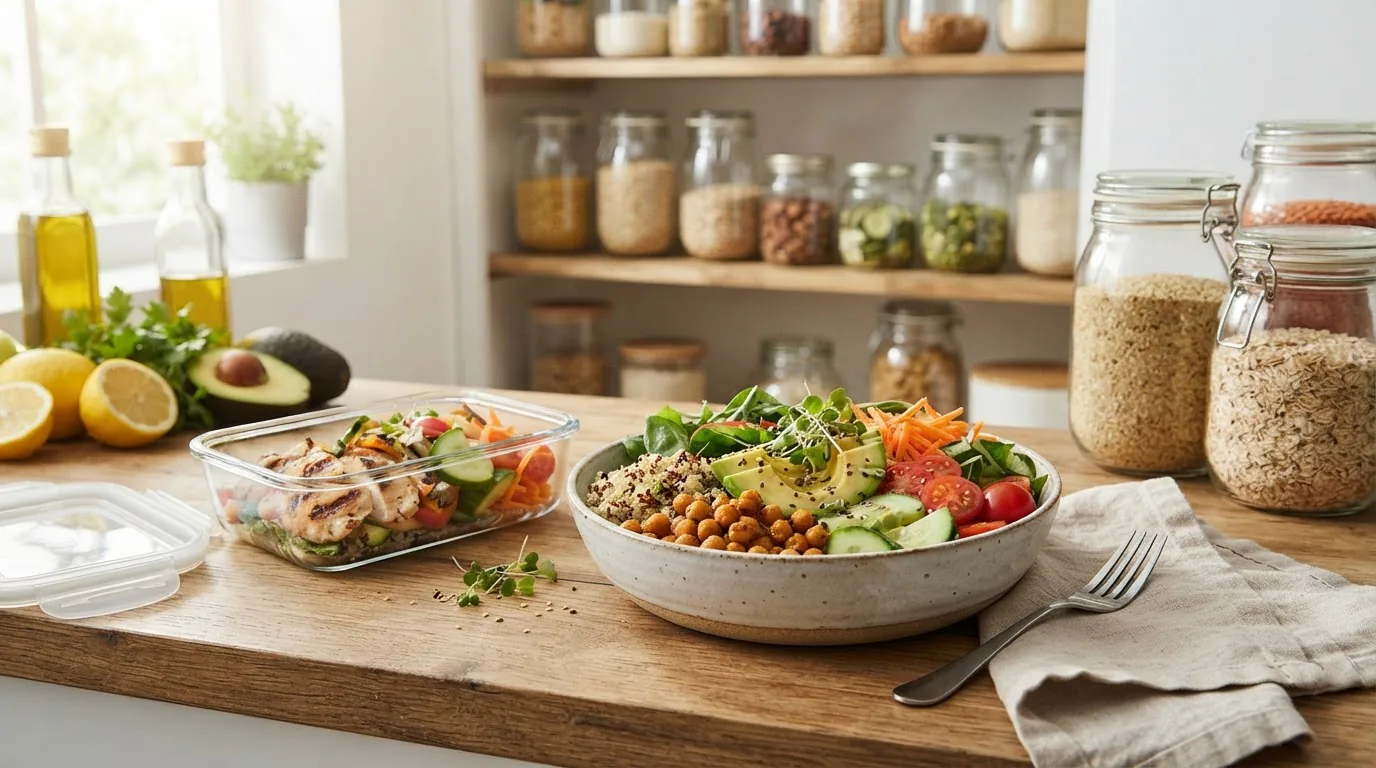
what can i eat that is healthy for lunch — short answer: use a stocked pantry of whole grains, canned proteins, healthy fats and shelf-stable vegetables to build fast, balanced meals that keep you full and focused. This practical pantry guide shows what to keep on hand and how to combine items into satisfying lunches with minimal cooking.
Introduction to Healthy Lunches from Your Pantry
When you ask “what can I eat that is healthy for lunch,” convenience and balance should be the starting points. A pantry-centered approach means relying on shelf-stable, nutrient-dense items you already own, then pairing them with quick fresh add-ons when possible. That keeps lunches fast, affordable, and less reliant on takeout.
This article focuses on practical pantry staples and simple assembly methods so you can make nutritious lunches every day without complicated recipes. We define a balanced lunch using the USDA framework for meal balance — a mix of vegetables, lean protein, whole grains, and healthy fats — and show how pantry choices map to those building blocks. For a broader recipe collection and nutrition details, see Yummiest healthy recipes guide with nutrition facts and tips.
Throughout this guide you’ll find quick examples, real-world mini case studies of pantry-based lunches, and storage and rotation tips supported by food-safety guidance. Individual nutritional needs vary; use these ideas as flexible templates you can adapt to calorie, allergy, or dietary restrictions.
Transition: Ready to stock up? Start with the essentials below — these pantry staples form the backbone of healthy, quick lunches.
Essential Pantry Staples for a Healthy Lunch
- Whole grains — brown rice, quinoa, whole wheat pasta, rolled oats. Whole grains provide lasting energy and fiber; they keep you fuller longer than refined carbs and support steady blood glucose. Keep cooked portions in the fridge (3–4 days) and dry grains sealed in a cool, dark place.
- Canned beans and legumes — black beans, chickpeas, lentils. Excellent plant-based lean proteins and fiber; low-cost and shelf-stable. Rinse canned beans to reduce sodium. Beans work in bowls, salads, soups, and wraps.
-
Canned fish and lean proteins — canned tuna, salmon, sardines, and shelf-stable tofu or seitan. These are quick, high-quality protein sources. Omega-3 rich canned salmon and sardines add heart-healthy fats.
healthy chicken breast recipes guide - Nuts and seeds — almonds, walnuts, chia, flax, pumpkin seeds. Handy sources of healthy fats, plant protein, and micronutrients. Use as toppings for texture and satiety; store in the fridge if you buy bulk.
- Healthy oils and vinegars — extra-virgin olive oil, avocado oil, apple cider vinegar. Olive oil provides monounsaturated fats for heart health; small amounts dress grains and salads to increase absorption of fat-soluble vitamins.
- Shelf-stable vegetables — canned tomatoes, jarred roasted peppers, artichoke hearts, sun-dried tomatoes. These add flavor, fiber, and micronutrients without daily shopping.
- Low-sodium broths and stocks — vegetable or chicken broth for quick grain cooking, soups, or to add moisture to bowls.
- Frozen vegetables — peas, mixed vegetables, spinach, edamame. Though technically freezer items, they function like pantry staples: long shelf life, high nutrient density, and fast to cook or microwave.
- Condiments and flavor boosters — mustard, low-sodium soy sauce or tamari, tahini, miso paste, hot sauce, dried herbs, and spices. Small amounts transform simple pantry ingredients into satisfying meals.
- Quick-carb options — whole grain wraps, canned potatoes, crackers made from whole grains. Choose minimally processed options for fiber and slower digestion.
- Protein-rich canned or pouch items — chicken breast pouches, pre-cooked lentil pouches, or single-serve hummus. Great for on-the-go lunches.
Comparison at-a-glance: shelf life, nutrition and best uses.
| Pantry Item | Typical Shelf Life (unopened) | Nutrition Highlights | Best Lunch Uses |
|---|---|---|---|
| Brown rice, quinoa | 1–2 years (dry) | Complex carbs, fiber, B vitamins | Bowls, salads, grain sides |
| Canned beans | 2–5 years | Protein, fiber, iron | Salads, wraps, chili |
| Canned tuna/salmon | 3–5 years | Lean protein, omega-3s | Sandwiches, bowls, mixed salads |
| Nuts & seeds | 6–12 months (room temp) | Healthy fats, vitamin E, magnesium | Toppings, snacks, spreads |
| Frozen veg | 6–12 months (frozen) | Vitamins/minerals retained well | Stir-fries, soups, bowls |
Why these staples? Whole grains and legumes support nutrient density and balanced macronutrients; canned fish and lean pouches give quick protein; healthy oils and nuts supply essential fats for nutrient absorption. For evidence-based guidance on balanced plate composition, the USDA recommends combining protein, grains, fruits/vegetables, and healthy fats per meal to meet dietary goals.
Transition: Now that you know what to stock, here’s how to combine these pantry ingredients into balanced lunches that deliver protein, carb, and fat in the right proportions.
How to Combine Pantry Ingredients for Balanced Meals
Think of a balanced lunch as three building blocks: protein, carbohydrate (preferably whole grain or fiber-rich), and healthy fat. Add vegetables for volume and micronutrients. Here’s a simple step-by-step method to assemble balanced pantry-based lunches every day.
- Start with a base (carbs + fiber) — 1 cup cooked whole grain (brown rice, quinoa) or 1 whole-grain wrap. Portion control example: 1 cup cooked brown rice (~150–200 kcal) keeps the meal satisfying without excess calories.
- Add 3–4 oz of protein — canned tuna (one 3–4 oz can), 1 cup cooked beans, or a pouch of shredded chicken. Protein portion examples: a 3 oz canned tuna provides roughly 20–25 grams protein, which supports satiety and muscle maintenance.
- Include vegetables — 1–2 cups fresh or frozen vegetables, or 1 cup mixed greens plus jarred roasted peppers. Aim to fill half your plate with vegetables where possible to boost nutrient density.
- Finish with healthy fat — 1 tbsp olive oil, 1/4 avocado (or 1 tablespoon nut butter), or a sprinkle of seeds/nuts. Healthy fats help absorb fat-soluble vitamins and increase fullness.
- Flavor and fiber — add acid (lemon, vinegar), herbs, spices, and a small amount of low-sodium soy sauce or miso for umami without excess salt.
Example assemblies (practical, quick):
- Grain bowl: 1 cup quinoa + 1/2 cup black beans + 1 cup steamed frozen spinach + 1 tbsp olive oil + chili flakes.
- Tuna-stuffed wrap: whole-grain wrap + 1 can tuna (drained) mixed with mustard & lemon + jarred roasted peppers + handful of greens.
- Mediterranean jar: 1 cup cooked farro + 1/2 cup canned chickpeas + 1/4 cup jarred artichoke hearts + 1 tbsp olive oil + herbs.
- Soup + salad: 1 cup low-sodium broth + frozen veg + 1/2 cup lentils + side salad of greens with seeds.
Nutritional rationale: balancing macronutrients stabilizes blood sugar and energy. The USDA’s plate guidance favors half vegetables/fruits and a mix of protein and grains for single meals; see the USDA dietary guidance for details. For practical portion control, visualize your plate: half vegetables, one-quarter protein, one-quarter grains, plus a small portion of healthy fat.
Mini case study: Sarah, a busy teacher, keeps cooked brown rice and canned beans in her fridge. On workdays she microwaves 1 cup rice, drains a can of black beans, mixes with salsa and a tablespoon of olive oil, and tops with a handful of pumpkin seeds — ready in 3 minutes and sustaining her through the afternoon. Real-world examples like this show how pantry staples map to balanced meals.
For more recipes that follow these simple assembly rules useful at both lunch and dinner, check the healthy meals for lunch and dinner guide.
Transition: Below are fast, concrete meal ideas you can make immediately using only pantry items plus minimal fresh add-ons.
Quick and Easy Healthy Lunch Ideas Using Pantry Foods
These are practical, minimal-cook suggestions that come together in under 10 minutes (or less if items are pre-cooked). Mix and match pantry staples to create satisfying lunches you’ll want to repeat.
- Chickpea Salad Bowl — Ingredients: canned chickpeas, jarred roasted red peppers, canned artichoke hearts, a handful of spinach (fresh or frozen), olive oil + lemon. Mash chickpeas partially for texture and toss. Great protein + fiber combo.
-
Tuna & White Bean Salad — Ingredients: canned tuna, canned cannellini beans (rinsed), chopped jarred capers or olives, parsley, drizzle of olive oil. Serve over mixed greens or whole-grain crackers.
practical lunchtime dishes guide - Quinoa & Lentil Power Bowl — Ingredients: cooked quinoa, canned lentils (or cooked), frozen peas, lemon-tahini sauce (tahini + lemon + water). High fiber and plant protein.
- Mediterranean Wrap — Ingredients: whole-grain wrap, hummus (shelf-stable or refrigerated single-serve), canned artichokes, cucumber (fresh), canned olives. Spread hummus, add fillings, roll.
- Quick Miso Soup + Toasted Seeds — Ingredients: low-sodium broth + miso paste + frozen spinach + 1/2 cup cooked brown rice. Top with sesame seeds and a splash of soy sauce.
- Sardine Toast — Ingredients: whole-grain bread, canned sardines, sliced tomato, olive oil drizzle. Sardines are a pantry superhero for omega-3s and calcium.
- Black Bean & Corn Salad — Ingredients: canned black beans, canned corn (or frozen), diced tomatoes (from can or fresh), fresh cilantro, lime, olive oil. Serve with brown rice or tortilla chips.
- Pesto Pasta with White Beans — Ingredients: whole wheat pasta, jarred pesto, canned white beans, frozen peas. Toss and eat warm or chilled.
- Lentil & Veggie Stew — Ingredients: canned lentils, canned tomatoes, frozen mixed vegetables, broth, dried Italian herbs. Simmer 10 minutes for an easy stew.
- Greek Yogurt + Nut Topping (no-cook) — Ingredients: plain Greek yogurt (refrigerated), chopped nuts, chia seeds, frozen berries microwaved or fresh. Quick, protein-rich option when fridge items are available.
- Rice & Bean Burrito Bowl — Ingredients: brown rice, canned pinto or black beans, salsa, avocado or guacamole (fresh or frozen), shredded cheese (optional). Add hot sauce for extra kick.
- Edamame and Soba Noodle Salad — Ingredients: cooked soba, frozen shelled edamame, low-sodium soy sauce, rice vinegar, sesame oil, scallions. A light, protein-forward lunch.
-
Quick Pantry “Salad” Jar — Layer cooked grains, beans, chopped jarred roasted peppers, olives, and a small dressing in a jar. Shake before eating for a portable meal.
healthy lunch ideas guide for quick and easy work meals - Peanut Butter & Banana Whole-Grain Sandwich — Ingredients: whole-grain bread, natural peanut butter, banana slices, chia seeds. Simple, high-energy option for active afternoons.
-
Chicken Pouch Mediterranean Plate — Ingredients: shelf-stable chicken pouch, canned beans, olives, cucumber, olive oil. Fast high-protein option when you need minimal prep.
easy lunch meal prep guide -
Workday Bento — Combine small portions of canned tuna, whole-grain crackers, nuts, pickled vegetables (jarred), and a piece of fruit for a no-heat lunch.
practical lunchtime dishes guide -
Office-friendly Chickpea “Tuna” Salad — Mash chickpeas with mustard, relish, and yogurt or a touch of olive oil; serve on crackers or in a wrap. High fiber and very budget-friendly.
healthy lunch ideas guide for quick and easy work meals
Tip: keep a few staple dressings or sauces (tahini, pesto, low-sodium soy, mustard) to quickly transform plain pantry items into varied meals. If you want to scale these ideas to weekly prep, see the easy lunch meal prep guide for make-ahead strategies.
Transition: Good food starts with good storage — below are practical tips to keep pantry staples fresh and safe so your lunches are both nutritious and worry-free.
Tips for Storing and Rotating Pantry Foods to Ensure Freshness
Proper storage preserves flavor, safety, and nutrient integrity. Follow these practical tips and consult the FDA for food safety standards when handling and storing pantry and refrigerated items.
- Store dry goods (grains, flours) in airtight containers in a cool, dark place to prevent rancidity and pests.
- Keep nuts and whole-grain flours in the refrigerator or freezer if not used within a month to extend shelf life.
- Label opened cans and transfer to glass containers in the fridge; discard within 3–4 days.
- Rotate older products to the front of shelves and add new items to the back — “first in, first out.”
- Keep frozen vegetables at a constant freezer temperature; avoid repeated thaw-freeze cycles that degrade texture and nutrients.
- For canned goods, discard cans that are bulging, leaking, or severely dented; follow FDA guidance on food safety and storage: FDA food safety.
- Store oils away from heat and light to prevent oxidation; extra-virgin olive oil is best kept in a dark bottle in a cabinet.
- Check “best by” dates but rely on sensory checks (smell, appearance) for many pantry items; when in doubt, replace.
- Batch-cook grains and freeze in single-serving portions for quick reheating; defrost in the fridge overnight to maintain quality.
- Track pantry inventory on a simple list or app to avoid waste and repeated purchases.
For authoritative storage timelines and safe handling practices, reference the FDA and the USDA resources on food storage and safety. According to a 2024 industry report on household food waste, better rotation and portioning in the pantry reduces waste and saves money.
Transition: Adding a few fresh ingredients turns pantry staples into next-level lunches — here are smart, quick add-ons to keep on hand.
Incorporating Fresh Ingredients and Healthy Add-ons
Fresh items boost texture, flavor, and micronutrient content. Keep a short list of quick additions that pair well with pantry meals: lemons/limes, a head of lettuce or bagged greens, avocados, cherry tomatoes, and fresh herbs. These small purchases dramatically improve satisfaction and nutrient density.
Examples of quick fresh add-ons and their pantry pairings:
- Avocado — pairs with rice bowls, wraps, and salads (adds healthy fats and creaminess).
- Bagged mixed greens — toss into nearly any bowl or wrap for volume and vitamins.
- Lemon or lime — brightens bean salads, canned fish dishes, and dressings.
- Fresh herbs (cilantro, parsley, basil) — instant flavor with minimal calories.
- Cherry tomatoes or cucumber — quick crunch and hydration in salads and wraps.
- Greek yogurt — use as a creamy dressing base or dollop on grain bowls for protein.
- Pre-washed fruit — pair with nuts for a balanced mini-meal or dessert.
Small, fresh items are budget-friendly when bought weekly and used across meals. For snack ideas that complement pantry lunches, see the healthy snack guide.
Are canned and frozen vegetables as nutritious as fresh? Short answer: often yes. Frozen vegetables are usually frozen at peak ripeness and retain vitamins well; canned vegetables can be nutritious but watch sodium. According to the Academy of Nutrition and Dietetics, frozen and canned options are acceptable substitutes when fresh produce isn’t available.
Transition: While it’s easy to build healthy lunches from the pantry, some common pitfalls can undercut nutrition — avoid these mistakes.
Common Mistakes When Choosing Pantry Foods for Healthy Lunches
- Relying on highly processed convenience items — shelf-stable meals and instant noodle packs are often high in sodium, refined carbs, and unhealthy fats.
- Ignoring sodium on canned goods — many canned beans and vegetables contain high sodium; choose “low-sodium” labels or rinse cans to reduce salt.
- Forgetting portion control — calorie-dense items like nuts, oils, and seeds are healthy but easy to overconsume; measure servings (1 oz nuts, 1 tbsp oil).
- Skipping vegetables — a plate of grains and protein without vegetables reduces nutrient density and satiety. Aim for half your plate to be vegetables/fruit when possible.
- Assuming “low-fat” equals healthy — low-fat packaged items often add sugar or refined starches to replace mouthfeel. Focus on whole-food fats like olive oil, nuts, and avocado.
- Neglecting food safety — leaving perishable fillings (tuna salad, chicken pouches once opened) at room temperature for extended periods increases foodborne illness risk. Follow FDA handling guidance.
- Buying single-use, expensive items instead of versatile staples — prioritize multipurpose pantry staples that can be used across many lunches to save money and reduce waste.
- Overcomplicating meals — long ingredient lists or multi-step dishes reduce the chance you’ll eat a healthy lunch on busy days. Simplicity wins.
Transition: If budget matters, here are concrete strategies to build a healthy pantry without overspending.
Budget-Friendly Tips for Building a Healthy Pantry
Healthy pantry building can be affordable with a few planning habits. Use these cost-saving strategies to maximize nutrition per dollar.
- Buy dry goods in bulk — rice, oats, and lentils are cheaper per serving when bought in larger bags. Store properly in airtight containers.
- Choose canned proteins strategically — canned tuna and beans are inexpensive, nutritious, and versatile. Compare unit prices and look for sales.
- Favor frozen vegetables — they’re often less expensive than fresh and last longer, reducing waste.
- Make large batches of grains and portion-freeze — single-serving frozen grains reduce daily cooking time and the temptation for takeout.
- Plan a weekly pantry-to-fridge list — base a week’s lunches around three core pantry proteins (beans, tuna, lentils) and rotate vegetables and grains.
- Use coupons and loyalty programs — sign up for store apps to catch sales on staples and healthy canned or frozen items.
- Compare store brands — many private-label canned beans and fish are comparable in quality to national brands at lower cost.
- Cook once, eat twice — double a simple recipe to create leftovers for lunches the next day or freeze portions for later.
For a deeper dive on eating healthy affordably, explore the how to eat healthy on a budget guide.
Transition: To wrap up, here are final encouragements and quick takeaways to help you make pantry-based lunches a sustainable habit.
Conclusion and Encouragement for Healthy Pantry Lunches
What you can eat that is healthy for lunch doesn’t require special ingredients or hours of prep — a few pantry staples combined with simple fresh add-ons deliver balanced, nutrient-dense meals that are quick, affordable, and satisfying. Keep whole grains, canned beans, canned fish, nuts and seeds, healthy oils, and flavoring agents on hand. Use the “protein + carb + fat + veg” assembly rule and follow practical storage and rotation practices to minimize waste.
Real-world tip: pick three staple lunches you enjoy and rotate them weekly; this reduces decision fatigue and reinforces healthy habits. Individual needs vary; adjust portions and ingredient choices for caloric goals or dietary restrictions. For snack complements, check the healthy snack guide.
Start small: choose two pantry swaps this week (e.g., swap white rice for brown rice; choose low-sodium canned beans) and build momentum. For more recipes and nutrient guidance that pair perfectly with these pantry strategies, explore the Yummiest healthy recipes guide with nutrition facts and tips.
CTA: Try one pantry-based lunch from this guide tomorrow — pick a recipe, set aside 10 minutes, and discover how simple healthy lunches can be.
Frequently Asked Questions
What can I eat that is healthy for lunch if I only have pantry staples?
Combine a whole grain (brown rice or quinoa), a canned protein (beans or tuna), a shelf-stable or frozen vegetable, and a healthy fat (olive oil or nuts). Example: quinoa + black beans + frozen spinach + olive oil makes a balanced, quick lunch.
How do pantry staples like canned beans and grains contribute to a balanced lunch?
Canned beans supply plant protein and fiber while whole grains provide complex carbohydrates and B vitamins; together they deliver satiety, steady energy, and essential nutrients for a balanced lunch.
What pantry foods should I avoid to keep lunches healthy?
Avoid highly processed ready meals, instant noodles, and items high in added sugars or trans fats; also choose low-sodium canned options or rinse canned vegetables and beans to reduce salt.
How can I quickly combine pantry foods into a nutritious lunch?
Follow the simple assembly: 1) base (grain or wrap), 2) protein (canned tuna, beans), 3) vegetables (frozen or jarred), 4) healthy fat (olive oil, nuts), season to taste — ready in under 10 minutes.
How often should I rotate pantry foods to ensure freshness and safety?
Practice first-in, first-out: use older items first and check cans for dents or bulging. Opened canned goods should be refrigerated and used within 3–4 days; frozen items last months if kept consistently frozen.
What are affordable pantry staples that support healthy lunches?
Budget-friendly essentials include dry rice, oats, lentils, canned beans, canned tuna, frozen vegetables, and bulk nuts; these items are inexpensive per serving and highly versatile for lunches.
How can I adjust pantry-based lunches if I have dietary restrictions or allergies?
Swap allergens for safe alternatives: use beans or tofu instead of fish, select gluten-free grains like rice or quinoa, and check labels for cross-contamination; adjust portions based on individual calorie needs.
Are canned and frozen vegetables as nutritious as fresh ones for lunch meals?
Yes. Frozen vegetables are typically frozen at peak ripeness and retain most nutrients; canned vegetables are nutritious but may contain added sodium — choose low-sodium options or rinse before use.