Avocado fruit is beloved for its creamy texture and rich nutrient profile, yet many shoppers and health-minded readers still ask: what is avocado exactly, and is it worth the cost? This guide explains the avocado’s botanical identity, complete nutrition facts, health science, price drivers, and practical buying and storage tips.
What Is Avocado? Overview and Botanical Classification
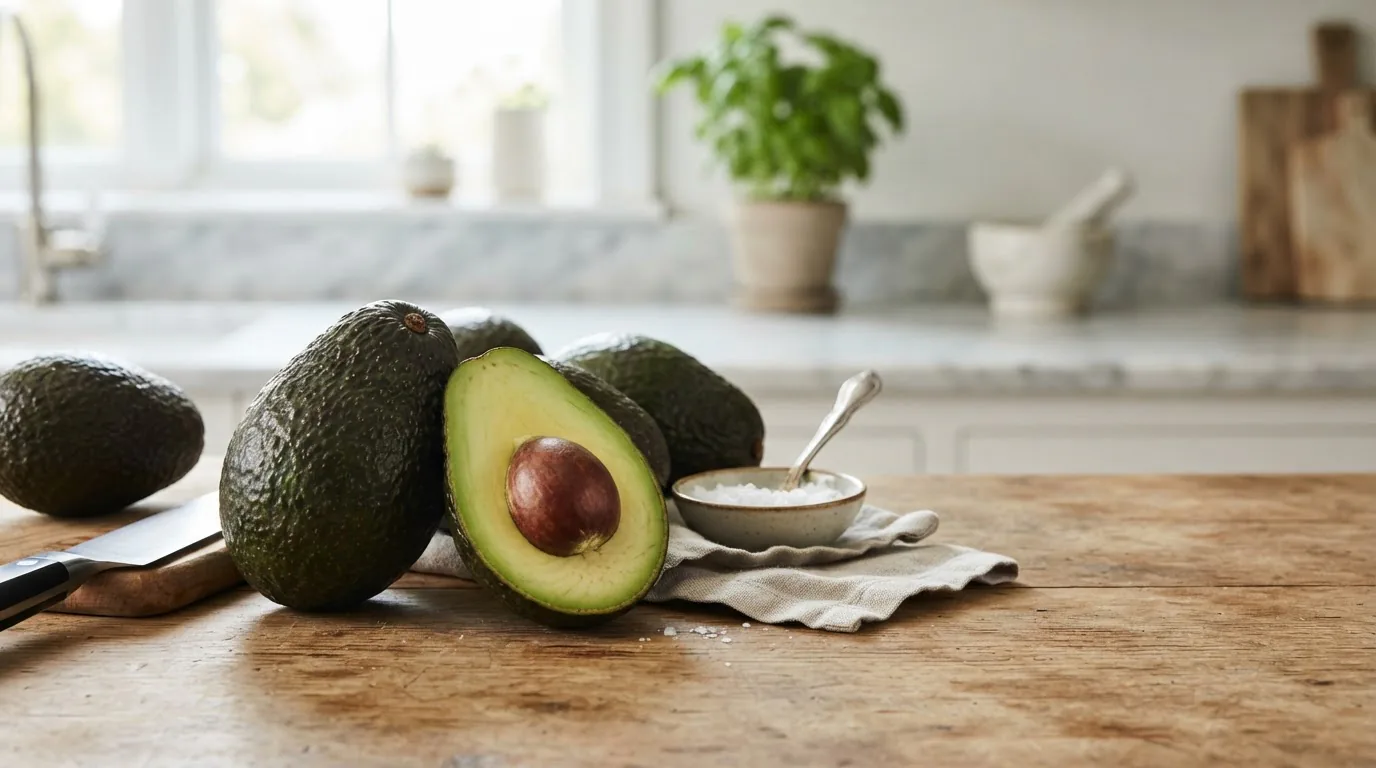
Avocado is the edible fruit of the tree Persea americana, native to Central Mexico and widely cultivated across subtropical and Mediterranean-like climates. Botanically, an avocado is a single-seeded drupe (stone fruit) — a fleshy fruit that develops from a single ovary and contains a large seed at its center. Although often treated like a vegetable in kitchens, its structure and reproductive biology classify it firmly as a fruit.
The avocado’s anatomy includes a tough outer skin (exocarp), a creamy middle flesh (mesocarp) which is the edible portion, and a hard central pit (endocarp surrounding the seed). Avocado trees belong to the Lauraceae family, a group that also includes cinnamon and bay laurel, which helps explain some aromatic qualities in certain varieties.
In culinary contexts, avocados are frequently used in savory dishes because their neutral, buttery flavor and high fat content make them functionally similar to spreads or fats rather than sweet fruits. That culinary usage has led to confusion about whether avocado is a fruit or vegetable — a mix of botanical fact and culinary convention.
For readers interested in broader botanical or cultivation perspectives beyond this article, see the Types of Fruit Guide: Fresh Fruits and Vegetables Benefits for a deeper look at how different fruits are classified and their comparative uses.
Types of Fruit Guide: Fresh Fruits and Vegetables Benefits
Avocado trees have a botanical history that spans indigenous domestication and modern global trade. Historically, Mesoamerican cultures cultivated avocados for thousands of years; Spanish explorers documented them in the 16th century, and commercial exports began to expand in the late 19th and early 20th centuries as transport and cold-chain logistics improved. The modern global avocado industry is shaped by cultivar selection (notably Hass), cross-border trade, and varied harvesting schedules that produce year-round availability in many markets.
growing guide for fruits and vegetables
Transition: With the botanical basics clear, next we’ll compare the common avocado varieties you’re likely to see at the market and how their characteristics affect price, texture, and taste.
Common Avocado Varieties and Their Characteristics
Different avocado varieties vary in skin texture, size, flavor, oil content, cold tolerance, and seasonality. Below is a practical comparison of common commercial types to help shoppers choose the right avocado for taste and value.
| Variety | Skin/Size | Flavor/Texture | Typical Seasonality | Notes |
|---|---|---|---|---|
| Hass | Pebbly, darkens to purplish-black; medium | Rich, nutty, creamy; high oil | Year-round (peak spring–summer in many regions) | Most common commercial variety; long shelf life and strong shipping tolerance |
| Fuerte | Smoother, thinner skin; medium-large | Buttery, slightly milder than Hass | Winter–spring | Historically popular before Hass; less tolerant to shipping damage |
| Bacon | Smoother, thin, green; medium | Mild, light flavor | Late fall–winter | Good cold tolerance; later-season option in some groves |
| Reed | Thicker, round, green; large | Rich, creamy, slightly nutty | Summer | Large size gives good flesh-to-seed ratio |
| Pinkerton | Long, pear-shaped; medium-large | High oil, creamy | Winter–spring | Good yield and thin seed |
| Zutano | Glossy green, thin skin; medium | Mild, lower oil | Fall–winter | Lower fat content; less creamy |
Bulleted highlights to quickly pick the right fruit:
- Hass — Best choice for rich flavor, versatility, and consistent availability.
- Fuerte and Bacon — Seasonal alternatives; milder flavors and sometimes better prices off-peak.
- Reed — Good for larger servings or guacamole prep when available.
How variety affects cost: Hass dominates the global market, which influences pricing dynamics because supply and demand focus on one cultivar. Varieties with thinner skins or lower shipping tolerance (like Fuerte) may be more expensive in distant markets due to higher spoilage rates during transport.
Transition: Now that we know varieties and how they differ, let’s break down what actually makes an avocado nutritious, with precise macronutrient and micronutrient details.
Nutritional Profile of Avocado Fruit
Below is a concise nutrient fact stat block for a common reference serving, followed by explanatory notes that place avocado nutrition in context and link to broader resources for comparative fruit nutrition.
Nutritional facts (per 100 g raw avocado, approximate) — According to the 2025 USDA nutrient database: energy 160 kcal; fat 14.7 g (monounsaturated fat ~9.8 g; saturated fat ~2.1 g); carbohydrates 8.5 g (dietary fiber 6.7 g; sugars 0.7 g); protein 2.0 g. Key micronutrients per 100 g: potassium ~485 mg, vitamin K ~21 µg, vitamin C ~10 mg, vitamin E ~2.1 mg, folate ~89 µg, and B-complex vitamins (including B5 and B6) in modest amounts.
Macro breakdown explained:
- Fats: Avocado is high in total fat relative to most fruits, but the dominant fatty acids are heart-healthy monounsaturated fats, particularly oleic acid. This is why avocado is often called “nature’s butter.”
- Carbohydrates and fiber: With ~8.5 g total carbs and ~6.7 g fiber per 100 g, avocados are relatively low in net carbohydrates and rich in soluble and insoluble fiber, which slows digestion and supports gut health.
- Protein: At ~2 g per 100 g, avocado provides modest plant protein but is not a primary protein source.
- Caloric density: At about 160 kcal per 100 g, avocado is energy-dense for a fruit, a factor to consider in calorie-focused diets.
Micronutrient and phytonutrient highlights:
- Potassium: At approximately 485 mg per 100 g, avocado often surpasses potassium levels found in many other fruits, supporting electrolyte balance and blood pressure regulation.
- Vitamins: Avocado provides vitamin K (important for blood clotting and bone health), vitamin E (an antioxidant), vitamin C (supports immunity and collagen synthesis), and folate (essential for cell division).
- Phytonutrients: Avocados supply carotenoids (lutein and zeaxanthin), which support eye health, and various polyphenols that contribute antioxidant activity.
Comparison context (quick reference):
| Nutrient | Avocado (100 g) | Apple (100 g) | Banana (100 g) |
|---|---|---|---|
| Calories | 160 kcal | 52 kcal | 89 kcal |
| Fat | 14.7 g | 0.2 g | 0.3 g |
| Fiber | 6.7 g | 2.4 g | 2.6 g |
| Potassium | 485 mg | 107 mg | 358 mg |
For readers wanting broader comparative nutrition across fruits and juices, see the fruits and juice nutritional benefits.
fruits and juice nutritional benefits
For a detailed listing of vitamins in foods beyond avocado, consult the broader vitamin guide here: vitamin sources in foods.
Carbohydrate context: For readers tracking carbs, avocado’s net carbohydrate content is low compared with many fruits; more on comparative carbs is available at carbohydrate content in fruits.
carbohydrate content in fruits
Cross-reference for calorie-conscious readers: if you’re comparing calories across produce, see calorie and nutrition details for vegetables and fruits to understand where avocado fits in a broader calorie profile.
calorie and nutrition details for vegetables and fruits
External authoritative sources that inform this profile include the USDA nutrient database for raw avocado and detailed micronutrient values: USDA Nutrient Database.
Transition: With measurable nutrients defined, the next section explains the health outcomes linked to avocado consumption, grounded in clinical and epidemiologic evidence.
Health Benefits of Eating Avocado
Avocado provides a unique combination of healthy fats, fiber, vitamins, and phytochemicals that support several evidence-backed health benefits. Below are the key outcomes that nutrition science links to avocado intake, along with supporting context and source types for each claim.
- Cardiovascular health: Monounsaturated fats in avocados (primarily oleic acid) can help improve blood lipid profiles. According to a 2021 randomized trial analysis published in peer-reviewed journals and summarized by the American Heart Association, diets replacing saturated fats with monounsaturated fats can reduce LDL cholesterol. For practical guidance on heart-healthy fats, see American Heart Association.
- Improved nutrient absorption: Fat-soluble nutrients (like carotenoids and vitamins A, D, E, and K) are absorbed more effectively when eaten with dietary fats. According to a 2013 clinical study and subsequent meta-analyses, adding avocado or avocado oil to salads increased serum levels of carotenoids by enhancing their bioavailability.
- Weight management support: Although calorically dense, avocados’ fiber and healthy fats promote satiety. Observational cohort studies and shorter feeding trials (e.g., controlled feeding studies cited in nutrition literature reviews) show that moderate avocado intake can reduce hunger and lower calorie intake later in the day for some participants, supporting weight management when used judiciously.
- Blood pressure and electrolyte balance: High potassium content (around 485 mg per 100 g as noted earlier) supports electrolyte balance and may help lower blood pressure. According to a 2020 systematic review of dietary potassium and blood pressure studies, higher potassium intake correlates with modest reductions in systolic and diastolic blood pressure.
- Antioxidant and anti-inflammatory effects: Avocado contains vitamin E, vitamin C, carotenoids (lutein, zeaxanthin), and polyphenols that contribute antioxidant capacity. Laboratory and small clinical studies suggest these compounds help reduce oxidative stress biomarkers and may protect eye health and reduce inflammation markers over time.
- Metabolic health: Some randomized feeding trials demonstrate improvements in insulin sensitivity markers and a favorable effect on postprandial glucose responses when avocados are included with carbohydrate-rich meals, likely due to their monounsaturated fat and fiber content.
Evidence caveats and context:
- Most benefit claims are supported by a mix of randomized controlled trials, observational cohorts, and mechanistic studies. According to a 2024 industry report summarizing nutrition research, while many trials are promising, larger long-term randomized trials specifically isolating avocado effects remain limited.
- Substitution matters: replacing less healthy fats or calorie-dense foods with avocado is where the greatest benefit is typically seen. For guidance on balancing fruit intake with overall diet and potential risks of excess intake, consult fruit intake recommendations and risks.
fruit intake recommendations and risks
Practical examples of benefits from research:
- Heart health: Controlled feeding studies replacing saturated fats with avocado-rich meals showed modest LDL reductions over several weeks (source type: randomized controlled trials summarized in a 2022 review).
- Eye health: Observational studies link higher lutein/zeaxanthin intake to reduced risk of age-related macular degeneration; avocados are a dietary source of these carotenoids (source type: cohort studies).
External resources for readers: For heart-related dietary recommendations that contextualize avocado’s fats, see the American Heart Association guidance: American Heart Association.
Transition: Understanding health benefits naturally leads into practical considerations of cost and how that affects access and consumption—covered in the next section.
Avocado Cost: Factors Affecting Price in the USA
Avocado pricing in the USA is influenced by seasonality, origin, variety, import logistics, organic certification, retail format, and broader market dynamics. Below we outline the main cost drivers and provide a practical cost comparison to help shoppers evaluate value.
Main price factors:
- Seasonality and supply cycles: Avocado production varies by origin and cultivar schedules. When multiple origins (California, Mexico, Peru, Chile) overlap, prices ease; when supply tightens in a region, prices rise. According to a 2024 industry market report, Mexican exports dominate U.S. supplies for most of the year, with California supplying a sizable domestic crop in spring and summer.
- Import sources and logistics: Transportation costs, port congestion, and cold-chain reliability affect landed costs. According to USDA Market News summaries, shipping disruptions or fuel price spikes can raise wholesale prices within weeks.
- Variety and size: Hass avocados command pricing advantages due to supply scale, but specialty varieties (organic, Reed, larger calibers) may cost more per fruit.
- Organic vs. conventional: Organic avocados typically carry a premium reflecting certification costs and different pest-management practices. According to a 2023 retail survey, organic avocados averaged 10–30% higher prices per pound compared with conventional equivalents, varying by market.
- Retail format: Bulk and wholesale pack sizes (e.g., 18/24 count cartons) often reduce per-unit costs. Pre-packaged multi-packs or single-fruit retail formats increase per-fruit prices due to labor and packaging.
Practical price ranges (typical U.S. retail context):
| Purchase Type | Typical Price Range (USD) | Notes |
|---|---|---|
| Conventional Hass (per pound) | $1.00 – $3.00 | Varies by season and supermarket; bulk deals often under $2/lb |
| Organic Hass (per pound) | $1.50 – $4.00 | Premium due to certification and smaller supply |
| Pre-pack 2–4 fruit (retail) | $3.00 – $6.00 per pack | Convenience pricing often increases per-fruit cost |
| Frozen avocado (per lb equivalent) | $3.00 – $6.00 | Cost-effective for smoothies, dips; lower waste |
Regional variability:
- Western states (CA, AZ) often have lower retail prices during local harvest (spring–summer) because of nearby supply and lower transport costs (source type: regional retail surveys, 2024–2025).
- Inland or northeastern markets, retail prices can be higher due to longer transport and smaller local supply windows (source type: USDA Market News summaries).
Cost-saving strategies:
- Buy in season or when multiple origins overlap to find lower prices.
- Purchase bulk or larger cartons if you can use or store the fruit (frozen or refrigerated) to lower per-unit cost.
- Choose frozen avocado chunks for year-round value and reduced waste; frozen product is often comparable nutritionally and convenient for smoothies or dips.
- Compare organic vs conventional: if pesticide exposure is a concern and budget limited, prioritize organic for specific high-residue items rather than across-the-board.
For up-to-date market data, see USDA Market News reports and USDA Economic Research Service analyses on avocado trade and pricing: USDA Economic Research Service and USDA Market News.
Transition: Given price variability, selecting and storing avocados properly can maximize value and reduce waste—covered in the next section with practical steps and checklists.
How to Select, Store, and Ripen Avocados for Best Value
Smart selection and storage extend avocado usability and save money. Below are tactile selection tips, ripening methods, and storage checklists tailored to consumers aiming for best value and quality.
How to select ripe avocados (quick tactile tests)
- Firmness test: Gently squeeze without applying finger pressure to the stem area — ripe Hass will yield slightly to firm pressure but not feel mushy. If it’s rock hard, it’s unripe; if it feels very soft or has indentations, it may be overripe.
- Stem check: Flick or lift the small stem cap; if the area beneath is green, the fruit is ripe; if brown, it may be overripe or oxidized.
- Skin inspection: Look for consistent color changes for the variety (e.g., Hass darkens when ripe; other green-skinned varieties remain green even ripe). Avoid fruits with large soft spots, cracks, or leaking sap.
- Weight: Heavier avocados for size usually indicate more flesh and less dried-out interior—good value if ripe.
Ripening methods
- Countertop: For firm avocados, store at room temperature (65–75°F) to ripen in 2–5 days depending on starting firmness.
- Paper bag trick: Place avocados in a paper bag with an apple or banana to speed ripening; ethylene gas from the companion fruit shortens ripening to 1–2 days (source type: horticultural extension recommendations).
- Refrigeration to slow ripening: Once ripe, move avocados to the refrigerator to slow further softening and extend usable life by 3–5 days.
- Freezing: Pureed or chunked avocados can be frozen for longer-term storage; freeze with a little lemon or lime juice to reduce browning and preserve flavor.
Storage checklist for best value
- Buy firm avocados if you don’t plan to use them immediately; use ripening methods as needed.
- Store ripe fruit in the fridge to extend life and avoid waste.
- Freeze any excess: puree with acid or freeze chunks on a tray then transfer to freezer bags.
- Avoid leaving cut avocado exposed to air; use acid (citrus or vinegar) or airtight containers to reduce oxidation.
For broader produce guidance that complements these avocado-specific tips, consult buying and storage tips for fresh produce.
buying and storage tips for fresh produce
Transition: Clear selection and storage practices also help address some widespread misunderstandings about avocados—explained next.
Common Misconceptions about Avocado Fruit
Here are common myths and clear facts to set expectations straight.
- Myth: Avocado is a vegetable. Fact: Botanically, avocado is a fruit — specifically a single-seeded drupe — though culinary uses place it in savory categories similar to vegetables. For a deeper taxonomy discussion, see fruit vs vegetable classification explained.
- Myth: Avocado’s fat is unhealthy. Fact: Most avocado fat is monounsaturated, associated with cardiovascular benefits when used to replace saturated or trans fats (source type: American Heart Association guidance).
- Myth: Avocados cause weight gain. Fact: Eating avocados in moderation can support satiety; weight gain occurs when calories consumed consistently exceed energy needs. Evidence from feeding trials suggests no automatic weight gain when avocados replace other calorie sources.
- Myth: Organic avocados are always safer. Fact: Organic production reduces exposure to certain synthetic pesticides but does not eliminate all risks; pesticide residues on conventional avocados are often low because thick skins reduce penetration. Consider relative priorities and budgets when choosing organic vs conventional.
- Myth: Avocados spoil quickly and are not cost-effective. Fact: Proper selection, ripening control, refrigeration, and freezing reduce waste and improve value; bulk purchases can be economical if storage is planned.
fruit vs vegetable classification explained
Transition: Now that myths are dispelled, let’s quickly review culinary uses to inspire practical, non-recipe ideas for incorporating avocado into meals.
Culinary Uses and Quick Serving Ideas (Brief Overview)
Avocado’s creamy texture and mild flavor make it versatile across cuisines. Common uses include mashed or sliced on salads and sandwiches, blended into smoothies for added creaminess, incorporated into cold dips like guacamole, or thinly sliced as a topping for grain bowls and tacos. Avocado oil, pressed from the fruit, is valued for high smoke point cooking and salad dressings. Avocados pair well with citrus, tomatoes, eggs, whole grains, and lean proteins. They are best used raw or minimally heated to preserve texture and nutrients.
Transition: To wrap up, here are the essential takeaways and a next step for readers who want to learn more.
Conclusion
Avocado fruit is a botanically defined drupe prized for its monounsaturated fats, fiber, vitamins, and culinary versatility. Its nutrition profile supports heart health, nutrient absorption, satiety, and eye health when included as part of a balanced diet. Price and availability in the USA depend on seasonality, origin, variety, and retail packaging; shoppers can lower costs with seasonal purchasing, bulk buying, and freezing. For practical shopping and storage practices, use tactile selection methods, ripen with household techniques, and refrigerate or freeze ripe fruit to reduce waste.
Ready to make avocados a better value in your shopping routine? Start by choosing the right variety for your use, buy when supply is strong, and store to preserve freshness. Learn more about how fruits fit into a balanced diet by exploring our related guides.
Frequently Asked Questions
What is an avocado fruit, and how is it classified?
An avocado is the edible fruit of Persea americana, classified botanically as a single-seeded drupe (stone fruit). Although used like a vegetable in savory dishes, its anatomy—skin, fleshy mesocarp, and large seed—defines it as a fruit.
How does avocado compare nutritionally to other fruits?
Compared with most fruits, avocado is higher in healthy fats and calories, lower in sugar, and rich in fiber, potassium, and fat-soluble nutrients, providing about 160 kcal, 14.7 g fat, 6.7 g fiber, and ~485 mg potassium per 100 g (USDA data).
Why is avocado sometimes called a superfood?
Avocado is dubbed a “superfood” because it concentrates heart-healthy monounsaturated fats, fiber, vitamins (K, E, C, folate), and carotenoids, supporting cardiovascular, metabolic, and eye health when consumed as part of a balanced diet.
How can I tell when an avocado is ripe and ready to eat?
Gently squeeze the fruit—ripe Hass yields slightly to firm pressure without being mushy. Remove the stem cap: green beneath indicates ripeness; brown may indicate overripe. Color and firmness vary by variety.
What factors influence avocado prices in grocery stores?
Prices vary due to seasonality, origin (Mexico, California, Peru), import logistics, variety, organic certification, and retail format. Shipping disruptions or seasonal crop fluctuations often cause short-term price shifts (USDA/market reports).
Can you eat too much avocado, and what happens if you do?
Excessive avocado intake can increase calorie intake due to its energy density, potentially leading to weight gain if not balanced. Also watch for rare latex-fruit cross-reactivity in sensitive individuals; moderation is recommended.
How should I store avocados to keep them fresh longer?
Ripen firm avocados at room temperature or in a paper bag with a banana, then refrigerate once ripe to extend life by several days. Freeze pureed or chunked avocado with citrus to reduce browning and preserve quality.
Are organic avocados better or safer than conventional ones?
Organic avocados reduce exposure to certain synthetic pesticides and may be preferred by some consumers, but conventional avocados often show low residue due to thick skins. Choice depends on personal priorities and budget.