fruits starts with w — this guide collects every notable fruit beginning with the letter W, from common melons to rare tropical specimens. If you’re researching fruit types, compiling content, or expanding culinary knowledge, this resource provides pictures, botanical notes, origin, nutrition highlights, and practical uses for each W fruit.
Introduction to Fruits Starting with W
Fruits beginning with the letter W cover a wide range of botanical families, culinary uses and geographic origins. This introduction maps the landscape: common garden favorites like watermelon sit alongside lesser-known tropicals such as wampee and wax apple, and wild foraged berries like wineberry and wolfberry (goji). For learners and content creators tracking alphabetical fruit lists or preparing a visual gallery, this guide presents an organized overview of fruit categories, seasonal availability, and botanical classifications to make identification and use straightforward.
The list that follows focuses on detailed profiles of each W fruit: short descriptions, key nutritional highlights, botanical family and origin, culinary uses, and at least one image placeholder for visual reference. If you want to explore other fruit types or broader benefits, see the comprehensive Types of Fruit Guide: Fresh Fruits and Vegetables Benefits for cross-references and deeper dives into fruit families and nutrition.
Transition: Next is an exhaustive, numbered collection of fruits that start with W — each entry includes a compact profile and an image so you can spot, taste and use these fruits with confidence.
Complete List of Fruits That Start with W With Examples and Pictures
-
Watermelon
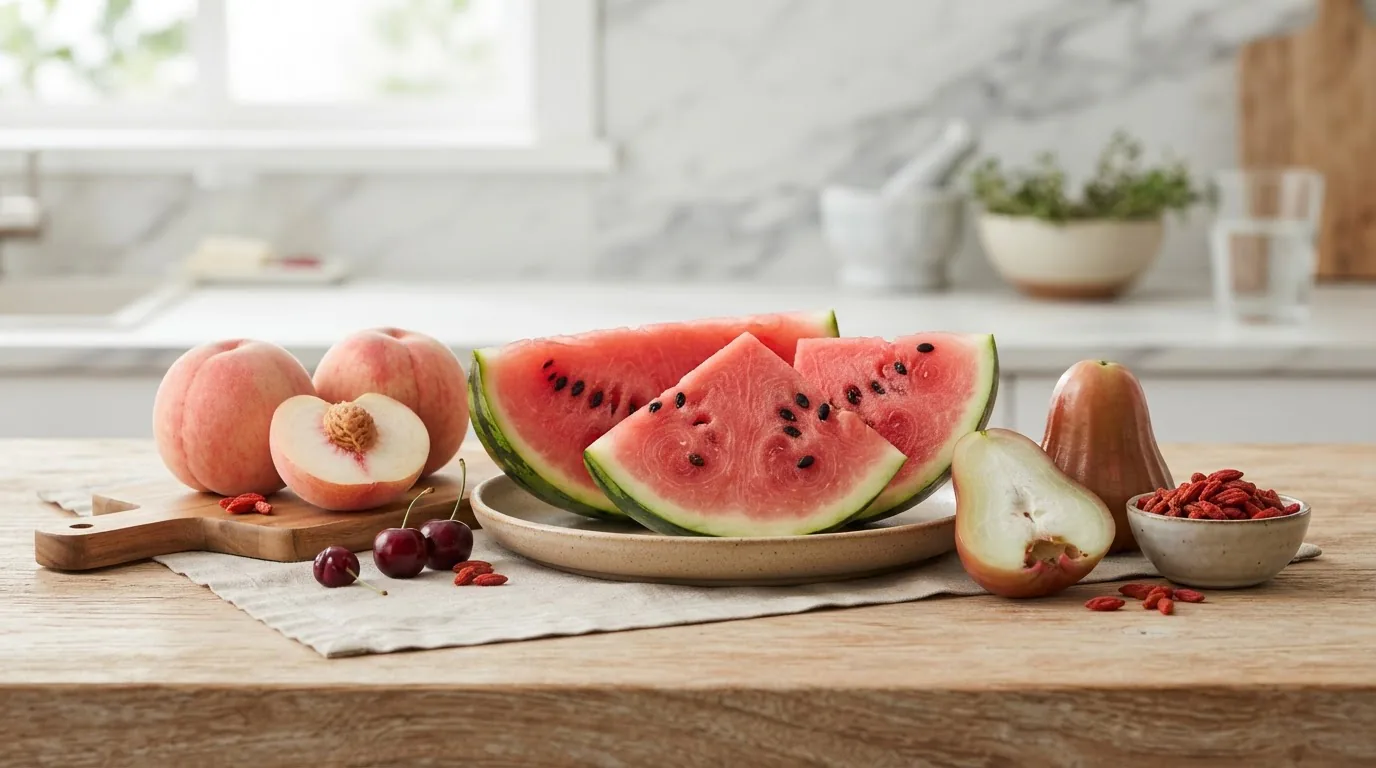
Watermelon (Citrullus lanatus) is a globally popular large, fleshy fruit with a high water content and sweet red or yellow flesh. It’s botanically a pepo (a type of berry) and is prized for refreshing juice, slices and salads.
- Botanical family: Cucurbitaceae.
- Origin: West Africa; domesticated over millennia.
- Nutritional highlights: High water, vitamin C, lycopene; low calorie per 100 g (refer to USDA FoodData Central for exact data).
- Culinary uses: Fresh slices, smoothies, grilled wedges, salads, pickles (rind).

-
White Sapote
White sapote (Casimiroa edulis) produces sweet, custard-like fruit with pale green skin and yellowish flesh. Despite the name, it’s not related to true sapotes and has a creamy texture often eaten fresh or in desserts.
- Botanical family: Rutaceae (citrus family relatives).
- Origin: Central America and Mexico.
- Nutritional highlights: Source of vitamin C, modest amounts of potassium and fiber.
- Culinary uses: Eaten fresh, blended into shakes, or used as a mild-sweet dessert base.

-
Wolfberry (Goji Berry)
Wolfberry, commonly called goji berry (Lycium barbarum), is a small red berry used fresh, dried, or in teas and traditional medicine. It’s noted for its bright color and antioxidant content.
- Botanical family: Solanaceae (nightshade family).
- Origin: Native to Asia — China and Tibet.
- Nutritional highlights: Vitamins A and C, carotenoids, and phenolic antioxidants (see clinical and nutritional summaries in academic journals).
- Culinary uses: Dried snacks, added to porridge, soups, teas and smoothies.

-
Wax Apple (Water Apple / Jambu)
Wax apple (Syzygium samarangense), also called water apple or jambu, is a bell-shaped crunchy fruit with a mild, slightly sweet flavor and glossy skin. It’s popular across Southeast Asia for its texture and subtle floral notes.
- Botanical family: Myrtaceae.
- Origin: Maritime Southeast Asia.
- Nutritional highlights: Low calorie, hydration-rich, contains vitamin C and small amounts of minerals.
- Culinary uses: Eaten fresh, in fruit salads, pickled or used as a refreshing snack.

-
Wampee
Wampee (Clausena lansium) is a small, round tropical fruit with segmented pulp and sweet-seed flavors, commonly eaten fresh in Southeast Asia and southern China. It’s tart-sweet and often used for preserves.
- Botanical family: Rutaceae.
- Origin: Southern China, Southeast Asia.
- Nutritional highlights: Vitamin C, flavonoids; traditional medicinal uses documented in ethnobotanical studies.
- Culinary uses: Fresh eating, jams, candies, or fermented beverages.

-
Wild Blueberry
Wild blueberry (Vaccinium angustifolium) refers to lowbush blueberries native to North America, smaller and often more intensely flavored than cultivated highbush varieties. They’re prized for baking and concentrated antioxidants.
- Botanical family: Ericaceae.
- Origin: Northeastern North America.
- Nutritional highlights: High in anthocyanins and vitamin C; research links anthocyanins to antioxidant activity (see peer-reviewed horticulture literature).
- Culinary uses: Baked goods, jams, purees, smoothies and freeze-dried snacks.

-
White Currant
White currant (Ribes rubrum var. ‘White’) is a translucent, pale-fruit variety of red currant with a mild, sweet-tart profile. It’s used in delicate desserts and preserves where a lighter color is desired.
- Botanical family: Grossulariaceae.
- Origin: Cultivated in Europe from wild currant ancestors.
- Nutritional highlights: Vitamin C, potassium and fiber; lower pigment-related antioxidants than red varieties.
- Culinary uses: Jellies, syrups, tarts and decorative garnishes.

-
Wineberry
Wineberry (Rubus phoenicolasius) is a raspberry-like wild fruit with bright red, glossy drupelets that fall into the hand when ripe. It’s tart-sweet and makes flavorful preserves and wines.
- Botanical family: Rosaceae.
- Origin: Native to eastern Asia; naturalized in North America.
- Nutritional highlights: Vitamins C and dietary fiber; rich in anthocyanins depending on ripeness.
- Culinary uses: Jams, pies, wine and fresh eating.

-
Winter Melon (Wax Gourd)
Winter melon (Benincasa hispida), also called wax gourd, is a large melon used as a cooked vegetable in Asian cuisines. It stores for months when mature and can be used fresh or candied when young.
- Botanical family: Cucurbitaceae.
- Origin: South and Southeast Asia.
- Nutritional highlights: Low calorie, source of fiber and minerals; often used for its volume and texture rather than concentrated nutrients.
- Culinary uses: Soups, stews, candied preparations, and stir-fries.

-
Wood Apple (Bael)
Wood apple (Aegle marmelos), often called bael, produces a hard-shelled fruit with aromatic, sweet-tart pulp used in drinks, chutneys and traditional medicine across South Asia. The pulp is fibrous and fragrant when ripe.
- Botanical family: Rutaceae.
- Origin: Indian subcontinent.
- Nutritional highlights: Vitamins A and C, dietary fiber; traditional uses documented in ethnobotanical studies.
- Culinary uses: Beverages, sherbets, jams, and digestive remedies.

-
Walnut
Walnut (Juglans regia) is botanically a fruit: a drupe whose seed is the edible walnut kernel. Used widely as a nut in baking, cooking and snacking, walnuts are rich in healthy fats and plant protein.
- Botanical family: Juglandaceae.
- Origin: Native to regions from the Balkans to the Himalayas; now widely cultivated.
- Nutritional highlights: High in polyunsaturated fats (omega-3 ALA), protein, vitamin E and minerals (see USDA FoodData Central).
- Culinary uses: Baking, salads, pestos, nut butters and snacks.

-
Wild Strawberry
Wild strawberry (Fragaria vesca) is a small, intensely flavored berry found across temperate regions. It’s prized for concentrated aroma and often used in flavorings and specialty desserts.
- Botanical family: Rosaceae.
- Origin: Eurasia and North America (native species vary by region).
- Nutritional highlights: Vitamin C, fiber, and antioxidants in small berry servings.
- Culinary uses: Fresh eating, infused syrups, gourmet desserts and jams.

-
West Indian Cherry (Acerola) — sometimes called West Indian cherry
West Indian cherry (Malpighia emarginata), commonly called acerola, is a small cherry-like fruit very high in vitamin C and often used in juices, supplements and jams. The bright red fruit is tart and aromatic.
- Botanical family: Malpighiaceae.
- Origin: Tropical Americas and the Caribbean.
- Nutritional highlights: Exceptionally high vitamin C per 100 g; also contains carotenoids and anthocyanins.
- Culinary uses: Juices, smoothies, syrups, and vitamin-rich preserves.

-
White Mulberry
White mulberry (Morus alba) yields sweet, elongated berries ranging from white to pink and purple. Historically used for silkworm cultivation, the fruit is edible fresh or dried and used in traditional cuisines and remedies.
- Botanical family: Moraceae.
- Origin: Native to China; widely planted in temperate regions.
- Nutritional highlights: Vitamins, minerals and anthocyanins in darker cultivars.
- Culinary uses: Fresh, dried like raisins, in teas, and baked goods.

-
Wampi (alternate spelling of Wampee)
Wampi is the same or closely related to wampee — small, segmented fruit with a sweet-tart pulp used across Asia. Included here to reflect alternate common spellings and regional naming conventions.
- Botanical family: Rutaceae.
- Origin: Southern China and Southeast Asia.
- Culinary uses: Similar uses as wampee: fresh, preserves, candies.

-
Whey-fruit (note on rarity and name use)
“Whey-fruit” is not a standard botanical name; some regional vernaculars or historic texts may refer to fermented dairy-associated fruits or misnamed produce. If you encounter the term, verify botanical identity against authoritative horticultural resources or local agricultural guides.
- Note: Consult academic or government horticultural sources for clarity on rare or archaic fruit names.

For more on photographing and identifying fruits, consult the high-quality fruit images guide.
Transition: With the visual gallery above, next we group these W fruits into botanical and culinary categories so you can quickly locate types for recipes, gardening or educational content.
Categorizing Fruits That Start with W
Categorization helps learners and content creators organize fruits for recipes, storage and planting. Below we classify the W fruits into broad fruit categories — citrus relatives, berries, tropical fruits, melons and nuts/seeds — using botanical families and culinary roles. Grouping is based on botanical classification (family) and common culinary usage (fresh fruit, cooking melon, dried berry, nut-seed).
| Category | W-Fruit Examples | Typical Uses |
|---|---|---|
| Citrus / Rutaceae relatives | White sapote, Wampee, Wood apple (bael) | Fresh eating, chutneys, traditional remedies |
| Berries (true and aggregate) | Wolfberry (goji), Wild blueberry, Wineberry, Wild strawberry, White currant | Snacks, baking, juices, dried snacks |
| Tropical fleshy fruits | Wax apple, Wampee, Wood apple, White mulberry | Fresh, salads, regional desserts |
| Melons and gourds | Watermelon, Winter melon | Slices, soups, candied rind, beverages |
| Nuts & drupe seeds | Walnut | Snacking, baking, oils |
| Specialty & regional fruits | Wood apple, West Indian cherry (acerola), White sapote | Local drinks, medicine, preserves |
Botanical classification clarifies why fruits that seem similar may belong to different families: for example, white sapote and wood apple are both in Rutaceae (related to citrus), while watermelon and winter melon are in the Cucurbitaceae (melons). Grouping by category also informs storage and culinary uses — berries need quick refrigeration, melons have thicker rinds for longer storage, and nuts benefit from cool, dry conditions.
Transition: Now that you understand category placement, let’s explore the nutritional benefits across these groups and how W fruits can support a varied diet.
Nutritional Benefits and Uses of W-Starting Fruits
Fruits starting with W span a wide nutritional spectrum — from hydrating watermelon to omega-rich walnuts and vitamin C-dense acerola. Below, highlights are organized by fruit category with bullet points summarizing typical nutrients and culinary uses. For precise nutrient values, consult the USDA FoodData Central database and current research literature.
- Melons and gourds (Watermelon, Winter melon)
- Hydration: Watermelon is ~90% water and supplies fluid and electrolytes; winter melon offers volume and fiber for warm-season cooking.
- Key nutrients: Watermelon provides vitamin C and lycopene (a carotenoid associated with antioxidant activity; see horticultural nutrition studies). According to a 2024 USDA dataset summary, melon varieties differ in micronutrient density by cultivar and growing conditions (source type: USDA database).
- Uses: Fresh, juiced, grilled, in salads or soup.
- Berries (Wild blueberry, Wolfberry, Wineberry, Wild strawberry, White currant)
- Antioxidants: High in anthocyanins and polyphenols, which may support cellular antioxidant defenses (source type: peer-reviewed nutrition studies).
- Key nutrients: Vitamin C, fiber, and plant phenolics; wild blueberries are especially concentrated in anthocyanins per gram compared with some cultivated varieties (source type: horticultural research).
- Uses: Baking, preserves, smoothies, dried snacks, and functional beverages.
- Tropical fruits (Wax apple, Wampee, Wood apple, White sapote)
- Vitamins and minerals: Many tropical W fruits provide vitamin C, modest fiber, and unique phytochemicals used in traditional diets.
- Functional uses: Some, like wood apple and white sapote, appear in ethnobotanical reports describing digestive or nutritive uses (source type: ethnobotanical journals).
- Uses: Fresh, cooked, chutneys, beverages and specialty confections.
- Nuts (Walnut)
- Healthy fats: Walnuts are rich in polyunsaturated fats including alpha-linolenic acid (ALA), plant-based omega-3s that support heart health when used as part of a balanced diet (source type: dietary guideline summaries).
- Protein and minerals: Good source of plant protein, magnesium and vitamin E.
- Uses: Snacking, baking and savory dishes; small portions help add nutrient density.
- Vitamin-C heavy fruits (West Indian cherry/acerola)
- Vitamin C powerhouse: Acerola can contain extremely high vitamin C concentrations per 100 g; check USDA FoodData Central for cultivar specifics.
- Uses: Juices, syrups and natural vitamin supplements in culinary form.
For readers wanting a comparative nutrient deep-dive, see the fruits and juice health benefits guide for practical recommendations on juicing vs. whole-fruit consumption and nutrient retention.
Note on variability and sourcing: Nutrient composition varies by cultivar, soil, harvest time and processing. According to a 2025 industry analysis of produce nutrient variability, growing region and post-harvest handling can change vitamin and phytochemical levels significantly (source type: industry report).
Transition: Practical selection, storage and preparation tips ensure you get the most flavor and nutrition from W fruits — the next section covers exactly how to buy, store and prepare them.
How to Select, Store, and Prepare Fruits That Start with W
Selection and storage differ across categories. Use these step-by-step guidelines for choosing ripe W fruits at markets, storing them for peak freshness, and basic preparation methods that preserve nutrients and flavor. For more general produce storage best practices, compare with our fresh fruits and veggies buying and storage tips.
How to select
- Watermelon: Look for a creamy yellow spot on the rind (field spot) indicating ripeness; thump for a deep hollow sound and avoid overly soft spots.
- Berries (wild blueberry, wineberry, wild strawberry, white currant, wolfberry): Choose firm, plump, and evenly colored berries without mold. Buy local-season berries for best flavor.
- Wax apple & white sapote: Look for glossy skin without bruises. Slight give on the sapote signals ripeness; wax apple should be crisp and bell-shaped.
- Walnut: For in-shell walnuts, choose heavy nuts with intact shells; shelled walnuts should smell fresh — avoid rancid odors.
- Winter melon/wood apple: For storage fruits like winter melon, select firm, unblemished rinds; wood apple should feel heavy for size and yield aromatic pulp when cracked open.
How to store
- Short-term refrigeration: Store berries and cut melon in the fridge at 0–4°C in breathable containers, consume within a few days.
- Longer-term: Whole watermelon and winter melon store at cool room temperatures; once cut, wrap and refrigerate. Walnuts last longer when refrigerated or frozen in airtight containers.
- Dry storage: Dried wolfberries (goji) and dried mulberries should be kept in cool, dark pantries or refrigerated for extended shelf life.
How to prepare
- Washing: Rinse berries gently in cold water; for wax apples and sapote, rinse and pat dry before slicing. For fruits eaten with skin, scrub under running water.
- Cooking: Use winter melon in broths and soups where it absorbs flavor; boil wood apple pulp with sugar for sherbet; roast walnuts briefly to enhance aroma (do not burn to avoid rancidity).
- Preserving: Make jams, chutneys or candied peels from wampee, wineberry, and white currant; freeze excess berries for smoothies and baking.
Food safety and handling note: Follow local public health guidance for washing produce and avoid cross-contamination with raw proteins. For produce-specific storage charts and refrigeration timelines, consult government food-safety sites such as the U.S. FDA for guidelines.
Transition: Beyond practical uses, many W fruits have fascinating cultural histories and local uses worth exploring next.
Fun Facts and Cultural Uses of Fruits Starting with W
W fruits appear in folklore, traditional medicines and regional cuisines. This section shares intriguing cultural notes and fun facts that make these fruits memorable beyond taste.
- Watermelon: In many cultures, watermelon seeds were roasted and eaten historically; in some regions, whole melons are grilled for smoky-sweet flavor. A 2023 horticultural exhibit highlighted heirloom watermelon varieties and regional breeding programs (source type: horticultural exhibit report).
- White Sapote: Traditional Central American diets used white sapote’s creamy pulp as a dessert fruit; historical botanical texts once confused it with other sapote species.
- Wolfberry (Goji): Often featured in Traditional Chinese Medicine (TCM) formulations for eyesight and vitality; modern clinical reviews examine antioxidant content but recommend avoiding broad health claims without clinical context (source type: TCM review article).
- Wax apple: Known in some islands as “love apple” for its bell shape; street markets in Thailand sell them with spicy salt dips for contrast.
- Wampee: In southern China, wampee is often eaten fresh after boiling in sugar syrup as a cooling tonic in local folk practice.
- Wild blueberry: Annual festivals celebrate wild blueberry harvests in North America; the small wild types are often favored in artisan preserves for their intense flavor.
- Walnut: Ancient Persian and Mediterranean cultures prized walnuts for their brain-like appearance; they appear in festivals and symbolic dishes across Eurasia.
- Wood apple: In India and Sri Lanka, bael (wood apple) pulp is used in beverages and as a digestive aid; it is also linked to religious offerings in some traditions.
- Winter Melon: In East Asia, winter melon soup is a staple of banquet cooking for its mildness and ability to carry other flavors.
- White Currant and Wineberry: Used historically to make lighter colored jellies or specialty wines that preserve color and delicate flavor.
For a contrasting profile of non-W specialty fruits and unique fruit stories, explore unique fruit profiles like avocado, which showcases how one fruit’s story can mirror cultural importance and culinary versatility.
Transition: With cultural context and usage covered, the reader may have specific questions — the next section answers the most common queries about W fruits.
Conclusion – Why Include Fruits Starting with W in Your Diet?
Fruits that start with W offer wide nutritional and culinary variety: hydrating melons, antioxidant-rich wild berries, vitamin C-dense acerola, nutrient-dense walnuts, and unique tropicals like wax apple and wampee. Including a range of W fruits can diversify nutrient intake, introduce new flavors and textures, and support seasonal eating. For balanced eating plans that incorporate these fruits into daily menus, consider consulting structured resources like balanced fruit and vegetable diet meal plans to build practical weekly menus.
Practical takeaways:
- Choose fruits by category: berries for antioxidants, melons for hydration, nuts for healthy fats.
- Store according to type: refrigerate berries, cool-and-dry for nuts and whole melons.
- Experiment: try a new W fruit each season to broaden culinary and nutritional diversity.
Final CTA: Explore the photos, try a recipe with a new W fruit this week and check the linked resources for deeper nutrition details and storage charts to make the most of these flavorful additions.
Frequently Asked Questions
What are some common fruits that start with the letter W?
Common fruits starting with W include watermelon, white sapote, wolfberry (goji), wax apple, wampee, wild blueberry, white currant, wineberry, winter melon, wood apple, walnut and wild strawberry.
How do fruits that start with W differ nutritionally from other fruits?
W fruits vary widely: melons are hydration-rich and low-calorie, berries concentrate antioxidants, walnuts provide omega-3 fats, and acerola (West Indian cherry) is exceptionally high in vitamin C; nutrient levels depend on species and growing conditions.
What is the best way to store watermelon and other W fruits to maintain freshness?
Store whole watermelon at cool room temperature until cut, then refrigerate wrapped. Refrigerate berries and cut fruits at 0–4°C in breathable containers; nuts like walnuts keep longest in sealed containers in the fridge or freezer.
How can I prepare and eat wax apples for the best flavor experience?
Rinse wax apples, slice through the central cavity, remove any seeds, and eat chilled for crisp texture; serve with lime, salt or chili for contrast, or dice into salads and salsas to highlight their subtle floral notes.
Are fruits that start with W generally more expensive or harder to find?
Availability and price depend on season and region: common W fruits like watermelon are inexpensive in season, while tropicals (wampee, wax apple) or specialty berries can be rarer and pricier outside local growing regions.
Why do some fruits that start with W have unique health benefits compared to others?
Unique benefits stem from differing phytochemicals: berries provide anthocyanins, walnuts supply plant-based omega-3s, and acerola concentrates vitamin C; genetics, soil and processing also influence health-promoting compounds.
Can I grow any fruits starting with W at home, and if so, how?
Some W fruits are suitable for home growing in the right climate: watermelons require warm summers and space, white mulberry tolerates temperate backyards, while wax apple and wampee need tropical/subtropical conditions and patience for fruiting.
How do I know if a wild fruit starting with W is safe to eat?
Verify identity using reliable field guides or local extension services; avoid eating unidentified wild fruits. When in doubt, consult botanical references or local authorities and follow safety guidance on foraged foods.