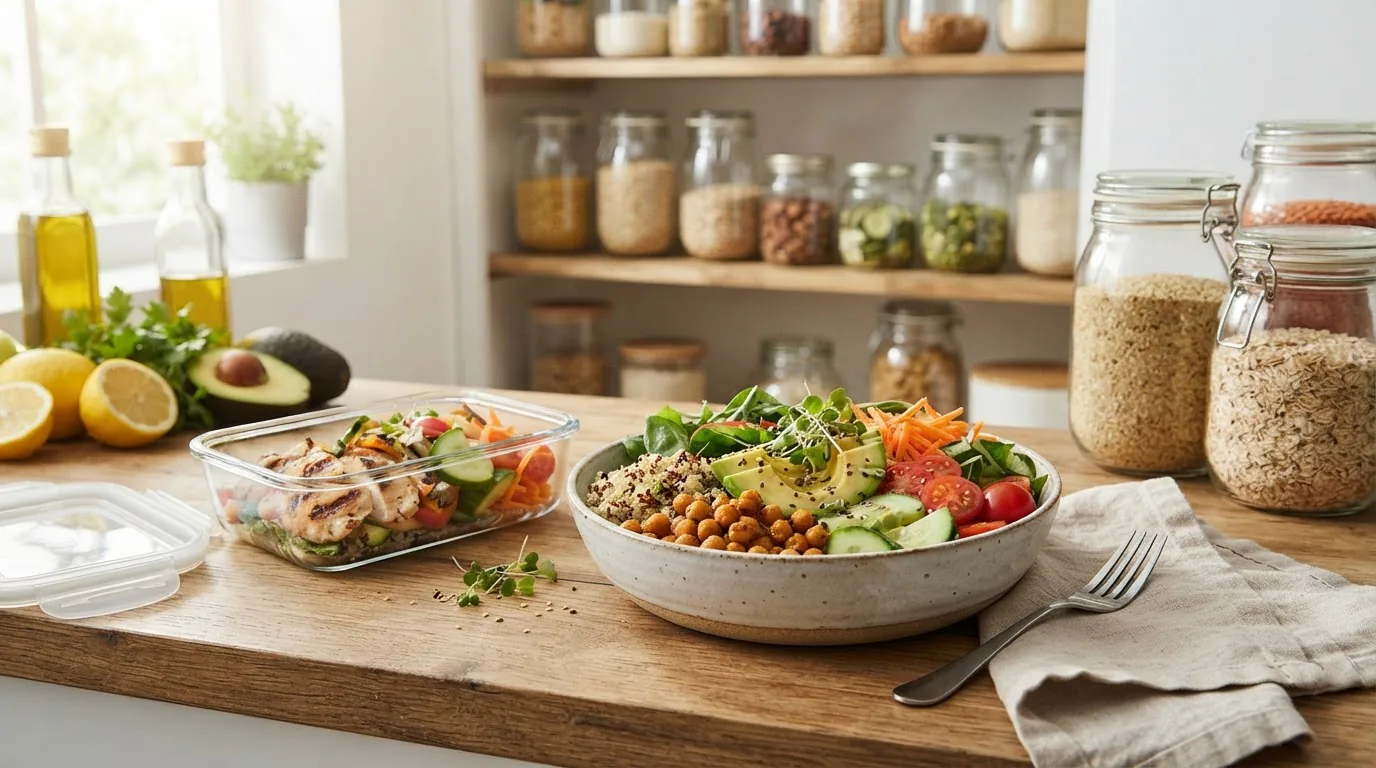

Regular food means the everyday, commonly eaten whole and minimally processed foods that form the backbone of balanced eating. This guide explains what counts as regular food, how regular meals support nutrition, and practical meal requirements you can use immediately to plan satisfying, nutritious days.
Understanding Regular Food and Its Role in Balanced Eating
Regular meals and regular food aren’t fads — they’re consistent choices and patterns built from familiar, accessible ingredients. Regular food refers to staple foods typically available in U.S. supermarkets, farmers markets, school cafeterias, and home pantries: fruits, vegetables, whole grains, legumes, dairy or dairy alternatives, eggs, lean meats, nuts, and modest amounts of oils and sweets. These items are nutrient-rich and form repeatable meals that support overall health.
Why emphasize regular food? Because nutrition is cumulative. Eating reliably from common, nutrient-dense choices makes it easier to meet macronutrient and micronutrient needs, maintain energy, and build sustainable habits. Regular food helps maintain consistent meal composition without requiring specialized ingredients or strict meal plans.
From a public-health perspective, consistent intake of staple foods is associated with better nutrient adequacy. According to national survey analyses (government health survey, 2018–2019 data), people who report regular meal patterns with balanced foods more often meet recommendations for fiber, calcium, and vitamin D compared with irregular eaters. These trends highlight the practical advantage of normalizing nutritious choices into regular meals.
Regular foods can be organized by food groups for simple meal assembly:
- Fruits and vegetables: apples, berries, carrots, leafy greens, sweet potatoes — fresh, frozen, or canned (low-sodium/no-sugar).
- Grains: whole-grain bread, brown rice, oats, whole-wheat pasta, tortillas.
- Proteins: eggs, lean poultry, fish, canned tuna, beans, lentils, tofu, nuts and seeds.
- Dairy & alternatives: milk, yogurt, cheese, fortified plant milks.
- Fats & oils: olive oil, canola oil, avocados, nut butters in moderation.
These staples are flexible — for example, a simple bowl of brown rice, black beans, sauteed spinach, salsa, and a small avocado slices combines multiple groups into one regular meal. For more on food variety beyond core staples, see varied diet guide and requirements and diet definition guide and requirements.
Regular food matters because it reduces decision fatigue and supports nutrient balance. By normalizing everyday nutrient-rich choices, you get dependable servings of macronutrients (carbs, protein, fats) and micronutrients (vitamins, minerals) without special diets or complicated shopping lists.
Transition: With a clear picture of what regular food looks like, the next section outlines practical principles for turning those foods into regular meals that consistently supply energy and nutrients.
Principles of Regular Meals for Consistent Nutrition
Regular meals are predictable eating occasions that distribute energy and nutrients across the day to support function, mood, and metabolic needs. Below are practical principles to guide frequency, timing, and responsiveness to hunger and satiety.
- Aim for consistent meal frequency. A common and effective pattern is three balanced meals (breakfast, lunch, dinner) with one to two planned snacks as needed. This pattern supports steady energy for most adults. According to a 2021 systematic review (academic review), spreading intake over 3–5 eating occasions helps maintain stable blood glucose for many people.
- Space meals by balanced intervals. Target roughly 3–5 hours between meals, which helps manage hunger and supports concentration. Meal timing should fit your lifestyle — shift workers or athletes may adjust intervals. Scientific reviews (peer-reviewed review, 2020) indicate that consistent spacing helps appetite control for many individuals.
- Prioritize balanced composition each meal. Every regular meal should include a source of carbohydrate, protein, and healthy fat plus vegetables or fruit for fiber and micronutrients. This combination improves satiety and nutrient distribution.
- Use hunger cues, not the clock alone. Learn to distinguish true biological hunger from habit, emotion, or boredom. Regular meals are anchors — use them, but respond to real hunger between them with nutrient-dense snacks.
- Plan for flexibility. Regular meals don’t mean rigidity. If you skip breakfast some days, shift your pattern without judgment. The cumulative pattern matters more than singular deviations. Public health surveys (national dietary survey, 2019) show long-term meal regularity correlates with better nutrient adequacy, not perfection daily.
- Match meal frequency to activity and health goals. Athletes or physically active adults may benefit from more frequent meals or targeted post-workout nutrition; people managing blood sugar may require evenly spaced, carb-balanced meals. For specifics, consult a registered dietitian (professional guidance).
- Make meals social and sensory. Regular meals that include mindful eating—sitting down, fewer screens—improve satisfaction and reduce overeating. Behavioral studies (clinical behavioral study, 2018) show mindful meals improve awareness of portion sizes and fullness cues.
- Include snacks intentionally. Snacks should be mini balanced meals: combine a protein or fat with a carbohydrate (e.g., apple with peanut butter) to curb hunger between meals and prevent overeating at the next meal.
- Adapt for medical conditions. People with diabetes, gastrointestinal conditions, or eating disorders need tailored meal frequency and timing. Always seek personalized care from qualified providers (clinical guidance).
- Track and adjust. Keep a simple log for 1–2 weeks to see how regular meals influence energy and cravings. Adjust frequency and timing based on real-world feedback.
Practical example: a day with balanced regular meals might look like this — Breakfast 7:30am (oatmeal with milk, banana, and walnuts), Snack 10:30am (Greek yogurt and berries), Lunch 1:00pm (turkey sandwich on whole-grain bread, side salad), Snack 4:00pm (carrot sticks and hummus), Dinner 7:00pm (grilled salmon, quinoa, roasted Brussels sprouts). This schedule spaces meals ~3–4 hours apart and pairs carbohydrates, protein, and fats at each eating occasion.
For readers who want a deeper dive into foundational meal principles and requirements, see the comprehensive pillar page: balanced nutrition guide and meal requirements for health.
Transition: After setting principles for when and how often to eat, we’ll examine the specific nutrients in regular food and what each contributes to balanced eating.
Essential Nutritional Components in Regular Food
Regular food supplies two broad classes of nutrients: macronutrients and micronutrients. Understanding their roles helps you build meals that support energy, tissue repair, and long-term health.
Macronutrients provide energy and structural building blocks. Micronutrients (vitamins and minerals) support enzymatic reactions, immunity, bone health, and more. Fiber, though not a classic nutrient, is essential for digestive health and is plentiful in many regular foods.
Key concepts to keep in mind:
- Balance: Each meal should provide a mix of macronutrients to stabilize blood sugar and keep you full.
- Variety: Rotating regular foods helps you cover a spectrum of vitamins and minerals.
- Density: Choose nutrient-dense versions of staple foods (e.g., whole grains over refined, low-fat dairy or fortified alternatives).
Below are the major nutrient groups and why they matter:
- Carbohydrates — the primary energy source for the brain and working muscles; choose whole grains, fruits, vegetables, and legumes for fiber-rich carbs.
- Protein — needed for tissue repair and muscle maintenance; include lean meats, dairy, eggs, beans, and tofu.
- Fats — essential for fat-soluble vitamin absorption and cell membrane health; focus on mono- and polyunsaturated fats like olive oil, nuts, seeds, and fish.
- Fiber — supports digestion, satiety, and cardiovascular health; found in whole grains, vegetables, fruits, legumes, nuts, and seeds.
- Vitamins and minerals — micronutrients like vitamin A, C, D, calcium, iron, and potassium are abundant across regular foods and critical for metabolic functions.
- Water — necessary for digestion, nutrient transport, and temperature regulation; include beverages and water-rich foods.
To meet these needs reliably, structure meals so they include at least two food groups (e.g., grain + protein + vegetable) and ideally three. For example, a dinner of baked chicken (protein), brown rice (carb), and steamed broccoli (vegetable) covers multiple bases of nutrient intake.
Transition: The next sub-sections explain macronutrients and micronutrients in greater detail and list common regular foods as sources.
Macronutrient Breakdown in Regular Foods
Macronutrients—carbohydrates, proteins, and fats—are the building blocks of regular meals and provide calories. Understanding their functions helps you assemble predictable meals from regular foods.
Carbohydrates supply 4 calories per gram and are found in whole grains (brown rice, oats), starchy vegetables (potatoes), fruits, legumes, and dairy. Prioritize complex carbs and fiber-rich sources to reduce rapid blood sugar spikes. For readers seeking consistent carbohydrate plans, see CCHO diet guide for consistent carb plans.
Proteins also provide 4 calories per gram and supply amino acids for repair and immune function. Regular foods high in protein include poultry, fish, eggs, dairy, tofu, legumes, and nuts. Using protein at each meal supports satiety and helps preserve lean mass, especially during weight changes.
Fats provide 9 calories per gram and are essential for hormone production and vitamin absorption. Emphasize unsaturated fats from sources like olive oil, avocados, fatty fish, and nuts. Limit saturated fats and trans fats found in some processed foods.
For energy needs and endurance, choose combinations that match daily activity. For more on building energy-supporting meals, see energetic diet plan and energy food requirements and for planning tools, consider the macro meal planner and macronutrient requirements.
Micronutrients and Their Food Sources
Micronutrients—vitamins and minerals—are needed in smaller amounts but are vital for health. Regular foods provide a wide spectrum of micronutrients when eaten in variety. Below are key micronutrients and common regular-food sources:
- Vitamin A — supports vision and immune function; found in sweet potatoes, carrots, spinach, and dairy.
- Vitamin C — antioxidant and immune support; abundant in citrus fruits, bell peppers, strawberries, and broccoli.
- Vitamin D — important for bone health and immunity; sources include fortified milk, fatty fish, and sun exposure (with safe sun practices). According to a 2022 clinical review (scientific review), dietary vitamin D plus sensible sun exposure helps maintain adequate levels for many adults.
- Calcium — bone health and muscle function; dairy, fortified plant milks, canned sardines, and leafy greens are regular food sources.
- Iron — oxygen transport; found in lean meats, lentils, spinach (non-heme iron with vitamin C to boost absorption).
- Potassium — blood pressure regulation; bananas, potatoes, beans, and dairy are good sources.
- Antioxidants — various phytochemicals in berries, dark leafy greens, and nuts support cellular health.
For visual reference on micronutrient-rich choices, see the detailed resource healthy food vitamin chart and vitamin requirements. Regularly rotating foods from different colors and groups is the simplest strategy to cover micronutrient needs.
Transition: With macronutrients and micronutrients explained, the next section offers concrete meal requirements and step-by-step guidance to apply these principles to everyday meals.
Meal Requirements for Balanced Eating with Regular Food
Meal requirements translate nutrient science into actionable steps that you can follow each day. Thesehow-to steps use regular, accessible foods and emphasize portion control, hydration, and balance aligned with trusted frameworks.
Start with these core meal requirements:
- Each main meal should include: a carbohydrate source (preferably whole grain or starchy vegetable), a protein source, a vegetable or fruit, and a small amount of healthy fat.
- Snacks should pair a carbohydrate with a protein or fat to sustain satiety.
- Portion sizes should align with adult energy needs — adjusted for age, sex, activity, and goals.
- Hydrate throughout the day — water is the primary beverage; limit sugar-sweetened drinks.
- Use USDA MyPlate as a flexible plate model: half the plate vegetables and fruits, one quarter protein, one quarter grains, and a side of dairy or dairy alternative when appropriate. Refer to authoritative guidelines such as the USDA Dietary Guidelines (government guidance) for specific intake recommendations.
Step-by-step walkthrough to build a balanced meal using regular foods:
- Choose a base carbohydrate: whole-grain bread, brown rice, quinoa, or a starchy vegetable. Example: 1/2 to 1 cup cooked brown rice.
- Add a protein: 3–4 oz cooked poultry, fish, tofu, or 1 cup cooked beans. Example: 4 oz grilled chicken breast.
- Fill half the plate with vegetables and fruit: aim for at least 1–2 cups total. Example: 1 cup steamed broccoli + 1/2 cup roasted peppers.
- Add a healthy fat: 1 tablespoon olive oil, 1/4 avocado, or a small handful of nuts.
- Include a side or beverage with calcium if desired: a cup of milk or fortified plant milk, or a yogurt serving.
- Season and prepare simply: herbs, citrus, and modest salt enhance flavor without relying on highly processed sauces.
Real-life example meal schedules that follow these requirements:
- Example A ( office worker ): Breakfast 8:00am — Greek yogurt with berries and 1/4 cup granola; Lunch 12:30pm — whole-wheat wrap with turkey, spinach, sliced tomato, and hummus; Snack 3:30pm — apple with 2 tbsp peanut butter; Dinner 7:00pm — baked cod, sweet potato, and mixed greens salad.
- Example B ( active adult ): Breakfast 6:30am — scrambled eggs with spinach and whole-grain toast; Snack 9:30am — banana and almonds; Lunch 1:00pm — quinoa bowl with black beans, corn, avocado, salsa; Snack 4:30pm — cottage cheese and pineapple; Dinner 8:00pm — grilled chicken, brown rice, roasted vegetables.
Portion and composition should be tailored. For readers who want printable tracking tools and worksheets to set and monitor these meal requirements, check the practical worksheet resource: healthy diet worksheet and printable meal requirements.
Calories and meal requirements: If you want a calorie-structured example, see the dedicated plan for a lower-calorie framework: 1400 calorie meal plan guide and nutrition requirements.
Applying USDA MyPlate: The MyPlate visual (government guidance) simplifies portioning—fill half your plate with produce, one quarter grains (make them whole when possible), and one quarter protein. Add a serving of dairy or fortified alternative. According to the USDA Dietary Guidelines (government guidance, 2020), this approach helps most adults meet nutrient targets when paired with appropriate portion control.
Consider food safety and quality as part of meal requirements. Choose pasteurized dairy, properly cooked proteins, and safe handling of fresh produce. For guidance on food safety and food lists in the U.S., consult the Centers for Disease Control and Prevention resources (public health agency).
Transition: The next subsections break down portion sizes and hydration, two practical elements of meal requirements you can measure and apply today.
Portion Sizes and Food Group Servings
- Grains: 1 serving = 1 slice whole-grain bread, 1/2 cup cooked rice or pasta, or 1/2 cup cooked oatmeal. Typical meal portion: 1–2 servings depending on energy needs.
- Vegetables: 1 serving = 1 cup raw leafy greens or 1/2 cup cooked vegetables. Aim for 2–3 cups total vegetables per day for many adults (adjust by age/sex/activity).
- Fruits: 1 serving = 1 medium fruit (apple, orange) or 1/2 cup chopped fruit. Aim for 1.5–2 cups fruit/day as a common target.
- Protein foods: 1 serving = 3–4 oz cooked lean meat, poultry, or fish; 1/2 cup cooked beans; 1 egg. Typical adult meal includes 3–6 oz total protein across the day.
- Dairy: 1 serving = 1 cup milk or yogurt, 1.5–2 oz cheese. Many adults benefit from 2–3 servings of dairy or fortified alternatives daily to meet calcium and vitamin D recommendations.
- Fats & oils: 1 serving = 1 tsp oil or 1 tbsp nut butter; keep added fats moderate—about 2–4 servings per day depending on calorie needs.
- Fiber: Aim for 25–35 grams per day from whole foods—whole grains, fruits, vegetables, legumes, nuts, and seeds.
For a printable visual of plate portions and serving sizes, see the resource with illustrations: balanced diet images and printable nutrition charts.
Hydration and Beverage Choices as Part of Meals
Water is the primary hydration source for meals. A simple rule: sip water with meals and aim for at least 8 cups (about 2 liters) daily as a baseline; individual needs vary by activity, climate, and health status. According to a 2021 hydration survey (public health survey), many adults underestimate fluid needs during hot weather or heavy activity.
Limit sugar-sweetened beverages and choose low-calorie options: plain water, sparkling water, unsweetened teas, and coffee in moderation. Milk or fortified plant milks can add hydration plus calcium and vitamin D. Alcoholic beverages add calories and can interfere with appetite regulation; consume in moderation per health guidelines (government guidance).
Tip: Flavor water with lemon, cucumber, or herbs to increase intake without added sugars.
Transition: Now that you have clear meal requirements including portions and hydration, below are practical tips to make regular food and meals feasible in daily life.
Practical Tips to Incorporate Regular Food and Meals in Daily Life
Making regular meals part of your routine is easier with planning, simple recipes, and small habit changes. Below are step-by-step tips and examples to make regular food habitual and practical.
- Start with a weekly plan. Choose 3–4 staple breakfasts, 3–4 lunches, and 3 dinners you can rotate. Use a shopping list to buy core ingredients. For printable weekly menus, see meal planner printable guide and weekly menu requirements.
- Batch cook core components. Cook a pot of brown rice, roast a sheet-pan of mixed vegetables, and grill a batch of chicken or bake tofu. Combine these components for quick balanced meals all week.
- Keep quick, regular lunch choices on hand. Canned tuna, whole-grain wraps, pre-washed salad greens, and single-serve hummus make fast balanced lunches.
- Plan balanced snacks. Pair a fruit with protein or fat (e.g., pear + cheese, crackers + almond butter) to prevent mid-afternoon energy dips.
- Use grocery strategies. Place vegetables and fruits at the front of the cart, choose whole-grain labels, and read ingredient lists to avoid excess added sugars and sodium. Shop the perimeter for fresh staples.
- Make meals social. Schedule at least one shared meal a day when possible to improve enjoyment and consistency.
- Prep portable meals for busy days. Use insulated containers for soups or grain bowls so you don’t skip meals when out of the house.
- Practice portion control with simple tools. Use your hand as a guide (palm-size protein, fist for carbs, cupped hand for fats) or measure once a week to recalibrate portions.
- Prioritize variety within staples. Rotate different fruits, vegetables, grains, and proteins across the week to cover micronutrients without complexity.
- Set small, sustainable goals. Replace one processed item per week with a regular food option — swap sugary cereal for oatmeal, or chips for air-popped popcorn.
Example shopping list for a week of regular-food meals:
- Brown rice, whole-wheat bread, oats
- Chicken breast, canned beans, eggs
- Leafy greens, broccoli, carrots, bell peppers
- Bananas, apples, frozen berries
- Greek yogurt, milk or fortified plant milk
- Olive oil, nuts, hummus
Small habit-building tips:
- Eat at the table for at least one meal daily to reinforce mindful eating.
- Prepare lunch the night before to avoid convenience trap foods.
- Keep a water bottle visible and refill after each meal.
Transition: Despite clear guidance, many misconceptions about regular food and meal regularity persist. The next section addresses common myths and sets the record straight with evidence-based facts.
Common Myths and Misunderstandings About Regular Food and Meals
| Myth | Fact |
|---|---|
| Skipping breakfast is always harmful. | Fact: Some people do well skipping breakfast; others benefit from it. Overall nutrient adequacy is linked to regular balanced meals rather than any single meal. (Evidence: observational dietary studies, 2019) |
| Regular meals cause weight gain. | Fact: Meal regularity alone does not cause weight gain; quality, portions, and total calories matter. Consistent meals often reduce overeating. (Clinical trials review, 2020) |
| Regular food means boring or restrictive. | Fact: Regular food emphasizes staples and variety; rotating staples actually increases variety and micronutrient coverage without special ingredients. |
| Snacking is always bad. | Fact: Planned, nutrient-balanced snacks can prevent extreme hunger and improve intake distribution. Focus on composition not avoidance. |
| Only specialized diets can be healthy. | Fact: Many people achieve health goals with regular food and balanced meals; specialized diets are tools for specific needs but not necessary for most. |
For sourced corrections and position statements, reference authoritative organizations: the USDA Dietary Guidelines (government guidance), Centers for Disease Control and Prevention nutrition data (public health data), and position papers from the Academy of Nutrition and Dietetics (professional association).
Transition: With myths dispelled, the final section summarizes the practical takeaways and recommends next steps you can implement today.
Summary and Final Recommendations for Balanced Eating with Regular Food
Regular food and regular meals create the practical framework for balanced nutrition. Prioritize whole, familiar foods across the major food groups; structure meals with carbohydrate, protein, healthy fat, and produce; space meals roughly 3–5 hours apart; and hydrate consistently. Use portion guidance (MyPlate, serving-size rules) and simple meal-prep strategies to make these habits sustainable.
Actionable takeaways:
- Start with three balanced meals daily and add snacks only as needed to manage hunger and energy.
- Plan one simple batch-cooking session per week to assemble regular meals quickly.
- Use the plate method (half produce, quarter protein, quarter whole grains) for quick, reliable meals.
- Rotate staples weekly to secure broad micronutrient coverage without complicated shopping lists.
- Consult a registered dietitian for personalized meal frequency, portioning, or medical nutrition therapy.
Closing Call to Action: Begin this week by choosing three staple breakfasts and two dinner templates that include a vegetable, whole grain, and protein. Track how regular meals affect your energy for two weeks and adjust based on how you feel. For structured tools, check the printable worksheets and menu planners linked throughout this guide and consult trusted resources such as USDA dietary resources, CDC nutrition statistics, and Academy of Nutrition and Dietetics resources.
Frequently Asked Questions
What is regular food in the context of a balanced diet?
Regular food refers to everyday staple foods—fruits, vegetables, whole grains, lean proteins, dairy or fortified alternatives, nuts, and healthy oils—used in common meals to provide consistent macronutrients and micronutrients without specialized or highly processed ingredients.
How many regular meals should I eat per day for balanced nutrition?
Most adults benefit from three balanced meals with one to two planned snacks as needed, spaced about 3–5 hours apart; adjust for activity, health conditions, and personal hunger cues to match energy and metabolic needs.
What’s the difference between regular meals and snacking?
Regular meals are planned main eating occasions that include a mix of carbohydrates, protein, fats, and produce; snacks are smaller, targeted combinations (e.g., fruit + protein) used to bridge hunger and prevent overeating at the next meal.
How can I plan balanced meals using regular food items?
Use the plate method: half the plate vegetables/fruit, one quarter whole grains, one quarter protein, and a small healthy fat; batch-cook staples and rotate produce to simplify balanced meal assembly throughout the week.
How long does it take to see benefits from eating regular meals?
Many people notice improved energy and appetite control within 1–2 weeks of consistent balanced meals; measurable changes in weight or biomarkers may take several weeks to months, depending on goals and individual factors.
What should I do if I miss a regular meal during the day?
If you miss a meal, have a balanced snack containing protein and carbohydrate to stabilize energy, then resume your regular meal schedule at the next planned time without compensatory overeating.
How do I ensure the quality and safety of regular foods I consume?
Choose pasteurized dairy, cook proteins to safe temperatures, wash produce, follow storage guidelines, check expiration dates, and buy from reputable sources; refer to CDC food safety resources for specific practices.
Are regular meals better than intermittent fasting for balanced eating?
Neither is universally superior; regular meals suit many people for nutrient adequacy and energy stability, while intermittent fasting can help others meet goals. Choose the approach that fits lifestyle, health status, and professional guidance.