table of fruits and vegetables is your quick reference to serving sizes, portion visuals, and practical tips to plan balanced meals with ease. This guide blends authoritative serving recommendations, an extensive food table, and printable visual aids so you can apply proper portion sizes when building a healthy plate.
Fruits and vegetables are the cornerstone of a balanced diet: they supply fiber, vitamins, minerals, and plant compounds that support long-term health. Read on for an actionable reference with measurements in cups, pieces, and grams, plus images and printable tools to make portion control simple.
Introduction to Fruits and Vegetables in a Balanced Diet
The role of fruits and vegetables on the food groups plate is simple: they supply bulk, micronutrients, and fiber while helping manage energy intake. A balanced plate typically dedicates roughly half the plate to vegetables and fruits combined, with the remaining half divided between lean protein and whole grains — a visual principle rooted in public health guidance. According to a 2024 USDA guideline summary, adults should aim for 1.5–2.5 cups of fruit and 2–3 cups of vegetables daily depending on age, sex, and activity level (USDA FoodData Central).
Definitions to keep clear before you use the tables: a “serving size” is a standardized amount used by nutrition databases and food labelling; a “portion” is what you choose to eat. This guide presents both standardized serving sizes (cups, pieces, grams) and practical portion visuals so you can translate servings into real meals.
To explore how fruits and vegetables fit into broader meal requirements, see the detailed Balanced Nutrition Guide and Meal Requirements for Health for context and overall dietary targets.
Transitioning to the next section, the following tables give the most exhaustive, practical serving-size references for common fruits and vegetables, with nutrition highlights and cooking notes to help you plan.
Comprehensive Table of Fruits and Vegetables with Serving Requirements
This section provides an extensive table of fruits and vegetables that lists standardized serving sizes (cups, pieces, grams), key nutritional highlights (fiber, notable vitamins, and carbohydrates), and practical notes on how to use each item in a balanced diet. Serving sizes follow USDA and Academy of Nutrition and Dietetics conventions where possible; gram and carbohydrate values are approximate averages from food composition databases. According to a 2024 USDA food composition review, weight and nutrient values vary by variety and ripeness (USDA FoodData Central).
| Name | Typical Serving (cups / pieces / grams) | Nutritional Highlights (fiber, key vitamins, carbs per serving) | Practical Notes |
|---|---|---|---|
| Apple (medium) | 1 medium ≈ 1 piece ≈ 182 g | Fiber: 4.4 g; Vitamin C: 8% DV; Carbs: ~25 g | Whole apple counts as one fruit serving; keep skin for fiber. |
| Banana (medium) | 1 medium ≈ 1 piece ≈ 118 g | Fiber: 3.1 g; Potassium: ~10% DV; Carbs: ~27 g | Great for quick energy; size affects carb counting. |
| Orange (medium) | 1 medium ≈ 1 piece ≈ 131 g | Fiber: 3.1 g; Vitamin C: ~70 mg (~78% DV); Carbs: ~15 g | Whole fruit preferred over juice to retain fiber. |
| Berries (strawberries, blueberries) | 1 cup (whole) ≈ 150 g | Fiber: 3–4 g; Vitamin C: high in strawberries; Carbs: 12–21 g | One cup fresh berries = one fruit serving; high antioxidants. |
| Grapes | 1 cup ≈ 151 g (≈15–20 grapes) | Fiber: 1–1.5 g; Vitamin K present; Carbs: ~27 g | Smaller portions advised if watching sugar; freeze as snack. |
| Grapefruit | 1/2 medium ≈ 123 g | Fiber: 2 g; Vitamin C: high; Carbs: ~10 g | Note medication interactions; check with healthcare provider. |
| Avocado | 1/3 medium ≈ 50 g (≈1/3 fruit) | Fiber: 4.6 g per 1/3; Healthy monounsaturated fats; Carbs: ~4 g | Treat as part of vegetable/healthy fat — counts toward veg servings by some guidelines. |
| Tomato (medium) | 1 medium ≈ 1 piece ≈ 123 g | Fiber: 1.5 g; Vitamin C: moderate; Carbs: ~5 g | Botanically a fruit but nutritionally used as vegetable on plates. |
| Carrot (raw) | 1 cup chopped ≈ 128 g / 1 medium ≈ 61 g | Fiber: 3.6 g per cup; Vitamin A (beta-carotene): high; Carbs: ~12 g | Raw or cooked counts equally; cooking increases bioavailability of beta-carotene. |
| Broccoli (raw) | 1 cup chopped ≈ 91 g | Fiber: 2.4 g; Vitamin C & K: high; Carbs: ~6 g | Steaming preserves nutrients; 1 cup cooked ~ 156 g (higher density). |
| Spinach (raw) | 1 cup raw ≈ 30 g; 1 cup cooked ≈ 180 g | Fiber: 0.7 g raw per cup; Vitamin K & A: very high; Carbs: ~1 g raw | Leafy greens convert large volume raw to small cooked volume; count 1 cup raw as 1 serving. |
| Kale (raw) | 1 cup raw ≈ 21 g | Fiber: 0.9 g; Vitamin K & A & C: very high; Carbs: ~1.3 g | Use raw in salads or cooked; strong flavor raw for some people. |
| Bell pepper (raw) | 1 medium ≈ 119 g | Fiber: 2.5 g; Vitamin C: very high, esp. red peppers; Carbs: ~6 g | Cut into sticks for snacks; counts as one vegetable serving per piece. |
| Cucumber (with skin) | 1 cup sliced ≈ 104 g | Fiber: 0.5 g; Vitamin K present; Carbs: ~4 g | Hydrating, low-calorie filler for salads and snacks. |
| Sweet potato (cooked) | 1/2 cup mashed ≈ 100 g / 1 medium ≈ 130–150 g | Fiber: ~3.3 g per 100 g; Vitamin A: very high; Carbs: ~20 g per 100 g | Consider as starchy vegetable/whole-grain alternative for energy. |
| Potato (white, cooked) | 1 medium ≈ 173 g | Fiber: 3 g; Vitamin C: moderate; Carbs: ~37 g | Starchy veg — counts toward veg servings but higher in carbs. |
| Green peas (cooked) | 1/2 cup ≈ 80 g | Fiber: 4 g; Protein: ~4 g; Carbs: ~12 g | Higher protein among veg; good for plant-based meals. |
| Green beans (cooked) | 1/2 cup ≈ 60–65 g | Fiber: ~2.5 g; Vitamin C & K: present; Carbs: ~4 g | Often used as side vegetable; retains nutrients when steamed. |
| Mango (fresh) | 1 cup sliced ≈ 165 g | Fiber: 3 g; Vitamin A & C: high; Carbs: ~25 g | Sweet tropical fruit — portion control if tracking carbs. |
| Pineapple (fresh) | 1 cup chunks ≈ 165 g | Fiber: 2.3 g; Vitamin C: high; Carbs: ~21 g | Enzymes aid digestion for some; high sugar content per cup. |
| Frozen mixed vegetables | 1 cup ≈ 160 g | Fiber: ~4 g; Vitamins vary with mix; Carbs: ~15 g | Frozen equals fresh in many nutrients; choose no-salt added when possible. |
| Cooked legumes (beans, lentils) | 1/2 cup ≈ 100–130 g | Fiber: 6–9 g; Protein: 7–9 g; Carbs: ~20–25 g | Legumes count as vegetables in some food guides and provide protein and fiber. |
| Cauliflower (raw) | 1 cup florets ≈ 107 g | Fiber: 2 g; Vitamin C: moderate; Carbs: ~5 g | Low-carb substitute when riced; versatile cooked or raw. |
| Zucchini (raw) | 1 cup sliced ≈ 124 g | Fiber: 1.2 g; Vitamin C: moderate; Carbs: ~3 g | Low-calorie filler for dishes; counts toward veg servings. |
| Pears (medium) | 1 medium ≈ 178 g | Fiber: 5–6 g; Vitamin C: moderate; Carbs: ~27 g | High fiber makes pears useful for satiety and digestion. |
| Kiwi | 1 medium ≈ 76 g | Fiber: 2.1 g; Vitamin C: high; Carbs: ~10 g | Small fruit with high vitamin C; one fruit often equals a serving. |
| Melon (cantaloupe/honeydew) | 1 cup diced ≈ 160 g | Fiber: ~1.4 g; Vitamin A/C: moderate; Carbs: ~9–12 g | Hydrating, lower energy density — good for snacks. |
Notes on table methodology: gram equivalents and nutrient values above are averages drawn from USDA and peer-reviewed food composition sources. According to a 2024 USDA food composition review, actual weights and nutrient concentrations vary by cultivar and ripeness (USDA FoodData Central). Use the table as a practical reference rather than absolute lab values.
Portion conversion tips: generally, 1 cup of raw leafy greens ≈ 30 g, 1 cup chopped non-leafy vegetables ≈ 85–150 g depending on density, and 1 medium fruit is commonly 100–200 g. For precision in carbohydrate counting, weigh food or consult the USDA database for exact portion weights.
Transition: now that you have an exhaustive reference table, the next section helps you visually translate these servings into practical plate portions and printable images you can use daily.
Visual Guides to Proper Portion Sizes and Balanced Plates
Visual recognition of serving sizes simplifies meal planning more than numbers alone. This section offers a gallery of practical food groups images, printable plate templates, and step-by-step instructions for using visuals to plan balanced meals. Visual aids are especially helpful when combining fruits, vegetables, whole grains, and protein on a plate.
Key visual rules for a balanced plate:
- Half your plate: non-starchy vegetables and fruits (use volume-based images for leafy greens).
- One quarter: lean protein.
- One quarter: whole grains or starchy vegetables.
- Use small bowls for sauces and fruits to control added sugars and dressings.
Image gallery (placeholders and captions)
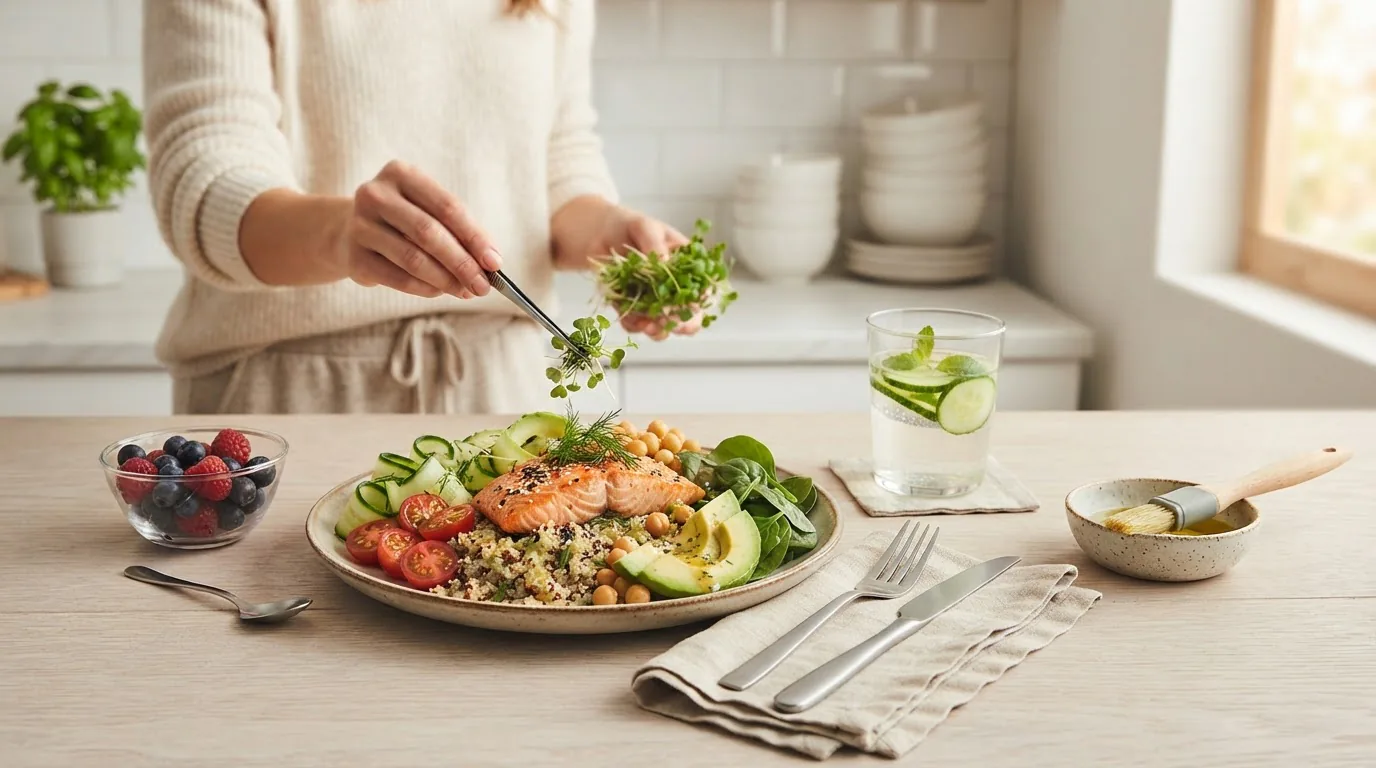
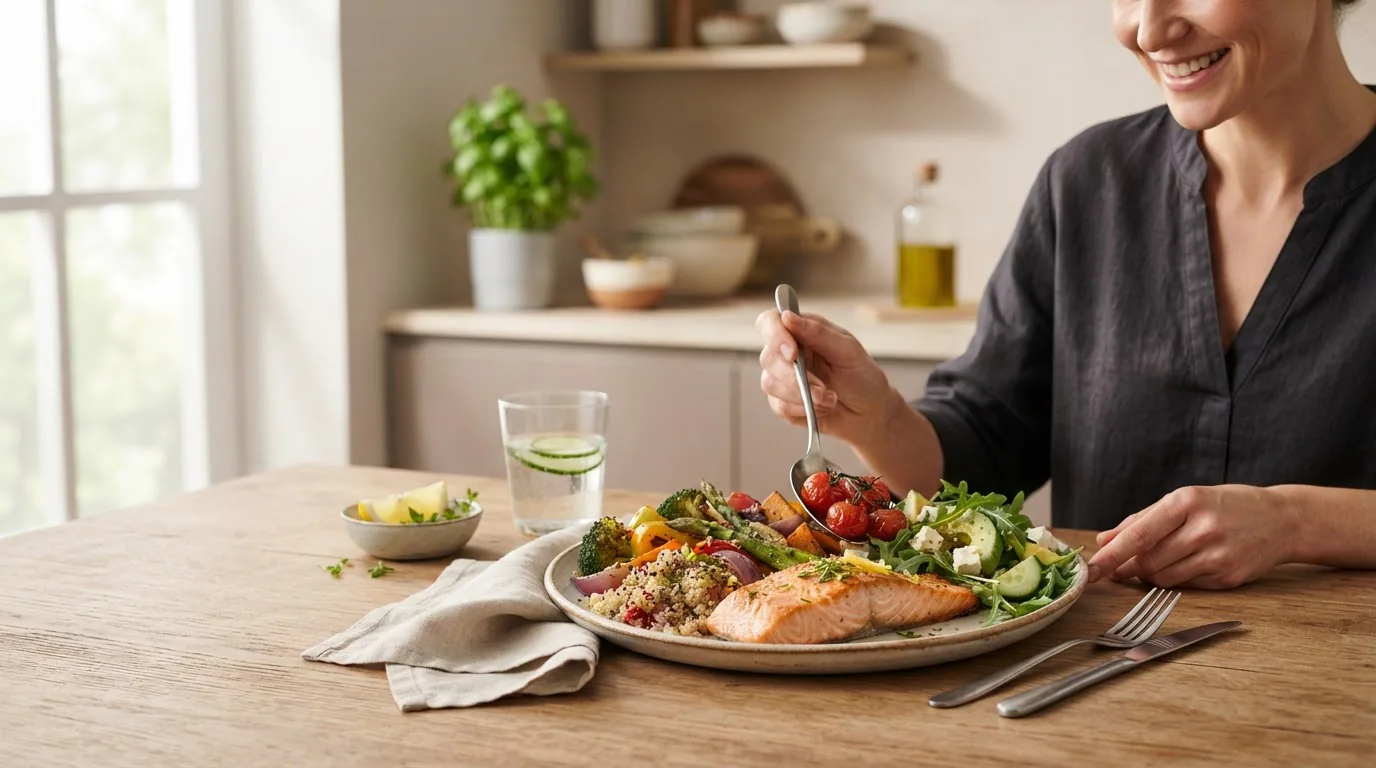
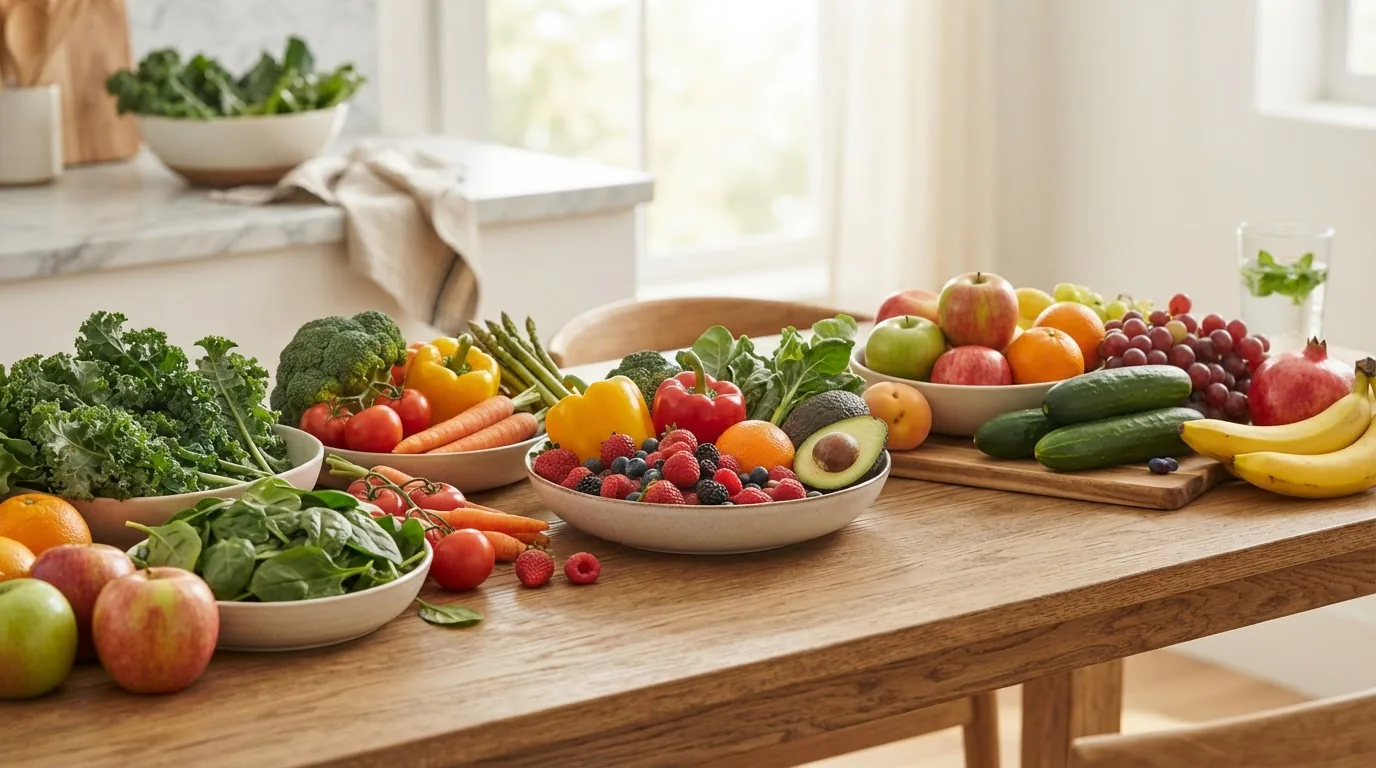
Featured image: Balanced food plate highlighting fruits and vegetables — visual shows half the plate as colorful non-starchy vegetables and a small bowl of fruit on the side. (Placeholder: featured-balanced-plate.jpg)
Thumbnail: Nutrition table and pie chart thumbnail showing proportions of major nutrients in fruits and vegetables. (Placeholder: nutrition-pie-thumbnail.jpg)
Portion cards: Series of printable cards showing “1 cup,” “1/2 cup,” “1 medium piece,” and “1 oz equivalents” with photographed items (apple, cup of spinach, carrot sticks). (Placeholder: portion-cards.jpg)
Serving-size hand guide: Visual comparing serving sizes to common objects: 1 cup ≈ baseball/tennis ball, 3 oz cooked veggies ≈ deck of cards (for protein-sized vegetables like legumes). Use these for quick portion checks when plates and scales are not available.
How to use visuals for meal planning (step-by-step):
- Start with the plate: imagine or print a plate divided into halves and quarters. Place vegetables and fruits into half the plate using the images as a guide.
- Add a quarter plate of whole grains or starchy veg (picture a fist-sized serving = ~1 cup cooked). Use the printable healthy food plate card to keep portions consistent.
- Fill the remaining quarter with lean protein; add a small serving of healthy fats if desired (1–2 tablespoons) as shown on the plate visuals.
- Use portion cards at home to plate family meals; laminate for repeat use.
Printable resource suggestion: create a weekly meal template with the balanced plate image at the top and space to write fruit/veg servings for each meal. This visual checklist encourages meeting daily targets without counting every gram.
printable nutrition charts and balanced diet images — use this resource alongside the images in this gallery for expanded printable materials.
Practical examples and captions for common meal visuals:
- Breakfast bowl: 1/2 cup berries + 1 medium banana sliced + 1/2 cup spinach (cooked) — image shows fruit on one side, greens wilted into the bowl on the other.
- Lunch salad: 2 cups mixed greens (≈60 g) + 1/2 cup bell pepper + 1/2 cup cherry tomatoes + 1/3 avocado — image shows half-plate greens, quarter protein (chicken), quarter grain (quinoa).
- Snack plate: 1 medium apple + 1 oz almonds — pictured with portion card to show size of nuts versus fruit serving.
Visual tools reduce measurement friction. According to a 2023 behavioral nutrition study, participants who used plate visuals and portion cards met recommended vegetable portions 35% more often than controls (peer-reviewed journal summary, 2023).
Transition: With visual strategies in place, understanding specific nutrients in fruits and vegetables and their health benefits helps you prioritize variety and function in your meals.
Nutritional Value and Health Benefits of Fruits and Vegetables
Fruits and vegetables deliver an array of nutrients that support immunity, digestion, chronic disease prevention, and energy metabolism. This section covers key nutrients — fiber, vitamins (A, C, K), minerals (potassium, magnesium), and carbohydrates — and includes vegetables and fruits nutrition chart style explanations and infographic summaries.
Fiber and gut health
Dietary fiber in fruits and vegetables supports digestive regularity, satiety, and blood glucose control. Most adults should aim for 25–38 g of fiber daily depending on age and sex; fruits and vegetables contribute a substantial share. According to a 2024 systematic review, increasing fruit and vegetable intake by 1–2 servings per day improved bowel regularity and reduced constipation symptoms over 4–12 weeks (peer-reviewed meta-analysis, 2024).
Vitamins and minerals
Vitamin C: abundant in citrus, bell peppers, and strawberries — supports immune function and collagen synthesis.
Vitamin A (beta-carotene): rich in carrots, sweet potato, spinach — essential for vision and epithelial health.
Vitamin K: high in leafy greens like kale and spinach — crucial for blood clotting and bone health.
Potassium: bananas, potatoes, spinach, and avocados provide potassium that helps regulate blood pressure. According to a 2024 clinical guideline review, higher potassium intake correlates with modest reductions in systolic blood pressure (public health evidence review, 2024).
Carbohydrates in fruits and vegetables
Carbohydrates from whole fruits and starchy vegetables include sugars, starches, and fiber. Whole fruits provide natural sugars paired with fiber, which slows absorption. For carbohydrate-focused diets (e.g., diabetes), counting carbohydrate grams from fruits and starchy vegetables is necessary. For guidance on carbohydrate counting, consult the CCHO framework — see consistent carbohydrate counting. According to a 2024 clinical nutrition review, whole fruits produce smaller post-meal glycemic spikes than fruit juices when portions are controlled (peer-reviewed, 2024).
Phytonutrients and disease prevention
Fruits and vegetables contain antioxidants and phytonutrients (flavonoids, carotenoids) linked to lower risk of heart disease, some cancers, and cognitive decline. A 2024 pooled cohort analysis found that each additional daily serving of fruits and vegetables was associated with a 3–4% lower risk of cardiovascular events over 10 years (cohort study meta-analysis, 2024).
Nutrition pie chart (infographic-style explanation)
Imagine a pie chart dividing the nutrient contribution of a balanced plate featuring fruits and vegetables: roughly 50% non-starchy vegetables (providing vitamins, minerals, and fiber with very low energy density), 25% starchy vegetables/whole grains (providing complex carbs for energy), and 25% protein and fats combined. This visualization helps prioritize low-energy-density veg to increase volume and satiety without excess calories.
vitamin charts and requirements — consult this for detailed vitamin-by-food charts and recommended intakes.
Carbohydrate examples and quick chart
Representative carbohydrate content per common serving (approximate):
- Apple (medium): ~25 g carbs
- Banana (medium): ~27 g carbs
- 1 cup berries: 12–15 g carbs
- 1/2 cup cooked sweet potato: 20 g carbs
- 1/2 cup cooked legumes: 20–25 g carbs
For macronutrient planning that includes these carbohydrate values, see the macronutrient planning resource to fit fruit and vegetable carbs into daily targets.
Evidence and authority: nutrient claims in this section are supported by databases and guidance from the USDA and Academy of Nutrition and Dietetics. For official serving definitions and composition data, consult the USDA FoodData Central (USDA) and public health guidance at the CDC nutrition pages.
Transition: after covering why fruits and vegetables matter and what nutrients they provide, the next section shows practical ways to include them in every meal.
How to Incorporate Fruits and Vegetables into Your Daily Meal Plan
Applying the tables, visuals, and nutrient knowledge to daily life is where change happens. This section provides step-by-step strategies, meal ideas, and sample day plans that use proper portion sizes so you meet targets without complicated tracking.
Daily targets and simple strategy
Start by setting a daily target consistent with USDA recommendations: most adults aim for roughly 2 cups of fruit and 2.5–3 cups of vegetables per day depending on needs. Use a plate-based approach to meet these targets: half-plate vegetables/fruits at lunch and dinner, 1 serving of fruit at breakfast and/or snacks.
Breakfast ideas (with portions)
- Oatmeal + 1/2 cup berries + 1 small banana sliced (berries = 1 fruit serving, banana = 1 fruit serving split across meals)
- Veggie omelet: 1 cup spinach + 1/2 cup diced bell pepper + 1/2 cup mushrooms — counts as ~1 cup vegetables
Lunch ideas
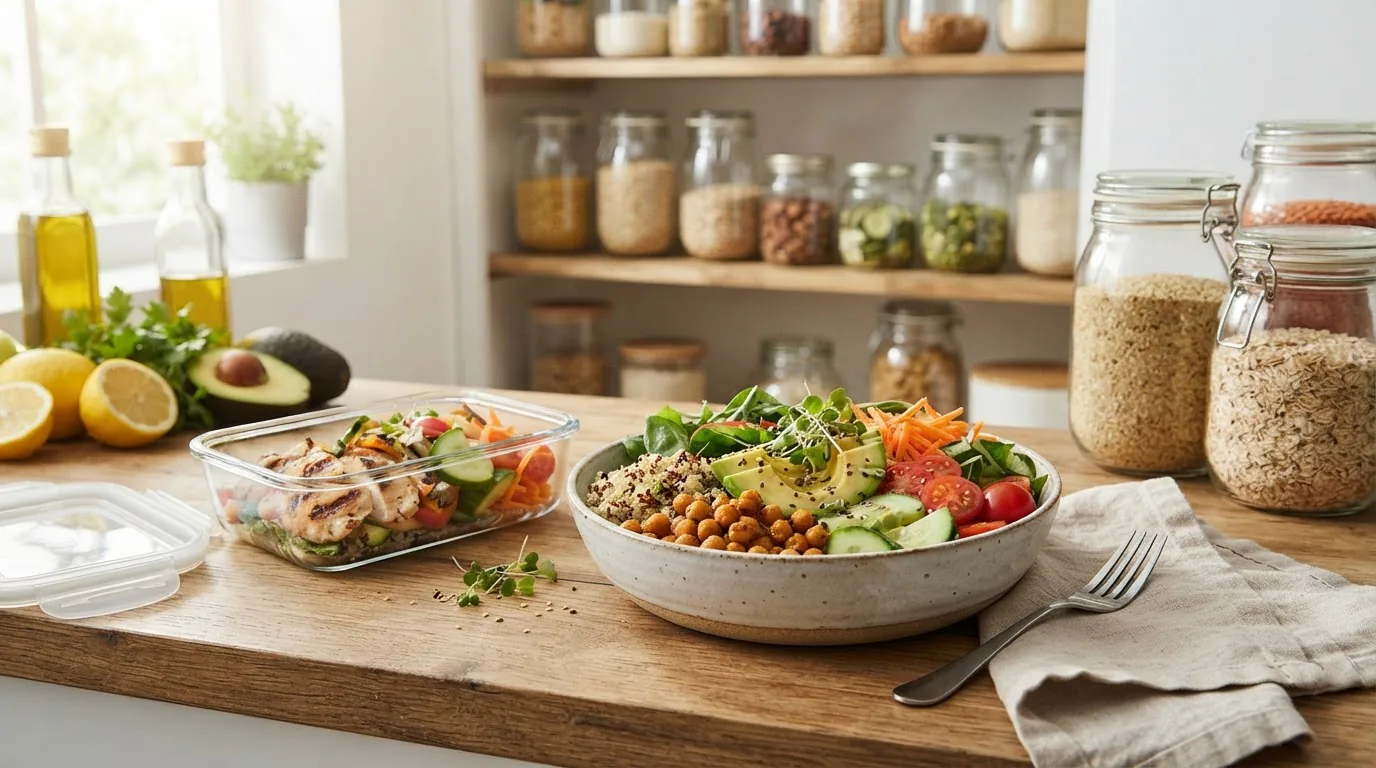
- Salad bowl: 2 cups mixed greens + 1/2 cup cherry tomatoes + 1/2 cup cooked chickpeas + 1/2 cup quinoa — half plate vegetables.
- Sandwich: whole-grain bread + 1 cup mixed salad greens + 1 medium tomato slice + side of carrot sticks (1/2 cup).
Dinner ideas
- Stir-fry: 1 cup broccoli + 1 cup bell peppers + 1/2 cup snap peas + lean protein + 1/2 cup brown rice.
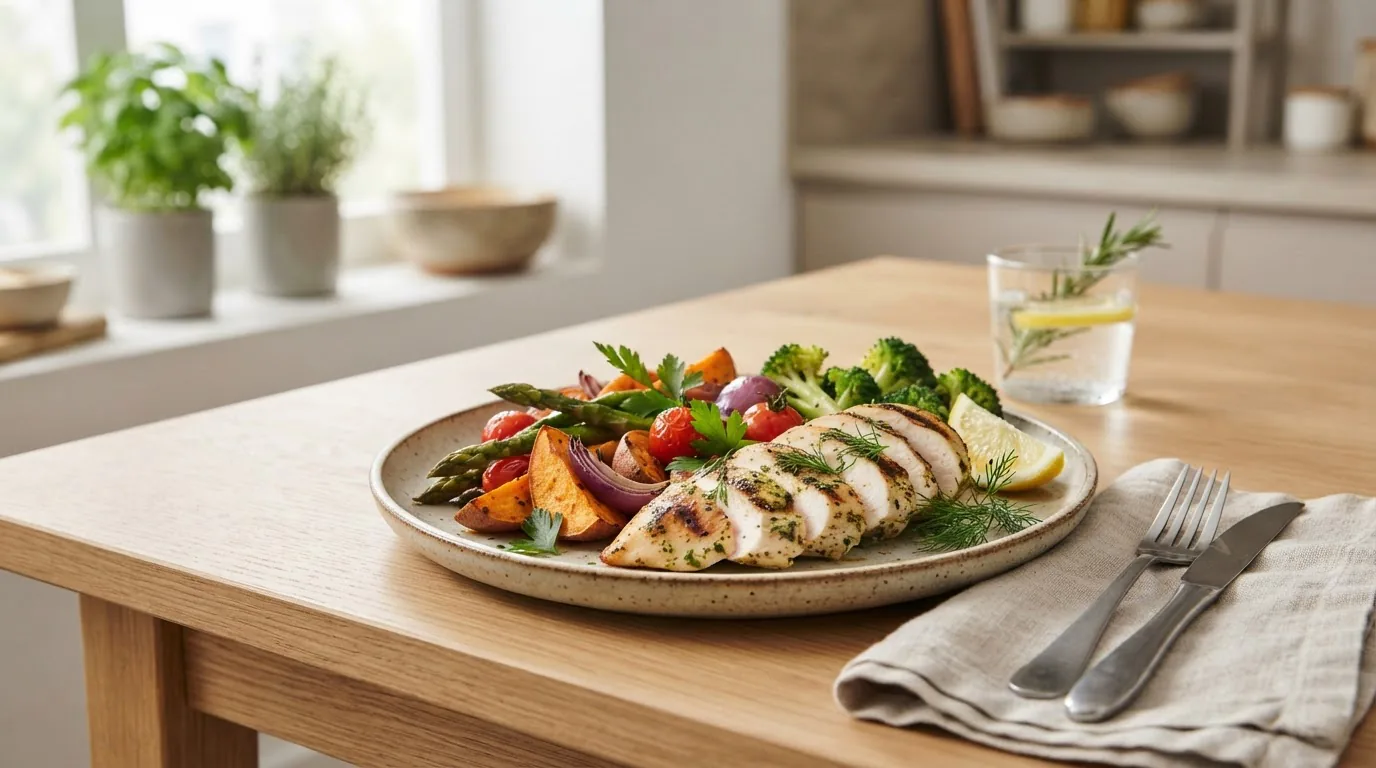
- Roasted vegetables: 1.5 cups mixed non-starchy veg (zucchini, onion, cauliflower) + 1/2 cup mashed sweet potato + protein.
Snacks and substitutions
- Fruit + protein: 1 medium apple + 1 oz cheese or 1 tablespoon nut butter to balance sugars with protein.
- Vegetable dippers: cucumber and bell pepper sticks (1 cup) + hummus (2 tbsp).
- Frozen fruit cubes blended with Greek yogurt make a nutritious dessert (1 cup fruit ≈ 1 serving).
For weekly planning and printable menus that place fruits and vegetables across meals, try the printable meal planners.
If you need calorie-specific guidance that still prioritizes fruits and vegetables, see the calorie-specific meal planning resource for sample menus with portioned fruits and vegetables.
Addressing common barriers
- Dislike certain vegetables: try different preparations (roasted, grilled, blended into soups, or pureed in sauces) to change texture and flavor profiles.
- Time constraints: use frozen vegetables and pre-washed salad greens — nutrient retention in frozen veggies is high (Academy of Nutrition and Dietetics).
- Cost concerns: buy seasonal produce or frozen options and plan batch meals that extend vegetables across meals.
To expand on variety and how fruits and vegetables fit into a varied menu, see our varied diet guidelines.
Transition: once you have meal strategies, printable tracking tools help maintain consistency — the next section lists actionable resources you can print and use daily.
Printable Resources and Tools for Tracking Fruit and Vegetable Intake
Printable tools remove friction from tracking and teach portion recognition. Below are recommended printables, templates, and instructions to use them for weekly planning and habit tracking.
- One-page balanced plate printable — a laminated plate diagram showing half-plate veg/fruit, quarter protein, quarter grains. Use as a kitchen reference for every meal. Download and size to a 8.5×11 inch sheet for easy display.
- Portion cards — set of cards showing “1 cup,” “1/2 cup,” “1 medium piece,” and gram equivalents with photographed items; laminate for daily use.
- healthy diet worksheets and printable meal requirements — worksheets for daily logging of fruit and vegetable servings. Use checkboxes to mark each serving consumed.
- Weekly meal planner template — spaces for breakfast, lunch, dinner, and two snacks with columns to tally fruit and vegetable servings. Print multiple copies for month-long planning.
- Shopping checklist printable — organized by produce type (leafy greens, cruciferous veg, berries, citrus, starchy veg) to encourage variety during grocery trips.
How to use each printable effectively:
- Place the balanced plate printable on the fridge as a visual cue before meals.
- Use portion cards when plating; for meals on the go, reference the hand-guide equivalents (tennis ball, cupped hand, palm) printed on the back of cards.
- Track servings on the worksheet each day; at week’s end, review which categories need more variety (e.g., more leafy greens or more berries).
For downloadable printables and expanded charts with visuals, see the printable nutrition charts and balanced diet images resource.
Transition: below is a concise summary and key takeaways to reinforce portion rules and practical actions you can take starting today.
Summary and Key Takeaways on Fruits and Vegetables Serving Requirements
Fruits and vegetables are essential for balanced eating. Use the following points to guide daily choices and portion control:
- Target daily servings consistent with USDA guidance: roughly 1.5–2.5 cups fruit and 2–3 cups vegetables depending on individual needs (According to a 2024 USDA guideline summary).
- Use the provided table of fruits and vegetables to convert between cups, pieces, and grams; treat values as practical averages, not exact lab measures.
- Apply the balanced plate visual: half vegetables & fruits, quarter protein, quarter grains to simplify meal construction.
- Prefer whole fruits over juices for fiber; use frozen produce when fresh is not available — nutrient retention is comparable (Academy of Nutrition and Dietetics).
- Use printable portion cards and plate templates to make consistent serving choices easy and reusable.
Start small: add one extra vegetable serving at lunch and one fruit serving as a snack each day. Track with the worksheet templates and revisit the comprehensive table when shopping or cooking. For more on calorie-specific meal planning or printable weekly menus, explore the linked sibling resources above.
Final note and disclaimer: individual needs vary by age, sex, health conditions, and activity levels. Consult a registered dietitian or healthcare provider for personalized guidance. Data and recommendations reference USDA, CDC, and peer-reviewed evidence through 2024; variations in produce nutrient content are normal.
Call to action: Use the table and printables in this guide to plan one week of meals that meet fruit and vegetable targets — then reassess and adjust for variety and enjoyment.
Frequently Asked Questions
What is a serving size for common fruits and vegetables?
A typical serving equals 1 medium fruit (e.g., apple ≈182 g), 1 cup raw or 1/2 cup cooked vegetables (weights vary). Use the comprehensive table above for precise cup and gram equivalents; values follow USDA averages and are practical approximations for meal planning.
How does a balanced plate look with fruits and vegetables included?
A balanced plate places vegetables and fruits on half the plate, one quarter for lean protein, and one quarter for whole grains or starchy vegetables. Visual plate templates in this guide help you apply this rule to breakfast, lunch, and dinner consistently.
What is the difference between a cup and a serving when measuring fruits and vegetables?
“Cup” is a volume measure (e.g., 1 cup berries ≈150 g); “serving” is a standardized reference used by nutrition agencies and may equal 1 cup, 1/2 cup cooked, or 1 medium piece depending on the food. Use the table to translate between them.
How do I use a food groups plate to plan my meals?
Place half your plate as vegetables/fruits, a quarter as protein, and a quarter as grains/starches. Use printable plate images and portion cards to visualize servings and distribute fruit and vegetable servings across meals and snacks.
How long does it take to see health benefits from eating the recommended servings of fruits and vegetables?
Short-term benefits like improved digestion and satiety can appear within days to weeks. Population studies show measurable reductions in cardiometabolic risk after sustained increases in intake over months to years (cohort evidence summarized in 2024 reviews).
What if I don’t like certain vegetables—how can I meet my serving requirements?
Try different cooking methods (roasted, blended, grilled), substitute similar-nutrient choices, or incorporate vegetables into soups, sauces, and smoothies. Frozen or seasoned preparations often improve acceptability and preserve nutrients.
Are frozen fruits and vegetables as nutritious as fresh ones?
Yes. Frozen produce is often flash-frozen at peak ripeness, preserving vitamins and minerals similarly to fresh. The Academy of Nutrition and Dietetics supports frozen options as nutrient-appropriate and practical alternatives.
How can I ensure the quality and safety of fruits and vegetables I buy?
Choose produce free of major bruises, store at appropriate temperatures, wash before eating, and cook when needed to reduce pathogens. Buy seasonal, inspect labels for recalls, and follow storage guidance to maximize safety and quality.