
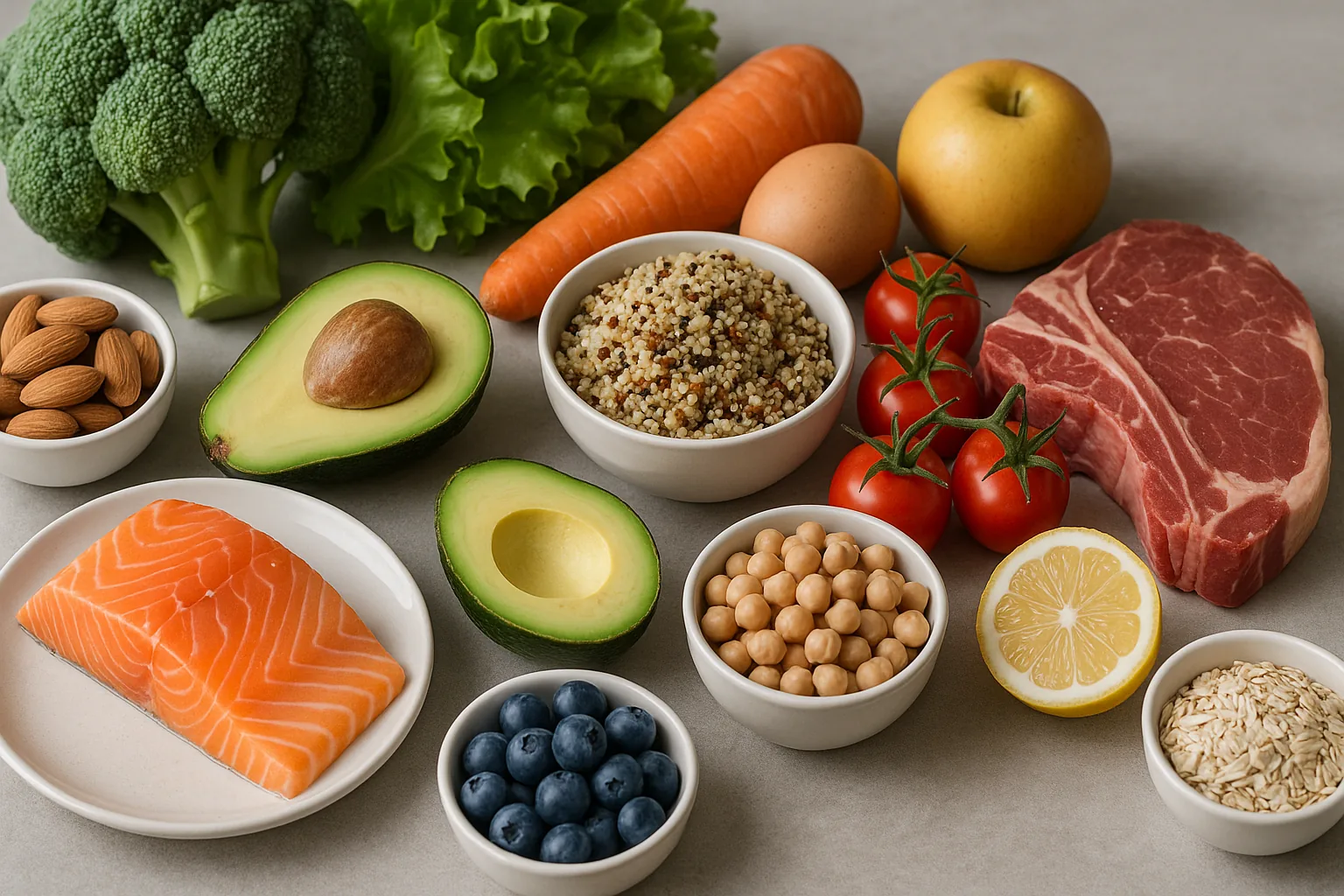
A varied diet includes a wide and rotating selection from all core food groups—fruits, vegetables, grains, proteins, dairy or alternatives, and healthy fats—emphasizing whole foods, seasonal choices, and diverse cooking methods to meet macronutrient and micronutrient needs for balanced nutrition across meals and weeks.
Understanding What Is Included in a Varied Diet
Answer: A varied diet is the intentional inclusion of multiple foods across the major food groups, different preparation methods, and seasonal/local options to ensure a broad nutrient spectrum and minimize nutrient gaps.
Term: Varied diet — a dietary pattern that regularly incorporates different foods and food types from all essential groups to deliver a wide nutrient spectrum and reduce over-reliance on single food sources.
A practical definition emphasizes content: variety between and within food groups (for example, both citrus and berries among fruits; leafy greens and cruciferous vegetables), diversity of whole grains, rotation of protein sources (legumes, fish, poultry, plant-based proteins), and inclusion of small amounts of healthy fats and dairy or fortified alternatives. This goes beyond simply “eating healthy” — it specifies what to include so balanced nutrition is achievable and resilient to shortages or preferences.
Varied diet components to look for:
- Multiple fruit and vegetable families (colors and textures)
- Whole grains with different fiber types (e.g., oats, brown rice, millet)
- Mixed protein sources (animal and plant-based to cover amino acid variety)
- Dairy or fortified alternatives to provide calcium and vitamin D
- Small amounts of monounsaturated and polyunsaturated fats for essential fatty acids
For foundational context on balanced diet principles that inform which items to rotate and why, see Balanced Nutrition Guide Explaining What a Balanced Diet Means and for basic terminology, consult the Dictionary Diet Guide Explaining Diet Definition and Meaning.
Why content-focused definition matters: specifying exact foods and preparation ideas removes ambiguity—readers can identify what to buy, what to swap, and how to rotate items across the week so the diet consistently hits macronutrient and micronutrient targets without monotonous meal patterns.
Core Food Groups and Their Role in a Varied Diet
Answer: The core food groups—fruits, vegetables, grains, protein foods, dairy/alternatives, and fats—each supply unique macronutrients and micronutrients; a varied diet deliberately includes diverse examples from each group to ensure nutrient adequacy and meal satisfaction.
Term: Food group — a category of foods that provides similar nutrients and fulfills related roles in nutrition planning (e.g., fruits primarily supplying vitamins, fiber, and phytonutrients).
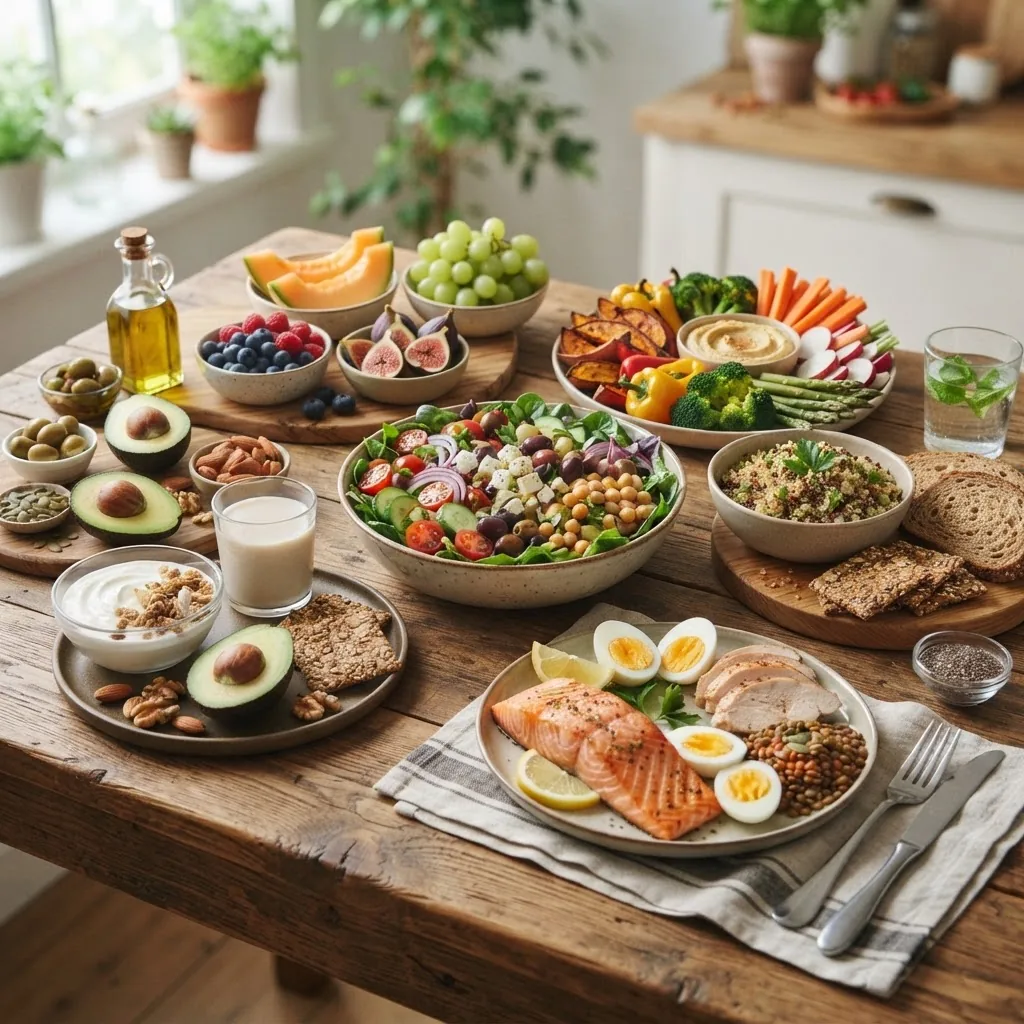
-
Fruits
Answer: Fruits provide vitamins (notably vitamin C, folate), fiber, hydration, and diverse phytonutrients; include berries, citrus, stone fruits, melons, and tropical fruits across the week.
Examples and role in variety:
- Seasonal Texas choices: peaches (summer), watermelons (summer), grapefruit (winter), and berries (strawberries, blackberries) from local farms.
- Serving ideas: fruit for breakfast, as snack packs, or in salsas and salads to add natural sweetness.
- Micronutrients highlighted: vitamin C, potassium, folate, and flavonoids.
-
Vegetables
Answer: Vegetables deliver fiber, vitamins (A, K, C), minerals, and diverse phytochemicals; prioritize a mix of leafy greens, cruciferous, root, and colorful vegetables to broaden nutrient intake.
Examples and role in variety:
- Leafy greens: spinach, kale, collards (Texas-grown collards are seasonally available).
- Cruciferous: broccoli, cauliflower, Brussels sprouts for glucosinolates.
- Root and colorful veg: sweet potatoes, beets, bell peppers for beta-carotene and antioxidants.
- Preparation variety: raw salads, roasted mixes, quick stir-fries, pickles, and soups.
-
Grains
Answer: Grains supply carbohydrates (energy), fiber, B vitamins, and minerals; choose whole grains in rotation to diversify fiber types and micronutrient profiles.
Examples and role in variety:
- Whole grains: brown rice, oats, barley, quinoa, bulgur, farro, and whole-wheat products.
- Gluten-free options: millet, sorghum, buckwheat, and brown rice for those with restrictions.
- Usage: breakfasts (oat porridge), salads (farro), sides (quinoa pilaf), and tortillas (whole-corn or whole-wheat in Texas cuisine).
- USDA guidance for proportions: According to the 2024 USDA guidelines, at least half of grain servings should be whole grains — integrate multiple whole-grain types for variety. USDA MyPlate
-
Protein Foods
Answer: Protein foods provide amino acids, iron, zinc, B vitamins, and in fish, long-chain omega-3 fats; rotate plant and animal proteins to broaden amino acid and micronutrient intake.
Examples and role in variety:
- Lean animal: poultry, lean cuts of beef, pork, eggs.
- Seafood: Gulf shrimp, catfish, tilapia — include twice weekly for omega-3s when possible.
- Plant proteins: lentils, black-eyed peas (regional staple in Texas), chickpeas, tempeh, tofu, edamame.
- Serving ideas: mix legumes into salads, alternate fish and poultry, use eggs for quick protein-rich meals.
Include iron-enhancing practices: pair plant-based iron sources with vitamin C–rich foods to improve absorption.
-
Dairy and Dairy Alternatives
Answer: Dairy and fortified alternatives supply calcium, vitamin D, potassium, and protein; include fermented options and fortified plant milks for a wider nutrient set.
Examples and role in variety:
- Dairy: milk, yogurt (especially Greek), cheese.
- Alternatives: fortified soy milk, almond milk, oat milk with added calcium and vitamin D.
- Fermented choices: kefir and yogurt provide probiotics for gut health variety.
-
Fats and Oils
Answer: Healthy fats supply essential fatty acids and fat-soluble vitamins; rotate oils and include whole-food fat sources for different fatty-acid profiles.
Examples and role in variety:
- Oils: olive oil, canola oil, avocado oil for monounsaturated fats.
- Whole-food fats: avocados, nuts (pecans are a Texas specialty), seeds (chia, flax) for omega-3s and fiber.
- Cooking variety: use different oils for dressings vs. high-heat cooking; add nuts/seeds to salads and grains for texture and nutrition.
For everyday choices and plain-language examples that pair with these group descriptions, see the Regular Food Guide for Balanced Meals and Daily Nutrition Needs.
Importance of Variety in Diet for Balanced Nutrition
Answer: Variety improves micronutrient adequacy, supports gut microbiome diversity, lowers chronic disease risk, and reduces the chance of nutrient deficiencies by expanding the nutrient spectrum consumed regularly.
Term: Dietary diversity — a measure of how many different foods or food groups a person consumes over a reference period; higher diversity typically correlates with better nutrient adequacy.
Broad evidence link: According to a 2022 systematic review published in a peer-reviewed nutrition journal, dietary diversity is associated with improved micronutrient status and lower risk markers for metabolic disease; these findings underline why varied intake matters beyond calories.
Key benefits explained simply:
- Micronutrient adequacy: Different foods supply unique vitamins and minerals; rotating foods reduces gaps (e.g., liver supplies B12 and iron; legumes supply folate and fiber).
- Gut health: A diverse array of fibers and polyphenols feeds different gut bacteria strains, increasing microbial richness linked to metabolic and immune benefits.
- Disease prevention: Diets with higher food-group variety—particularly fruits, vegetables, whole grains, and fish—are associated with lower cardiovascular disease risk in longitudinal studies (According to a 2019 cohort study published in a peer-reviewed journal).
- Palatability and adherence: Variety reduces meal monotony, improving long-term adherence to healthy eating patterns.
Practical nutrient examples:
- Vitamin C: citrus, bell peppers, strawberries — rotating these ensures consistent intake.
- Calcium: dairy/fortified alternatives, leafy greens, tofu — rotating sources helps people with lactose intolerance.
- Omega-3 fatty acids: fatty fish, flaxseed, walnuts — varied sources accommodate preferences and budgets.
For standards on nutrient intake and how varied diets map to recommended amounts, consult the Adequate Intake Definition Simple Guide and official frameworks like the USDA MyPlate. External authoritative guidance is helpful: CDC nutrition resources.
Limitations and context:
- Variety must be quality-focused—adding many processed snacks labeled with different flavors does not equal healthy diversity.
- Food access and cultural preferences shape feasible variety—local seasonality (see below) often guides cost-effective diversity strategies.
Practical Tips for Incorporating Variety into Daily Meals
Answer: Use meal planning templates, seasonal shopping, ingredient swaps, rotating protein and grain sources, and diverse cooking methods to add variety while keeping meals simple, budget-friendly, and Texan-food-aware.
Term: Meal planning — proactive selection and scheduling of meals and shopping lists to ensure diverse, balanced eating across days or weeks.

Step-by-step how-to (actionable):
-
1. Start with a rotating weekly template
Answer: Build a 3–4 week rotation template that assigns families (e.g., bean-based, fish, poultry, plant-based) to specific nights so variety is built into the schedule.
Example template:
- Monday: Whole-grain bowls with legumes + greens
- Tuesday: Fish tacos with cabbage slaw (Texas Gulf shrimp or local fish)
- Wednesday: Stir-fry with a rotating grain (brown rice one week, quinoa the next)
- Thursday: Chicken or plant-protein fajitas with peppers
- Friday: Salad night with mixed veggies and nuts
-
2. Shop seasonally and locally
Answer: Seasonal produce is fresher, often cheaper, and increases natural variety—use farmers’ markets and CSA boxes in Texas to pick local peaches, greens, and pecans across seasons.
Texan seasonal examples:
- Spring: asparagus, strawberries, greens
- Summer: peaches, tomatoes, okra, watermelons
- Fall: sweet potatoes, pumpkins, pears
- Winter: citrus, root vegetables, collards
-
3. Use ingredient swaps to broaden nutrient profiles
Answer: Substitute different grains, proteins, or fats in familiar recipes to add new nutrients without changing meals drastically (e.g., swap brown rice for barley; black beans for chickpeas).
Swap examples:
- Replace half the ground beef with lentils in tacos.
- Use quinoa instead of couscous in salads for extra complete protein and texture.
- Mix olive oil and ground flaxseed into dressings to boost omega-3 intake.
-
4. Change cooking methods weekly
Answer: Rotate roasting, steaming, grilling, braising, and raw preparations to change textures and nutrient bioavailability—example: roast cruciferous veggies one week, steam them the next.
-
5. Plan for budget-friendly diversity
Answer: Buy varied staples in bulk (lentils, oats, brown rice, canned fish) and use seasonal produce to keep costs down while maintaining variety.
Money-saving tactics:
- Buy frozen berries and vegetables for variety outside of season.
- Use dried beans and batch-cook them to add different legume varieties across meals.
-
6. Incorporate cultural and regional foods
Answer: Use Texan and regional foods—black-eyed peas, pecans, Gulf seafood, and corn—so variety aligns with local tastes and seasonality.
Examples:
- Black-eyed peas with collard greens and brown rice provide fiber, folate, and iron.
- Pecan-crusted fish or salads add healthy monounsaturated fats and trace minerals.
-
7. Track one nutrient goal per week
Answer: Focus a weekly plan on one micronutrient (e.g., iron or vitamin C) and choose diverse foods that support that target across meals to see measurable improvements.
-
8. Use external templates when needed
Answer: For calorie-specific needs, consult targeted meal-plan guides that map variety into calorie goals while retaining diversity.
Related resources: 1200 Calorie Meal Plan Guide for Balanced Weight Loss Nutrition, 1400 Calorie Meal Plan Guide for Healthy Balanced Diet, and for regionally-flavored shopping lists see Mediterranean Diet Shopping List Guide.
Experience exercise (walkthrough): Plan three dinners this week that rotate protein, grain, and vegetable family: Monday — shrimp (Gulf) + quinoa + roasted bell peppers; Wednesday — black-eyed pea chili + brown rice + collard greens; Friday — grilled chicken + sweet potato mash + beet-apple salad. Shopping list: frozen shrimp, quinoa, dried black-eyed peas, brown rice, collards, sweet potatoes, beets, apples, and staple spices.
Portion Size and Balancing Macronutrients Within a Varied Diet
Answer: Balance portions by combining appropriate servings of carbohydrates, proteins, and fats per meal—using MyPlate-style visual cues, portion guides, and simple macronutrient ratios—to ensure energy needs and nutrient balance while preserving variety.
Term: Macronutrients — the major nutrient classes—carbohydrates, proteins, and fats—that supply energy and structural components for the body.
Practical macronutrient balancing for varied meals:
- Carbohydrates: choose whole-grain or starchy vegetable sources and adjust portions to activity level.
- Protein: aim for a palm-sized serving (about 20–30 g of protein) per meal for most adults, varying sources across days.
- Fats: include a thumb-sized portion of added fats or a small handful of nuts/seeds per meal.
Simple portion-examples table (visualize per meal):
| Component | Example portion | Why it matters |
|---|---|---|
| Vegetables | 1–2 cups (non-starchy) | Fiber, vitamins, low energy density |
| Fruits | ½–1 cup | Micronutrients and natural sugars |
| Whole grains / starch | ⅓–1 cup cooked (or 1 small piece) | Primary energy source; fiber if whole grain |
| Protein | 3–4 oz cooked (palm-sized) or ½–1 cup legumes | Amino acids, satiety |
| Healthy fats | 1–2 tbsp oil or 1 oz nuts | Essential fatty acids, flavor, absorption of fat-soluble vitamins |
MyPlate and visual cues: The USDA MyPlate model suggests half your plate be fruits and vegetables, a quarter grains (preferably whole), and a quarter protein, with a side of dairy/alternative. According to the 2024 USDA guidelines, MyPlate remains a practical visual for portion balance. USDA MyPlate
Macronutrient ratios (simple guidance):
- General adult guidance: 45–65% calories from carbohydrates, 10–35% from protein, 20–35% from fat—adjust to personal goals and medical needs; these ranges reflect common dietary recommendations (According to a 2024 industry nutrition summary).
- Active individuals may shift toward higher carbohydrate portions; older adults often need proportionally higher protein to preserve muscle mass.
Visual and resource support: For pictorial examples of plate proportions and portion tools that help you implement the table above, see the Balanced Diet Images Guide for Visualizing Healthy Meal Plans and the detailed portion reference at Portion and Serving Size Guide for Balanced Meal Planning. For carbohydrate-specific planning details, see CCHO Diet Guide for Consistent Carb Diet Principles and Planning.
Example balanced plate for a Texan weekday dinner:
- Grilled Gulf shrimp (3–4 oz) — protein and omega-3s
- Roasted sweet potatoes (½ cup) — whole-food carbohydrate
- Mixed greens and tomato salad (2 cups) with pecans (1 tbsp) — vegetables and healthy fat
- Small serving of yogurt (½ cup) or fortified soy milk — dairy/alternative
Common Challenges and Solutions When Aiming for Dietary Variety
Answer: Typical obstacles—picky eating, limited access, budget constraints, allergies, and monotony—can be solved with targeted swaps, batch planning, seasonal buying, and culturally relevant substitutions to maintain variety without excessive cost or complexity.
Term: Food accessibility — the physical and economic ability to obtain varied, nutritious foods.
| Challenge | Solution | Practical tip |
|---|---|---|
| Picky eating | Gradual exposure and hidden variety | Add pureed vegetables to sauces; roast a new vegetable with familiar seasonings. |
| Food accessibility | Use frozen and canned (low-sodium) options, community markets | Frozen berries and vegetables retain nutrients and extend variety affordably. |
| Dietary restrictions/allergies | Substitute within groups and use fortified alternatives | If allergic to dairy, rotate fortified plant milks and leafy greens for calcium. |
| Budget constraints | Bulk staples, legumes, seasonal buys, and meal-batching | Cook large batches of mixed grains and freeze portioned meals for later. |
| Meal monotony | Rotate spices, cuisines, and preparation methods | Make a Tex-Mex night, Mediterranean night, and BBQ-inspired salads across the week. |
Case example (paraphrased): A community nutrition program that introduced two new vegetables weekly and provided simple recipes saw increased vegetable intake over three months among participants (According to a 2018 community intervention case report published in a peer-reviewed public health journal). Use small, measurable goals—add one new vegetable or grain every week—and track adherence.
Resources and planning aids: community food banks, local extension services, and online meal-planner templates can bridge gaps in accessibility and knowledge. For printable weekly planning tools, consult the Meal Planner Printable Guide for Weekly and Daily Food Planning.
Summary and Next Steps to Build Your Varied Diet Plan
Answer: Start by auditing current meals, set a rotating weekly template that includes different items from each food group, shop seasonally, use portion and macronutrient visual cues, and track one nutrient goal weekly to steadily build a sustainable varied diet for balanced nutrition.
Action checklist to begin today:
- Audit this week’s meals: list repeated foods and identify gaps (e.g., no seafood, few legumes).
- Create a 3-week rotation template that alternates proteins and grains.
- Shop for at least three different vegetables and two different fruits you haven’t eaten recently.
- Use the portion table above and the Portion and Serving Size Guide for Balanced Meal Planning to plate meals.
- If you need calorie-specific plans, refer to the 1400 Calorie Meal Plan Guide for Healthy Balanced Diet or 1200 Calorie Meal Plan Guide for Balanced Weight Loss Nutrition.
Limitations and personalization note: Individual nutrient needs vary by age, pregnancy status, medical conditions, and activity level—consult a registered dietitian or health provider for personalized adjustments. According to a 2024 industry guidance summary, dietary guidance should be customized when chronic conditions or allergies are present.
Final CTA: Build one week of meals using the template above, shop locally for seasonal produce, and rotate at least two new foods into next week’s plan to start experiencing the benefits of dietary variety for balanced nutrition.