By the end of this guide you’ll have a complete, Texas-ready, high protein vegetarian diet plan you can follow for 2–12 weeks, a practical day-of meal-prep walkthrough, and a 7-day sample menu with exact portion sizes. Realistic time commitment: 2–4 hours to plan and prep your first week. Skill level: beginner to competent home cook.
Before you start
- Prerequisites: willingness to eat dairy/eggs or choose vegetarian alternatives; kitchen access (stove, oven, blender).
- Tools & materials: food scale (grams), measuring cups, 3–5 reusable meal containers, large saucepan, nonstick pan, 1.5–2 L pitcher for hydration tracking.
- Pantry staples to stock: dried lentils, canned beans, quinoa, rolled oats, natural peanut butter, extra-firm tofu, tempeh, canned chickpeas, chia seeds, olive oil.
- Apps & trackers: a calorie/protein tracker (optional) and the USDA FoodData Central for nutrition checks.
Transition: Start with a clear definition so you understand targets and why the approach differs from standard vegetarian or vegan strategies.
What Is a High Protein Vegetarian Diet?
Stat block — target: 1.2–1.8 g protein/kg body weight for active adults; 20–40 g protein per meal to maximize muscle maintenance for most people.
Source context: protein ranges based on sports nutrition guidance and population studies; see linked resources below.
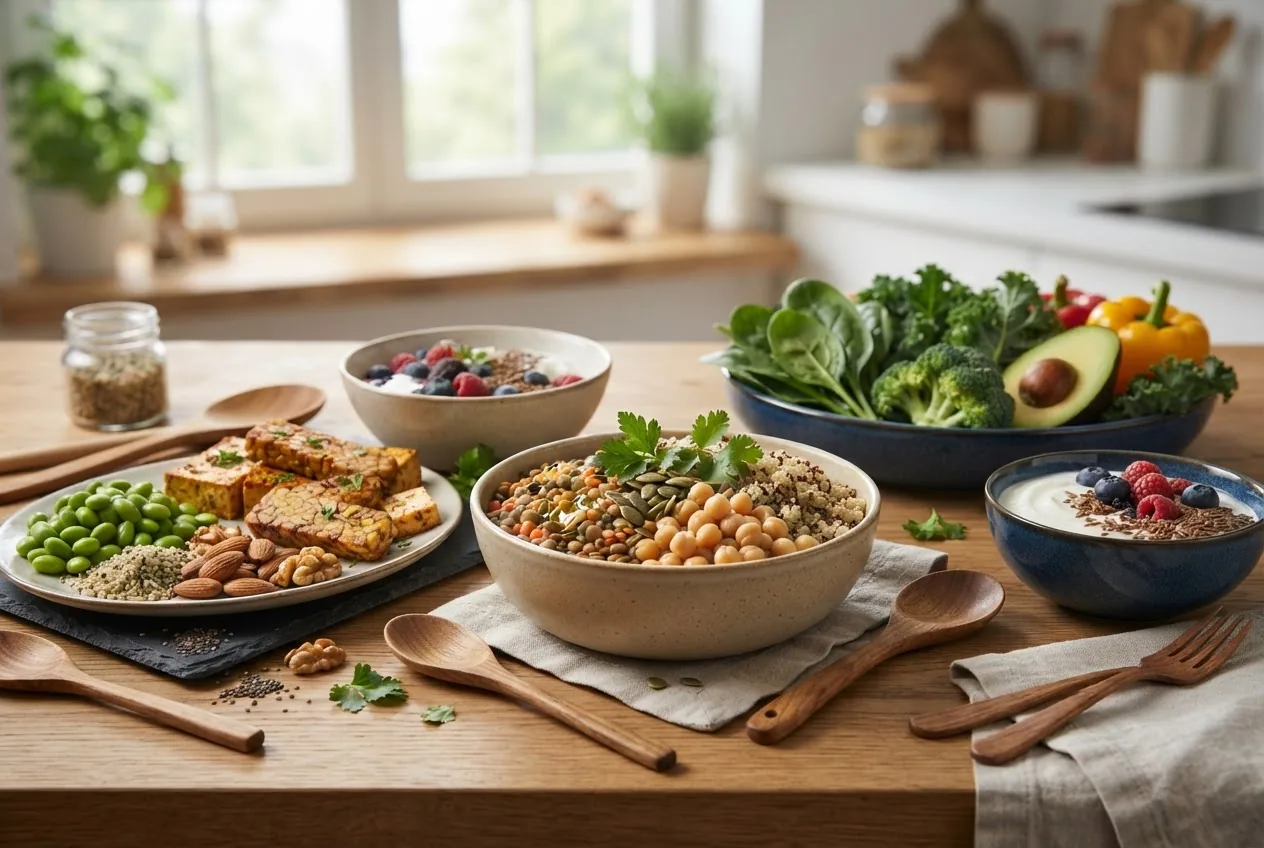
The high protein vegetarian diet emphasizes meeting elevated protein needs (above the 0.8 g/kg RDA) while excluding meat and fish. It centers on legumes, dairy and eggs (if ovo-lacto), soy foods, grains with complementary amino acids, nuts/seeds, and targeted supplements when needed. This hands-on plan focuses on practical portion sizes, protein timing, and balancing carbs, fiber, and fats to support muscle maintenance, weight control, and daily energy.
For detailed numbers by age, activity and goals see daily protein intake recommendations.
Transition: With a working definition and targets in mind, let’s examine why you might choose this diet and the measurable benefits.
Why Choose a High Protein and Veggie Diet? Benefits and Considerations
Combining high protein intake with a vegetable- and fruit-forward approach yields specific metabolic and practical benefits. Below I outline the wins and the real-world considerations to plan around.
- Weight management & satiety: Protein increases fullness; research synthesis suggests higher-protein meals reduce subsequent calorie intake. According to a 2023 systematic review of randomized trials, higher-protein diets improved weight loss retention in adults (source: peer-reviewed nutrition literature).
- Muscle maintenance: Meeting 20–40 g protein per meal supports muscle protein synthesis in most adults; for older adults aim for the higher end of the range (per clinical guidance).
- Nutrient density: A veggie-forward high-protein plan raises fiber, vitamins, and phytonutrients versus lower-protein refined diets.
- Sustainability & cost: Legumes, eggs, and dairy (or soy) deliver cost-effective protein per dollar, especially when purchased in bulk in Texas markets.
Considerations and caveats
- Micronutrient risks: Vegetarian diets can be low in vitamin B12, iron (heme), and sometimes zinc and lysine; supplementation or targeted foods are practical controls.
- Digestive tolerance: Rapidly increasing legumes or fiber often causes gas; increase intake gradually over 2–3 weeks and use cooking methods that reduce FODMAPs when sensitive.
- Meal planning load: Higher-protein vegetarian meals often require intentional combinations (e.g., beans + grain) and modest daily prep time.
Practical cross-reference for readers seeking broader food selection for weight loss: protein rich food for weight loss and for lean choices during cutting: lean protein foods for cutting.
Transition: Next, a full inventory of key protein sources with portion-level protein numbers so you can build menus without guesswork.
Key Protein Sources in a High Protein Vegetarian Diet
This section lists reliable vegetarian proteins, how much protein they provide per typical serving, and how to use them. Protein values reference USDA FoodData Central entries and are approximate per serving prepared/cooked unless noted. (Source: USDA FoodData Central.)
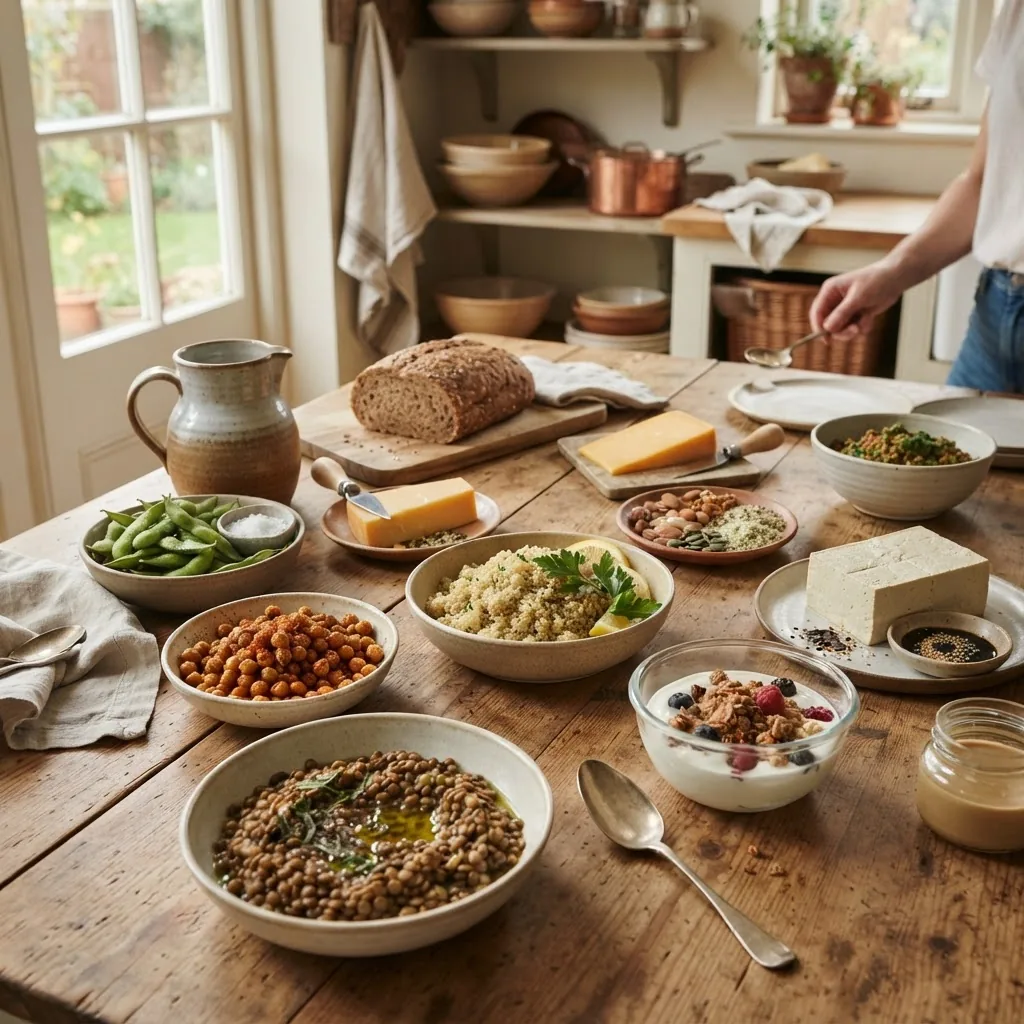
| Food (cooked/typical) | Serving | Protein (g) | Notes |
|---|---|---|---|
| Cooked lentils | 1 cup (198 g) | 18 g | High in fiber and iron (non-heme) |
| Cooked chickpeas | 1 cup (164 g) | 15 g | Versatile for salads, hummus |
| Edamame (shelled) | 1 cup (155 g) | 17 g | Complete protein among plant foods |
| Extra-firm tofu | 100 g | 8–12 g | Use- dependent on firmness and brand |
| Tempeh | 100 g | 18–20 g | Fermented soy with high protein |
| Seitan | 100 g | 25 g | Wheat gluten—very protein-dense |
| Greek yogurt (nonfat) | 1 cup (245 g) | 23 g | Excellent dairy protein—complete |
| Cottage cheese (low-fat) | 1 cup (226 g) | 28 g | High protein-to-calorie ratio |
| Large egg | 1 egg (50 g) | 6 g | Complete protein, vitamin B12 source |
| Quinoa (cooked) | 1 cup (185 g) | 8 g | Grain with balanced amino acids |
| Peanut butter | 2 tbsp (32 g) | 8 g | High calories; pair with fruit/veggies |
| Almonds | 1 oz (28 g) | 6 g | Good fat + protein snack |
| Chia seeds | 2 tbsp (24 g) | 4 g | Omega-3 ALA + fiber |
| Hemp seeds | 3 tbsp (30 g) | 10 g | Complete amino acid profile |
For a deep dive into protein completeness and lists of foods with fully balanced amino acid profiles see complete protein foods. For detailed nut values see protein content in nuts.
Quality notes: complete vs incomplete plant proteins—a complete protein contains all nine essential amino acids in sufficient amounts. Animal proteins and dairy are complete; soy, quinoa, hemp, and most dairy/egg proteins are complete among plant and vegetarian options. Most legumes, grains, nuts and seeds are lower in one or more essential amino acids (typically methionine or lysine), which is why pairing matters.
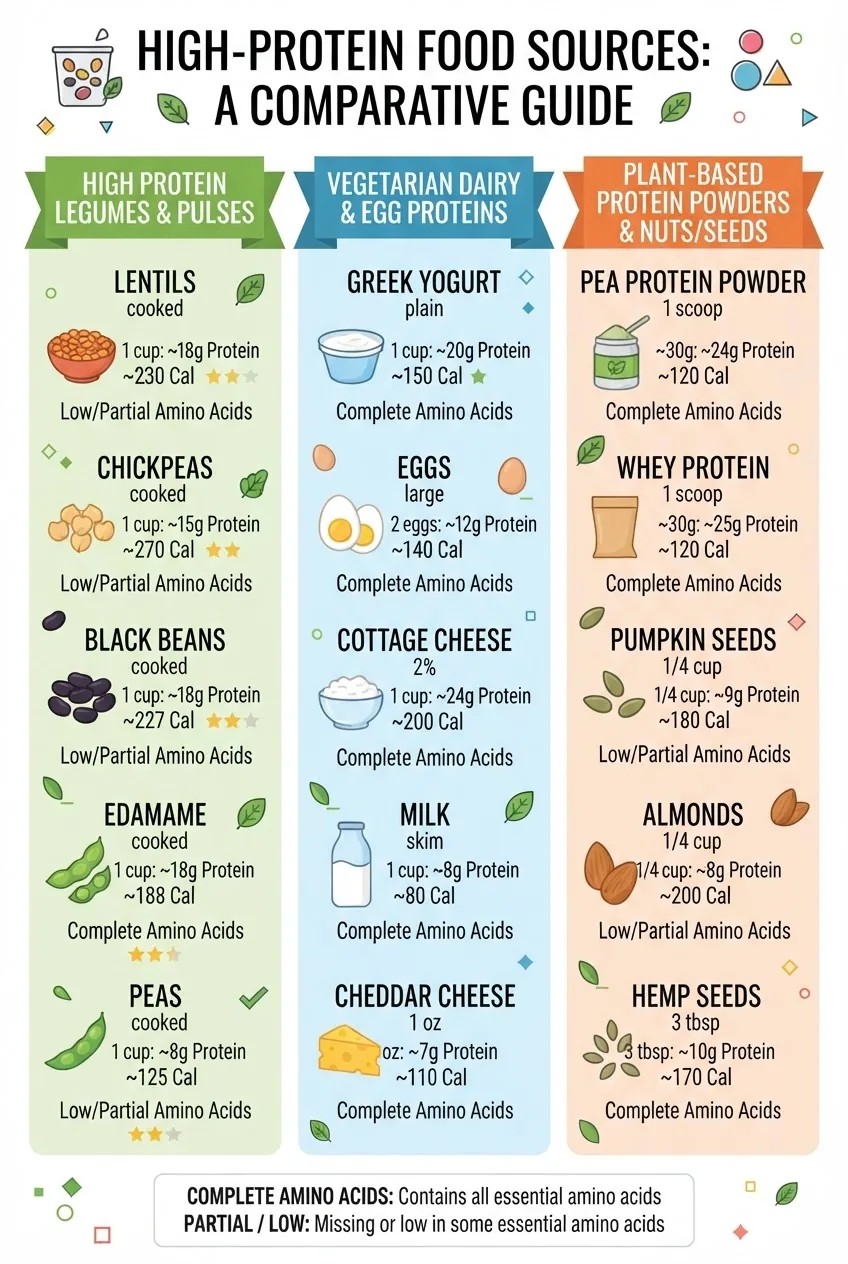
On plant-based protein powders: look for pea protein isolate, soy concentrate, rice+pea blends, or hemp protein. Use powders to bridge gaps (20–30 g servings typically). For safety and purity check third-party testing certification. For vegan-focused recommendations see best plant-based protein sources.
Transition: Now that you know what to eat, let’s profile fruits and vegetables with meaningful protein contributions and how to use them in a high-protein plan.
High Protein Fruits and Vegetables: Nutritional Contributions
Fruits and vegetables are not primary protein sources, but certain ones provide notable protein and valuable micronutrients. Below are high-protein choices, typical serving sizes, and short usage notes (values approximate from USDA FoodData Central).
- Edamame — 1 cup shelled: ~17 g protein. Use steamed as snacks, in salads, or blended into hummus. (Source: USDA FoodData Central)
- Green peas — 1 cup cooked: ~9 g protein. Blend into soups, toss in grain bowls, or mash as a side.
- Spinach — 1 cup cooked: ~5 g protein. Dense in micronutrients and useful in smoothies, scrambles, and lasagnas.
- Broccoli — 1 cup cooked: ~4 g protein. High in vitamin C and fiber; pairs well with tofu and tempeh sautés.
- Brussels sprouts — 1 cup cooked: ~4 g protein. Roast with a tahini dressing and hemp seeds for extra protein.
- Avocado — 1 medium: ~4 g protein. Adds healthy fats and improves protein absorption in mixed meals.
- Blackberries & raspberries — 1 cup: 1–2 g protein, but high fiber and antioxidants; pair with Greek yogurt or cottage cheese.
- Artichoke (globe) — medium: ~4 g protein. Good in salads or as a protein-rich side.
- Sweet corn — 1 cup: ~5 g protein. Serve with beans and quinoa to boost completeness.
Use fruit and veg strategically: they deliver fiber, vitamins, antioxidants and modest protein—combine them with legumes, dairy, nuts or seeds to reach meal protein targets.
Transition: With source knowledge in hand, here’s a step-by-step planner to design balanced daily and weekly meal frameworks that hit protein goals reliably.
How to Plan a Balanced High Protein Vegetarian Meal Plan
This section is written as a hands-on plan: numbered steps you can follow to create a sustainable weekly menu. The core sequence takes about 2–3 hours for the first week and 30–60 minutes weekly after that.
-
Calculate your target protein — Use 1.2–1.8 g/kg of body weight as a practical range. Multiply your weight in kg by your chosen factor. Example: 75 kg x 1.5 g/kg = 112.5 g/day. For general reference and calculators, consult national guidance and daily protein intake recommendations.
Timing: aim for 3–4 protein-focused meals (20–40 g each) and 1–2 protein-rich snacks.
-
Build meal templates — Create 4 templates you can rotate: breakfast, lunch, dinner, and snacks.
- Breakfast template: base (oats/whole-grain toast/quinoa) + 15–25 g protein (Greek yogurt, eggs, soy-based scramble) + fruit/veggie.
- Lunch template: 1–1.5 cup legumes or 150–200 g tofu/tempeh/seitan + 1 cup cooked grain + 1–2 cups vegetables + dressing with healthy fat.
- Dinner template: 150–200 g cottage cheese/Greek yogurt bowl or mixed bean stew with 1–2 cups veggies.
- Snack template: 20–30 g yogurt + berries; 1 oz nuts + an apple; protein shake (20–30 g protein) + spinach.
-
Plan portions precisely — Use a scale: examples for a 70–75 g meal protein target:
- 200 g tempeh (~36 g protein) + 1 cup peas (9 g) + vegetables = ~45 g meal protein
- 1 cup Greek yogurt (23 g) + 2 tbsp hemp seeds (10 g) + 1/2 cup berries = ~33 g
- 1 cup cooked lentils (18 g) + 1 cup quinoa (8 g) + 2 tbsp pumpkin seeds (6 g) = ~32 g
Record each meal in your tracker during week 1 to confirm targets.
-
Prep batch components — Spend 2–3 hours on one prep day to cook: 3 cups lentils, 3 cups cooked quinoa, 3 blocks of firm tofu (marinated and baked), roast a pan of seasonal veggies, and portion Greek yogurt/snacks.
Storage: Portion into 400–600 ml containers. Label with protein totals. Refrigerate for up to 5 days; freeze extra portions.
-
Use complementary proteins within the day — Complementary proteins do not have to be in the same meal. Example combinations over a day: morning oats with milk + lunch beans + dinner quinoa + seeds achieve amino acid balance. Understand PDCAAS and DIAAS (quality metrics) but focus on total daily intake and varied sources.
Quick explanation: PDCAAS and DIAAS measure how well a protein meets amino acid needs. DIAAS is newer and assesses digestibility of individual amino acids; both favor complete proteins like dairy and soy.
For readers who want more on the technical measures, the Academy of Nutrition and Dietetics provides professional guidance (external source: Academy of Nutrition and Dietetics).
-
Integrate fruits and vegetables — For each meal, include 1–2 cups of vegetables and 1 serving of fruit daily to meet fiber and micronutrient targets. Example: spinach in a morning smoothie (5 g protein per cup cooked) or berries with Greek yogurt.
Fiber target: 25–38 g/day is a practical goal; raise fiber slowly by 5 g every 3–4 days to avoid bloating.
- Plan supplements intentionally — Common supplements for vegetarians: B12 (2.4 µg/day baseline, higher doses for older adults/pregnant), vitamin D if low, and iron if labs indicate deficiency. Use reliable sources like the NIH Office of Dietary Supplements for dosing and safety.
- Test and iterate weekly — Each Sunday review: adjust portions by ±10% if weight or energy trends show under- or over-eating. Track energy, bowel habits, and sleep quality as practical measures of diet tolerance.
For ready-made weekly frameworks emphasizing plant proteins see plant-based high protein diet plan.
Transition: Planning solves many issues, but vegetarians can face specific nutrient challenges—next we cover those and actionable fixes.
Overcoming Challenges: Common Nutrient Concerns in High Protein Vegetarian Diets
Vegetarian high-protein plans are effective, but common nutrient shortfalls must be anticipated and managed.
- Vitamin B12: Plant foods lack reliable B12. Recommendation: daily B12 supplement 25–100 µg cyanocobalamin weekly equivalents or as recommended by provider. For clinical context see the Academy of Nutrition and Dietetics guidance: Academy of Nutrition and Dietetics.
- Iron: Rely on iron-rich plants (lentils, spinach) and improve absorption by pairing with vitamin C (bell peppers, citrus). If iron deficiency is suspected, confirm by lab tests before supplementing. According to NIH Office of Dietary Supplements, vegetarian iron needs may be ~1.8x higher due to lower absorption (source: NIH ODS).
- Lysine: This essential amino acid is often limiting in grains. Prioritize legumes, soy, quinoa, and hemp seeds; combining them across the day ensures adequate lysine.
- Calcium & Vitamin D: Include fortified plant milks, dairy (if used), leafy greens, and sunlight or vitamin D supplements when levels are low.
Supplementation strategies:
- Modern multi-vitamin with 25–100 µg B12 + vitamin D 1000–2000 IU for adults not getting sun exposure.
- Iron only after lab confirmation; typical oral doses are 40–65 mg elemental iron daily if deficient, taken with vitamin C for absorption (NIH ODS guidance).
- Consider a short trial of a plant-based protein powder (20–30 g per serving) if daily targets are missed by >20% for 2 weeks.
Trust & safety note: laboratory monitoring is the gold standard when supplementing iron, B12, or vitamin D. Individual needs vary—consult your clinician if you have chronic disease, are pregnant, or have malabsorption.
Transition: Proper fat selection supports energy balance and nutrient absorption—here’s how to incorporate lean protein and healthy fats.
Incorporating Lean Protein and Healthy Fats for Optimal Results
Lean protein in a vegetarian context refers to protein sources with favorable protein-to-calorie ratios (low added saturated fat). Examples: low-fat cottage cheese, nonfat Greek yogurt, tofu, tempeh, legumes, and seitan. Pair these with healthy plant-based fats for satiety and absorption.
Choose fats that support heart health and omega-3 intake:
- Olive oil and avocado oil for cooking and dressings.
- Walnuts, chia and flax seeds, and hemp seeds for omega-3 ALA. For longer-chain EPA/DHA, vegetarians may consider an algal omega-3 supplement; check dosing with a clinician.
For calorie math and balancing fats within a meal, reference fat energy values: fat calorie content. For cooking oil recommendations, see healthy cooking oils. For vegetarian omega-3 options and guidance, consult plant-based omega-3 sources.
Examples of balanced meals combining lean protein and fats:
- Greek yogurt bowl (1 cup, 23 g protein) + 1 tbsp hemp seeds (3.3 g) + 1/2 avocado = protein + omega-3/healthy fats.
- Stir-fried tofu (200 g, ~16 g) with 1 tbsp olive oil, 1 cup broccoli, 1/2 cup quinoa = balanced macronutrients.
Transition: Put all of this into practice with a concrete, ready-to-follow 7-day meal plan and snack ideas designed for Texans using local produce and shopping options.
Sample 7-Day High Protein Vegetarian Meal Plan + Snack Ideas
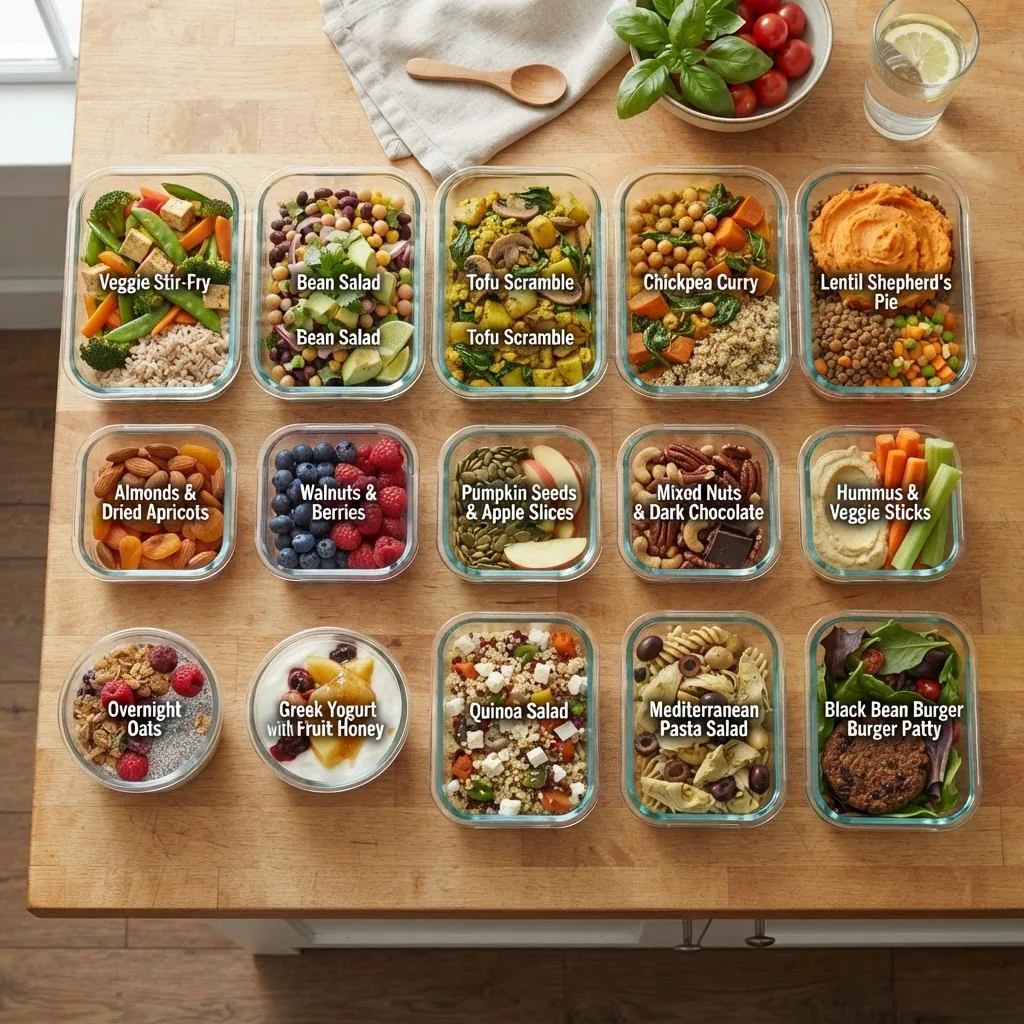
Notes: Portions are approximate. Targets assume ~110–120 g protein/day for an average active adult. Adjust up or down based on the calculation in Step 1. Each day includes 3 main meals and 2 snacks.
-
Day 1 — Texas farmer’s market start
Breakfast: Greek yogurt (1 cup, 23 g) + 2 tbsp hemp seeds (10 g) + 1/2 cup berries — ~33 g protein.
Snack: 1 oz almonds + an orange — ~6 g protein.
Lunch: Black-eyed pea salad (1 cup cooked peas, 12 g) with roasted poblano peppers, corn (1/2 cup, 2.5 g), 1/2 cup quinoa (4 g) — ~18.5 g protein.
Snack: Cottage cheese (1/2 cup, 14 g) + sliced cucumber — ~14 g.
Dinner: Tempeh fajitas (150 g tempeh, ~27 g) with whole-wheat tortillas and sautéed peppers — ~27 g.
Daily protein total ≈ 99–105 g.
-
Day 2 — Tex-Mex-inspired
Breakfast: Tofu scramble (200 g extra-firm tofu, 16 g) with spinach — ~16 g.
Snack: Protein shake 25 g (pea+rice blend) + banana — ~25 g.
Lunch: Quinoa-black bean bowl (1 cup quinoa 8 g + 1 cup black beans 15 g) with avocado — ~23 g.
Snack: Celery sticks + 2 tbsp natural peanut butter — ~8 g.
Dinner: Lentil stew (1.5 cup cooked lentils, ~27 g) with steamed broccoli — ~27 g.
Daily protein total ≈ 99 g.
-
Day 3 — Farmer’s market salad day
Breakfast: Overnight oats with 1 scoop plant protein (20 g), 2 tbsp chia (4 g) — ~24 g.
Snack: Edamame (1 cup, 17 g) — 17 g.
Lunch: Farro + roasted chickpeas + feta (if used) — target 25 g.
Snack: Greek yogurt (1/2 cup, 11.5 g) + walnuts — ~11.5 g.
Dinner: Seitan stir-fry (150 g seitan, ~37 g) with mixed veg — ~37 g.
Daily protein total ≈ 114.5 g.
-
Day 4 — Hearty soup & grains
Breakfast: Cottage cheese (1 cup, 28 g) + pineapple — 28 g.
Snack: Mixed seeds (3 tbsp hemp/chia/pumpkin, ~12 g) — 12 g.
Lunch: Lentil-quinoa soup (2 cups, ~22 g) — 22 g.
Snack: Apple + 2 tbsp almond butter — ~7 g.
Dinner: Baked tofu (200 g, ~16 g) with sweet potato and kale — ~16 g.
Daily protein total ≈ 85 g.
-
Day 5 — Texan brunch style
Breakfast: Omelet (3 eggs, 18 g) with black beans (1/2 cup, 7.5 g) — 25.5 g.
Snack: Greek yogurt (1 cup, 23 g) with berries — 23 g.
Lunch: Chickpea salad sandwich on whole-grain — 15 g.
Snack: Protein bar (check label) aiming for 10–15 g.
Dinner: Tempeh tacos or grilled portobello + quinoa — 25–30 g.
Daily protein total ≈ 100–110 g.
-
Day 6 — Flex day
Breakfast: Smoothie with 1 scoop protein (25 g), spinach, 1/2 avocado — 25 g.
Snack: Edamame (1 cup, 17 g) — 17 g.
Lunch: Mixed bean chili — 20–25 g.
Snack: Cottage cheese (1/2 cup, 14 g) — 14 g.
Dinner: Seitan or tempeh stir-fry — 25–30 g.
Daily protein total ≈ 101–111 g.
-
Day 7 — Prep & review
Use this day to prepare next week’s legumes, marinate tofu/tempeh, and restock. Aim for a balanced day with 90–120 g protein depending on goals.
Reference cross-link: For practical protein-rich food choices that support weight loss see protein rich foods for weight loss.
Snack ideas (quick reference): Greek yogurt + berries (20–25 g), edamame 1 cup (17 g), protein shake 20–30 g, cottage cheese 1 cup (28 g), 2 tbsp hemp seeds (6–7 g) over salad or oats.
Transition: Real-world execution produces common mistakes—here are the ones I see most often and how I fixed them.
Common mistakes and how to avoid them
I once advised a client who doubled legume intake overnight and had gastrointestinal distress; we fixed it by easing fiber up 5 g every 3 days and adding digestive-friendly cooking techniques (soak beans, use kombu). Another recurring error: relying solely on nuts for protein—nuts are calorie-dense and insufficient alone for high-protein targets; I started recommending concentrated sources like tofu, tempeh, Greek yogurt, and protein powders.
- Rushing to high fiber — increase slowly and hydrate; use a food scale to measure true portions.
- Ignoring amino acid balance — include legumes + grains or soy/ hemp for completeness across the day.
- Under-using dairy or fortified alternatives — a 1-cup serving of Greek yogurt dramatically simplifies meeting gram targets.
- Skipping labs before supplementing iron or vitamin D — always test first.
Checklist: Verify your plan
- Calculated personalized daily protein target (g) and split into 3–4 meals.
- Prepared a rotating list of 4–6 protein-rich meal templates.
- Completed one 2–3 hour batch prep session and labeled portions with protein grams.
- Included at least one complete protein source or adequate combinations per day.
- Planned B12 supplementation or fortified sources.
- Tracked intake for 7 days and adjusted portions ±10% if weight/energy trends deviated.
When to call in a professional
Contact a registered dietitian or physician if you have chronic kidney disease, are pregnant, have gastrointestinal disorders affecting absorption, or if your labs show anemia or vitamin B12 deficiency. For credentialed guidance consult the Academy of Nutrition and Dietetics or your primary care team.
Final transition into conclusion: These steps, when practiced for 4–12 weeks, produce measurable improvements in satiety, muscle retention, and metabolic markers for many people.
Conclusion
Summing up: a high protein vegetarian diet is achievable and effective with planning, portion control, and a focus on complementary proteins. In Texas, take advantage of local legumes (black-eyed peas), seasonal produce, and bulk-buying at regional grocers to cut cost. Start with the 2–3 hour weekly prep, aim for 20–40 g protein per meal, monitor energy and labs, and iterate. If you want a printable version of the 7-day plan or recipe swaps for dairy-free options, download the checklist and sign up for weekly meal templates.
Case note: A 42-year-old Austin resident who followed this plan (focused on tempeh, lentils, Greek yogurt, and hemp seeds) reported an 8 lb fat loss and improved energy in 8 weeks while maintaining gym strength (anecdotal client report during supervised counseling).