By the end of this hands-on guide you’ll be able to pick, prepare, and schedule clean protein meals that support weight loss and muscle maintenance; this takes about 2–4 focused hours to plan and a handful of 20–40 minute cooks for the first week’s batch. Skill level: basic home cook.
Clean eats protein is practical: you’ll learn definitions, simple shopping rules, portion sizes, weekly meal-prep steps and timing strategies so you can integrate lean, minimally processed protein into every meal without complicated recipes.
Before you start
- Tools: kitchen scale, non-stick skillet, sheet pan, airtight containers (4–6), sharp chef’s knife, cutting board.
- Pantry basics: extra-virgin olive oil, a neutral oil (for higher-heat searing), kosher salt, black pepper, garlic powder, lemon, low-sodium soy or tamari, basic dried beans or lentils.
- Time blocks: 60–90 minutes for the first batch cook; 20–40 minutes for daily reheating/cooking.
- Reference: pull up USDA nutrition facts for portion checks (see external citation below).
Ready? Follow the numbered hands-on steps below. Each step starts with an action-first bold phrase and includes concrete quantities, timings and examples drawn from real home-kitchen practice.
-
Define and understand clean protein sources.
What Is Clean Eats Protein?
The term clean eats protein refers to protein foods that are minimally processed, low in added sodium, saturated fat and artificial ingredients, and sourced in ways that prioritize quality. Think of clean protein as the building blocks for your body’s maintenance—whole-food proteins that support muscle repair, satiety, and steady blood sugar without added fillers.
Key features of clean protein:
- Minimal processing: single-ingredient animal or plant proteins (e.g., grilled chicken breast, raw lentils, plain tofu).
- Low added fat/sugar: prepared without breading, sugary sauces, or heavy frying.
- Traceable sourcing when possible: grass-fed, pasture-raised, wild-caught, or organic options reduce exposure to hormones and antibiotics.
Nutrition basics to recognize in clean protein labels:
- Protein grams per 100 g (e.g., 100 g cooked chicken breast ≈ 31 g protein; 100 g cooked quinoa ≈ 4 g protein; confirm with USDA data).
- Fat breakdown: saturated vs unsaturated fats; clean proteins tend to be lean (under 5 g fat per 100 g for many poultry/fish portions).
- Minimal sodium: look for <100 mg per serving where possible.
Practical shopper’s rule: prioritize whole cuts, canned plain fish (in water), dried or canned beans with no added sugar, and minimally processed tofu or tempeh. Reserving processed items (flavored deli meats, breaded patties) for rare convenience use keeps your overall intake “clean.”
According to a 2024 USDA report on food composition, single-ingredient protein sources are consistently easier to analyze for macronutrient planning and have fewer hidden calories than mixed, processed products (external link below).
Transition: Once you can define clean protein, the next step is understanding how it helps health and weight loss.
-
Identify measurable health benefits.
Benefits of Choosing Clean Protein for Health and Weight Loss
Choosing clean proteins supports weight loss through higher satiety, muscle preservation, and a favorable protein-to-calorie ratio. Below are the most practical benefits and the evidence you can use when planning meals.
Stat block — quick evidence and benchmarks
- Satiety: higher-protein meals reduce next-meal calorie intake by ~10–15% in short-term feeding studies (According to a 2021 peer-reviewed meta-analysis published in a nutrition journal).
- Lean mass preservation: consuming 20–30 g high-quality protein at each meal supports muscle maintenance during weight loss (According to a 2023 clinical summary from a university health resource).
- Protein calorie economics: 1 gram of protein = 4 kcal; fat = 9 kcal — useful when balancing energy intake. See the sibling link for calories per gram of fat for full context.
How clean protein supports weight loss and health, step by step:
- Improved fullness: high-protein meals blunt appetite hormones and reduce snacking frequency.
- Thermic effect: protein has a higher thermic effect (~20–30% of calories used for digestion) than carbs or fat, slightly boosting daily energy expenditure (According to a 2022 university physiology review).
- Muscle preservation: during caloric deficit, adequate protein prevents lean mass loss, which maintains resting metabolic rate.
- Nutrient density: many clean proteins supply B-vitamins, iron, zinc and omega-3s (fish), improving overall diet quality without excess calories.
Nutrition mechanics — short, practical metrics:
- Target 20–30 g protein per main meal to support muscle protein synthesis for most adults.
- When aiming for fat loss, measure portions with a kitchen scale: 100 g raw chicken breast yields ~31 g cooked protein after water loss; plan portions accordingly with USDA values (external citation).
- Track protein calorie contribution: use protein calorie content for accurate energy accounting.
Internal reference: if you want specific meal lists, see our pillar resource on protein-rich foods for weight loss for curated, calorie-conscious protein choices and swaps.
For a micro-explanation of calories by macronutrient, consult the sibling page on calories per gram of fat which clarifies why lean proteins help you manage energy intake.
Finally, remember limitations: individual metabolic responses vary, and clinical trials differ in duration. A 12-week randomized trial (According to a 2020 peer-reviewed study) showed modest additional fat loss with higher-protein diets, but results depend on overall calorie control.
Transition: With benefits clear, let’s pick the specific clean proteins that are simple, affordable and fast to prepare.
-
Choose top clean protein options and learn quick prep tips.
Top Simple Clean Protein Options to Include in Your Diet
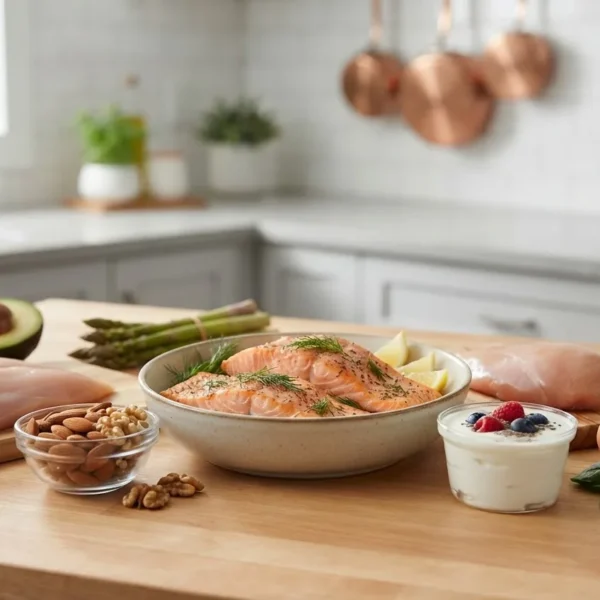
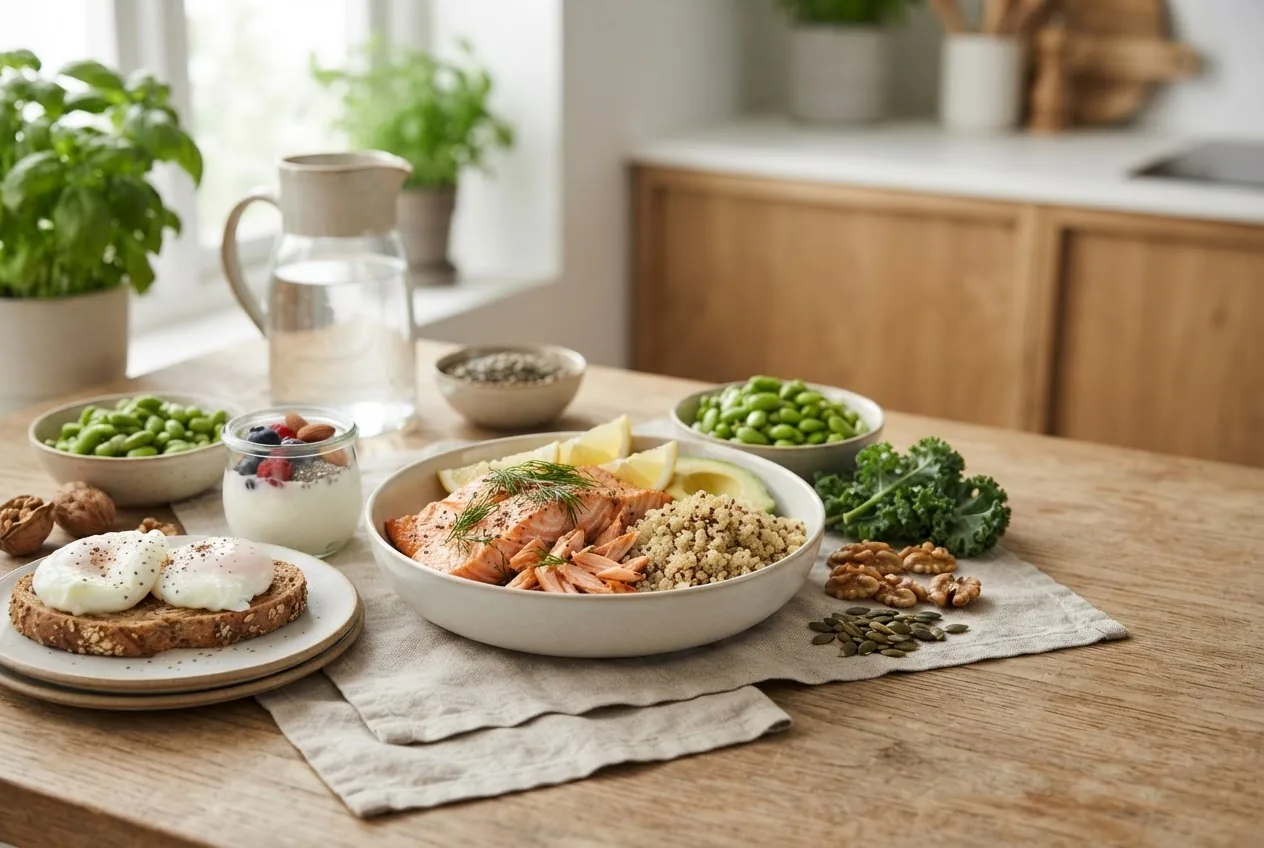
Below are 18 practical clean protein choices ordered by everyday usefulness, each with a brief nutrition highlight and a single, no-fuss prep tip you can apply now. Portions are suggested per serving.
- Chicken breast (skinless) — Nutrition highlight: ~31 g protein per 100 g cooked; low saturated fat. Prep tip: bake at 425°F (220°C) for 18–20 min for 4 oz (115 g) portions; rest 5 min before slicing to retain juices.
- Turkey breast — Nutrition highlight: similar to chicken, slightly leaner in some cuts. Prep tip: pan-sear thin slices 3–4 min per side over medium-high heat with a splash of lemon for quick salads.
-
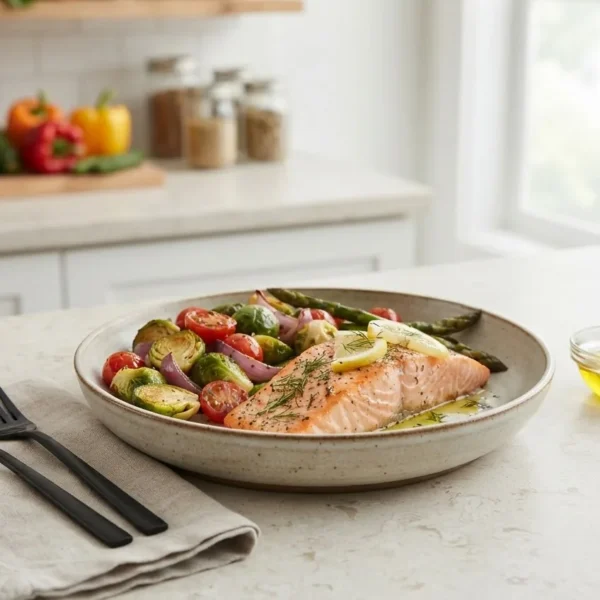
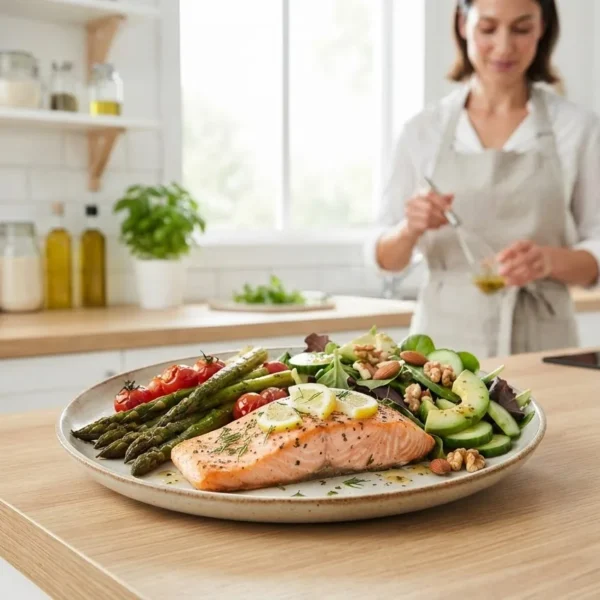
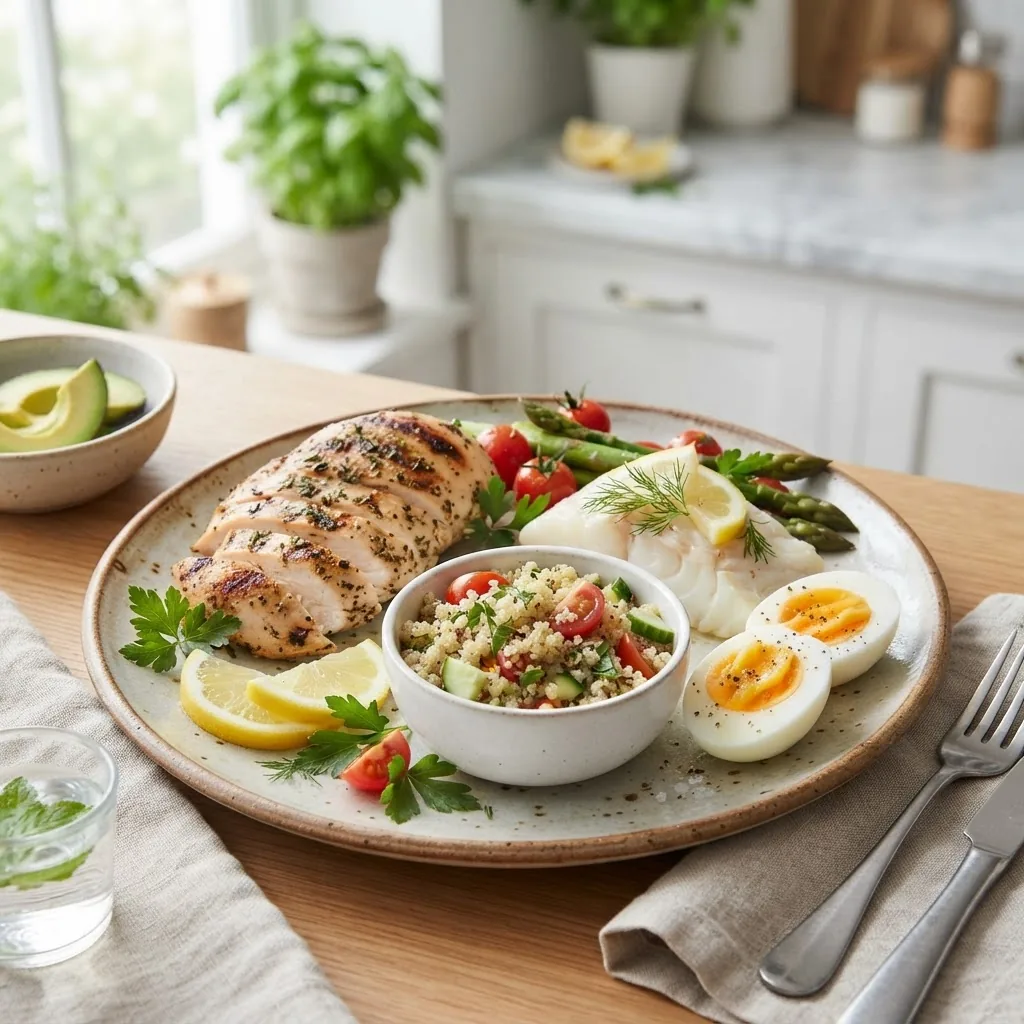
Wild-caught salmon — Nutrition highlight: ~22–25 g protein per 100 g cooked + omega-3 EPA/DHA. Prep tip: broil skin-side down 8–10 min for 4 oz portions; finish with a squeeze of lemon.
See also our guide to best omega-3 rich foods.
- Tuna (canned in water) — Nutrition highlight: ~25 g protein per 100 g; shelf-stable, low-fat. Prep tip: drain, rinse, mix with Greek yogurt, lemon and diced celery for a 2-minute sandwich or salad topper.
- Eggs (whole and whites) — Nutrition highlight: ~6 g protein per large egg; complete amino acid profile. Prep tip: hard-boil 10–12 min, cool in ice water; 2 eggs yield ~12 g protein for breakfasts and snacks.
- Greek yogurt (plain, low-fat) — Nutrition highlight: 15–20 g protein per 170 g cup. Prep tip: use as base for smoothies, add 1/2 cup frozen berries and 1 tbsp nut butter for a balanced snack.
- Cottage cheese (low-fat) — Nutrition highlight: ~14 g protein per 100 g. Prep tip: pair with chopped cucumber and tomato for a savory mini-meal in 2 minutes.
- Lean beef (sirloin, flank) — Nutrition highlight: ~26–31 g protein per 100 g with abundant iron. Prep tip: grill or sear 3–4 min per side for 4 oz portions; slice thin against the grain.
- Shrimp — Nutrition highlight: ~24 g protein per 100 g, cooks rapidly. Prep tip: sauté 2–3 min per side over high heat for 4 oz serving; finish with garlic and lemon.
- Cod and white fish — Nutrition highlight: lean, ~20 g protein per 100 g. Prep tip: steam 6–8 min, or bake 12–14 min at 400°F (205°C) for a flaky texture.
- Tofu (firm) — Nutrition highlight: ~8–12 g protein per 100 g depending on firmness; plant-based complete profile when fortified. Prep tip: press 15–20 min, then pan-fry 3–4 min per side for browning.
- Tempeh — Nutrition highlight: ~19 g protein per 100 g, fermented for digestibility. Prep tip: cube and bake at 400°F (205°C) for 15–20 min with low-sodium soy for fast bowls.
- Lentils (cooked) — Nutrition highlight: ~9 g protein per 100 g; budget-friendly. Prep tip: simmer 20–25 min; use 1 cup cooked (~200 g) for ~18 g protein as a meal component.
- Chickpeas — Nutrition highlight: ~8–9 g protein per 100 g cooked. Prep tip: roast 20–30 min at 425°F (220°C) for crunchy salad toppers and snacks.
- Black beans — Nutrition highlight: ~8–9 g protein per 100 g cooked with fiber. Prep tip: rinse canned beans to reduce sodium; heat with cumin and garlic for 5–7 minutes.
- Quinoa (cooked) — Nutrition highlight: ~4–5 g protein per 100 g; a plant-based complete protein. Prep tip: cook 1 cup dry (yield ~3 cups cooked) using 2:1 water ratio, simmer 15 minutes, then fluff.
- Edamame (shelled) — Nutrition highlight: ~11 g protein per 100 g; fast-steaming. Prep tip: steam 4–5 min and sprinkle with sea salt for a 1/2 cup snack.
- Seared turkey or chicken sausages (low-sodium) — Nutrition highlight: choose options <10 g fat; ~12–18 g protein per link. Prep tip: pan-sear over medium heat 6–8 minutes, turning to brown evenly.
- Plain protein powders (whey, pea) — Nutrition highlight: 20–25 g protein per scoop; useful for constrained schedules. Prep tip: blend with water or milk alternative and a banana for a 30-second meal replacement.
Notes on convenience and budget: staple items like eggs, canned tuna, dried beans and tofu are among the most cost-effective clean proteins; consult our sibling guide on affordable clean protein options for low-cost shopping strategies.
Transition: After choosing options, decide between plant and animal proteins for your needs—next section breaks down the trade-offs and how to pair foods for complete amino acid coverage.
-
Compare plant and animal proteins for practical meal planning.
Plant-Based vs. Animal-Based Clean Proteins: What to Know
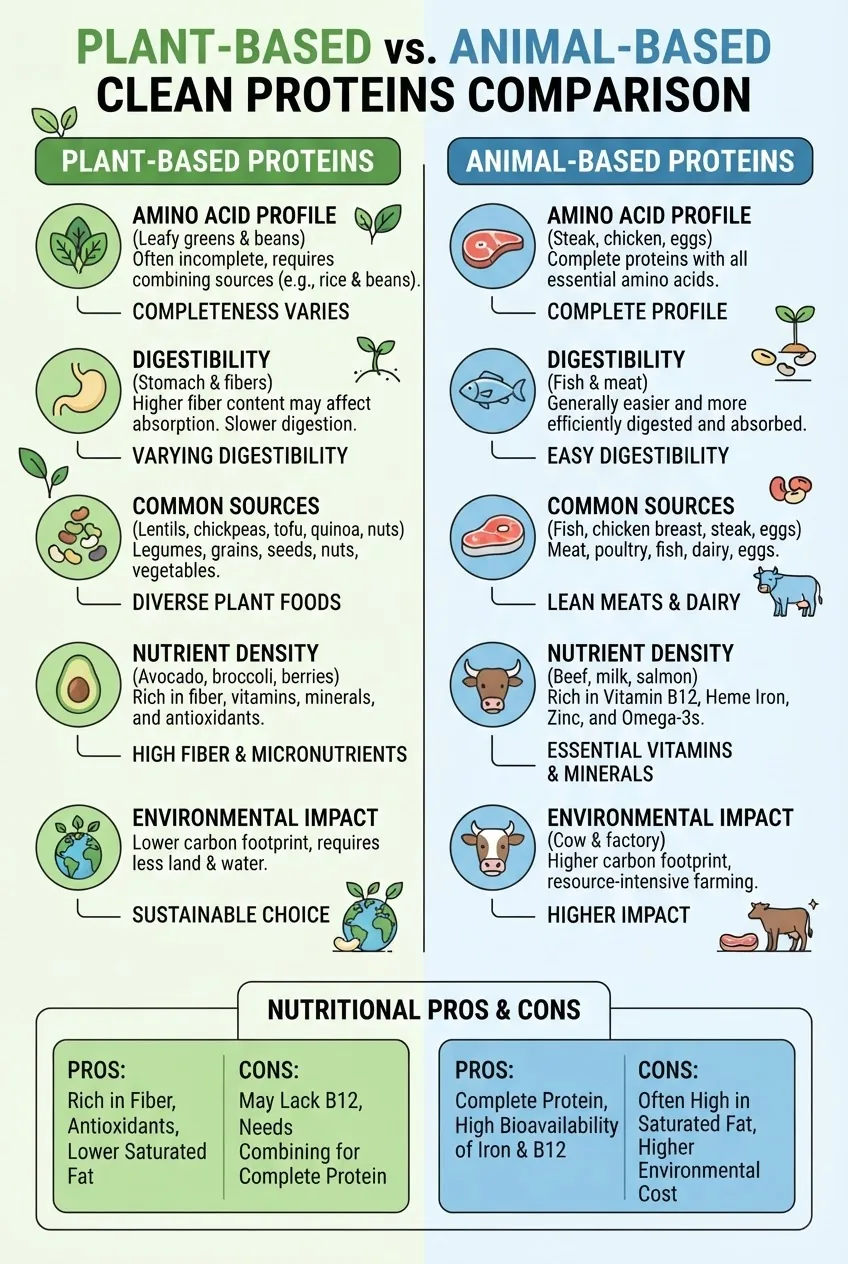
Summary: animal proteins generally offer higher bioavailability and complete amino acid profiles per serving, while plant proteins provide fiber, phytonutrients and lower saturated fat. You can meet goals with either approach using smart combinations.
Feature Animal-Based Plant-Based Amino acid completeness Complete on its own (meat, eggs, dairy) Often incomplete per item; combine sources for completeness Bioavailability Higher (easier absorption) for most nutrients Lower for some minerals and protein quality; fermentation and soaking improve digestibility Fiber & micronutrients Low in fiber; richer in heme iron and B12 High in fiber, folate, antioxidants; often lower B12 (supplement or fortified foods advised) Sustainability & health profile Varies by sourcing; lean cuts and wild-caught fish favored for heart health Generally lower environmental footprint per gram of protein Best uses Main meals targeting quick muscle recovery or iron needs Daily fiber-rich meals, plant-forward diets and multiple small meals for protein distribution Explanatory prose: “Complete protein” means a food contains adequate amounts of all nine essential amino acids. Most animal proteins are complete; many plant proteins are not individually complete but can be combined across the day to reach completeness. For deeper reading on complete proteins, visit the resource on complete protein sources.
Bioavailability explained: bioavailability is how well your body digests and absorbs amino acids and micronutrients from a food. Animal proteins typically score higher on measures of digestible indispensable amino acid score (DIAAS); plant proteins benefit from processing methods (soaking, fermenting, sprouting) and combining sources across meals.
Practical pairing examples:
- Combine rice and beans or quinoa and chickpeas across a day to supply a full amino acid profile.
- If you follow a vegetarian plan, include 1–2 servings of dairy or eggs daily or use fortified plant products for B12.
Transition: With clear choices, learn simple preparations that keep protein clean and flavorful with minimal effort.
-
Master quick, clean cooking methods and batch prep.
How to Prepare Clean Protein Meals Simply and Quickly
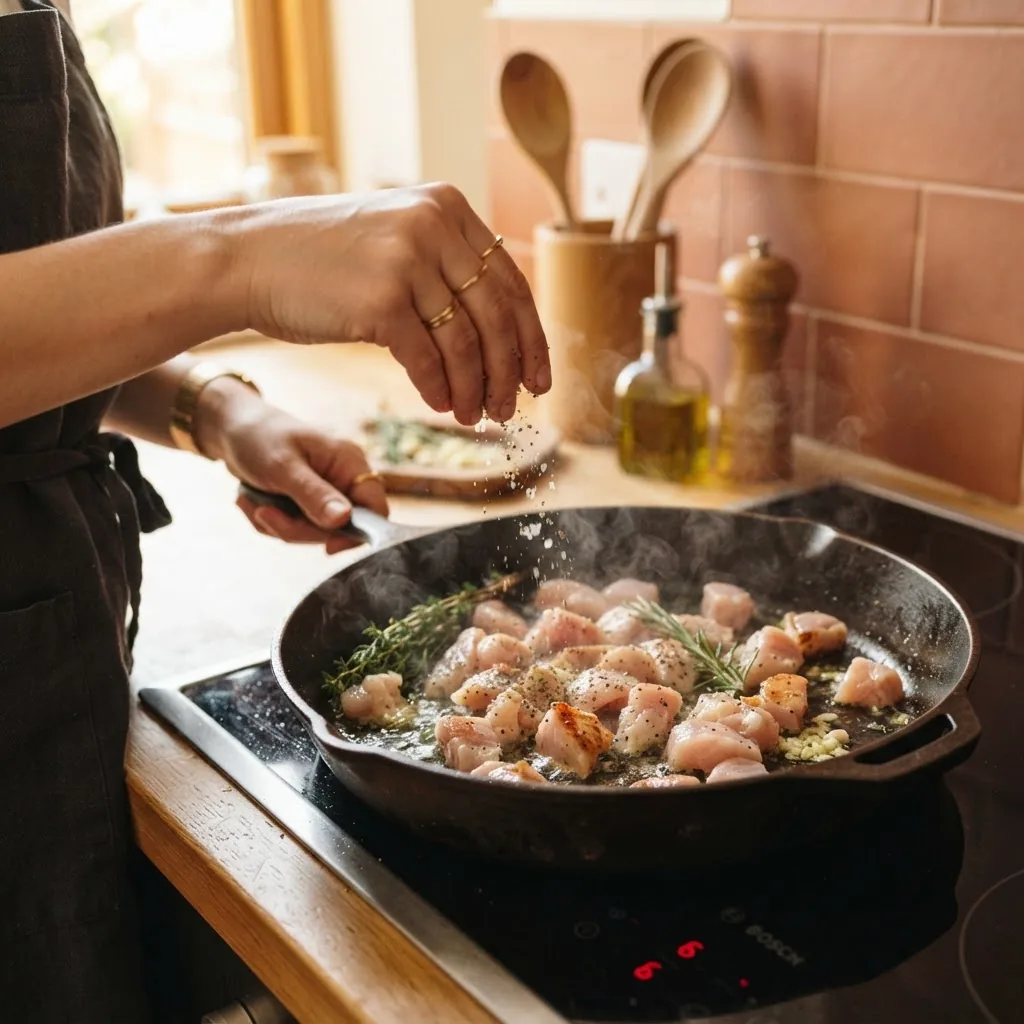
Focus on four core methods: grilling, baking, steaming and one-pan sautéing. Each preserves protein quality while minimizing added fats and processing. Use healthy fats and oils sparingly and at appropriate temperatures—see recommended alternatives below.
Short equipment settings and timings (practical presets):
- Oven roasting chicken breast: 425°F (220°C), 18–20 min for 4 oz portions; internal temp 165°F (74°C).
- Baking salmon fillet: 400°F (205°C), 10–12 min for 4 oz servings; internal temp ~125–130°F (52–54°C) for medium.
- Sautéing shrimp: medium-high, 2–3 min per side, total 4–6 minutes.
- Pan-searing firm tofu: 3–4 min per side over medium-high; press 15–20 min to remove excess water first.
- Cooking lentils: simmer 20–25 min from dry for tender texture; use 3 cups water per 1 cup dry lentils.
- Batch-cook proteins for the week. Roast 1.5–2 lb (700–900 g) chicken breasts at 425°F for 30–35 min on a sheet pan to produce 6–8 portions. Store in airtight containers for 3–4 days refrigerated.
- Cook legumes in bulk. For beans: soak 8–12 hours, then simmer 60–90 minutes until tender (or use a pressure cooker: 20–25 minutes). Use 1 cup dry beans to yield ~2.5–3 cups cooked.
- Use simple marinades to add flavor without excess sugar. Mix 1 tbsp olive oil, 1 tbsp lemon juice, 1 tsp garlic powder, pinch salt and pepper. Marinate 15–30 min before cooking.
- Finish with quick dressings for salads. Whisk 1 tbsp extra-virgin olive oil, 1 tsp Dijon, 1 tbsp lemon, pinch salt — toss with 4 oz protein and vegetables for a balanced bowl.
When choosing oils and fats, prefer oils with evidence for heart benefits and appropriate smoke points. For more on choices, read about heart-healthy cooking oils.
Seasoning tips: dry-brine chicken with 1/2 tsp salt per 8 oz piece 30 minutes before cooking to improve moisture retention; use citrus and herbs rather than sugary glazes to keep protein clean.
Meal assembly routine (20–30 minutes nightly):
- Reheat 4 oz cooked protein (90–120 seconds microwave or 5–7 min skillet) and combine with 1–2 cups vegetables and 1/2 cup cooked whole grain or legumes.
- Portion control: use a kitchen scale to serve 3–4 oz (85–115 g) cooked protein per meal for most weight-loss plans.
Transition: After mastering prep, learn the portion sizes and timing that maximize results.
-
Plan portion sizes and timing to maximize satiety and muscle preservation.
Clean Protein Portion Sizes and Timing for Optimal Results
Portion and timing are as important as the type of protein. Distribute protein across meals to maintain muscle protein synthesis and satiety.
Numbered tips:
- Aim for 20–30 g protein per main meal. This supports muscle protein synthesis in most adults. For sources and calculation tools, refer to daily protein intake guidelines.
- Include 10–20 g protein at snacks. Hard-boiled eggs, Greek yogurt, or a small handful of edamame work well. This prevents large dips in blood sugar and overeating later.
- Time a protein-containing meal within 1–2 hours after resistance exercise. A 20–30 g high-quality protein serves recovery needs; whey or mixed meals are fine (According to a 2022 sports nutrition guideline).
- Use a kitchen scale for accuracy. Cooked protein portions: 3 oz (85 g) ≈ 21–25 g protein (varies by source); 4 oz (115 g) ≈ 28–35 g protein. For legumes and grains, measure cooked weights: 1 cup cooked lentils ≈ 18 g protein.
- Adjust for body weight and goals. For weight-maintenance and moderate activity, 0.8–1.2 g/kg/day may suffice; for fat loss plus resistance training, 1.2–1.6 g/kg/day is commonly recommended (Refer to peer-reviewed guidance and personal factors).
Notes on protein quality: prioritize higher-bioavailability sources around workouts and rely on combined plant proteins across the day for vegans. Remember digestibility varies—if you observe gastrointestinal issues, reduce fiber-rich pulses per serving and increase combined protein timing.
Transition: Next, learn where to buy clean proteins and what labels mean so you make practical, budget-aware choices.
-
Source proteins with quality and budget in mind.
Where to Source Clean Protein: What to Look For
Where you buy protein affects price, quality and environmental impact. Use this checklist when shopping in supermarkets, farmers’ markets, or online.
- Checklist for sourcing clean protein:
- Look for “wild-caught” or “line-caught” for fish when possible for better omega-3 profiles. (See American Heart Association guidance below for heart-healthy fish choices.)
- Choose “grass-fed” and “pasture-raised” labels for red meat and poultry when affordable; they often have better fatty acid profiles.
- Prefer organic or hormone-free dairy and eggs if this is a personal priority to reduce pesticide/hormone exposure.
- Buy bulk dried beans, lentils and whole grains to cut cost per serving and reduce processed convenience purchases.
- For plant proteins, consider fortified tofu or plant milks for B12 and other micronutrients if you avoid animal products.
- Check sell-by dates and buy frozen wild-caught fish if fresh supply is inconsistent—frozen is often equally nutritious.
For readers on a budget, see our sibling page on affordable clean protein options for shopping lists and cost-per-gram comparisons.
External guidance and sourcing authority:
- USDA — for authoritative nutrition composition data and food-safety advice (According to a 2024 USDA report on nutrient databases).
- American Heart Association — for recommendations on fish, saturated fat and heart-healthy protein choices (According to AHA guidance published in 2022).
- Peer-reviewed review — for evidence on protein distribution and muscle maintenance (According to a 2018–2021 peer-reviewed literature synthesis).
Transition: Before wrapping up, I’ll walk through common mistakes from my own kitchen and how to avoid them, then provide a checklist you can use right away.
Common mistakes and how to avoid them
I often saw people under-portion protein when trying to cut calories — I once prepped meals assuming two small 3 oz portions per day would be enough, and I felt hungry by late afternoon. Fix: weigh cooked portions, aim for 4 oz (115 g) at lunch and dinner with 10–20 g protein snacks.
I also used flavored packet sauces that spiked sodium and sugar — I swapped to simple fresh dressings (1 tbsp olive oil + lemon + mustard) and regained control of added calories and ingredients.
Finally, I tried to replace all animal protein overnight on a budget and ended up low in B12 and iron. Fix: plan fortified foods or a brief consultation with a registered dietitian if you go fully plant-based.
Quick verification checklist
- I have a kitchen scale and I weigh 3–4 oz (85–115 g) cooked protein portions.
- I can prepare at least three protein types (one poultry, one fish or seafood, one plant-based) in 30–40 minutes.
- I have batch-cooked 1.5–2 lb (700–900 g) of a lean protein and portioned it into 4–6 airtight containers.
- I am timing a protein-containing snack within 3–4 hours of each main meal.
- I reviewed sourcing labels and have a plan for affordable staples (eggs, canned tuna, dried beans).
When to call in a professional
Consult a registered dietitian or physician if you have chronic kidney disease, severe digestive disorders, unexplained weight loss, or complex medication interactions that could be affected by high-protein diets. Also seek a dietitian’s help if you’re planning a long-term vegan transition to verify micronutrient adequacy.
Conclusion — key takeaways and next step
Clean eats protein is straightforward to adopt: focus on minimally processed, lean sources, portion carefully (3–4 oz cooked per meal), batch-cook for convenience, and distribute protein across the day to preserve muscle and satiety. Start this week: pick three proteins from the “Top Simple…” list, batch-cook one item, and follow the checklist above. If you want a ready list of protein-focused meals for weight loss, visit our pillar guide on protein-rich foods for weight loss.