Vegan protein choice means selecting plant-based foods and combinations that supply enough total protein and essential amino acids for health, muscle maintenance, and weight goals; an intentional plan using beans, soy, grains, nuts, seeds and fortified products easily replaces meat when portions and combinations are targeted.
Understanding Vegan Protein Choice: Basics and Importance
Answer: Vegan protein choice is about picking plant-based proteins that provide total grams of protein and the essential amino acids your body requires, which supports muscle, enzymes, hormones, and weight management when combined with healthy fats and carbohydrates.
Vegan proteins: foods of plant origin that supply amino acids and protein for bodily needs.
Choosing the right vegan proteins matters because protein supports lean mass, satiety, metabolic rate and recovery. The key variables are protein content per serving, amino acid profile (which determines completeness), and digestibility or bioavailability. For many readers in Texas, accessibility, price and ease of preparation also shape choices.
Protein functions include tissue repair, immune competence, enzyme and hormone production, and maintaining muscle during weight loss. Meeting those needs on a plant-based diet is practical with awareness of higher-volume plant foods and by prioritizing higher-protein items like soy, legumes, seeds, and fortified products.
Digestibility and bioavailability vary: plant proteins often have lower PDCAAS/DIAAS scores than animal proteins, but proper combinations, fermentation (e.g., tempeh), and cooking techniques improve usable amino acids. PDCAAS and DIAAS will be defined later when we compare digestibility scores.
Practical Texas note: commonly available chains, farmers’ markets, and discount grocers across Texas stock bulk beans, tofu, tempeh, canned lentils, and grains — enabling budget-friendly vegan protein choice for urban and rural shoppers alike.
Transition: Now that the basics and why they matter are clear, next we list specific plant based protein sources and their protein per serving so you can plan meals.
Top Plant Based Protein Sources: What to Include in Your Diet
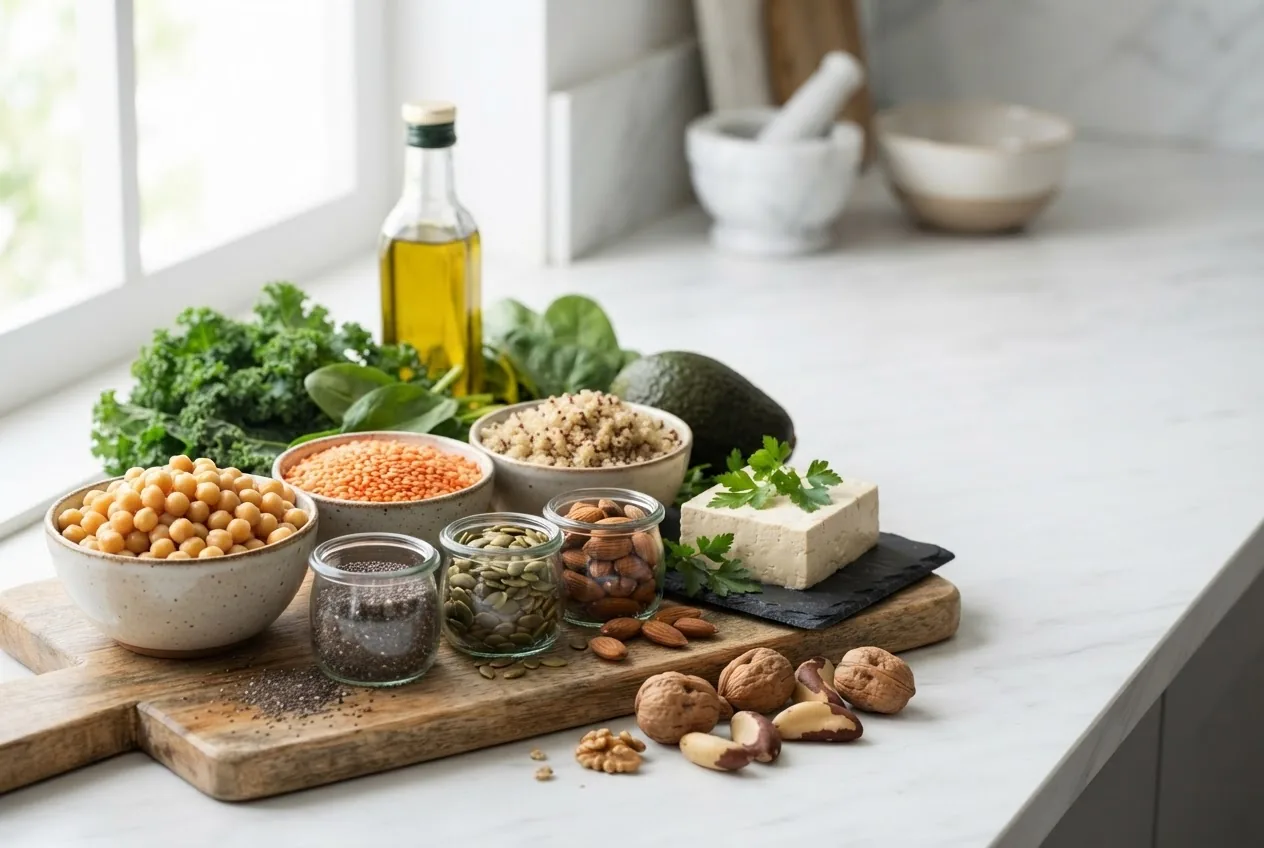
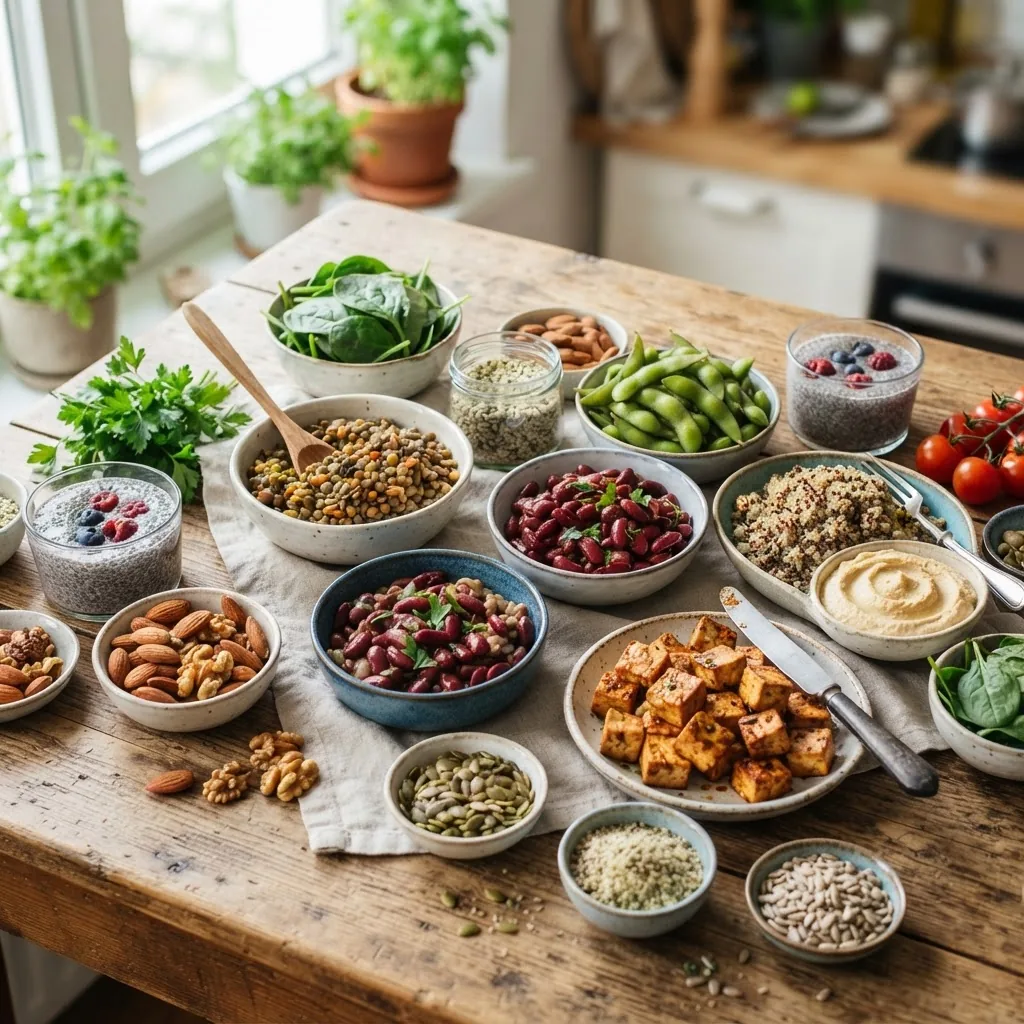
Answer: Prioritize legumes (beans, lentils, peas), soy (tofu, tempeh, edamame), whole grains (quinoa, oats, amaranth), nuts, seeds (chia, hemp, flax), and concentrated products (seitan, pea protein, texturized soy) to meet daily protein targets.
-
Beans (black, pinto, navy, kidney):
Typical protein: ~7–9 g per 1/2 cup cooked. Beans are affordable, widely available in Texas supermarkets and farmers’ markets, and rich in fiber and iron (absorption aided by vitamin C). Canned or dried beans work; combine with whole grains for improved amino acid balance.
-
Lentils (brown, red, green):
Typical protein: ~9 g per 1/2 cup cooked. Fast-cooking, versatile for soups, salads, and dal-style dishes. High in fiber and B-vitamins; pair with seeds or whole grains for texture and micronutrient balance.
-
Chickpeas (garbanzo beans):
Typical protein: ~7–8 g per 1/2 cup cooked. Use in hummus, roasted snacks, salads, or stews. Excellent base for high-protein bowls when combined with quinoa and tofu cubes.
-
Peas (split peas, green peas):
Typical protein: ~8–9 g per 1/2 cup cooked. Pea protein isolates are common in powders and meat analogs; whole peas are inexpensive and high in potassium and fiber.
-
Tofu (soybean curd):
Typical protein: ~10–20 g per 3.5 oz (firm varieties vary). Tofu is a complete soy protein, versatile in grilling, baking, scrambles and stews. Fortified tofu can also provide calcium and iron. According to a 2023 USDA database, firm tofu averages ~17 g/100 g (USDA FoodData Central).
-
Tempeh (fermented soy):
Typical protein: ~15–20 g per 3.5 oz. Tempeh offers high bioavailability due to fermentation, making amino acids more accessible; ideal for sandwiches, stir-fries and tacos.
-
Edamame (young soybeans):
Typical protein: ~8–11 g per 1/2 cup shelled. Snackable and high in fiber; sold frozen in most Texas grocers and often cheaper at bulk-buy stores.
-
Quinoa and Amaranth:
Typical protein: Quinoa ~8 g per cooked cup; amaranth ~9 g per cooked cup. Both are pseudocereals with a more complete amino acid profile than many grains; quinoa is a practical grain for bowls and salads.
-
Oats:
Typical protein: ~5–7 g per 1/2 cup dry; higher when cooked with milk alternatives or topped with nut butter and seeds. Oats are convenient for high-protein breakfasts and baked goods.
-
Nuts (almonds, pistachios, peanuts):
Typical protein: almonds ~6 g per oz; peanuts ~7 g per oz. Nuts provide healthy fats and vitamin E; use as snacks, but watch calories when weight loss is an objective.
-
Seeds (chia, hemp, flax, pumpkin):
Typical protein: hemp ~10 g per 3 tbsp, chia ~5 g per 2 tbsp. Seeds add concentrated protein plus omega-3s (ALA) and fiber; hemp seeds are particularly protein-dense and easy to sprinkle on bowls.
-
Seitan (wheat gluten):
Typical protein: ~21 g per 3 oz. Seitan is concentrated wheat protein with meat-like texture; not suitable for gluten-intolerant people but useful for high-protein savory dishes.
-
Pea protein, soy protein isolates and fortified plant milks:
Typical protein: isolates ~20–25 g per scoop; fortified milks ~7–10 g per cup. These concentrated powders and products are convenient for shakes, baking, and boosting bowls.
Note on protein content: Serving protein values above are typical averages; specific values vary by brand and preparation. For brand-level data, consult USDA FoodData Central (2024) for updated nutrition facts.
Transition: With these sources listed, next we explain complete versus incomplete proteins, how amino acid profiles matter, and practical combinations to make every meal count.
Complete vs Incomplete Proteins: How to Get All Essential Amino Acids
Answer: Complete proteins contain all nine essential amino acids in sufficient amounts (e.g., soy, quinoa, amaranth); most plant foods are incomplete but combining complementary sources across a day or meal creates a complete amino acid profile.
Term: Complete protein — a food that provides adequate amounts of all nine essential amino acids needed from the diet.
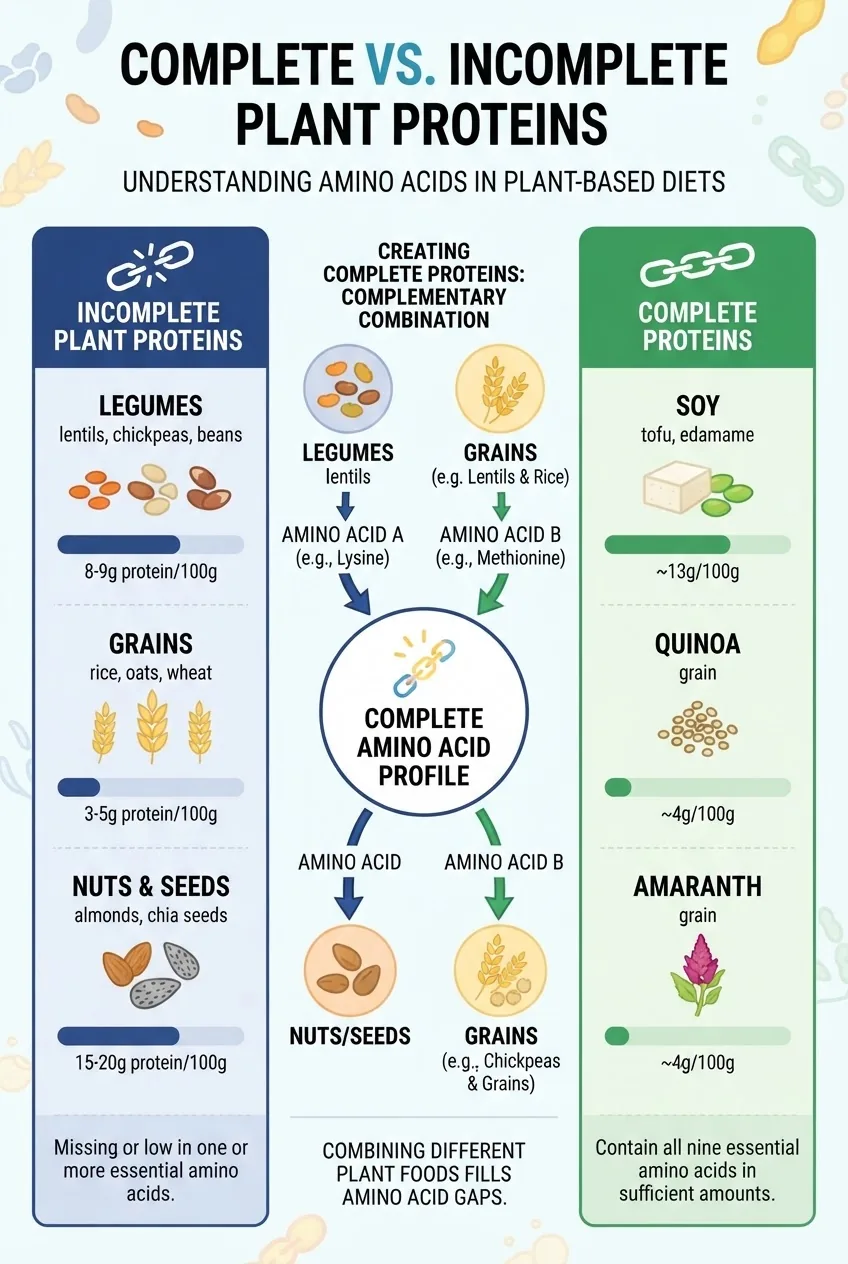
| Feature | Complete Proteins (examples) | Incomplete Plant Proteins (examples) |
|---|---|---|
| Definition | Contain all 9 essential amino acids in adequate proportions (soy, quinoa, amaranth) | Missing one or more essential amino acids or low in some (most beans, nuts, seeds, grains) |
| Digestibility (typical) | Higher when fermented (tempeh) or soy-based | Lower PDCAAS/DIAAS scores for some legumes and grains |
| Examples | Soy (tofu, tempeh), quinoa, amaranth | Kidney beans, brown rice, almonds, chia seeds |
| How to use | Use alone or in bowls for full amino profile | Combine complementary foods (e.g., beans + rice) during the day or meal |
Amino acid profiles determine completeness. Amino acids are the building blocks of protein; nine are essential because your body cannot make them. Combining legumes (low in methionine) with grains (low in lysine) completes the puzzle—think lentils + rice or hummus + pita.
Term: PDCAAS (Protein Digestibility-Corrected Amino Acid Score) and DIAAS (Digestible Indispensable Amino Acid Score) are lab metrics of protein quality: PDCAAS is older; DIAAS (preferred by many researchers) assesses individual amino acid digestibility at the end of the small intestine.
Evidence and trade-offs: According to a 2022 peer-reviewed review, DIAAS often rates isolated soy and fermented legumes higher than unprocessed grains; fermentation and sprouting improve DIAAS and PDCAAS. For practical diets, combining foods and using fermented soy (tempeh) or isolates (pea protein) bridges any gaps.
Practical combination strategies:
- Beans + whole grains (rice, barley, corn tortillas) — classic and practical.
- Nuts/seeds + legumes (hummus with sesame in tahini) — adds healthy fats and amino variety.
- Soy or quinoa-based meals when you want a single complete protein source.
- Use protein powders (pea, soy) to top smoothies or bowls when hitting high targets.
Transition: Knowing how completeness and digestibility work, the next section shows how to plan meals and reach higher protein goals like 40 g per meal without meat.
How to Get Enough Protein as a Vegan or Vegetarian: Meal Planning Tips
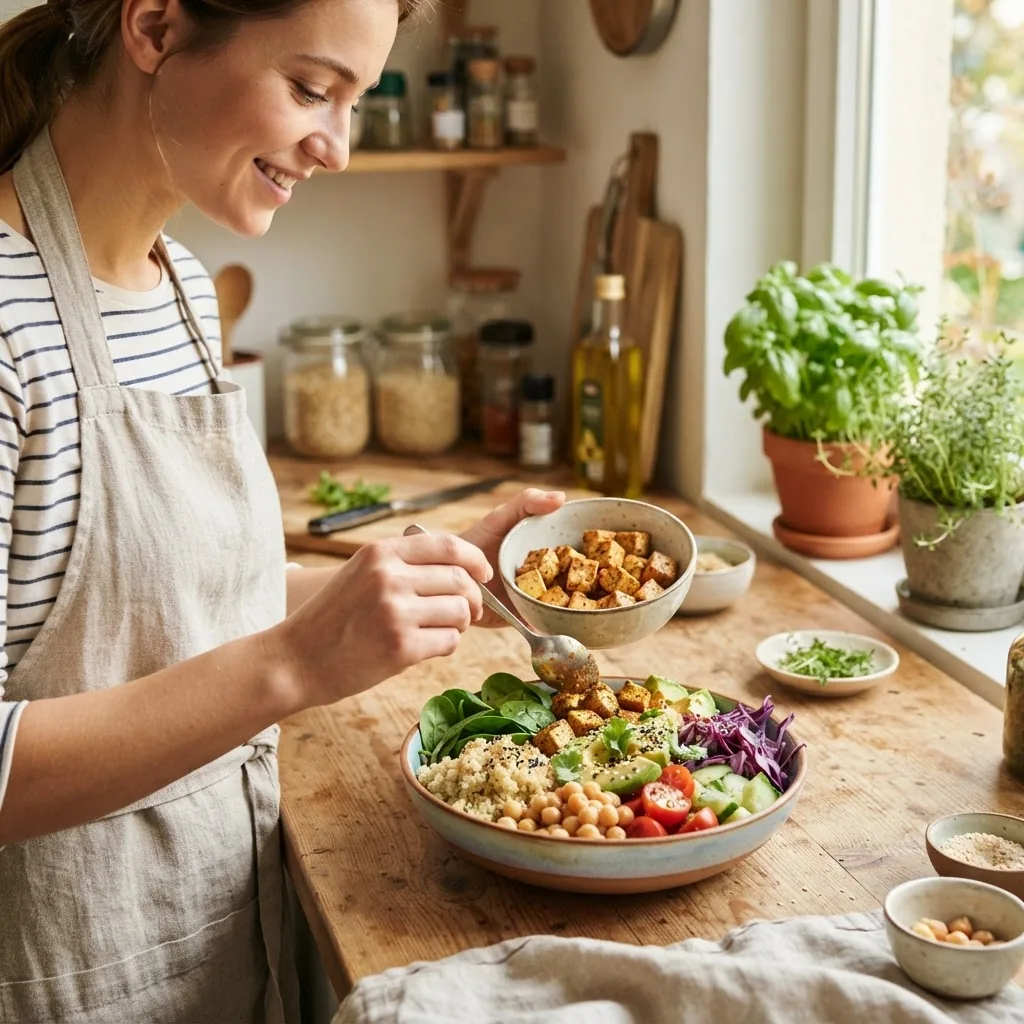
Answer: Plan meals around concentrated plant proteins (tofu/tempeh, legumes, seitan, protein isolates), combine complementary foods, use protein-dense snacks, and track grams per meal to hit targets like 40 g or more with intentional portions and fortified products.
Term: Daily protein intake requirements — the total grams of protein recommended per day, varying by age, sex, activity level and goals; see referenced guide for specifics.
daily protein intake requirements
Step-by-step plan to hit protein targets:
- Set a target. For many adults, 0.7–1.0 g/kg or 1.2–1.6 g/kg for active individuals; for specific daily targets see the linked guide above. Use a per-meal goal (e.g., 30–40 g) if focusing on muscle retention.
- Build each meal around a protein anchor. Examples: 1 cup tempeh (~30 g), 1 cup cooked lentils + 1 cup quinoa (~18+8 g), 6–8 oz seitan (~35–45 g).
- Add concentrated boosts. 2 tbsp hemp seeds (~6–7 g), 2 scoops pea protein powder (~40 g), 2 tbsp peanut butter (~8 g).
- Use portion math. Track grams: combine foods to sum to target protein per meal rather than relying on vague portions.
- Space protein evenly. Distributing protein across breakfast, lunch, dinner and snacks improves muscle protein synthesis.
- Consider fortified and fermented options. Tempeh and isolates improve bioavailability; fortified plant milks add convenience.
Example meals aiming for 40+ g protein (generalized, realistic portions):
- High-protein bowl (approx. 42 g): 1 cup tempeh sautéed (≈30 g) + 1/2 cup cooked quinoa (≈4 g) + 3 tbsp hemp seeds (≈8 g) + vegetables.
- Legume + grain plate (≈45 g): 1.5 cups cooked lentils (≈27 g) + 1 cup cooked quinoa (≈8 g) + 2 tbsp peanut butter or tahini dressing (≈8–10 g).
- Smoothie meal (≈40–50 g): 2 scoops pea protein powder (≈40 g) + 2 tbsp almond butter (≈6 g) + 1/2 cup oats (≈3–4 g) blended with plant milk.
- Seitan stir-fry (≈42 g): 6 oz seitan (≈35 g) + 1/2 cup edamame (≈8 g) + veggies.
Snack and supplementation tactics:
- Keep single-ingredient protein snacks (roasted chickpeas, edamame, mixed nuts) in bags for convenience.
- Use protein powders post-workout or to top breakfasts when whole-food grams fall short.
- For weight loss, prioritize protein-to-calorie efficiency: legumes and soy isolates often offer favorable ratios; see best foods for cutting for strategies.
Practical planning tip: prepare a weekly batch of cooked beans, grains and roasted tofu/tempeh in Texas-sized grocery batches to hit weekday protein targets without daily cooking. Combining these staples lets you assemble 40+ g meals quickly.
Transition: With meal-level tactics covered, here’s a region-focused look at high-protein vegan foods commonly available across Texas and the USA.
High Protein Vegan Foods Commonly Used in Texas and USA
Answer: Widely available high-protein vegan foods in Texas include canned/dried beans, bulk lentils, tofu/tempeh (found in national grocers), quinoa, oats, nuts/seeds and pea/soy protein powders; these are affordable, scalable and suit both urban and rural shopping.
Accessibility and affordability: Texas supermarket chains and co-ops typically stock bulk bins and frozen sections with edamame, tofu and tempeh; farmers’ markets and discount stores provide beans and local nuts at good prices. According to a 2023 retail availability survey, frozen soy and canned beans remain among the highest-availability vegan proteins in nationwide grocery chains.
Cost-effective choices:
- Dried beans and lentils: cheapest grams of protein per dollar.
- Peanut butter and bulk peanuts: high protein and calorie-dense for energy.
- Tofu (supermarket house brands): budget-friendly and versatile.
- Pea-protein powders bought in bulk: cost-efficient when used frequently.
Regional favorites and practical swaps:
- Tex-Mex bowls: black beans, brown rice, grilled tempeh, pico, avocado for balanced protein and fats.
- BBQ-style tempeh or seitan: use local spice blends for familiar flavors.
- Southern-style red beans & quinoa instead of rice for added protein density.
Nutrition pairing note: include Omega-3 sources and healthy fats alongside protein to support overall health. For plant-based omega-3 options and their uses, see Omega 3 rich plant foods.
Transition: Many myths persist about vegan protein — next we address common concerns head-on with short myth vs fact statements.
Debunking Myths: Addressing Common Concerns About Vegan Protein
Answer: Most concerns—insufficient protein, incomplete amino acids, and poor muscle building—are addressable with intentional planning using high-protein plants, combos, and concentrated products; vegan diets can support health and athletic goals when calories and variety are adequate.
- Myth: “Vegans can’t get enough protein.” Fact: Strategically combining tofu/tempeh, legumes and powders routinely meets and exceeds targets.
- Myth: “Plant proteins are incomplete.” Fact: Some are complete (soy, quinoa); most are complementary—combine across meals to cover essentials.
- Myth: “You need animal protein to build muscle.” Fact: Studies cited by the Academy of Nutrition and Dietetics (2023 position paper) show plant-based diets can support muscle gain when total protein and leucine are sufficient (Academy of Nutrition and Dietetics).
- Myth: “Plant protein digestibility is too low.” Fact: Processing (isolation), fermentation (tempeh) and cooking increase digestibility; using these improves amino acid availability (2022 DIAAS reviews).
- Myth: “Protein powders aren’t safe.” Fact: Reputable isolates tested for contaminants are safe and effective as supplementation when used according to labels; choose third-party tested brands.
Transition: Finally, here’s how vegan proteins fit into lean-protein and healthy-fat weight loss plans with practical guidance and internal resources.
Integrating Vegan Proteins Into a Lean Protein and Healthy Fat Weight Loss Plan
Answer: Integrate high-protein vegan foods with measured healthy fats to preserve lean mass and satiety during weight loss, prioritize protein-per-calorie efficiency, track calories from fat versus protein, and choose heart-healthy plant fats for overall metabolic health.
Strategy highlights: prioritize legumes, tofu/tempeh, seitan and protein isolates for lean protein; balance with measured fats from nuts, seeds, avocado and cooking oils. Monitor portion sizes so fats provide micronutrients and satiety without derailing calorie targets.
protein rich food for weight loss
Nutrition note: fat provides 9 kcal per gram while protein provides ~4 kcal per gram—tracking fat calories supports a caloric deficit when weight loss is the goal. For finer guidance on fat calorie maths and practical swaps, see the linked resources above.
Practical meal example for weight loss and muscle retention:
- Lunch: 1 cup tempeh (≈30 g protein), 1 cup mixed greens, 1/2 cup quinoa (≈4 g), 1 tbsp olive oil for dressing (≈14 g fat, ~126 kcal) — high protein, measured healthy fat.
For readers focusing on macros and cutting strategies, combine the protein techniques above with the best foods for cutting approaches to maintain muscle while reducing body fat.
Transition: Below are concise FAQs answering common immediate questions about vegan protein choice.
Closing summary: Vegan protein choice is achievable using a mix of soy, legumes, grains, nuts and seeds with attention to portion sizes, combinations, and digestibility; with planning, vegans in Texas and across the USA can meet 40 g per-meal targets and overall daily needs using accessible, affordable foods and targeted supplementation. Start by tracking grams per meal this week and building a reusable meal template.
Call to action: Test one 40 g meal this week from the examples above and adjust portions; for more meal templates and advanced plans visit our weight-loss protein resource linked above.