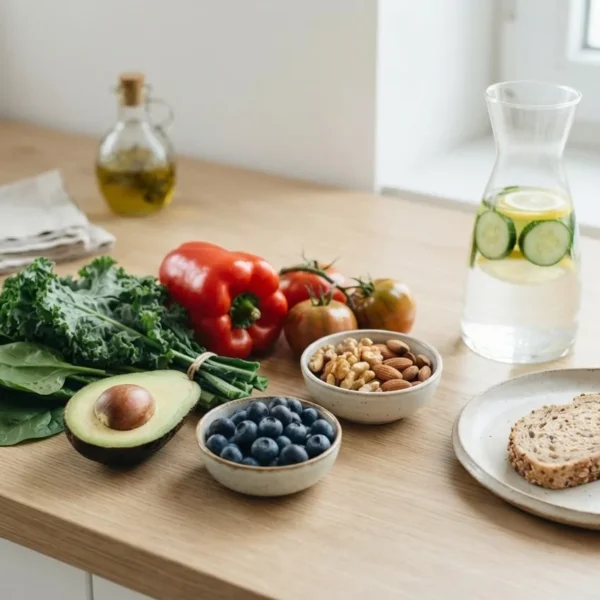
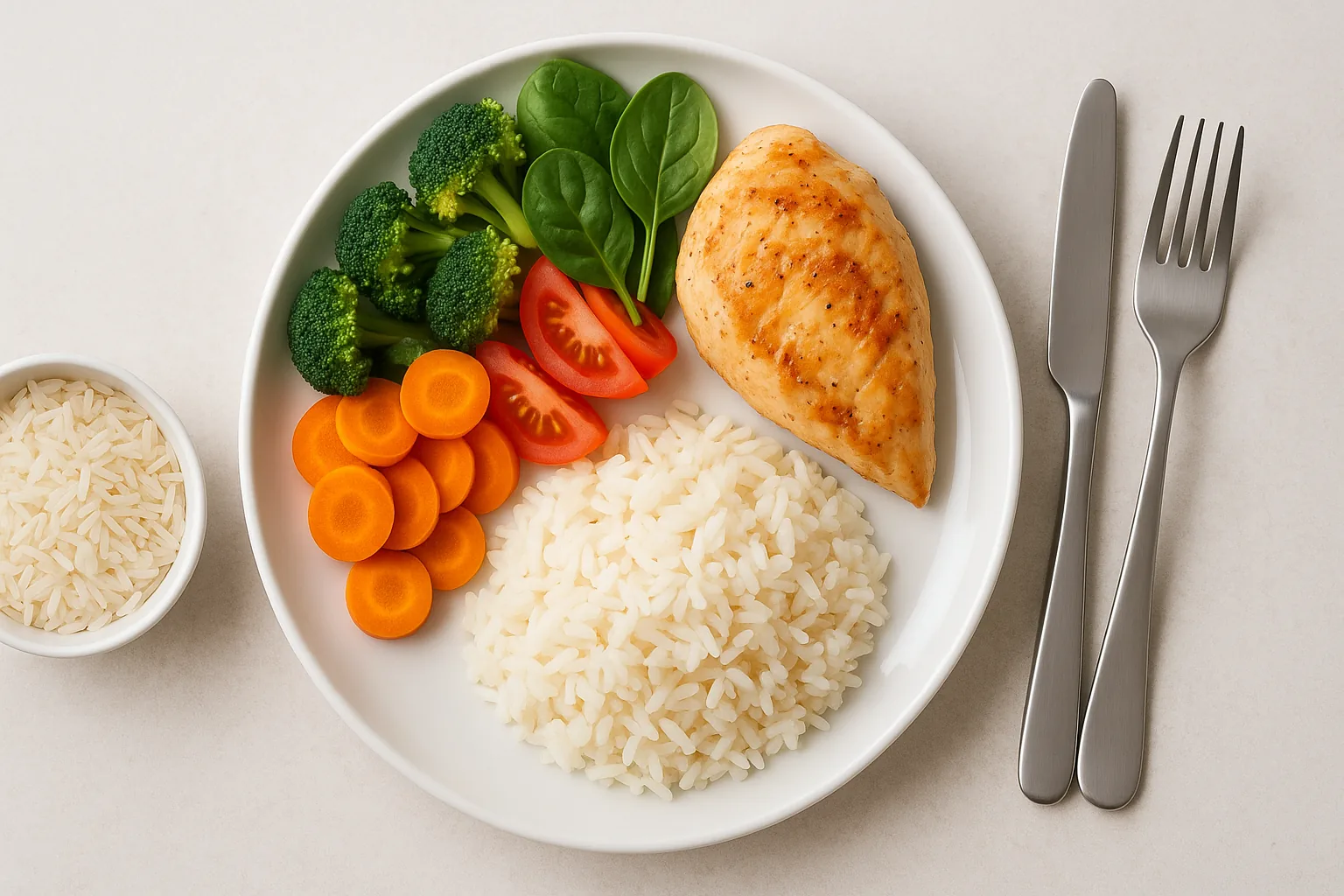
what food group is rice in: Rice is classified in the MyPlate Grains food group; most cooked rice portions count as grain ounce‑equivalents and supply carbohydrates, some protein and varying fiber depending on variety, helping meet MyPlate grain targets when paired with vegetables, protein, fruit and dairy for balanced meals.
Understanding the MyPlate Food Groups: Overview
Answer: MyPlate organizes foods into five groups—fruits, vegetables, grains, protein foods, and dairy—so people can build balanced meals that supply essential nutrients and energy.
Term: MyPlate is the USDA’s visual model showing five food groups and recommended plate proportions to guide daily eating.
MyPlate is the USDA MyPlate model used with the Dietary Guidelines for Americans to translate nutrient recommendations into practical portions and food-group-based guidance. According to the 2023 USDA Dietary Guidelines, the five food groups focus on nutrient-dense choices and appropriate portions for caloric needs.
Each MyPlate food group serves distinct nutritional roles:
- Fruits: Provide vitamins (notably vitamin C), minerals and fiber.
- Vegetables: High in fiber, potassium, folate and various micronutrients.
- Grains: Supply primarily carbohydrates for energy, with whole grains contributing fiber and B vitamins.
- Protein foods: Include meat, poultry, seafood, eggs, beans and nuts—key for amino acids and iron.
- Dairy: Offers calcium, vitamin D (when fortified) and protein.
MyPlate emphasizes nutrient density: choosing foods that deliver vitamins, minerals and fiber relative to calories. According to the Academy of Nutrition and Dietetics, shifting to nutrient-dense options helps meet nutritional needs within calorie targets.
For context and practical use, the MyPlate model aligns with historical guides like the food pyramid and healthy plate model, showing how older models evolved into the current plate-based approach.
Transition: Now that the MyPlate groups are clear, we can place rice specifically within this framework and explain what that placement means for everyday eating.
What Food Group Is Rice In According to MyPlate?
Answer: Rice belongs in the MyPlate Grains food group; cooked rice servings count as grain ounce-equivalents and should be tracked as whole or refined grain choices per MyPlate recommendations.
Term: Grains food group includes foods made from wheat, rice, oats, cornmeal, barley or other cereal grains; items can be whole grains or refined grains.
MyPlate classifies rice—whether white, brown or wild—as a grain because its primary macronutrient is carbohydrate derived from the cereal seed. When you log a portion of cooked rice, MyPlate treats it as a grain ounce-equivalent: typically 1/2 cup cooked rice equals one ounce-equivalent of grains. According to the 2023 USDA Dietary Guidelines, at least half of weekly grain intake should be whole grains for most calorie patterns.
Rice’s place in the Grains group affects how you plan meals under MyPlate:
- Count rice as your grains contribution—don’t double-count it as a vegetable or protein.
- Choose whole-grain rice (brown, wild) when possible to increase fiber and micronutrients.
- Watch portion size: cooked rice is energy-dense; track ounce-equivalents to meet daily grain targets.
For readers who want the broader US context, see the USA food guide balanced nutrition for lists of foods classified under each MyPlate group and common serving equivalents.
Transition: With rice confirmed as a grain, next we compare whole versus refined rice and how that influences nutrition and health.
Rice as a Grain: Whole Grains vs Refined Grains
Answer: Brown and wild rice are whole grains that retain the bran and germ, offering more fiber and micronutrients; white rice is a refined grain with the bran and germ removed, lowering fiber and some vitamins.
Term: Whole grain refers to intact or minimally processed cereal grains that keep the bran, germ and endosperm; refined grain has the bran and germ removed during milling, reducing fiber and some nutrients.
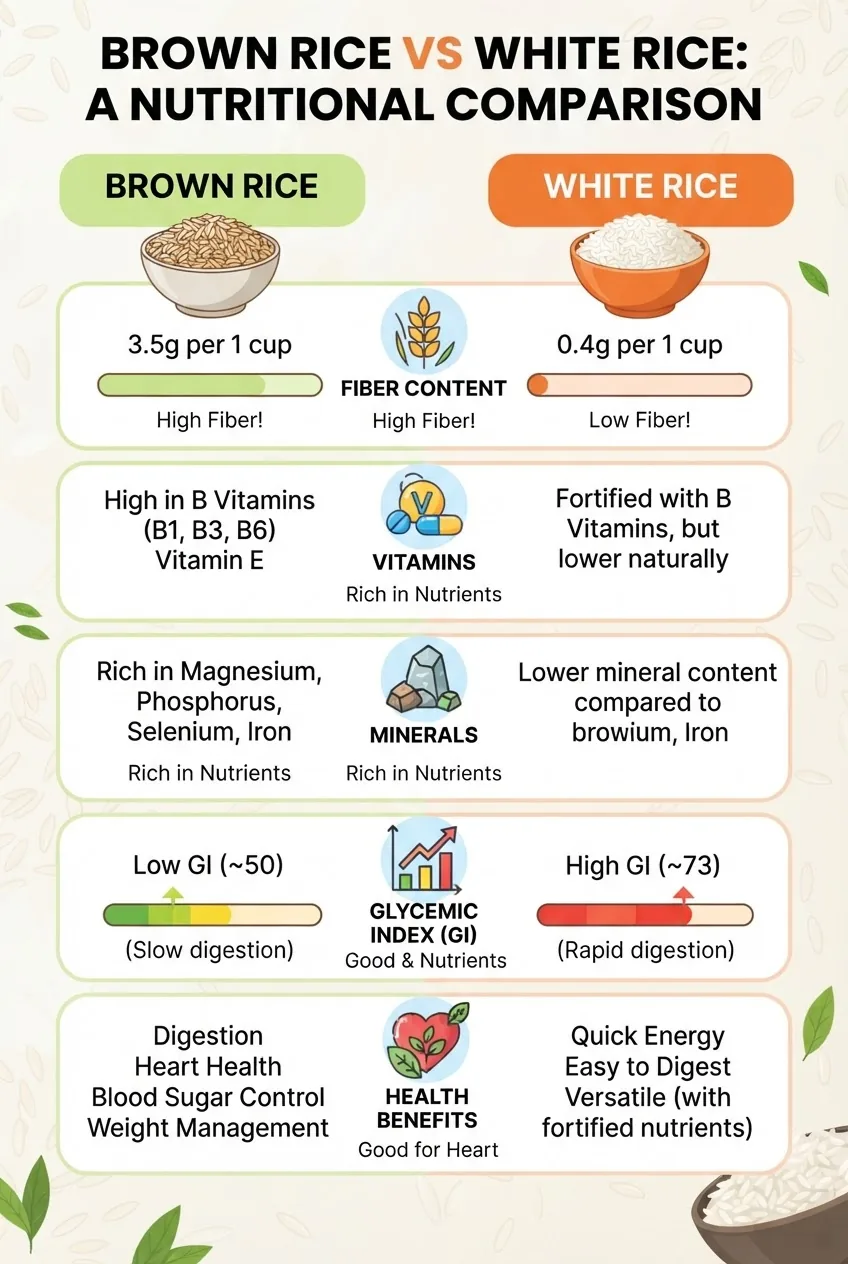
| Feature | Brown/Wild Rice (Whole Grain) | White Rice (Refined) |
|---|---|---|
| Processing | Bran and germ intact | Bran and germ removed |
| Fiber (per 1/2 cup cooked) | ~1–2 g (varies by type) | ~0.2–0.6 g |
| Vitamins & Minerals | Higher in magnesium, B vitamins, antioxidants | Lower unless enriched |
| Glycemic Impact | Generally lower GI | Generally higher GI |
| Common Uses | Pilafs, grain bowls, fiber-forward dishes | Sushi, side dishes, softer texture preferred |
Comparison summary: whole-grain rice varieties (brown, wild, black rice) retain fiber and micronutrients that support digestive health and more gradual blood sugar responses. White rice is often enriched with iron and some B vitamins, but enrichment does not fully replace the fiber and plant compounds lost in milling. According to a review cited by the National Institutes of Health, replacing refined grains with whole grains contributes to improved cardiometabolic markers (source type: NIH literature review).
Transition: After comparing types, we’ll examine rice’s nutrient profile within the Grains group to show how it contributes to energy and specific nutrient goals.
Nutritional Benefits of Rice Within the Grains Food Group
Answer: Rice supplies digestible carbohydrates for energy, modest protein, trace vitamins and minerals, and when whole-grain, meaningful dietary fiber—making it a staple energy source in the Grains group.
Term: Carbohydrates are macronutrients that provide energy; rice is primarily carbohydrate-based and is often used to meet daily energy needs.
Stat block:
- Typical macronutrient split (per 1/2 cup cooked white rice): ~22 g carbohydrates, 1 g fat, 1–2 g protein. (Source type: USDA food composition data.)
- Whole-grain rice (1/2 cup cooked) adds ~1–2 g fiber; brown rice fiber varies by cultivar. (Source type: USDA nutrient tables.)
- 1/2 cup cooked rice usually equals 1 ounce-equivalent of grain for MyPlate serving counting. (Source type: 2023 USDA Dietary Guidelines.)
Rice contributes primarily to the Grains group’s role of providing accessible energy. The nutrient density differs by variety:
- White rice: Quick energy, low fiber; often enriched with folic acid and iron in the U.S.
- Brown/wild/black rice: Higher fiber, more magnesium, phosphorus and B vitamins retained in the bran and germ.
Rice also contains plant-based protein (small amounts) and offers gluten-free carbohydrate alternatives for people with celiac disease or non-celiac gluten sensitivity—an important practical benefit noted in resources from the Academy of Nutrition and Dietetics (source type: AND guidance).
For recommended nutrient intakes that rice can help meet, see the adequate intake nutrition guidelines that explain how dietary components are measured against population needs.
Also, if you manage carbohydrate consistency for blood glucose control, consider reading the consistent carbohydrate diet principles for strategies to allocate rice portions across the day.
Transition: Knowing rice’s nutrient strengths, we’ll show exactly how to include rice in MyPlate-based, balanced meals with serving-size guidance and practical steps.
How Rice Fits Into a Balanced Diet Based on MyPlate
Answer: Include rice as the Grains portion of a MyPlate meal by measuring ounce-equivalents (1/2 cup cooked = 1 ounce-equivalent), prioritizing whole-grain rice, balancing with vegetables/protein/dairy, and controlling portion size to fit daily grain recommendations.
Term: Serving size or ounce-equivalent is the MyPlate measure for grains—commonly 1/2 cup cooked rice equals one ounce-equivalent.
Step-by-step integration:
- Determine your daily grain target based on calorie needs; for example, a typical 2,000 kcal pattern often includes ~6 ounce-equivalents of grains per day. (Source type: 2023 USDA Dietary Guidelines.)
- Measure rice portions: use 1/2 cup cooked rice as a practical unit—this equals one grain ounce-equivalent for MyPlate tracking.
- Prefer whole-grain rice varieties for at least half your grain intake to increase daily fiber and micronutrients.
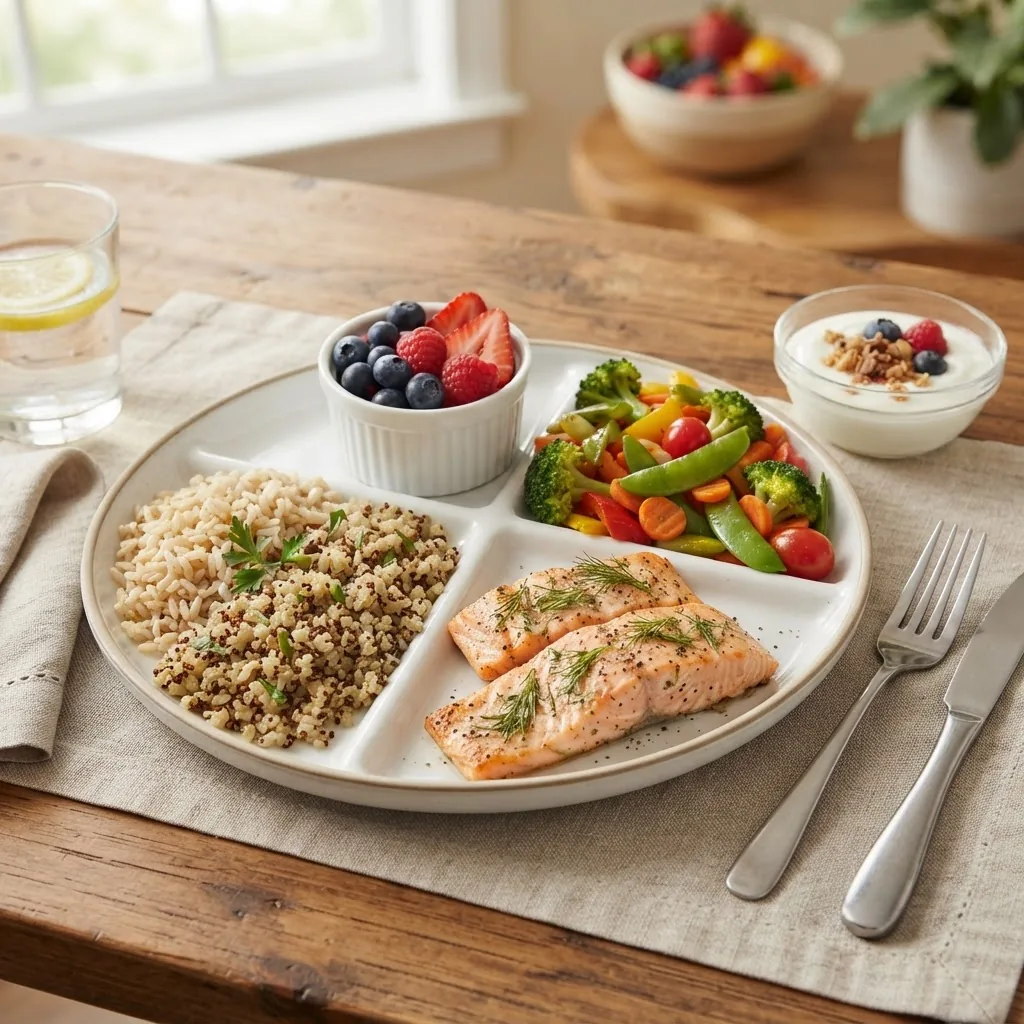
- Assemble MyPlate: aim for half the plate vegetables and fruits combined, one-quarter protein, one-quarter grains (rice), plus a serving of dairy or dairy alternative. This visually balances energy and nutrients.
Practical serving examples (real-life, Texas-friendly):
- Weeknight bowl: 1 cup cooked brown rice (counts as two ounce-equivalents), 1 cup mixed vegetables, 3–4 oz grilled chicken, and a side of fruit—matches MyPlate proportions when rice is one quarter to one third of the plate.
- Tex-Mex plate: 1/2 cup cooked white rice (one ounce-equivalent) with black beans, grilled peppers, lean protein and salsa—add a small cup of low-fat yogurt for dairy.
- Breakfast porridge: use short-grain brown rice with milk and fruit as a whole-grain breakfast option contributing to morning grain totals.
Portion and practical measuring tips:
- Cooked rice expands—measure cooked portions rather than raw. One cup cooked is roughly double the volume of raw measure depending on rice type.
- To meet grain targets without excess calories, pair 1/2–1 cup cooked rice with high-fiber vegetables and lean proteins to slow digestion and increase satiety.
- For readers tracking calories, see example calorie plans for balanced inclusion of grains: balanced weight loss nutrition and healthy balanced diet using calorie plans.
- For measuring techniques and conversion tables, consult the portion and serving size guidelines.
Behavioral and meal-planning steps:
- Plan weekly grain choices: schedule whole-grain rice twice weekly as a starter, increasing as tolerated.
- Batch-cook rice in measured portions (1/2 cup servings) for easy plate assembly and portion control.
- Swap half the white rice with brown rice in recipes to increase fiber gradually and maintain familiar texture and flavor.
- Use rice as a base, not the entire plate—MyPlate recommends balancing rice with vegetables (non-starchy) and lean proteins for nutrient balance.
Transition: With serving guidance in place, it’s useful to address common concerns and myths about rice so readers can make informed choices.
Common Myths and Misconceptions About Rice and Its Food Group
Answer: Rice is often blamed for weight gain, blood-sugar problems, or being “unhealthy,” but context—portion size, variety (whole vs refined), and overall diet—determines effect; rice itself is a neutral grain within MyPlate when consumed appropriately.
Key myth-busting points:
- Myth: “Rice makes you gain weight.” — Reality: Weight change depends on total calories; rice can fit into calorie-controlled meals when portions are managed. (Source type: 2024 industry nutrition summary.)
- Myth: “Rice is high glycemic and always spikes blood sugar.” — Reality: Glycemic response varies by rice type and meal composition; whole-grain rice and pairing with protein/fiber lower post-meal glucose spikes. (Source type: NIH nutrition research summary.)
- Myth: “Rice contains gluten.” — Reality: Rice is naturally gluten-free and safe for people with celiac disease unless cross-contaminated.
- Myth: “All white rice is nutritionally void.” — Reality: Enriched white rice supplies iron and B vitamins; however, it lacks the fiber of whole grains.
Other considerations noted by dietetic authorities:
- Arsenic content: Rice can contain trace arsenic; choosing a variety of grains and rinsing/boiling rice with excess water reduces exposure. (Source type: NIH environmental health guidance.)
- Individual needs: Those with diabetes should monitor portion size and variety; medical advice should personalize carbohydrate recommendations.
Transition: To further contextualize rice choices, compare rice directly to other grains commonly used in MyPlate planning.
Comparing Rice to Other Foods in the Grains Group
Answer: Rice compares favorably to other grains for versatility and gluten‑free status; compared to quinoa, oats and barley, rice tends to be lower in fiber and protein unless whole-grain varieties are chosen.
| Grain | Fiber (per 1/2 cup cooked approx.) | Protein | Notes |
|---|---|---|---|
| Brown rice | ~1–2 g | ~2–3 g | Whole grain, versatile, lower protein than quinoa |
| White rice | ~0.2–0.6 g | ~1–2 g | Refined, often enriched |
| Quinoa | ~2–3 g | ~4–6 g | Higher protein, complete amino acid profile |
| Oats | ~3–4 g | ~3–4 g | High in soluble fiber (beta-glucan) |
| Barley | ~3–4 g | ~2–3 g | Very high fiber in whole form |
Short takeaways:
- Choose grains based on the nutrient you want: more fiber (oats, barley), more protein (quinoa), gluten-free flexibility (rice, quinoa).
- For Americans wanting to increase whole-grain intake per MyPlate guidance, rotating rice with other whole grains boosts variety and nutrient coverage.
Transition: Finally, we summarize practical tips for including rice on a healthy plate and link to visual resources and planning aids.
Summary and Practical Tips for Including Rice in a Healthy Plate
Answer: Rice is a MyPlate grain—use measured portions (1/2 cup cooked = 1 ounce-equivalent), favor whole grains for fiber, pair rice with vegetables and lean protein, and vary grains to reduce contaminants and increase nutrient diversity.
- Measure cooked portions to control energy intake; 1/2 cup cooked rice ≈ 1 ounce-equivalent.
- Make at least half your grains whole grains across the week by choosing brown, wild or black rice regularly.
- Balance rice with non-starchy vegetables and lean proteins to follow MyPlate proportions and improve satiety.
- Batch-cook rice in portioned containers to simplify plate assembly and prevent overeating.
- Rinse rice and use excess-water cooking when concerned about trace arsenic; diversify grains to further lower exposure risks.
- Use rice in culturally relevant Texas recipes while keeping MyPlate balance—pair with beans, grilled proteins and plenty of vegetables.
- For meal visuals and plate examples, see visualizing healthy meal plans.
Final wrap-up: Rice is a versatile MyPlate grain that supports energy needs and meal traditions. Choosing whole-grain varieties, measuring portions, and pairing rice with vegetables, proteins and dairy helps you meet dietary goals consistent with the USDA Dietary Guidelines and MyPlate approach. For deeper principles on overall food balance, review the balanced diet principles.
Call to action: Apply these steps at your next meal—measure your rice, choose a whole-grain variety, and compose a MyPlate plate to experience balanced eating with rice included.