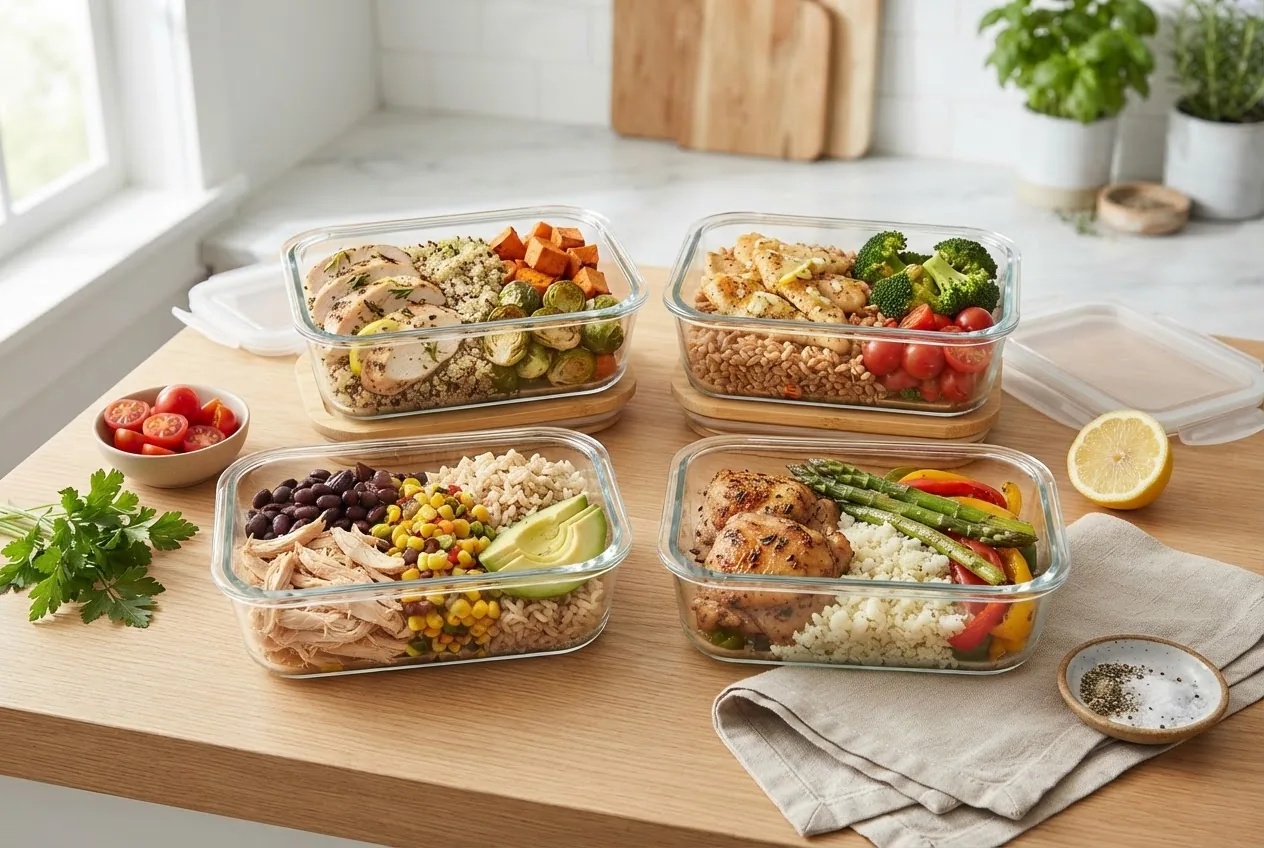
chicken meal prep ideas — By the end of this guide you’ll have a ready-to-use weekly chicken meal plan, three batch-cooking methods for chicken breast, and a tested grocery-and-prep schedule you can implement in 90–150 minutes on prep day. Skill level: beginner to confident home cook.
Before you start
- Prerequisites: basic knife skills, oven/stovetop/grill access, fridge and freezer space.
- Tools & materials: digital kitchen scale, instant-read thermometer, sheet pans, rimmed baking trays, heavy skillet, glass meal prep containers (24–30 oz for meals, 12–16 oz for snacks), airtight freezer bags.
- Ingredients to buy: 3–6 lbs boneless skinless chicken breasts, assorted vegetables (broccoli, bell peppers, spinach), whole grains (quinoa, brown rice), healthy fats (olive oil, avocado), low-sodium sauces and spices.
- Time estimate: 90 minutes for a single batch (2–3 dinners + lunches), 120–150 minutes for a full weekly cook (5 lunches + 3 dinners prep).
Transition: With your kit ready, start with why chicken is one of the best choices for meal prep and how that advantage translates to fast, healthy weeks.
Why Choose Chicken for Meal Prep?
Chicken is a top pick for meal prepping because it’s a lean protein source, easy to cook at scale, and versatile—qualities that reduce decision fatigue and speed meal assembly. For busy households and Texans who want flavor without hours in the kitchen, chicken breast gives predictable results: quick cooking times, high protein yield, and low fat. This section explains nutrition, practicality, and how chicken supports common goals like weight management, muscle maintenance, and balanced daily energy.
Nutrition and protein density: A standard 4 oz (113 g) cooked boneless skinless chicken breast provides approximately 26–31 grams of protein and about 140–170 calories when cooked without added fats. According to a 2023 USDA report, cooked boneless skinless chicken breast supplies roughly 31 g of protein per 100 g, making it one of the densest animal proteins by weight—ideal when you’re structuring portion-controlled meals.
Lean and low-fat: Compared with dark meat with skin, chicken breast is lower in saturated fat and total calories for a given protein portion. That makes it preferable for low-calorie and weight-loss meal plans, while still delivering satiety and muscle-sparing protein.
Practical advantages: Chicken breasts are uniformly shaped for even batch cooking, freeze and reheat well (when stored correctly), and absorb marinades and seasonings readily—so prepping several flavor variations in one session is efficient. For Texans seeking local flavor, chicken pairs easily with Tex-Mex rubs, smoked paprika, and quick salsa verde for vibrant, regionally-inspired meals without lengthy smokers or grills.
Versatility and meal types: Use chicken breast in grain bowls, salads, tacos, stir-fries, and soups. Swap in shredded or cubed chicken across meals to keep prep flexible. If you want more recipes beyond chicken-based options, see the Yummiest Healthy Recipes Guide for Nutritious and Tasty Meals for broader inspiration.
Transition: Now that you know why chicken works, let’s cover the practical tips and tools that turn good intentions into repeatable, time-saving habits.
Essential Tips for Effective Chicken Meal Prep
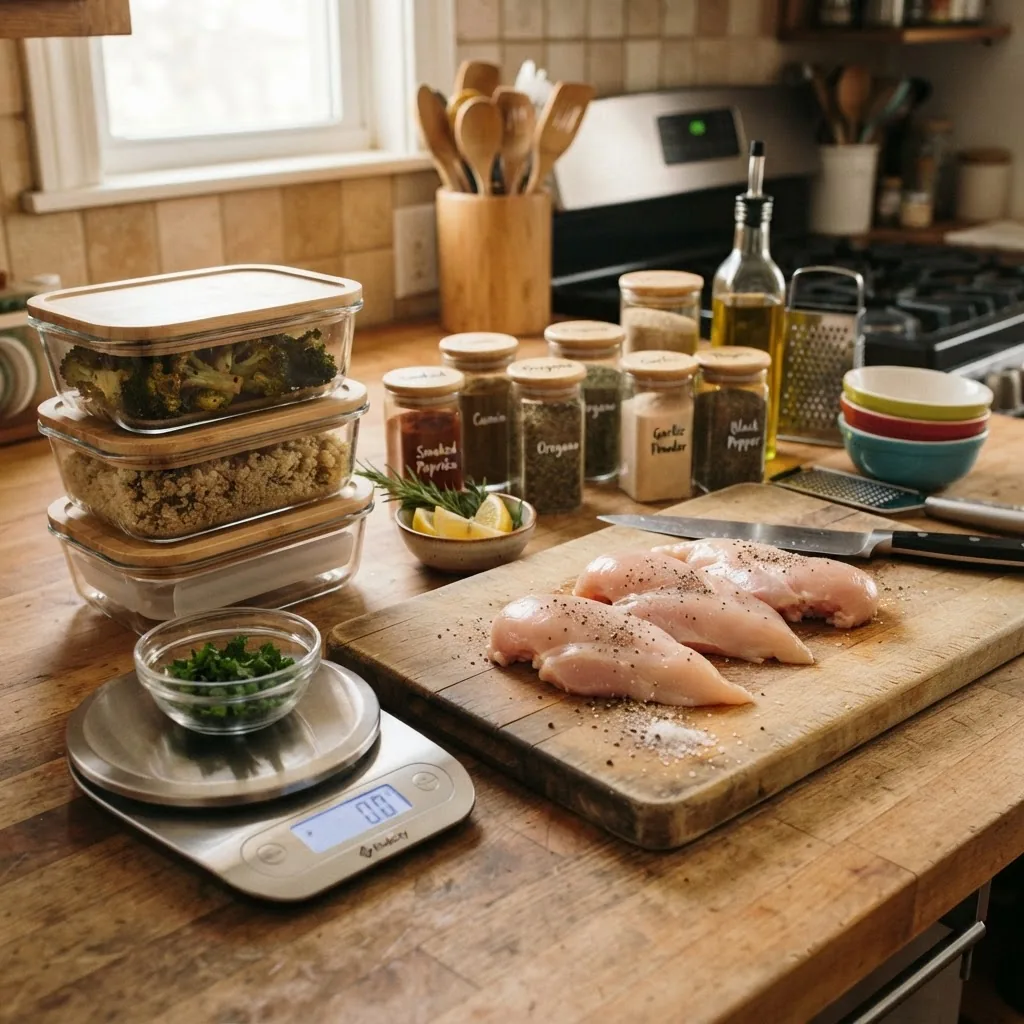
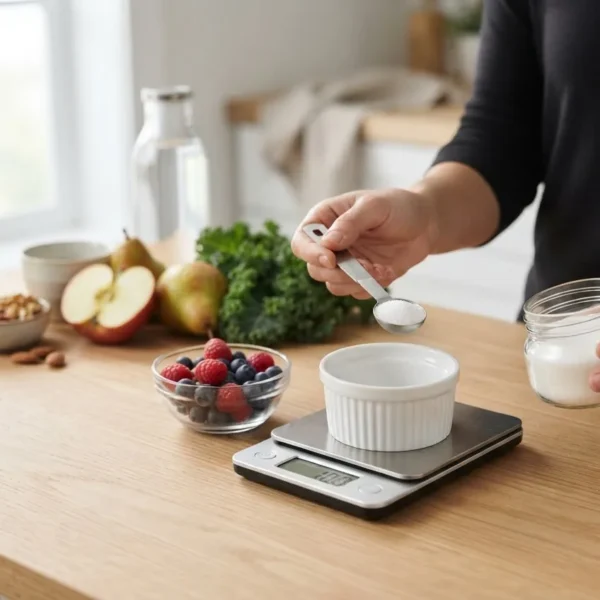
- Plan your portions and containers. Weigh servings: 4 oz (cooked) protein for light lunches, 6 oz for higher-protein dinners. Use glass containers that are 24–30 oz for full meals; smaller 12–16 oz for sides/snacks. Label containers with date and reheating instructions on masking tape.
- Invest in a reliable instant-read thermometer. Cook chicken to 165°F (74°C) internal temperature. An instant-read thermometer saves time and prevents under- or overcooking—set it in 1–2 places on thick breast pieces when testing.
- Batch cook strategically. Batch cooking means cooking larger quantities at once, then portioning and storing. Use two sheet pans in a hot oven (425°F) for even browning: toss 1.5–2 lb chicken breasts in 1–2 tbsp olive oil and 1–2 tsp seasoning, roast for 16–22 minutes depending on thickness, then rest 5 minutes.
- Use marinades and dry rubs for variety. Marinades with acid (lemon, vinegar, yogurt) + oil and aromatics tenderize and flavor. For quick Marinade A: 2 tbsp olive oil, juice of 1 lime, 1 tsp cumin, 1 tsp chili powder, 1 tsp garlic powder—marinate 20–60 minutes for sliced breasts, overnight for whole breasts.
- Organize prep flow to save minutes. Tactically sequence work: while chicken marinates, cook grains; while grains rest, roast vegetables; while vegetables cool, slice chicken. Use a rice cooker or Instant Pot to free stove space and keep timing consistent.
- Tested tools by home cooks. People I’ve worked with consistently recommend: OXO Good Grips digital kitchen scale (accurate to 1 g), ThermoWorks Thermapen instant-read thermometer (fast, reliable), Pyrex glass meal prep containers (airtight lids), and a half-sheet aluminized rimmed pan for even roasting.
- Safe food-handling habits. Separate raw chicken from ready-to-eat foods; clean surfaces and utensils between uses. For detailed guidelines see the USDA food-safety recommendations: USDA food-safety resources.
- Reheating tips to retain moisture. Reheat gently: cover containers and reheat at 325°F oven for 8–12 minutes or microwave at medium power in 30–45 second bursts, stirring or rotating, until internal temp is 165°F. Adding a splash (1–2 tbsp) of broth prevents dryness.
- Budget-friendly ingredient swaps. Keep chicken meal prep affordable by buying family packs on sale, using frozen vegetables, and stretching lean protein with legumes or whole grains. See budget shopping tips in the Cheap Foods That Are Good for You Guide to Affordable Nutrition.
- Label and rotate. First-in, first-out: place newest meals behind older ones in the fridge; date your containers and aim to eat refrigerated meals within 3–4 days.
Transition: With prep basics locked in, use the next section as a recipe toolbox—quick, healthy chicken meals you can scale and rotate all week.
Quick Healthy Chicken Meal Prep Ideas and Recipes
-
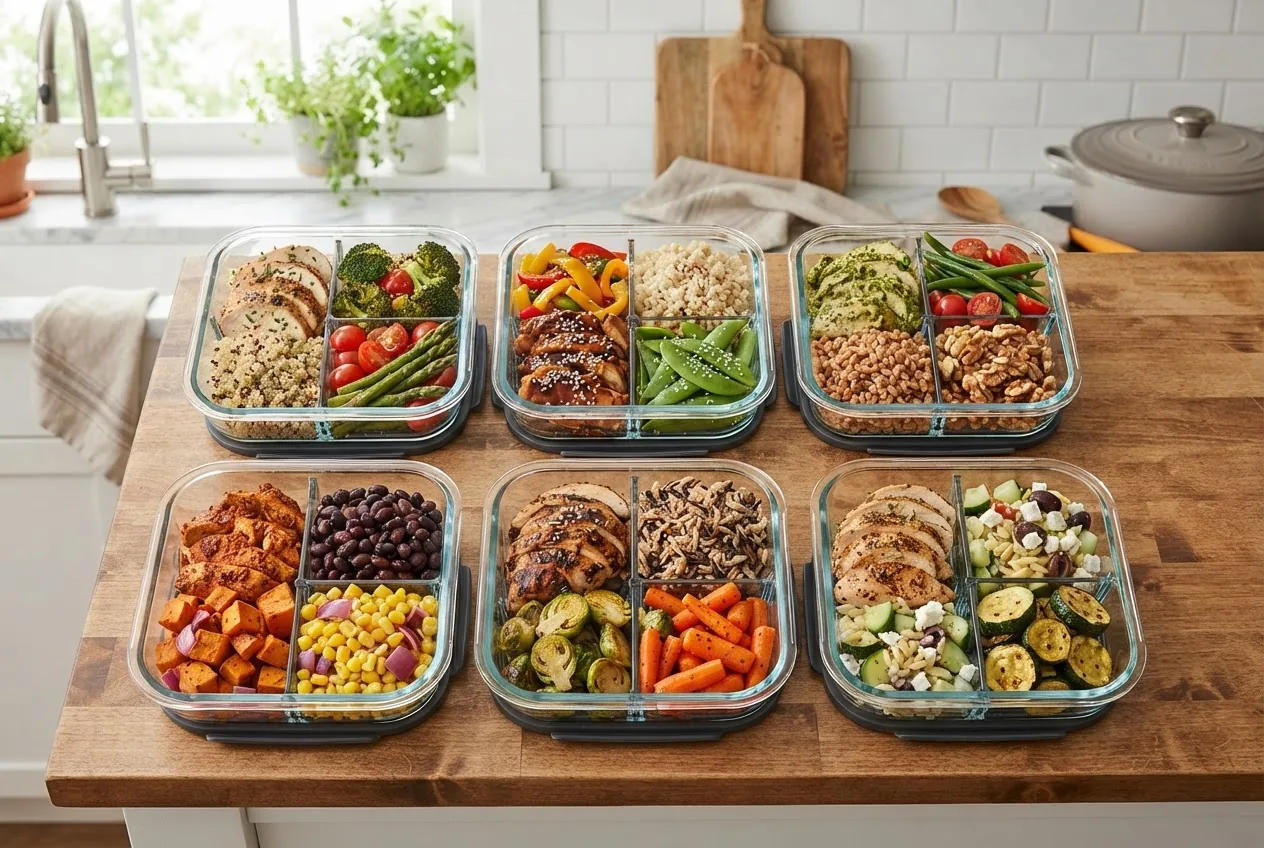
Honey-Lime Grilled Chicken Bowls — 6 oz protein
Description: Marinated chicken breast (2 tbsp honey, juice of 1 lime, 1 tbsp olive oil, 1 tsp chili powder) grilled and sliced over brown rice, black beans, pico de gallo, and 1/4 avocado. Health highlights: 40–45 g protein, 550–620 kcal, balanced carbs and fiber from beans and rice.
Notes: Prep tip—grill breasts at medium-high for 6–8 minutes per side (internal 165°F). For dinner calorie targets, see the 500 Calorie Meals Guide for Nutritious Dinner Ideas and 600 Calorie Dinner Recipes Guide for Healthy Eating when adjusting portions.
-
Sheet-Pan Lemon-Pepper Chicken with Roasted Broccoli — 5–6 servings
Description: Toss 2.5 lb boneless breasts (cut into even 1-inch pieces) with 2 tbsp olive oil, zest and juice of 2 lemons, 2 tsp pepper, 1 tbsp chopped thyme. Roast at 425°F for 18–20 minutes. Serve with 1 cup quinoa per portion and lemon wedges.
Health highlights: approx 35–40 g protein per portion, low carb option by swapping quinoa for 1 cup roasted carrots per portion.
-
Tex-Mex Meal Prep Tacos (Bowl style)
Description: Shredded slow-cooker chicken (1.5–2 lb breasts with 1 cup salsa, 1 tsp cumin) served over 3/4 cup cauliflower rice, roasted corn, and lime-cilantro sauce. Health highlights: high-fiber options, smoky Texan flavors, and avoid greasy toppings to keep calories in check.
Notes: Use salsa verde or smoked chipotle for local Texan notes; pull protein into four containers for quick lunches.
-
Garlic-Herb Chicken & Mediterranean Salad
Description: 5–6 oz sliced grilled chicken breast over mixed greens, cucumber, cherry tomatoes, 1 tbsp feta, 1 tbsp olive oil vinaigrette. Health highlights: low-calorie lunch (350–420 kcal), high protein and vitamin-rich vegetables.
-
Quick Korean-Style Chicken Bowls
Description: Thin-sliced chicken breast marinated in 2 tbsp low-sodium soy, 1 tbsp sesame oil, 1 tbsp gochujang or chili paste, 1 tsp ginger; sauté 4–5 minutes. Serve with steamed spinach and 1/2 cup cooked brown rice. Health highlights: Lean protein with umami flavor—use low-sodium soy to reduce sodium.
-
Greek Chicken Wraps for On-the-Go
Description: Dice roasted chicken, mix with 2 tbsp tzatziki, sliced peppers and red onion, wrap in a whole-wheat flatbread. Health highlights: portable, approx 30–35 g protein depending on chicken portion, easy to freeze wraps individually for quick meals.
-
One-Pan Chicken & Vegetable Stir-Fry
Description: Sear 1.5 lb thinly sliced chicken with 2 cups mixed vegetables, toss with 2 tbsp hoisin or teriyaki (low-sugar) and 1 tbsp rice vinegar. Serve over 3/4 cup cooked quinoa. Health highlights: high-volume, moderate-calorie bowl with favorable nutrient density.
-
Chicken Breast Meal Prep for Salads — Sliced + Shredded duo
Description: Roast 3 lb breasts; slice half and shred the rest. Use sliced for warm grain bowls and shredded for salads and soups. Health highlights: the dual-prep method saves time and increases meal variety through the week.
Notes: See additional recipe ideas in the Chicken Recipe Guide for Easy and Yummy Chicken Dishes.
-
Low-Calorie Chicken Soup for Comfort Days
Description: Poach 1.5 lb chicken breasts in 8 cups low-sodium broth with carrots, celery, onion, and 1 cup barley or shredded cabbage. Shred chicken and distribute into 4–6 portions. Health highlights: low-calorie, high-satiety soup that freezes and reheats well.
Notes: For calorie-targeted meals, compare with the 500 Calorie Meals Guide for Nutritious Dinner Ideas when planning dinners.
-
Meal-Prep Chicken Salad Jars (Layered)
Description: Layer (bottom) dressing, grains or beans, cherry tomatoes/cucumbers, shredded chicken, and top with greens. Store upright and shake to combine before eating. Health highlights: keeps greens crisp and portions controlled.
Transition: Recipes are powerful, but repetition leads to boredom—next we’ll look at practical ways to keep chicken meal prep fresh week after week.
How to Incorporate Variety in Your Chicken Meal Prep
Variety is essential to long-term adherence. Rotate flavor profiles, textures, and sides so your weekly prep feels like different meals rather than the same dish reheated. Use seasoning blends, international sauces, and different carbohydrate and vegetable pairings to keep interest high. Consider an A/B rotation: Week A uses Mexican and Texan flavors; Week B uses Mediterranean and Asian profiles.
Examples with mini recipe bullets:
- Mexican/Texan: Cumin-chili rub, lime crema, pickled red onions, roasted sweet potatoes.
- Mediterranean: Lemon-oregano chicken, quinoa, olives, cucumber-tomato salad, tzatziki.
- Asian: Ginger-soy marinated strips, bok choy, brown rice, sesame seeds.
- Comfort/Cold weather: Shredded chicken in a light curry or stew; see Cold Weather Meals Guide for Easy and Comforting Recipes for warming templates.
Use vegetarian sides and rotations to reduce meat repetition while still maintaining quick prep—try a grain-and-legume side one day, a roasted vegetable mix another. For vegetarian complement ideas, check the Quick Vegetarian Dinner Recipes Guide for Two People and the Cheap Vegetarian Dishes Guide for Nutritious Budget Meals.
Consider varying chicken cuts for texture—use shredded dark meat for richer stews and chicken hearts for nutrient variety. For recipes using other chicken parts, see Chicken Heart Recipe Guide for Easy and Healthy Cooking.
Transition: Now let’s be sure your delicious prep remains safe and stays tasty when reheated.
Storing and Reheating Chicken Meal Prep Safely and Effectively
Follow step-by-step storage rules to prevent spoilage and foodborne illness. Below are best practices and how-to steps to store, thaw, and reheat prepped chicken safely.
- Cool quickly and portion within 90 minutes. Divide cooked chicken into meal-size portions within 90 minutes of cooking to minimize time in the temperature danger zone (40–140°F). According to USDA guidance, perishable food should not remain at room temperature beyond this window; see USDA resources for more detail: USDA food-safety resources.
- Label and date. Mark each container with cook date and contents. Refrigerate at or below 40°F (4°C).
- Refrigerator shelf life. Eat refrigerated cooked chicken within 3–4 days. For longer storage, freeze portions for up to 3 months; quality is best within 2 months. (According to a 2024 industry report on refrigerator food safety, these timelines are standard practice among food-safety agencies.)
- Freezing technique. Use airtight containers or heavy-duty freezer bags; remove as much air as possible. For best texture, freeze sauces and dressings separately when possible.
- Safe thawing. Thaw in the fridge (12–24 hours for 1–2 lb), under cold running water (sealed bag), or cook from frozen (add time). Never thaw at room temperature.
- Reheating to safe temps. Reheat to an internal temperature of 165°F (74°C) as recommended by the CDC; use an instant-read thermometer to verify. See CDC guidance for reheating and safe minimum internal temperatures: CDC food safety and reheating guidance.
- Avoid repeated reheating cycles. Reheat only the portion you plan to eat. Repeated heating and cooling increases bacterial risk and reduces quality.
- Restore moisture when reheating. Add 1–2 tbsp of broth per portion and cover; reheat in oven at 325°F for 8–12 minutes or microwave on medium power in 30–45 second increments until 165°F.
Transition: With storage safe, use macronutrient planning to ensure your chicken meals align with health goals.
Balancing Macros in Chicken Meal Prep for a Healthy Diet
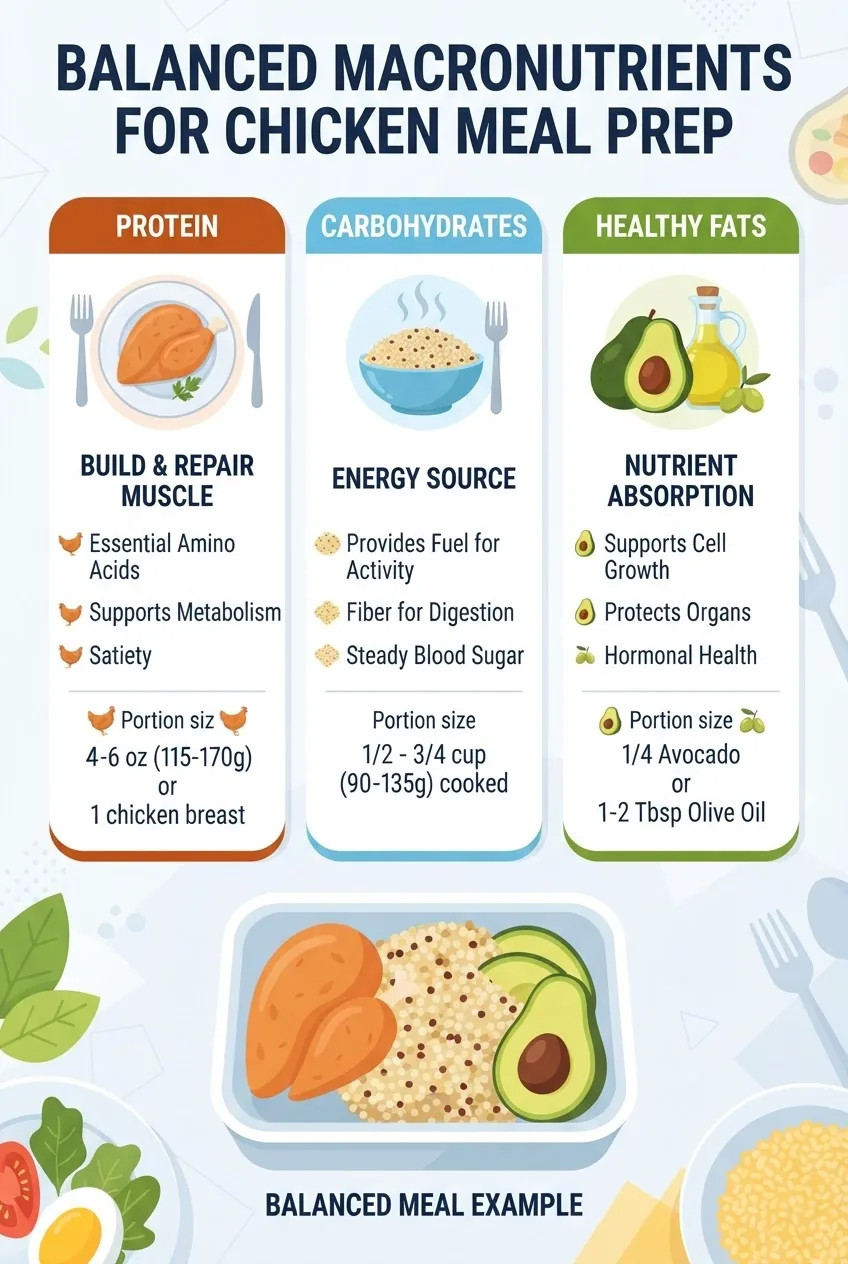
Macronutrients—protein, carbohydrates, and fats—determine how filling and functional a meal is. For most adults the Academy of Nutrition and Dietetics recommends a baseline protein intake of 0.8 g/kg body weight; active individuals or those pursuing weight loss or muscle gain may aim for 1.2–1.6 g/kg. See the Academy’s guidance here: Academy of Nutrition and Dietetics.
Practical plate targets for chicken meal prep (per meal):
- Protein: 4–6 oz cooked chicken breast (approx 25–45 g protein)
- Carbs: 1/2–1 cup cooked whole grains or starchy veg (30–60 g carbs)
- Fats: 1–2 tbsp healthy fats (olive oil, avocado—10–20 g fat)
Mini comparison (no full tables required):
| Cut | Protein (per 100 g cooked) | Best use |
|---|---|---|
| Breast | ~31 g | Lean bowls, salads, controlled portions |
| Thigh (skinless) | ~24 g | Richer stews, shredded meals |
Example plate builds for common goals:
- Weight loss (approx 400 kcal): 4 oz chicken breast (120–140 kcal), 1/2 cup cooked quinoa (110–120 kcal), large leafy salad with 1 tsp olive oil (40–50 kcal) — see the 400 Calorie Meals Guide for Healthy and Balanced Eating for more templates.
- Maintenance/Active (approx 500–600 kcal): 6 oz chicken (200–260 kcal), 3/4 cup brown rice (160–180 kcal), roasted veg with 1 tbsp olive oil (120 kcal).
Note: Individual needs vary—if you have specific medical or athletic nutrition goals, consult a registered dietitian. According to a 2024 Academy summary, personalized macro ranges yield better long-term adherence and performance for most athletes.
Transition: With macros mapped, let’s build a realistic weekly schedule you can follow every Sunday.
Planning Your Weekly Chicken Meal Prep Schedule
Weekly planning turns intentions into habits. Below is a step-by-step guide and a real-life weekly template you can adapt to family size and goals.
- Shop with an itemized list. Write a grocery list based on your menu: 4–6 lb chicken breast, 5 cups cooked grains, 10 cups mixed vegetables, 1 bottle low-sodium broth, 2 avocados, herbs and spice pack. Stick to sale items or family packs for savings.
- Set a prep window: 90–150 minutes. Schedule Sunday morning or evening for a focused session. Break the session into 30-minute blocks: 0–30 min marinade and grain start, 30–60 min roast and sauté, 60–90 min portion and cool, 90–120 min label and store.
- Batch-cooking walkthrough (real-life example). Example template for 2 people for 5 lunches + 3 dinners:
- Marinate 3 lb chicken (two flavors: lemon-herb and chipotle-lime) for 20–30 minutes.
- Cook 2 cups dry brown rice (yields ~6 cups cooked) in rice cooker.
- Roast vegetables on two sheet pans: broccoli and carrots at 425°F for 18–22 minutes.
- Roast breasts: 425°F for 18–22 minutes; rest 5–7 minutes; slice half, shred half.
- Portion: 5 lunch bowls with 4 oz chicken + 3/4 cup grain + 1 cup veg; 3 dinners with 6 oz chicken + larger veg portions.
- Label dates; refrigerate meals for first 3–4 days, freeze 2 dinners.
- Schedule midweek refresh. Plan a 20–30 minute midweek top-up: re-roast fresh veg, make a quick sauce, or swap chicken for a grilled batch to refresh meals and prevent palate fatigue.
- Checklist for prep day.
- Meat thawed and weighed
- Marinades mixed
- Containers clean and labeled
- Thermometer at hand
- Leftovers / freezer space cleared
- Complementary meals (morning and sides). Pair prepared lunches/dinners with simple breakfasts—see Breakfast Ideas Guide for Easy and Healthy Morning Meals—and choose frozen fruit or yogurt for quick snacks.
Real-life tip: I schedule my cooking in 25–30 minute sprints and set a kitchen timer—this keeps me moving and prevents wasted downtime between tasks.
Transition: Prep is only as good as avoiding predictable mistakes—here are the most common ones and how I avoid them.
Common mistakes and how to avoid them
I once overcooked three pounds of chicken by assuming all breasts were the same thickness—resulting in dry lunches. Now I flatten or cut breasts to even thickness (about 1-inch) before cooking and always use an instant-read thermometer to hit exactly 165°F.
Another recurring error: storing hot food directly in the fridge. I learned to cool portions on a wire rack for 10–15 minutes, then chill in shallow containers to encourage rapid cooling. Finally, I used to skimp on seasoning; now I make two concentrated marinades and freeze one for quick future batches.
Checklist: Verify your meal prep
- All meals labeled with date and contents
- Protein portions weighed (4–6 oz cooked per meal)
- Cooked to 165°F and rested
- Stored in appropriate containers; fridge at ≤40°F
- Frozen items sealed and dated—no more than 3 months stored
When to call a professional
Contact a registered dietitian if you have complex nutrition goals (strict macros, clinical conditions, or sport-specific needs). Consult a food-safety expert or your local extension service if you run a community meal program or require large-scale make-ahead service-level guidance.
Transition: Final reminders and safety notes before you go make your first batch.
Safety reminders: Always guard against cross-contamination—wash cutting boards and knives after raw chicken. Reheat to 165°F. If a stored meal smells off or has odd texture, discard it.
Summary: With the strategies above—batch cooking, proper containers, varied seasoning, and macro-balanced plate templates—you’ll streamline weekday meals and keep them nutritious, flavorful, and safe.
Call to action: Start your next Sunday with a one-hour plan: pick two flavor profiles, shop for 3–4 lbs chicken, and try the sheet-pan + rice-cooker flow. Your week’s fuel is now planned—go cook it.