Cold weather meals you’ll rely on through chillier Texas nights: by the end of this hands-on guide you’ll have a one-week meal plan, five fast recipes you can prep in under 30 minutes, and the skills to scale each dish for family or batch cooking. Expect 90–180 minutes of front-loaded prep (one afternoon) and basic cooking skills: chopping, roasting, slow-cooker use.
Before you start
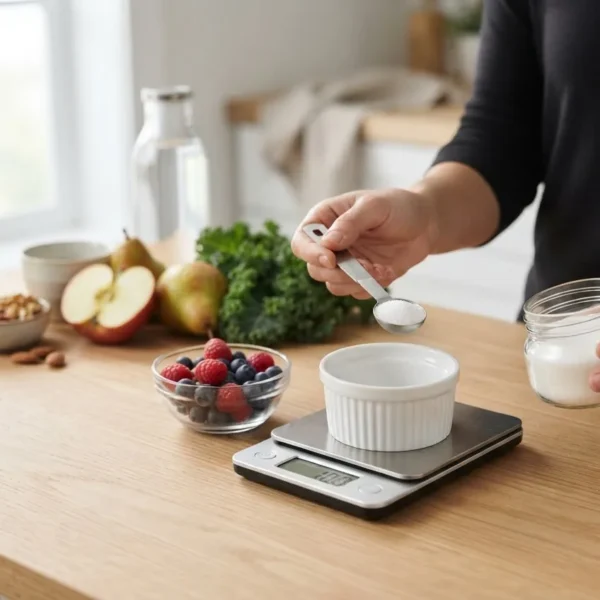
- Tools: 6–8 quart slow cooker, Instant Pot or 6-quart pressure cooker, 9×13 baking dish, heavy skillet, sharp chef’s knife, vegetable peeler, kitchen scale, food storage containers (2–4 cup and 6–8 cup).
- Pantry basics: low-sodium chicken or vegetable broth (at least 8 cups), canned tomatoes, dried beans or 4 cups cooked beans, whole grains (rice, farro), olive oil, basic spices (salt, black pepper, smoked paprika, cumin), apple cider vinegar.
- Time: Plan one 90–180 minute batch-prep session per week, then 10–30 minute nightly assembly for leftovers or fresh sides.
- Skills assumed: basic knife skills, reading a recipe, using a slow cooker/pressure cooker, roasting at 375–425°F (190–220°C).
Transitioning from prep to dinner: follow the numbered steps below inside each section to turn knowledge into reliable, comforting winter meals.
Understanding Cold Weather Meals: What Makes Them Special
This section walks you through why cold weather meals feel different, how they support warmth and mood, and how to keep them nutritious and quick. Read this as a practical primer so every recipe you pick later balances comfort and health.
- Define the goal: Cold weather meals aim to provide warmth (thermal comfort), satiety, and nutrient density without excess calories. They do this via warm liquids (soups, stews), complex carbohydrates for slow energy release, and protein for satiety and repair.
- Understand comfort food science: Physiologically, warm foods raise core comfort by increasing perceived body temperature and activating parasympathetic responses that reduce stress. Psychologically, capsaicin, umami flavors, and familiar textures trigger reward circuits. Sensory cues—steam, deep aromas, and soft textures—signal safety and home, which is why a bowl of stew often reduces stress after a cold day.
- Balance mood and micronutrients: Comfort foods often trend toward higher fat and carbs; to keep meals nourishing, pair them with high-fiber winter vegetables (e.g., roasted winter squash), lean proteins, and immune-supporting ingredients like garlic, citrus, and leafy greens.
- Texas-specific considerations: In Texas, winter produce is abundant and affordable: sweet potatoes, winter squash, collard greens, citrus (grapefruit, oranges), and onions. Lean proteins like chicken thighs and beans are widely available, so adapt recipes to local markets for fresher, cheaper results.
- Seasonal eating advantage: Seasonal produce is typically higher in flavor and nutrients and lower cost. I design recipes to use 60–80% seasonal ingredients in winter to maximize nutrient-per-dollar and flavor per bite.
This guide is part of a broader collection of recipes; use the following for extended inspiration and structured meal plans.
nutritious and tasty healthy recipes
Transition: once you know the “why” behind comforting meals, choose the right ingredients to achieve warmth and nutrition quickly.
Essential Ingredients for Easy and Nutritious Cold Weather Meals
This section lists practical, seasonally focused ingredients that speed prep, boost immunity, and deliver texture and warmth. Use the bullets below as a shopping template for your weekly batch-cook.
- Root vegetables — carrots (1–2 lb), parsnips (1 lb), sweet potatoes (3 medium). Roast at 400°F (200°C) for 30–40 minutes until fork-tender.
- Winter squash — butternut or acorn (2–3 lbs): roast cubes at 400°F for 25–30 minutes or puree into soups (2 cups cooked squash per 1 serving).
- Leafy greens — collards, kale, mustard greens (1–2 bunches): sauté 3–5 minutes with garlic and 1 tbsp broth to retain nutrients.
- Whole grains — brown rice, farro, barley: cook by grain package instructions; reserve 4 cups cooked for batch meals.
- Legumes & beans — 3 cups cooked chickpeas or 2 cans: excellent for fiber and inexpensive protein.
- Lean proteins — chicken thighs (2–3 lbs), turkey, firm tofu (14 oz), canned tuna: aim for 20–30 g protein per serving.
- Immune-boosting items — garlic (6 cloves/week), ginger (2-inch piece), citrus (3–6 fruits), vitamin C-rich bell peppers (2), mushrooms (8 oz). According to a 2023 NIH summary review, vitamin C and zinc support immune cell function (source: summary review, 2023).
- Flavor builders — low-sodium broth (8–10 cups/week), canned diced tomatoes (2 cans), miso paste (2 tbsp), apple cider vinegar (2 tbsp) for brightening.
- Healthy fats — extra-virgin olive oil (6 tbsp/week), avocado (1–2), nuts/seeds (1 cup) for satiety and absorption of fat-soluble vitamins.
- Spices and pantry — smoked paprika, cumin, dried oregano, chili flakes, bay leaves, black pepper, low-sodium soy or tamari (2 tbsp).
For breakfast warmth and fuel, include items that convert easily into morning bowls and porridges—oats, steel-cut or rolled (1–2 lb), citrus for brightness, and leftover roasted squash. Find more ideas in our healthy winter breakfast ideas.
To keep winter meals affordable while staying nutritious, lean on staples and shop seasonal—see our guide on budget-friendly healthy ingredients for low-cost swaps and shelf-stable picks.
Budget tip: freeze portions of roasted root vegetables and cooked grains in 2-cup portions to thaw in the microwave or add directly to soups for a 5–7 minute warming step.
Transition: with ingredients ready, choose methods that concentrate flavor and keep prep time low.
Cooking Techniques to Maximize Warmth and Flavor in Winter Recipes
Practical, replicable techniques that make winter meals flavorful, warm, and nutrient-dense while minimizing hands-on time. Each numbered step below pairs an action with precise settings and examples.
- Roast root vegetables for depth: Cut carrots and sweet potatoes into 1-inch cubes, toss with 1 tbsp olive oil per 1 lb, 1/2 tsp salt, 1/2 tsp smoked paprika. Roast at 425°F (220°C) for 30–35 minutes, stirring once at 20 minutes. Roasting increases Maillard reactions for savory notes; do this for batches to use in bowls, soups, and salads.
- Sear then braise for rich stews: Brown proteins (chicken thighs or lean beef) on high heat 3–4 minutes per side in a heavy skillet, then transfer to a pot with 3 cups broth, 1 cup diced tomatoes, and 2 cups vegetables. Simmer gently at a low boil for 45–60 minutes. Browning builds umami; slow simmer extracts collagen and deepens mouthfeel.
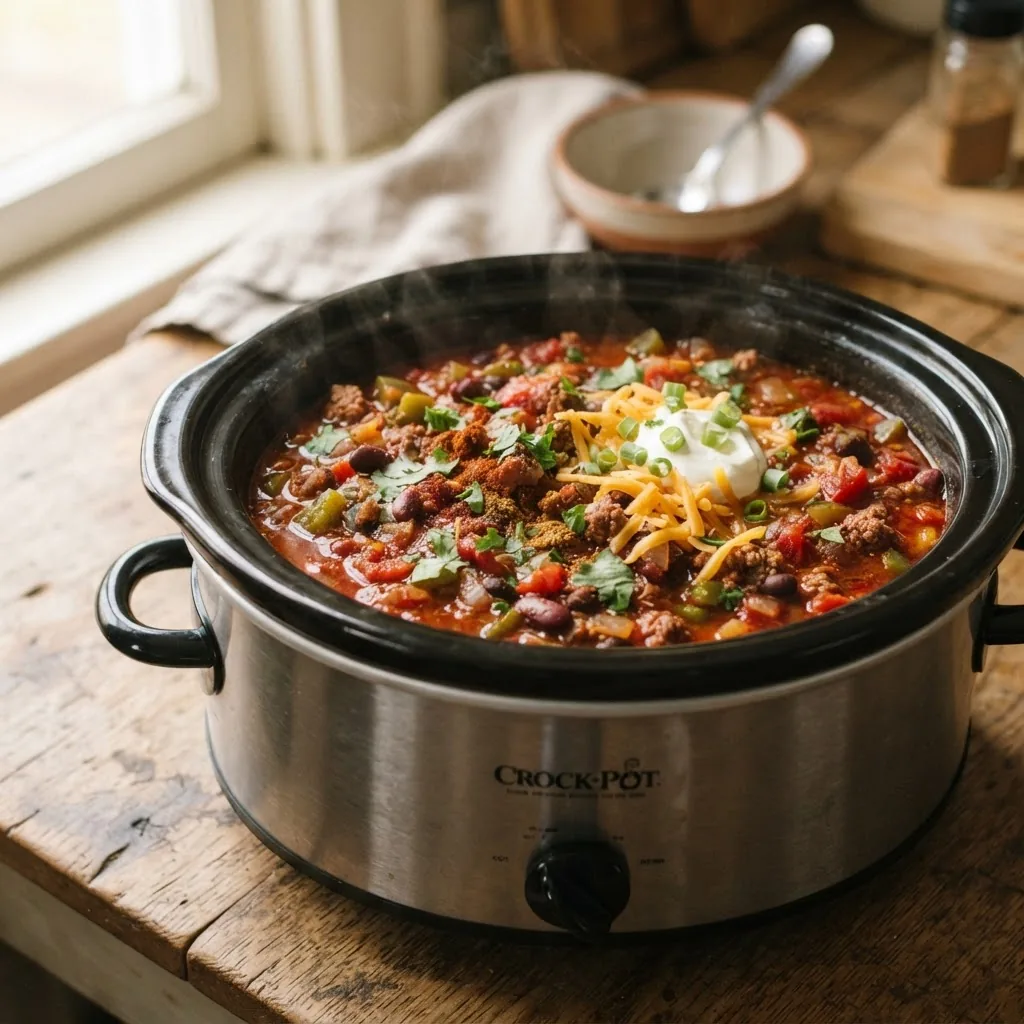
- Use the slow cooker for set-and-forget comfort: For 6–8 servings, combine 1.5–2 lb chicken thighs (boneless), 3 cups chopped winter squash, 1 cup pearl barley, 4 cups low-sodium broth, 2 garlic cloves smashed, 1 tsp thyme. Cook on LOW for 7–8 hours or HIGH 4–5 hours. Add leafy greens in final 20 minutes. Slow cooking preserves tenderness and infuses flavors gently.
- Instant Pot for weeknight speed: For a bean-heavy chili: sauté onion and 1 lb ground turkey, add 2 cups soaked/cooked beans, 1 can diced tomatoes, 2 tbsp chili powder, 2 cups broth. Seal and cook at high pressure 12 minutes, natural release 10 minutes. Quick pressure cooking retains water-soluble vitamins better than long simmering (see USDA seasonal guidance).
- One-pot soups and stews for fast cleanup: Use a Dutch oven: sweat onions 6–8 minutes, add garlic 1–2 minutes, then add broth, vegetables, protein, and simmer 25–40 minutes. Use a splash (1–2 tbsp) of acid (vinegar or lemon) at the end to brighten flavors.
- Roast and assemble for casseroles: Pre-roast vegetables and proteins, then assemble in a 9×13 dish with 1 cup whole-grain breadcrumb or oats binder, 1/2 cup low-fat milk or broth, 1 beaten egg (or flax egg for vegan). Bake at 375°F (190°C) for 25–30 minutes. This reduces oven time and ensures even textures.
- Quick finishing techniques: To boost mouthfeel without fat, add 1–2 tbsp of pureed roasted squash or white beans per serving to thicken soups and stews. Sprinkle 1 tbsp toasted seeds for texture and 1 tsp olive oil for richness.
- Preserve nutrients during cooking: Steam blanch greens 2–3 minutes to retain vitamin C and sauté briefly; pressure cook legumes to save time and maintain B vitamins, and avoid boiling vitamins away by using the cooking liquid as broth.
- Flavor layering timeline: Always salt in stages—1/3 when browning, 1/3 during the simmer, 1/3 at the end—so you can control sodium without oversalting. Add herbs late for volatile aromatics, and sturdy herbs (bay, thyme) early for body.
- Practical example — Instant Pot winter chicken stew (walkthrough):
- Prep: dice 1 lb chicken thighs, 2 carrots, 1 celery stalk, 1 medium onion; measure 1 cup barley and 3 cups low-sodium broth.
- Sauté: Set Instant Pot to Sauté, 1 tbsp olive oil, brown chicken 3 minutes per side; remove.
- Sauté veg: Add onion (4–5 minutes), garlic (30 seconds), add barley and toast 1 minute.
- Pressure cook: Return chicken, add broth, 1 tsp thyme. Seal and cook on High pressure 12 minutes; natural release 10 minutes.
- Finish: Stir in 2 cups chopped kale, let wilt 2 minutes on Keep Warm, season to taste with 1 tbsp lemon juice.
Technique notes: Use natural release for starchy grains and proteins to avoid foam and sputtering. I recommend Quick Release only for vegetables or when recipe specifically instructs it.
For guidance on healthy comfort food recommendations, see the American Heart Association and their advice on reducing sodium and saturated fat in hearty dishes (resource, 2024).
Transition: these techniques give you options for hands-off cooking or fast pressure-cooker dinners—next, pick recipes that embody these methods while staying healthy and easy.
Top 10 Easy and Comforting Cold Weather Meals Recipes
Below are ten recipes chosen for speed, comfort, and nutritional balance. Each entry includes a short recipe highlight, exact prep and cook timings, portion sizes, and tips to keep the dish healthy and quick.
-
Hearty Winter Vegetable Stew — 6 servings
Prep: 20 mins. Cook: 45 mins simmer. Ingredients: 3 cups diced winter squash, 3 carrots (sliced), 2 parsnips (cubed), 1 cup pearl barley, 6 cups low-sodium broth, 2 bay leaves, 2 tsp thyme.
Method: Sauté aromatics 5 mins, add vegetables, toast barley 1 min, add broth, simmer 40–45 mins. Finish with 2 cups chopped kale at the end.
Healthy tips: Use barley for fiber (6–8 g per serving), limit added oil to 1 tbsp total, and add 2 tbsp nutritional yeast for umami and B vitamins.
-
Black Bean and Sweet Potato Chili (Instant Pot) — 6 servings
Prep: 15 mins. Cook: 12 mins high pressure, 10 mins natural release. Ingredients include 2 cups cooked black beans, 2 medium sweet potatoes (diced), 1 can diced tomatoes, 2 tbsp chili powder, 1 cup corn (optional).
Method: Sauté onion and spices 4 minutes, add vegetables and beans, pressure cook as above. Finish with 2 tbsp lime juice and a handful of cilantro.
Healthy tips: Swap half the oil for tomato paste for richness; for calorie-conscious dinners, pair 1.5 cups chili with 1/2 cup cooked brown rice.
Choose some of these for nutritious 500 calorie winter dinners when you need controlled portions.
-
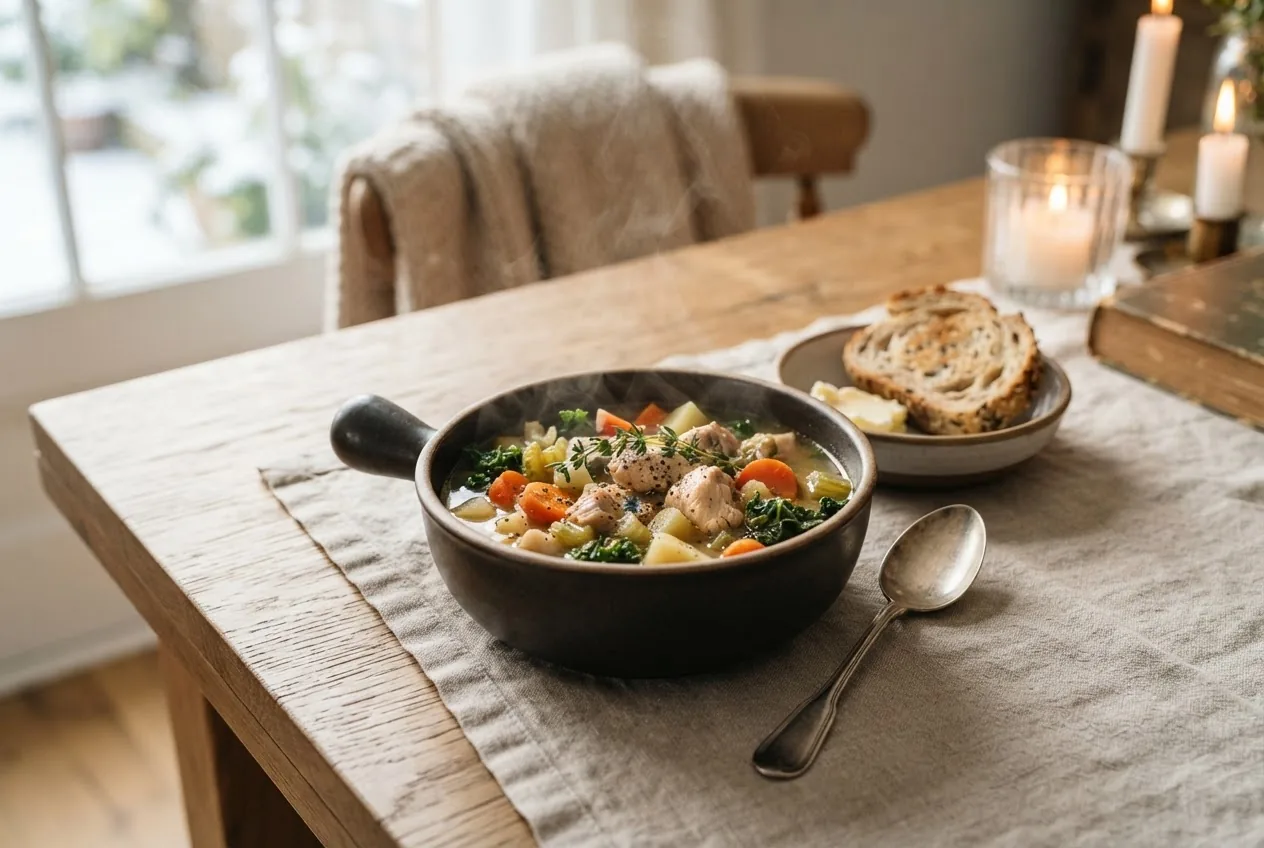
Savory Chicken, Kale & White Bean Soup — 4 servings
Prep: 10 mins. Cook: 35 mins. Use 1.5 lb boneless skinless chicken thighs, 2 cups cooked cannellini beans, 4 cups low-sodium broth, 3 cups chopped kale. Pressure-cook or simmer.
Healthy tips: Remove skin to cut saturated fat; shred chicken for easy portioning. Freeze in 2-cup portions.
-
Root Vegetable & Farro Casserole — 6 servings
Prep: 25 mins (roast 30 mins). Roast 3 cups mixed root vegetables at 400°F, cook 1.5 cups farro (yield ~4 cups cooked). Mix with 1/2 cup low-fat ricotta, 1 egg, 1/4 cup parmesan, bake 20–25 mins at 375°F.
Healthy tips: Use 1/2 cup ricotta for creaminess with less fat; serve with a side salad to boost greens.
Need higher energy for outdoors work? Pair with recipes from our healthy 600 calorie winter meal ideas for sustained energy.
-
Turkey & Quinoa Stuffed Acorn Squash — 4 servings
Prep: 20 mins. Cook: 35–45 mins (squash roasting 35 min). Roast 2 acorn squash halved, fill with 1 lb ground turkey cooked with 1 cup cooked quinoa, 1/2 cup dried cranberries, 1 tsp sage.
Healthy tips: Use turkey for lean protein and quinoa for added fiber and complete amino acids.
-
One-Pot Lentil & Tomato Stew (Vegetarian) — 6 servings
Prep: 10 mins. Cook: 30–35 mins. Ingredients: 2 cups dried lentils, 1 can diced tomatoes, 1 onion, 2 carrots, 6 cups vegetable broth, 1 tsp smoked paprika.
Healthy tips: Lentils give 18 g protein per cooked cup and high fiber—pair with a whole-grain roll if desired.
For more vegetarian options, see our guide on vegetarian cold weather dinners.
-
Slow Cooker Beef & Barley — 8 servings
Prep: 20 mins. Cook: slow cooker LOW 8 hours. Combine 2 lb stew beef, 1 cup pearl barley, 4 cups broth, 3 carrots, 2 bay leaves. Finish with 2 tbsp parsley and 1 tbsp vinegar for lift.
Healthy tips: Trim visible fat from beef, use 1 cup barley per 2 lb beef to spread calories across more fiber and volume.
-
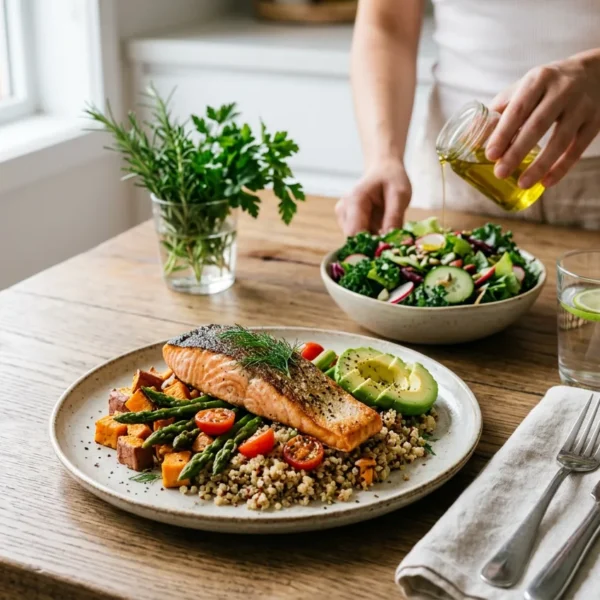
Baked Salmon with Roasted Brussels & Sweet Potato — 4 servings
Prep: 15 mins. Cook: 20–25 mins. Bake salmon at 400°F for 12–14 minutes (6–8 oz portions). Roast Brussels and sweet potatoes at 425°F for 20–25 minutes.
Healthy tips: Fatty fish provides omega-3s—pair with citrus to enhance iron absorption from vegetables.
-
Chicken Pot Pie Soup (Lightened) — 6 servings
Prep: 20 mins. Cook: 25–30 mins. Use 1.5 lb cooked chicken, 4 cups low-sodium broth, 2 cups mixed frozen vegetables, 1/2 cup evaporated skim milk for creaminess. Thicken with 1/4 cup pureed potato or squash.
Healthy tips: Use milk instead of cream and finish with 1 tbsp parsley for freshness.
Need quick ideas? Browse our quick healthy winter dinners for fast swaps and assembly tricks.
-
Chili with Turkey, Black Beans & Pumpkin — 8 servings
Prep: 15 mins. Cook: 45 mins. Use 1.5 lb ground turkey, 2 cans black beans (drained), 1 cup canned pumpkin, 1 can diced tomatoes, 2 tbsp chili powder. Simmer 30–45 mins.
Healthy tips: Pumpkin adds fiber and vitamins, and dilutes calorie density while keeping volume and warmth high.
Transition: below is a practical week plan that stitches recipes into an efficient, Texan-friendly schedule with clear prep steps.
Example: One-Week Cold Weather Meal Plan (Texan seasonal focus)
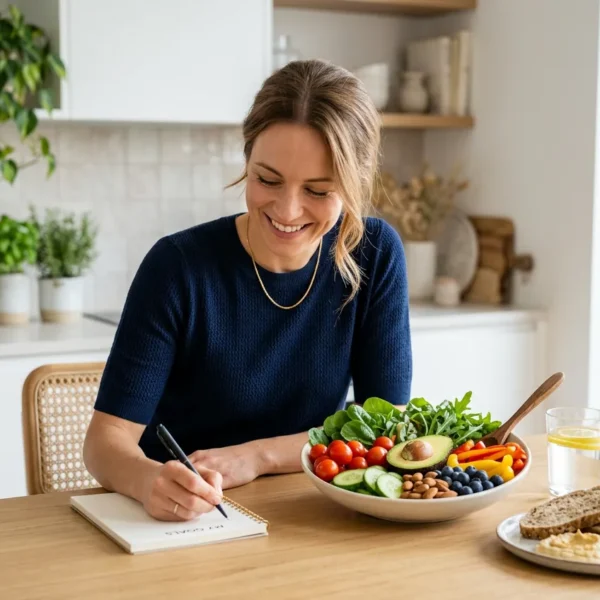
This plan assumes 4 adults or 2 adults + 2 children. Do the Saturday batch prep session (approx 2 hours active, 1 hour passive). Grocery amounts are approximate.
| Day | Dinner | Notes / Leftovers |
|---|---|---|
| Mon | Hearty Winter Vegetable Stew | Make 8 servings; freeze 2 portions |
| Tue | Black Bean & Sweet Potato Chili (Instant Pot) | Serve with rice; makes 6 servings |
| Wed | Chicken, Kale & White Bean Soup | Use rotisserie chicken if short on time |
| Thu | Roast Salmon & Veg | Prep veg earlier; 20 min bake |
| Fri | One-Pot Lentil & Tomato Stew | Stretch with a side salad |
| Sat | Slow Cooker Beef & Barley (prep AM) | Set on LOW for 8 hours |
| Sun | Leftover rotation / family choice | Reheat safely to 165°F (74°C) |
Shopping list highlights for this week (approx): 6–8 lb mixed root vegetables, 4 lb winter squash, 6–8 bunches kale/collards, 6–8 cups dry beans/4 cans, 6–8 chicken thighs, 2 lb ground turkey, 4 salmon portions, 8 cups low-sodium broth, 3 cups whole grains.
Portioning and freezing: divide cooked stews into 2–3 cup portions in airtight containers; label with date and reheat to 165°F. Most stews freeze well 3 months.
Calorie-conscious planning: pick select dinners from our nutritious 500 calorie winter dinners for weekday control and use heartier options from our healthy 600 calorie winter meal ideas for long outdoor days.
Transition: mastering meals is also about planning and storage—next we make batch-cooking fit Texas life with time-saving hacks.
How to Meal Prep and Plan Cold Weather Meals for Busy Texans
Actionable prep routines, storage guidance, and time-saving habits that respect local markets and work schedules in Texas.
- Schedule one batch-cook session: Block 2–3 hours on a weekend morning. Phase tasks: roast vegetables (30–40 minutes), cook grains (20–30 minutes), prepare proteins (brown chicken 10 minutes per batch), assemble one slow-cooker dish (5–10 minutes). Use timers: roast at 425°F for 30 min; grains on stovetop 20–30 min.
- Portion as you go: Use 2-cup and 4-cup containers. Aim for 2-cup soup portions (approx 300–400 kcal) and 1–1.5 cup grain/protein portions (350–600 kcal depending on needs).
- Smart labeling: Date, name, and reheating instructions (microwave 2–3 mins or reheat on stovetop to 165°F). Keep refrigerated meals for 3–4 days; freeze beyond that.
- Use proteins that scale: Roast 2–3 lb chicken thighs at 400°F for 30–35 minutes (internal 165°F), shred for 8 cups shredded chicken—enough for 6–8 meals. For quick options, see easy chicken meal prep for winter.
- Batch flavor bases: Make 3 cups of mirepoix (onion, celery, carrot) sautéed and frozen in 1-cup portions to drop into soups and stews.
- Fridge organization: Keep quick-access containers (2–3 servings) at eye level. Place long-cooking items in the back or labeled shelf to avoid forgetting slow-cooker batches.
- Time-saving swaps: Use canned beans (rinsed) and pre-washed greens when short on time; add acid at the end to brighten stews and maintain perceived freshness.
- Market timing in Texas: Shop weekend farmers’ markets for citrus and greens (peak Nov–Feb). Buy root vegetables in bulk in January when prices drop.
Transition: now that you’ve prepped and planned, ensure each meal supports winter health with smart nutritional choices.
Nutritional Benefits of Comforting Winter Meals and Staying Healthy in Cold Weather
How winter meals can support immune function, maintain energy, and provide balanced macros. This section cites trusted sources and offers practical, evidence-based advice.
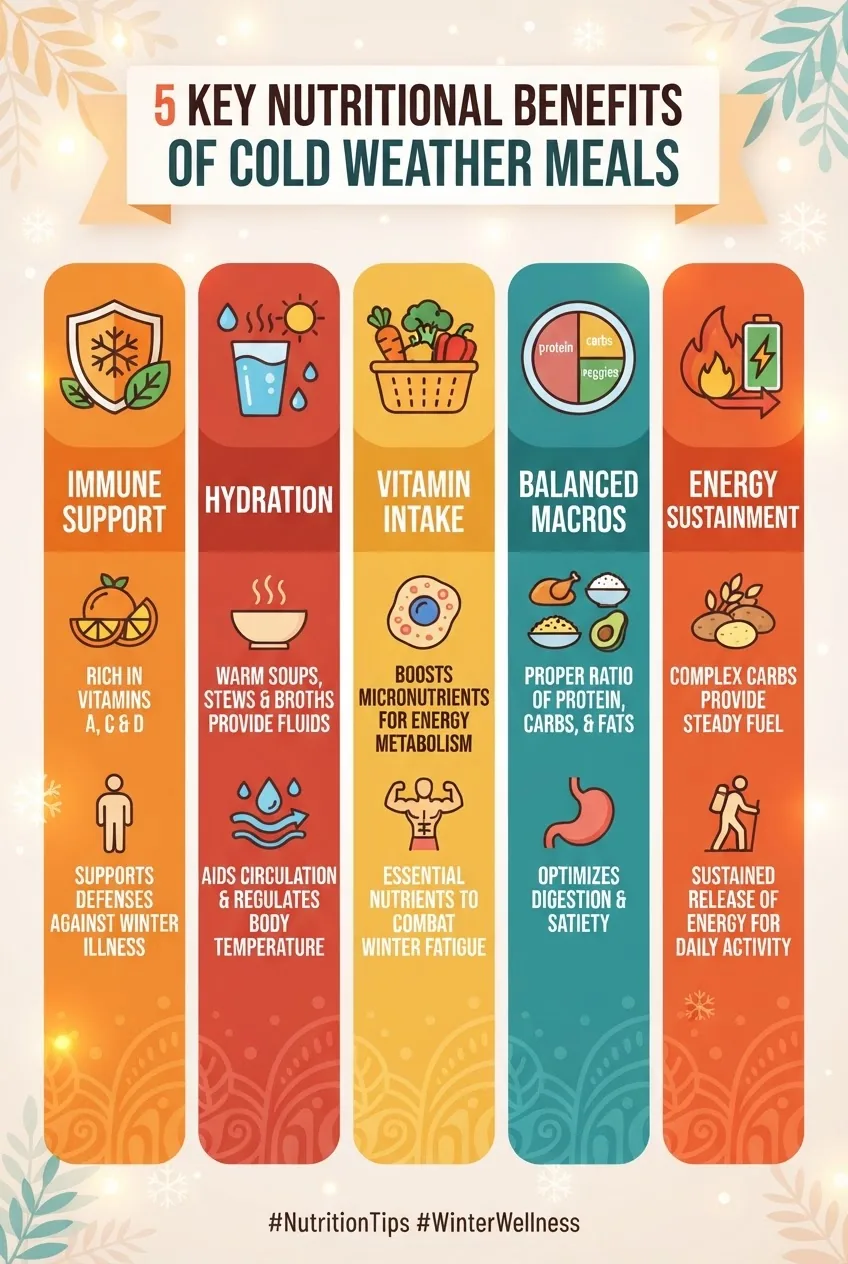
- Immune support through food: Nutrients like vitamin C, vitamin D, zinc, and protein support immune cell function. According to a 2023 review by the National Institutes of Health, consistent intake of vitamin C-rich foods (citrus, bell peppers) and adequate protein supports immune resilience (NIH review, 2023). For more on immune nutrition, see NIH.
- Hydration matters in winter: People often drink less water in cold weather; soups and broths can aid hydration. According to a 2024 USDA nutrition report, consuming hydrating foods contributes meaningfully to daily fluid intake (USDA, 2024).
- Balanced macros: Aim for a plate with ~40% complex carbs (whole grains, squash), 30% protein (lean meats, legumes), and 30% vegetables/fiber for satiety and steady blood sugar. For portion-controlled options, consider balanced 400 calorie meals on lighter evenings.
- Heart-healthy swaps: Use olive oil instead of butter, choose skinless poultry or legumes over fatty red meats, and keep sodium moderate by using low-sodium broth. The American Heart Association outlines swaps to lower sodium and saturated fat in comfort dishes (American Heart Association, 2024).
- Practical nutrient examples: One serving of the Hearty Vegetable Stew (2 cups) provides ~6–10 g fiber and 10–15 g protein if paired with 1/2 cup cooked lentils—helpful for blood sugar control and sustained warmth.
External resources referenced: USDA for produce seasonality and nutrient guidance, and American Heart Association for heart-healthy comfort food tips.
Transition: these nutritional principles enable swapping ingredients to accommodate allergies, preferences, and dietary patterns.
Tips for Adapting Cold Weather Meals to Dietary Restrictions and Preferences
Practical substitution rules and example swaps so each recipe fits vegetarian, gluten-free, diabetic-friendly, or low-calorie needs without losing comfort.
- Vegetarian swaps: Replace meat with 1.5 cups cooked lentils or 14 oz firm tofu per recipe. For two-person vegetarian dinners, see additional ideas in vegetarian cold weather dinners.
- Gluten-free adjustments: Swap barley or farro for quinoa, brown rice, or certified GF oats. Use GF tamari for soy sauce. Thicken soups with pureed beans instead of flour or wheat-based roux.
- Diabetic-friendly choices: Prioritize non-starchy vegetables and lean proteins, limit high-GI starches to 1/2 cup servings, and include 10–15 g fiber per meal to moderate blood glucose. See further low-glycemic swaps in our diabetic-friendly recipes (if available).
- Low-calorie comfort food: Lighten creamy soups by substituting part of the cream with pureed white beans (1/2 cup per 1 cup cream). For targeted calorie plans, consider affordable vegetarian winter meals when budgeting calories and cost.
- Allergy-aware tips: For nut allergies, omit seeded toppings; for soy allergies, use extra beans or shredded chicken; for dairy-free, sub coconut milk (light) at 1:1 ratio for creaminess but watch saturated fat levels.
Transition: now that you’ve adapted recipes, learn from common mistakes I and other cooks often encounter and how to avoid them.
Common mistakes and how to avoid them
I’ve over-salted stews early in cooking—now I salt in thirds and taste at the end. I once undercooked pearl barley when sautéing and forgot to lengthen simmer time; now I pre-cook grains where recipes demand it. I also used too much cream to mask thin flavor—today I use roasted squash puree for richness without excess calories.
Checklist: Verify your warm, healthy winter meals
- Flavor depth: browned protein or roasted vegetables present.
- Texture balance: at least one soft element (stewed veg) and one textural contrast (toasted seeds or crusty bread).
- Nutrient mix: protein present (20–30 g), fiber from veg/grain (6–12 g), healthy fat (1 tbsp olive oil or avocado).
- Meal timing: reheated to 165°F when using refrigerated leftovers.
- Storage: frozen portions labeled with date and reheating instructions.
When to call in a professional
If you’re managing complex dietary medical needs (e.g., stage 3 kidney disease, advanced diabetes requiring insulin adjustment, or severe food allergies) consult a registered dietitian or your healthcare provider before making major menu changes. For food safety inspections or large-volume canning/processing, hire a certified food safety professional.
Conclusion: You now have the tools to plan, prep, and cook a week of nourishing, comforting winter meals tuned for Texas availability and everyday life. Start with one batch-cook session: roast vegetables at 425°F for 30–35 minutes, cook grains, and assemble a slow-cooker dish. Try two recipes this week from the Top 10 list; freeze portions and iterate. Want more targeted plans or calorie-specific menus? Explore the linked guides above and test the one-week plan provided. Ready to warm your table?