healthy meals for 1 can be simple, nutritious, and budget-friendly when you plan with purpose. This guide gives step-by-step meal prep methods, portion control tips, grocery lists, storage and reheating practices, and diverse single-serving recipes so you can cook healthy meals for one with confidence.
Introduction to Healthy Meals for One
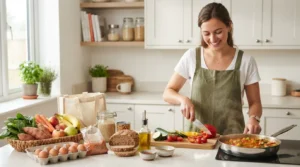
Cooking solo doesn’t mean sacrificing nutrition, flavor, or variety. Embracing a meal prep mindset turns solo cooking into a highly efficient, cost-effective routine. Whether you’re new to cooking for one or refining your approach, this guide focuses on practical strategies tailored to single-serving prep: planning, efficient shopping, balanced plate building, and smart storage so you waste less and eat better.
Think of solo meal prep as building a personalized toolbox: a few reliable recipes, a small set of kitchen tools, and a weekly plan that fits your schedule. Throughout this guide you’ll find actionable tips, an example weekly menu, a set of freezer-friendly tactics, and 5–7 quick single-serving recipe ideas that keep variety high and waste low.
Transition: Ready to understand why a dedicated approach to solo cooking is worth the effort? Read on.
Why Focus on Healthy Meals for One? Challenges and Benefits
Cooking for one presents unique challenges—and unique benefits. Understanding both helps you adopt habits that save time, money, and calories while increasing meal satisfaction.
- Common challenges: managing portion sizes, preventing spoilage, and avoiding flavor repetition.
- Key benefits: precise portion control, easier dietary customization, fewer compromises about meal timing, and often lower long-term food costs.
Practical advantages include convenience (fewer dishes, quicker cleanup) and better nutrition when you plan intentionally. Targeted meal prep eliminates the “what’s for dinner?” stress and reduces impulse takeout orders.
- Portion sizes: single-serving prep helps maintain calorie goals and prevents overeating by design.
- Food waste prevention: batching and freezing single portions means leftovers don’t spoil in the fridge.
- Convenience: prepped components make meals ready in minutes—ideal for busy schedules.
- Cost savings: buying staple items and planning meals reduces last-minute purchases and dining out.
- Nutritional balance: planning ensures each meal has protein, vegetables, whole grains, and healthy fats.
According to a 2024 USDA report, households that plan meals and use smart storage strategies report measurable reductions in food waste and weekly food spending—useful validation for the effort you’ll put in here. USDA
Transition: Now that you know why focusing on healthy single-serving meals pays off, let’s get into the specific strategies that make solo meal prep efficient and sustainable.
Essential Meal Prep Tips for One Person
-
Set a realistic prep schedule.
- Pick one or two weekly prep sessions (e.g., Sunday afternoon and midweek 20–30 minute refresh).
- Estimate total time: a 60–90 minute session can yield 4–7 single meals plus ingredients for quick dinners.
-
Plan with purpose: create a weekly template.
- Choose themes (e.g., Grain + Protein + Veg; Soup day; Salad jar day) to simplify decisions.
- Balance macros across the week rather than forcing each meal to be perfect.
-
Master portion control.
- Use the plate method: half non-starchy vegetables, one quarter lean protein, one quarter whole grains/starchy veg.
- Invest in a digital kitchen scale (small, accurate) and 1-cup measuring containers for consistent singles.
-
Batch smartly—not excessively.
- Batch components (grains, roasted vegetables, cooked proteins) rather than entire mixed dishes to retain variety and freshness.
- When batching a full dish, portion immediately into single-serve containers and cool quickly to preserve quality.
-
Choose freezer-friendly recipes and containers.
- Use shallow, airtight containers or vacuum-seal bags for long-term freezing.
- Label with content and date; rotate supply FIFO (first in, first out).
-
Use flexible recipes with interchangeable parts.
- Cook a neutral grain (quinoa, rice, barley) and pair with different sauces, proteins, and veg across the week.
- Prepare a couple of simple dressings or sauces to change flavors without extra cooking time.
-
Preserve nutrients with gentle cooking techniques.
- Steaming, roasting at moderate temps, and quick sautéing retain vitamins more than long, high-heat frying.
- Blanching vegetables before freezing helps preserve color, texture, and nutrients.
-
Plan for planned leftovers and “mix-and-match” nights.
- Keep at least two nights reserved for re-using components—e.g., roasted veg + grain + fresh greens as a bowl.
- Avoid daily repetition by rotating sauces, spices, and condiments.
-
Adopt time-saving cooking techniques.
- Use a sheet pan, one-pot, or Instant Pot recipes for minimal cleanup and fast bulk cooking.
- Cook proteins in bulk (bake several chicken breasts or roast tofu) and portion immediately.
-
Smart shopping and ingredient selection.
- Buy smaller packages of perishables when available (single avocados, smaller herb bunches) and supplement with frozen options to reduce spoilage.
- Choose multi-use ingredients (eggs, canned beans, frozen mixed veg) to increase flexibility.
-
Use storage to control portions and freshness.
- Keep ready-to-eat produce at eye level in fridge and pre-washed greens in breathable containers to encourage consumption.
- Freeze single servings of soups, stews, and casseroles; refrigerate quick-use items for 3–4 days maximum.
-
Track time and cost for continuous improvement.
- Record how long a prep session takes and approximate cost per meal to refine future plans. Example: a 90-minute Sunday prep might produce six dinners at $3–$4 per meal.
-
Use resources for targeted recipes.
- easy lunch meal prep ideas pair well with dinner-focused prep to cover a whole week.
- meals for one dinner tips are handy when planning dinner-specific batches.
Transition: With these prep fundamentals in place, you’ll be able to design a weekly menu that balances nutrition, flavor, and convenience.
How to Plan a Healthy Weekly Menu for One
Menu planning for one is about variety and balance, not rigidity. The objective: create a rotating plan that includes breakfasts, lunches, dinners, and snacks with diverse proteins, grains, and produce. Follow these steps to build a sustainable weekly menu.
- Start with goals. Define whether your focus is weight maintenance, muscle gain, budget-saving, or simply eating more vegetables. Goals will shape portion sizes and macro balance.
- Allocate meal types to days. Choose 2–3 heavier cook days and 2–3 lighter or no-cook days. Example structure: Sunday (batch cook proteins/grains), Wednesday (refresh session), two salad/sandwich/light nights, two reheated meals.
- Select core proteins and carbs. Pick 2–3 proteins (eggs, beans, chicken/tofu) and 1–2 grains (quinoa, brown rice). Rotate the pairings across the week.
- Plan vegetable variety. Aim for color variety each day—leafy greens, cruciferous veg, and a starchy veg across the week.
- Make a grocery list grouped by store section. This saves time and reduces impulse buys. Include frozen backups for any perishables.
- Estimate portions and servings. For one person, plan 3–5 single-serve dinners, 3–5 breakfasts, and 3–5 lunches/snacks. Use a scale or cup measures to portion during prep.
- Leave room for spontaneity. Allow two meals to be flexible—one for dining out or a spontaneous recipe and one for combining prepped components differently.
- Evaluate and refine each week. Note what you ate, what was wasted, and what felt repetitive—then adjust flavors and rotates accordingly.
Example single-serving weekly menu (simple, balanced, interchangeable):
| Day | Breakfast | Lunch | Dinner | Snack |
|---|---|---|---|---|
| Mon | Overnight oats + berries | Salad jar: greens, roasted veg, chickpeas | Sheet-pan salmon, quinoa, steamed broccoli | Greek yogurt + honey |
| Tue | Veggie omelet + toast | Leftover salmon bowl | Stir-fry tofu, brown rice, mixed peppers | Apple + almond butter |
| Wed | Smoothie (spinach, banana, protein) | Grain bowl: quinoa, beans, avocado | Hearty vegetable soup (single-serve) | Carrot sticks + hummus |
| Thu | Greek yogurt parfait | Leftover soup + side salad | Chicken breast (roasted), sweet potato, greens | Handful nuts |
| Fri | Avocado toast + boiled egg | Wrap with leftover chicken and greens | Vegetable pasta with tomato sauce | Dark chocolate square |
| Sat | Breakfast bowl (leftover grains + fruit) | Leftover pasta salad | Pan-seared fish, roasted veg | Fresh fruit |
| Sun | Shakshuka (single pan) | Market salad or takeout | Prep day: new batch (swap proteins/grains) | Trail mix |
Time and cost estimates (example): a 90-minute Sunday prep producing five dinners + snacks could cost $25–$35 in groceries and yield ~5 dinners at $3–$7 per meal, depending on protein choices. According to a 2024 industry report on household food spending, planned meal prep correlates with 10–20% weekly grocery savings. Academy of Nutrition and Dietetics
Transition: With a menu template and cost/time awareness, you can shop strategically. Next section covers grocery shopping and how to avoid spoilage and waste.
Grocery Shopping Guide for Healthy Meals for One
Smart shopping is the backbone of successful single-serving meal prep. Focus on buying the right quantities, choosing frozen options where practical, and keeping a stocked pantry of versatile staples.
Buying in bulk—when it makes sense
- Buy bulk dry goods (rice, oats, beans) for cost savings, but portion into small containers to prevent spoilage and ensure use.
- Bulk proteins can be frozen in single portions immediately after purchase.
Fresh vs frozen produce
- Frozen produce is nutrient-dense, affordable, and reduces waste. Freeze portions of berries, spinach, mixed veg, and stir-fry blends.
- Buy a small number of fresh, highly perishable items and use them early in the week; supplement with frozen items to maintain variety.
Pantry essentials for single-serve flexibility
- Whole grains: quinoa, brown rice, oats
- Canned goods: beans, tomatoes, tuna
- Healthy fats: olive oil, nut butters, olives
- Flavor enhancers: low-sodium soy sauce, vinegar, mustard, dried herbs, chili flakes
Avoiding spoilage
- Plan to use the most perishable items (leafy greens, herbs) within 3–4 days; buy smaller quantities if you can’t.
- Pre-wash and dry greens into containers with paper towels to extend shelf life.
Shopping checklist for one (printable)
- Proteins: eggs, canned beans, tofu, 1–2 portions fresh fish or chicken
- Grains: 1 small bag rice, 1 pack quinoa, oats
- Produce: 3–5 fresh items + 2–3 frozen items
- Dairy/alternatives: small tub Greek yogurt, milk or plant milk
- Pantry: canned tomatoes, olive oil, vinegar, spices
- Snacks: nuts, seeds, dark chocolate
Practical tip: Use a grocery app list grouped by store section and stick to it. Buying fewer impulse items reduces waste and helps maintain a budget-friendly approach to cooking healthy meals for one.
Transition: After shopping, proper batch cooking and freezing make single-serve meals last—next, learn best practices to preserve flavor and nutrition.
Batch Cooking and Freezing for One – Best Practices
Batch cooking for one is most effective when you portion and freeze immediately. This preserves quality, reduces waste, and makes healthy dinners and lunches available in minutes.
Freezer-friendly meal types
- Soups, stews, and chili—excellent for single serves and reheat well.
- Grain bowls with sauce on the side—freeze cooked grains separately when possible.
- Cooked proteins (chicken breast, roasted tofu, baked fish) can be frozen for 1–3 months depending on packaging.
Single-serving freezing workflow
- Cool cooked food quickly: transfer to shallow pans, then refrigerate before freezing to limit bacterial growth.
- Portion into single-serve containers (preferably BPA-free, freezer-safe glass or rigid plastic) or vacuum-seal bags.
- Label each package with contents and date; include reheating instructions if helpful.
Preservation of nutrients
Rapid cooling and freezing help preserve vitamins and minerals. Gentle reheating (steaming or microwave at medium power) reduces nutrient loss compared with long, high-heat reheating. According to a 2024 industry report on food safety and storage, proper cooling before freezing is a key factor in maintaining both safety and nutrient retention. USDA
Reheating tips
- Thaw overnight in fridge for even reheating or use microwave defrost function for immediate use.
- When reheating proteins, bring to at least 165°F (74°C) internal temp to ensure safety.
- Add a splash of water or broth when reheating rice or grains to restore moisture.
Packaging and storage timelines
- Fridge: 3–4 days for cooked meals and proteins.
- Freezer: 1–3 months for most cooked dishes (longer for pure grains/vegetables, shorter for seafood).
- Vacuum-sealed items can last longer and resist freezer burn; otherwise use heavy-duty freezer bags or rigid containers.
chicken meal prep ideas are useful if you prefer protein-centric batches—freeze in portions and rotate flavors using sauces.
Transition: With freezing and reheating under control, next are quick and easy recipes built for the single cook—simple to scale and packed with nutrition.
Quick and Easy Healthy Recipes for One
Below are 7 single-serving recipe ideas with brief descriptions, timing, and storage notes. These are designed for speed, minimal cleanup, and balanced nutrition—perfect for a solo cook.
yummiest healthy recipes are a great pillar resource if you want more options after trying these core ideas.
-
1. Sheet-Pan Salmon with Quinoa and Broccoli (30–35 minutes)
Roast a single salmon fillet with lemon and herbs on a sheet pan while cooking 1/2 cup quinoa. Steam or roast broccoli alongside. Portion into one container. Store: fridge 3 days; freeze salmon separately for up to 1 month.
-
2. One-Pan Shakshuka for One (20–25 minutes)
Simmer a single-serving tomato-pepper base, poach 2 eggs directly in the sauce. Serve with whole-grain toast. Easy to vary: add chickpeas for extra fiber. Store: best fresh; freeze sauce base in small bags.
-
3. Mediterranean Grain Bowl (25 minutes; make-ahead friendly)
Combine 1/2 cup cooked quinoa, 1/2 cup drained canned chickpeas, chopped cucumber, cherry tomatoes, olives, feta, and a lemon-olive oil dressing. Store components separately for max freshness. Keeps 3 days refrigerated.
-
4. Tofu Stir-Fry with Frozen Veg (20 minutes)
Pan-sear cubed tofu, toss with frozen stir-fry vegetable mix and a simple sauce (soy, rice vinegar, honey). Serve with 1/2 cup brown rice. This reheats well and freezes in single portions.
vegetarian dinner recipes for two can be scaled down for one person easily.
-
5. Single-Serve Lentil Soup (40 minutes prep; freezes well)
Simmer red lentils with carrots, celery, onion, garlic, and cumin for a hearty soup. Blend partially for creaminess if desired. Makes 2–3 single servings; freeze extra portions for quick lunches.
-
6. Fast Chicken & Veggie Skillet (25–30 minutes)
Sauté one chicken breast cut into strips with mixed vegetables and a tablespoon of pesto or tomato sauce. Serve over a small baked sweet potato or a cup of cooked rice.
healthy chicken breast recipes provide additional lean-protein solo options.
-
7. Greek Yogurt Parfait Jar (5 minutes)
Layer 1 cup Greek yogurt with 1/2 cup berries, 2 tbsp granola, and a drizzle of honey. Perfect for breakfast or a snack; keep granola separate to stay crisp.
-
Bonus: Comforting Solo Stew for Chilly Nights
Make a single-serving beef or vegetable stew in a small pot, which freezes well and heats quickly. For ideas, see comforting cold weather meals.
Transition: These recipes aim to reduce decision fatigue while keeping meals nutritious. Next, targeted dinner ideas for one will help you finish the day with a balanced meal.
Healthy Dinner Ideas for One Person
Dinner should be satisfying, balanced, and simple to prepare for a single portion. Aim for a lean protein, a fiber-rich vegetable, and a controlled portion of whole grains or starchy vegetables.
Practical single-serving dinner combinations:
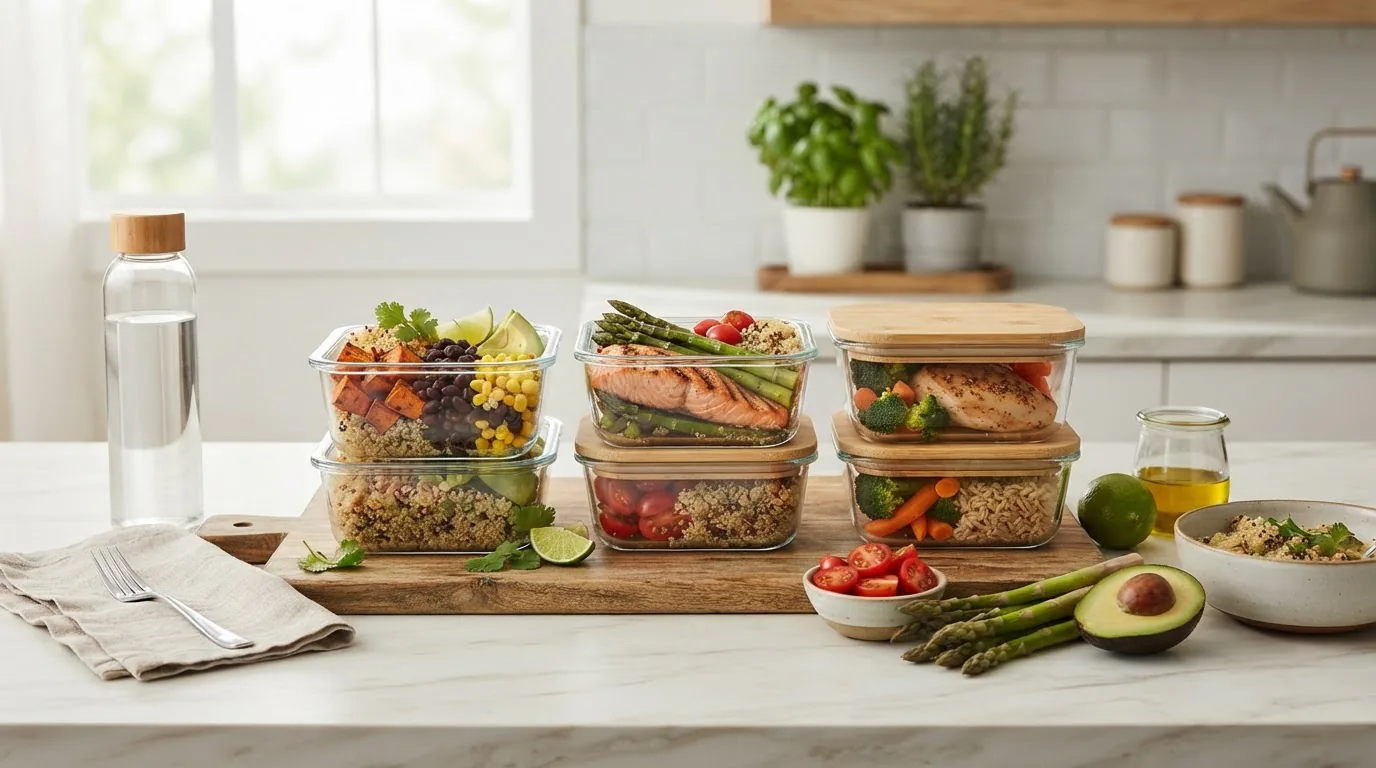
- Grilled salmon + roasted asparagus + quinoa
- Stir-fried shrimp + mixed vegetables + cauliflower rice
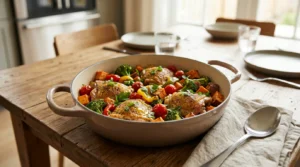
- Baked chicken breast + steamed green beans + small baked potato
- Tofu and vegetable curry + brown rice
- Large mixed salad + a boiled egg or can of tuna + whole-grain roll
For more single-serve chicken inspiration, see healthy chicken breast recipes and the high-protein guide at healthy chicken breast recipes.
If you want more general dinner approaches beyond single servings, check out practical healthy dinner ideas for adaptable strategies that scale to different household sizes.
Portion control tips for dinner:
- Use a 9–10” plate to make portions appear generous while controlling calories.
- Measure starches: 1/2 cup cooked grains or 1 small potato per meal unless higher needs are required.
- Load non-starchy vegetables to half the plate for volume and satiety.
Transition: Along the way, avoid common pitfalls many solo cooks encounter—here’s how.
Avoiding Common Mistakes When Cooking for One
- Avoid over-batching full dishes that you won’t enjoy later—batch components instead.
- Don’t ignore seasoning; repetitive bland meals demotivate meal prep—rotate herbs and sauces.
- Resist buying large quantities of perishable produce you won’t use—choose frozen or smaller portions.
- Don’t equate single servings with small plates only—ensure meals are nutritionally balanced, not just small.
- Avoid forgetting food safety—cool cooked food quickly and store properly to prevent spoilage.
- Compare cost/portion with cooking for two occasionally—use healthy dinner recipes for two to see when shared cooking or splitting costs makes sense.
Transition: Now that we’ve covered practical pitfalls, let’s review nutrition specifics to keep meals balanced and health-focused.
Nutritional Considerations for Healthy Eating for One
Planning healthy meals for one should cover macro balance, micronutrient adequacy, hydration, and meal variety. Below are guidelines to help you build nutritious single servings.
Macro balance
- Protein: aim for 20–30 g per main meal for most adults (adjust based on activity level), using lean sources like fish, poultry, legumes, eggs, or plant-based proteins.
- Carbohydrates: include whole grains or starchy vegetables—typically 1/2 to 1 cup cooked depending on energy needs.
- Fats: include a source of healthy fat like 1 tbsp olive oil, a quarter avocado, or 1 oz nuts to support satiety and nutrient absorption.
Micronutrients
Rotate colorful fruits and vegetables to cover vitamins and minerals. Including at least one dark green vegetable and one orange vegetable across the week supports vitamin A, C, K, and folate intake. According to a 2024 USDA dietary guidance update, following a plate-focused approach (vegetables, protein, grains) helps meet micronutrient goals. USDA
Hydration
Maintain adequate fluids—aim for ~8 cups of fluids daily as a baseline, more if active. Hydration supports digestion and satiety; sometimes thirst is mistaken for hunger.
Supplements and special needs
Single-serve planning can’t replace personalized medical advice. For individualized micronutrient needs or medical conditions, consult a registered dietitian. The Academy of Nutrition and Dietetics recommends working with professionals when making major diet changes.
Practical stats and tips
- Meal frequency: 3 main meals with 1–2 snacks suits many people; adjust by appetite and lifestyle.
- Calorie estimation: average adult dinner portion often ranges 400–700 calories; use guides like a 500-calorie dinner template when monitoring intake. See related guides for 400–600 calorie meals in the sibling resources listed earlier.
Transition: The right tools make implementing these nutritional guidelines far easier—here are recommended gadgets and containers for solo cooks.
Tools and Gadgets to Make Cooking for One Easier
- Digital kitchen scale — accurate portion control for grains and proteins.
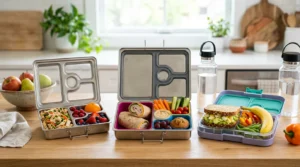
- Set of glass meal prep containers — several 2-cup and 4-cup sizes for single servings; glass is microwave-safe and long-lasting.
- Vacuum sealer or heavy-duty freezer bags — extend freezer life and reduce freezer burn.
- Small slow cooker or Instant Pot — make single-serving soups and stews without too much energy use.
- Nonstick sheet pan and roasting rack — sheet-pan meals are ideal for one-pan cleanups.
- Immersion blender — quick for single-serve soups and smoothies without transferring liquids.
- Silicone lids and reusable food wraps — reduce single-use plastic and keep prepped food fresh.
- Microwave-safe steam containers — convenient for reheating single portions while preserving moisture.
Transition: With these tools and strategies, you’re set to build sustainable solo-cooking habits. Here’s a concise wrap-up to keep you motivated.
Conclusion – Embrace Healthy Cooking for One with Confidence
Cooking healthy meals for one is an empowering, manageable habit when you plan thoughtfully. Prioritize batch-cooking smart components, practice portion control, use freezer strategies to reduce waste, and rotate flavors to avoid boredom. Track time and cost, and refine your weekly menu as you learn what works best for your tastes and schedule.
Remember: consult a registered dietitian for personalized plans, and use reputable guidance like the American Heart Association and USDA when aligning meal plans to health goals. With a few reliable recipes and the right tools, solo meal prep becomes a sustainable, satisfying routine—start with one prep session and build your personalized toolbox from there. Ready to try your first week? Plan one prep day, select three go-to recipes, and keep a short grocery list—small steps lead to consistent healthy eating for one.
Frequently Asked Questions
What are healthy meals for one?
Healthy meals for one are balanced single-serving dishes combining lean protein, vegetables, and whole grains or starchy vegetables. They prioritize portion control, nutrient density, and minimal waste, often prepared as components to mix and match across the week for variety and convenience.
How do healthy meals for one differ from meals for multiple people?
Meals for one emphasize single-serving portions, faster prep, and storage tactics to avoid spoilage, while larger meals prioritize scaling and shared portions. Single-serve planning focuses on component batching and freezing to maintain freshness and reduce food waste.
What are some quick and healthy recipes for one person?
Quick healthy recipes for one include sheet-pan salmon with quinoa, one-pan shakshuka, Mediterranean grain bowls, tofu stir-fry with frozen vegetables, and single-serve lentil soup—each designed for 20–40 minutes and easy reheating or freezing.
How can I meal prep effectively when cooking for just one?
Meal prep effectively by batching components (grains, proteins, roasted veg), portioning immediately into single-serve containers, using freezer-friendly packaging, labeling with dates, and scheduling one or two weekly prep sessions to maintain freshness and variety.
How much does it cost on average to cook healthy meals for one person weekly?
Costs vary by region and ingredient choices, but a focused weekly plan with bulk grains and a few fresh proteins typically ranges $25–$60, equivalent to about $3–$8 per prepared meal. Planned shopping and frozen options reduce per-meal costs.
How do I avoid food waste when cooking meals for one?
Avoid waste by buying smaller produce quantities, freezing single portions, batching components not full dishes, rotating sauces for variety, and using FIFO labeling. Frozen backups and portioned meals prevent spoilage and last-minute takeout.
Are frozen meals healthy options for single servings?
Yes—frozen meals can be nutritious when made from whole ingredients, frozen soon after cooking, and reheated properly. Choose low-sodium options or make your own single-serve frozen meals to control quality and nutrients.
What kitchen tools help make cooking healthy meals for one easier?
Helpful tools include a digital kitchen scale, glass single-serve containers, vacuum sealer or heavy-duty freezer bags, a small slow cooker or Instant Pot, a quality sheet pan, and a set of measuring cups to standardize portions and simplify prep.