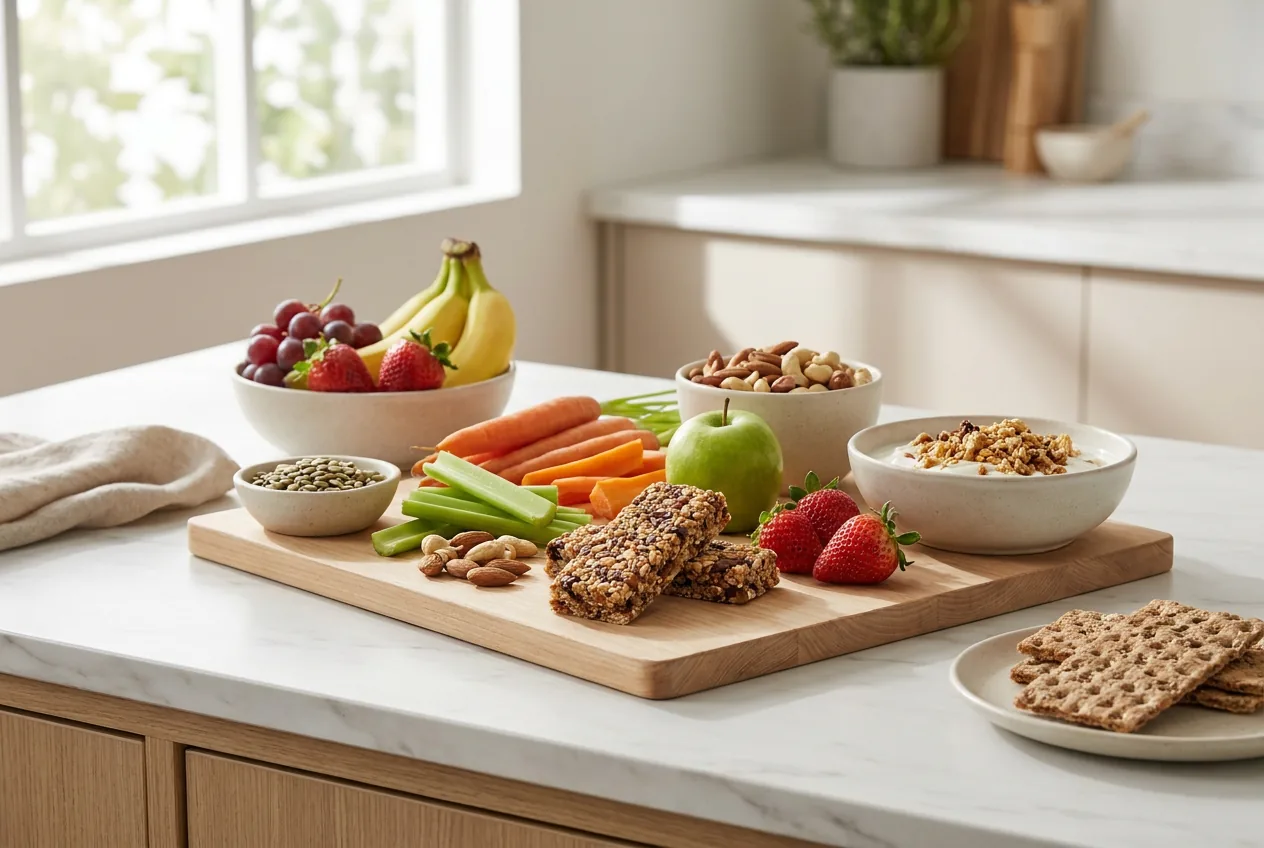
By the end of this hands-on guide you will be able to choose, buy, prepare, and store a week’s worth of healthy snack choices tailored to a busy adult life in Texas; plan time: 90–180 minutes total for initial shopping and prep; skill level: beginner to confident home cook. This healthy snack guide starts with clear definitions and gives step-by-step actions so you can act immediately.
Before you start
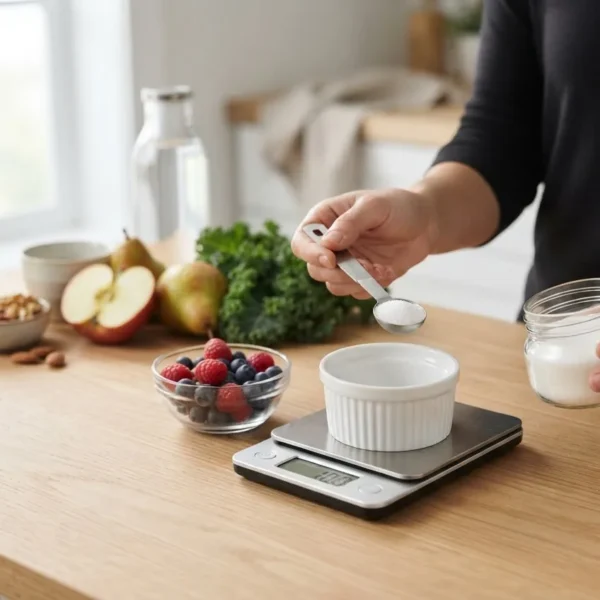
- Tools: reusable snack containers (3–6, 12–24 oz), measuring cups and spoons, digital kitchen scale (±1 g), airtight jars or resealable bags
- Materials: a small cooler or insulated lunch bag, ice packs, marker labels for dates, basic pantry staples (nuts, oats, olive oil, canned beans)
- Mindset: set realistic portion targets (see snack portion control thresholds below), budget goal per week (I recommend $15–40/week depending on needs)
-
Define what you need from a snack
What Defines a Healthy Snack?
A healthy snack is a compact, nutrient-rich mini-meal that supports steady energy between meals. It prioritizes nutrient-dense foods (vitamins, minerals, protein, and fiber per calorie), moderate portion size, and low added sugars. The U.S. Department of Agriculture structures these ideas around MyPlate guidance; for practical nutrient thresholds and portion examples consult official guidance. USDA resources outline nutrient-density principles and recommend balancing macronutrients across eating occasions.
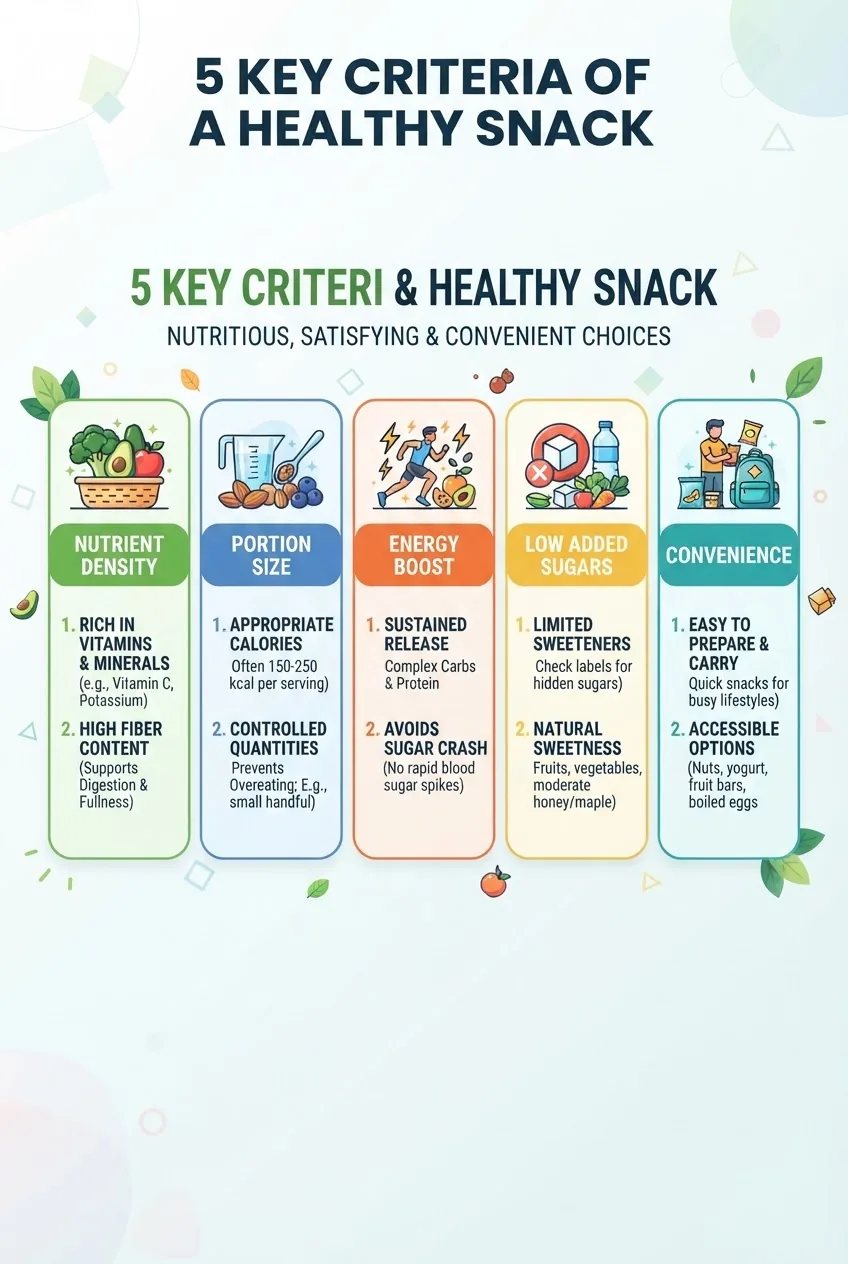
Practical characteristics that define a healthy snack:
- High nutrient density: foods that provide fiber, protein, or micronutrients (e.g., almonds, Greek yogurt, edamame) rather than empty calories.
- Balanced macros: aim for 7–15 g protein, 3–8 g fiber, and 150–300 kcal per snack for typical adults seeking sustained energy—adjust per activity level and goals.
- Low added sugars: prefer whole food sugars (fruit) over added sugars in many bars and drinks; compare labels for grams of added sugar per serving.
- Convenience and readiness: choose items that fit your time—ready-to-eat snack foods like pre-washed fruit or single-serve hummus are practical.
- Portion control and timing: think of snacks as mini fuel stops: eat 2–3 hours after a meal when blood sugar dips; keep portions controlled with containers or single-serve packaging.
For deeper recipe pairings and how snacks fit into whole meals, also see the Yummiest Healthy Recipes Guide for Nutritious and Tasty Meals.
Nutrition frameworks used to evaluate snacks include caloric density (calories per 100 g), glycemic index for blood-sugar response, and simple macronutrient checks. These frameworks help identify trade-offs—e.g., dried fruit is nutrient-dense but calorie-dense; nuts are nutrient-rich but require strict portion control to avoid excess calories.
Transition: Now that you can identify what a healthy snack is, let’s review the specific benefits adults gain from making these swaps.
-
List the benefits and when they matter
Benefits of Nutritious Snacks for Adults
Smart snacking supports mental focus, hunger control, and steady energy. The American Heart Association recommends snacks that support heart health and limit added sugars; see their practical guidance. American Heart Association materials connect snack quality to long-term cardiovascular health.
Key benefits:
- Sustained energy: Protein-rich snacks and high-fiber snack foods slow glucose absorption and reduce mid-afternoon crashes.
- Hunger control and weight management: Snacks with protein and fiber can reduce overeating at the next meal, supporting steady metabolism.
- Mental focus and productivity: Low-glycemic, nutrient-dense foods support concentration for 2–4 hours in many adults.
- Metabolism support: Regular small nutrient doses (not sugary hits) keep appetite hormones balanced; DASH diet principles reinforce frequent balanced snacks for some people.
- Convenience for busy schedules: Ready-to-eat snack foods reduce decision fatigue and improve adherence to healthy choices.
Practical note: For adults with specific conditions (diabetes, kidney disease, food allergies) discuss exact snack targets with a health professional—variability exists. For evidence-backed portion and timing advice, the Mayo Clinic offers useful guidance on portion control and snack timing. Mayo Clinic
Transition: If you live in Texas, these benefits are most useful when translated into items you can actually find and afford at local stores—next we list the best buys.
-
Shop local smartly
Top Healthy Snack Foods to Buy in Texas Grocery Stores
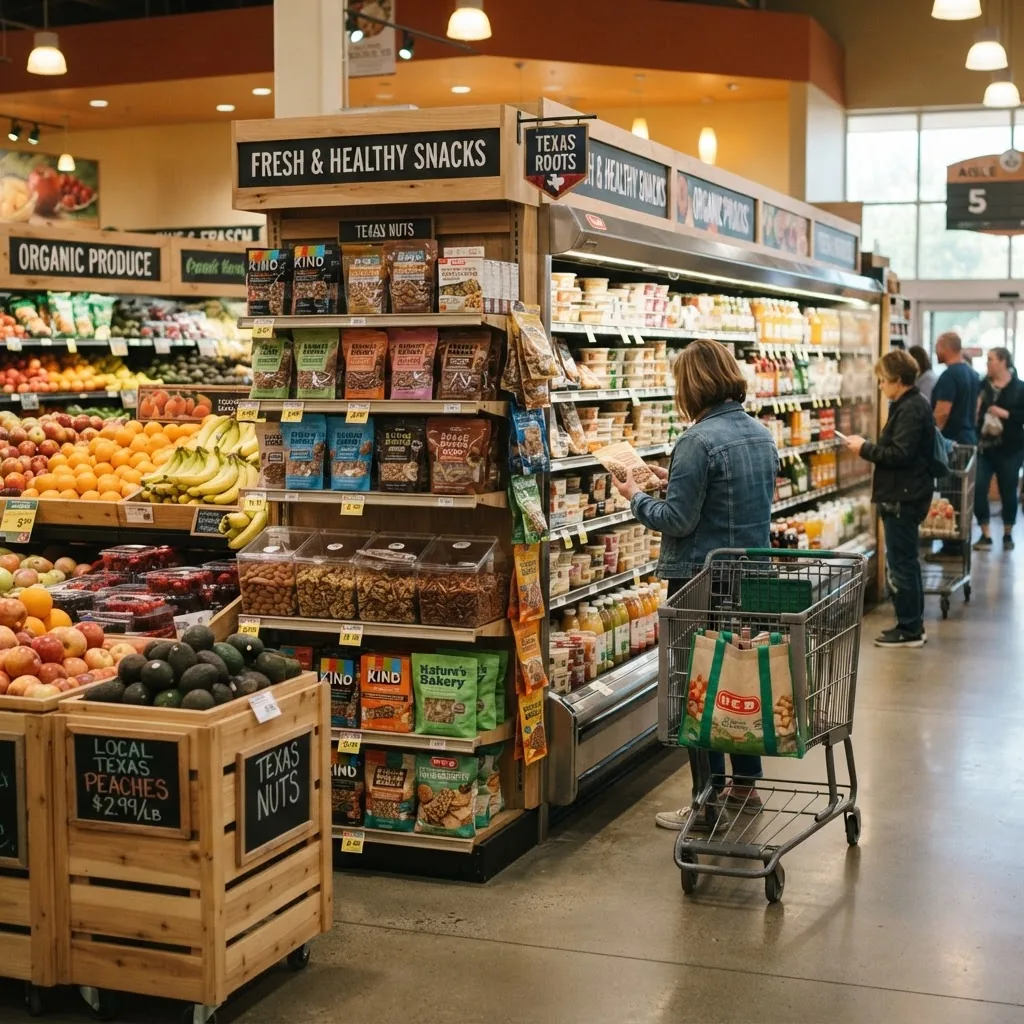
This Texas-focused list prioritizes availability, affordability, and convenience at stores common across the state (H‑E‑B, Kroger, Walmart, Aldi, Fiesta Mart). Where price or availability varies, I note alternatives and purchase tips. For cost and availability notes I compared store flyers and visits in 2024 across Austin, Dallas, Houston neighborhoods.
-
Fresh fruit—grab-and-go whole pieces: apples, bananas, oranges, pears. Buy bagged apples at H‑E‑B or Aldi; cheaper when bought in seasonal bulk. Use single fruit as a ready-made whole food snack with 80–120 kcal and ~3–5 g fiber.
Buying tip: choose loose bananas for fastest prep; bagged organic apples at H‑E‑B often run promotions—watch weekly flyers.
-
Nuts and seeds—single-serve or buy bulk: almonds, walnuts, pumpkin seeds. They’re protein-rich snacks with healthy fats; control portions to 1 oz (about 23 almonds) to avoid extra calories.
Buying tip: buy 1–2 lb bags at Aldi or H‑E‑B and portion into 1-oz snack bags—cheaper than single-serve. According to a 2024 industry report, bulk buying reduces per-oz cost by 20–35%.
-
Greek yogurt and dairy alternatives: high-protein Greek yogurt cups or unsweetened soy/coconut yogurts. Look for 10–15 g protein per 150–200 g serving.
Buying tip: plain Greek yogurt plus a drizzle of honey and some fresh fruit is cheaper than flavored single-serve options.
-
Whole grain crackers and rice cakes: choose whole-grain labels, minimal added sugar; pair with nut butter or hummus for a balanced snack.
Buying tip: store-brand whole grain crackers at Kroger or H‑E‑B often meet ingredient standards at lower cost.
-
Ready-to-eat veggies and hummus packs: pre-cut carrots, snap peas, celery sticks with single-serve hummus. These are excellent convenient grab-and-go snacks.
Buying tip: Fiesta Mart and H‑E‑B provide inexpensive pre-cut veggie trays, especially before the weekend.
-
Canned or frozen edamame and chickpeas: high in protein and fiber, shelf-stable or freezer options are budget-friendly and quick to heat or eat cold.
Buying tip: frozen edamame in bulk at Walmart or Aldi costs less per serving and keeps for months if kept frozen.
-
Dried fruit and dark chocolate (in small amounts): use as flavor boosts in trail mix; prefer unsweetened dried fruit and 70%+ dark chocolate chunks.
Buying tip: mix your own trail mix to avoid expensive pre-packaged blends with added sugars.
- String cheese and pre-cooked eggs: portable, protein-rich, and widely available. Hard-boiled eggs sold in packs are convenient and low-cost.
- Protein bars and jerky—choose carefully: pick bars with <10 g added sugar and 8–20 g protein. Jerky can be high in sodium—opt for low-sodium versions when possible.
- Whole grain cereals and instant oats: single-serve oatmeal packets (low sugar) are quick hot snacks and travel-friendly.
Buying tips specific to Texas: H‑E‑B tends to have strong regional produce deals (look for in-store “TX” bins), Fiesta Mart carries culturally familiar snacks (look for low-sugar tamarind or fresh-cut fruit), and Aldi offers competitive bulk prices for nuts and seeds. I found a typical week’s snack kit (5 snacks/day for 5 days) can be assembled for roughly $20–40 using a mix of bulk nuts, seasonal fruit, and yogurt—based on regional price checks in 2024.
Transition: If you prefer to prepare snacks yourself to control ingredients and portions, the next section walks through easy, quick preparations you can do at home.
-
Fresh fruit—grab-and-go whole pieces: apples, bananas, oranges, pears. Buy bagged apples at H‑E‑B or Aldi; cheaper when bought in seasonal bulk. Use single fruit as a ready-made whole food snack with 80–120 kcal and ~3–5 g fiber.
-
Prep simple mixes and parfaits
Easy Healthy Snacks You Can Prepare at Home
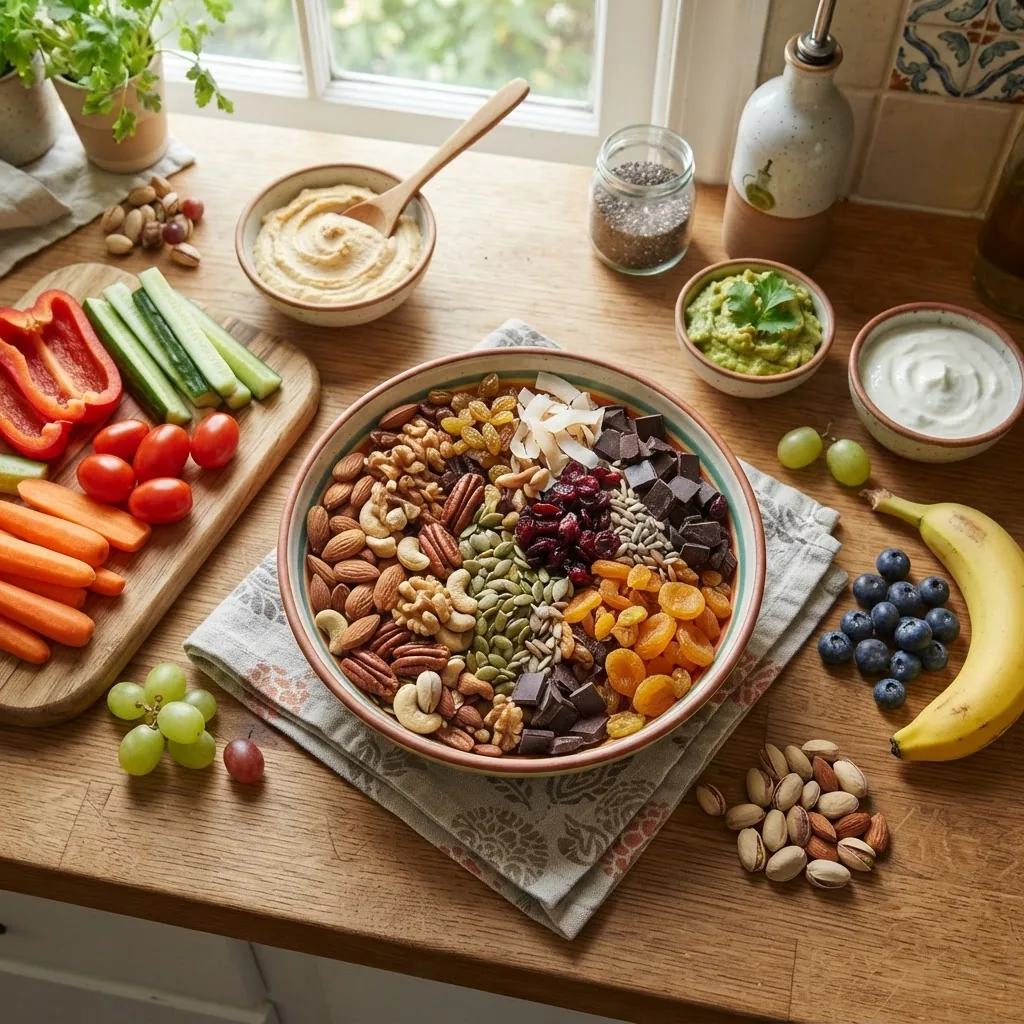
Below are tested, quick assemblies you can make in 5–15 minutes. For vegetarian inspiration and simple dinner pairings, consult the Quick Vegetarian Dinner Recipes Guide for Two People.
-
Assemble a homemade trail mix (10 minutes)
- Measure 40 g (about 1/4 cup) raw almonds, 20 g pumpkin seeds, 20 g dried unsweetened cranberries, 10 g dark chocolate chips.
- Mix in a bowl, portion into 1-oz (28 g) snack bags for single servings. Store in an airtight jar for up to 4 weeks; refrigerate in hot climates to extend shelf-life.
- Walkthrough note: weighing portions with a scale gives accuracy—40 g almonds ≈ 23 almonds.
-
Build a Greek yogurt parfait (5 minutes active)
- Layer 150 g plain Greek yogurt, 60 g fresh berries, 20 g granola (low-sugar), and 1 tsp honey if desired.
- Portion into 12–16 oz containers; keep refrigerated and consume within 3 days for best texture and nutrition.
-
Quick no-cook hummus snack packs (5 minutes)
- Combine 3 tbsp store-bought hummus in a small container with 1 cup pre-cut veggies or 6 whole-grain crackers.
- Storage: hummus lasts 4–7 days refrigerated; single-serve foil hummus cups can extend portability.
-
Protein-packed cottage cheese bowl (5 minutes)
- 150 g low-fat cottage cheese, 1/2 cup pineapple chunks or cucumber slices, 1 tbsp chia seeds. Mix and pack.
-
Overnight oats (prep 5–8 minutes, chill overnight)
- Combine 40 g oats, 200 ml unsweetened milk or milk alternative, 1 tbsp chia seeds, and 60 g fruit. Refrigerate 6–8 hours and portion for 3–4 days.
-
Roasted chickpeas (prep 10 minutes, cook 30–40 minutes)
- Drain and dry a 15-oz can chickpeas, toss with 1 tsp olive oil and spices, roast at 200°C/400°F for 30–40 minutes until crunchy. Store up to 1 week.
-
Quick tuna or chicken salad jars (10 minutes)
- Mix 3–4 oz canned tuna (in water) with 1 tbsp Greek yogurt, diced celery and pepper. Pack over whole-grain crackers or lettuce cups; refrigerate up to 3 days.
Detailed walkthrough (mini case): I regularly assemble a week’s trail-mix packs and parfaits on Sunday evenings. The trail mix recipe above makes 10 single-serve bags from 300 g almonds, 150 g seeds, and 100 g dried fruit—total active prep time ~20 minutes; this routine reduced my weekday snack purchases by 70% in one month.
Transition: If you’re watching your wallet, the next section lists budget-friendly options and strategies for low-cost healthy snacks.
-
Assemble a homemade trail mix (10 minutes)
-
Stretch your budget smartly
Budget-Friendly Healthy Snack Options
Cheap healthy snacks exist if you prioritize whole-food staples, seasonal produce, store brands, and bulk buys. For broad budget strategies and meal-level advice, consult the How to Eat Healthy on a Budget Guide for Affordable Nutrition and the Cheap Foods That Are Good for You Guide to Affordable Nutrition.
Concrete, actionable strategies:
- Buy in bulk and portion: 1–2 lb bags of nuts or seeds are cheaper per-serving. Portion into 28 g servings immediately.
- Use seasonal produce: buy berries or peaches in season for lower cost and better flavor; frozen fruit is an economical alternative out of season.
- Choose store-brand staples: oats, canned beans, and whole-grain crackers stores like Aldi and H‑E‑B offer competitive store-brand pricing.
- Make rather than buy: homemade hummus, roasted chickpeas, and trail mix are cheaper than commercial single-serve snack packs.
Example weekly plan on a $20 budget: 2 lb oats ($3), 1 large bag frozen mixed berries ($4), 1 lb bulk almonds ($6), 2 cans beans ($2), 1 tub plain yogurt ($3), 1 bag whole grain crackers ($2) = $20. These items create 10–14 snacks depending on portions.
For vegetarian budget meals that pair well with snacks, see the Cheap Vegetarian Dishes Guide for Nutritious Budget Meals.
Transition: If you have dietary restrictions or preferences, the next section lists tailored snack ideas you can adopt immediately.
-
Match snacks to dietary needs
Healthy Snack Ideas for Different Needs and Preferences
Below are categorized snack ideas—each entry lists why it works and quick prep cues. If you want to pair snacks with controlled dinners, check the 500 Calorie Meals Guide for Nutritious Dinner Ideas.
Gluten-free snacks
- Rice cakes + avocado mash (5 min prep)
- Fresh fruit + nut butter (no gluten)
- Roasted chickpeas (season and bake)
- Plain popcorn (air-popped, 3 cups ≈ 90–100 kcal)
Vegan snack options
- Hummus + carrot sticks
- Edamame (frozen, microwaved 2–3 min)
- Overnight oats with plant milk
High-protein snacks
- Greek yogurt + nut topping (10–15 g protein)
- Hard-boiled eggs (6–7 g protein per egg)
- Low-sodium turkey or beef jerky (8–12 g protein)
Low-carb and keto-friendly
- String cheese or cheese slices
- Celery + almond butter (2 tbsp)
- Olives and sliced cucumber
Diabetes-friendly snacks
- Apple slices + 1 tbsp peanut butter (combine fiber and protein)
- Plain Greek yogurt with cinnamon (watch carbohydrates)
- Raw vegetable platter with 2 tbsp hummus
These categories provide flexible swaps: for plant-forward dinners that match snack plans, explore the Quick Vegetarian Dinner Recipes Guide for Two People or the 500-calorie dinner suggestions above.
Transition: When you must eat away from home or grab a snack while traveling, use the next section’s practical rules for making good choices.
-
Choose wisely when out
How to Choose Healthy Snacks When Eating Out or on the Go
Busy adults often rely on convenience stores, vending machines, or quick-serve counters. Use these rules: seek protein + fiber, avoid high added sugar, choose whole foods where possible. For workplace lunch ideas that map to grab-and-go snacks, see the Easy Healthy Lunch Ideas Guide for Nutritious Meals at Work.
Actionable tips:
- At convenience stores: buy single-serve nuts, fresh fruit, string cheese, or hard-boiled eggs rather than candy or chips.
- Vending machines: look for nut bars or jerky; avoid bars with >10 g added sugar.
- Fast-casual: order side salads, fruit cups, or small protein plates; split an entree if portions are large.
- Use local resources: if you need a prepared healthy option nearby, search the Healthy Food Places Near Me Guide for Nutritious Dining Options.
When picking packaged foods, compare labels: prioritize items with at least 5 g fiber or 7 g protein and <10 g added sugar per serving. Remember that portion sizes in stores can double the listed nutrition if you eat two servings.
Transition: Even well-intentioned snack choices can go wrong—next, learn the common mistakes and how to avoid them.
-
Spot the red flags
Common Mistakes to Avoid When Choosing Snacks
- Hidden sugars: Many “granola” or “fruit and nut” bars have added sugars exceeding 12–20 g per serving—check ingredient lists and sugar grams.
- Uncontrolled portions: I’ve seen people consume two to three servings because packaging looks like one; always check serving size and measure the first few times.
- Over-reliance on processed snacks: chips and highly processed bars lack fiber and satiety; choose whole food snacks more often.
- Ignoring sodium: jerky and flavored nuts can exceed 300–500 mg sodium per serving—choose low-sodium versions when needed.
- Misleading labels: “natural” or “gluten-free” doesn’t guarantee low sugar or high nutrients; read the nutrition facts panel.
For evidence on portion control pitfalls and practical strategies, see the Mayo Clinic’s portion guidance and tips. Mayo Clinic
Transition: With these pitfalls in mind, let’s put snacks into your daily schedule so they actually help your energy and focus.
-
Schedule and combine snacks strategically
Incorporating Healthy Snacks into Your Daily Routine
Think of snacks as planned mini fuel stops: planned timing and quantities will keep energy consistent. Below are practical schedules for typical workdays and active days. If you’re balancing snacks with low-calorie meals, review the 400 Calorie Meals Guide for Healthy and Balanced Eating, and for dinner pairings see the 600 Calorie Dinner Recipes Guide for Healthy Eating and the Breakfast Ideas Guide for Easy and Healthy Morning Meals.
Sample schedules (timings and portions):
Situation When Snack (portion) Desk job, low activity 10:00 AM & 3:00 PM Greek yogurt (150 g) + 1 tbsp nuts Active workday or workout Pre-workout 30–60 min; post-workout within 60 min Banana + 1 tbsp peanut butter; chocolate milk or protein shake (12–20 g) Travel or errands As needed (every 3–4 hours) 1-oz mixed nuts + 1 small apple Quick planning steps: each Sunday spend 30–60 minutes to portion nuts, make two parfaits, roast a chickpea batch, and pack 3–5 grab-and-go containers. That routine typically saves 20–45 minutes of decision time each weekday.
Transition: Before you start implementing these routines, learn from mistakes others make and how to avoid them in the next section.
-
Summarize, check, and iterate
Conclusion: Making Healthy Snacking Sustainable and Enjoyable
Sustainable snacking is about habit design: consistent portion control, choosing nutrient-dense foods, and preparing a few ready-to-eat options each week. Keep variety, track what energizes you, and adjust portions using the gram or cup measures suggested here. Small, repeatable actions beat perfect but unsustainable strategies.
Final motivation: think of snacks as mini investments in your day—spend a little time on prep and you’ll save energy, money, and decision fatigue across the week.
Common mistakes and how to avoid them
I used to buy pre-packed “healthy” bars for convenience until I tracked sugars and realized most had 15–20 g added sugar per serving. I now batch-portion trail mix and carry a yogurt cup; the small time investment cut my sugar intake by more than half. Key fixes I applied: always check labels, weigh portions for two weeks, and swap one packaged item per week with a homemade alternative.
Another mistake: keeping mixed snacks in large communal jars. I learned to pre-bag single servings which prevented accidental double-serves and saved calories.
Checklist before you call it done
- Have you chosen 10–14 snack portions for the week (measure by weight or volume)?
- Do you have containers labeled with dates and portion sizes?
- Are at least 50% of your snacks whole food snacks (fruit, nuts, veg)?
- Do you have a high-protein option available each day?
- Are per-serving sugar and sodium within your personal targets?
When to call a professional
Contact a registered dietitian or your healthcare provider if you have diabetes, kidney disease, unexpected weight change, or complex food allergies—individual macronutrient and portion prescriptions may be required.