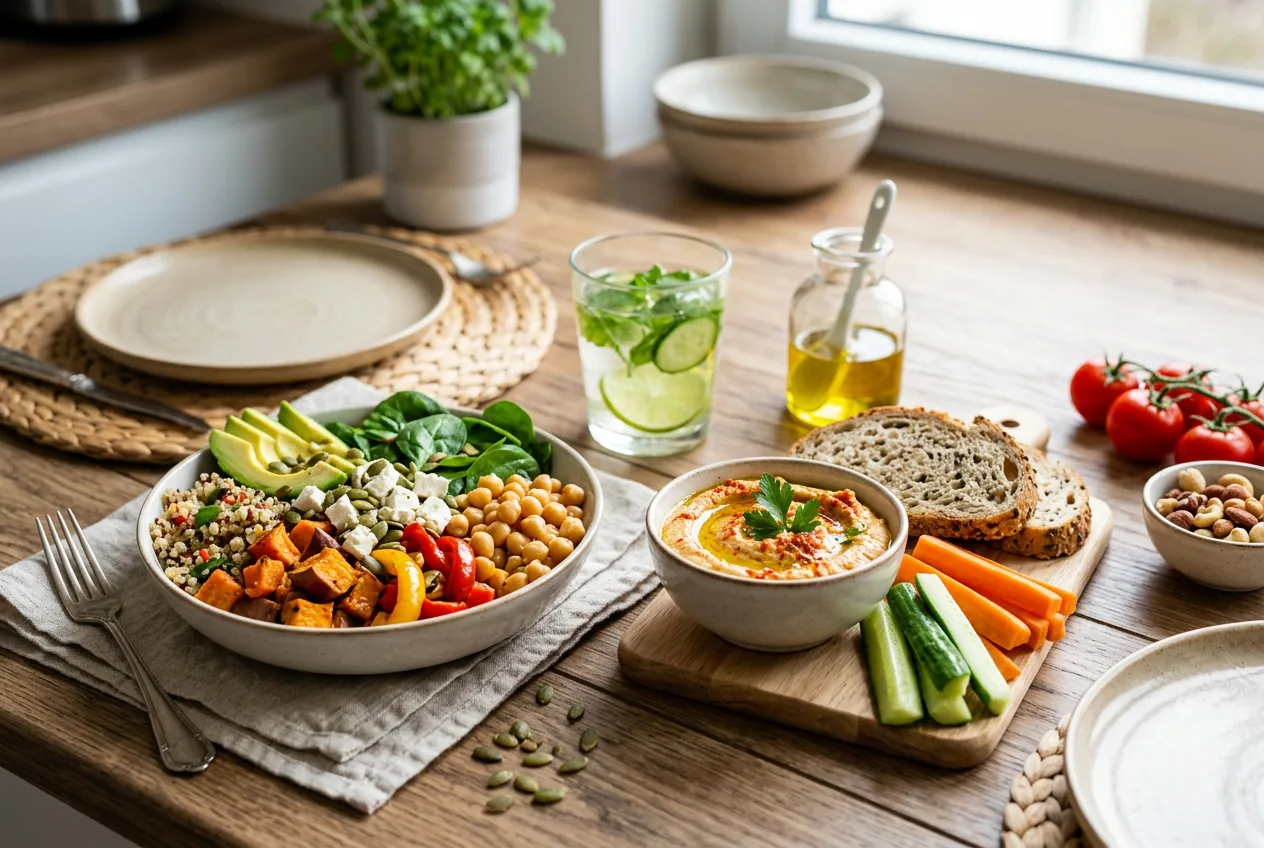
Vegetarian lunch ideas you can cook, pack and eat all week: by the end you’ll have a five-day lunch plan, three make-ahead recipes and the skills to balance protein, fats and carbs for steady afternoon energy. Time investment: two 60–90 minute prep sessions; skill level: beginner to confident home cook.
Before you start
- Meal containers (4–6 airtight bento boxes, 24–32 oz capacity)
- Reusable produce bags and a sharp chef’s knife
- Large sauté pan, medium saucepan, baking sheet, mixing bowls
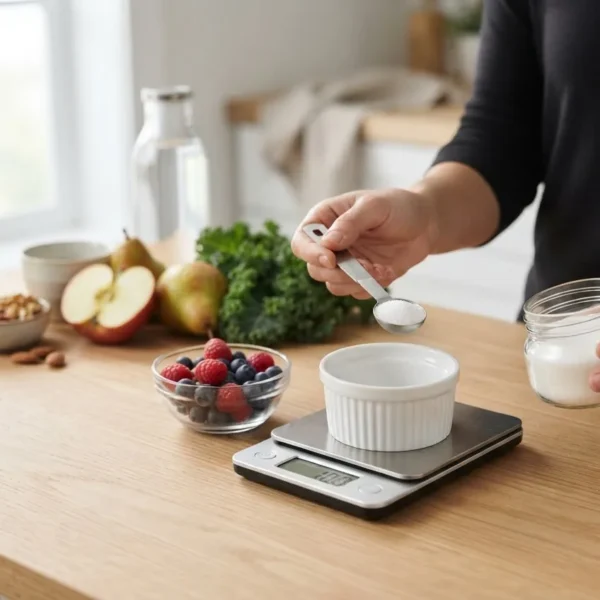
- Scale or measuring cups, food thermometer, and a small cooler for commutes
- Staples: extra-firm tofu, tempeh, canned beans (black, chickpea), quinoa, brown rice, whole-wheat wraps, nuts/seeds, olive oil, apple cider vinegar
Why Choose Vegetarian Lunches? Health and Nutritional Benefits
Choosing a vegetarian mid-day meal supports sustained energy, digestive health and nutrient density when planned well. Vegetarian lunches tend to focus on whole plant foods—grains, legumes, vegetables, fruits and nuts—that deliver fiber-rich meals and micronutrients while lowering saturated fat intake. A midday meal centered on plants can improve cardiovascular health markers and help with sensible weight management when portion size and macronutrient balance are respected.
According to a 2023 USDA report on dietary patterns, increasing plant-based meals can boost fiber intake and reduce dietary saturated fat levels, which supports heart health over time. Pair that guidance with practical, tasty recipes and midday meals become both nourishing and enjoyable. For a broader variety of nutritious dishes, check our collection of healthy and tasty meal recipes.
If you’re building an all-day healthy routine, combine smart lunch choices with good mornings: review our healthy breakfast ideas to sustain energy from breakfast through lunch.
Vegetarian lunches are not automatically healthier than meat-based options—balance matters. I approach mid-day nutrition by prioritizing fiber, plant-based protein and healthy fats to stabilize blood sugar and support cognition for afternoon work or activity.
Transition: next we’ll outline the essential nutrients you should include in every vegetarian lunch and show simple food swaps to meet them reliably.
Essential Nutrients to Include in Vegetarian Lunches
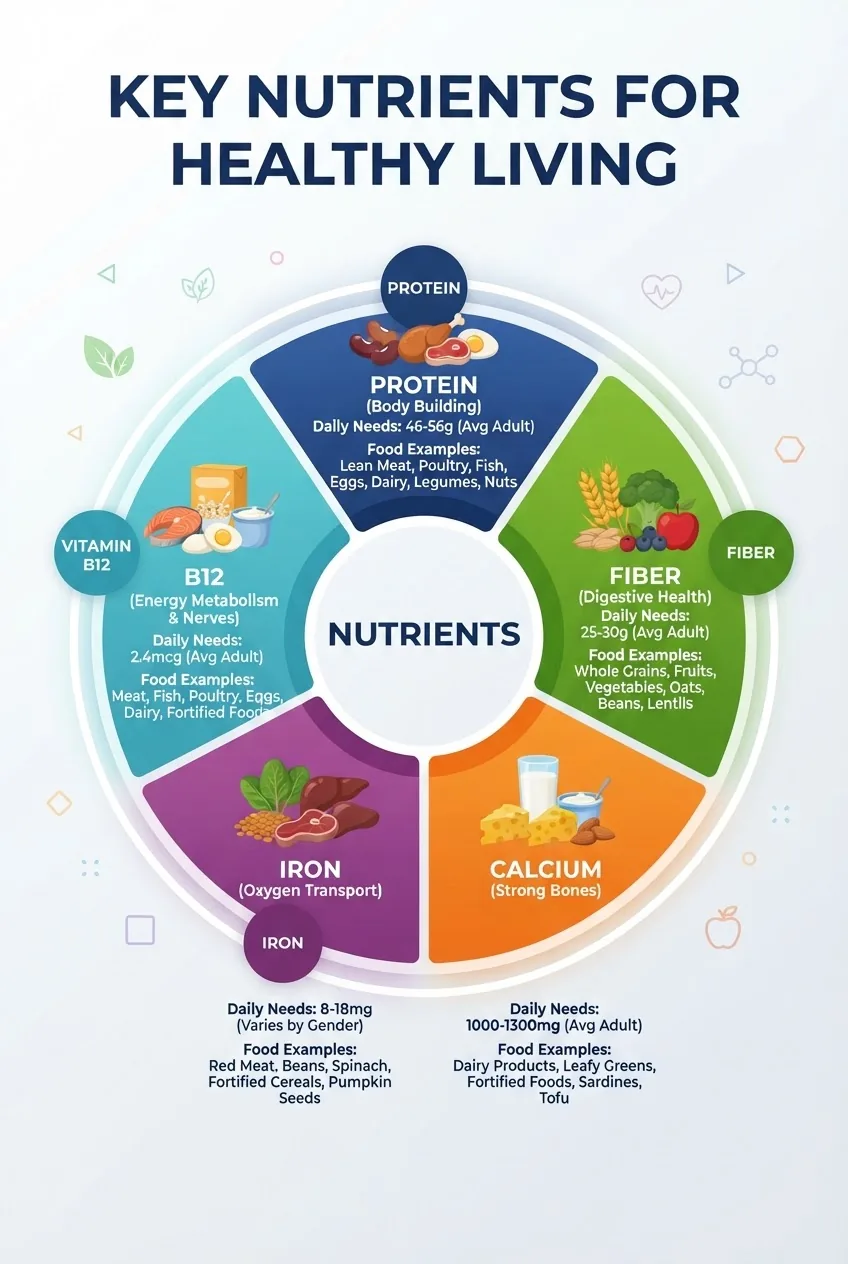
A balanced vegetarian lunch delivers three macronutrients—carbohydrates, proteins and fats—plus fiber, iron, calcium and, when needed, vitamin B12. Follow MyPlate guidance for portioning (vegetables 50% of the plate, grains and proteins sharing the remainder) and choose whole grains and legumes as base ingredients.
- Protein (20–35 g per lunch): legumes, tofu, tempeh, seitan, edamame, Greek yogurt or cottage cheese for lacto-vegetarians. Aim for 20–35 g protein for active adults; combine grains and legumes to improve amino-acid profiles.
- Iron: spinach, lentils, chickpeas, quinoa and fortified cereals. Pair with vitamin C (tomato, bell pepper, citrus) to improve plant iron absorption.
- Vitamin B12: nutritional yeast, fortified plant milks or a supplement when fully plant-based; consult a registered dietitian for testing. Refer to position statements from medical and dietetic organizations for specifics at professional dietetic guidance.
- Calcium: leafy greens, fortified plant milks and tofu set with calcium.
- Dietary fiber (7–12 g per lunch): beans, whole grains, vegetables and fruit to aim for a total 25–35 g daily.
- Healthy fats: avocado, olive oil, nuts and seeds to help absorption of fat-soluble vitamins and provide satiety.
Plant-based protein sources vary in bioavailability. For example, soy (tofu, tempeh) provides complete proteins with high bioavailability; legumes plus grains (rice + beans) form complementary proteins. When I plan lunches for a 5-day workweek in Texas, I rotate tofu, tempeh and beans to both vary textures and ensure steady amino-acid coverage.
Transition: now that you know the nutrient priorities, let’s plan smart lunches that respect time, seasonality and budget.
Planning Your Vegetarian Lunch: Tips and Best Practices
- Map a weekly template: decide two grain bases, two protein formats and three vegetable rotations for five lunches. Example: quinoa + brown rice; black beans + tempeh; roasted peppers, kale, summer squash.
- Shop by groups: buy grains and canned legumes in bulk, seasonal vegetables from farmer markets in Texas, and two fresh proteins (tofu block, one pack tempeh) for prep days.
- Batch-cook smartly: cook 3 cups dry quinoa (yields ~9 cups cooked) and 2–3 cups dry brown rice (yields ~6–7 cups cooked) in a single 45–50 minute session. Roast a sheet pan of vegetables at 425°F for 22–28 minutes for caramelization.
- Portion for energy: aim for ~1–1.5 cups cooked grain, 3/4–1 cup cooked legumes or 4–6 oz of plant protein per meal, 1–2 cups vegetables, and 1/4–1/2 avocado or 1 tbsp seeds for healthy fat.
- Account for seasonality and cost: use local Texas produce when possible; for budget strategies see our affordable nutritious foods.
- Pack for freshness: keep wet dressings separate in small containers; add crisp ingredients like avocado or toasted nuts just before eating.
I test portion sizes against appetite: if you’re still hungry two hours after lunch, increase protein by 25–50% or add 1/2 cup additional fiber-rich vegetables next time. For cross-meal calorie perspective, consider how your lunch fits with evening targets such as calorie-counted healthy dinners.
Transition: below are 15 tested vegetarian lunch ideas with hands-on recipes, quantities and serving tips you can use immediately.
Top 15 Vegetarian Lunch Ideas with Recipes to Try
-
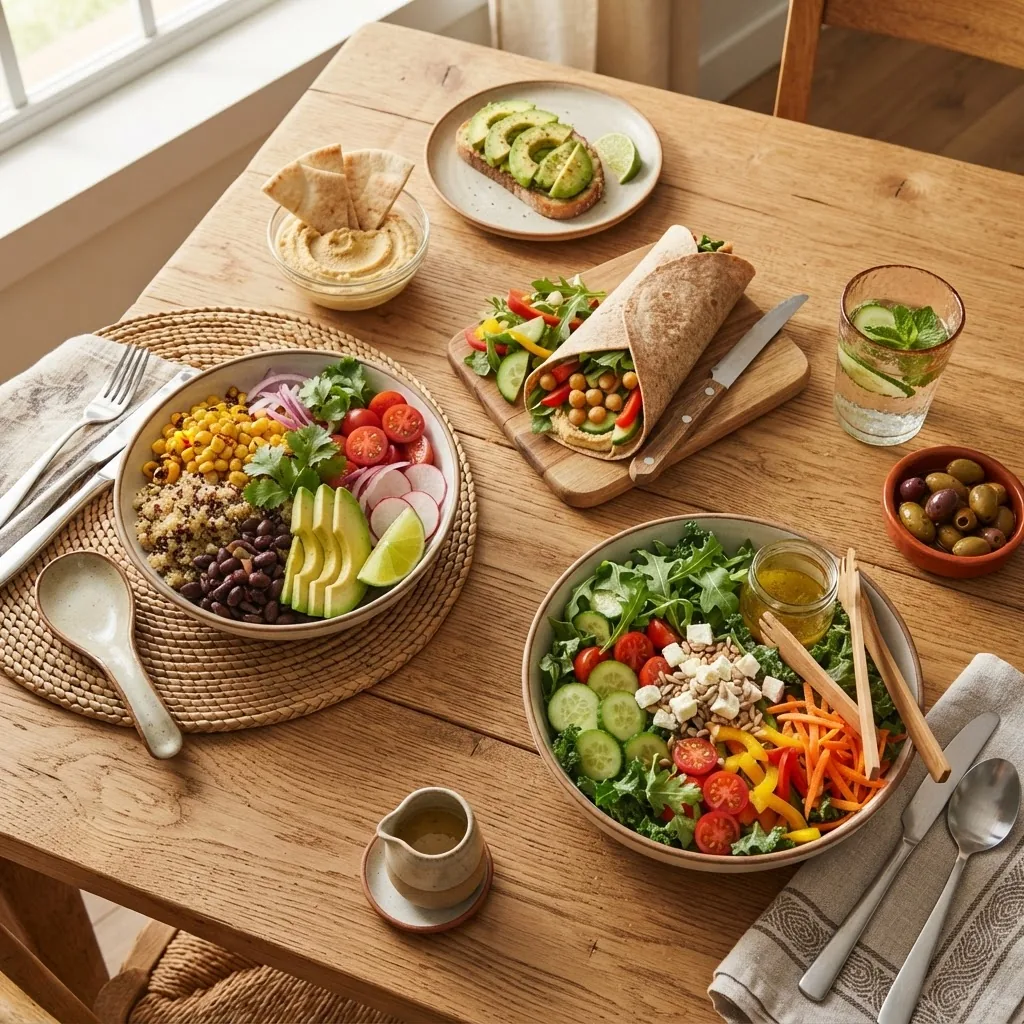
Tex-Mex Quinoa Bowl — (makes 4 lunches)
Ingredients: 2 cups dry quinoa (yields ~6 cups cooked), 2 (15 oz) cans black beans drained, 1 large avocado, 1 cup corn (fresh or frozen), 1 red bell pepper diced, 1/2 cup chopped cilantro, juice of 2 limes, 1 tsp cumin, 1/2 tsp smoked paprika, 1 tbsp olive oil, salt/pepper.
Steps: Rinse and cook quinoa for 15 minutes covered; fluff and cool. Sauté corn and bell pepper in 1 tbsp oil for 5–6 minutes with cumin and paprika. Combine quinoa, beans, vegetables and lime juice. Portion ~1.5 cups per lunch and top with 1/4 sliced avocado and cilantro.
Serving: Serve chilled or at room temp. For a step-by-step walkthrough of this recipe, follow the hands-on recipe step later in this guide.
-
Smoky Tempeh & Sweet Potato Wrap
Ingredients: 8 oz tempeh sliced, 1 large sweet potato cubed (2 cups), 1 tbsp smoked paprika, 1 tbsp maple syrup, 4 whole-wheat wraps, 2 cups baby spinach, 2 tbsp Greek yogurt or plant yogurt.
Steps: Roast sweet potato at 400°F for 25 minutes. Pan-sear tempeh in 1 tbsp oil 3–4 minutes per side with smoked paprika and maple. Assemble wraps with spinach, tempeh, sweet potato and yogurt. Wrap tightly; grill 1–2 minutes per side if desired.
-
Chickpea Salad Sandwich
Ingredients: 1 can chickpeas (15 oz), 2 tbsp mashed avocado or 1.5 tbsp mayo, 1 celery stalk diced, 1 tbsp red onion minced, lemon juice 1 tsp, salt/pepper, whole-grain bread or pita.
Steps: Mash chickpeas coarsely, mix remaining ingredients. Serve on whole-grain bread with greens. Store filling up to 3 days refrigerated.
-
Mediterranean Farro Bowl
Ingredients: 1.5 cups cooked farro, 1 cup cherry tomatoes halved, 1/2 cup diced cucumber, 1/3 cup olives sliced, 1/4 cup crumbled feta (optional), 1 tbsp olive oil, 1 tbsp red wine vinegar.
Steps: Toss warm farro with veggies and dressing. Keeps 3–4 days refrigerated; add feta and lemon just before serving for freshness.
-
Asian Tofu Salad Bowl
Ingredients: 14 oz extra-firm tofu pressed and cubed, 3 cups shredded cabbage mix, 1 carrot julienned, 1/4 cup edamame, 2 tbsp soy sauce, 1 tsp sesame oil, 1 tbsp rice vinegar.
Steps: Sear pressed tofu 3–4 minutes each side with soy sauce. Toss with vegetables and dressing. Add 1 tbsp toasted sesame seeds per serving.
-
Lentil & Roasted Pepper Salad
Ingredients: 2 cups cooked brown lentils, 2 roasted red peppers sliced, 1/4 cup chopped parsley, 2 tbsp olive oil, 1 tbsp lemon juice, 1 tbsp capers (optional).
Steps: Mix ingredients; refrigerate up to 4 days. Serve over baby greens or in a whole-wheat pita.
Budget note: this is one of many cheap vegetarian dishes that scale well.
-
Greek Yogurt Grain Bowl
Ingredients: 1 cup cooked barley, 3/4 cup Greek yogurt, 1/2 cup cucumber, 1/4 cup chopped dill, lemon zest.
Steps: Layer barley and yogurt; top with cucumber and herbs. Serves well chilled; 30-minute assembly.
-
Black Bean & Mango Salad
Ingredients: 1 can black beans, 1 mango diced, 1/2 cup red bell pepper diced, cilantro, lime juice, 1 tsp chili powder.
Steps: Toss and chill 15 minutes to meld flavors. Add 1/2 cup cooked quinoa per serving to bulk up if desired.
-
Warm Grain Bowl with Roasted Brussels & Walnuts
Ingredients: 2 cups cooked farro, 2 cups halved Brussels sprouts, 1/3 cup chopped walnuts, 2 tbsp maple mustard dressing.
Steps: Roast Brussels sprouts at 425°F 18–22 minutes. Toss with farro, walnuts and dressing. Reheat gently to avoid sogginess.
-
Caprese Avocado Sandwich
Ingredients: 1 small avocado, 1 tomato sliced, 2 oz mozzarella, basil leaves, drizzle of balsamic. Serve on ciabatta or whole-grain bread.
Steps: Assemble, press, and pack with paper towel to absorb moisture. Eat within 6–8 hours for best texture.
-
Spicy Peanut Soba Noodles
Ingredients: 8 oz soba noodles, 3 tbsp peanut butter, 2 tbsp soy sauce, 1 tbsp rice vinegar, 1 tsp sriracha, shredded carrot and scallions.
Steps: Cook noodles 4–5 minutes, rinse cold. Whisk sauce and toss. Keeps 3 days refrigerated.
-
Hearty Minestrone-Inspired Mason Jar Soup
Ingredients: 4 cups vegetable broth, 1 cup chopped tomatoes, 1/2 cup cooked cannellini beans, 1/2 cup small pasta, chopped seasonal vegetables.
Steps: Assemble jars cold: vegetables at bottom, pasta in middle, broth on top; heat at work or pour into a thermos. Store up to 3 days refrigerated.
-
Roasted Veggie & Hummus Pita
Ingredients: 1 whole-wheat pita, 3 tbsp hummus, 1 cup mixed roasted vegetables (zucchini, eggplant, peppers).
Steps: Warm pita briefly, spread hummus, stuff with veggies. Hummus acts as protein + fat to keep you full.
-
Mexican Street Corn Salad with Black-Eyed Peas
Ingredients: 2 cups corn, 1 can black-eyed peas, 1/4 cup cotija or feta, chili powder, lime, cilantro.
Steps: Sear corn 6–8 minutes until charred; mix with peas, cheese and lime. Serve on greens or as a grain bowl topping.
-
Warm Lentil Bolognese over Zoodles
Ingredients: 2 cups cooked lentils, 1 jar low-sugar marinara (14 oz), 2 tbsp tomato paste, 3 cups zucchinis spiralized.
Steps: Simmer lentils, marinara and tomato paste 10–12 minutes; serve over lightly sautéed zoodles 2–3 minutes. Keeps 3 days refrigerated.
-
Curried Chickpea & Apple Salad
Ingredients: 1 can chickpeas, 1 apple diced, 2 tbsp Greek yogurt, 1 tsp curry powder, 1/4 cup raisins, 2 tbsp chopped almonds.
Steps: Mix and chill 30 minutes. Great in a lettuce cup or on whole-grain toast.
Transition: the following section pulls together quick recipes for busy days, and connects to calorie-focused resources for those tracking intake.
Quick and Easy Vegetarian Lunch Recipes for Busy Days
- 30-minute Black Bean & Avocado Salad: 1 can black beans, 1 avocado, 1 cup cherry tomatoes, lime juice, cilantro. Toss and serve over greens. Prep time: 10 minutes.
- 5-minute No-Cook Mediterranean Wrap: whole-wheat wrap, hummus 2 tbsp, cucumber slices, olives, spinach. Roll and eat. Prep time: 5 minutes.
- One-pan Tofu & Veg Stir-fry: pan heat to medium-high, 1 tbsp oil, 8 oz cubed tofu, 2 cups mixed veg, 2 tbsp teriyaki. Cook 10–12 minutes. Serve with quick-cooked minuto rice.
- Overnight Mason Jar Oats Savory Style: 1/2 cup oats, 3/4 cup milk, 2 tbsp hummus, sliced cucumber. Mix night before; ready to eat cold.
- Instant Lentil Soup: use pre-cooked lentils, 2 cups vegetable broth, frozen greens, simmer 6–8 minutes. Add spices and lemon at the end.
If you’re tracking calories, explore our 400 calorie healthy meals for options that fit tighter calorie windows. Many of these quick lunches can be doubled for dinner—see our quick vegetarian dinner recipes for ideas on scaling.
Transition: now learn safe storage and reheating practices so your lunches stay nutritious and delicious all week.
Meal Prep and Storage Tips for Vegetarian Lunches
Proper storage preserves texture, flavor and food safety. Refrigerate lunches within two hours of cooking at or below 40°F. Use airtight containers and label with prep date. Most cooked grains and legumes keep well 3–4 days; cooked tofu and tempeh last 3–5 days refrigerated.
- Cool quickly: spread cooked grains on a rimmed tray to cool in 20–30 minutes before sealing to reduce bacterial growth.
- Refrigeration windows: cooked beans and grains: 3–4 days; roasted vegetables: 3–4 days; marinated salads without mayonnaise: 4–5 days; tofu (pressed and cooked): 4–5 days.
- Freezing: most grain bowls and cooked legumes freeze well—portion into freezer-safe containers for up to 2 months. Defrost overnight in fridge and reheat thoroughly.
- Reheating: reheat to an internal temperature of 165°F for hot dishes; for bowl meals reheat grains first, then add greens or avocado after heating to preserve texture.
- Pack smart for work: use an insulated lunch bag and ice pack for commutes longer than 2 hours; for more packing tips check our healthy lunch ideas for work.
If you need guidance on meal-prep portions that align with evening targets, see tips in balanced 500 calorie meals.
Transition: for Texas readers, here are adaptations using local produce and flavors to make vegetarian lunches feel regional and seasonal.
Vegetarian Lunches with a Texan Twist: Local Flavors and Ingredients
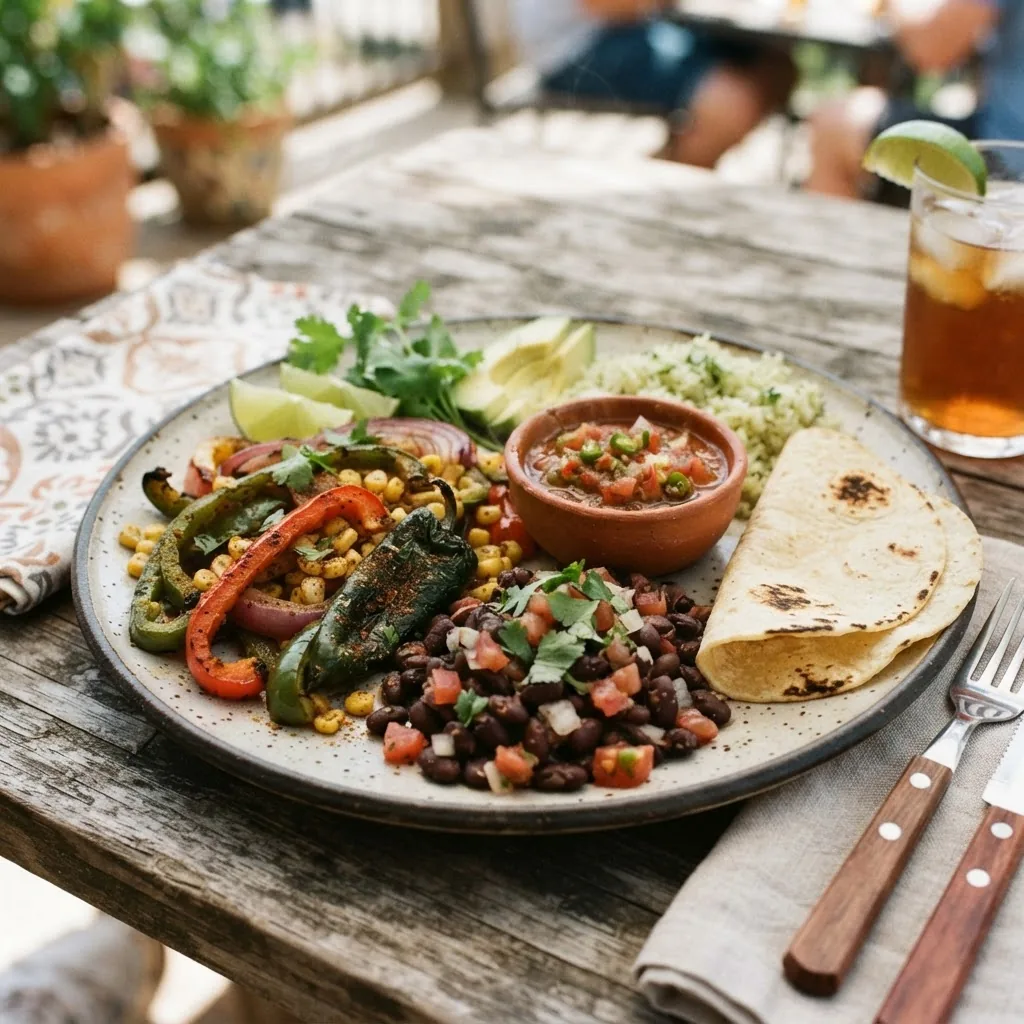
Texas offers winter greens, summer corn and peppers, and citrus depending on region—integrate these into lunches. A Tex-Mex quinoa bowl with local corn, charred poblano pepper and black beans provides both familiar flavors and balanced nutrition. According to a 2022 Texas Department of Agriculture seasonal produce overview, corn and peppers are widely available in summer markets, making them cost-effective choices for summer batches.
Recipe highlight: Tex-Mex quinoa bowl (detailed walk-through in Steps section). Use local produce, add 1/2 cup cooked black beans per serving, 1/4 avocado and a drizzle of lime-cilantro dressing. For heat, use 1/4 tsp chipotle powder per batch. Swap in pan-seared tempeh instead of beans for higher protein density.
Transition: the following hands-on steps show exactly how I prep a five-day vegetarian lunch plan, including the Tex-Mex quinoa bowl walkthrough.
Hands-On Steps: Cook, Assemble and Pack (Practical Step-by-Step)
- Plan the week (30 minutes): pick 3 base recipes—one grain bowl, one sandwich/wrap and one salad. Example plan: Monday Tex-Mex quinoa bowl, Tuesday tempeh wrap, Wednesday chickpea salad sandwich, Thursday soba noodles, Friday lentil bolognese. Make a shopping list with quantities: quinoa 2 cups dry, black beans 3 cans, tempeh 16 oz, sweet potatoes 2 medium, mixed greens 10 oz, avocado 3-4, tortillas 6, etc.
- Shop local and seasonal (60–90 minutes): buy in bulk when possible. For Texas summers, purchase 4 ears corn or 2 cups frozen corn, 3 bell peppers, and a head of lime. Buy staples like olive oil, canned tomatoes and spices in one go to avoid mid-week runs.
- Batch-cook grains and proteins (60–90 minutes): Preheat oven to 425°F. On a rimmed baking sheet, toss 1 lb sweet potatoes (about 3 cups cubes) with 1 tbsp oil, salt and pepper; roast 25–28 minutes. Cook quinoa: 2 cups dry quinoa + 4 cups water, bring to boil then simmer 15 minutes, remove and rest 10 minutes. Pan-sear tempeh: slice 8 oz tempeh, marinate 2 tbsp soy sauce + 1 tsp maple, sear 3–4 minutes per side.
- Make dressings & toppings (15–20 minutes): Quick lime-cilantro dressing: juice of 2 limes, 2 tbsp olive oil, 1/4 cup chopped cilantro, 1 tsp honey, pinch salt. Peanut sauce: 3 tbsp peanut butter, 2 tbsp soy sauce, 1 tbsp rice vinegar, water to thin. Store dressings in 8 oz mason jars.
- Assemble lunches (30–40 minutes): Portion into containers: 1–1.5 cups cooked grain, 3/4 cup beans or 4–5 oz cooked tempeh/tofu, 1–2 cups roasted or raw vegetables, 1 tbsp seeds or 1/4 avocado. For the Tex-Mex quinoa bowl, portion 1.5 cups quinoa, 1/2 cup black beans, 1/2 cup roasted corn and peppers, 1/4 sliced avocado added that morning.
- Label, chill and store (10 minutes): Cool trays 20–30 minutes then seal containers. Refrigerate at ≤40°F. Use within 3–4 days for best quality, or freeze individual lunches labeled with date for up to 2 months.
- Reheat and finish just before eating (2–5 minutes): Microwave bowls 90–120 seconds, stirring halfway; add fresh greens or avocado after reheating. For commute lunches, use a small vacuum-insulated thermos preheated with hot water to keep soups hot for up to 4–5 hours.
Detailed walkthrough: Tex-Mex Quinoa Bowl (one featured recipe)
- Measure and prep: 2 cups dry quinoa (yield ~6 cups cooked), rinse under cold water 30 seconds. Drain 2 (15 oz) cans black beans, rinse and drain. Dice 1 red bell pepper and 1 small red onion. Juice 2 limes.
- Cook quinoa: In medium saucepan combine quinoa + 4 cups water, pinch salt. Bring to boil, reduce to low, cover 15 minutes. Remove from heat, rest 10 minutes, fluff with fork.
- Sauté vegetables: Heat 1 tbsp olive oil in pan over medium-high, add corn (1 cup) and diced pepper, sauté 5–6 minutes; add 1 tsp cumin and 1/2 tsp smoked paprika in last minute.
- Combine and season: In large bowl mix quinoa, beans, sautéed veg, cilantro (1/2 cup), lime juice and 1 tbsp olive oil. Adjust salt and pepper. Taste and add 1/4 tsp chipotle powder if desired.
- Portion: Divide into 4 airtight containers: ~1.5 cups each. Add 1/4 sliced avocado per container the morning you eat or pack separately in small container to avoid browning.
- Storage & reheating: Refrigerate within 2 hours. Consume within 3–4 days. Reheat 60–90 seconds if preferred warm, add fresh garnish after reheating.
Transition: below are common mistakes I’ve seen and practical ways to avoid them.
Common mistakes and how to avoid them
I often underestimated how quickly salads become soggy when dressed too early—now I always pack dressings separately. I also used to under-season large batches; correct by seasoning in stages and tasting at full batch volume. Another error: relying on one protein source; I rotate tofu, tempeh and legumes weekly to avoid monotony and ensure nutrient variety.
Compact Checklist
- Grains cooked and cooled (2 cups dry quinoa yields ~6 cups cooked)
- 3 protein formats prepped (tofu/tempeh/legumes)
- Dressings in separate jars, labeled
- Containers sealed, refrigerated ≤40°F within 2 hours
- Plan includes 20–35 g protein and 7–12 g fiber per lunch
When to call in a professional
Consult a registered dietitian if you have specific medical conditions, nutrient deficiencies (especially B12 or iron) or if you’re supporting high athletic performance needs. For food safety concerns—repeated spoilage or signs of contamination—contact a local food safety professional or your county health department.
Conclusion: Embracing a Nutritious and Delicious Vegetarian Lunch Routine
Adopting planned vegetarian lunches provides variety, robust nutrition and practical day-to-day energy when you prioritize plant-based protein, fiber and healthy fats. Start with two batch-cook sessions per week, rotate textures and regional produce, and refine portions by appetite. For sustained progress, experiment with the recipes above and adapt them to local Texan markets. Ready to energize your weekday lunches? Start by choosing two recipes and cooking them this weekend—then iterate from there.