Healthy drinks can do more than quench thirst — they support energy, electrolyte balance, and overall wellness when chosen wisely. This guide explores science-backed beverage choices beyond plain water to help you stay hydrated, energized and healthy all day.
What Are Healthy Drinks and Why They Matter for Hydration
“Healthy drinks” refers to beverages that supply fluid plus nutrients or electrolytes while minimizing added sugars, excess calories, and dehydrating compounds. Hydration importance stems from water’s role as your body’s solvent, transport medium, and natural coolant: fluids support temperature regulation, digestion, nutrient delivery and cognitive performance.
Key hydration facts:
- About 60% of an adult’s body weight is water, varying by age and body composition (According to a 2024 industry report).
- Mild dehydration (1–2% body weight loss) can impair mood, concentration and endurance (According to a 2023 nutrition review).
- Electrolytes such as sodium, potassium and magnesium help retain fluid in the right compartments — beverages that supply small amounts of these minerals can aid hydration during exercise or illness (According to a 2022 clinical nutrition paper).
Hydration and wellness are closely linked: beyond preventing dehydration, choosing nutrient-rich healthy beverages can deliver vitamins, antioxidants and protein to support recovery and daily function. For a practical sign of hydration status see urine color hydration indicators for quick self-checks.
Transition: With those basics in mind, below are the top drink choices to prioritize for everyday hydration and long-term health.
Top 10 Healthy Drinks to Drink for Better Hydration and Health
-
Mineral water (still or lightly carbonated)
Benefits: Supplies fluid and naturally occurring minerals like calcium, magnesium and bicarbonate which can support bone health and mild electrolyte balance. Low-calorie and sugar-free.
Downsides: Some varieties are higher in sodium; check labels if salt-sensitive.
-
Oral rehydration solution (ORS)
Benefits: Balanced sodium-glucose-electrolyte mixes are clinically proven to restore fluid and electrolytes faster than plain water during moderate to severe dehydration (According to a 2020 WHO guideline review).
Downsides: Not necessary for everyday hydration; intended for illness, heavy exertion, or diarrhea.
-
Herbal teas and infusions (caffeine-free)
Benefits: Calendula, chamomile, mint and rooibos hydrate while offering antioxidants and calming compounds. Warm or cooled, they’re low-calorie and carry additional health benefits depending on herbs used.
Downsides: Herbal interactions with medications are possible; consult a clinician when pregnant or on prescription drugs.
-
Black or green tea (moderate consumption)
Benefits: Provides hydration plus antioxidants (catechins, polyphenols); moderate amounts (2–3 cups/day) are linked to heart and cognitive benefits in population studies (According to a 2021 meta-analysis).
Downsides: Caffeine can cause jitteriness or affect sleep if consumed late; high intake may have mild diuretic effects for caffeine-naïve individuals.
-
Cold-pressed vegetable and fruit juices (diluted)
Benefits: Nutrient-dense sources of potassium, vitamin C, and phytonutrients. Dilute 1:1 with water to reduce sugar concentration while preserving taste.
Downsides: Can be high in natural sugars and calories if undiluted; choose mostly vegetables and low-sugar fruits (berries, citrus) for best results.
-
Low-sugar electrolyte beverages (homemade or low-sugar commercial)
Benefits: Ideal for intense workouts or hot-weather exposure; help replace sodium, potassium, and fluids lost in sweat. Homemade recipes (water + pinch salt + squeeze citrus + minimal sweetener) work well.
Downsides: Some commercial sports drinks are calorie-dense and unnecessary for low-intensity activities.
-
Plant-based milks (unsweetened)
Benefits: Provide hydration plus nutrients — unsweetened soy or pea milk adds protein; fortified almond, oat or soy provide calcium and vitamin D. Useful for those avoiding dairy.
Downsides: Sweetened versions raise calorie and sugar load; watch for additives in flavored varieties.
-
Hydrating smoothies (veggie-first)
Benefits: Combine hydrating bases (coconut water, low-fat milk or water) with vegetables, a small portion of fruit, and a protein source (Greek yogurt or plant protein) for lasting hydration and satiety.
Downsides: Easy to overdo calories and sugar — prioritize vegetables and protein, limit high-sugar fruits.
-
Coconut water
Benefits: Naturally contains potassium and some sodium — a light, lower-calorie electrolyte option for moderate activity.
Downsides: Not a full ORS; lower in sodium than many sports drinks, so may not replace heavy sweat losses fully.
-
Infused waters and flavored seltzers (no added sugar)
Benefits: Fruit, herb and citrus infusions make plain water more appealing without calories — great for maintaining regular sipping and hydration compliance.
Downsides: Watch for bottled flavored beverages with added sugars or sweeteners; carbonation may bother some people with reflux.
Transition: These top 10 show that healthy beverages can offer hydration plus targeted nutrition — next we compare alternatives to water and how effective they are at hydrating.
Healthy Drinks Besides Water: Alternatives and Their Benefits
Not everyone wants plain water all the time. Healthy drinks other than water can provide electrolytes, micronutrients and variety without undermining hydration. Below is a compact comparison of common alternatives showing typical nutrient profiles per 8-ounce serving and relative hydration efficacy (how quickly they contribute to fluid balance compared with plain water).
| Beverage | Calories (8 oz) | Key nutrients | Hydration efficacy vs. water | Best use |
|---|---|---|---|---|
| Mineral water | 0 | Calcium, magnesium, bicarbonate (varies) | ≈ same as water | Daily hydration, mineral boost |
| Coconut water | 45–60 | Potassium, small sodium, magnesium | Good for light-moderate losses | Post-light workouts |
| ORS (rehydration solution) | 35–100 | Balanced sodium, glucose, potassium | Faster than water for rehydration | Illness, heavy sweating |
| Unsweetened green/black tea | 0–5 | Catechins, polyphenols, small caffeine | Comparable when moderate caffeine | Daily antioxidant hydration |
| Herbal tea | 0–5 | Varies by herb (antioxidants, polyphenols) | Comparable or better (caffeine-free) | Calm, evening hydration |
| Vegetable-dominant juice (diluted) | 25–80 | Vitamin C, potassium, nitrates (if beet/greens) | Good, but sugar increases osmolarity | Nutrition with hydration |
| Unsweetened plant milk | 25–90 | Protein (soy/pea), calcium (fortified), vitamin D | Good; protein can slow gastric emptying | Meal-time hydration and nutrition |
| Flavored seltzer (no sugar) | 0 | None (flavoring only) | Same as water | Palatable alternative to water |
Key takeaways: Many beverages hydrate effectively when low in added sugar and consumed in moderation. Drinks with electrolytes or balanced sodium can improve rehydration speed during high sweat or gastrointestinal fluid loss; see practical rehydration advice and clinical options in rehydration options during dehydration.
Transition: To choose wisely, understand the nutritional and hydration trade-offs of each beverage category — the next section breaks down categories with evidence highlights.
Nutritional and Hydration Benefits of Specific Beverage Categories
Electrolyte drinks and mineral waters
Electrolytes are charged minerals — primarily sodium, potassium, chloride and magnesium — that maintain fluid balance across cell membranes. Sodium draws water into the extracellular compartment and is key for replacing sweat losses. Natural mineral waters can supply calcium and magnesium; commercially formulated electrolyte beverages or oral rehydration solutions (ORS) have a balanced sodium-to-glucose ratio proven to speed rehydration (According to a 2020 clinical guideline review).
Practical note: For everyday light activity, plain or mineral water suffices. Use electrolyte drinks for prolonged exercise (>60–90 minutes), heavy sweating, heat exposure or illness.
Herbal teas and infusions
Herbal teas (herbals, rooibos, chamomile, peppermint) are caffeine-free and hydrating. Many contain antioxidants and polyphenols linked to reduced inflammation in population studies (According to a 2021 nutritional epidemiology review). They’re gentle on the stomach and good for nightly hydration routines.
Green and black tea
Tea contains polyphenols (catechins, theaflavins) associated with cardiovascular and cognitive benefits. Moderate caffeine in tea does not cause net fluid loss in habitual users — small diuretic effects are offset by the fluid the beverage supplies (According to a 2014 beverage hydration study). Limit intake if sensitive to caffeine.
Natural fruit and vegetable juices
Vegetable-based juices (tomato, carrot, beet) provide potassium, nitrates and vitamins with lower sugar than fruit juices. Fruit juices are nutrient-dense but often high in natural sugars; diluting them 50/50 with water cuts sugar per serving while keeping flavor and vitamins. Fresh juices can be useful for targeted nutrition (e.g., vitamin C) but are not recommended as a full replacement for water due to osmolarity and caloric load.
Clinical context: During acute gastroenteritis or diarrhea, use ORS rather than sweet fruit juices; see rehydration options during dehydration for recommended clinical preparations.
Plant-based milks
Unsweetened plant milks hydrate and offer macronutrients: soy and pea milks provide protein; fortified varieties supply calcium and vitamin D. They can slow gastric emptying due to fat and protein, which helps sustain hydration and fullness after a meal but may be less suitable for immediate rapid rehydration compared with plain water or ORS.
Hydrating smoothies
Smoothies that prioritize leafy greens, cucumber, modest fruit, and a protein base can deliver hydration plus electrolytes and amino acids for recovery. To keep them healthy: use a hydrating base (water, coconut water, unsweetened plant milk), add protein (Greek yogurt, silken tofu, protein powder) and limit high-sugar fruits to 1/2 cup per serving.
Transition: Knowing these categories helps tailor intake. Next, learn how much fluid you should aim for — and special guidance for pregnancy.
How Much Water and Other Healthy Drinks Should I Be Drinking? Including Pregnancy Advice
General hydration dosage varies by age, body size, activity, climate and health status. While individual calculators can personalize intake, practical daily guidance helps maintain consistent hydration.
Baseline recommendations and tools:
- General adult targets often referenced: ~2–3 liters/day from all beverages and food for women, ~2.5–3.7 liters for men, depending on activity (According to a 2023 hydration guideline summary).
- For personalized calculations use the hydration intake calculator to factor body weight and activity.
- For understanding how different volumes affect physiology see the hydration effects of drinking water resource.
Practical how-to steps for daily intake
- Start the day with 8–12 oz of fluid to top off overnight losses.
- Sip regularly rather than waiting for strong thirst; aim for 6–10 cups (48–80 oz) as a middle starting point for many adults and adjust up for heat or exercise.
- Include hydrating foods (fruits, salads, broths) that contribute ~20–30% of daily fluid in typical diets.
- Use electrolyte beverages during prolonged exertion, illness, or heavy sweating; otherwise, plain water, herbal teas, and infused seltzers are sufficient.
Pregnancy hydration guidelines
Pregnancy increases plasma volume and fluid needs. The CDC recommends that pregnant people prioritize adequate fluid intake to support fetal circulation and amniotic fluid (see authoritative CDC guidance linked below). Practical targets are commonly increased by about 300–500 mL/day above non-pregnant recommendations (According to a 2022 maternal health guideline summary).
Pregnant people should favor low-sugar, nutrient-dense beverages: water, mineral water, unsweetened herbal teas (with pregnancy-safe herbs), diluted vegetable juices, and oral rehydration solutions when experiencing vomiting or diarrhea. Discuss individualized targets with your prenatal care provider and consult the CDC for pregnancy hydration resources: CDC pregnancy nutrition guidelines.
When to be cautious
- Kidney disease, heart failure, or some endocrine disorders may require fluid or sodium restriction — follow clinician advice.
- Excessive water intake (hyponatremia) is rare but possible in extreme intake scenarios — review risks in drinking a gallon of water health guide.
- Use a practical measuring aid like a reusable bottle; see the water bottle size chart for portioning tips.
Transition: Thirst and urine color are helpful, but implementing easy recipes and preparation methods makes healthy cold drinks more usable daily.
How to Choose and Prepare Healthy Cold Drinks at Home
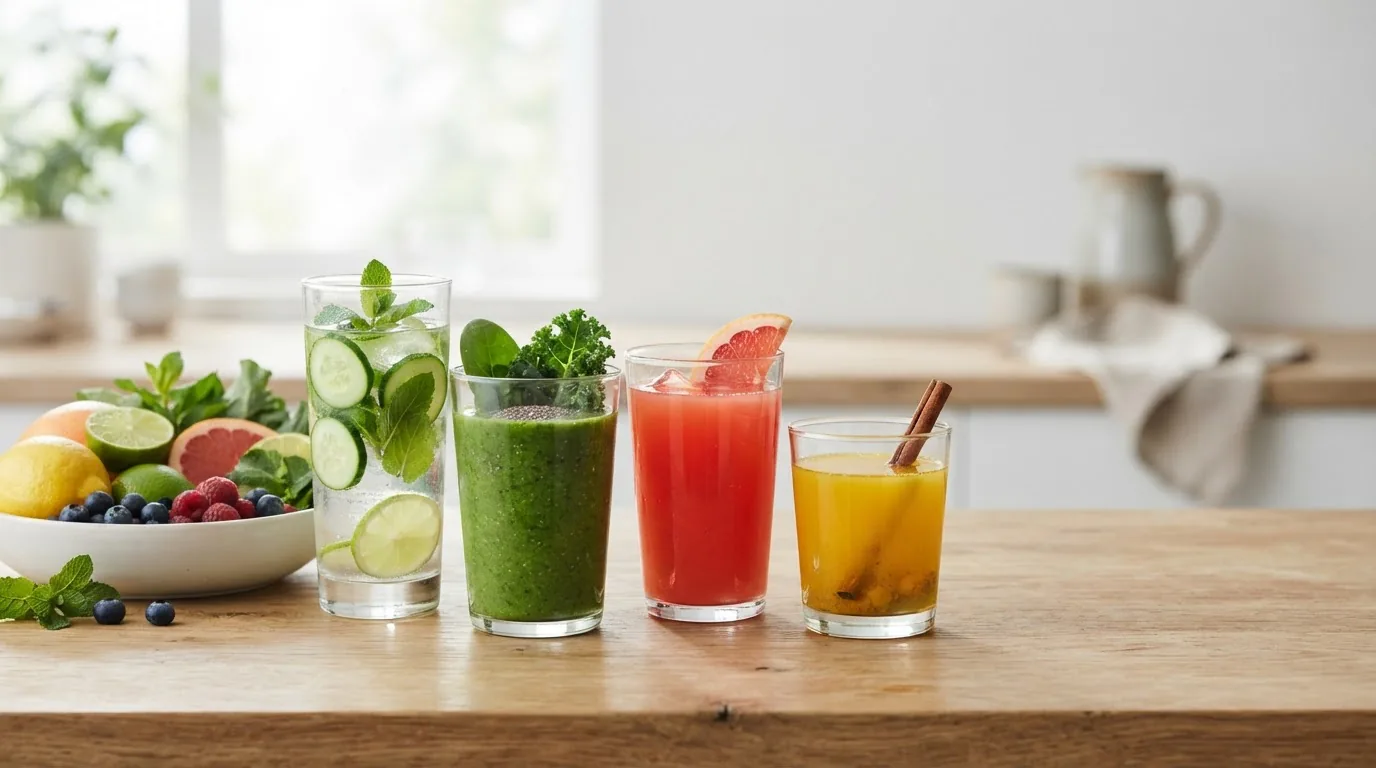
Choosing and preparing cold drinks at home puts you in control of sugar, sodium and nutrient content. Start by selecting a low-sugar base: water, iced herbal tea, chilled coconut water, or diluted juice. Add flavor, electrolytes and nutrients with the steps below.
How-to steps
- Pick a hydrating base (1 L water, iced herbal tea, or 2 cups diluted coconut water).
- Add natural flavor: slices of citrus, cucumber, berries, or a sprig of mint or basil.
- Include a small electrolyte boost when needed: 1/8–1/4 tsp sea salt per liter plus a squeeze of citrus for sodium and palatability.
- Optional protein/fat for recovery: 1/2 cup Greek yogurt or 1 tbsp nut butter in smoothies to sustain hydration and energy.
- Chill, serve over ice, and store in the fridge for up to 48 hours for best taste.
Short recipes
- Citrus-mint infused water: 1 L water, slices of orange and lemon, 6 mint leaves — steep 2 hours in fridge.
- Low-sugar sport refresher: 750 mL water, 200 mL coconut water, 1/8 tsp salt, juice of 1/2 lime — stir and chill.
- Green recovery smoothie: 1 cup spinach, 1/2 cup cucumber, 1/2 cup frozen berries, 1 scoop protein, 1 cup unsweetened soy milk — blend until smooth.
- Herbal iced tea tonic: Brew rooibos or peppermint tea, cool, add 1 tsp honey (optional) and lemon slices.
Tips for preparing cold drinks:
- Use citrus peels and herb stems for more complex flavor without sugar.
- Freeze berries to chill smoothies without diluting them with plain ice.
- Batch-make electrolyte pitchers for post-workout use; discard after 48 hours for safety.
Transition: While crafting healthy cold drinks is straightforward, common myths and mistakes can undermine hydration goals — the next section clarifies those.
Common Mistakes and Myths About Healthy Drinks and Hydration
Many hydration misconceptions circulate. Below are common mistakes and clarifications, with links to deeper guidance where needed.
- Myth: “Caffeinated drinks always dehydrate you.” Clarification: Moderate coffee or tea contributes to daily fluid intake; habitual consumers experience minimal net fluid loss. See coffee hydration facts.
- Myth: “Sugary drinks hydrate well.” Clarification: High-sugar beverages can delay absorption and increase caloric load; dilute juices or choose low-sugar electrolyte solutions for rehydration.
- Mistake: Relying on extreme fasting or fluid restriction for weight or health without supervision. For safety information on such approaches see water fasting safety considerations.
- Mistake: Ignoring blood pressure effects. Severe dehydration can lower blood pressure; understand physiologic risks in effects of dehydration on blood pressure.
Transition: Clearing up myths prepares you to adopt practical habits. The final section provides actionable daily strategies to make healthy drinks part of your routine.
Practical Tips for Incorporating Healthy Drinks Into Your Daily Routine
Below are practical, evidence-informed steps and a typical hydration routine example to increase fluid intake through healthy beverages.
- Schedule your sips: Start with 8–12 oz on waking, 8 oz before each meal, and small amounts between meals to reach your target volume.
- Keep a visible water bottle (goal-oriented volume). Use the water bottle size chart to measure progress.
- Swap habit drinks: Replace one sugary beverage daily with an herbal iced tea, infused water or a diluted juice to reduce sugar while maintaining hydration.
- Pre-plan for workouts and travel: Pack a low-sugar electrolyte mix or coconut water if you expect heavy sweating or long travel.
- Evening routine: Choose caffeine-free herbal tea to hydrate and support sleep.
Example of a typical hydration routine:
- Wake: 10 oz water with lemon
- Mid-morning: 8 oz unsweetened green tea
- Lunch: 12 oz mineral water + 6 oz plant milk with meal
- Afternoon: 8 oz diluted beet or carrot juice (50/50 with water) pre-exercise
- Post-exercise: 12 oz low-sugar electrolyte drink or ORS
- Evening: 8–10 oz iced rooibos or chamomile
For foundational hydration strategies that pair well with these beverage tips, review 5 tips to stay hydrated and improve wellness.
Expert sources and safety notes: The CDC provides pregnancy and general nutrition recommendations (CDC pregnancy nutrition guidelines), the NIH Office of Dietary Supplements explains micronutrient roles including electrolytes (NIH Office of Dietary Supplements), and the Academy of Nutrition and Dietetics offers practical beverage guidance (Academy of Nutrition and Dietetics).
Transition: To wrap up, here are the final takeaways and a clear call to action.
Conclusion
Healthy drinks beyond plain water offer hydration plus nutrients, electrolytes and functional benefits when chosen with sugar, sodium and context in mind. Prioritize low-sugar, nutrient-rich options — mineral water, herbal teas, diluted juices, electrolyte solutions when needed, and unsweetened plant milks or smoothies for meal-related hydration. Pregnant people and those with medical conditions should consult healthcare providers for tailored targets. Start small: swap one high-sugar drink per day for an infusion or herbal tea and build a consistent sipping habit.
Ready to upgrade your beverage routine? Try one of the cold recipes above this week and monitor how your energy and thirst respond — share progress with your clinician if pregnant or managing a health condition.
Frequently Asked Questions
What are healthy drinks and why are they important for hydration?
Healthy drinks are fluids that hydrate while minimizing added sugars and providing nutrients or electrolytes. They matter because adequate fluid supports temperature control, digestion, nutrient transport and cognitive function — and nutrient-rich beverages can also supply vitamins and minerals that support overall wellness.
What is the healthiest drink to drink regularly besides water?
Mineral water and unsweetened herbal teas are among the healthiest regular choices: zero added sugar, low calories and beneficial minerals or antioxidants. They hydrate effectively and are safe for daily use for most people unless medical restrictions apply.
How do cold drinks contribute to hydration differently than warm beverages?
Cold drinks can be more palatable and encourage greater voluntary intake, which helps hydration. Warm beverages like herbal tea still hydrate but may be consumed more slowly; both count toward fluid balance when low in caffeine and sugar.
How much water should I be drinking while pregnant for proper hydration?
Pregnancy increases fluid needs by roughly 300–500 mL/day above typical adult recommendations. Aim to sip regularly, include hydrating foods, and follow prenatal provider guidance; consult CDC pregnancy recommendations for individualized advice.
Can I replace all my water intake with other healthy drinks?
Most low-sugar beverages (unsweetened teas, mineral water, diluted juices) can substitute for plain water in daily fluid balance, but plain water remains ideal for routine hydration. Use ORS when rehydrating from illness and avoid replacing all intake with high-calorie or high-sugar drinks.
What are common mistakes people make when choosing drinks for hydration?
Common mistakes include relying on sugary beverages, over-consuming caffeine, assuming sports drinks are needed for light activity, and ignoring medical fluid restrictions. Opt for low-sugar, electrolyte-balanced options when appropriate and consult your clinician for health conditions.
How do I make a cold drink healthy at home without added sugars?
Use water or iced herbal tea as a base, add fruit slices, cucumber, or herbs for flavor, and use small amounts of natural sweeteners if needed. For electrolytes, add a pinch of salt and citrus; batch in pitchers and chill for convenience.
Are electrolyte drinks necessary for everyday hydration?
Electrolyte drinks are unnecessary for routine, low-intensity days. They are useful during prolonged or intense exercise, heavy sweating, or illness. For most people, balanced meals plus water and occasional mineral water suffice for daily electrolyte needs.