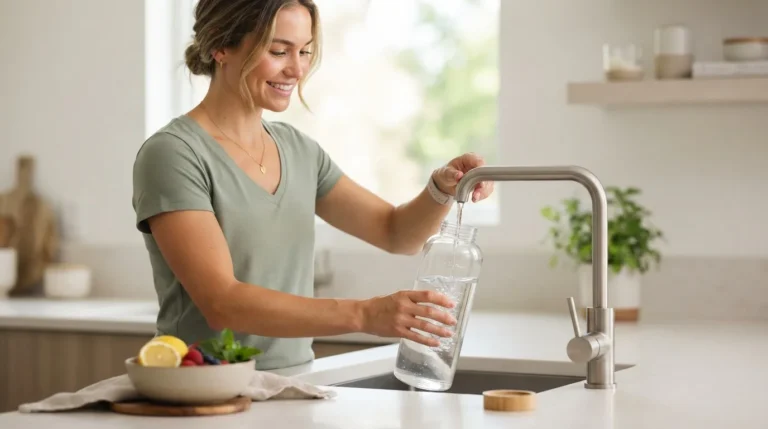

Drinking a gallon of water a day is a popular health challenge—easy to say, harder to know if it’s right for you. This guide gives a clear, science-backed look at what a gallon (128 ounces) really means for your body, including benefits, risks, and how to do it safely.
Understanding the Concept of Drinking a Gallon of Water a Day
A gallon of water equals 128 US fluid ounces (about 3.785 liters). Framing your intake in that single volume helps people set a tangible daily goal, but hydration needs are individual: age, body size, activity, climate, and health conditions change how much water your body requires. The phrase “daily hydration guidelines” usually refers to ranges rather than one-size-fits-all amounts.
Physiology basics: water absorption begins in the stomach and small intestine and is then distributed in the bloodstream and cells. The body regulates water with thirst, kidney filtration, and hormones like antidiuretic hormone (ADH). Thirst mechanism and water regulation are sensitive; thirst usually signals already mild dehydration.
Why a gallon? For many adults, a gallon is an easy, memorable target (for example, four 32-ounce bottles equals a gallon). If you track in ounces, knowing ounce-to-gallon conversion (128 oz = 1 gallon) makes planning and bottle selection easier.
Sources of daily water: fluid from beverages plus water contained in foods contributes to total intake. For many people, roughly 20–30% of intake comes from food. According to a 2022 nutrition survey report, average daily plain water intake for U.S. adults varied widely by age and sex (source type: national dietary survey).
Common misconceptions: drinking a gallon is not automatically better than following evidence-based intake ranges from health authorities; instead, it’s a practical target that may overshoot or underserve individual needs.
does drinking coffee count as water and other beverages topic discussions help clarify what counts toward that gallon.
water content in the human body influences why total intake matters: adults are about 50–60% water by weight, and maintaining that balance is vital for cellular function and temperature regulation (source type: government health resource).
Transition: With the framework defined, next we’ll look at the potential health benefits people seek when they adopt a gallon-a-day approach.
Health Benefits of Drinking a Gallon of Water a Day
The following benefits are commonly reported or supported by research when increasing daily water to moderate-high levels for healthy adults. Benefits will vary by individual; some are direct effects of improved hydration, others are secondary (e.g., replacing caloric beverages).
- Better fluid balance and cellular function — Adequate water helps maintain blood volume, nutrient transport, and waste removal. Proper hydration supports kidney filtration and urinary waste excretion (source type: medical institution overview).
- Improved digestion and regularity — Water softens stool, promotes intestinal transit, and can reduce constipation frequency in people with low baseline intake (source type: clinical nutrition review).
- Possible weight-management support — Water before meals can increase satiety and slightly reduce calorie intake. See water intake for weight loss for study summaries and practical tips.
- Enhanced cognitive performance — Mild dehydration (1–2% body water loss) is linked to reduced attention, working memory, and mood. Maintaining steady hydration helps cognition during prolonged tasks (source type: peer-reviewed cognitive study).
- Energy and reduced fatigue — Staying hydrated helps cardiovascular efficiency and temperature regulation, reducing perceived exertion. For more on hydration and vitality see does water give you energy.
- Improved skin appearance (temporary) — Adequate hydration can plump the skin and improve elasticity short-term, though long-term skin health also depends on nutrition and skincare (source type: dermatology review).
- Supports exercise performance and recovery — For moderate-to-high intensity exercise, increased fluid supports sweat losses, thermoregulation, and blood flow. Aiming for pre-, during-, and post-exercise hydration reduces risk of performance decline.
- Urinary tract and kidney health (within safe limits) — Higher urine output dilutes urinary solutes and can reduce risk of certain kidney stones for susceptible people; however, kidney processing capacity has limits (see kidney section below).
- Reduced intake of sugary beverages — Replacing calories from sweet drinks with water lowers total caloric intake and added sugar consumption, an indirect but meaningful health benefit.
- Easy measurable habit — A gallon target provides a simple behavioral guideline useful for habit formation, tracking, and accountability with apps or water bottles.
Practical markers: monitoring urine frequency and color is a quick way to judge hydration. For visual cues, review urine color hydration indicators to assess whether the gallon goal is moving you toward pale, straw-colored urine (typical of adequate hydration).
Real-life examples: a 35-year-old cyclist increased daily intake from ~60 oz to ~100–120 oz during training and reported faster recovery between sessions, fewer headaches, and lighter urine. A desk-worker participant reported improved afternoon alertness after switching from two sodas to water and meeting a 1-gallon goal for six weeks.
Transition: While benefits can be meaningful, there are important risks and physiological limits when intake increases dramatically; the next section outlines those concerns in depth.
Potential Risks and Health Considerations
Drinking large amounts of water may be harmless for many healthy adults, but excessive intake carries real risks. Understanding water toxicity, kidney workload, and electrolyte balance is essential.
Water toxicity and hyponatremia: Excessive water intake can dilute blood sodium (hyponatremia), causing symptoms from headache and nausea to seizures and coma in severe cases. Hyponatremia is most commonly reported in endurance athletes who drink beyond thirst or during certain medical conditions (source type: peer-reviewed clinical review).
Electrolyte imbalance: Electrolytes (sodium, potassium, chloride) maintain nerve, muscle, and cellular function. Rapid increases in water intake without adequate electrolyte replacement can lower serum sodium and disturb cellular osmolarity. Think of electrolytes like the “salt level in a soup”—too diluted and the soup loses balance.
Kidney function and processing limits: Healthy adult kidneys can excrete large volumes of water, but not unlimited amounts. A typical maximum urine excretion rate is roughly 0.8–1.0 liters per hour in a fully functioning kidney under favorable conditions (source type: nephrology physiology textbook). Drinking an entire gallon in a short period can overwhelm renal excretion and increase the risk of dilutional hyponatremia.
Comparing normal intake vs. excessive intake:
- Normal intake: amounts aligned to thirst, caloric and sodium needs, and activity level—rarely causes problems in healthy adults.
- Excessive intake: repeatedly forcing >1.5–2.0 liters/hr or consistently drinking far beyond urine output capacity can be risky, especially with low electrolytes or underlying disease.
Medical conditions that increase risk: heart failure, chronic kidney disease, advanced liver disease, and certain endocrine disorders impair water and sodium handling. People using diuretics, SSRIs, or antipsychotics have elevated hyponatremia risk (source type: medical institution guideline).
water fasting safety considerations are important: fasting alters salt and fluid balance and can change kidney and hormonal responses, making sudden large water volumes dangerous for some.
diarrhea and dehydration recovery options highlight that during acute fluid losses you need electrolytes as well as plain water to avoid dilutional imbalance.
dehydration and low blood pressure causes demonstrate the other side: insufficient water can cause low blood pressure and reduced perfusion, so balance is key.
side effects of dehydration contrast with overhydration risks — both extremes are harmful.
drinking too much water risks summarize case reports where excessive intake triggered symptomatic hyponatremia.
Warning highlights:
- Do not force a gallon in a short time window; pace intake across the day.
- If you have chronic disease (kidney, heart, liver), consult your clinician before raising intake.
- Watch medications that affect sodium or fluid balance and report any dizziness, confusion, or persistent nausea to a provider.
Clinical evidence and case studies: clinical literature shows that while many healthy adults tolerate high intake, hyponatremia cases are documented in endurance events and in medical settings where water balance is disrupted (source type: peer-reviewed journal articles).
Transition: Next, we break down who is likely to benefit from a gallon-a-day plan and who should avoid it or proceed cautiously.
Who Should and Should Not Drink a Gallon of Water a Day
This guide helps you decide whether a daily gallon is appropriate by age group, activity level, and medical status. Use the dos/don’ts below to match intake to individual needs.
Dos (likely candidates for a gallon with adjustments)
- Active adults who perform vigorous exercise daily and lose significant sweat—adjust for sweat rate and electrolyte replacement.
- People in hot, dry climates where insensible and sweat losses are high.
- Individuals aiming to replace sugary drinks and increase plain fluid intake for weight or metabolic benefits, assuming kidney and cardiac health are normal.
- Those forming a hydration habit and who track urine color and frequency to avoid overconsumption.
Don’ts (who should not aim for a gallon without medical advice)
- People with chronic kidney disease (CKD) or reduced glomerular filtration rate—kidney processing limits may make high intake unsafe.
- Individuals with heart failure or significant edema prone to fluid overload.
- Those on medications that increase hyponatremia risk (certain antidepressants, antipsychotics, antiepileptics, thiazide diuretics) without provider guidance.
- Older adults with blunted thirst sensation or urinary incontinence concerns—forcing intake can cause nocturia or falls from nighttime bathroom trips.
- Pregnant people should follow obstetric guidance—fluid needs rise, but intake targets should be individualized.
Age and lifecycle notes: Children’s hydration volumes must be scaled to body size—do not give children adult targets. Pregnant and breastfeeding people need more fluids but also more electrolytes and should discuss targets with their clinician (source type: medical institution guidance).
How to assess personal suitability: measure baseline urine color and frequency, consider activity/sweat losses, and review medications and health conditions with a healthcare provider. If you choose to try a gallon, monitor symptoms (headache, confusion, swelling) and consult your clinician if they occur.
Transition: If you decide a gallon could fit your lifestyle, the next section provides step-by-step guidance to do it safely and sustainably.
How to Safely Incorporate Drinking a Gallon of Water Daily
Adopt a gradual, structured approach—don’t force 128 ounces in one sitting. The following step-by-step plan helps pace intake, preserve electrolyte balance, and make the habit sustainable.
- Start slowly: If your baseline is 40–60 oz/day, increase intake by 8–16 oz every 3–4 days until comfortable near your target. Rapid jumps increase hyponatremia risk.
- Use a schedule: Divide the gallon into manageable portions—e.g., 16 oz with breakfast, 24 oz mid-morning, 32 oz afternoon, 24 oz evening, 32 oz during/after workouts—adjust to personal routine and sleep patterns.
- Pace intake across waking hours: Avoid consuming large volumes near bedtime to prevent nocturia and sleep disruption. Aim for most fluid intake before evening.
- Match intake to activity: Add 16–24 oz per hour of moderate to intense exercise depending on sweat rate, and include electrolyte-containing fluids for sessions >60–90 minutes (source type: sports medicine guidance).
- Monitor real markers: Track urine color (aim for pale straw), frequency (every 3–4 hours usually), and body weight changes around workouts (daily weight can estimate fluid loss/gain) to adjust intake.
- Include electrolytes when appropriate: During heavy sweating or illness with vomiting/diarrhea, use oral rehydration solutions or electrolyte beverages rather than only plain water.
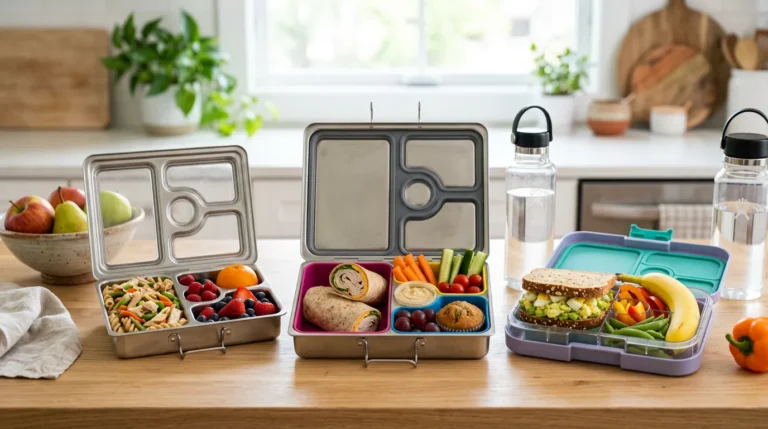
- Choose appropriate containers: Use large reusable bottles and know common volumes. See water bottle sizes and ounces to help measure intake.
- Select water types thoughtfully: Consider mineral content and safety—see best water types for hydration for mineral and source guidance.
- Use tracking tools: Try hydration apps, bottle markings, or scheduled reminders. A simple spreadsheet can also log ounces and urine color for two weeks to observe patterns.
- Consult providers when needed: If you have medical conditions or are on medications that affect fluid/electrolyte balance, get tailored advice before increasing intake.
For more practical habit strategies and complementary tactics, refer to the pillar page for additional daily routines and habit design: 5 tips to stay hydrated and improve wellness.
Transition: To help you decide whether a gallon is the right numeric goal, the following section compares a gallon versus other common hydration recommendations.
Comparing Drinking a Gallon of Water a Day vs. Other Hydration Recommendations
Common recommendations include 8×8 (64 oz), 2 liters (~67.6 oz), or tailored calculators. Comparing 128 oz to these reveals where the gallon sits in the spectrum and how to personalize intake.
| Measure | Approx. Ounces (US) | Typical Rationale | Who might prefer |
|---|---|---|---|
| 1 gallon | 128 oz | Clear, ambitious daily target; supports high activity or replacement of beverages | Very active adults, habit seekers, those replacing sugary drinks |
| 64 oz (8×8 rule) | 64 oz | Simple, moderate baseline for many adults | Less active adults, those with smaller body size |
| 2 liters | 67.6 oz | Common international guidance and easy metric target | People preferring metric systems or moderate intake |
| Calculator-based | Varies | Personalized by weight, activity, climate | Anyone wanting tailored intake |
Key comparison points:
- 128 oz is roughly double 64 oz and nearly 2× 2 liters; it may exceed many individuals’ daily needs unless active or replacing other drinks.
- Personalized approaches (by weight and activity) often outperform single universal targets. Use a daily water intake calculator for tailored planning.
- For people using 32-oz bottle measurement, see the 32 oz of water hydration intake calculator to understand how many bottles equal different targets.
- Compare the biological effects: overeating water (gallon) can increase urine output and dilute electrolytes; moderate volumes (2 liters/64 oz) fit many sedentary adults better.
- Hydration calculators often incorporate environmental and exercise factors to recommend an individualized target—use them to refine whether a gallon suits you.
Transition: Now that the data and comparisons are clear, this FAQ section addresses common practical questions about implementing or avoiding a gallon-a-day approach.
Conclusion
Summary: Drinking a gallon of water a day can benefit many people—especially those who are active, live in hot climates, or want to replace sugary beverages—but it is not universally appropriate. Balance hydration goals with personal factors: kidney and heart health, medications, activity level, and electrolyte needs. Start gradually, monitor urine color and symptoms, and seek medical advice if you have chronic conditions.
Call to action: Try a two-week trial with paced increases, track urine color and frequency, and consult your healthcare provider if you have concerns. For extra habit strategies, check 5 tips to stay hydrated and improve wellness.
Frequently Asked Questions
What does drinking a gallon of water a day mean exactly?
Drinking a gallon of water a day means consuming 128 US fluid ounces (about 3.785 liters) of fluids per day from beverages and some water-containing foods, spread across waking hours, adjusted for activity and health status.
Is drinking a gallon of water a day healthier than drinking 2 liters?
A gallon (128 oz) is nearly twice 2 liters (~67.6 oz); it may benefit very active or hot-climate individuals but can be unnecessary or risky for sedentary people. Personal needs and kidney/heart health determine which is healthier for you.
How do I start drinking a gallon of water a day without feeling overwhelmed?
Increase intake gradually: add 8–16 oz every 3–4 days, divide the gallon into scheduled sips across the day, use marked bottles or apps, and monitor urine color and comfort to avoid spikes that could cause problems.
Can drinking a gallon of water a day help with weight loss?
Drinking water before meals can increase satiety and reduce calorie intake; replacing sugary drinks with water reduces added calories. Water supports weight strategies but is not a sole solution—diet and activity remain primary factors.
How long does it take to feel the benefits of drinking a gallon of water daily?
Some benefits, like improved urine color and reduced thirst, can appear within days; cognitive and bowel-regularity improvements may appear within a week or two. Individual response times vary with baseline hydration.
What are the signs that I am drinking too much water?
Signs of overhydration include persistent clear urine, bloating, swelling (edema), headache, nausea, confusion, and in severe cases seizures—these may indicate dilutional hyponatremia and require medical attention.
Can drinking a gallon of water a day cause electrolyte imbalance?
Yes—if you consume very large volumes quickly or during illness without electrolytes, you can dilute blood sodium and other electrolytes, risking hyponatremia; include electrolyte solutions during heavy sweating or illness.
How do I know if the water I drink is safe and good for hydration?
Safe drinking water should meet local health standards and be free of contaminants; mineral content can aid hydration marginally. See local water-quality reports and consider bottled or filtered options if needed for taste or safety.