
Stay hydrated isn’t just a slogan — it’s a simple daily habit that powers mental clarity, skin health, digestion, and athletic performance. This practical guide gives five actionable tips to stay hydrated and improve wellness, plus tools, food-based strategies, and signs to watch for so you can build lasting hydration habits.
Understanding Hydration and Its Importance
Hydration means maintaining the right amount of water and dissolved electrolytes in your body so cells, tissues, and organs function properly. Water supports temperature regulation, nutrient transport, joint lubrication, and cellular chemistry. Think of your body like a car engine: water is the coolant and oil that keeps systems running smoothly.
Why does hydration matter? Benefits of staying hydrated span physical and mental wellness:
- Supports cardiovascular function and blood volume.
- Helps regulate body temperature during heat or activity.
- Improves digestion and nutrient absorption.
- Boosts cognitive focus, mood stability, and energy levels.
- Promotes healthier-looking skin and faster recovery after exercise.
Physiology at a glance — key numbers to keep in context:
| Metric | Typical range | Source type |
|---|---|---|
| Percentage of body that is water | ~50–70% (varies by age/sex) | According to standard physiology references |
| Daily fluid needs | Vary by individual — factors include activity, climate, health | According to public health guidance summaries |
Hydration is regulated by osmoregulation: your hypothalamus senses blood concentration and signals thirst; kidneys adjust urine volume and electrolyte balance. Electrolytes (sodium, potassium, chloride) are essential for nerve signaling and fluid distribution. Small daily habits preserve balance better than sporadic large intakes.
For a deeper foundation on hydration basics and health roles, see our practical guide: 5 tips to stay hydrated and improve wellness pillar article.
practical guide: 5 tips to stay hydrated and improve wellness
Transition: With the physiology and wellness benefits clear, the next sections show practical, sustainable ways to meet your fluid needs every day.
Tip 1 – Drink Water Consistently Throughout the Day
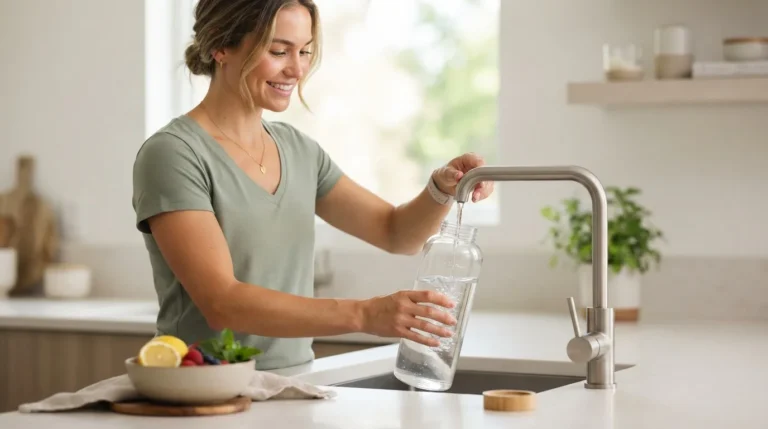
Drinking water regularly — in small, consistent amounts — is the best way to stay hydrated for most people. Instead of large, infrequent gulps, spread intake across the day to support steady osmoregulation and avoid overloading kidneys.
- Create a morning ritual. Start with 8–12 ounces of water within 30 minutes of waking to rehydrate after sleep and jump-start digestion.
- Use measured goals, not myths. Aim for workable targets tied to routine cues (e.g., a glass at breakfast, another mid-morning). For precise personalization, try a hydration intake calculator.
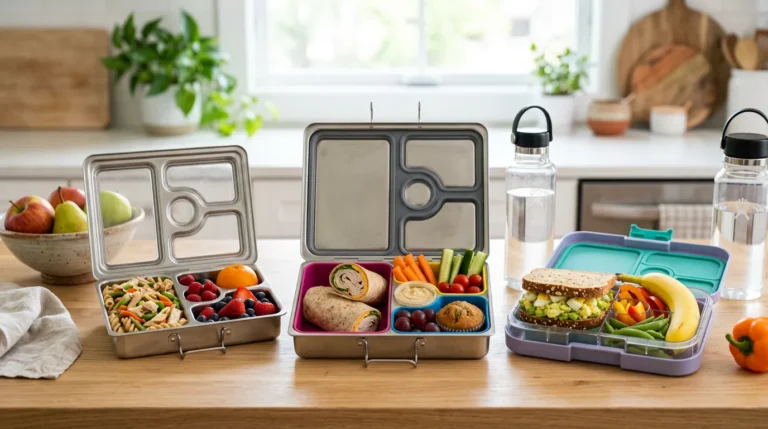
- Keep a visible bottle. Having a refillable bottle in sight increases sipping. Choose a bottle size that matches your goals and refill schedule — see a useful water bottle size chart to pick one.
- Pair drinking with habits. Link sips to actions: after bathroom breaks, before each meeting, or after every 30 minutes of focused work.
- Use portion cues. Conceptualize servings: a typical glass is ~8–12 ounces — more detail in glass of water serving sizes.
- Adjust timing for sleep and medication. Avoid heavy late-evening drinking if nocturia interrupts sleep; coordinate fluids around medications that affect kidneys or blood pressure.
- Beware extremes. Frequent small sips are safe; very high intake (e.g., extreme “gallon-a-day” habits) should be considered carefully for risks of hyponatremia — read about drinking a gallon of water a day.
- Know typical benchmarks. Public guidance offers general ranges; for individualized targets use a daily water intake calculator.
- Track progress. Record bottles or use apps to ensure steady intake without overdoing it.
- Contextualize recommended amounts. If you want to compare headline recommendations like the 2-liter rule, see research on recommended daily water amounts.
drinking a gallon of water a day
Transition: Drinking water is the core habit, but you don’t have to rely on plain water alone — next, practical food and beverage strategies expand your options.
Tip 2 – Incorporate Hydrating Foods and Beverages
One of the best ways to stay hydrated without drinking plain water is to consume high-water foods and smart beverages. These add fluids and often provide electrolytes or nutrients that support hydration.
How-to steps:
- Build meals around hydrating produce. Include fruits and vegetables with high water content at every meal — they hydrate and provide fiber and micronutrients.
- Choose beverages mindfully. Water, herbal teas, low-sugar electrolyte drinks, and milk all contribute to fluid balance. For more on beverage selection, review our guide to best hydrating beverages.
- Use broths and soups. Warm broths are excellent for hydration and electrolytes, especially during illness or cooler months.
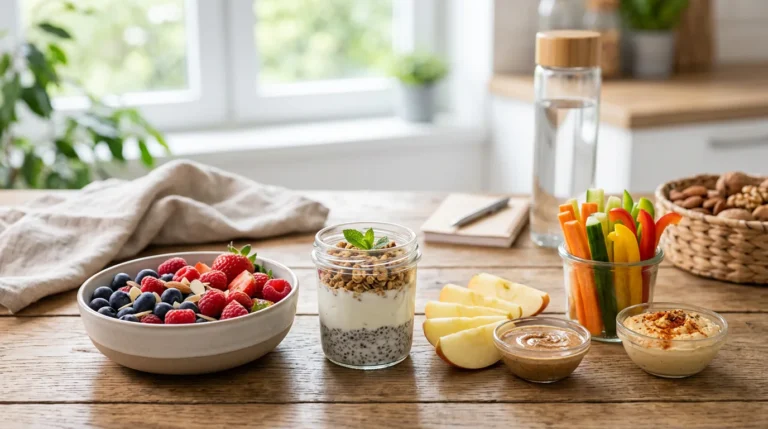
- Eat hydrating snacks. Examples include yogurt, watermelon slices, cucumber sticks, oranges, and smoothies with added spinach or cucumber.
- Monitor sweet and caffeinated drinks. Limit sugary sodas and high-calorie drinks; for lower-sugar alternatives see healthier soft drink options.
- Understand coffee and tea. Contrary to old assumptions, moderate coffee and tea count toward fluid intake for habitual consumers — learn more about the hydration impact of coffee.
- Consider electrolyte balance for heavy sweating. For long workouts or hot-weather exposure, include beverages with sodium and potassium to replace losses.
- Pick the right water type when minerals matter. Mineral content can slightly affect taste and electrolyte contribution — see options in best water types for hydration.
Practical list of hydrating foods and drinks:
- Fruits: watermelon, strawberries, cantaloupe, oranges (over 85% water)
- Vegetables: cucumber, lettuce, celery, zucchini
- Dairy/alternatives: milk, kefir (fluid + electrolytes)
- Soups and broths: clear broths, miso soup
- Low-sugar electrolyte drinks or oral rehydration solutions for heavy losses
- Herbal teas and iced tea (unsweetened) for flavor without high sugar
- Smoothies combining fruit and leafy greens for hydration + nutrients
Transition: Foods and beverages expand options, but tools and reminders make consistent habits stick — learn practical tech and gear next.
Tip 3 – Use Tools and Reminders to Maintain Hydration
Tools transform intention into action. Simple devices and apps make tracking effortless and sustainable.
- Refillable water bottles with measurements. Pick a bottle that shows ounces or milliliters and matches your daily target. Consult a water bottle size chart to choose wisely.
- Smart bottles and sensors. Some bottles sync with apps to log sips and flash reminders; they’re helpful for people who prefer tech nudges.
- Hydration tracking apps. Apps let you set personalized goals, log intake (water and other beverages), and receive prompt notifications. Many integrate with wearables to align with activity data.
- Use calendar and habit cues. Add scheduled reminders tied to calendar events (e.g., drink before/after meetings) or place bottles near commonly used items like your laptop.
- Workplace pitchers and visible stations. Placing a water pitcher in communal areas increases incidental sipping among office teams and families.
- Portable electrolyte packets. Keep single-serve electrolyte mixes in your bag for travel or long workouts.
- Simple low-tech tools. Use a marked bottle (divide into time-based segments) or stickers on your bottle to indicate refill times.
- Expert tip: athletes who monitor weight loss during training should weigh pre- and post-session and use measured rehydration — athletic trainers often recommend these tools in practical settings.
Transition: Tools help enforce habits, but your environment and lifestyle affect how much you need — next we’ll cover adjustments for activity, heat, and special situations.
Tip 4 – Adjust Hydration Habits According to Lifestyle and Environment
Hydration needs are dynamic. Tailor your approach by activity level, climate, age, and health conditions to remain hydrated effectively.
Key scenarios and adjustments:
- During exercise: For short, moderate workouts (under 60 minutes), sipping water before, during, and after is typically sufficient. For prolonged or intense exercise, include electrolyte-containing beverages to replace sodium and potassium losses.
- Hot weather and heat exposure: Increase fluid intake and consume salted snacks or sports drinks if sweating heavily. Cooling measures (shade, fans) reduce fluid loss by lowering sweat rates.
- Altitude or travel: Higher altitudes and air travel can increase fluid losses; drink regularly and limit diuretics like alcohol.
- Older adults: Thirst response blunts with age; set reminders and prioritize fluid-rich meals to prevent underhydration.
- Pregnancy and breastfeeding: Fluid needs rise to support fetal circulation and milk production — follow prenatal guidance and sip consistently.
- Illnesses and gastrointestinal losses: With vomiting or diarrhea, increase fluids and use oral rehydration solutions; see dedicated guidance on managing dehydration from illness.
- Medications and conditions: Certain diuretics and health conditions affect fluid balance; consult a clinician about individualized plans and restrictions.
- Alcohol consumption: Alcohol is a diuretic and can worsen dehydration; alternate alcoholic drinks with water and plan rehydration after drinking — review the effects of alcohol on hydration.
Practical scenario checklist:
- Office worker in temperate climate: 8–12 oz every 1–2 hours plus hydrating lunch.
- Runner or cyclist: Pre-hydrate, sip fluids during activity, replace electrolytes for sessions >60 minutes.
- Hot outdoor worker: Frequent small sips, scheduled breaks in shade, electrolyte replacement with salty snacks or drinks.
- Traveler or flyer: Prioritize fluids, reduce caffeine/alcohol, use humidifying practices when possible.
Transition: While adjusting habits to context, the best long-term strategy is to tune into your body’s signals — next is how to do that effectively.
Tip 5 – Understand and Listen to Your Body’s Hydration Signals
Knowing the signs of dehydration and prevention strategies lets you respond early, avoiding performance drops or more serious complications. Recognizing cues is one of the best ways to know how can you stay hydrated in real time.
Common signs and what to do (checklist):
- Thirst — the primary cue; sip water immediately rather than waiting for intense thirst.
- Dark urine (deeper yellow) — a useful indicator of concentration; for interpretation, consult our urine color hydration indicators.
- Low energy or lightheadedness — may suggest insufficient blood volume; severe dizziness should prompt medical attention, as dehydration can cause low blood pressure caused by dehydration.
- Dry mouth, dry skin, reduced sweating — early signs that require increased drinking and cooling if hot.
- Rapid heart rate or reduced urine output — more advanced signs that need prompt rehydration; persistent symptoms warrant medical care.
- Confusion or extreme lethargy — emergency signs, especially in older adults and infants; check for dehydration signs in infants if caring for babies.
- Stomach pain related to dehydration — can occur and is discussed in our resource on dehydration and stomach pain.
- Serious complications: prolonged dehydration increases risk of kidney injury and heat illness; check the side effects of dehydration for full risks.
urine color hydration indicators
low blood pressure caused by dehydration
Prevention tips:
- Set simple daily check-ins (mid-morning, lunchtime, mid-afternoon) to assess thirst and urine color.
- Adjust fluids proactively before long activity or heat exposure.
- Keep electrolyte options available when sweating heavily or ill.
- Consult a clinician if you have chronic conditions that affect fluid balance or take medications (e.g., diuretics).
Transition: Once you’ve mastered these five practical tips, you can use hydration intentionally to boost wellness in specific ways — read the bonus section for targeted benefits.
Bonus Tips for Enhancing Wellness Through Hydration
Hydration provides tangible wellness benefits: clearer skin, better digestion, sustained energy, and sharper focus. Use hydration strategically to amplify these effects.
Practical wellness tips:
- Skin: Drink regularly and include foods rich in antioxidants (berries, leafy greens). Hydration supports skin turgor and can reduce the appearance of dullness.
- Digestion: Adequate fluids ease digestion and bowel transit. Pair water with fiber-rich meals to prevent constipation.
- Energy and cognition: Mild dehydration can reduce alertness and concentration; sip water when you feel brain fog. For more on how hydration affects vitality, see hydration and energy benefits.
- Weight management: Drinking water before meals can modestly reduce intake and support metabolism; learn targeted strategies in water intake for weight loss.
- Mental health: Consistent hydration supports neurotransmitter balance and mood stability; prioritize fluids during stressful periods and poor sleep.
- Recovery: After exercise, include electrolytes and a small carbohydrate-protein snack to speed recovery and rehydration.
- Special practices: If considering interventions like extended water fasting, review water fasting safety considerations to avoid harm.
- Small habit stacking: Combine hydration with other wellness actions — e.g., drink a glass after morning stretch or before meditation — to build sustainable routines.
water fasting safety considerations
Transition: With benefits and bonus strategies covered, let’s correct common misunderstandings about hydration.
Common Myths and FAQs About Hydration
Short answers to common hydration myths and quick facts to guide daily choices.
- Myth: You must drink 8 glasses exactly every day. Fluid needs vary; use routine cues and calculators rather than strict one-size-fits-all rules. For individualized guidance, see how much water to drink daily.
- Myth: Coffee dehydrates you. For regular consumers, coffee and tea contribute to daily fluid intake; moderation is key. See the detailed hydration impact of coffee.
- Question: Can you drink too much water? Yes — excessive water without electrolytes can cause hyponatremia. Balance intake, especially during endurance events; learn about risks of overhydration.
External resources for authoritative guidance:
- CDC guidance on water and nutrition
- NIH health summaries and hydration research
- Mayo Clinic overview of water’s role
Final transition into key takeaways and action steps.
Summary and next steps: Hydration is a simple, high-impact wellness habit. Start by drinking consistently through the day, include hydrating foods and beverages, use tools and reminders, adapt to your lifestyle and environment, and listen to your body’s signals. Small habit changes compound into meaningful health improvements — pick one tip to implement today.
Call to action: Try one hydration habit this week (e.g., a measured morning glass plus a visible 24-oz bottle at your desk) and track how you feel. For personalized goals or deeper measurement tools, consult the linked calculators and resources above.
Frequently Asked Questions
What does “stay hydrated” mean and why is it important?
To “stay hydrated” means keeping body fluids and electrolytes balanced so cells and organs work properly. Hydration supports temperature control, digestion, blood flow, and brain function; maintaining it improves energy, focus, and physical performance.
What is the best way to keep hydrated throughout the day?
The best way is steady small sips spread across the day: a morning glass, scheduled refills, and sipping before/during/after activity. Use measured bottles or apps to turn the habit into a routine for consistent intake.
How can I stay hydrated without drinking plain water?
Consume high-water foods (watermelon, cucumber, soups), drink herbal teas or milk, and use low-sugar electrolyte beverages when needed. These supply fluid plus nutrients to support hydration without only relying on plain water.
How many glasses of water should I drink daily for optimal hydration?
There’s no universal number; needs vary by body size, activity, climate, and health. Use routine cues, a daily water intake calculator, and urine color to personalize intake rather than a fixed glass count.
Can drinking coffee or tea help me stay hydrated?
Yes. For habitual consumers, moderate coffee and tea contribute to daily fluid intake. Limit excess caffeine and sugar, but these beverages still count toward overall hydration for most people.
What are the early signs of dehydration I should watch for?
Early signs include thirst, dry mouth, darker urine, reduced urine frequency, fatigue, and mild dizziness. Increase fluids at the first signs and monitor urine color for quick feedback.
Is it possible to drink too much water and what are the risks?
Yes—excessive water without replacing electrolytes can cause hyponatremia (low blood sodium), leading to nausea, headache, confusion, or seizures. Balance fluids with electrolytes for heavy sweating or endurance events.
How long does it take to improve hydration habits and see wellness benefits?
Many people notice improved energy and clearer thinking within a few days of consistent hydration; skin and digestive benefits can appear in one to four weeks, depending on baseline habits and lifestyle changes.