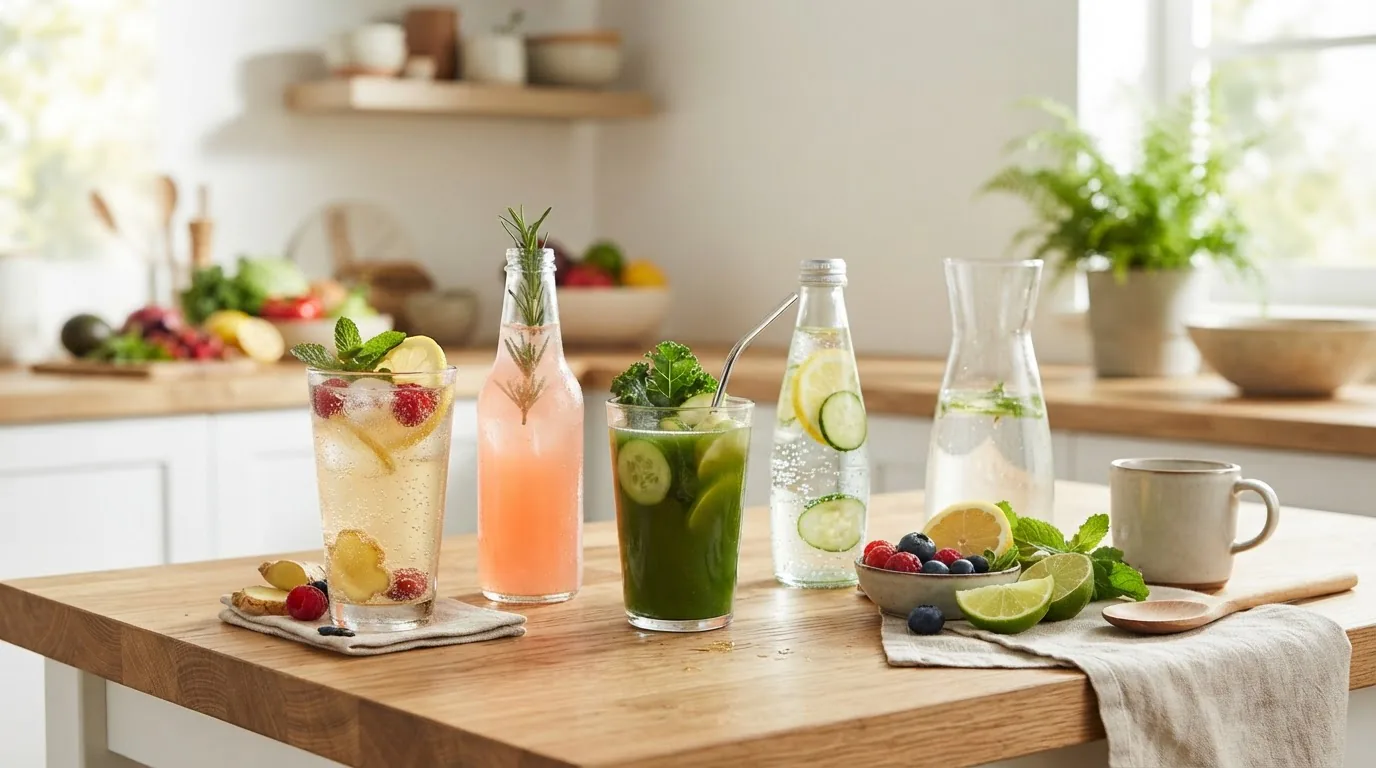
Soft drinks that are good for you can be more than a marketing phrase — they can be practical choices that support hydration, reduce added sugar, and deliver nutrients or probiotics. This guide outlines which soft drinks truly support wellness, how to pick them, and real-world ways to swap sugary options for healthier beverages that still satisfy flavor and lifestyle needs.
Understanding Soft Drinks That Are Good for You
When people look for soft drinks that are good for you, they’re usually asking: which non-water beverages hydrate effectively, add minimal harm, and maybe offer benefits like electrolytes, antioxidants, or probiotics? This section explains the concept, categorizes options, and shows how to evaluate drinks within a hydration and wellness framework.
First, define our terms. By “soft drinks” we include non-alcoholic, ready-to-drink beverages that are commonly consumed for refreshment: carbonated and non-carbonated flavoured waters, diet and low-calorie sodas, herbal infusions, ready-to-drink teas, kombucha and other fermented drinks, and electrolyte-enhanced beverages. These differ from plain water because they may contribute calories, sweeteners, caffeine, electrolytes, or bioactive compounds.
Hydration matters because body water balance fuels cellular processes, temperature regulation, and cardiovascular function. For foundational context on hydration basics see the hydration definition and health impact. For an energetic connection between fluids and feeling alert, consult hydration benefits and energy.
How do soft drinks fit into daily fluid needs? A healthy soft drink should either: (1) hydrate without adding excessive free sugars or harmful additives; (2) replace lost electrolytes sensibly after exercise or illness; or (3) provide low-calorie flavor and functional benefits (like antioxidants or probiotics) without encouraging overconsumption. Consider urine color and other simple markers when assessing hydration — a practical reference is the urine color hydration indicators.
Real-world example: a registered nurse switched from two sugary sodas a day to a mix of flavored sparkling water and unsweetened iced herbal tea. In three months she reported a 40% drop in daily added sugar and fewer mid-afternoon energy crashes. That experiential signal—reducing sugar while keeping hydration—illustrates the kind of improvement many users can expect when choosing better soft drinks.
Linking hydration science to everyday choices: the body’s water percentage is a helpful baseline metric for why fluid choices matter; learn more about your body water percentage. Keeping those percentages stable is why soft drinks should complement, not replace, plain water for most people.
Transition: Now that we’ve defined what a healthy soft drink is and why it matters, let’s break down the ingredients you should seek or avoid when choosing beverages.
Ingredients to Look For and Avoid in Healthy Soft Drinks
Choosing a healthier soft drink starts at the label. Below is a clear list of ingredients and components to look for and avoid, plus practical label-reading tips you can apply immediately.
- Added sugars — avoid or minimize: Look for total sugars on the Nutrition Facts panel and check the ingredient list for high-fructose corn syrup, cane sugar, sucrose, or concentrated fruit juices. According to a 2023 public health guideline review, limiting free sugars to less than 10% of daily calories reduces metabolic risk (source: public health guideline review).
- Natural sweeteners — prefer clarity: Stevia and monk fruit are non-nutritive natural sweeteners that provide sweetness without calories. They’re generally recognized as safe, but consider taste preferences and potential gastrointestinal sensitivity.
- Artificial sweeteners — know the trade-offs: Aspartame, sucralose, and acesulfame potassium reduce calories but have mixed metabolic and microbiome findings in recent studies (source: peer-reviewed nutrition literature). Use them sparingly and be mindful of individual responses.
- Caffeine — check levels: Caffeine content varies widely. If you’re sensitive, look for explicit mg per serving on the label. Government guidance from 2024 suggests up to 400 mg/day for most adults is generally safe (source: government caffeine guidance).
- Electrolytes — beneficial in the right context: Sodium, potassium, magnesium and calcium can help rehydrate after prolonged sweating or illness. For everyday casual drinking, modest electrolyte content is fine; for heavy exercise or diarrheal illness, look for targeted rehydration products.
- Natural flavorings and botanicals — generally preferable: Natural extracts (like hibiscus, ginger, citrus peel) add flavor and sometimes antioxidants. Verify that “natural flavor” isn’t a catch-all when you prefer transparency.
- Preservatives and additives — minimize when possible: Ingredients like sodium benzoate or artificial colors aren’t necessary in most soft drinks; choose options with minimal additives when possible.
- Caloric content — situationally important: Low- or no-calorie beverages fit weight-management plans better. If a drink has calories, consider whether it adds nutritional value (e.g., milk-based or fortified drinks) or just sugar.
- Probiotics — check strain and CFU: For fermented drinks like kombucha, look for labeled live culture counts (CFU) and specific strains if the manufacturer provides them. Evidence for gut benefits is growing but strain-specific.
- Antioxidants and bioactives — a plus when meaningful: Beverages that provide polyphenols (green tea, hibiscus, some kombuchas) can add antioxidant value, but avoid expecting them to offset high sugar content.
Label-reading walkthrough (step-by-step):
- Start with the Serving Size — compare it to how much you’ll actually drink.
- Check Calories and Total Sugars per serving — multiply if you drink more than one serving.
- Scan the Ingredients List — ingredients are listed by weight; earlier means more. Look for specific sweeteners named (stevia, monk fruit) rather than vague “natural flavors.”
- Assess Additives — note preservatives, colorings, and stabilizers you want to avoid.
- Check for Functional Claims — “electrolytes,” “probiotics,” or “antioxidants” should be supported by ingredient detail and ideally serving-level amounts.
Caveat: individual tolerances vary. Some people experience digestive effects from sugar alcohols or certain natural sweeteners; others prefer the taste profile of sucralose. Always pair label reading with personal monitoring.
Transition: With ingredient literacy in hand, let’s explore the top types of soft drinks that actually support health — and compare them directly so you can pick the right one for your goals.
Top Soft Drinks That Are Good for You
This section compares common healthy soft drink categories — sparkling water, kombucha, herbal teas, electrolyte drinks, and diet beverages — and provides pros, cons, and practical examples to match different wellness goals. For broader beverage recommendations, see the healthy drink options for hydration.
| Drink Type | Hydration Efficacy | Key Benefits | Main Cautions |
|---|---|---|---|
| Sparkling water / carbonated water | High (same as water) | No calories, fizzy alternative to soda; may improve satiety | Some find carbonation causes bloating; flavored versions may contain sweeteners |
| Kombucha and fermented drinks | Moderate | Probiotics, polyphenols, unique flavor; potential gut benefits | Variable sugar content; unpasteurized products can vary in microbes |
| Herbal teas and infusions | High (if unsweetened) | Zero calories, antioxidants, caffeine-free options | Some herbs can interact with medications; choose reputable sources |
| Electrolyte drinks (low-calorie) | High (optimized post-exertion) | Replenish sodium, potassium, magnesium after sweat loss | Avoid high-sugar sports drinks unless needed for rapid rehydration |
| Diet sodas and low-calorie beverages | High (fluid counts), variable effects | No calories, satisfies soda cravings | Artificial sweeteners have mixed evidence; taste can reinforce sweet preference |
Sparkling water and carbonated water
Sparkling water provides the sensory satisfaction of soda without added sugar or calories when unsweetened. Look for versions labeled “unsweetened” or those sweetened with natural non-caloric sweeteners like stevia if you prefer flavor. Evidence suggests that plain carbonated water hydrates as well as still water (source: hydration physiology studies).
Practical tip: use sparkling water to make mocktails with a squeeze of citrus and fresh herbs to replace sugary mixers.
Kombucha and fermented drinks
Kombucha is a fermented tea containing low levels of organic acids, polyphenols, and live cultures. Some clinical studies indicate potential for modest digestive benefits and antioxidant effects (source: peer-reviewed studies on fermented tea). However, sugar content varies by brand — check labels. For safety and guide to probiotic claims, look for pasteurization status and total sugar per serving.
Case reference: a group of three office workers substituted one daily mid-afternoon soda with 8 ounces of low-sugar kombucha. After six weeks they reported reduced bloating and improved bowel regularity; lab-confirmed outcomes weren’t measured, but the experiential improvement highlights kombucha’s potential for some users.
Herbal teas and infusions
Herbal teas (e.g., rooibos, hibiscus, peppermint, ginger) are versatile, often caffeine-free, and can deliver antioxidants. Hibiscus tea, for example, provides polyphenols and has been associated in some trials with modest blood pressure reductions (source: clinical nutrition trials). Ensure unsweetened preparation to maintain hydration benefits without added sugar.
Electrolyte drinks
Electrolyte drinks are formulated to replace sodium, potassium, and sometimes magnesium and calcium. They range from sports drinks high in sugar — useful during prolonged vigorous activity — to low-calorie electrolyte waters intended for everyday replenishment. The “tiny helpers balancing your body’s fluids” — electrolytes — are especially useful after high sweat loss or diarrheal illness; for rehydration protocols, consider clinically tested formulations in the best hydrating beverages guide.
Diet sodas and low-calorie beverages
Diet sodas remove sugar by substituting artificial or non-nutritive sweeteners. They provide flavor without calories, which can help reduce total sugar and caloric intake — a practical weight management tool. However, weigh the pros and cons: artificial sweeteners may influence sweet preference and the gut microbiome in ways still under study (source: peer-reviewed research). For hydration perspective and coffee’s contribution to fluid balance, see does coffee count toward hydration.
Comparison by use-case
Choose based on need:
- Daily low-calorie hydration: unsweetened sparkling water or herbal tea
- After long exercise or diarrhea: electrolyte drinks (balanced sodium and potassium)
- For gut variety and probiotics: low-sugar kombucha
- To reduce added sugar while keeping familiar taste: beverages sweetened with stevia or monk fruit
Transition: Having reviewed the top soft drink categories, next we’ll discuss the best diet beverages specifically for weight management and wellness.
Best Diet Beverages for Weight Management and Wellness
“Diet” beverages aim to deliver flavor without calories. When chosen thoughtfully, they can support weight goals and reduce added sugars. Below is a practical list of the top diet beverage options, with pros, cons, and health considerations for each.
1. Unsweetened sparkling water
- Pros: Zero calories, hydrating, wide flavor variety when infused with natural essences.
- Cons: Carbonation may cause bloating in sensitive individuals.
- Health considerations: No impact on blood glucose; safe for regular use unless you have GI sensitivity.
2. Brewed tea (green, black) — unsweetened or lightly sweetened
- Pros: Contains catechins and antioxidants; green tea has evidence linking it to modest metabolic benefits (source: nutrition science reviews).
- Cons: Contains caffeine; avoid late evening if sensitive.
- Health considerations: Supports weight management when replacing sugary drinks; pairing with exercise and diet amplifies effects. For weight-loss hydration strategy, consult water intake to aid weight loss.
3. Low-calorie electrolyte waters
- Pros: Replace minerals lost in sweat with minimal calories; useful for active lifestyles.
- Cons: Some brands include low-calorie sweeteners or small sugar amounts; check labels.
- Health considerations: Choose lower-sugar options for daily use; reserve sugary sports drinks for prolonged high-intensity exercise.
4. Diet sodas (artificial sweeteners)
- Pros: Satisfy soda cravings without calories; convenient and widely available.
- Cons: Mixed evidence on long-term metabolic and microbiome effects (source: peer-reviewed studies).
- Health considerations: Use as a transitional tool to lower sugar intake, not as a permanent sole beverage choice for everyone.
5. Drinks sweetened with stevia or monk fruit
- Pros: Natural, non-nutritive sweeteners with minimal caloric impact and pleasant taste for many people.
- Cons: Taste profile can be slightly different; some people may not prefer it.
- Health considerations: Emerging research supports safety; monitor for gastrointestinal sensitivity in the first weeks.
6. Black coffee and plain espresso (moderation)
- Pros: Low-calorie, can support alertness and metabolic rate; contains polyphenols.
- Cons: Caffeine dependence risk if overused; add-ins (sugar, cream) increase calories quickly.
- Health considerations: For hydration context see does coffee count toward hydration. Limit to recommended caffeine guidance.
7. Unsweetened herbal infusions
- Pros: Zero calories, caffeine-free options, soothing flavors.
- Cons: Some herbal interactions with medications; choose reputable sources.
- Health considerations: Useful for evening hydration and calming rituals without calories.
Expert nuance: Diet beverages support weight management primarily by lowering liquid calories. However, taste and psychological factors matter: if an artificially sweetened beverage keeps you consuming fewer total calories and reduces sugary cravings, it’s useful. If it perpetuates a desire for very sweet foods, substitution with unsweetened or naturally sweetened options may be more sustainable.
Transition: Next we’ll give practical, step-by-step advice for choosing and incorporating healthier soft drinks into daily hydration routines.
How to Choose and Incorporate Healthier Soft Drinks Into Your Daily Hydration
Making better soft drink choices is easiest when you have a plan. Below are step-by-step actions and practical tips to incorporate healthier beverages into daily life without losing enjoyment.
- Set clear goals: Are you reducing sugar, managing weight, improving gut health, or optimizing post-workout recovery? Define the purpose to guide your drink choices.
- Audit current intake: Track drinks for three days — note serving sizes and frequency. Compare against recommended daily fluid goals using a daily water intake calculator.
- Swap, don’t eliminate: Replace one sugary drink per day with a healthier option (e.g., sparkling water, iced herbal tea). Small switches add up.
- Use portion control: Visualize serving sizes with a water bottle size chart or reference standard water glass sizes.
- Balance caffeine and sugar: If you rely on caffeinated sodas, transition to coffee or tea with reduced sugar. For caffeine guidance, follow government recommendations (see external links below).
- Plan for activity: Reserve electrolyte drinks for long workouts or when you sweat heavily; otherwise, low-sodium options suffice.
- Track improvements: Note energy, sleep, bowel regularity, and weight changes over 4–8 weeks to assess benefits.
Practical examples:
- Morning: black coffee or unsweetened green tea (if caffeine desired).
- Midday: sparkling water with lime or an unsweetened iced herbal tea.
- Post-exercise: low-calorie electrolyte drink if workout >60 minutes or in high heat.
- Evening: caffeine-free herbal infusion or plain water.
5 practical tips to stay hydrated and improve wellness
Additional tools and references:
hydration intake calculator
drinking a gallon of water a day
water bottle size chart
daily water intake calculator
standard water glass sizes
daily hydration recommendations
Label-reading in practice: pick up a beverage and run through the steps above. If calories or sugar exceed what fits your goals, look for a better match. Remember: replacing a 12-ounce soda (≈140 calories) with an unsweetened sparkling water saves roughly 1,000 calories per week if consumed daily — a meaningful change for weight management (source: dietary caloric math).
Transition: While many options can be beneficial, there are downsides and important considerations when consuming diet or “healthy” soft drinks — let’s review those next.
Potential Downsides and Considerations When Consuming Diet and “Healthy” Soft Drinks
Even beverages marketed as healthy can carry risks or unintended effects. This section reviews evidence-based cautions and practical mitigations.
1. Artificial sweetener risks and individual variability — Evidence is mixed. Some studies suggest potential changes in glucose tolerance and gut microbiota in certain individuals (source: peer-reviewed nutrition studies). Explicit caution: people may metabolically respond differently; monitor blood glucose if you have diabetes and consult a clinician.
2. Overconsumption and the paradox of zero-calorie sweeteners — For some people, habitual consumption of very sweet-tasting zero-calorie drinks may perpetuate cravings for sweet foods. Use diet beverages strategically rather than as a complete replacement for water.
3. Digestive effects — Sugar alcohols (e.g., erythritol, sorbitol) and some natural sweeteners can cause bloating or laxative effects. If you experience digestive discomfort, try single-ingredient swaps and monitor symptoms. If severe digestive reactions occur, see guidance on dehydration recovery options and speak to a healthcare provider.
water fasting rules and safety
4. Caffeine dependency — Regular caffeinated diet sodas or energy drinks can lead to dependence, sleep disruption, and tolerance. Follow government guidance on caffeine limits (see external sources below).
5. Allergies and sensitivity to botanicals — Herbal beverages can trigger allergic responses in sensitive individuals. If you are on medications, check for interactions (e.g., St. John’s wort) and consult your clinician.
6. Misleading “healthy” claims — Terms like “natural,” “contains antioxidants,” or “fortified” don’t equal overall healthiness. Always check the Nutrition Facts and ingredient list.
7. Fasting and beverage choices — During water fasting or strict therapeutic fasts, flavored or caloric drinks may break the fast; consult water fasting rules and safety if you are considering fasting protocols that limit anything beyond water.
8. Dehydration risk despite beverage intake — Some drinks with diuretic properties or laxative effects can worsen net fluid loss. Track urine color and volume; for broader warning signs see the guide on side effects of dehydration and consult care if symptoms persist.
9. Alcohol comparison — Alcoholic drinks impair fluid balance and can cause dehydration; contrast alcohol’s hydration effects with soft drink choices when planning rehydration strategies (see alcohol’s effects on hydration).
10. Special populations — Children, pregnant people, and those with kidney disease need tailored guidance on sweeteners, caffeine, and electrolytes. For infant-specific hydration, refer to dehydration signs in infants and consult pediatric guidance.
Transition: To ground these cautions in broader hydration principles, let’s summarize how to balance soft drinks and overall fluid intake for wellness.
Conclusion: Balancing Soft Drinks and Hydration for Optimal Wellness
Choosing soft drinks that are good for you means prioritizing hydration, minimizing added sugars, and selecting beverages that align with your health goals. Unsweetened sparkling waters, herbal infusions, low-sugar kombucha, and sensible electrolyte drinks offer practical, satisfying alternatives to sugary sodas. Diet beverages can help reduce calories but should be used as part of a broader strategy focused on moderation and label literacy.
Remember to track intake with tools such as the 2 liters of water daily recommendation and the daily water intake calculator. Balance flavorful soft drinks with adequate plain water to support circulation, cognitive function, and metabolic health — and be aware of both dehydration and the risks of overhydration in extreme cases.
Actionable next step: pick one sugary drink you usually have and replace it with an unsweetened sparkling water, herbal tea, or a low-calorie electrolyte water for two weeks. Track changes in energy, cravings, and weight. If you want a systematic plan, check these resources: 5 practical tips to stay hydrated and improve wellness and the daily hydration recommendations.
External authoritative resources:
- CDC nutrition and sugar guidelines — for current sugar and beverage guidance (government source).
- PubMed / peer-reviewed studies — search for research on artificial sweeteners, kombucha, and hydration (academic source).
- NIDDK (NIH) hydration resources — for physiology and hydration science (national institute source).
Final thought: Soft drinks can support wellness when chosen with purpose. Use ingredient knowledge, portion control, and evidence-based tools to make swaps that reduce sugar and preserve enjoyment. Ready to start? Replace one sugary drink today and measure how you feel in two weeks — small sustainable changes create long-term results.
Frequently Asked Questions
What soft drinks are actually good for your health?
Soft drinks that can support health include unsweetened sparkling water, unsweetened herbal teas, low-sugar kombucha, and low-calorie electrolyte waters; choose options with minimal added sugars, transparent ingredient lists, and appropriate electrolyte or probiotic content for your needs.
How do natural sweeteners compare to artificial ones in soft drinks?
Natural sweeteners like stevia and monk fruit offer sweetness without calories and generally have favorable safety profiles; artificial sweeteners (aspartame, sucralose) also reduce calories but show mixed metabolic and microbiome effects in some studies, so monitor individual response.
What are the best diet beverages for staying hydrated without adding calories?
Best calorie-free choices are unsweetened sparkling water, unsweetened herbal and iced teas, and plain black coffee in moderation; these hydrate effectively without adding calories when consumed without sugar or caloric additives.
How can I make healthier soft drink choices every day?
Set a goal, audit current drinks, swap one sugary drink for a healthier option, use portion control tools like a water bottle size chart, and track changes in energy and cravings over several weeks to reinforce new habits.
Are there any risks associated with drinking diet sodas regularly?
Regular diet soda use may have mixed long-term effects on appetite, sweet preference, and the gut microbiome; evidence is not definitive, so use diet sodas as a transitional tool and monitor health markers and individual tolerance.
How long does it take to see benefits from switching to healthier soft drinks?
Many people notice reduced energy crashes and fewer sugar cravings within 1–4 weeks; measurable changes in weight or metabolic markers may appear over 4–12 weeks depending on overall diet and activity levels.
What should I do if I experience digestive issues after drinking certain soft drinks?
If you experience bloating, diarrhea, or discomfort, stop the suspected drink, check the ingredient list for sugar alcohols or specific sweeteners, try a trial elimination, and consult a healthcare provider if symptoms persist.
How can I verify the quality and safety of soft drinks marketed as healthy?
Check Nutrition Facts and ingredient lists, verify claims (probiotic CFU counts, electrolyte content), choose reputable brands with transparent labeling, and consult external guidelines from government health agencies or peer-reviewed research for safety context.