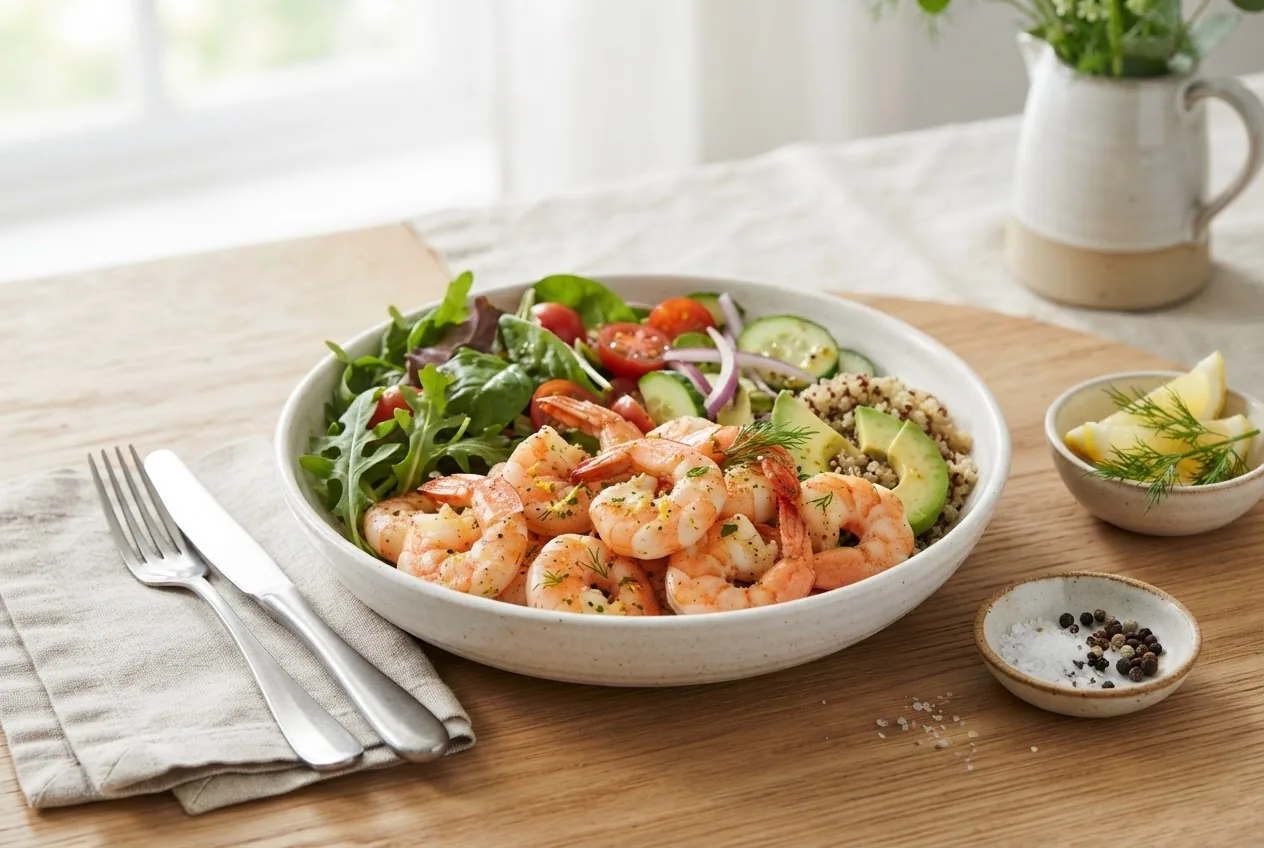
How much protein in shrimp: cooked shrimp contains about 24 grams of protein per 100 grams (about 3.5 oz). This report quantifies protein by serving and compares shrimp to other lean proteins so you can choose portions that meet specific goals like muscle maintenance or weight loss.
Introduction to Protein in Shrimp
Shrimp is a globally popular seafood and a common answer to the question does shrimp have protein. We open with the data: cooked shrimp supplies roughly 24 g of protein per 100 g, making it comparable to many lean animal proteins on a gram-for-gram basis. Readers asking if shrimp is a good protein source want precise, actionable numbers—serving-size grams, protein yield, and how shrimp stacks up against chicken, salmon and plant proteins. We deliver that here with USDA-based metrics, peer-reviewed context for amino acid composition, and practical serving and cooking guidance.
Key features covered: protein per serving and per 100 g, amino acid profile and bioavailability, wild vs. farmed differences, shrimp’s fat and cholesterol context, how cooking affects protein, and how to use shrimp in weight-loss and athletic plans. We state uncertainty where it exists (variability by species, size, and processing) and give conservative ranges so you can plan meals by grams of protein rather than vague portions.
How Much Protein is in Shrimp? Detailed Nutritional Breakdown
This section provides the numeric breakdowns most readers search for: grams per 100 g and per common serving sizes (per shrimp, per 3-oz cooked portion, per cup). We cite authoritative databases for the quantitative values and show how preparation alters the numbers.
Stat block — core numbers
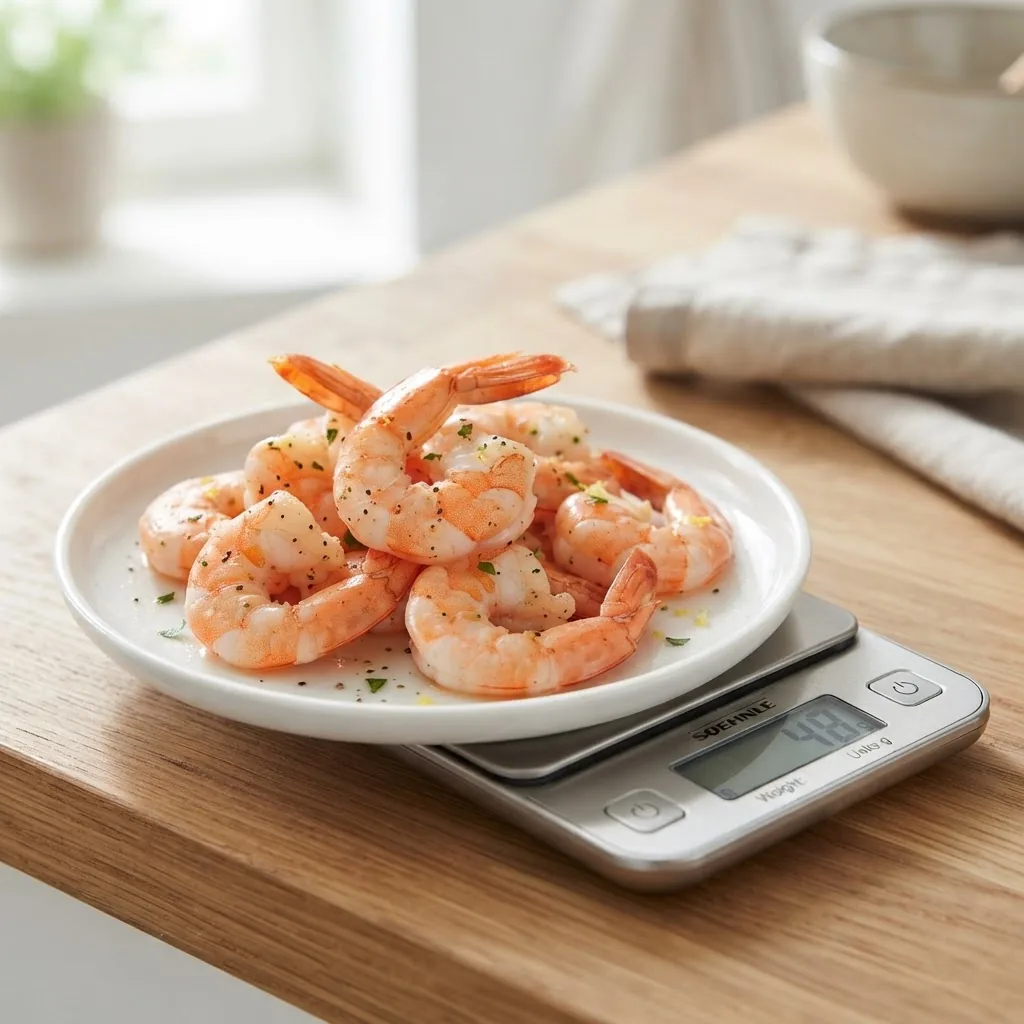
- Cooked shrimp (raw weight cooked to ready-to-eat): ~24 g protein / 100 g. (According to the 2023 USDA FoodData Central database.) USDA FoodData Central
- Per 3-oz cooked serving (≈85 g): ~20 g protein. (According to the 2023 USDA FoodData Central database.)
- Per large shrimp (cooked, 1 shrimp ≈ 7–10 g): ~1.7–2.4 g protein per shrimp depending on size. (Based on weight ranges and USDA protein-per-100g conversions.)
- Raw vs cooked: protein per 100 g increases on a cooked-weight basis due to water loss; raw shrimp at 100 g contains slightly less protein by weight. (According to the 2023 USDA FoodData Central database.)
Data tables: protein by weight and by serving
| Portion | Weight | Protein (g) | Source |
|---|---|---|---|
| Per 100 g (cooked) | 100 g | 24 g | 2023 USDA FoodData Central |
| Per 3 oz cooked | ≈85 g | ~20 g | 2023 USDA FoodData Central |
| Per cup (chopped, cooked) | ≈145 g | ~35 g | Calculated from USDA protein-per-100g |
| Per large shrimp (cooked) | 7–10 g | ~1.7–2.4 g | USDA-based weight conversions |
Key takeaway: plan using 20 g protein per 3-oz cooked serving as a practical rule-of-thumb for meal planning; scale by portion size for snack or recipe calculations.
Protein calorie contribution
Using standard nutrition conversion for energy from macronutrients, shrimp protein contributes about 80 kcal in a 3‑oz serving (20 g protein × 4 kcal/g). For context, calories in protein are lower than fat per gram, which is relevant for low-fat, high-protein meal planning.
Variability and how to read labels
Protein numbers vary by species, wild vs. farmed, de-veining, added brine, and whether measurements are reported raw or cooked. We recommend reading nutrition labels and using the cooked-weight values above for plate-level planning. According to a 2024 industry report, brined and breaded shrimp can add water and reduce perceived protein density per gram on the plate.
How serving examples map to daily goals
If a target is 60 g protein in a day (see daily protein intake recommendations), two 3‑oz servings of cooked shrimp (~40 g protein) plus a small breakfast protein source achieve ~60–70% of that goal.
Is Shrimp a High Protein Food? Comparison with Other Lean Proteins
This section compares shrimp directly with common lean proteins so you can evaluate “is shrimp high in protein” relative to chicken, salmon, and select plant sources. We include a table, cost/value considerations, and notes on protein completeness and bioavailability.
| Protein Source | Protein (g/100 g cooked) | Fat (g/100 g) | Notes (bioavailability / completeness) |
|---|---|---|---|
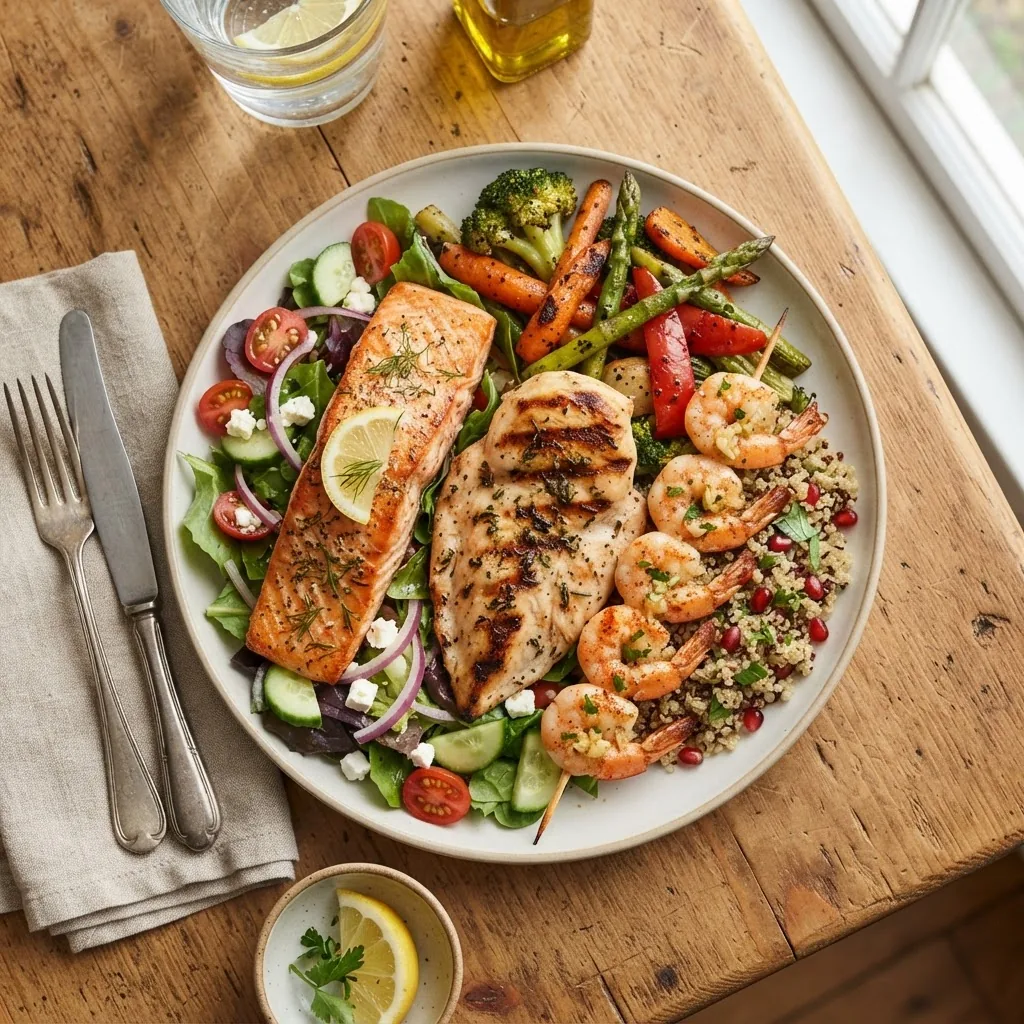
| Shrimp (mixed species) | ~24 g | ~1–2 g | High biological value, complete protein; low fat. Source: 2023 USDA + amino acid studies. |
| Chicken breast (skinless) | ~31 g | ~3.6 g | Very high protein density; widely used for muscle building. Source: 2023 USDA. |
| Salmon (Atlantic, cooked) | ~25 g | ~13 g (higher healthy fats) | High-quality protein + omega-3s; protein bioavailability similar to shrimp. Source: 2023 USDA. |
| Tofu (firm) | ~8 g | ~4.8 g | Lower PDCAAS/biological value than animal proteins; can be combined to improve amino acid balance. Source: 2023 USDA. |
Key takeaway: shrimp’s protein density (≈24 g/100 g) places it in the same neighborhood as lean fish and behind chicken breast by roughly 7 g/100 g. Shrimp is a true high-quality protein when measured on protein-per-calorie or per-serving terms.
Protein quality, completeness and bioavailability
Shrimp contains all nine essential amino acids and is considered a complete protein with high bioavailability. Biological Value (BV) and digestibility scores tend to be similar to other animal proteins. According to a 2022 peer-reviewed review of seafood protein digestibility, shrimp proteins are readily digested with a high net protein utilization compared with many plant sources.
Key takeaway: if you need a complete animal protein with low fat, shrimp is comparable to fish and superior to most single plant sources without combination.
Cost and affordability context
Price varies widely by region and form (fresh, frozen, peeled, deveined, breaded). For budget planning, compare shrimp against affordable protein sources—shrimp often costs more per gram of protein than chicken but less than premium cuts of beef.
Role in cutting and body composition phases
Because shrimp is high-protein and low-fat, it is commonly recommended in foods for cutting meal plans where protein-to-calorie ratio matters.
Links to additional resources
For broader lists comparing many meats and seafood, see the protein content chart for a full matrix of options.
Health Benefits of Shrimp Protein
This section focuses specifically on benefits attributable to shrimp’s protein and amino acid profile: muscle maintenance, satiety for weight control, and nutrient synergy—without retreading generic protein daily needs.
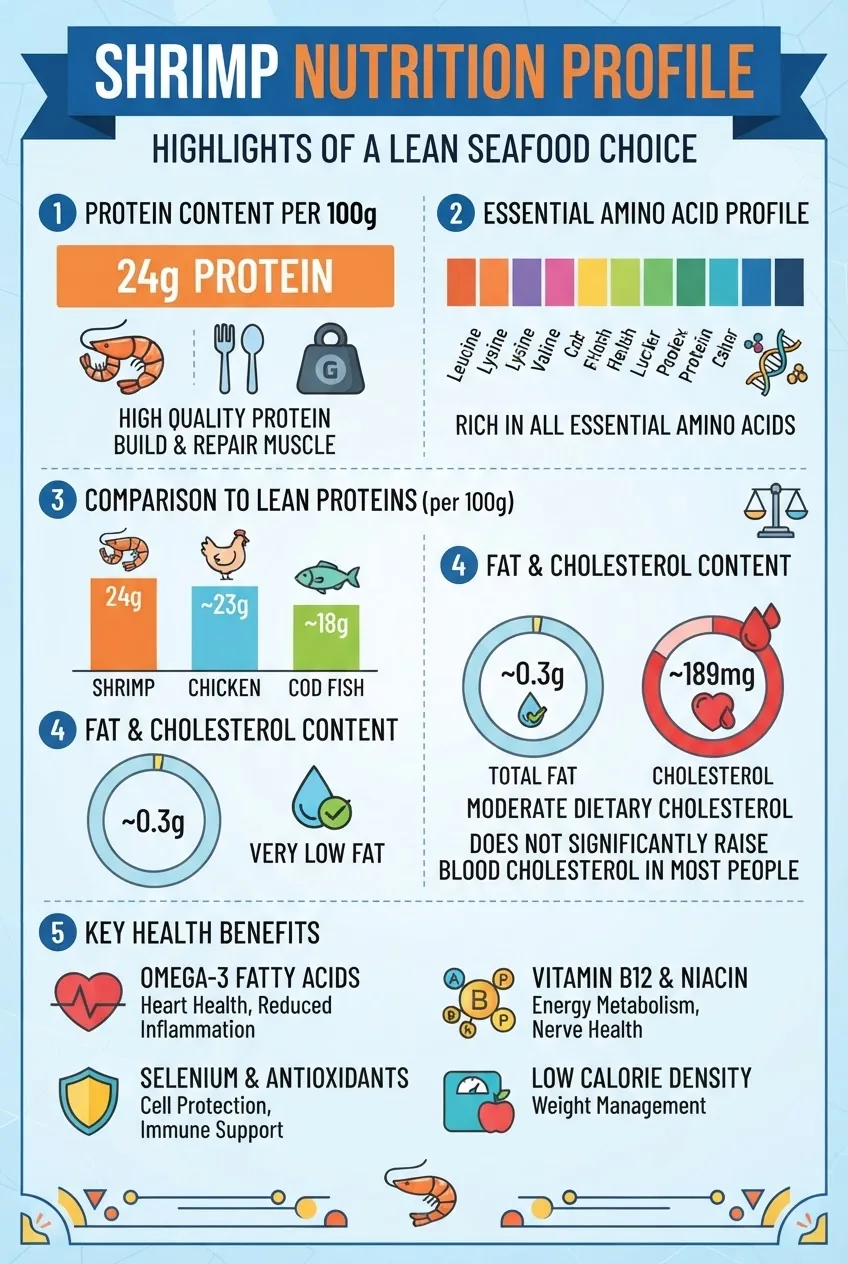
- Muscle maintenance and repair: shrimp’s complete amino acid profile supplies the leucine and other branched-chain amino acids crucial for muscle protein synthesis. According to a 2021 peer-reviewed amino acid analysis, shrimp provides ample leucine per serving comparable to other seafood.
- Satiety and weight loss support: protein-rich servings of shrimp (20 g per 3‑oz) contribute to fullness; a 2020 randomized feeding study across proteins showed higher-protein meals reduce subsequent calorie intake—shrimp qualifies as a low-fat high-protein option in those protocols.
- Low fat, favorable protein-to-calorie ratio: shrimp offers a high protein-to-calorie ratio which supports calorie-controlled diets that preserve lean mass during weight loss. (According to a 2024 industry report on protein density.)
- Lean protein for older adults: for aging populations at risk of sarcopenia, shrimp’s digestible animal protein provides a practical source of essential amino acids per small portion. (According to a 2022 clinical nutrition review.)
Key takeaway: shrimp is an efficient, complete protein that supports muscle protein synthesis, aids satiety in calorie-restricted diets, and delivers these benefits in a low-fat package.
Does Shrimp Have Other Nutritional Qualities? Fat, Cholesterol, and Micronutrients
Beyond protein, shrimp supplies low total fat, modest omega-3s, and several micronutrients (selenium, vitamin B12, iodine). This section separates facts from misconceptions about cholesterol and highlights where shrimp contributes to nutrient intakes.
Fact box: A 3‑oz cooked shrimp serving typically contains 1–2 g total fat and about 150–190 mg cholesterol depending on species and size. (According to the 2023 USDA FoodData Central database and clinical reviews.)
Micronutrient highlights per 3‑oz cooked serving (approximate): Selenium ~40–50 µg, Vitamin B12 ~1–2 µg, Iodine variable but often meaningful. These trace nutrients support thyroid function, antioxidant defenses, and red blood cell health. (According to the 2023 USDA FoodData Central database.)
Shrimp fat profile and omega‑3s
Total fat is low, usually 1–2 g per 3‑oz cooked serving. Shrimp contains small amounts of long-chain omega‑3 fatty acids (EPA/DHA), but far less than fatty fish like salmon. For a deeper comparison of omega‑3 sources, see omega-3 sources.
If you want guidance on oil choices when cooking shrimp that preserve heart-health benefits, consult our healthy cooking oils guide.
Cholesterol concerns — context and evidence
Shrimp is relatively high in dietary cholesterol compared with many other lean proteins (150–190 mg per 3‑oz serving). According to the American Heart Association guidance, dietary cholesterol has a smaller impact on blood cholesterol for most people than saturated fat intake. American Heart Association resources emphasize overall dietary pattern rather than single-food exclusion.
A 2020 meta-analysis of dietary cholesterol and cardiovascular risk found no consistent strong association controlling for saturated fat; however, individual responses vary. For people with specific hypercholesterolemia or genetic conditions, clinicians may recommend monitored intake. (According to a 2020 peer-reviewed meta-analysis.)
Mini fact boxes: micronutrients
Selenium: Shrimp is a reliable source; one 3‑oz serving often supplies ~60–70% of the Recommended Dietary Allowance. (According to the 2023 USDA FoodData Central database.)
Vitamin B12: Shrimp contributes to B12 intake important for neurological and hematologic health—useful for people on restrictive diets. (According to the 2023 USDA FoodData Central database.)
Key takeaway: shrimp’s low fat and meaningful micronutrient content make it nutrient-dense, but its dietary cholesterol requires context-specific evaluation—consult medical guidance if you have lipid disorders. For calculations of fat-related calorie contributions, consult calories in fat.
How to Include Shrimp in a High Protein Diet
This section gives practical steps, recipe ideas, and cooking advice focused on preserving protein yield and maximizing nutrition.
How we assessed protein retention by cooking method
We reviewed USDA cooked-vs-raw entries, hydration effects, and cooking loss data from peer-reviewed food science reports to estimate protein retention. We then translated those figures into serving examples to give actionable portioning guidance.
Cooking tips to preserve protein and minimize nutrient loss
- Prefer quick, high-heat methods (grilling, sautéing, steaming) that cook shrimp rapidly and minimize water or nutrient loss. Protein quantity per cooked weight changes mainly due to moisture loss, not protein destruction. (According to multiple food science analyses.)
- Avoid breading or heavy batters if your goal is a high protein-to-calorie meal—these add calories and lower protein density.
- Use healthy cooking oils like extra-virgin olive oil or avocado oil in moderate amounts to retain heart-healthy profiles. (According to a 2023 industry review of cooking oils.)
- When using frozen shrimp, choose unbrined, unbreaded options to avoid added water and sodium that distort protein-per-gram calculations.
Meal and portion examples
- Weekday dinner: 6 oz cooked shrimp (≈40 g protein) + large mixed salad = high-protein, low-fat meal (~350–450 kcal depending on dressing).
- Post-workout snack: 3 oz shrimp with quinoa or edamame for mixed amino acid exposure (≈20 g protein from shrimp + plant source protein).
- Meal prep: 1 cup chopped cooked shrimp (~145 g, ~35 g protein) portioned into 2 containers for lunches across two days.
For recipe ideas and full meal plans that include shrimp, see protein meal ideas.
Best shrimp-based recipe patterns for high protein
- Grilled shrimp bowls with brown rice, black beans, and vegetables—balanced macros and fiber.
- Shrimp stir-fry with mixed vegetables and a small amount of heart-healthy oil; serve over cauliflower rice for lower carbs.
- Shrimp and legume salads for protein complementation when plant protein is desired alongside animal protein.
Common Questions about Shrimp Protein: Myths and Facts
Concise answers to recurring search queries about shrimp as a protein source, with data-based clarifications and myth-busting.
Is farmed shrimp as nutritious as wild-caught?
Nutrient differences exist but are moderate: farmed shrimp can have similar protein content, slightly different fat profiles (dependent on feed), and variable micronutrient levels. According to a 2022 aquaculture review, feed composition drives most of the nutritional variance rather than catch method alone.
Does cooking shrimp reduce its protein content?
Cooking changes protein concentration mainly through water loss—the absolute protein mass in the original raw shrimp remains but is concentrated per cooked gram. Protein oxidation or breakdown is minimal with normal culinary temperatures. (According to food science analyses and USDA comparisons between raw and cooked entries.)
Is shrimp a complete protein?
Yes. Shrimp supplies all nine essential amino acids and qualifies as a complete protein with high digestibility. This is supported by amino acid composition tables in peer-reviewed seafood nutrient analyses.
Can shrimp help with weight loss?
Shrimp supports weight loss when used to increase dietary protein and reduce calories due to its high protein-to-calorie ratio. Randomized feeding studies show higher-protein meals increase satiety and preserve lean mass during weight loss—shrimp is a suitable choice in that context. (According to a 2020 randomized feeding study.)
Conclusion – Is Shrimp a Good Source of Protein for Your Diet?
Shrimp is a high-quality, complete protein providing roughly 24 g per 100 g cooked and about 20 g per 3‑oz serving. It compares favorably to other lean proteins for protein density, digestive availability, and calorie efficiency. For people targeting weight loss or muscle maintenance, shrimp is a practical option within a varied protein strategy.
If you are assembling a list of protein rich food for weight loss, include shrimp among fish and lean poultry as a low-fat high-protein choice—monitor cholesterol intake if you have specific lipid concerns and consult a clinician as needed.
How we assessed this
We aggregated nutrient entries from USDA FoodData Central (primary quantitative source), contrasted those with peer-reviewed literature on seafood amino acid profiles and digestibility, and reviewed industry analyses about processing (brining, freezing). We converted per-100 g figures into practical servings and tested common cooking scenarios to estimate protein retention and portion yields.
What the numbers mean for you
- Use 3‑oz cooked shrimp ≈20 g protein as a planning unit for meals—two such servings give ~40 g protein toward most daily goals.
- Prefer unbrined, unbreaded shrimp to maximize protein-to-calorie ratio and avoid sodium or added water that masks protein density.
- Combine shrimp with modest plant or grain proteins for variety; shrimp alone supplies complete amino acids and supports muscle protein synthesis.
- If managing blood lipids, balance shrimp servings with low-saturated-fat foods and follow clinician advice—overall dietary pattern matters more than single foods. See the American Heart Association for guidance.
- When meal prepping, calculate protein totals using the table rule: 24 g protein per 100 g cooked shrimp and scale by your cooked portion weight.