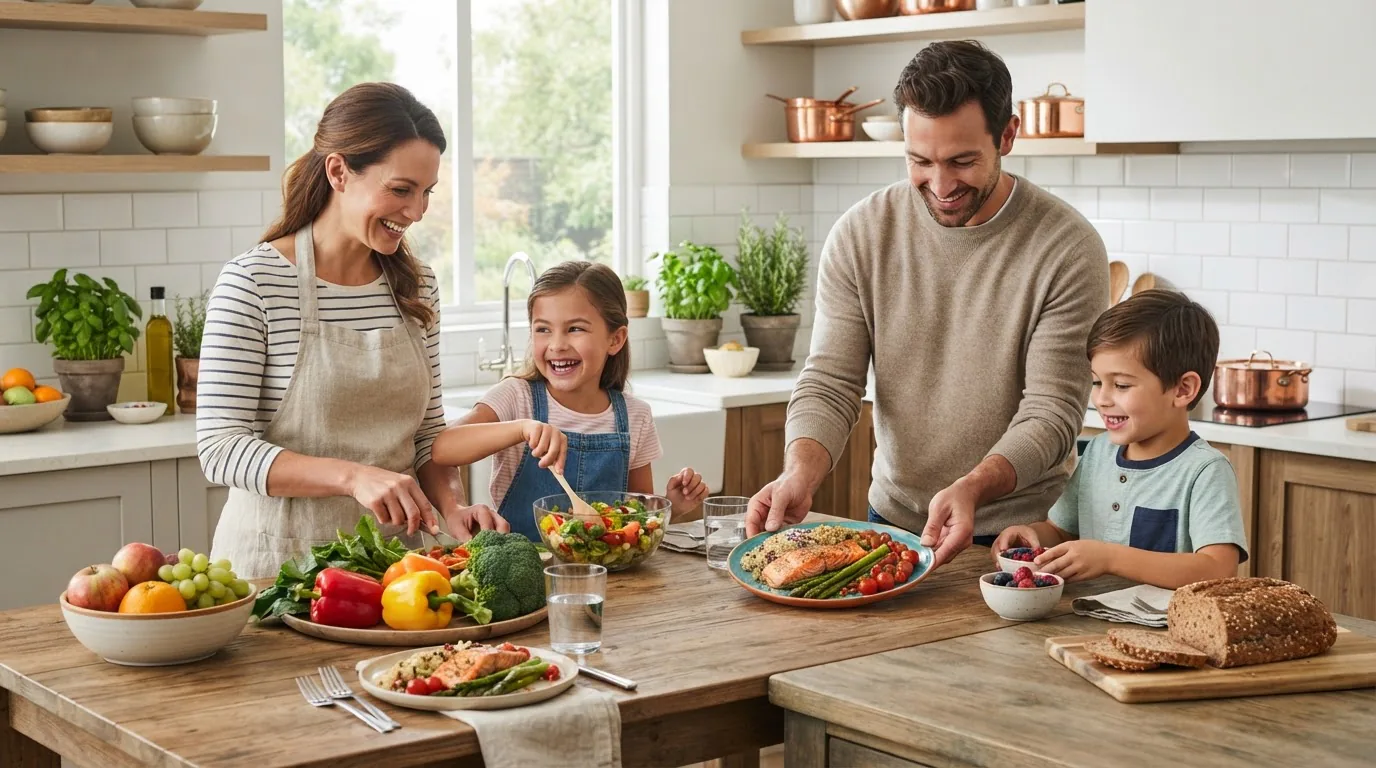
Comida saludable is more than a list of foods — it’s a family-first approach to meals, habits, and culture that makes nutritious eating simple and sustainable for everyone at the table. This guide focuses on practical, culturally sensitive ways families can adopt comida sana and create lasting, enjoyable food routines.
Understanding Comida Saludable for Families
Comida sana and comida saludable are often used interchangeably in everyday language, but for families they carry cultural, social, and practical meanings: meals that nourish, connect family members, and respect traditions while prioritizing nutrient-rich choices. At its core, comida saludable blends whole ingredients, portion awareness, and regular family meals so nutrition becomes a habit rather than a short-term diet.
Definition and cultural context: Comida saludable can include traditional staples—beans, corn, seasonal vegetables, fruits, lean proteins, and healthy fats—prepared in ways that honor cultural flavors while reducing excess salt, added sugars, and highly processed ingredients. Families can adapt recipes passed down generations by swapping refined grains for whole grains or baking instead of frying.
Why families benefit: Regular family meals promote better nutrient intake, improved emotional health, and stronger family bonds. According to a 2023 peer-reviewed public health study, families who eat together at least three times per week report higher fruit-and-vegetable intake among children (source: peer-reviewed journal, 2023).
Key concepts for parents and caregivers:
- Food as culture and connection: Preserve signature flavors while prioritizing quality ingredients.
- Habit-based approaches: Small, consistent changes—like a weekly produce box—are more sustainable than dramatic switches.
- Flexible structure: Comida saludable allows room for treats and family preferences without guilt or rigid rules.
Nutrition background (concise): Balance across macronutrients—carbohydrates, proteins, and fats—matters for growth, energy, and long-term health. For families with specific medical needs, a registered dietitian can tailor plans; for most households, emphasizing whole foods and variety is effective. For statistically-backed guidance on nutrients and population-level trends, see key dietary factors influencing health.
Example family snapshot: The García family replaced one processed snack per week with a homemade fruit-and-yogurt parfait, introduced a Monday “vegetable challenge” where each member suggests a veggie recipe, and began Saturday batch-cooking of beans and rice for quick meals. After two months they reported less food stress and higher vegetable intake—an experience echoed in many real-life family case studies below.
Transition: Now that we’ve set the cultural and practical frame for comida saludable, let’s detail the core alimentos saludables families should prioritize daily.
Core Alimentos Saludables to Incorporate Daily
Prioritizing nutrient-dense groups makes family meals simpler and more balanced. Below is a practical numbered list of core alimentos saludables with everyday examples and clear benefits.
- Fruits — Berries, apples, bananas, mango, citrus. Benefits: fiber, vitamins (C, folate), phytonutrients. Fresh, frozen, or canned in water/juice are good options.
- Vegetables — Leafy greens, cruciferous veg (broccoli, cauliflower), carrots, peppers, squash. Benefits: fiber, micronutrients, satiety. Aim for a mix of colors daily.
- Whole grains — Brown rice, quinoa, oats, whole-wheat tortillas, barley. Benefits: sustained energy, fiber, B-vitamins. Swap refined grains gradually.
- Lean proteins — Poultry, fish, eggs, legumes (beans, lentils), tofu. Benefits: growth, repair, satiety. Include plant proteins for budget and sustainability.
- Healthy fats — Olive oil, avocado, nuts and seeds. Benefits: essential fatty acids and fat-soluble vitamin absorption. Use in moderation as a flavor and nutrient booster.
- Dairy or alternatives — Yogurt, milk, cheese, fortified plant milks. Benefits: calcium, vitamin D, protein. Choose lower-sugar yogurts for snacks or breakfast.
- Fiber-rich snacks — Hummus with veggies, apples with nut butter, popcorn (light). Benefits: fullness, digestive health.
- Seasonal produce — Local fruits and veg picked in season. Benefits: better flavor, lower cost, sustainability. Prioritize markets and seasonal buying where possible.
- Hydration choices — Water, infused water, unsweetened teas. Benefits: hydration without added sugars. Reduce sugary drinks gradually.
- Minimally processed pantry staples — Canned beans, frozen vegetables, whole-grain pasta. Benefits: convenience without sacrificing nutrition.
Benefits roundup: The best family pantry balances convenience with nutrition. For more on why whole foods trump processed options and the science behind each choice, read about the benefits of consuming healthy foods and the nutritional differences between healthy and unhealthy foods.
Clean-eating alignment: If your family gravitates toward “clean eating” principles, start with simple swaps and flexibility—see clean eating basics and the role of unprocessed foods in daily meals.
Transition: With core alimentos saludables identified, next we’ll outline how to turn these ingredients into balanced, satisfying meals for every family member.
Building Nutritious Meals for Every Family Member
Creating meals that please both kids and adults requires planning, portion sense, and flexibility. Below are step-by-step strategies, portion tips, and practical swaps to build balanced meals that fit varied dietary needs and preferences.
Step 1 — Start with a simple plate model
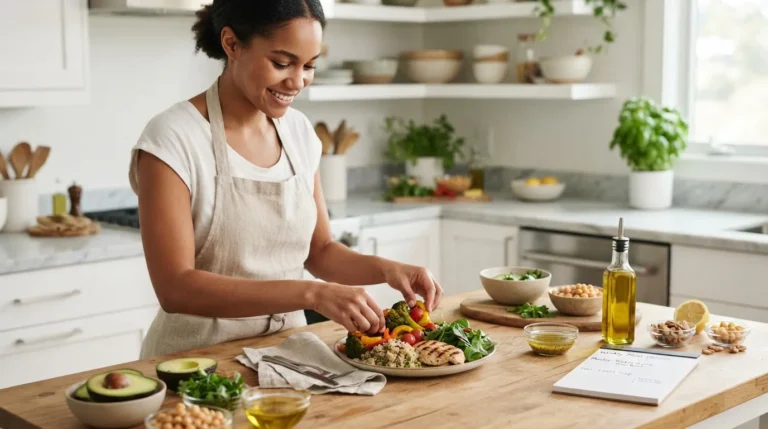
Use a family-friendly plate approach: half the plate vegetables and/or fruits, one-quarter lean protein, and one-quarter whole grains or starchy vegetables. For toddlers, adjust portions downward; for active teens or adults increase protein and whole grains slightly.
Step 2 — Portion control and energy needs
Define portions using everyday items: a cupped hand for grains, palm for protein, two cupped hands for vegetables. For those needing to manage portions more strictly, consult techniques like portion control techniques.
Step 3 — Build meals that satisfy hunger
Include protein and fiber at each meal to promote fullness. For meal ideas that increase satiety, reference foods that promote satiety. Practical examples:
- Breakfast: Oat porridge with fruit, nuts, and plain yogurt (fiber + protein + healthy fat)
- Lunch: Whole-grain wrap with grilled chicken, beans, mixed greens, and avocado
- Dinner: Baked fish, quinoa, roasted seasonal vegetables, and a side salad
Step 4 — Cater to children and adults
For picky kids, serve new foods alongside familiar ones and allow small portions without pressure. Offer build-your-own meals (taco bowls, grain bowls) so family members assemble plates to taste. For teens and athletes, balance energy needs with extra whole grains and snacks; see healthy meal strategies for younger family members.
Step 5 — Appetite and meal timing
If someone has a low appetite, use nutrient-dense mini-meals and flavor-rich options—see boosting appetite healthily and safe ways to increase hunger. For timing relative to activity, consult timing meals around activity.
Step 6 — Meal examples by age group
- Preschoolers: Small portions of soft-cooked vegetables, mashed beans, small fruit pieces, and milk or fortified alternative.
- School-age children: Balanced school lunches with whole grains, protein, fruit, and veggies; kid-friendly sauces on the side.
- Teens/adults: Larger portions using the plate model, additional snacks if activity levels are high.
Case study: The Martinez household created “theme nights” (Soup Monday, Stir-Fry Wednesday) using a simple template—protein + veg + grain—and allowed each child to pick a spice or topping. Within six weeks, vegetable acceptance increased and grocery waste decreased as children chose veggies in their bowls.
Transition: Building meals is easier when healthy eating is embedded into daily routines; below are strategies to develop those sustainable habits at home.
Developing Sustainable Healthy Eating Habits at Home
Embedding comida saludable into family life requires routines, small behavioral shifts, and systems that reduce decision fatigue. Use habit-building methods like habit stacking (anchoring new behaviors to existing routines) and mindful eating techniques to create lasting change.
Begin with these evidence-informed strategies:
- Anchor new habits: Attach a habit to an established routine. For example, add a fruit or vegetable to every dinner right after placing plates on the table. This is habit stacking in practice and helps normalize new foods.
- Plan, then shop: Create a weekly menu and grocery list to cut impulse buys; use a shared family calendar for cooking responsibilities. For templates and sample menus, see practical meal plans for families.
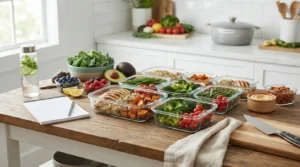
- Batch prep and smart storage: Cook grains, roast vegetables, and portion proteins on weekends so assembly is five minutes on busy nights.
- Make small swaps: Replace soda with flavored water, white rice with a mix of brown rice and white rice to transition slowly, and use yogurt-based sauces instead of cream-based ones.
- Empower children: Include kids in meal prep tasks appropriate for their age to increase acceptance and life skills.
- Use positive reinforcement: Celebrate small wins like trying a new vegetable or reducing takeout nights.
Portion and frequency guidance: Follow general healthy meal frequency principles—three balanced meals with one to two snacks if needed. For specific schedules, consult healthy meal frequency. For families managing weight, portion control techniques and sustainable eating for weight management can be useful when paired with professional guidance.
Behavior change frameworks applied:
- Habit stacking: Pair a new food habit with an established one (e.g., add a vegetable when preparing plates).
- Small-step progression: Increase vegetable intake by ¼ plate each week until it becomes default.
- Environmental engineering: Keep fruits at eye level, pre-cut veggies in clear containers, and limit highly processed snack visibility.
- Mindful eating: Slow down meals, remove screens, and use family rituals like sharing highs and lows of the day to reduce distracted overeating.
Expert guidance and safety: For nutrient needs during growth or chronic conditions, consult a registered dietitian or pediatrician. For population-level guidance, refer to official sources like the USDA Dietary Guidelines and CDC nutrition resources; for example, the Dietary Guidelines for Americans offers science-based frameworks for healthy eating patterns, and the CDC provides data on dietary trends and public health recommendations.
Practical routines families can adopt today:
- Meal planning night: 15 minutes Sunday to set the week’s dinners and shopping list.
- Cooking together: Assign one night per week for children to help with a simple dish.
- Snack station: Prepare a low-sugar snack drawer with fruits, yogurt, and nuts accessible to kids.
- Weekly produce challenge: Rotate a new seasonal vegetable each week to expand variety.
sustainable healthy eating habits
Combine nutrition with movement: Align mealtime planning with activity levels—see balanced nutrition for active lifestyles to match energy intake with family activity levels.
Transition: With healthy habits forming, the next section offers pragmatic meal planning and preparation hacks for busy families.
Practical Meal Planning and Preparation Tips for Busy Families
Busy families need realistic, repeatable systems. The list below provides time-saving, budget-friendly, and family-friendly tactics to keep comida saludable practical.
- Plan a four-week rotating menu: Reduces decision fatigue and makes shopping efficient. Include at least two vegetarian nights to save money and add variety.
- Batch cook staples: Cook beans, grains, and roasted vegetables in large batches. Freeze portions for quick reheating.
- Use theme nights: Taco Tuesday, Soup Monday, Stir-Fry Wednesday—this simplifies shopping and helps children know what to expect.
- Prep ingredients, not meals: Chop produce and store in clear containers so assembly is quick on school nights.
- Double recipes and freeze half: Soups, stews, and casseroles freeze well and provide instant dinners.
- Keep a “rescue” list: Staple meals that are fast and healthy (e.g., omelets with veggies, grain bowls, tuna and salad).
- Smart shopping lists: Group by supermarket sections and buy seasonal produce. Use unit prices to compare bulk vs small packages.
- Family cooking shifts: Rotate who cooks and who cleans; involve kids in age-appropriate tasks to teach skills and share the load.
- Healthy snacks ready-to-grab: Pre-portioned nuts, cut fruit, yogurt tubes for lunchboxes or after-school energy.
- Plate presentation matters: Use contrast and color to make dishes appealing; see balanced meal presentation.
- Leverage meal plans and systems: For structured portioning, explore balanced portion controlled meal plans and clean eating meal plans.
- Use time-saving tools: Pressure cookers, sheet pans, and one-pot methods cut hands-on time significantly.
- Make healthy choices when shopping: Prioritize whole ingredients; for planning strategies, see making healthy choices when meal planning.
- Keep a ready-to-assemble breakfast drawer: Oats, frozen fruit, nuts, and milk options for fast, nutritious mornings.
Cost-saving tips: Buy seasonal produce, purchase grains and beans in bulk, and compare prices of frozen vs fresh for nutrients and cost. For families on tight budgets, plant-based proteins like beans and lentils deliver strong nutrient value per dollar.
Presentation and acceptance: Kids are more likely to eat meals that look appealing. Use colorful veggies, fun shapes for sandwiches, and let children add a topping—this small control increases acceptance. For photography and plating inspiration, review balanced meal presentation.
Transition: Even with good plans, families encounter barriers—next we discuss common challenges and evidence-based solutions.
Overcoming Challenges to Healthy Eating in Families
Practical problem-solution steps help families navigate picky eaters, budgets, time constraints, cultural food preferences, and food waste. Each challenge below includes actionable fixes and relevant resources.
Picky eaters
Problem: Children refusing vegetables or new foods.
Solution: Offer small, no-pressure exposures—serve a tiny portion with familiar favorites, present foods in different textures (roasted vs steamed), and involve kids in shopping and cooking. Celebrate attempts, not just consumption. For specialized tactics, consult principles of intuitive eating to build positive relationships with food.
Budget constraints
Problem: Healthy eating perceived as expensive.
Solution: Emphasize cost-effective staples—beans, lentils, eggs, frozen vegetables—and seasonal produce. Batch-cooking and buying in bulk lower per-meal costs. Also, plant-forward meals reduce reliance on pricier animal proteins.
Time management
Problem: Busy schedules make home cooking difficult.
Solution: Use batch-cooking, theme nights, and quick recipes (sheet-pan meals, one-pot pastas). Prep ingredients on weekends to save time on weeknights.
Cultural preferences and family traditions
Problem: Traditional dishes may include high-sodium or high-fat elements.
Solution: Modify recipes sensitively: reduce salt gradually, bake instead of fry, and incorporate side dishes of roasted or steamed vegetables to balance the plate. Preserve cultural flavors with herbs and spices rather than adding excessive fats.
Food waste
Problem: Perishable produce spoiling before use.
Solution: Plan meals around perishable items early in the week, use frozen options for later, and repurpose leftovers into soups, stews, or grain bowls.
Health conditions and special cases
Problem: Chronic conditions or special dietary needs in family members.
Solution: Tailor meals with professional support. For chronic disease prevention and nutrition strategies, see preventive nutrition for family health and for obesity-specific guidance, refer to dietary changes for obesity prevention.
food safety and training considerations
Example problem-solution: A family with a picky 5-year-old introduced a “try two bites” rule without pressure and allowed choice of a favorite dressing. Over time, the child voluntarily tried more vegetables. Behavioral changes like this reflect habit principles and exposure strategies supported by child nutrition research (source: peer-reviewed pediatric nutrition study, 2022).
Transition: Hydration and beverage choices are often overlooked but crucial for a comida saludable lifestyle—next we cover family-friendly hydration strategies.
The Role of Hydration and Beverages in a Comida Saludable Lifestyle
Hydration supports digestion, concentration, and overall health. For families, the goal is to make water the default beverage while minimizing sugary drinks and encouraging healthier alternatives.
Guidance and tips:
- Set water as the default: Offer water at meals and snacks; provide reusable bottles for children to carry to school or activities.
- Limit sugary beverages: Gradually reduce serving size and frequency. According to a 2024 industry report on beverage consumption, sugary drink intake among children remains a major source of added sugars (source: industry report, 2024).
- Smart swaps: Replace one sugary drink per week with infused water (cucumber, citrus, mint) or unsweetened tea. For homemade juice, dilute 50/50 with water to lower sugar per serving.
- Milk and alternatives: Include milk or fortified plant-based alternatives for calcium and vitamin D; choose lower-sugar fortified milks for children and adults.
- Hydration cues: Teach children to recognize thirst; use labeled water bottles and set family reminders for drinks during active play.
Cautions: Be mindful of overconsumption of fruit juices and sweetened milks—these add calories and sugars without the fiber of whole fruit. For medical conditions affecting fluid needs (e.g., kidney issues), follow clinician advice.
Transition: Beyond food and drink choices, fostering mindful and positive relationships with eating shapes long-term health—next we explore mindful eating with children.
Encouraging Mindful Eating and Positive Food Relationships in Children
Mindful eating teaches children to listen to hunger cues, enjoy food, and build a healthy relationship with eating. Practical steps create a family environment that values food as nourishment and social connection.
How-to steps for mindful family meals
- Establish calm mealtime rituals: Begin with a short check-in or share one thing each family member is grateful for to slow the pace and focus on connection.
- Remove distractions: Turn off screens during meals to encourage noticing flavors and fullness cues.
- Model behavior: Parents eating a variety of foods and demonstrating moderate portions teach by example.
- Encourage self-regulation: Let children decide how much to eat from a balanced plate; avoid pressure or rewards tied to eating specific foods.
- Teach hunger and fullness cues: Use simple language—“hungry,” “satisfied,” “full”—and pause halfway through a meal to check in.
- Use family rituals around food: Involve children in naming dishes, setting the table, or creating a family recipe book to build positive associations.
Behavioral techniques and evidence: Intuitive eating principles promote internal regulation and reduce restrictive behaviors. For deeper practice guides, see principles of intuitive eating and mindfulness practices from public health literature (source: clinical behavior research review, 2021).
Age-specific tips:
- Toddlers: Offer small portions, allow refusals, and re-offer favorites without pressure.
- School-age: Involve children in simple cooking tasks and choices to build agency.
- Adolescents: Encourage independence with food planning, teach label reading, and discuss how food supports performance and mood.
Real-family example: The Rivera family instituted one technology-free dinner per week with a simple conversation prompt. Children reported enjoying meals more and taking longer to eat, which corresponded to less snacking later in the evening.
Transition: Below are the most common family FAQs and concise answers to guide next steps.
Frequently Asked Questions
What does comida saludable mean and why is it important for families?
Comida saludable refers to food and meal patterns that prioritize whole, nutrient-dense ingredients, cultural relevance, and family rituals. For families, it improves nutrient intake, supports growth and chronic disease prevention, and strengthens social bonds through regular, shared meals.
How is comida saludable different from other healthy eating styles like clean eating?
Comida saludable emphasizes cultural tradition, family meals, and balanced whole foods, while clean eating often focuses narrowly on minimizing processed foods. Both values overlap; comida saludable centers sustainability and family practicality alongside food quality.
What are some common alimentos saludables to include in everyday family meals?
Include fruits, a variety of vegetables, whole grains (brown rice, oats), lean proteins (beans, poultry, fish), healthy fats (olive oil, nuts), dairy or fortified alternatives, and seasonal produce for flavor, nutrients, and cost-efficiency.
How can I create balanced meals that satisfy both kids and adults?
Use a simple plate model: half vegetables/fruit, one-quarter lean protein, one-quarter whole grains. Offer build-your-own options, involve kids in prep, and include protein and fiber to promote satiety for all ages.
What are practical tips to develop lasting healthy eating habits at home?
Anchor new habits to existing routines (habit stacking), plan weekly menus, batch-cook staples, involve children in cooking, and use small swaps (e.g., water for sugary drinks). Consistency and gradual changes create lasting routines.
How long does it typically take for a family to adapt to a comida saludable lifestyle?
Families often notice practical changes within 3–8 weeks; establishing lasting routines may take 3–6 months depending on starting habits, consistency, and household dynamics. Small, repeated practices speed adaptation.
What should I do if my children are picky eaters and refuse healthy foods?
Use small exposures, offer new foods alongside familiar favorites, involve children in shopping and cooking, and avoid pressure. Positive modeling and repeated, low-pressure offers increase acceptance over time.
How can I ensure the quality and safety of alimentos saludables purchased for my family?
Buy from reputable sources, check expiration dates, store foods at proper temperatures, cook proteins to safe internal temperatures, and follow food-safety practices; consult safety resources when hosting special eating events.