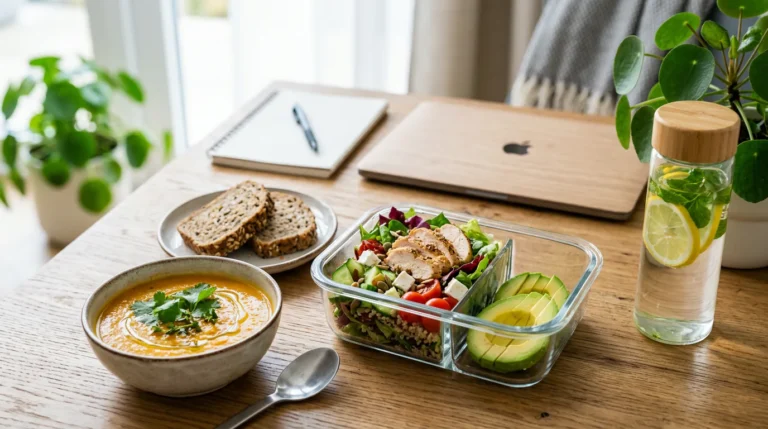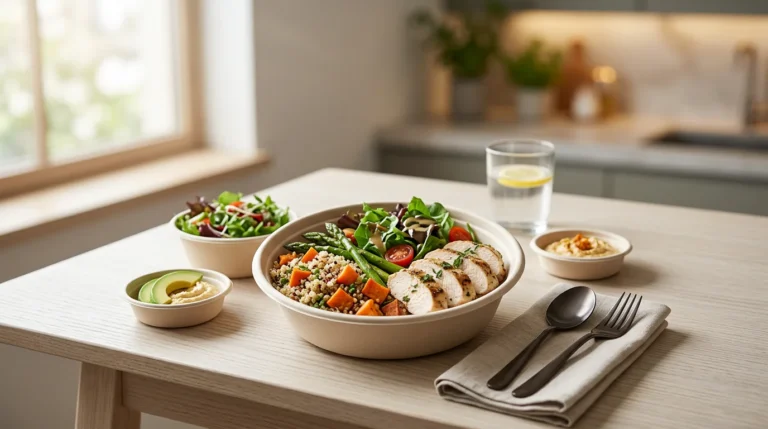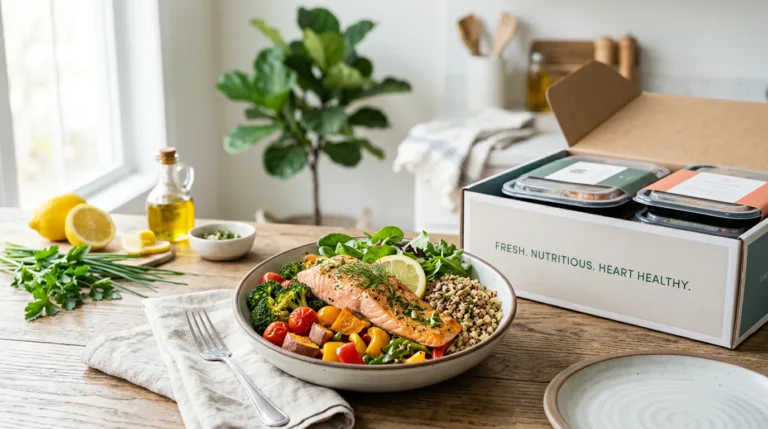
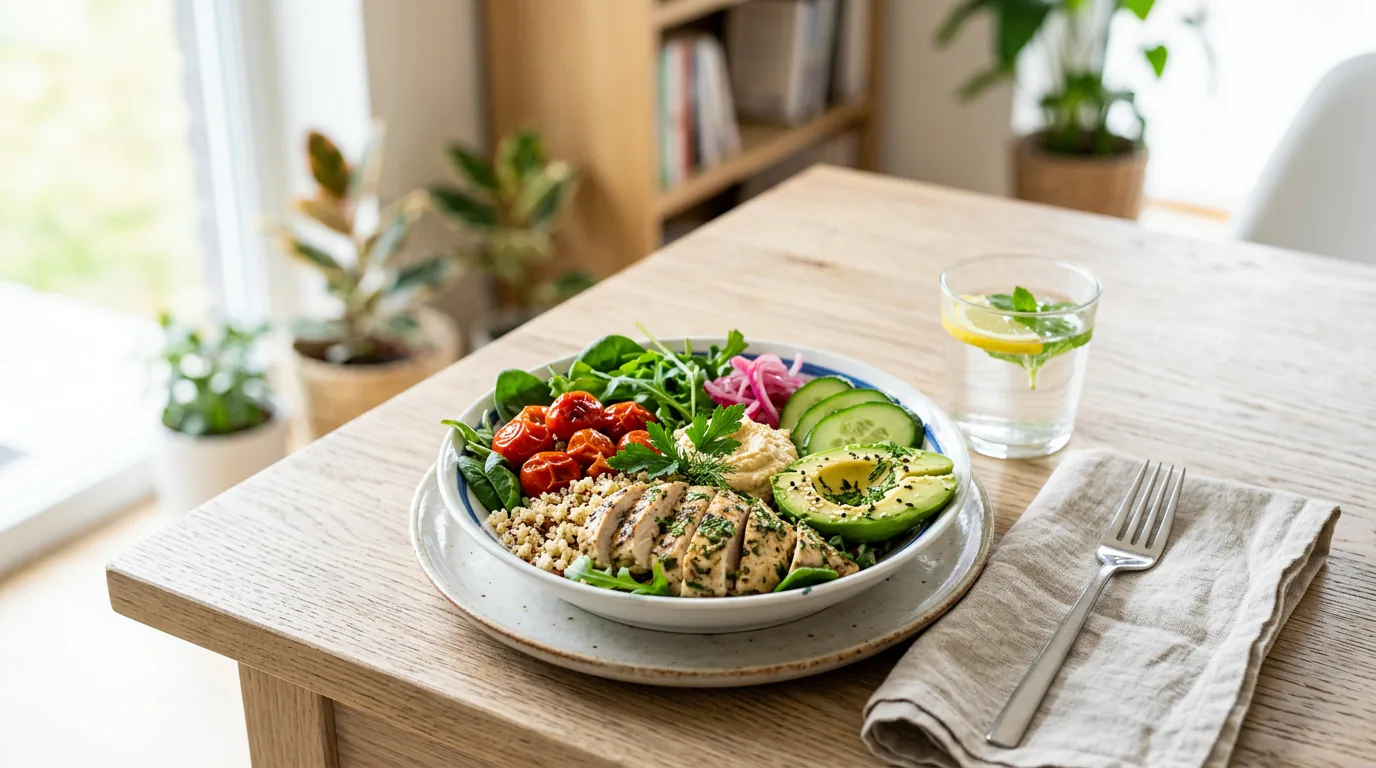
lunchtime dishes can transform a rushed midday meal into something simple, nutritious, and satisfying. This guide gives fast, pantry-friendly suggestions for lunch—what to eat for lunch today—and practical, healthy lunchtime ideas that fit busy schedules and many diets.
Introduction to Lunchtime Dishes
Lunchtime dishes are the meals we eat between breakfast and dinner—meals that should restore energy, support concentration, and set the tone for the afternoon. A well-chosen midday meal balances protein, carbohydrates, and fats while including vegetables or fruit for micronutrients and fiber. Examples range from a protein-forward grain bowl to a bright vegetable-rich salad to a simple sandwich with whole-grain bread and lean protein.
The role of a midday meal is threefold: refuel, stabilize blood sugar, and prevent the afternoon slump. You don’t need complex cooking skills to create satisfying lunches; many effective options are combinations of a reliable protein, a whole-grain or starchy vegetable, and fresh produce. Think: tuna tossed with chickpeas, whole-grain pita, cucumber and tomato; or a warmed lentil and roasted-vegetable bowl with tahini drizzle.
When choosing lunchtime dishes, consider three practical questions first: how much time you have, what ingredients are on hand, and whether you’ll be eating at home, at work, or on the go. Answering those quickly lets you pick a strategy—assemble-from-pantry, repurpose last night’s dinner, or prepare a simple make-ahead bowl.
Across this guide you’ll find suggestions for lunch that cover vegetarian, vegan, and high-protein options; tips for portion control and packing; pantry staples to keep on hand; and seasonal swaps so your lunches stay interesting. Each section is designed to help you answer “what should I have for lunch?” with confidence and speed.
Transition: With that foundation, let’s explore why prioritizing healthy lunchtime dishes matters for daily energy, mood, and long-term health.
Why Opt for Healthy Lunchtime Dishes?
Choosing healthy lunchtime dishes supports immediate performance and long-term wellness. Balanced lunches help sustain energy, improve focus for afternoon work, and reduce cravings that lead to overeating later. Below are practical benefits and evidence-based reasons to prioritize nutritious midday meals.
- Energy and cognitive performance: A balanced lunch with protein and complex carbs provides steady glucose to the brain; according to a 2022 clinical review, balanced meals reduce cognitive fatigue in the afternoon (peer-reviewed nutrition study).
- Stable blood sugar: Including fiber and protein slows digestion and helps avoid steep glucose spikes and crashes; the USDA MyPlate guidance highlights combining food groups at meals for glycemic control. USDA MyPlate
- Weight management: Satisfying lunches that include protein and volume foods (vegetables, legumes) can reduce total daily calorie intake; according to a 2024 industry report, including protein at lunch increased satiety scores in adult participants (industry report).
- Heart health: Meals emphasizing vegetables, whole grains, lean proteins, and healthy fats align with American Heart Association recommendations for lowered cardiovascular risk. American Heart Association
- Nutrient intake: Regularly eating varied lunches improves intake of vitamins, minerals, and fiber; the Academy of Nutrition and Dietetics notes balanced daily meals contribute to overall diet quality. Academy of Nutrition and Dietetics
Practical gains extend beyond health metrics: a reliable lunchtime routine reduces decision fatigue and lowers midday stress. That means fewer impulse takeout orders and more predictable food costs—helpful for budget planning.
Transition: If you’re wondering right now “what should I eat for lunch today?”, the next section answers that with fast, practical Q&A solutions you can use immediately.
Common Questions: What Should I Have for Lunch?
Below are common user queries about lunchtime choices with direct, actionable answers to help you decide quickly.
Q: What should I have for lunch if I have 10 minutes?
Choose assemble-from-pantry options: canned beans or tuna + mixed greens + whole-grain crackers or pita + a simple vinaigrette. Toss, season, and eat—no cooking required. Add a piece of fruit or yogurt for dessert and extra nutrients.
Q: What should I eat for lunch today to stay full and energized?
Prioritize protein (eggs, Greek yogurt, legumes, tofu, lean meats), fiber-rich carbs (quinoa, brown rice, whole-wheat bread), and vegetables. Example: grilled chicken or chickpea bowl over brown rice with roasted veggies and a tablespoon of olive oil.
Q: I don’t have many fresh ingredients—what can I make?
Use pantry staples: canned beans, frozen vegetables, canned fish, jarred sauces, and whole grains. A quick stir-fry: thaw frozen veg, toss with drained beans and a quick sauce, serve over microwaveable brown rice.
Q: What are healthy choices when eating out?
Look for lean proteins, vegetable-forward dishes, and whole grains. Skip oversized portions and heavy fried items; ask for dressings and sauces on the side. Swap fries for a side salad or steamed vegetables.
Q: What if I’m trying to eat vegetarian or vegan?
Build meals around plant proteins (lentils, chickpeas, tofu, tempeh), whole grains, and plenty of vegetables. Include a healthy fat source like avocado or nuts to increase satiety and nutrient absorption.
Q: How can I make lunch interesting every day without cooking a lot?
Rotate bases (salad, grain bowl, wrap, soup), change proteins (eggs, beans, canned fish), and vary dressings and spices. Keep a list of five mix-and-match combinations you can assemble quickly.
Q: What’s a good low-cost lunch strategy?
Buy versatile staples (rice, beans, eggs, frozen veg), cook in batches, and repurpose leftovers. One roasted chicken can become salads, sandwiches, and grain bowls across multiple lunches.
Q: How do I choose between light and more filling lunches?
Match portion size to your afternoon energy needs. Light lunches (salad with protein) work if you’re sedentary; fuller meals (grain bowl with protein) suit active afternoons. Listen to hunger cues and include a balanced mix of macronutrients.
Transition: With these quick answers, you should be ready to make a decision for today—next, explore a wide set of practical lunchtime dish categories with examples you can use immediately.
Practical Lunchtime Dish Categories and Examples
Organizing lunches into categories helps you pick the right meal for mood, time, and dietary preferences. Below are categories with brief descriptions and example dishes you can assemble in minutes.
-
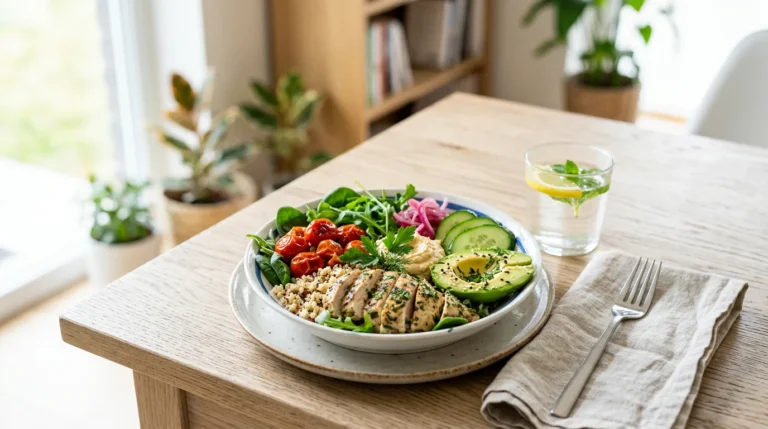
Grain Bowls — Versatile, balanced, and great for leftovers. Start with a base of brown rice, farro, quinoa, or mixed greens. Add a protein, roasted or raw vegetables, and a simple dressing.
- Example: Quinoa bowl with roasted sweet potato, black beans, chopped kale, lime-tahini dressing.
- healthy high-protein chicken lunch recipes — use chicken to make a satisfying bowl.
-
Hearty Salads — Not just side dishes: combine greens, grains, legumes, seeds, and a dressing for a complete meal.
- Example: Spinach, roasted beets, goat cheese, walnuts, and farro with balsamic vinaigrette.
- quick vegetarian recipe ideas — these dinner recipes convert well to lunch-sized salads or bowls.
-
Sandwiches and Wraps — Quick to assemble and portable. Choose whole-grain bread or wrap and add protein + vegetables + a spread.
- Example: Whole-wheat wrap with hummus, grilled vegetables, and arugula; or turkey and avocado on multigrain bread.
-
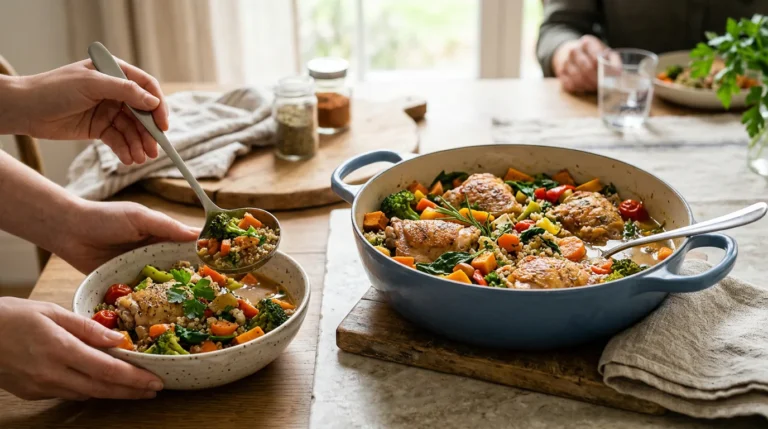
Soups and Stews — Warm and comforting, often better for meal prep; pair with whole-grain toast or a side salad.
- Example: Lentil and vegetable soup with a dollop of Greek yogurt and crusty whole-grain bread.
- comforting cold weather lunch meals for cozy soups and stews in winter.
-
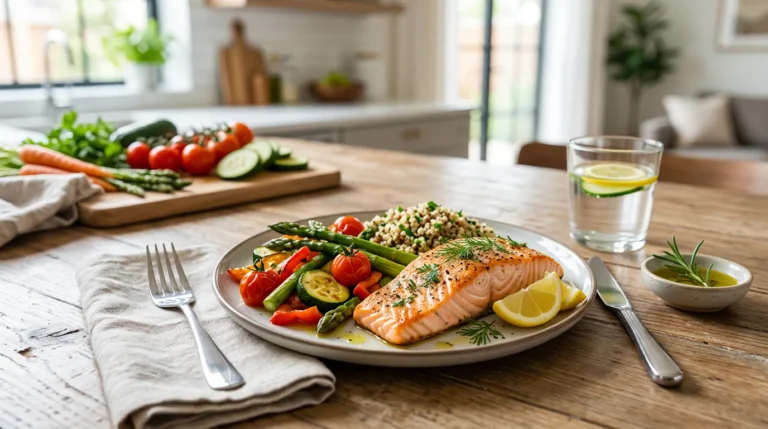
One-Pan or Sheet-Pan Meals — Roast a mix of protein and vegetables on one tray; divide into portions for several lunches.
- Example: Sheet-pan salmon, asparagus, and baby potatoes with lemon and herbs.
-
Stir-Fries and Skillets — Fast, nutrient-dense, and adaptable. Use frozen vegetables and a quick sauce.
- Example: Tofu and broccoli stir-fry with garlic-ginger sauce over brown rice.
-
Egg-Based Lunches — Eggs are fast, portable, and protein-packed: think frittatas, omelette wraps, or egg salad on grain toast.
- Example: Veggie frittata squares made ahead and reheated, served with mixed greens.
-
Legume-Centered Meals — Beans and lentils are inexpensive, filling, and versatile.
- Example: Chickpea salad with celery, red onion, lemon, and olive oil on whole-grain crackers.
-
Cold-Prep Bowls and Mason-Jar Meals — Layer ingredients for easy transport and assembly at work or school.
- Example: Mason-jar Greek salad (dressing bottom, then cucumbers, tomatoes, feta, topped with greens).
-
Leftover Remix — Use dinner leftovers creatively to avoid waste and speed up lunch prep.
- Example: Roast vegetable and grain salad from last night’s roasted vegetables and a scoop of leftover quinoa.
-
Protein-Forward Plates — For active or high-protein needs, build lunches around lean meat, fish, or plant proteins alongside vegetables and a modest portion of carbs.
- Example: Grilled chicken breast, steamed green beans, and a quinoa pilaf.
- yummy chicken lunch ideas for easy chicken-based lunch options.
-
Adventurous and Unusual Options — Try less-common proteins or cultural dishes for flavor variety.
- Example: Grilled chicken hearts skewers with chimichurri for a nutrient-dense, iron-rich lunch.
- unique chicken heart lunch recipes for adventurous eaters.
Portability and time matter. For office lunches, wraps, jars, and cold bowls shine; for home or meal-prep days, roasted-salmon or sheet-pan meals give variety with minimal effort. A quick reference: a base (grain/greens), protein, veg, and dressing or sauce covers almost every lunchtime dish scenario.
quick vegetarian recipe ideas can be repurposed into lunch portions, and unique chicken heart lunch recipes are great for variety.
comforting cold weather lunch meals are perfect when you want warmth and fullness, while healthy high-protein chicken lunch recipes and yummy chicken lunch ideas cover classic protein needs.
Transition: Now that you know categories, learn how to build a balanced and healthy lunch plate with portion guidance and nutrient goals.
How to Build a Balanced and Healthy Lunch Plate
Creating a balanced lunch is about composition, portion control, and variety. Here’s a step-by-step approach to assembling lunches that keep you full, energized, and nutritionally covered.
- Start with a protein (25–35% of the plate): Aim for a palm-sized portion (about 3–4 ounces cooked) of lean animal protein or ¾–1 cup of plant protein (beans, lentils, tofu). Protein supports satiety and muscle repair.
- Add a grain or starchy vegetable (20–30% of the plate): Include whole grains like brown rice, quinoa, or whole-wheat pasta. Portions: ½–1 cup cooked. This provides steady-release carbohydrate for energy.
- Fill half the plate with non-starchy vegetables or salad (40–50%): Vegetables provide fiber, vitamins, and bulk with few calories. Think leafy greens, peppers, cucumbers, broccoli, or carrots.
- Include a small portion of healthy fat: 1 tablespoon of olive oil, a quarter avocado, a small handful of nuts or seeds. Healthy fats aid nutrient absorption and increase flavor satisfaction.
- Hydration and beverage choice: Prefer water, sparkling water, or unsweetened tea. Limit sugary beverages which add calories without satiety.
- Optional extras and condiments: Use dressings, sauces, and condiments sparingly—about 1–2 tablespoons. Opt for vinaigrettes, yogurt-based dressings, or tahini blends instead of heavy cream-based sauces.
| Component | Recommended Portion | Why it matters |
|---|---|---|
| Protein | 3–4 oz (animal) or ¾–1 cup (plant) | Sustains fullness, supports metabolism and muscle |
| Whole grains | ½–1 cup cooked | Provides lasting energy and B-vitamins |
| Vegetables | Half the plate | Fiber, micronutrients, low calorie density |
| Healthy fats | 1 tbsp or small handful | Improves satiety and nutrient absorption |
For readers tracking calories or following a specific target, controlled portions are useful. For example, for moderate calorie goals a balanced lunch around 400–600 calories often works for many adults; for precise recipes see healthy 400 calorie lunch recipes.
Macronutrient roles, simplified: proteins build and repair tissues; carbs fuel the brain and muscles; fats support hormones and nutrient uptake. Aim for variety over perfection—switch plant and animal proteins, try different grains, and rotate vegetables to cover a range of micronutrients.
Special considerations:
- For higher activity levels, increase whole-grain portions or add fruit for extra carbs.
- If you have diabetes or blood sugar concerns, prioritize non-starchy vegetables and protein and consult a registered dietitian; general recommendations align with USDA guidelines.
- For weight loss goals, prioritize low-energy-density foods (vegetables, legumes) and moderate fats.
Transition: Knowing portion goals helps plan grocery lists—next are pantry staples that make assembling balanced lunchtime dishes faster and cheaper.
Pantry Staples and Ingredients for Easy Lunchtime Dishes
Stocking a smart pantry prevents last-minute unhealthy choices. Below are staples categorized by role, with quick notes on fresh vs. prepared ingredients.
- Whole grains & bases: Brown rice, quinoa, whole-wheat pasta, bulgur, oats, whole-grain wraps—versatile and long-lasting.
- Canned & jarred proteins: Canned tuna/salmon, canned beans (chickpeas, black beans, lentils)—great protein shortcuts.
- Refrigerated proteins: Eggs, Greek yogurt, tofu, cooked chicken (store-bought rotisserie or homemade), cottage cheese.
- Frozen vegetables & fruits: Frozen peas, broccoli, mixed vegetables, berries—nutrient retention is often comparable to fresh and they last longer.
- Fresh produce to rotate weekly: Leafy greens, tomatoes, cucumbers, carrots, bell peppers, apples, bananas—choose what you’ll actually eat.
- Healthy fats & extras: Olive oil, avocado oil, nuts, seeds, nut butters, olives, tahini.
- Quick sauces & condiments: Soy sauce or tamari, mustard, balsamic vinegar, jarred pesto, jarred salsa, low-sugar tomato sauce.
- Herbs & spices: Garlic, onion powder, black pepper, smoked paprika, cumin, chili flakes, dried herbs—small additions make big flavor differences.
Fresh vs. prepared ingredients comparison:
| Ingredient Type | Pros | Cons |
|---|---|---|
| Fresh produce | Maximum flavor, texture, and variety | Short shelf life unless consumed quickly |
| Frozen produce | Convenient, cost-effective, nutrient-retaining | Texture may change when thawed |
| Canned goods | Long shelf life, inexpensive, ready-to-use | Watch sodium and added sugars; rinse beans to reduce sodium |
Practical pantry tips:
- Keep a “lunch zone” in your fridge with ready-to-eat proteins, washed greens, and cut vegetables.
- Label pre-cooked grains and proteins with dates to ensure safe rotation.
- Buy seasonal produce to lower costs and increase flavor variety.
Transition: With the pantry stocked, the next section covers how to prepare and pack lunches quickly for busy days.
Tips for Quick Preparation and Packing Lunches
Saving time at lunch is about planning and efficient routines. Below are practical, easy-to-adopt steps for fast assembly and packing.
- Plan one short weekly prep session (30–60 minutes): Cook a grain, roast a tray of vegetables, and prepare two proteins. Portion into containers so lunches take minutes to assemble each day.
- Batch-cook versatile components: Hard-boiled eggs, grilled chicken strips, roasted chickpeas, and single-ingredient roasted vegetables store well and combine in many ways.
- Use multitasking appliances: A rice cooker, sheet pan, or pressure cooker saves active time—roast veggies while grains cook.
- Mason-jar salads for transport: Layer dressing at the bottom, firmer veggies next, then proteins, and greens on top to avoid sogginess.
- Invest in a few quality containers: Leakproof containers, an insulated lunch bag, and an ice pack keep food safe and fresh.
- Assemble “lunch kits”: Store components together—grain + protein + veg + dressing—in clear containers for grab-and-go convenience.
- Repurpose dinners: Make one meal serve multiple purposes—roast a whole chicken and use it in salads, wraps, and bowls throughout the week. For specific chicken-focused meal prep, check healthy chicken meal prep ideas.
- For full-week make-ahead strategies: Explore our guide on easy lunch meal prep ideas for step-by-step planning and recipes.
Sample 10-minute assembly routines:
- Microwave grain pouches, toss with canned tuna, chopped pickles, and olive oil.
- Spread hummus on a wrap, add mixed greens, sliced roasted red peppers, and sliced turkey or chickpeas; roll and go.
- Warm a frozen vegetable mix with tofu and a splash of soy sauce over microwaveable brown rice.
Packing tips for freshness and safety:
- Keep cold foods below 40°F using an ice pack if you’ll be away from refrigeration for more than two hours.
- Store dressings separately or under a vented lid to avoid soggy greens.
- Use BPA-free containers and avoid reheating in single-use plastics.
Transition: Even with these strategies, challenges arise—time, picky eaters, allergies—and the next section addresses common lunchtime problems and practical solutions.
Addressing Common Challenges with Lunchtime Meals
Everyone faces lunchtime hurdles. Below are frequent problems and targeted solutions drawn from lived experience and practical trial-and-error recommendations.
Challenge: Limited time at lunch
Solution: Keep 3–5 go-to meals that require zero-cook assembly (salad jar, sandwich, wrap, grain-and-bean bowl). Use frozen and canned staples to skip cooking entirely. If mornings are busy, prepare lunches the night before.
Challenge: Picky eaters or varied household preferences
Solution: Build modular lunches—components separated so each person customizes. Offer dips and spreads for texture contrast (hummus, yogurt sauce) and present options rather than forcing single dishes.
Challenge: Food allergies or intolerances
Solution: Substitute allergens with nutritionally-equivalent alternatives (e.g., sunflower seed butter for nut allergies, tofu or tempeh for soy-free diets). Clearly label shared-prep meals and create an allergen-free shelf in the pantry.
Challenge: Lack of motivation to cook
Solution: Simplify the process: rely on pre-washed greens, pre-cut veg, and cooked rotisserie proteins. Start with one easy ritual, like prepping a grain and one protein on Sunday, and scale up gradually as habits form.
Challenge: Eating out frequently or work events
Solution: Make smarter choices—select vegetable-heavy dishes, ask for sauces on the side, and prioritize whole grains and lean proteins. If budget is a concern, reference cost-focused recipe guides like cost-effective healthy dinner recipes which include budgeting tips that translate to lunches.
Challenge: Not hungry at lunchtime
Solution: Consider meal timing and portions—smaller, nutrient-dense snacks (Greek yogurt with fruit and nuts, a smoothie, or an egg-and-avocado toast) can provide nutrients without forcing a full meal. Monitor patterns—if consistently low appetite, consult a healthcare provider.
Personal note from experience: I struggled with midday energy drops until I standardized a protein-plus-veg routine. Preparing two proteins and a grain on Sunday cut decision time and reduced impulse takeout. Small, reliable systems beat occasional “perfect” meals.
Transition: As you adapt solutions to your routine, remember to experiment seasonally and keep lunches enjoyable—next is a final encouragement to explore and personalize lunchtime dishes.
Final Thoughts and Encouragement to Explore Lunchtime Dishes
Practical lunchtime dishes are achievable for every schedule and budget. The key is combining a reliable protein, a wholesome carbohydrate, and plenty of vegetables, using pantry staples and simple methods to reduce daily friction. Small habits—batch-cooking grains, keeping a lunch zone in the fridge, and rotating five go-to combinations—deliver outsized benefits: better energy, improved focus, and fewer impulsive food decisions.
Try this simple experiment: pick three lunchtime dishes and rotate them for two weeks, swapping one ingredient each week to maintain variety. You’ll likely notice improved convenience and satisfaction—and save money by cutting unnecessary takeout orders.
If you want a deeper dive into recipes and nutrition facts that support balanced lunches, explore the Yummiest Healthy Recipes Guide with Nutrition Facts and Tips for a broader resource.
Start small, choose seasonal produce, and make lunches that lift your afternoon. Try one idea from this guide today—assemble it in 10 minutes or less—and see how a practical lunchtime dish can change your day.
Frequently Asked Questions
What are some easy lunchtime dishes I can prepare quickly?
Assemble quick bowls or wraps using pantry staples: canned tuna or beans, pre-cooked grains, and fresh or frozen vegetables. Examples: tuna-chickpea salad on whole-grain bread, or a quinoa bowl with roasted veggies and a simple vinaigrette—ready in under 15 minutes.
How do I choose healthy lunch options when eating out?
Choose dishes with lean protein, vegetables, and whole grains; request dressings and sauces on the side, swap fries for salad or steamed vegetables, and avoid oversized portion extras to keep the meal balanced and lower in added fats and sugars.
What should I eat for lunch today to stay full and energized?
Opt for a balanced plate with protein (eggs, tofu, chicken), fiber-rich carbs (brown rice, whole grain), and vegetables; for instance, a chicken and quinoa bowl with roasted vegetables and a small amount of olive oil provides steady energy and satiety.
How can I meal prep lunches for the whole week effectively?
Cook large batches of a grain, roast a tray of vegetables, and prepare two proteins; portion them into containers and store dressings separately. Use airtight containers and label with dates to rotate meals safely through the week.
What are the benefits of balanced lunchtime dishes?
Balanced lunches stabilize blood sugar, improve afternoon focus, increase satiety, and support weight and heart-health goals by providing protein, fiber, healthy fats, and micronutrients in manageable portions throughout the day.
How much should a healthy lunch cost on a budget?
A healthy homemade lunch can often cost $2–$4 per serving using staples like beans, rice, eggs, and seasonal produce; batch-cooking and buying in bulk reduces per-meal cost compared with frequent takeout purchases.
What do I do if I don’t feel hungry at lunchtime?
Opt for smaller, nutrient-dense options like a smoothie, Greek yogurt with fruit and nuts, or a small wrap to supply calories and nutrients without forcing a large meal; monitor timing and consult a healthcare professional if appetite loss persists.
How can I ensure my lunch has the right nutritional balance?
Follow a simple formula: protein (palm-sized), whole grains (½–1 cup cooked), and vegetables (half the plate), plus a small portion of healthy fat. Adjust portions for activity level and personal goals for balanced nutrition.