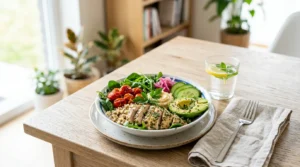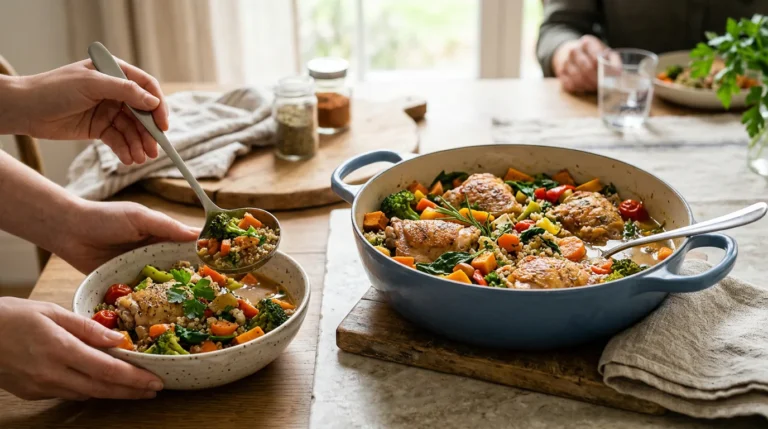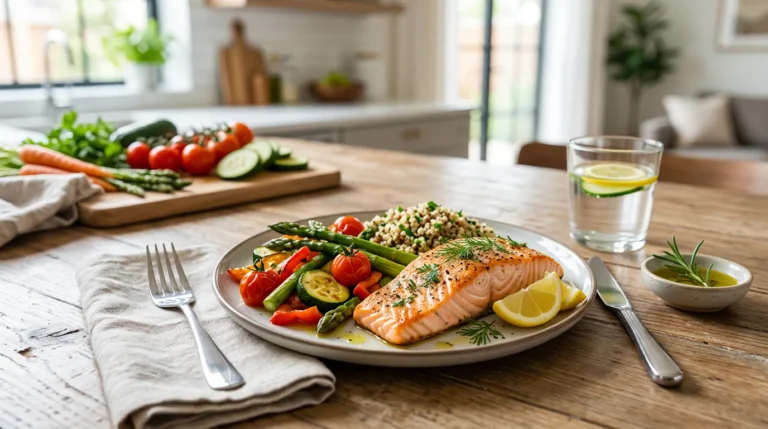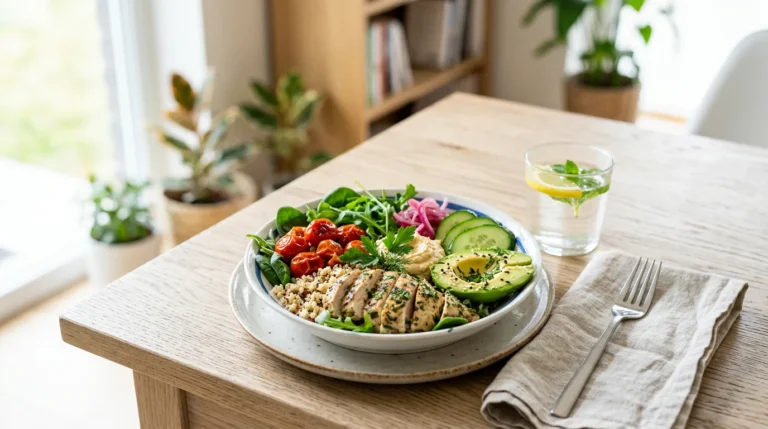
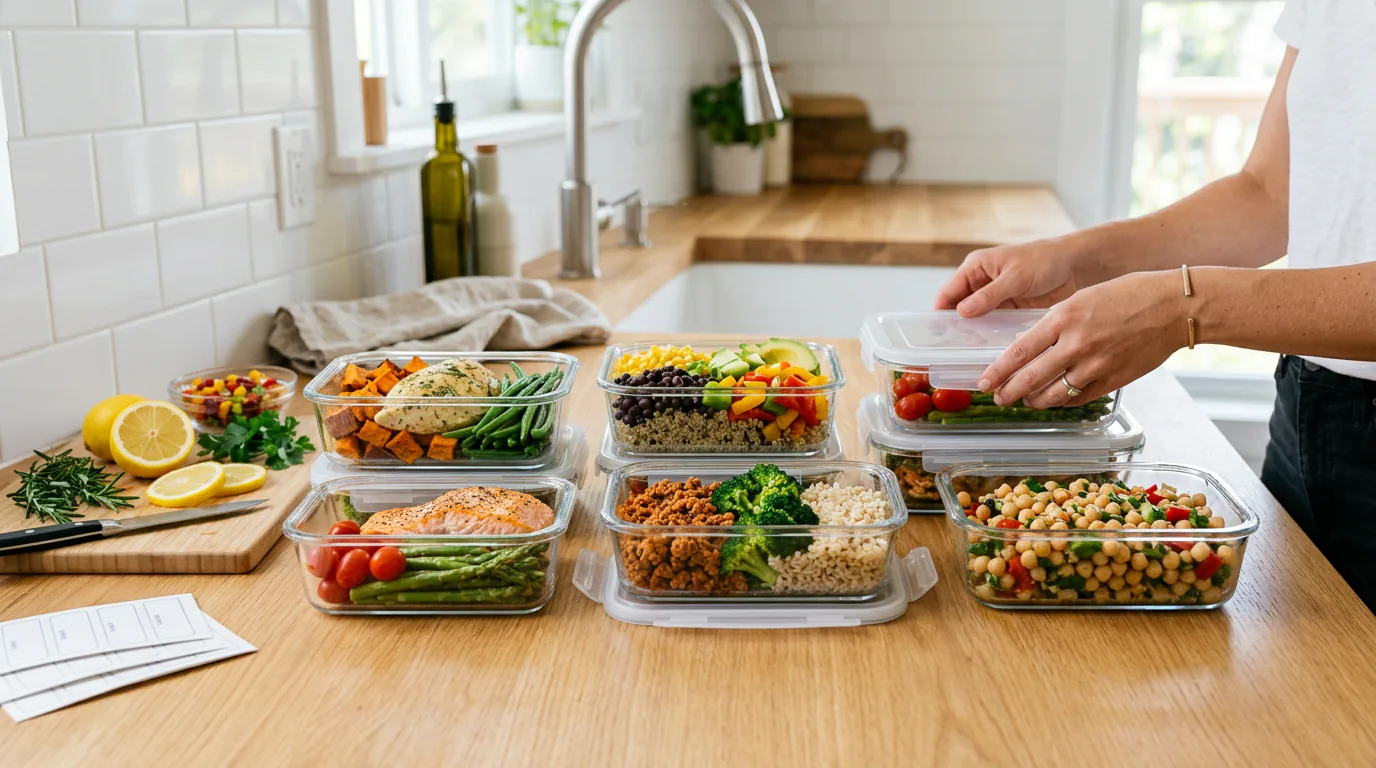
meal prep ideas can transform busy weeks into predictable, healthy routines—saving time, money, and decision fatigue. This guide delivers practical, diverse lunch and dinner recipes, planning systems, and safety tips to make weekly meal prep simple and sustainable for busy Americans.
Introduction to Meal Prep Ideas for Healthy Weekly Lunches and Dinners
Meal prep offers clear benefits: fewer last-minute takeout meals, consistent nutrition, and less wasted food. Whether you’re prepping for weight loss, family dinners, or weekday lunches, a reliable system removes evening stress and improves diet quality. This guide combines the best strategies for both lunches and dinners—covering batch cooking, portion control, storage, and time-saving tools so you can build a weekly routine that fits your life.
If you want a broader bank of recipes with nutrition info, check the pillar resource below for more options and detailed nutrition facts.
Yummiest Healthy Recipes Guide with Nutrition Facts and Tips
Transition: Now that you know why meal prep works, let’s review the nutritional principles that keep prepped meals healthy and satisfying.
Essential Principles of Healthy Meal Prep
Building consistent, nutritious prepped meals relies on a few core principles. Use these to design lunches and dinners that balance taste, fullness, and nutrients.
- Balance macros and micros: Aim to include protein, complex carbohydrates, and healthy fats at each meal. According to the 2025 USDA Dietary Guidelines (government guideline), a balanced plate supports satiety and nutrient adequacy.
- Portion control: Use visual cues (palm for protein, cupped hand for carbs, thumb for fats) or a food scale to control portions. The Academy of Nutrition and Dietetics (professional organization) recommends portion awareness for weight management and nutrient balance.
- Variety matters: Rotate proteins (lean meats, fish, legumes), grains, and vegetables across the week to avoid boredom and nutrient gaps.
- Fiber and produce first: Prioritize vegetables, fruits, and whole grains to increase fiber, which supports fullness and gut health.
- Mindful cooking methods: Prefer roasting, grilling, steaming, or sautéing in small amounts of healthy oil to cut excess calories without sacrificing flavor.
- Meal templates: Use simple templates—for example: Grain + Protein + Veg + Sauce—to speed decision-making and ensure nutritional balance.
- Label and track: Label containers with date and meal type; keep a simple food log or app entry to monitor variety and portions.
For practical recipes that match these principles across lunches and dinners, see our companion resource with easy recipe matchups.
healthy meals for lunch and dinner
Transition: With the nutrition basics set, the next section outlines tools, shopping habits, and a timeline to make weekly prep realistic and fast.
Planning Your Meal Prep: Tools, Strategies, and Timelines
Effective planning converts intentions into action. Here is a step-by-step walkthrough and checklist to make weekly meal prep manageable, plus recommended tools and budget tips.
- Set one prep day and time block: Choose a 1.5–3 hour block—commonly Sunday afternoon or Wednesday evening—to cook, portion, and store. Consistency builds the habit.
- Decide meals and portion count: Plan lunches and dinners you’ll eat at home. Create a simple grid: Monday–Friday lunches, Monday–Thursday dinners, plus a weekend flexible meal.
- Create a consolidated grocery list: Combine ingredients from all recipes to avoid extra shopping trips. Use grocery apps like AnyList or Paprika to organize lists and sync across devices (apps reduce forgotten items and speed shopping).
- Batch cook smartly: Choose 1–2 proteins, 1–2 grains, and several roasted/steamed vegetables to mix and match across meals—this reduces monotony while keeping prep time low.
- Invest in containers: Airtight, BPA-free containers with compartments are ideal. Glass containers work well for reheating and durability; consider stackable sizes (2–3 cup and 4–6 cup) to match portion needs.
- Use time-saving gadgets: An Instant Pot/pressure cooker, slow cooker, sheet pans for roasting, and a food processor or good knife set can cut active time dramatically.
- Plan for leftovers: Convert one dinner into lunches for two days or freeze extras that won’t be eaten within 3–4 days.
- Label and date: Mark each container with the prep date and intended meal (e.g., “Tue lunch – turkey quinoa – 8/17”).
- Budget pairing: Pair expensive proteins with cheaper staples—beans, lentils, eggs, canned fish—or use cost-saving seasonal produce. For deeper budget strategies, see our detailed guide.
Weekly timeline example (sample routine):
- Saturday night: Choose 3–4 recipes and write grocery list (30 minutes).
- Sunday morning or afternoon: Grocery shop (45–60 minutes).
- Sunday evening: Batch-cook proteins and grains, roast vegetables, portion meals, label and store (90–150 minutes).
- Wednesday quick refresh: Re-roast a vegetable tray, make a fresh salad base, or cook one quick protein (30–45 minutes) to keep flavors bright.
Sample apps and tools recommended from real users:
- AnyList (grocery and recipe sync)
- Paprika (recipe manager and meal calendar)
- Instant Pot (pressure-cooking beans, stews, grains quickly)
- Sheet pans and oven (large-batch vegetable roasting)
Anecdote from experience: One office manager I coached began with a simple Sunday routine—roast chicken breasts, brown rice, and three roasted vegetables—then mixed bowls and wraps across the week. After two months, she reported saving $120 monthly on takeout and felt less stressed at midday.
For more budget-driven tactics, pair your plan with this companion guide:
how to eat healthy on a budget
Transition: With planning set, next are practical, easy lunch recipes you can prep in advance.
Easy Meal Prep Ideas for Healthy Weekly Lunches
-
1. Mason Jar Mediterranean Grain Bowls
Overview: Layered mason jars make transport easy and keep greens crisp. Start with cooked farro or quinoa, add chickpeas (roasted or canned), roasted peppers, cucumber, olives, cherry tomatoes, a little feta, and a tzatziki or lemon-tahini dressing on the side.
Why it works: Grain holds up well for 4–5 days, and jars keep wet ingredients separated from leafy greens. Mix-and-match components avoid monotony.
Prep tips: Make a double batch of quinoa and roast a tray of vegetables—assemble 4–5 jars in 30–45 minutes. For more lunch ideas, see our focused lunch resource.
-
2. Turkey + Veggie Grain Bowls
Overview: Brown rice or bulgur topped with sliced seasoned turkey, steamed broccoli, shredded carrots, and a drizzle of soy-ginger vinaigrette.
Why it works: Lean turkey keeps protein high while rice adds lasting energy. Steam vegetables or roast them to add texture.
Portions: Pack 4–6 oz turkey per container for a balanced meal; use 1 cup cooked grain and 1–1.5 cups veggies.
-
3. Mediterranean Chickpea Salad Wraps
Overview: A mash of chickpeas, diced cucumber, red onion, herbs, and yogurt dressing wrapped in whole-grain tortillas. Store filling and wraps separately until midday to avoid sogginess.
Why it works: Plant-based protein with fiber keeps you full; portable and quick.
-
4. Asian-Inspired Tofu or Chicken Rice Bowls
Overview: Baked tofu or shredded rotisserie chicken with edamame, shredded cabbage, carrots, and sesame-ginger sauce over brown rice.
Why it works: Versatile protein options (tofu or chicken) cater to dietary preferences. Use an Instant Pot to make rice quickly while baking protein on a sheet pan.
-
5. Lentil Salad with Feta and Roasted Veg
Overview: Cooked green or brown lentils tossed with roasted beets, arugula, walnuts, and crumbled feta. Dress lightly with red wine vinaigrette at serving.
Why it works: Lentils supply fiber and protein and last 4–5 days refrigerated; walnuts add healthy fats and crunch.
-
6. Bento-Style Mediterranean Box
Overview: Compartmentalized container with hummus, cucumber, tomato, olives, whole-grain pita, hard-boiled egg or grilled chicken, and fruit.
Why it works: Variety in a single container prevents boredom; perfect for those who enjoy sampling multiple small items.
-
7. Cold Pasta Salad with Tuna and Veggies
Overview: Whole-wheat pasta tossed with canned tuna, peas, diced bell pepper, fresh herbs, and olive oil lemon dressing.
Why it works: Tuna is shelf-stable before opening and pairs well with pasta for quick assembly; pasta salads can be made in under 40 minutes for several meals.
Transition: With lunches covered, here are dinner ideas that are family-friendly, quick, and meal-prep friendly.
Easy Meal Prep Ideas for Healthy Weekly Dinners
-
1. One-Pan Roasted Salmon + Veggies
Overview: Roast salmon fillets alongside asparagus, cherry tomatoes, and fingerling potatoes with olive oil and lemon. Portion into containers with a wedge of lemon and a sprinkle of fresh dill.
Why it works: Minimal cleanup and nutrient-dense—high in omega-3 fats and balanced with complex carbs and vegetables. Salmon reheats gently or can be served cold on salads.
-
2. Slow Cooker Turkey Chili
Overview: Lean ground turkey, beans, tomatoes, peppers, and spices slow-cooked for 6–8 hours. Serve over brown rice or with a side salad.
Why it works: Makes large quantities, freezes well, and is low-effort. Use the slow cooker on a weekend day and portion into single-serve containers for dinners or lunches.
-
3. Instant Pot Chicken and Veggie Curry
Overview: Boneless chicken thighs, coconut milk, curry paste, sweet potatoes, and spinach cooked quickly in an Instant Pot. Serve with quinoa or basmati rice.
Why it works: Pressure cooking cuts time and locks flavor; coconut milk adds healthy fats and richness, while veggies boost fiber and volume.
For more high-protein chicken dinners, check the chicken recipe collection for variations.
-
4. Sheet-Pan Lemon-Herb Chicken with Root Veg
Overview: Roast chicken thighs with carrots, parsnips, and Brussels sprouts with lemon and rosemary. Portion into family-style containers for quick reheating.
Why it works: Economical and feeds multiple nights; roasting concentrates flavor and simplifies reheating.
-
5. Vegetarian Stuffed Peppers
Overview: Bell peppers stuffed with quinoa, black beans, corn, diced tomatoes, and spices; topped with a small amount of cheese or dairy-free alternative.
Why it works: Colorful, nutrient-dense, and easy to reheat. Great for meatless nights but hearty enough for dinner.
-
6. Beef and Vegetable Stir-Fry with Brown Rice
Overview: Quick-cooking beef strips tossed with broccoli, bell peppers, snap peas, and a garlic-ginger sauce. Serve over pre-cooked brown rice.
Why it works: High-protein, quick to finish, and uses high-heat cooking to maintain texture—ideal for busy weeknights.
-
7. Baked Fish Tacos with Slaw
Overview: Baked white fish (cod, tilapia) seasoned and served with cabbage slaw and whole-wheat tortillas. Keep slaw and fish separate until serving.
Why it works: Fresh flavors reheat well and allow variety with toppings—salsa, avocado, or Greek yogurt.
-
8. Hearty Lentil Stew
Overview: Lentils simmered with root vegetables, tomatoes, and spinach—served with crusty whole-grain bread or over polenta.
Why it works: Low-cost, shelf-stable ingredients, high fiber and filling—perfect for freezing or refrigerating for several days.
Transition: Dinners are often where calorie goals and portion control matter most—so here are specific guidelines for meal prep aimed at weight loss.
Healthy Meal Prep Ideas for Weight Loss and Portion Control
Meal prep supports weight loss by controlling portions, reducing impulsive eating, and allowing calorie-aware choices. Below are practical tips and example meals focused on a sustainable calorie deficit while maintaining nutrition adequacy.
- Set realistic calorie targets: A moderate deficit of 300–500 calories per day often supports steady weight loss. According to a 2024 guidance from the Mayo Clinic (trusted health institution), gradual weight loss is safer and more sustainable.
- Prioritize protein: Higher protein intake supports satiety and helps preserve lean mass during weight loss. Aim for 20–35% of daily calories from protein depending on activity level—work with a dietitian for personalized targets.
- Volume foods: Build meals around vegetables and broth-based soups to increase volume without many calories—this enhances fullness.
- Snack smart: Pre-portion snacks like Greek yogurt, mixed nuts (1 oz), or cut vegetables with hummus to avoid overeating.
- Use containers strategically: Use smaller containers for calorie-dense meals and larger ones for salads and vegetable-heavy bowls to visually reinforce appropriate portions.
- Track briefly, then maintain: Track intake for 1–2 weeks to understand portions and hunger cues; many find that once habits form, long-term tracking is unnecessary.
Example weight-loss meal prep day (approx. 1,500–1,700 kcal total depending on portions):
- Breakfast: Overnight oats with Greek yogurt and berries (350 kcal).
- Lunch: Chicken quinoa bowl with mixed roasted vegetables (450–500 kcal).
- Snack: Apple + 1 oz almonds (200 kcal).
- Dinner: Lentil and vegetable stew with a side salad (400–450 kcal).
Safety and adequacy note: For safe and individualized weight-loss plans, consult a registered dietitian or healthcare professional—especially if you have medical conditions. According to the Academy of Nutrition and Dietetics (professional organization, 2024), personalized nutrition counseling improves outcomes.
Transition: Not everyone has the same dietary needs—here’s how to adapt meal prep for common preferences.
Meal Prep Meals for Various Dietary Preferences
| Diet | Typical Swap | Pros | Cons |
|---|---|---|---|
| Vegetarian | Legumes, tofu, tempeh for meat | High fiber, often lower cost | May need attention to B12, iron |
| Vegan | Plant-based proteins, dairy substitutes | Lower saturated fat; great for environment | Requires planning for complete protein, B12 |
| Gluten-free | Quinoa, rice, gluten-free pasta | Safe for celiac/allergy; many grain options | Some products more expensive |
| Dairy-free | Nut milks, coconut yogurt, nutritional yeast | Helps those with intolerances | Watch for calcium and vitamin D sources |
Short explanations and tips:
Vegetarian and vegan: Swap animal protein for beans, lentils, tofu, tempeh, and seitan when appropriate. Include a variety of beans and whole grains to ensure complementary amino acids. For quick meatless dinner ideas, try our curated vegetarian recipes and quick vegetarian dinner options.
quick vegetarian dinner recipes
Gluten-free: Use naturally gluten-free whole grains (quinoa, brown rice, millet) and be cautious with sauces and processed foods that may contain hidden gluten.
Dairy-free: Replace yogurt and cheese with fortified plant-based alternatives and ensure calcium/vitamin D intake through fortified foods or supplements if needed.
Flexible meal prep tip: Build a “base station” of neutral grains and proteins, then add a small number of specialized toppings to adapt meals for different family preferences.
Transition: Even experienced preppers run into common problems—here’s how to avoid them.
Common Meal Prep Mistakes and How to Avoid Them
-
Mistake: Prepping too much variety at once and getting overwhelmed.
Fix: Start with 2–3 core recipes and rotate weekly. -
Mistake: Food spoilage due to improper storage.
Fix: Cool cooked foods quickly before refrigerating, keep fridge at 40°F (4°C) or below, and follow storage time limits—typically 3–4 days for cooked dishes (see food safety guidelines). -
Mistake: Portion sizes that don’t fit goals.
Fix: Measure the first week with a scale or measuring cups, then eyeball with the palm/cupped-hand method for maintenance. -
Mistake: Repetitive meals leading to burnout.
Fix: Use sauces, fresh herbs, and spice blends to alter flavors; rotate a different sauce each week. -
Mistake: Not planning for freshness mid-week.
Fix: Schedule a quick midweek refresh—e.g., chop a new salad base or re-roast one vegetable tray to restore crispness.
Food safety citation: According to the CDC (2024) (public health agency), cooked leftovers stored in shallow containers and refrigerated promptly should be consumed within 3–4 days to minimize foodborne illness risk.
Transition: To preserve meals longer without sacrificing flavor, follow these next tips.
Bonus Tips for Maintaining Freshness and Flavor Throughout the Week
Keeping meals tasting fresh requires smart storage, reheating, and seasoning strategies. Use these quick tips to extend shelf life and maintain pleasing textures.
- Separate wet and dry: Store dressings and sauces separately and add at serving time to avoid soggy salads and wraps.
- Use proper containers: Airtight glass containers for hot foods and BPA-free plastic for cold snacks; keep lids tight to prevent odor transfer.
- Reheating tips: Reheat in the oven or stovetop for best texture; microwave with a splash of water for grains to avoid dryness. Use lower power settings for proteins to prevent overcooking.
- Season at serving: Add fresh herbs, citrus, or a drizzle of high-quality oil right before eating—this boosts perceived freshness without extra prep.
- Freezer-friendly planning: Portion meals into freezer-safe containers or bags for longer storage. Defrost overnight in the fridge and reheat thoroughly.
- Rotate flavors weekly: Keep a rotating list of 4–6 sauces/seasonings—lemon-tahini, pesto, soy-ginger, salsa verde—to change the profile of the same base ingredients.
For detailed make-ahead and freezing strategies, consult this dedicated guide on freezer meal prep.
Transition: Ready to begin? Here’s a final push to help you start and keep momentum.
Conclusion and Encouragement to Start Your Healthy Meal Prep Journey
Meal prep is a practical toolkit—combine balanced templates, simple recipes, batch cooking, and smart storage to make weekday lunches and dinners easier and healthier. Start small: pick two lunches and two dinners to prep this week, adopt one time-saving gadget, and track how much time and money you save. If you have medical conditions or special nutrition needs, consult a registered dietitian or healthcare provider before making major dietary changes. Ready to build your first weekly plan? Start this Sunday with a shopping list, a 2-hour prep window, and one new sauce to keep flavors lively. Your future self will thank you.
Frequently Asked Questions
What are some easy meal prep ideas for beginners?
Start with simple templates: roast a protein (chicken or tofu), cook a whole grain (rice or quinoa), and roast two vegetables. Assemble bowls or wraps that mix these components; prep time typically takes 60–120 minutes depending on batch size.
How long do prepared meals typically last in the fridge?
Cooked meals generally last 3–4 days refrigerated when stored in shallow, airtight containers and kept at 40°F (4°C) or below, per CDC food-safety guidance.
What’s the difference between meal prepping and batch cooking?
Batch cooking focuses on making large quantities of a single recipe, while meal prepping arranges multiple components (proteins, grains, veggies) into ready-to-eat meals or kits for the week.
How do I safely store meal prep meals to keep them fresh?
Cool foods quickly, store in shallow airtight containers, label with dates, and refrigerate within two hours of cooking; consume within 3–4 days or freeze for longer storage.
Can meal prep help with weight loss? If so, how?
Yes—meal prep helps control portions, reduces impulsive high-calorie choices, and ensures balanced meals, enabling a steady calorie deficit when paired with an appropriate plan recommended by health professionals.
What are the best containers for meal prep and reheating?
Glass airtight containers are best for reheating and longevity; BPA-free plastic containers work for cold storage. Choose stackable, leak-proof designs in sizes that match your portions.
How do I plan diverse meals so I don’t get bored during the week?
Use rotating sauces and spice blends, plan mix-and-match bases (two proteins, two grains, three vegetables), and schedule one midweek refresh to swap fresh elements into prepped meals.
How much time should I set aside each week for meal prepping lunches and dinners?
Most people spend 1.5–3 hours weekly for full weekly prep (shopping excluded). A midweek 30–45 minute refresh can extend freshness and variety.