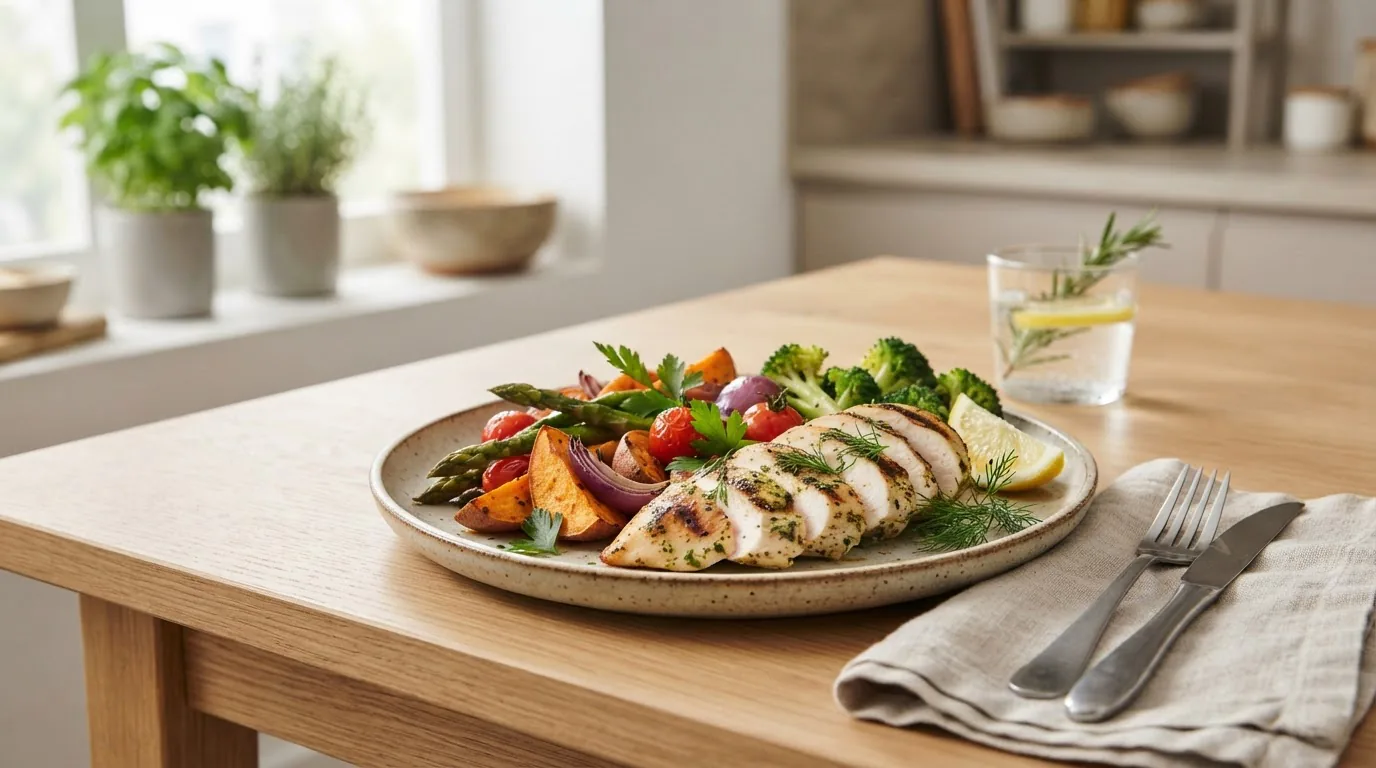
WW dinner ideas that fit busy evenings and real budgets make sticking with a plan easier. This guide pairs practical Weight Watchers (WW) meal planning principles with simple, point-smart dinners you can cook tonight and reuse all week.
Introduction to WW Dinner Ideas and Weight Watchers Meal Plans
Weight Watchers (WW) is a behavior-focused weight management program that uses a points-based system to help people choose satisfying, nutrient-rich foods without strict calorie counting. For many users, planning dinners around points makes evenings less stressful while keeping progress consistent. This introduction explains how to use meals as building blocks for long-term weight-loss success and links you to broader recipe resources.
Why focus on dinners? Evenings are when many people relax and are most likely to overeat or choose convenience foods. A plan of simple, tasty, low-point dinners reduces decision fatigue and supports daily point budgeting. Below are key components this guide covers: practical low-point recipes, quick weeknight options, make-ahead meals, vegetarian swaps, portion-control strategies, and seasonal dinner ideas tailored to WW.
For a wider recipe library with nutrition facts to support your planning, check this pillar resource:
Yummiest Healthy Recipes Guide with Nutrition Facts and Tips
Transition: Now that you have the big-picture resource, let’s break down the core principles that make dinners WW-friendly and sustainable.
Understanding Weight Watchers Dinner Principles
Understanding WW dinner principles helps you design meals that are both satisfying and point-smart. Below are the foundations you’ll use when choosing or adapting recipes.
- SmartPoints and myWW: WW uses SmartPoints (or the myWW personalized plan) to assign values to foods based on calories, saturated fat, sugar, and protein. Focus on higher-protein, higher-fiber foods to lower point cost or increase satiety.
- Zero-point foods: Many fruits, vegetables, lean proteins (depending on your plan), and legumes are zero-point or very low-point—great for volume and fullness. Check your WW app for your personalized zero-point list.
- Portion control: Even low-point foods can add up. Use measuring cups, a food scale, or plate portions to keep servings consistent.
- Balanced meals: Aim for protein + fiber-rich carbs + healthy fats to maintain energy and satiety. This balance often reduces evening snacking.
- Tracking points: Log dinners in the WW app right after eating to avoid untracked extras. Small condiments and oils can change point totals—measure and log them.
- Healthy cooking methods: Prefer grilling, baking, steaming, air-frying, or sautéing with minimal oil to reduce added points and calories.
- Swap strategy: Swap high-point ingredients for similar low-point alternatives (e.g., Greek yogurt for sour cream, spiralized zucchini for pasta).
Practical examples help. Here’s a step-by-step rundown for a simple weeknight meal: a turkey taco bowl.
- Brown 4 oz lean ground turkey (measure raw weight) with taco seasoning—log weight and oil used.
- Serve over 1 cup cooked cauliflower rice and top with 1/2 cup black beans, salsa, and chopped lettuce.
- Estimated SmartPoints: 6–8 points depending on seasoning and oil—check your WW plan for precise value.
Quick note on program specifics: for official program rules and the latest SmartPoints methodology, refer to the program source—this guide uses general examples while encouraging personalization.
External resource for program details: Official Weight Watchers site.
Transition: With the principles in hand, next are concrete, diverse dinner ideas you can rotate through the week.
Simple WW Dinner Ideas for Every Weeknight
Below are 10 practical, point-aware dinners you can make on busy weeknights. Each includes a quick description and WW tips so you can adapt points and ingredients.
-
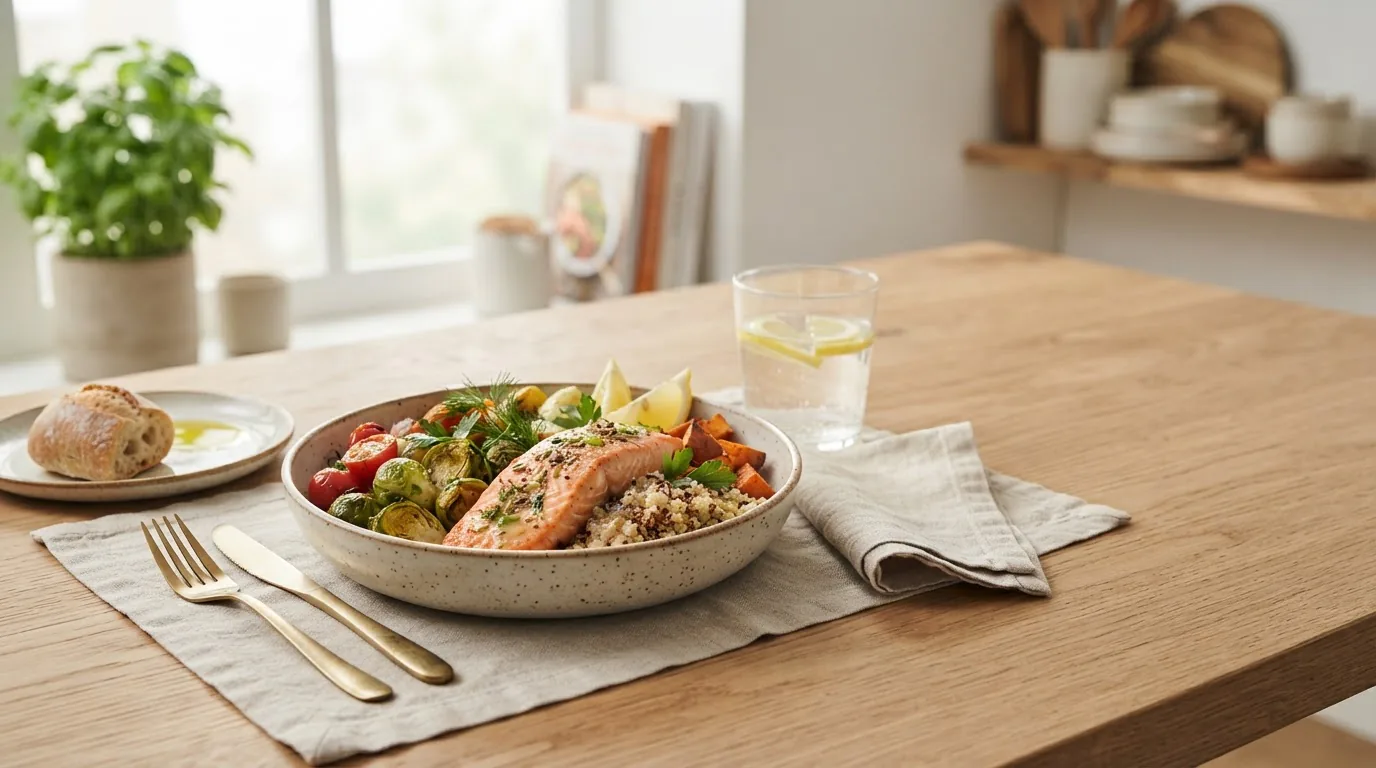
One-pan lemon garlic salmon with asparagus — Roast a 4 oz salmon fillet and asparagus on one sheet pan with lemon, garlic, and 1 tsp olive oil. WW tip: measure salmon and oil; often ~6–8 SmartPoints depending on your plan. Use lemon and herbs for flavor without points.
healthy dinner recipes for two - Turkey and vegetable stir-fry — Stir-fry lean ground turkey with mixed bell peppers, broccoli, and a low-sodium soy-ginger sauce. Serve over 1/2 cup cooked brown rice. WW tip: use a non-stick pan and 1 tsp oil or spray; add extra veggies for volume with minimal points.
- Vegetable-packed lentil bolognese — Sauté onions, carrots, and mushrooms, add cooked lentils and crushed tomatoes for a hearty sauce over zucchini noodles or 1/2 cup whole-wheat pasta. WW tip: lentils add protein and fiber—points typically 4–6.
-
Chicken fajita sheet-pan dinner — Sliced chicken breast, onions, and peppers roasted with fajita spices; serve in lettuce wraps or small whole-wheat tortillas. WW tip: chicken breast often zero-point on many plans—log tortillas and oil.
comforting winter meals - Greek salad with grilled shrimp — Romaine, cucumber, cherry tomatoes, olives (moderate), feta (measure), and 3–4 oz grilled shrimp with a lemon-oregano vinaigrette. WW tip: measure cheese and olives; shrimp often low-point.
- Stuffed bell peppers (beef or plant-based) — Fill with a mixture of lean ground beef or seasoned textured vegetable protein, brown rice, tomatoes, and herbs; bake until tender. WW tip: use extra veg and lean protein to keep points down.
- Black bean and sweet potato tacos — Roast cubed sweet potato, warm black beans, top with salsa and shredded lettuce in corn tortillas. WW tip: sweet potatoes add fiber; use one tortilla or lettuce wraps to lower points.
- Quick miso salmon bowls — Flaked salmon over steamed greens and 1/2 cup brown rice with a light miso dressing. WW tip: miso-based dressings add umami with less fat than creamy sauces—measure dressings.
-
Spicy tofu and broccoli with garlic sauce — Pressed tofu pan-seared, tossed with steamed broccoli and a garlic-chili sauce, served over cauliflower rice. WW tip: tofu is a plant protein that can be low-point when oil is controlled.
quick vegetarian dinner recipes - Skillet chicken and mushroom risotto (light) — Use arborio rice with extra mushrooms and chicken broth, finish with 3 oz shredded chicken and a sprinkle of Parmesan. WW tip: increase mushroom ratio to lower rice portion and reduce points.
WW tips for adapting these dinners:
- Use extra non-starchy vegetables to increase volume and satiety.
- Measure oils, cheeses, and dressings—small amounts can add points quickly.
- Make swaps: Greek yogurt instead of sour cream, spaghetti squash for pasta.
Transition: If you like structured plans, the next section gives a sample 7-day dinner plan with estimated points and quick prep notes.
Sample 7-Day Weight Watchers Dinner Meal Plan
The table below offers a sample 7-day dinner plan with estimated SmartPoints per meal. Points are illustrative; your myWW plan may assign different values. This plan balances protein, fiber, and healthy fats and includes make-ahead and quick options.
| Day | Dinner | Estimated SmartPoints | Quick Recipe Summary / Prep Tip |
|---|---|---|---|
| Monday | One-pan lemon garlic salmon with asparagus | 7 | Roast 4 oz salmon + asparagus; serve with lemon. Prep: season salmon Sunday. |
| Tuesday | Turkey and vegetable stir-fry over brown rice | 8 | Cook ground turkey with bell peppers, broccoli; use low-sodium sauce. Prep: chop veggies ahead. |
| Wednesday | Lentil bolognese over zucchini noodles | 5 | Simmer lentils and tomatoes; spiralize zucchini fresh. Prep: make sauce in batch. |
| Thursday | Chicken fajita lettuce wraps | 6 | Sauté seasoned chicken and peppers; serve in lettuce or 1 small tortilla. Prep: slice peppers in advance. |
| Friday | Black bean & sweet potato tacos | 6 | Roast sweet potatoes; warm black beans. Prep: roast sweet potatoes twice weekly. |
| Saturday | Greek salad with grilled shrimp | 6 | Grill shrimp; toss salad and measure feta. Prep: make dressing ahead and refrigerate. |
| Sunday | Stuffed bell peppers with lean beef | 9 | Bake stuffed peppers with brown rice and veggies; great leftover meal. Prep: assemble Saturday night. |
How points were estimated: protein portions measured (3–4 oz), grains at 1/2 cup cooked, minimal oils (1 tsp–1 tbsp). Example walkthrough of calculating a meal’s points: take the exact weight of protein, cooked grain portion, and added oils/dairy, then enter each into the WW app to get a precise SmartPoints total.
Transition: Prefer more vegetarian or meat-focused options? The next section compares both with specific meal ideas and point estimates.
Vegetarian and Meat-Based WW Dinner Options
Below is a side-by-side comparison of vegetarian and meat-based meal ideas, each with estimated WW point ranges to help you mix and match based on preferences and point budget.
| Vegetarian Options (Meal & Est. Points) | Meat-Based Options (Meal & Est. Points) |
|---|---|
| Lentil bolognese over zucchini noodles — 4–6 pts | One-pan lemon garlic salmon — 6–8 pts |
| Tofu stir-fry with broccoli and cauliflower rice — 5–7 pts | Turkey taco bowl (turkey, beans, cauliflower rice) — 6–8 pts |
| Black bean & sweet potato tacos — 5–7 pts | Grilled chicken fajitas in lettuce wraps — 4–7 pts |
| Chickpea and spinach curry with basmati (small portion) — 6–8 pts | Skillet chicken and mushroom risotto (light) — 7–9 pts |
| Eggplant parmesan (light cheese, baked) — 6–8 pts | Shrimp Greek salad with light dressing — 4–6 pts |
| Vegetarian stuffed peppers (quinoa, beans) — 5–7 pts | Lean beef & veggie stir-fry with brown rice — 8–10 pts |
| Spicy tempeh bowls with steamed greens — 5–7 pts | Seared pork tenderloin with roasted vegetables — 7–9 pts |
Protein-first swaps: if your plan values protein, swap beans for a measured portion of grilled chicken or 3–4 oz fish to reduce points or increase satiety depending on your plan. For more lean chicken recipes, see this collection:
healthy chicken breast recipes
For adventurous, nutrient-dense low-point organ meats, try the following (measure portions and log points):
If you need fast vegetarian inspiration suitable for two people on a weeknight, check this quick guide:
quick vegetarian dinner recipes
Transition: Building a dinner repertoire is easier with meal prep; next are actionable tips to save time and stay on track with WW.
Meal Prep Tips for WW Dinners to Save Time and Keep On Track
Meal prep can be the difference between sticking to your WW plan and grabbing convenient high-point options. Below are step-by-step strategies, time-saving routines, and common pitfalls with solutions.
Step-by-step weekly prep routine
- Plan your dinners for the week based on your weekly point budget and calendar commitments (e.g., late meetings, social events).
- Create a grocery list grouped by produce, proteins, pantry, and refrigerated items to speed shopping.
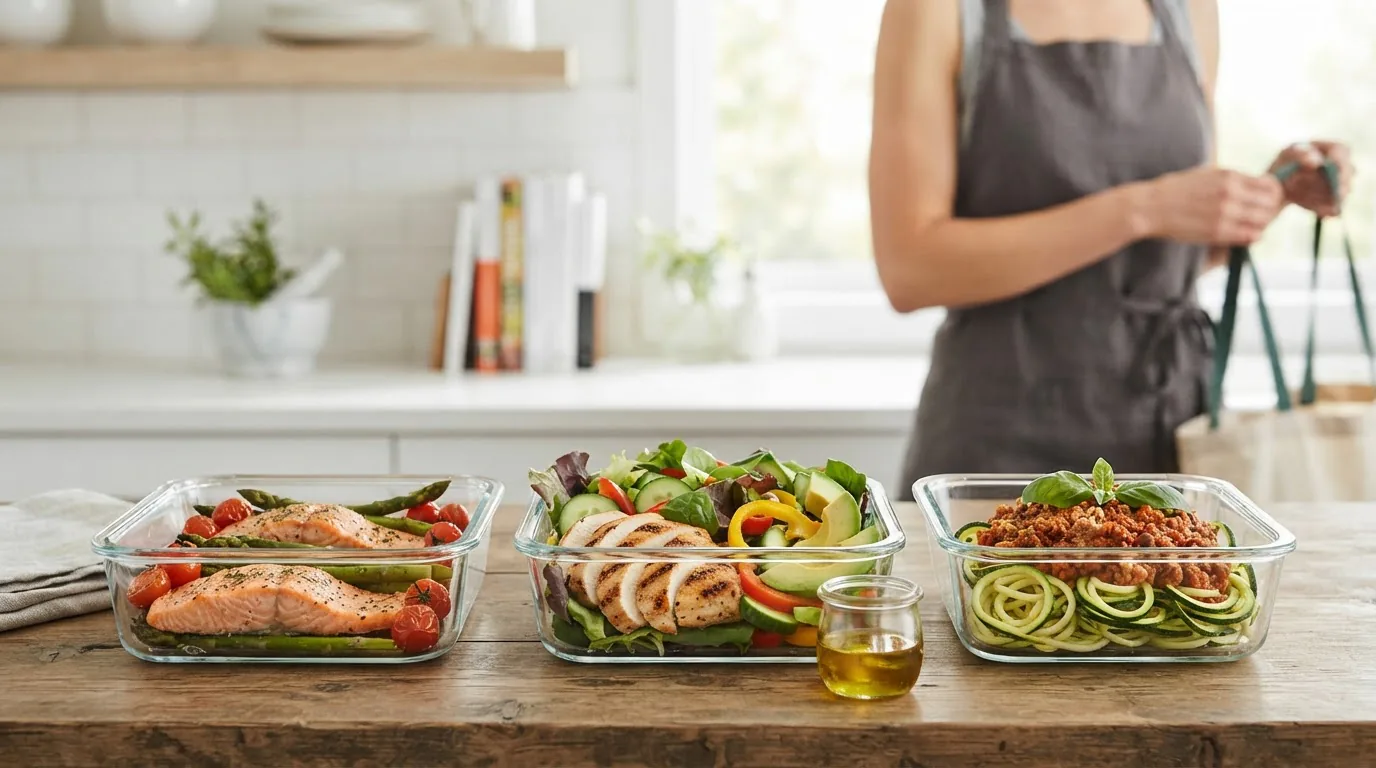
- Batch-cook staples: roast a large tray of mixed vegetables, cook a big pot of brown rice or quinoa, and grill 3–4 chicken breasts or bake tofu for the week.
- Portion immediately into single-serving containers—label with date and estimated points so you can grab-and-go.
- Use freezer-friendly meals (stews, chilis, soups) for 1–2 make-ahead dinners; thaw in the fridge overnight before reheating.
Actionable tips
- Use a rice cooker or Instant Pot to batch-cook grains while you prep proteins and vegetables.
- Invest in clear, leak-proof containers sized for single portions to make tracking and portion control simple.
- Make sauces and dressings in jars to reduce added fat and control portioning—measure 1–2 tbsp servings when topping salads or bowls.
- Double recipes on low-effort nights so you have leftovers for lunches or another dinner.
- Rotate a “5-ingredient” dinner twice a week to minimize decision-making and shopping stress.
Common pitfalls and how to avoid them:
- Pitfall: Forgetting to measure oils and cheese. Fix: Keep a tablespoon measure and digital scale accessible in the prep area.
- Pitfall: Letting fresh herbs go bad. Fix: Store herbs with stems in a jar of water in the fridge, loosely covered.
- Pitfall: Overprepping a single meal and getting bored. Fix: Prep components (grains, protein, veg) not finished dishes to mix-and-match flavors.
Practical mini case study (real-style example):
Sarah, a working parent, prepared three roasted vegetables, a batch of baked chicken breasts, and a lentil tomato sauce on Sunday evenings. She portioned dinners into six containers labeled with estimated SmartPoints (based on her WW app). Over 12 weeks she reported fewer evening cravings and more consistent weigh-ins because dinners were ready and logged—an example of how planning reduces friction between intention and action.
Pair your dinner prep with complementary lunch strategies for even more time savings—see these easy lunch meal prep ideas. For chicken-focused prep routines, review chicken meal prep ideas.
Transition: To get the most from WW dinners, pair meal prep with nutrition strategies that support weight loss and satiety.
Nutritional Tips to Complement WW Dinners for Weight Loss
Pairing smart macronutrient choices with WW point budgeting improves hunger control and long-term results. Below are evidence-aligned tips with practical steps you can apply tonight.
- Prioritize protein: Protein increases satiety and helps preserve lean mass during weight loss. Aim for 20–30 g protein per dinner when possible (e.g., 3–4 oz cooked chicken, fish, or plant-based equivalent). According to a 2024 systematic review in nutrition science journals, higher-protein meals improve fullness during weight-loss periods (source type: peer-reviewed study).
- Increase fiber: Non-starchy vegetables, legumes, and whole grains add bulk and slow digestion. Fiber-rich dinners reduce late-night snacking. For government guidance on fiber and healthy eating, see the CDC resources: CDC nutrition guidance.
- Include healthy fats strategically: Small portions of olive oil, nuts, or avocado support nutrient absorption and flavor—measure portions (1 tsp–1 tbsp) to control points.
- Hydration and mindful eating: Drink water before meals and eat without distractions to better detect fullness cues. The Academy of Nutrition and Dietetics offers practical mindful-eating tips for behavior change: Academy of Nutrition and Dietetics.
- Calorie vs. points: Points translate nutrition into a single value but are not direct calorie counts. A lower-point item can be calorically dense if portion sizes are large, so use both point tracking and portion awareness. For research on energy balance and weight management, consult peer-reviewed nutrition journals (source type: nutrition journal).
Quick macro-balancing checklist for dinner:
- Protein source measured (3–4 oz cooked or plant equivalent)
- Vegetables: at least 1–2 cups non-starchy
- Carb: 1/2 cup cooked whole grain or starchy vegetable when desired
- Fat: 1 tsp–1 tbsp measured for flavor
Transition: Even with planning, challenges arise—next we address common obstacles and practical solutions for staying on track with WW dinners.
Common Challenges in Following WW Dinner Plans and How to Overcome Them
- Managing cravings: Solution: Keep zero-point fruits and cut veggies ready; choose a 1–2 tbsp measured healthy treat if needed to avoid bingeing.
- Eating out or social dinners: Solution: Review restaurant nutrition menus ahead, choose grilled or baked proteins with veggies, and log an estimated point range in your app so you stay under budget.
- Time constraints: Solution: Lean on pre-chopped produce, frozen vegetables, and simple sheet-pan dinners. Batch-cook staples on weekends for quick assembly.
- Cooking motivation: Solution: Rotate five favorite go-to dinners and use themes for each night (Meatless Monday, Taco Tuesday) to reduce choices.
- Tracking errors: Solution: Weigh portions when possible, use your WW app immediately after eating, and save frequent meals as favorites to speed logging.
- Budget concerns: Solution: Buy in-season produce, bulk legumes, and frozen proteins on sale; plan simple meals like beans+rice+veg for low cost and high nutrition.
Transition: With the solutions above, you can create a sustainable dinner routine—here are final motivating takeaways and next steps.
Conclusion and Encouragement for Sustainable WW Dinner Habits
Simple, repeatable WW dinner ideas and thoughtful meal planning let you enjoy satisfying dinners while staying within your points budget. Use the principles in this guide—prioritize protein and fiber, measure key ingredients, batch-cook staples, and rotate a set of favorite low-point recipes—to reduce decision fatigue and support consistent weight-loss progress.
Start small: pick two go-to dinners this week, prep components once, and log meals right after eating. If you need more recipe variety or details on portion sizes and nutrition facts, revisit the Yummiest Healthy Recipes Guide with Nutrition Facts and Tips to expand your menu.
Remember: WW points are personalized. Adapt serving sizes and ingredients to match your plan and health needs, and consult a healthcare professional for medical or allergy concerns. Ready to try a week of point-smart dinners? Use the sample 7-day plan above, prep once, and enjoy stress-free meals that support your goals.
Frequently Asked Questions
What are some easy WW dinner ideas for beginners?
Start with simple sheet-pan dinners, turkey or tofu stir-fries, salmon with roasted vegetables, and lentil bolognese over zucchini noodles. These meals are quick, high in protein or fiber, and easy to portion—ideal for learning SmartPoints and building a routine.
How do WW points work for dinner meals?
WW points (SmartPoints/myWW) assign value to foods based on calories, saturated fat, sugar, and protein. To score a dinner, enter each ingredient and portion into the WW app; it totals the meal’s points so you can track against your daily budget.
What is the difference between low-calorie and low-point dinners on Weight Watchers?
Low-calorie meals focus on energy content; low-point meals reflect a WW algorithm weighing calories, saturated fat, sugar, and protein. A low-point meal may not always be lowest in calories, so measure portions and track both when needed.
How can I meal prep WW dinners for a whole week?
Batch-cook staples (grains, roasted veggies, proteins), portion into single-serve containers, label with estimated points, and freeze extra portions. Assemble fresh components (greens, sauces) on the night you eat to preserve texture.
How much does following a Weight Watchers dinner plan typically cost?
Costs vary, but a WW-friendly week can be budget-friendly: plan with in-season produce, bulk legumes, and frozen proteins. Many people spend similar or less than usual by reducing dining out and batch-cooking at home.
What should I do if I go over my WW dinner points?
If you exceed dinner points, log it without judgment, adjust later meals or snacks to balance your daily budget, and reflect on triggers to plan differently next time. Use leftover weekly or activity points if your plan allows.
Are packaged or frozen WW dinners as healthy as homemade ones?
Some frozen or packaged WW-approved meals offer convenience but may be higher in sodium or preservatives. Compare nutrition labels, watch portion sizes, and favor homemade meals for more control over ingredients and points.
Can I customize WW dinner meal plans if I have food allergies?
Yes. Substitute allergens with safe protein and fiber-rich alternatives (e.g., replace nuts with seeds or legumes) and always check labels. Consult a registered dietitian or healthcare provider for personalized allergy-safe meal plans.