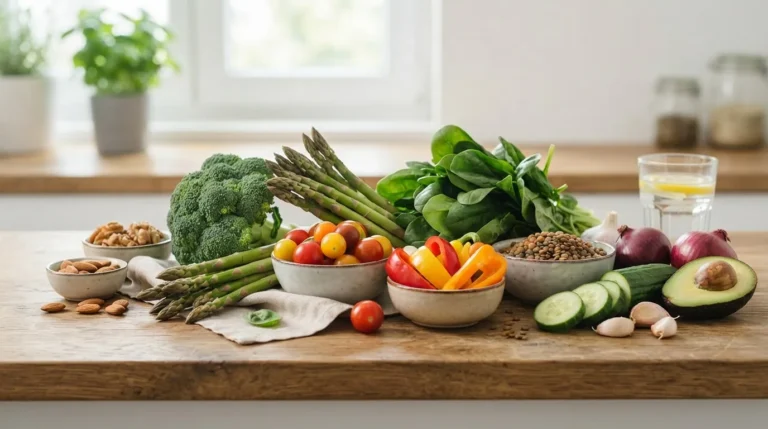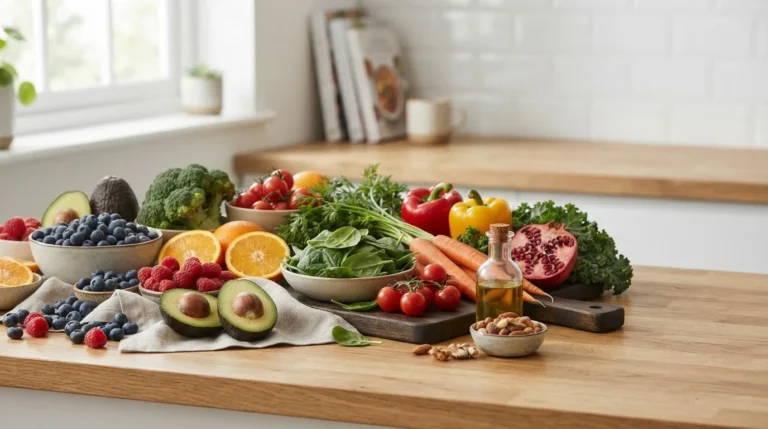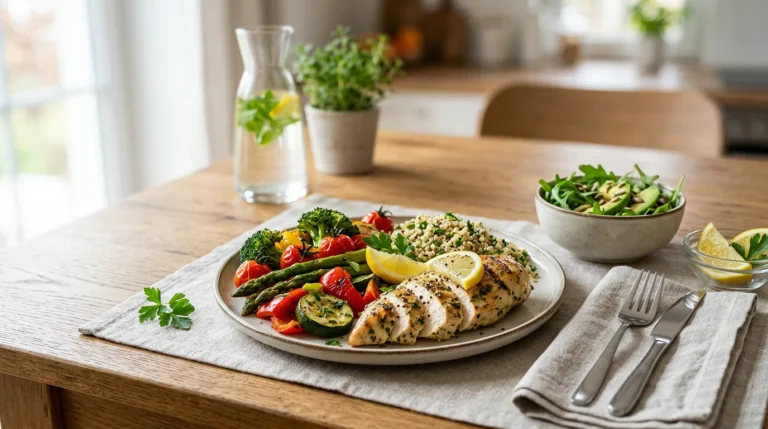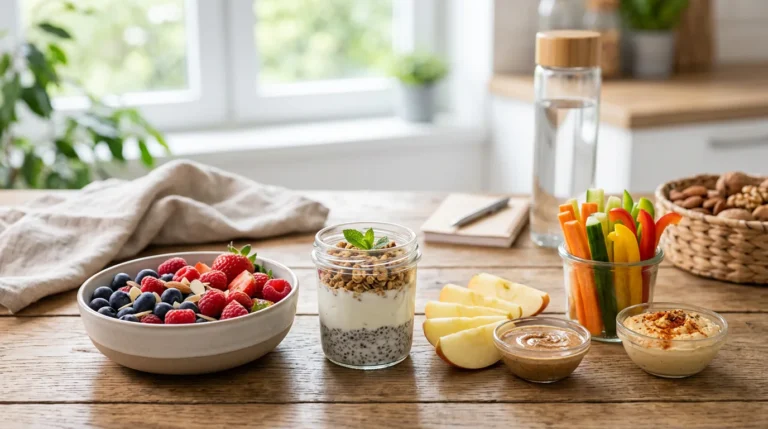
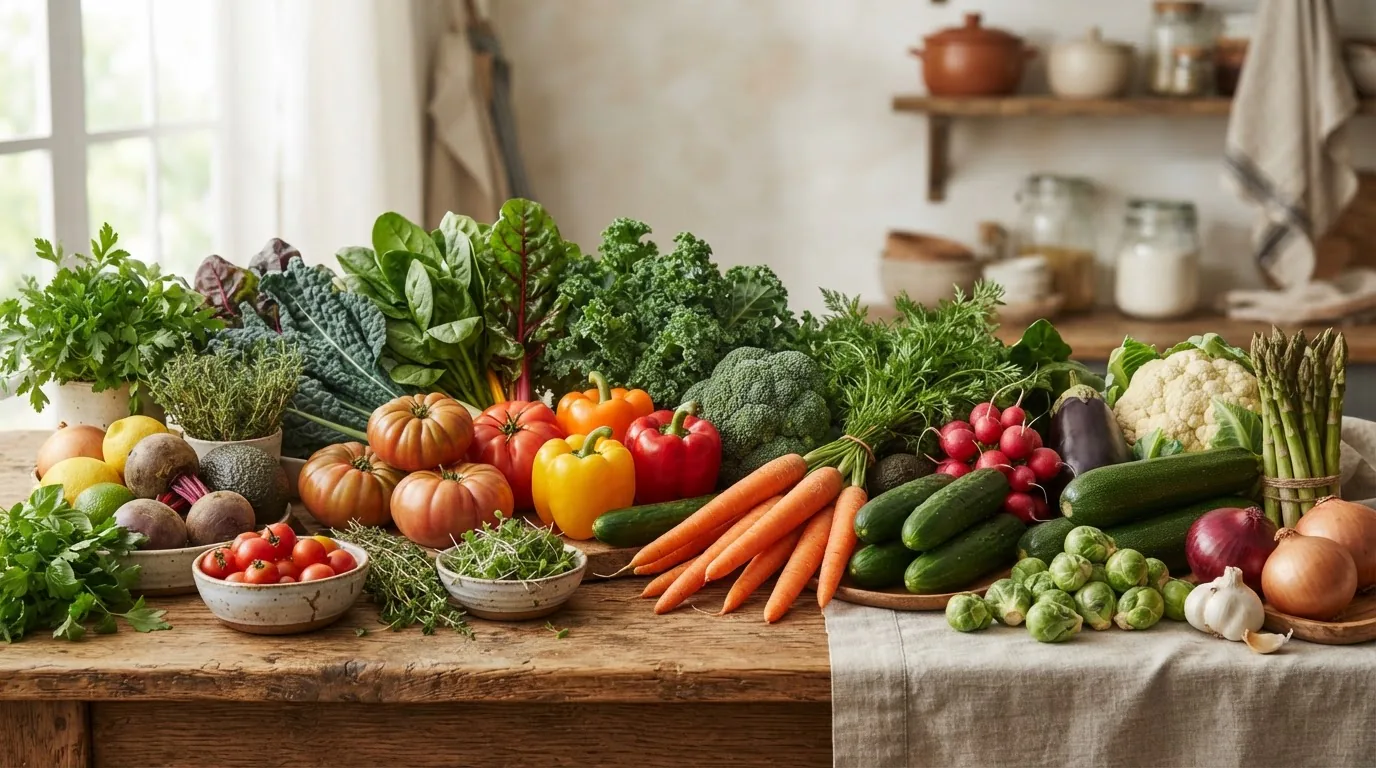
100 vegetables name — a complete visual atlas to help you recognize, store, and cook common and specialty vegetables. This guide pairs clear picture placeholders with concise descriptions focused on visual ID, common culinary uses, brief nutrition highlights, and practical storage tips so you can shop and cook confidently.
Introduction to the 100 Vegetables Name Guide
This visual reference lists 100 vegetables with clear image placeholders and short, practical entries that emphasize identification and everyday use. Whether you want to tell romaine from butterhead, identify a kabocha at the market, or pick the freshest kale at a farmers’ stall, this guide makes it easy. For a broader look at produce benefits and classifications, see Fresh Fruits and Vegetables Benefits. Also learn why green choices matter with our green vegetable nutrition benefits overview.
How to Use This Vegetables Name Guide
Quick tips to get the most from this list and picture-first layout:
- Scan category headings (leafy, root, fruit, alliums/legumes, miscellaneous) to narrow search.
- Compare the image placeholder with the visual identification features listed (color, shape, texture).
- Use the short culinary notes to decide raw vs. cooked uses at a glance.
- Follow small storage tips to extend shelf life—cold, dry, or wrapped depends on type.
- Practical example: “How to pick the freshest kale at your local farmers’ market” — choose crisp, deep-green leaves without limp stems or brown spots (experience tip from market shoppers).
Transition: Below is the numbered catalog of 100 vegetables grouped by category for easier navigation and quick reference.
Complete List of 100 Vegetables with Pictures and Descriptions
Numbered and grouped; each entry includes an image placeholder, common names, identification cues, culinary uses, nutrition highlight or storage tip, and freshness indicators.
Note: For deeper nutrient breakdowns, see vegetables rich in vitamins and for calorie examples see calorie content of common vegetables. For a focused dive into specific letters, try our vegetables starting with M.
Leafy and Salad Vegetables
-
Image: [High-quality image placeholder — add image]
Lettuce (Iceberg, Butterhead, Romaine) — crisp leaves, mild flavor; salads, wraps. Nutrition/storage: low-calorie, source of folate; store wrapped in paper towel in fridge. Freshness: firm leaves, no slimy spots.
-
Image: [High-quality image placeholder — add image]
Spinach (Baby, Savoy) — dark green, tender or crinkled leaves; great raw in salads or wilted in sautés. Nutrition/storage: rich in vitamin K and iron (variable); keep cool and dry in perforated bag.
-
Image: [High-quality image placeholder — add image]
Kale (Curly, Lacinato) — textured, sturdy leaves; hearty in sautés, smoothies, chips. Nutrition/storage: vitamin A and C source; store unwashed in fridge, remove fibrous stems before eating. Freshness: vibrant color, firm stems.
-
Image: [High-quality image placeholder — add image]
Arugula (Rocket) — peppery, tender leaves; salads, pesto. Nutrition/storage: vitamin K and folate; use within days, keep chilled in a breathable bag. Freshness: crisp, no yellowing.
-
Image: [High-quality image placeholder — add image]
Swiss chard (Chard) — glossy leaves with colorful ribs; sautéed, braised. Nutrition/storage: potassium and magnesium; wrap and refrigerate upright to reduce wilting. Freshness: firm stems, unblemished leaves.
-
Image: [High-quality image placeholder — add image]
Collard greens — large, tough leaves; slow-cooked, braised. Nutrition/storage: calcium and fiber; blanch before freezing to preserve color. Freshness: crisp, no dark spots.
-
Image: [High-quality image placeholder — add image]
Romaine — elongated crunchy leaves; salads, grilling. Nutrition/storage: vitamin A and folate; store upright in fridge, keep core intact to extend life. Freshness: crunchy ribs, no limp centers.
-
Image: [High-quality image placeholder — add image]
Butterhead lettuce (Boston, Bibb) — soft, loose heads; delicate salads. Nutrition/storage: mild, low calories; store loosely wrapped, avoid heavy stacking. Freshness: tender leaves without browning.
-
Image: [High-quality image placeholder — add image]
Endive (Belgian, Curly) — slightly bitter, tight heads; salads, braised. Nutrition/storage: vitamin A; keep chilled and crisp in ventilated container. Freshness: firm heads, pale tips.
-
Image: [High-quality image placeholder — add image]
Watercress — small, peppery leaves; salads and garnishes. Nutrition/storage: vitamin C-rich; keep in damp paper towel and sealed bag. Freshness: bright green, not limp.
-
Image: [High-quality image placeholder — add image]
Mustard greens — frilly, spicy leaves; stir-fries and pickles. Nutrition/storage: vitamin K and antioxidants; pack loosely and refrigerate. Freshness: crisp edges, no yellowing.
-
Image: [High-quality image placeholder — add image]
Bok choy (Pak choi) — glossy leaves with white stalks; soups, stir-fries. Nutrition/storage: vitamin A and C; store upright in fridge; use stalks quickly. Freshness: firm white stalks, unblemished leaves.
-
Image: [High-quality image placeholder — add image]
Mâche (Lamb’s lettuce) — small rosettes, nutty flavor; delicate salads. Nutrition/storage: folate and vitamin C; keep cool and use quickly. Freshness: tight rosettes, not slimy.
-
Image: [High-quality image placeholder — add image]
Radicchio — burgundy leaves with white veins; bitter salads, grilled. Nutrition/storage: vitamin K and antioxidants; wrap loosely and refrigerate. Freshness: crisp, vibrant color.
-
Image: [High-quality image placeholder — add image]
Cabbage (Green, Red, Napa) — tight heads; slaws, stews, fermenting (sauerkraut). Nutrition/storage: vitamin C and fiber; store whole in fridge; shred when ready. Freshness: firm head, tight leaves. calorie content of common vegetables
-
Image: [High-quality image placeholder — add image]
Napa cabbage — elongated pale-green head; Asian soups and kimchi. Nutrition/storage: vitamin C; store wrapped to prevent moisture loss. Freshness: crispy central ribs.
-
Image: [High-quality image placeholder — add image]
Dandelion greens — bitter, serrated leaves; sautéed or in salads if young. Nutrition/storage: calcium and iron; use quickly, keep chilled. Freshness: bright green, firm leaves.
-
Image: [High-quality image placeholder — add image]
Purslane — succulent, glossy leaves; great raw in salads or cooked. Nutrition/storage: omega-3 rich for a plant; store damp and cool. Freshness: plump stems, no wilt.
Root and Tuber Vegetables
-
Image: [High-quality image placeholder — add image]
Carrot — tapered orange roots (also purple, yellow); sweet-crisp raw, roasted, soups. Nutrition/storage: beta-carotene (vitamin A precursor); refrigerate in crisper, away from greens. Freshness: firm, bright color, no soft spots.
-
Image: [High-quality image placeholder — add image]
Beetroot (Beets) — round, deep-red bulbs with leafy tops; roast, pickled, salads. Nutrition/storage: folate and manganese; trim greens before refrigerating roots. Freshness: smooth skin, firm texture.
-
Image: [High-quality image placeholder — add image]
Turnip — pale bulbous root, peppery; roasted, mashed, stews. Nutrition/storage: vitamin C; store in cool, humid space. Freshness: firm and heavy for size.
-
Image: [High-quality image placeholder — add image]
Rutabaga (Swede) — larger, denser root; earthy flavor for mashes and roasts. Nutrition/storage: fiber and vitamin C; store in cool cellar or fridge. Freshness: solid weight, unwrinkled skin.
-
Image: [High-quality image placeholder — add image]
Parsnip — cream-colored, sweet root; roasts and purees. Nutrition/storage: vitamin C and potassium; refrigerate in moist storage. Freshness: firm, not woody.
-
Image: [High-quality image placeholder — add image]
Radish (Red, Daikon) — small, peppery; salads, pickles. Nutrition/storage: vitamin C; keep refrigerated in water for extra crispness. Freshness: crisp, bright skin.
-
Image: [High-quality image placeholder — add image]
Sweet potato — tapered, orange flesh (also purple/white); bake, mash, fries. Nutrition/storage: vitamin A and fiber; store in cool, dry, dark place (not fridge). Freshness: firm, no soft spots.
-
Image: [High-quality image placeholder — add image]
Potato (White, Yukon, Russet) — starchy tubers; roast, mash, fry. Nutrition/storage: potassium and vitamin C; keep in dark, cool pantry to prevent sprouting. Freshness: firm, no green patches (green = solanine).
-
Image: [High-quality image placeholder — add image]
Celeriac (Celery root) — knobby brown bulb with celery flavor; soups, purees. Nutrition/storage: fiber; keep refrigerated wrapped. Freshness: heavy and solid, no soft spots.
-
Image: [High-quality image placeholder — add image]
Jerusalem artichoke (Sunchoke) — knobbly tubers; nutty, used roasted or in soups. Nutrition/storage: inulin-rich (digestive fiber); refrigerate to keep crisp. Freshness: firm, not shriveled.
-
Image: [High-quality image placeholder — add image]
Taro — starchy corm; boiled, mashed, or fried (must be cooked). Nutrition/storage: complex carbs; store in cool, ventilated space. Freshness: solid, dry skin.
-
Image: [High-quality image placeholder — add image]
Yam (True yams) — starchy, rough-skinned tubers; roast or stew. Nutrition/storage: store like sweet potatoes in a cool dark place. Freshness: heavy with unbroken skin.
-
Image: [High-quality image placeholder — add image]
Jicama — round, sweet-crisp tuber; eaten raw in salads or slaws. Nutrition/storage: vitamin C and fiber; keep in cool dry place or fridge. Freshness: firm, not soft.
-
Image: [High-quality image placeholder — add image]
Daikon (Japanese radish) — long white root; pickles, soups, salads. Nutrition/storage: digestive enzymes and vitamin C; refrigerate wrapped. Freshness: crisp, unblemished.
-
Image: [High-quality image placeholder — add image]
Salsify (Oyster plant) — slender beige roots; mashed or in soups. Nutrition/storage: fiber and mild flavor; keep in cool, humid storage. Freshness: firm, not shriveled.
-
Image: [High-quality image placeholder — add image]
Yacon — crisp, sweet tuber; eaten raw or cooked. Nutrition/storage: low-calorie sweetener properties; refrigerate to maintain crunch. Freshness: firm, glossy skin.
-
Image: [High-quality image placeholder — add image]
Ginger — knobbly rhizome; flavoring for cooked dishes, teas. Nutrition/storage: antioxidants; store in fridge or freeze for long-term. Freshness: firm, smooth skin, aromatic when broken.
-
Image: [High-quality image placeholder — add image]
Kohlrabi — round swollen stem (looks like bulb); crunchy, mild; slaws, roasted. Nutrition/storage: vitamin C and fiber; refrigerate wrapped. Freshness: firm, crisp flesh.
Fruit Vegetables
-
Image: [High-quality image placeholder — add image]
Tomato (Beefsteak, Roma) — juicy red (or yellow/purple) fruits used as veg; sauces, salads. Nutrition/storage: lycopene and vitamin C; ripen at room temp, refrigerate once fully ripe. Freshness: fragrant stem end and slight give.
-
Image: [High-quality image placeholder — add image]
Cherry tomato — small, sweet; salads, roasting. Nutrition/storage: quick ripening; keep at room temp for flavor. Freshness: glossy skin, fragrant.
-
Image: [High-quality image placeholder — add image]
Grape tomato — firm, sweet; snacks and salads. Nutrition/storage: similar to cherry; store at room temp short-term. Freshness: plump, no wrinkles.
-
Image: [High-quality image placeholder — add image]
Tomatillo — small green husked fruit; salsa verde, sauces. Nutrition/storage: vitamin C; store husked in fridge. Freshness: husk intact, firm fruit.
-
Image: [High-quality image placeholder — add image]
Bell pepper (Green, Red, Yellow) — crisp hollow fruits; raw, roasted, stuffed. Nutrition/storage: vitamin C; refrigerate uncut in produce drawer. Freshness: glossy skin, firm walls.
-
Image: [High-quality image placeholder — add image]
Poblano pepper — mild, triangular; roasted in Mexican dishes. Nutrition/storage: cool fridge storage. Freshness: smooth skin, no soft spots.
-
Image: [High-quality image placeholder — add image]
Jalapeño — medium-hot green pods; salsas, pickled. Nutrition/storage: vitamin C; keep refrigerated in breathable bag. Freshness: firm, bright color.
-
Image: [High-quality image placeholder — add image]
Serrano pepper — hotter than jalapeño; used in sauces and salsas. Nutrition/storage: vitamin C; refrigerate and use promptly. Freshness: crisp, shiny skin.
-
Image: [High-quality image placeholder — add image]
Cucumber (Slicing, English) — long green, mild; salads, pickles. Nutrition/storage: hydrating but sensitive to cold damage; keep in fridge short-term. Freshness: firm and smooth skin.
-
Image: [High-quality image placeholder — add image]
Pickling cucumber — short, bumpy skin suited for pickling. Nutrition/storage: store cool and dry for pickling. Freshness: firm, small seeds.
-
Image: [High-quality image placeholder — add image]
Zucchini (Courgette) — cylindrical green or yellow; sauté, grill, bake. Nutrition/storage: low-calorie, vitamin C; refrigerate in produce drawer. Freshness: small-to-medium size for best texture.
-
Image: [High-quality image placeholder — add image]
Yellow squash — mild, tender summer squash; soups and sautés. Nutrition/storage: similar to zucchini; store cool and use quickly. Freshness: glossy skin, firm.
-
Image: [High-quality image placeholder — add image]
Eggplant (Aubergine) — glossy purple or white oblong fruit; grilled, baked. Nutrition/storage: low calories, fiber; store at room temp short-term. Freshness: glossy skin, slight spring back to touch.
-
Image: [High-quality image placeholder — add image]
Okra — ribbed pods; soups (gumbo), fried, pickled. Nutrition/storage: fiber and vitamin C; refrigerate in paper bag to limit moisture. Freshness: small, tender pods.
-
Image: [High-quality image placeholder — add image]
Pumpkin — large round winter squash; baking, soups, roasting. Nutrition/storage: vitamin A and fiber; store whole in cool, dry place. Freshness: hard rind, hollow sound when tapped.
-
Image: [High-quality image placeholder — add image]
Butternut squash — tan pear-shaped; soups, roasting, purees. Nutrition/storage: vitamin A; store in cool dry spot. Freshness: firm, heavy, unblemished skin.
-
Image: [High-quality image placeholder — add image]
Acorn squash — small ribbed winter squash; bake, stuff. Nutrition/storage: vitamin C and fiber; cool storage keeps it for months. Freshness: hard shell, no soft spots.
-
Image: [High-quality image placeholder — add image]
Spaghetti squash — oblong pale-yellow; stringy flesh when roasted used as pasta substitute. Nutrition/storage: low-calorie, vitamin C; store in pantry. Freshness: firm, unbroken rind.
-
Image: [High-quality image placeholder — add image]
Bitter melon (Bitter gourd) — warty green gourd with distinct bitter flavor; stir-fries and Asian soups. Nutrition/storage: vitamin C; refrigerate wrapped. Freshness: firm, bright green.
-
Image: [High-quality image placeholder — add image]
Chayote (Mirliton) — pear-shaped pale-green; mild, used raw or cooked in Latin dishes. Nutrition/storage: vitamin C; refrigerate for longer life. Freshness: smooth skin, firm.
-
Image: [High-quality image placeholder — add image]
Luffa (when young) — elongated gourd used as vegetable; stir-fries in Asian cuisines. Nutrition/storage: store chilled and use quickly. Freshness: tender, not fibrous.
-
Image: [High-quality image placeholder — add image]
Bottle gourd (Calabash) — pale green elongated gourd; curries, stews. Nutrition/storage: low-calorie; refrigerate wrapped. Freshness: firm, no soft spots.
-
Image: [High-quality image placeholder — add image]
Ridge gourd — ridged green gourd; stir-fries and curries. Nutrition/storage: keep cool and use within days. Freshness: firm with bright ridges.
-
Image: [High-quality image placeholder — add image]
Tomato varieties (Heirloom) — multi-colored heirloom types prized for flavor; salads and sauces. Nutrition/storage: same as tomato; ripen on counter. Freshness: aromatic, tender but not mushy.
-
Image: [High-quality image placeholder — add image]
Ground cherry (Husk cherry) — small sweet fruit in husk; jams, salads. Nutrition/storage: rich in vitamin C; store husked at room temp. Freshness: papery husk intact and dry.
-
Image: [High-quality image placeholder — add image]
Spanish pepper (Various frying peppers) — thin-walled for frying or roasting. Nutrition/storage: refrigerate; check for bruising. Freshness: glossy, firm skin.
-
Image: [High-quality image placeholder — add image]
Bitter squash varieties (e.g., Karela) — used regionally for stews and stir-fries; distinctive bitter notes. Nutrition/storage: refrigerate; blanch before freezing. Freshness: firm, not shriveled.
-
Image: [High-quality image placeholder — add image]
Winged bean — edible pods and seeds; steamed or stir-fried. Nutrition/storage: protein-rich legume; keep cool. Freshness: crisp pods, no discoloration.
-
Image: [High-quality image placeholder — add image]
Kabocha (Japanese pumpkin) — dense sweet flesh; soups and roasting. Nutrition/storage: vitamin A; store whole in cool, dry place. Freshness: hard, unblemished skin.
Alliums and Legumes
-
Image: [High-quality image placeholder — add image]
Onion (Yellow) — layered bulb, pungent when raw; base for many dishes. Nutrition/storage: vitamin C and antioxidants; store in cool, dry, ventilated area. Freshness: firm, dry papery skin.
-
Image: [High-quality image placeholder — add image]
Red onion — milder and colorful; raw in salads, pickles. Nutrition/storage: similar to onion; avoid refrigeration if whole. Freshness: glossy skin, no soft spots.
-
Image: [High-quality image placeholder — add image]
Shallot — small clusters with mild, sweet onion-garlic flavor; vinaigrettes and sautés. Nutrition/storage: cool dry place. Freshness: firm with papery skin.
-
Image: [High-quality image placeholder — add image]
Garlic — cloves in bulb; flavoring raw or roasted. Nutrition/storage: store whole at room temp; refrigerating peeled cloves shortens life. Freshness: tight bulb, no green shoots.
-
Image: [High-quality image placeholder — add image]
Leek — long white stalk with green tops; soups and braises. Nutrition/storage: mild onion family flavor; wrap and refrigerate. Freshness: crisp white base, not slimy.
-
Image: [High-quality image placeholder — add image]
Scallion (Green onion) — mild green stalks; garnishes, stir-fries. Nutrition/storage: refrigerated in damp towel extends life. Freshness: bright green tops, firm white base.
-
Image: [High-quality image placeholder — add image]
Chives — thin grassy leaves; mild onion flavor as garnish. Nutrition/storage: refrigerate wrapped; trim frequently. Freshness: bright, unyellowed stems.
-
Image: [High-quality image placeholder — add image]
Pearl onion — tiny sweet onions for pickling or stews. Nutrition/storage: cool dry shelf. Freshness: firm and unblemished.
-
Image: [High-quality image placeholder — add image]
Green pea (Fresh) — sweet green seeds in pods; steamed, fresh salads. Nutrition/storage: high in protein and fiber for veg; refrigerate or freeze quickly. Freshness: bright green, plump pods.
-
Image: [High-quality image placeholder — add image]
Snow pea — flat edible pods; stir-fries and raw salads. Nutrition/storage: vitamin C and crisp texture; refrigerate. Freshness: flat but plump pods.
-
Image: [High-quality image placeholder — add image]
Sugar snap pea — plump edible pod with sweet peas; raw or cooked. Nutrition/storage: refrigerate in ventilated bag. Freshness: crisp snap when broken.
-
Image: [High-quality image placeholder — add image]
Green beans (Stringless) — slender pods; steaming, stir-fries. Nutrition/storage: vitamin K and fiber; refrigerate in produce drawer. Freshness: bright green, crisp.
-
Image: [High-quality image placeholder — add image]
Lima beans — flat pale-green seeds; succotash, stews. Nutrition/storage: good plant protein; blanched then refrigerated or frozen. Freshness: plump seeds, not shriveled.
-
Image: [High-quality image placeholder — add image]
Fava bean (Broad bean) — large flattened pods; boiled and shelled for stews and salads. Nutrition/storage: refrigerate and shell before use. Freshness: heavy pods, full-looking seeds.
-
Image: [High-quality image placeholder — add image]
Edamame (Young soybean) — steamed in pod as snack or salad addition. Nutrition/storage: high-quality plant protein; freeze or refrigerate after harvest. Freshness: bright green pods, full seeds.
-
Image: [High-quality image placeholder — add image]
Chickpea (Fresh green or dried) — used in hummus and stews; higher in protein. Nutrition/storage: dried kept cool and dry; canned or fresh use quickly. Freshness: firm with no off-odor.
-
Image: [High-quality image placeholder — add image]
Black-eyed pea — small cream pods with dark spot; soups and stews. Nutrition/storage: dried pantry staple; fresh pods refrigerate briefly. Freshness: plump, whole pods.
-
Image: [High-quality image placeholder — add image]
Lentils (Green, Red) — dried pulses used as vegetables in dishes; soups and salads. Nutrition/storage: shelf-stable when dried; refrigerate cooked. Freshness: no off-odor for dried.
-
Image: [High-quality image placeholder — add image]
Broad bean — large flat beans similar to fava; stews and salads. Nutrition/storage: refrigerate shelled beans. Freshness: plump pods, bright color.
-
Image: [High-quality image placeholder — add image]
Snap bean varieties — many cultivars for canning and fresh use; steam or sauté. Nutrition/storage: similar to green beans; refrigerate. Freshness: crisp and bright, snap when bent.
Other Vegetables and Miscellaneous
-
Image: [High-quality image placeholder — add image]
Mushrooms (Button, Cremini, Shiitake) — fungi often classed as vegetables in cooking; sautéed, soups. Nutrition/storage: vitamin D precursor when exposed to light; refrigerate in paper bag. Freshness: dry, firm caps, no slime.
-
Image: [High-quality image placeholder — add image]
Sweet corn (Corn on the cob) — yellow kernels on cob; boiled, grilled, salads. Nutrition/storage: high in carbs and fiber; use quickly or blanch and freeze. Freshness: tight husks, milky kernels when pierced.
-
Image: [High-quality image placeholder — add image]
Artichoke (Globe) — layered bracts with heart; steamed or grilled. Nutrition/storage: fiber and antioxidants; refrigerate and use within days. Freshness: tight, heavy head.
-
Image: [High-quality image placeholder — add image]
Asparagus — spear-like shoots; steamed, roasted. Nutrition/storage: folate and vitamin K; trim ends and stand stems in a jar of water in fridge. Freshness: tightly closed tips, firm stalks.
-
Image: [High-quality image placeholder — add image]
Celery — long fibrous stalks; soups, salads, snacking. Nutrition/storage: low calorie, high water; wrap to keep crisp in fridge. Freshness: firm ribs, no limp or brown strings. nutritional info on celery
-
Image: [High-quality image placeholder — add image]
Broccoli — tight green florets on stalk; steaming, roasting. Nutrition/storage: vitamin C and sulforaphane; refrigerate in perforated bag. Freshness: tight green heads, no yellowing. Why Is Broccoli Healthy
-
Image: [High-quality image placeholder — add image]
Cauliflower — dense white head or colored varieties; roasted, mashed, raw. Nutrition/storage: vitamin C; keep chilled and unwashed. Freshness: compact curds, no browning.
-
Image: [High-quality image placeholder — add image]
Brussels sprouts — miniature cabbage heads on stalk; roasted or steamed. Nutrition/storage: vitamin K; store on stalk or loose in fridge. Freshness: compact sprouts, bright green.
-
Image: [High-quality image placeholder — add image]
Rhubarb — tart red stalks used in desserts and compotes (leaves are toxic); cook with sugar. Nutrition/storage: vitamin K; refrigerate wrapped. Freshness: crisp, richly colored stalks.
-
Image: [High-quality image placeholder — add image]
Avocado — creamy green flesh, high-fat fruit used as vegetable; guacamole, salads. Nutrition/storage: healthy monounsaturated fats and potassium; ripen at room temp, refrigerate when ripe. Freshness: yields to gentle pressure when ripe. avocado nutrition and uses
-
Image: [High-quality image placeholder — add image]
Olives — cured fruit used like vegetables; salads, tapenades. Nutrition/storage: healthy fats; store brined or in oil. Freshness: plump and unwrinkled.
-
Image: [High-quality image placeholder — add image]
Bamboo shoots — tender young shoots used in Asian dishes; stir-fries and soups. Nutrition/storage: low-calorie; canned or refrigerated fresh with quick use. Freshness: pale, crunchy interior.
-
Image: [High-quality image placeholder — add image]
Seaweed (Edible varieties) — used in salads and sushi; nutrient-dense. Nutrition/storage: iodine source; dried, refrigerate rehydrated seaweed. Freshness: not slimy, ocean scent.
-
Image: [High-quality image placeholder — add image]
Lotus root — crunchy tubular root used in Asian cooking; stir-fried or pickled. Nutrition/storage: fiber and potassium; store chilled. Freshness: crisp and white interior.
Tips for Buying and Storing Vegetables
Transition: After identifying produce visually, use these practical tips to buy and keep your vegetables at peak quality.
- Check appearance: look for bright color, firmness, and absence of mold or soft spots; for leafy greens, avoid limp or slimy leaves.
- Smell test: a fresh, mild vegetable scent indicates good quality; sour or rotten odors mean discard.
- Storage basics: most vegetables store best cool and dry; root vegetables often prefer humid drawers, while onions and garlic prefer cool, ventilated, dry storage.
- Refrigeration rules: refrigerate leafy greens and most prepared vegetables; avoid refrigerating tropical items (e.g., some squashes) that prefer pantry storage.
- Freezing: blanch and cool quickly for long-term storage—an established method recommended by produce preservation guides.
- Seasonal buying: buy in-season for best flavor and price—see seasonal produce storage tips for storage strategies across seasons.
- Growing interest: if you want to grow some produce, consult our spring vegetable growing guide for beginner-friendly planting advice.
- Food safety: according to FDA, wash produce under running water before use, and discard items that smell off or show significant mold.
Note: According to the 2024 USDA database, nutrient levels vary by variety and growing conditions; use storage and selection cues to preserve nutrients where possible.
Common Uses and Culinary Ideas for Vegetables
Transition: Once you’ve selected fresh vegetables, here are simple culinary uses and ideas that respect their textures and flavors.
Vegetables can be eaten raw or cooked; choice affects texture, flavor, and nutrient availability. Use these quick ideas to inspire meals:
- Raw: salads (lettuce, spinach, cucumber), crudité platters (carrot sticks, celery, bell peppers), and quick pickles (radishes, cucumbers).
- Roasted: root and winter squashes (beets, carrots, sweet potatoes, kabocha) — roasting concentrates sweetness and softens textures.
- Steamed/Blanched: broccoli, green beans, and peas — preserves color and many nutrients; great with light dressings.
- Sautéed/Stir-fried: bok choy, snow peas, scallions, and mushrooms for quick, high-heat cooking that keeps crunch and flavor.
- Grilled: zucchini, eggplant, bell peppers, and corn for smoky char and caramelization.
- Purées and Soups: butternut squash, cauliflower, and carrots make creamy bases for filling soups.
- Fermented: cabbage (sauerkraut) and cucumbers (pickles) for probiotic-rich condiments when prepared safely.
- Meal ideas: build bowls with a grain, a roasted root, raw greens, and a legume for a balanced meal; add a flavorful sauce or dressing.
Cooking note: some nutrients become more available with light cooking (e.g., lycopene in tomatoes); balance raw and cooked vegetables to vary benefits.
Conclusion: Why Vegetables Are Essential in Your Diet
Vegetables provide fiber, vitamins, minerals, and phytochemicals that support overall health and diverse eating patterns. Aim for a colorful plate across meals to cover a range of nutrients; for detailed guidance on balancing fruit and vegetable intake consult our fruit intake guidelines and explore the health benefits of fruits and vegetables for complementary info.
For readers tracking carbs, carbohydrates vary across produce—see our carbohydrate content in fruits and vegetables resource.
According to the 2024 USDA database, nutrient content varies by cultivar and growing conditions; treat values as general guides. Start using this visual guide at the market and in your kitchen today—pick one new vegetable to try this week and experiment with a simple preparation.
Ready to explore more photos, nutrition breakdowns, and recipes? Visit our guides and pillar pages linked throughout this article for deeper dives and recipe ideas.
Frequently Asked Questions
What counts as a vegetable in the 100 vegetables name list?
“Vegetable” here uses culinary classification: edible plant parts (leaves, roots, stems, tubers, bulbs, seeds, and certain botanical fruits) commonly prepared in savory dishes. Some botanical fruits (tomato, avocado) are included because they serve vegetable roles in cooking.
How do vegetables differ from fruits botanically and culinarily?
Botanically, fruits develop from a flower and contain seeds; vegetables are other edible plant parts (roots, leaves, stems). Culinarily, fruits are sweet or used in desserts, while vegetables are used in savory dishes—there’s overlap (e.g., tomato is botanically a fruit but culinarily a vegetable).
How can I identify vegetables by their pictures and key features?
Compare color, shape, texture, and size from photos: look for leaf pattern, stem shape, skin texture, and internal color. Use listed culinary cues (raw vs. cooked) and freshness indicators (firmness, smell) to confirm identification.
What are the best ways to store fresh vegetables to keep them fresh longer?
Store leafy greens in the fridge wrapped in paper towel inside a breathable bag; keep root vegetables cool and humid; store onions and garlic in a cool, dry, ventilated space; blanch then freeze surplus produce for long-term storage.
How long does it typically take to prepare different vegetables for cooking?
Prep times vary: quick (5–10 minutes) for washing and chopping salad greens, cucumbers, or scallions; 10–20 minutes for peeling and slicing roots like carrots or parsnips; 20–45 minutes for roasting dense roots and squashes; blanching takes 3–5 minutes plus cooling.
What should I do if a vegetable looks fresh but smells off?
If a vegetable smells sour, fermented, or rotten, discard it—odor indicates bacterial spoilage even if appearance seems okay. For marginal smells, trim and cook thoroughly, but when in doubt, throw it out to avoid food-borne illness.
Are there specific signs of quality I should look for when buying vegetables?
Look for bright color, firmness, intact skin, and absence of mold or soft spots. For leafy greens, crispness and no sliminess; for roots, solid weight and smooth skin; for fruit vegetables, aroma and slight give when ripe.
How can I incorporate more vegetables into my daily meals easily?
Add a side salad to lunch, blend spinach into smoothies, roast mixed vegetables for dinner, swap pasta for spiralized zucchini, and top bowls with beans and fresh veggies—small substitutions increase daily vegetable intake consistently.