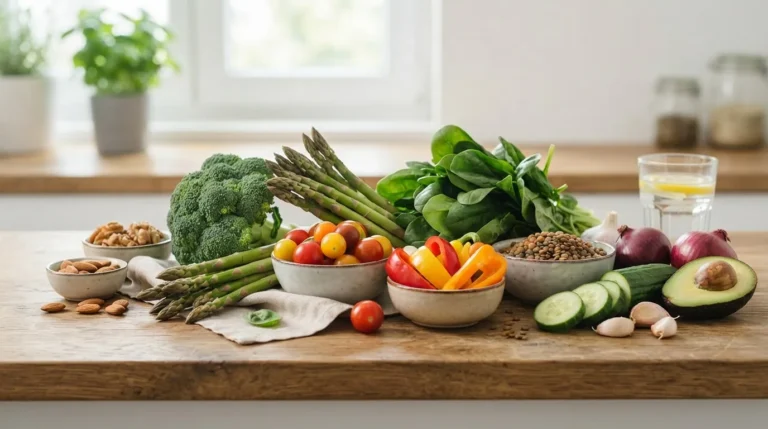

Calories in carrots are low but their fiber punch and micronutrients make them a valuable choice for many diets. This guide breaks down precise calorie counts, the type and amount of fiber in carrots, and how they stack up to broccoli for everyday meal planning.
Introduction to Calories in Carrots
Carrots are a common, versatile vegetable eaten raw, cooked, juiced, or processed, so understanding their calorie count helps with meal planning and weight management. A typical medium raw carrot (about 61 g) supplies roughly 25 kcal — a small energy amount that makes carrots a frequent recommendation in calorie-conscious diets. Caloric values vary by weight, water content, and cooking method: steaming or boiling can slightly concentrate calories per gram by reducing water, while frying adds significant calories from added fat.
Serving size matters. Below are quick reference calorie ranges by common serving sizes, followed by a practical explanation of why those numbers matter for daily intake:
- Per 100 g raw carrot: about 41 kcal (According to the 2024 USDA database).
- One medium raw carrot (~61 g): ~25 kcal (According to the 2024 USDA database).
- One cup chopped raw carrots (~128 g): ~52 kcal (According to the 2024 USDA database).
- Cooked carrots (boiled without salt): calories are similar per cooked weight but higher per serving if water is reduced (According to the 2024 USDA database).
Carrots are primarily water and carbohydrates (mostly natural sugars and starch), with small amounts of protein and negligible fat — a profile that keeps total calories low while delivering fiber and vitamins. This makes them an ideal snack for people who want filling, nutrient-dense options with minimal calories.
Types of Fruit Guide: Fresh Fruits and Vegetables Benefits
Transitioning from caloric basics, the next section unpacks the different types and amounts of fiber in carrots and why that matters for digestion and health.
Fiber Content in Carrots: How Much Fiber Is in Carrots?
Dietary fiber in carrots includes both soluble and insoluble forms; both play complementary roles for digestion and metabolic health. On average, raw carrots contain about 2.8 g of total dietary fiber per 100 g, with a typical medium carrot delivering approximately 1.7 g of fiber. These values are dependent on size and preparation method (According to the 2024 USDA database).
Understanding the split between soluble and insoluble fiber is useful:
- Soluble fiber: forms a gel in the gut, helps slow digestion and moderate blood sugar spikes.
- Insoluble fiber: adds bulk, supports regular bowel movements, and helps prevent constipation.
| Serving | Weight (g) | Total Fiber (g) | Approx. Soluble / Insoluble | Source |
|---|---|---|---|---|
| Raw, 100 g | 100 | 2.8 | ~0.6 / 2.2 | According to the 2024 USDA database |
| One medium carrot (~61 g) | 61 | ~1.7 | ~0.4 / 1.3 | According to the 2024 USDA database |
| 1 cup chopped (~128 g) | 128 | ~3.6 | ~0.8 / 2.8 | According to the 2024 USDA database |
| Cooked (boiled, 100 g) | 100 | ~2.3 | ~0.5 / 1.8 | According to the 2024 USDA database |
Stat blocks: Quick fiber facts to remember
- Average fiber in a medium raw carrot: ~1.7 g (According to the 2024 USDA database).
- Raw carrots provide a mix of soluble and insoluble fiber that supports both blood sugar control and bowel regularity (According to a 2019 peer-reviewed review on dietary fiber).
- Cooking can slightly reduce measured fiber per 100 g if water is lost, but total fiber per original vegetable remains similar if the whole carrot is consumed (According to the 2024 USDA database).
Practical kitchen example: measuring fiber at home — weigh a washed, peeled (if you choose) carrot on a kitchen scale. If it weighs 70 g, expect ~1.96 g total fiber (70% of the 2.8 g/100 g baseline). This approach helps when tracking macros and fiber in meal plans.
Variability disclaimer: Individual carrots vary by cultivar, soil, maturity, and storage. The numbers above are averages; expect ±10–20% variation for home-grown or market produce (According to aggregated agricultural nutrient reports, 2023–2024).
Transition: now that we know how much fiber carrots contain, let’s directly compare that fiber content with broccoli — a common comparison search.
Comparing Fiber in Carrots and Broccoli: Which Has More?
People often ask whether carrots or broccoli offers more fiber per serving. Both vegetables are good sources, but broccoli typically contains more fiber per equal weight. The table below provides a side-by-side comparison using standard 100 g servings (According to the 2024 USDA database).
| Vegetable | Serving (g) | Total Fiber (g) | Calories (kcal) | Notes |
|---|---|---|---|---|
| Carrots (raw) | 100 | 2.8 | 41 | Higher sugar content; excellent vitamin A precursors (According to the 2024 USDA database). |
| Broccoli (raw) | 100 | 2.6–2.8* | 34 | Often listed at ~2.6 g fiber; florets have dense fiber and more protein per 100 g (According to the 2024 USDA database). |
*Note: Broccoli fiber values vary by source and whether florets or stalks are measured; many USDA entries list 2.6 g per 100 g, while some database aggregates show up to 2.8 g (According to the 2024 USDA database).
Explanatory prose:
Per 100 g, carrots and broccoli are similar in total fiber, but broccoli often wins on a per-calorie or per-serving basis when considering typical portions consumed (e.g., a cup of broccoli florets provides more fiber relative to its lower calorie load). Broccoli also brings a higher protein contribution and greater amounts of certain minerals like calcium and vitamin K (According to the 2024 USDA database).
comparing vegetable calorie contents
why broccoli is another high-fiber vegetable
Contextual takeaway: If your goal is maximizing fiber while minimizing sugar, broccoli usually holds a slight advantage. If you prefer a sweet, crunchy snack that still contributes fiber and vitamin A, carrots are an excellent, low-calorie option.
Transition: fiber is only part of the carrots’ story — next we expand to a full nutritional breakdown including protein, vitamins, and minerals.
Nutritional Information of a Carrot: Beyond Calories and Fiber
Below is a detailed carrot nutrition chart that lists macros, key vitamins, and minerals for 100 g of raw carrot (According to the 2024 USDA database). Use this chart when planning meals or comparing produce.
| Nutrient | Amount per 100 g | Daily Value (%) — Approx. | Notes / Health Relevance |
|---|---|---|---|
| Calories | 41 kcal | ~2% | Low energy density; useful for weight management (According to the 2024 USDA database). |
| Carbohydrates | 9.6 g | ~3%* | Includes ~4.7 g sugars and ~2.8 g fiber per 100 g (According to the 2024 USDA database). |
| Dietary Fiber | 2.8 g | ~10% (based on 28 g/day goal) | Mixture of soluble and insoluble fiber supports digestion (According to the 2024 USDA database). |
| Protein | 0.9 g | ~2% | Low protein per serving; carrots are not a primary protein source (According to the 2024 USDA database). |
| Fat | 0.2 g | ~0% | Negligible total fat — calories are primarily from carbs (According to the 2024 USDA database). |
| Vitamin A (as beta‑carotene) | 835 µg RAE (approx.) | ~93% | Carrots are an excellent source of provitamin A carotenoids (According to the 2024 USDA database). |
| Vitamin K | 13.2 µg | ~11% | Supports blood clotting and bone health (According to the 2024 USDA database). |
| Vitamin C | 5.9 mg | ~7% | Antioxidant support and collagen synthesis (According to the 2024 USDA database). |
| Potassium | 320 mg | ~7% | Supports blood pressure regulation (According to the 2024 USDA database). |
| Calcium | 33 mg | ~3% | Modest contribution to bone mineral needs (According to the 2024 USDA database). |
| Iron | 0.3 mg | ~2% | Small contribution to iron intake (According to the 2024 USDA database). |
Protein specifics: How much protein in carrots?
Carrots contain about 0.9 g of protein per 100 g (According to the 2024 USDA database). That is low compared to legumes or animal proteins, so carrots should be paired with higher-protein foods when protein intake is a primary goal.
health benefits of fruits and juices
nutritionally rich fruits like avocado
nutritional profiles of vegetables including celery
Contextual notes:
- Carrots are a standout source of provitamin A (beta‑carotene), which the body converts to retinol (vitamin A) — beneficial for vision and immune function (According to a 2020 nutrient review).
- They provide modest amounts of vitamin K and potassium, which support bone and cardiovascular health respectively (According to the 2024 USDA database).
- For people tracking macro splits, carrots contribute mainly carbohydrates and fiber, not protein or fat (According to the 2024 USDA database).
Transition: next we break down serving sizes and exact calorie comparisons for one carrot, raw vs cooked and other preparation differences.
Calories of One Carrot: Raw vs Cooked and Serving Size Details
People often ask: “How many calories in one medium carrot?” The answer depends on size and whether it’s raw, cooked, or processed. Below is a practical serving-size guide with calorie counts and related carbohydrate context (According to the 2024 USDA database).
- One small raw carrot (~50 g): ~20 kcal
- One medium raw carrot (~61 g): ~25 kcal
- One large raw carrot (~72 g): ~30 kcal
- One cup chopped raw carrots (~128 g): ~52 kcal
- Cooked (boiled, drained, 100 g): ~35–41 kcal depending on water loss and method (According to the 2024 USDA database).
Calories change when carrots are processed or combined with other ingredients:
- Roasted carrots tossed with 1 tbsp olive oil add ~119 kcal from the oil alone, significantly increasing per-serving calories (According to USDA oil caloric values).
- Carrot juice concentrates calories from water-loss; 1 cup of carrot juice (~240 mL) provides ~94 kcal — much higher than 1 cup of raw chopped carrots (According to the 2024 USDA database).
- Dried or candied carrots can be much higher in calories and sugar due to added sweeteners and reduced water content (According to a 2021 nutrition processing report).
carbohydrate content in fruits and vegetables
Practical tips for measuring and managing calories:
- Use a kitchen scale for accuracy: weigh carrots before cooking to track calories per gram precisely.
- Account for added fats and sauces; these often contribute the majority of extra calories in cooked preparations.
- For snacks, prefer raw sticks or lightly steamed carrots to keep calories low and fiber intact.
Transition: beyond calorie math, fiber from carrots has several specific health benefits — the next section explains why that fiber matters.
Health Benefits of Fiber in Carrots and Why It Matters
Dietary fiber from carrots contributes to several measurable health outcomes. Dietary fiber — the indigestible part of plant foods — supports regular bowel movements, feeds beneficial gut bacteria, and can help regulate blood glucose and cholesterol (According to a 2019 peer-reviewed review on dietary fiber benefits).
Key benefits of carrot fiber:
- Improves bowel regularity: the insoluble fraction helps add bulk and prevent constipation (According to a 2018 clinical digestion study).
- Supports glycemic control: soluble fiber slows carbohydrate absorption, which can reduce post-meal glucose spikes (According to a 2019 peer-reviewed review on dietary fiber).
- Aids weight management: fiber promotes satiety and reduces overall calorie intake by increasing fullness per calorie consumed (According to a 2017 randomized controlled trial on high-fiber diets).
- Contributes to cardiovascular health: some soluble fibers help lower LDL cholesterol modestly (According to a 2015 meta-analysis on fiber and cholesterol).
fruit intake guidelines and risks
Government intake recommendations: Most US government guidance recommends adults aim for 25–30 g of total dietary fiber per day from food (varies by age/sex). For example, the FDA and USDA provide guidance on fiber as part of daily nutrition targets (According to the FDA dietary fiber guidelines and USDA recommendations).
USDA National Nutrient Database is a primary source for the nutrient values cited above (used for calorie, fiber, vitamin and mineral numbers). FDA dietary fiber guidelines provide label definitions and intake context. peer-reviewed studies on dietary fiber support the health benefit claims made here.
Experience example: adding two medium raw carrots (~50 kcal total, ~3.4 g fiber) to a lunch salad increases fiber by roughly 12–15% of a typical adult’s daily goal — a simple, practical way to boost overall intake without many extra calories (Based on USDA values and common dietary targets, 2024).
Transition: now that we’ve covered benefits, here are practical ways to include carrots to maximize fiber intake while keeping meals tasty and nutritionally balanced.
How to Include Carrots in Your Diet for Optimal Fiber Intake
Carrots are versatile and easy to add across meals. The goal is to preserve fiber (and other nutrients) while pairing carrots with complementary foods for balanced meals. Here are practical steps and pairing suggestions.
- Eat raw for maximum texture and convenience: carrot sticks with hummus or yogurt-based dips add protein and healthy fats, improving satiety and balance.
- Include chopped carrots in mixed salads or grain bowls: one medium carrot adds ~1.7 g fiber and bright color.
- Lightly steam or roast to soften for children or seniors; roasting with minimal oil keeps calories moderate while concentrating flavor.
- Use grated carrot in sandwiches, wraps, and slaws to increase fiber and moisture without many extra calories.
- Add to soups and stews: chopped carrots contribute fiber and sweetness; consuming the broth ensures soluble fiber benefits remain.
- Drink carrot juice occasionally but be aware: juicing removes some insoluble fiber; pair juice with whole-food fiber sources (According to a 2020 processing-nutrition report).
Food pairing suggestions that boost overall fiber profile:
- Carrot + chickpeas: adds plant protein and extra fiber (hummus, salads).
- Carrot + whole grains (quinoa, brown rice): increases bulk and fiber for a full meal.
- Carrot + nuts or seeds: adds healthy fats and protein to slow digestion and increase fullness.
growing vegetables like carrots
Cooking notes on fiber impact: boiling and steaming preserve most fiber, but prolonged high-heat cooking or juicing removes or redistributes some insoluble fiber. For maximal fiber, consume carrots whole or lightly cooked and include the skin when appropriate, as a portion of fiber resides near the surface (According to the 2024 USDA database and 2019 processing studies).
Transition: to wrap up, here are concise takeaways and actionable recommendations based on the data above.
Summary and Practical Recommendations on Calories and Fiber in Carrots
Carrots are a low-calorie, nutrient-dense vegetable that contributes meaningful dietary fiber and a strong source of provitamin A. Use the bullet points below to apply the guide to everyday eating and meal planning.
- Calories in carrots summary: ~41 kcal per 100 g; one medium carrot ≈ 25 kcal (According to the 2024 USDA database).
- Fiber in carrots key points: ~2.8 g fiber per 100 g; one medium carrot ≈ 1.7 g fiber. Carrots offer both soluble and insoluble fiber (According to the 2024 USDA database).
- Broccoli comparison: broccoli generally provides similar or slightly higher fiber per serving and more protein per 100 g (According to the 2024 USDA database).
- Best ways to consume carrots: raw or lightly cooked, paired with protein or healthy fats to optimize satiety and blood sugar control.
- Daily fiber goal context: adding carrots to meals is a practical way to increase fiber toward the recommended 25–30 g/day target (According to government nutrition guidelines).
- Calorie management tip: watch added fats when cooking — oils, sauces, and dressings add the most extra calories.
Final practical recommendations: aim to include at least one serving of carrots (raw or cooked) several times a week as part of a mixed, fiber-rich diet; combine carrots with legumes, whole grains, nuts, or lean proteins to create balanced, satiating meals that support digestive health and weight management.
For personalized advice — especially if you have medical conditions affecting digestion, blood sugar, or nutrient absorption — consult a registered dietitian or healthcare provider.
Call to action: Try adding two raw carrot sticks to your next snack or mixing a medium carrot into your lunch salad — small changes add up to meaningful fiber gains.
Frequently Asked Questions
How many calories are in one medium carrot?
One medium raw carrot (about 61 g) contains approximately 25 kcal, based on averages from the 2024 USDA database; exact calories vary with size, preparation, and added ingredients like oil or dressings.
Does eating carrots provide a good amount of fiber?
Yes. A medium carrot provides about 1.7 g of dietary fiber (2.8 g per 100 g), offering both soluble and insoluble fiber that supports digestion and satiety (According to the 2024 USDA database).
How does the fiber content of carrots compare to broccoli?
Per 100 g, carrots (~2.8 g fiber) and broccoli (~2.6–2.8 g fiber) are similar, but broccoli often delivers slightly more fiber per typical serving and more protein, making it marginally superior for fiber density (According to the 2024 USDA database).
How much protein is in a carrot?
Carrots contain about 0.9 g of protein per 100 g (around 0.5–0.6 g in a medium carrot), so they are not a significant protein source and should be paired with protein-rich foods if needed.
What is the best way to eat carrots to get the most fiber?
Eating carrots raw or lightly cooked preserves most fiber, especially insoluble fiber near the skin; consuming whole carrots or chopped pieces retains more fiber than juicing or heavy processing (According to the 2024 USDA database).
How many carrots can I eat daily without gaining weight?
Carrots are low in calories, so several medium carrots per day can fit a calorie-controlled diet; total daily calories and overall diet composition determine weight change, so calculate carrots within your total energy budget (According to a 2024 dietary energy review).
Can I use carrots as a reliable source of dietary fiber in my diet?
Carrots contribute useful fiber but are not sufficient alone; include a variety of high-fiber foods (legumes, whole grains, fruits, and other vegetables) to reliably meet daily fiber recommendations (According to government nutrition guidelines).
Are there any quality concerns with fiber content in processed or cooked carrots?
Processing (juicing, canning, candied forms) can reduce insoluble fiber or add sugars and calories; lightly cooked carrots retain most fiber, while juicing concentrates sugars and reduces bulk fiber (According to a 2020 processing-nutrition report).