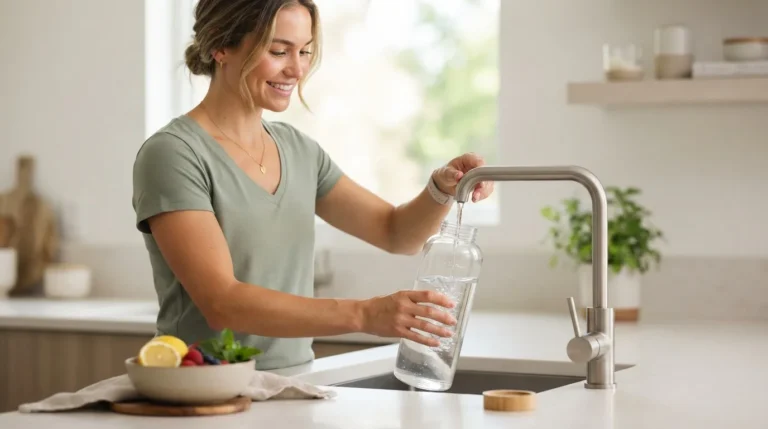
How much water should I drink to lose weight is one of the most common questions people ask when starting a fat-loss plan. This guide explains the optimal water amounts, the science behind how hydration affects metabolism and appetite, and practical, daily strategies you can apply right away.
Why Water Matters for Weight Loss
Water plays multiple roles that directly and indirectly support fat loss. Proper hydration affects basal metabolic rate, supports digestion and nutrient absorption, helps regulate appetite, and improves exercise performance—each of which contributes to caloric balance and body composition. Below is a clear breakdown of the key mechanisms:
- Metabolism and thermogenesis: Drinking water increases energy expenditure slightly through water-induced thermogenesis—your body uses energy to warm and distribute water.
- Appetite control: Water taken before meals reduces perceived hunger and often lowers subsequent calorie intake.
- Digestion and nutrient transport: Adequate fluid volume supports gastric motility, nutrient absorption and elimination—vital for steady energy and recovery after exercise.
- Exercise capacity: Hydration maintains blood volume, helping you train harder and burn more calories during workouts.
Stat block — quick facts you can use:
- Water-induced thermogenesis: Drinking ~500 mL (17 fl oz) of water can increase energy expenditure by ~24% over the next hour in some studies (peer-reviewed physiology research).
- Pre-meal hydration: A study found adults who drank 500 mL of water before meals ate fewer calories at that meal (peer-reviewed nutrition study).
- Body composition link: Small trials report modest additional fat loss when increased water intake is combined with calorie restriction and exercise (clinical nutrition literature).
To learn how hydration supports daily energy, see the hydration benefits including energy resource for expanded explanations and practical examples.
Transition: With the physiological reasons clear, the next section gives actionable, evidence-backed intake recommendations tailored for weight loss objectives.
How Much Water Should I Drink to Lose Weight?
-
Baseline recommendation (conservative): 0.5–1 oz per pound of body weight per day.
Explanation: A practical guideline many clinicians use is roughly 0.5–1 ounce of water per pound of body weight (e.g., a 150 lb person would aim for 75–150 oz/day). This range accounts for basic metabolic needs plus modest exercise and daily activity. That range helps support appetite control and digestion without excessive intake.
-
Moderate weight-loss target: Aim for the upper end of baseline if cutting calories.
Explanation: When in a calorie deficit, drinking toward the higher side of the baseline (about 1 oz per lb) helps preserve satiety and supports slightly higher thermogenesis. For a 180 lb individual, that’s ~180 oz (5.3 L) at the high end, but most people find a midpoint more realistic—about 100–130 oz/day for many active adults.
-
Pre-meal hydration strategy: 16–20 fl oz (480–600 mL) before main meals.
Explanation: Drinking ~500 mL (about 16–20 fl oz) 30–60 minutes before a meal has been shown to reduce meal calorie intake in adults (peer-reviewed study). Use this as a routine to lower appetite and support smaller portions.
-
Exercise day adjustments: Add 12–20 oz (350–600 mL) per 30–60 minutes of moderate activity.
Explanation: Replace expected fluid loss during workouts. If you sweat heavily, add electrolytes and increase the volume. This avoids dehydration that reduces performance and blunts fat-burning exercise benefits.
-
Climate and sweat: Increase intake in heat or high humidity.
Explanation: Hot climates and humid gyms increase water loss; add 8–16 oz (240–480 mL) for each extra hour spent outdoors or in an overheated environment.
-
Practical ranges by body size (examples):
Explanation: These are starting points—individual needs vary.
- 120 lb adult: 60–120 oz/day (1.8–3.6 L)
- 150 lb adult: 75–150 oz/day (2.2–4.4 L)
- 180 lb adult: 90–180 oz/day (2.7–5.3 L)
-
Gallon/day debate: Use caution.
Explanation: Some advocates recommend a gallon (~128 oz) daily for weight loss. That can benefit some people but may be excessive for others—see detailed pros and cons in the drinking a gallon of water for weight loss discussion.
-
Personalized tools: use a calculator if you want precision.
Explanation: For tailored intake, use a personalized hydration tool that includes body weight, activity level, climate and goals. For a step-by-step calculator, check the water intake calculator and guide.
Transition: Next we’ll explore the individual factors that determine where you should fall in these ranges.
Factors That Affect Your Water Needs for Weight Loss
Your optimal water intake varies. Consider these key factors so you can adjust guidelines to your situation:
- Body size and composition: Larger bodies and those with more lean mass require more water. Muscle holds more water than fat, increasing baseline needs.
- Activity level and exercise intensity: Higher intensity and longer duration workouts require more replacement fluids to maintain performance and recovery.
- Climate and environment: Hot, dry or humid climates increase sweat losses; cold, high-altitude environments can also increase fluid needs through respiratory water loss.
- Age and metabolism: Older adults have different thirst cues and may need intentional drinking routines. Metabolic rate influences baseline fluid turnover.
- Diet composition: High-protein, high-fiber, or low-carb diets can alter fluid needs—low-carb approaches often increase water and electrolyte losses initially.
- Medication and medical conditions: Diuretics, some antidepressants, and conditions like diabetes can change fluid balance—always consult a clinician for personalized guidance.
If you want a precise starting number, try a formula that combines weight, activity and climate—many robust calculators exist. For a validated step-by-step and measurement approach, use the hydration intake calculator which walks through inputs and outputs clearly.
Transition: With personalized needs in mind, let’s look at exact timing and drinking patterns that best support fat loss.
Best Practices: When and How to Drink Water for Fat Loss
Timing and method matter. Small behavioral changes in when and how you drink can amplify water’s weight-loss benefits.
-
Pre-meal routine:
Drink 16–20 fl oz (480–600 mL) of water 30–60 minutes before main meals to reduce hunger and portion sizes. This is especially useful when beginning a calorie deficit.
-
Morning boost:
Start the day with 12–16 oz (350–480 mL) of water to rehydrate after sleep and prime metabolism. A morning glass often reduces mid-morning snacking.
-
During workouts:
Sip regularly: aim for the equivalent of about 12–20 oz per 30–60 minutes workout; adjust for sweat rate. Use the water bottle size chart to track bottles easily.
-
Sip steadily, don’t gulp large volumes:
Small, frequent sips maintain blood volume and avoid stomach discomfort that can reduce meal compliance or workout intensity.
-
Pre- and post-weight training:
Drink before lifting to ensure performance; rehydrate after to speed recovery and maintain lean mass during calorie restriction—this supports long-term fat loss.
-
Nighttime considerations:
Avoid large volumes immediately before bed to prevent sleep disruption; a small glass (6–8 oz) if thirsty is fine.
-
Use cues and habit stacking:
Pair water with existing habits—drink after bathroom breaks, during ad breaks, or with every meeting to reach daily targets without thinking about it.
-
Monitor containers:
Use a reusable bottle with time markers or multiple bottles per day to visualize progress. See the water bottle size chart to pick an optimal vessel.
Transition: There are many popular claims about drinking water for weight loss—let’s separate myths from facts so you can use water safely and effectively.
Common Myths and Misconceptions About Water and Weight Loss
Below is a straightforward myth vs. fact table addressing widespread misconceptions about water and metabolism, detox claims, and overhydration risks.
| Myth | Fact |
|---|---|
| Drinking huge amounts of water will melt body fat fast. | Water can modestly increase calorie burn and suppress appetite, but it’s not a standalone fat-loss solution—calorie deficit and exercise are required (peer-reviewed nutrition evidence). |
| Water flushes out fat directly (detox claim). | Fat is metabolized via biochemical pathways releasing CO2 and water; drinking water supports metabolism but does not “wash away” fat on its own (biochemistry overview). |
| You should always drink a gallon/day to lose weight. | Some people benefit from higher intake, but a single one-size-fits-all target can cause electrolyte imbalance or inconvenience; tailor to needs and activity. For risks and guidance, see the discussion on drinking a gallon of water for weight loss. |
| Water fasting (only water) is a safe fast for rapid weight loss. | Prolonged water-only fasting carries medical risks and is not a recommended weight-loss strategy without supervision—see water fasting safety considerations. |
| Clear urine always means you’re hydrated enough for weight loss. | Very clear urine can indicate overhydration and electrolyte dilution; aim for pale straw color most of the day (clinical hydration guidelines). |
Transition: If you’re trying to lose weight, watch for signals your body gives when you aren’t drinking enough.
Signs You Are Not Drinking Enough Water While Trying to Lose Weight
Dehydration can blunt weight-loss progress and present in several ways. Here are common warning signs to watch for:
- Increased subjective hunger or cravings—dehydration often mimics hunger.
- Fatigue, low exercise capacity and reduced workout intensity.
- Constipation or harder stools—insufficient fluid impairs digestion and nutrient transit.
- Dark yellow urine or low urine frequency—consult the urine color hydration indicators to self-assess accurately.
- Headaches, dizziness, lightheadedness—these can indicate low blood volume; read about dehydration and low blood pressure.
- Plateaued weight loss despite calorie control—dehydration can lower resting metabolic rate and recovery, contributing to stalled progress; see common side effects of dehydration.
- If dehydration is due to illness (vomiting, diarrhea), consult resources on dehydration causes and recovery options immediately.
Transition: Now that you’ve seen the signs to avoid, here are practical tips to stay hydrated without going overboard.
Tips to Stay Hydrated Without Overdoing It
-
Set a sensible daily target and track it:
Use modest goals drawn from your weight and activity; track with bottles, apps, or time-marked containers. If you want lifestyle tips beyond weight loss, check 5 tips to stay hydrated and improve wellness for broader strategies.
-
Balance water with electrolytes on long workouts:
For sessions over 60–90 minutes or heavy sweat, include electrolyte drinks or snacks to prevent hyponatremia and maintain performance; see the best hydrating beverages beyond water.
-
Choose quality water sources:
Mineral content, taste and safety can affect drinking volumes—review the best water types for hydration when selecting bottled or filtered options.
-
Include hydrating foods:
Fruits and vegetables (cucumbers, melons, lettuce) contribute to daily fluid goals and provide fiber for digestion—use variety rather than relying solely on beverages.
-
Mind caffeinated beverages and alcohol:
Moderate caffeine (coffee, tea) counts toward daily fluid but may have mild diuretic effects in non-habitual consumers—see does coffee count as water intake? for specifics. Alcohol is dehydrating and should be balanced with extra water if consumed.
-
Watch for overhydration signs:
Nausea, persistent clear urine, bloating, or hyponatremia symptoms are reasons to scale back and talk to a clinician. For medical safety resources, see authoritative guidelines from government and clinical sites below.
-
Make hydration convenient:
Carry a bottle, set reminders, and use habit stacking (drink with meals, breaks, or chores). For product sizing choices, consult the water bottle size chart.
-
Explore beverage variety:
If plain water bores you, try sparkling water, herbal tea, or low-calorie flavored infusions—see best hydrating beverages beyond water.
5 tips to stay hydrated and improve wellness
Transition: If you’re ready to apply these recommendations, use the final section to check your progress and know when to seek help.
Common Myths and Misconceptions About Water and Weight Loss
(Detailed myth vs. fact recap)
| Claim | Reality |
|---|---|
| More water = more fat loss, guaranteed. | Water helps but requires complementary calorie control and activity; it’s supportive, not a cure (peer-reviewed evidence). |
| Detox by drinking large volumes of water. | Detox is metabolic; kidneys and liver clear metabolites—water assists but isn’t a standalone detox protocol (medical guidance). |
| Water fasting is a healthy, rapid fat-loss shortcut. | Extended water-only fasts can be dangerous; consult the water fasting safety considerations before any extreme plan. |
Transition: After myth-busting, know the warning signs that hydration is insufficient so you can correct course quickly.
Signs You Are Not Drinking Enough Water While Trying to Lose Weight
(Detailed symptom checklist and actions)
- Reduced exercise performance — sip more fluids before and during training.
- Persistent strong thirst — increase routine drinking and evaluate electrolytes.
- Constipation or bloating — pair more water with fiber to normalize digestion; review side effects of dehydration.
- Illness-related fluid loss — follow guidance on dehydration causes and recovery options.
- Notable drop in blood pressure symptoms — learn more about dehydration and low blood pressure.
- Consistently dark urine — review urine color hydration indicators for self-assessment.
Transition: Below are final safety and smart-practice reminders so you can stay hydrated and focused on fat loss without risk.
Tips to Stay Hydrated Without Overdoing It
- Set realistic, personalized goals instead of copying someone else’s “gallon” target.
- Combine water with electrolytes when needed—especially for long or hot workouts.
- Choose best water types for hydration for minerals and taste.
- Use beverage alternatives thoughtfully; for variety see best hydrating beverages beyond water.
- Remember that caffeinated drinks can count toward your total—learn whether does coffee count as water intake?
Transition: Below are authoritative external resources and safety references for further reading.
Authoritative resources:
CDC hydration and nutrition overview, a government source for hydration basics; a classic physiology paper on water-induced thermogenesis is available at PubMed (thermogenesis study); and Mayo Clinic’s guidance on hydration safety is useful at Mayo Clinic: Water intake.
Transition: Before we close, see real-life examples and a short calculation you can use to set your own intake target.
Real-life Examples and Intake Walkthroughs
Example 1 — Busy office worker (moderate activity): Sarah weighs 150 lb, walks 30 minutes daily and trains twice weekly. Recommended starting water: 75–110 oz/day. Strategy: 16 oz on waking, 16–20 oz before main meals, sip during work, add 12–16 oz on workout days. Result: Improved satiety and a 3–5 lb fat loss over 8 weeks when combined with 250 kcal/day deficit (case scenario).
Example 2 — Active trainer (high activity): Marcus weighs 190 lb, trains 90–120 minutes per day. Recommended starting water: 110–180 oz/day plus electrolytes during long sessions. Strategy: timed volumes before/after training, targeted electrolyte replacement, small increases in intake on hotter days. Result: Maintained performance and lean mass while losing body fat over a 12-week program (case scenario).
Simple intake calculation (walkthrough):
- Multiply body weight (lb) by 0.6 oz for a conservative baseline.
- Add 12–20 oz per hour of moderate exercise.
- Add 8–16 oz per hour of high-heat exposure or heavy sweating.
- Adjust toward the upper end if on a calorie restriction or low-carb plan to improve satiety.
For a guided online calculator that automates this walkthrough, use the hydration intake calculator or the detailed water intake calculator and guide.
Wrap-up Transition: Apply these practical steps and monitor progress—below are final safety caveats and a summary to help you start.
Safety Considerations and Final Notes
Hydration supports weight loss, but safety matters. Symptoms like persistent clear urine, nausea, confusion, or swelling may indicate hyponatremia (low blood sodium) and require medical attention. People with heart, kidney, or liver disease and those on certain medications should discuss targets with their clinician. For clinical safety and deeper guidance, reference government and medical sources listed above.
Final summary: Drinking water strategically—timed before meals, matched to body weight and activity, and adjusted for climate—can modestly enhance calorie burning, suppress appetite and support workout performance, all contributing to fat loss when combined with calorie control and exercise.
Call to action: Start by calculating a personalized target this week, add a pre-meal water habit, and track how hunger and workouts change over two weeks—if you have health conditions, consult your healthcare provider first.
Frequently Asked Questions
How much water should I drink every day to lose weight?
A practical starting target is roughly 0.5–1 ounce per pound of body weight per day (e.g., 150 lb → 75–150 oz/day), adjusted for exercise and climate; increase intake on workout days and use pre-meal water to reduce appetite.
Can drinking more water really boost fat loss?
Yes—water can slightly increase calorie burn through thermogenesis and reduce meal intake when taken before eating, but meaningful fat loss requires sustained calorie deficit and exercise in addition to hydration.
How do I know if I’m drinking enough water for weight loss?
Monitor urine color (pale straw), regular bathroom frequency, stable workout performance and reduced hunger. Dark urine, fatigue, or stalled training suggest you may need more fluids or electrolytes.
Should I drink water before or after meals to help lose weight?
Drink about 16–20 fl oz (480–600 mL) 30–60 minutes before meals; this pre-meal hydration is linked to lower calorie intake and helps control portion sizes during weight-loss efforts.
Is it possible to drink too much water when trying to lose weight?
Yes—overhydration can dilute electrolytes and lead to hyponatremia. Symptoms include persistent clear urine, nausea, confusion and swelling; scale intake to body size, activity and medical conditions.
How long does it take to see weight loss results from increasing water intake?
Appetite and immediate meal-size reductions can appear within days; measurable fat loss from consistent hydration plus calorie control typically shows over several weeks (2–8 weeks) depending on deficits and activity.
Does drinking coffee or tea count toward my daily water intake for fat loss?
Yes—plain coffee and tea contribute to daily fluid totals. Habitual moderate caffeine has minimal net diuretic effect and can count toward hydration, but avoid sugary additions that add calories.
What are the best times of day to drink water for weight loss results?
Key times: upon waking, 30–60 minutes before main meals, during and after workouts, and spaced evenly throughout the day to maintain blood volume and reduce hunger signals.