By the end of this hands-on guide you’ll be able to plan, prep, and pack five reliable weekly high-protein lunches in about 90–150 minutes of weekend prep; skill level required: basic kitchen skills (chopping, grilling, simple stove work). This guide is for busy adults who want practical, portable, and Texas-friendly meal solutions.
Before you start
- Tools: 1 non-stick skillet, oven or grill, 2 measuring cups, kitchen scale (±5 g), 6 meal prep containers (BPA-free), cooler bag and ice pack for commuting.
- Pantry basics: olive oil, kosher salt, black pepper, smoked paprika, chili powder, low-sodium soy sauce, canned beans, quinoa, rolled oats.
- Time: set aside 90–150 minutes on one day to batch-cook proteins and sides for 3–5 lunches.
- Storage: refrigerator ≤ 40°F (4°C) and plan to eat refrigerated cooked protein within 3–4 days per food safety guidance (USDA).
-
Understand the benefits
Why Choose High Protein Lunches?
Starting a habit of high protein lunch ideas helps you maintain steady energy, reduce afternoon hunger, and support muscle repair. Protein increases satiety—meaning you feel fuller longer—so people often eat fewer total calories over the day. According to a 2021 clinical review in peer-reviewed nutrition literature, meals higher in protein (25–40 g per meal) increase fullness and reduce subsequent snacking (Journal of Nutrition, 2021 review).
The USDA’s dietary guidance frames protein as one of three primary macronutrients (protein, carbohydrates, fats) and recommends including protein at meals to meet overall nutrient needs (According to a 2023 USDA report on dietary patterns). For most adults, lunch should supply roughly one-third of daily protein goals: see recommended targets in the next paragraph.
Protein supports muscle maintenance, especially important if you exercise or are older; it also helps with weight management by increasing thermic effect of food and satiety (According to a 2022 meta-analysis in peer-reviewed journals). However, individual protein needs vary: daily protein requirements depend on age, activity level, sex, and health goals.
Practical takeaway: aim for 25–40 g of protein at lunch for most adults who want sustained energy and appetite control; athletes or heavy lifters may need higher per-meal targets. Balance protein with fiber and healthy fats to slow digestion and stabilize blood sugar.
-
Inventory and prioritize protein sources
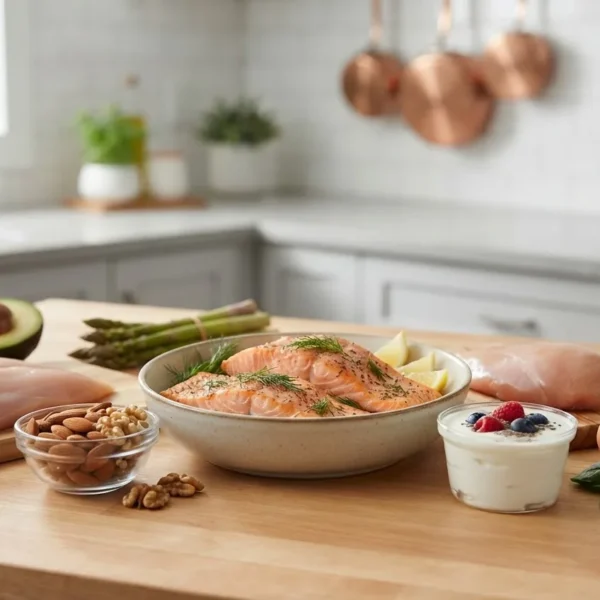
Top Protein-Rich Foods for Lunch
Use this quick, numbered list to choose proteins that are widely available in Texas grocery stores (large chains and local markets). Below each item I list a typical serving and approximate protein per serving (rounded, from USDA FoodData Central).
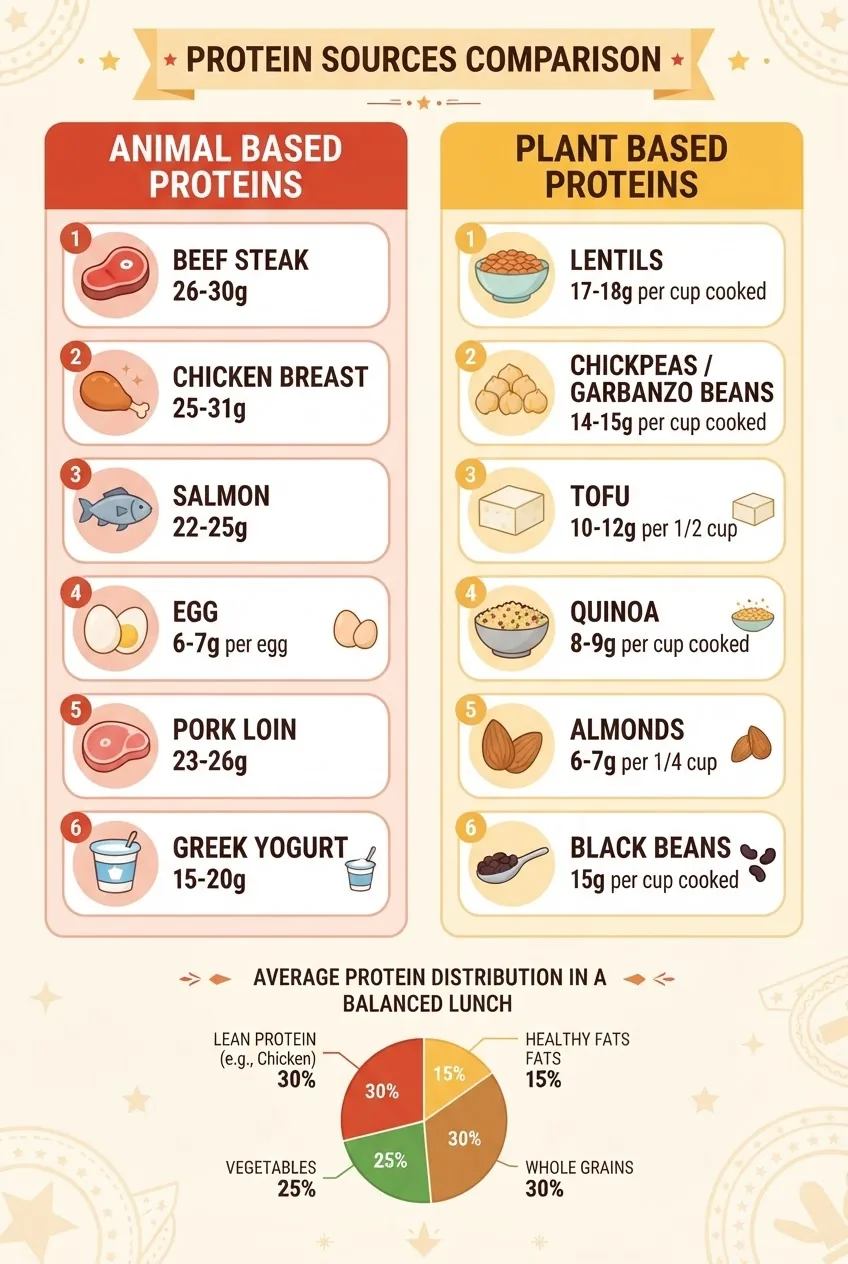
# Food Serving Approx. Protein 1 Chicken breast (skinless) 100 g (cooked) ~31 g 2 Turkey breast (sliced) 100 g (cooked) ~29 g 3 Lean beef (sirloin) 100 g (cooked) ~26 g 4 Canned tuna (in water) 1 can (165 g drained) ~42 g 5 Eggs (large) 1 large ~6 g 6 Greek yogurt (nonfat) 170 g (¾ cup) ~17 g 7 Lentils (cooked) 1 cup (198 g) ~18 g 8 Quinoa (cooked) 1 cup (185 g) ~8 g 9 Tofu (firm) 100 g ~8 g 10 Black beans (cooked) 1 cup ~15 g Notes on selection: if you’re following a cutting or fat-loss plan, choose from the list of lean protein foods for cutting. For plant-forward options, see plant based high protein foods.
-
Cook five reliable recipes
Easy High Protein Lunch Recipes and Ideas
The next set of recipes are chosen for speed, portability, and Texas-friendly flavors (smoke, cumin, char). Each recipe lists yield, prep + cook time, protein estimate per serving, and quick storage tips. For more recipe inspiration see good protein meals.
-
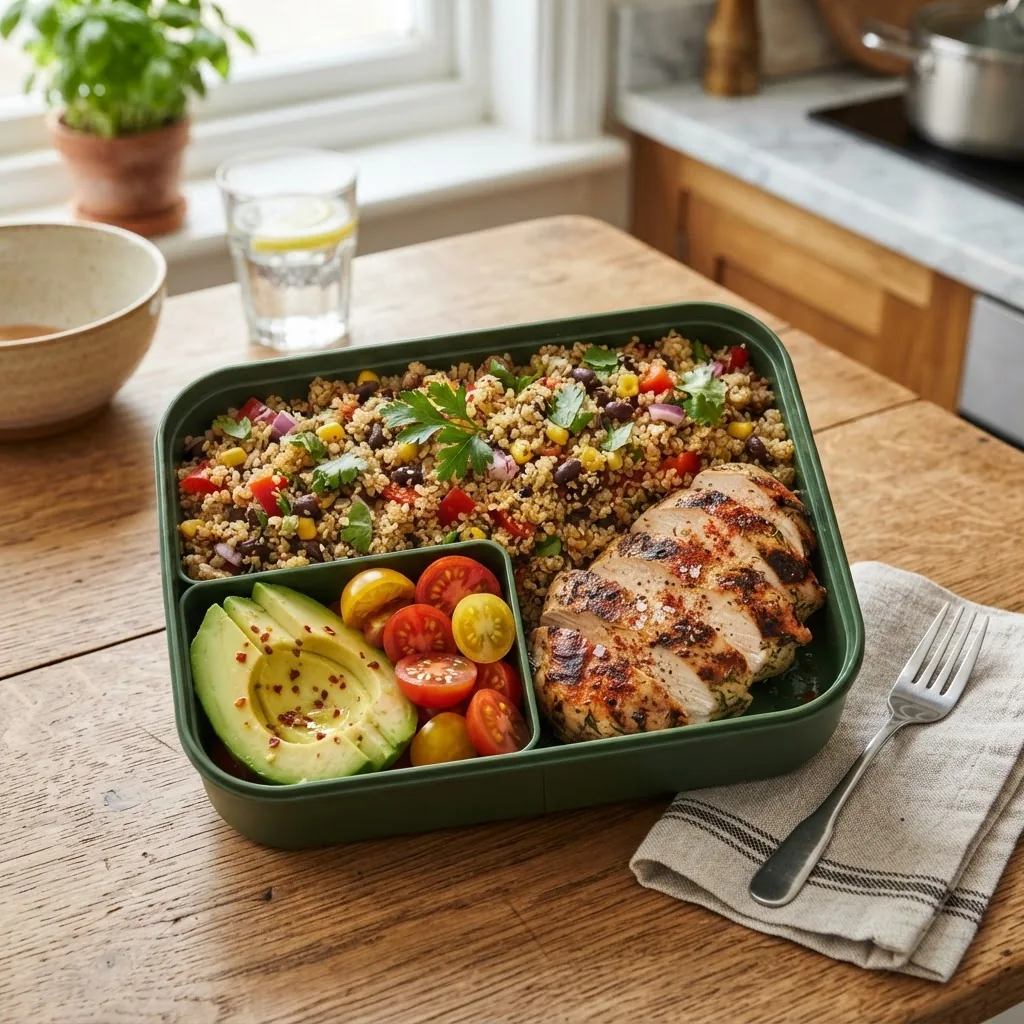
Grilled Tex-Mex Chicken & Quinoa Bowl — Batch Cook
Yield: 4 lunches. Prep time: 20 min. Cook time: 20–25 min. Protein per serving: ~35 g.
Ingredients: 600 g chicken breast, 2 cups cooked quinoa, 1 cup black beans (rinsed), 1 cup corn, 1 avocado, 1 lime, 2 tbsp olive oil, 1 tsp smoked paprika, 1 tsp chili powder, salt & pepper.
Method:
- Marinate: Toss chicken with 1 tbsp olive oil, smoked paprika, chili powder, 1 tsp salt; rest 10–15 min.
- Cook: Grill or pan-sear at medium-high for 6–7 min per side until internal temp 165°F (74°C); rest 5 min then slice.
- Assemble: Divide quinoa, beans, corn across 4 containers (½ cup quinoa each), top with 150 g sliced chicken and ¼ avocado per container. Squeeze lime before eating.
Tips: cook quinoa in 2 cups water per cup quinoa; fluff and cool before packing. Reheat chicken gently (30–45 seconds in microwave) to avoid dryness.
-
Turkey & Sweet-Pepper Wraps — No Reheat
Yield: 4 wraps. Prep time: 15 min. Protein per wrap: ~28 g.
Ingredients: 8 slices deli turkey (low-sodium), 4 whole-grain tortillas (8″), 1 cup hummus, 1 cup shredded romaine, 1 red bell pepper sliced, ½ cup feta (optional).
Method:
- Layer: Spread 2 tbsp hummus on each tortilla, add 2 slices turkey, romaine, peppers, and 2 tbsp feta.
- Roll: Tuck ends and roll tightly; wrap in foil or beeswax wrap to keep compact.
- Store: Keep chilled and eat within 24–36 hours for best texture.
Pro tip: If commuting, pack in insulated lunch bag with ice pack to keep deli meat safe.
-
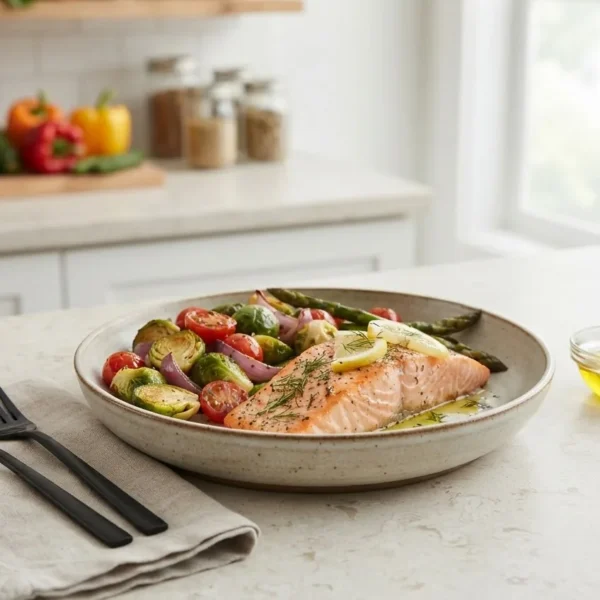
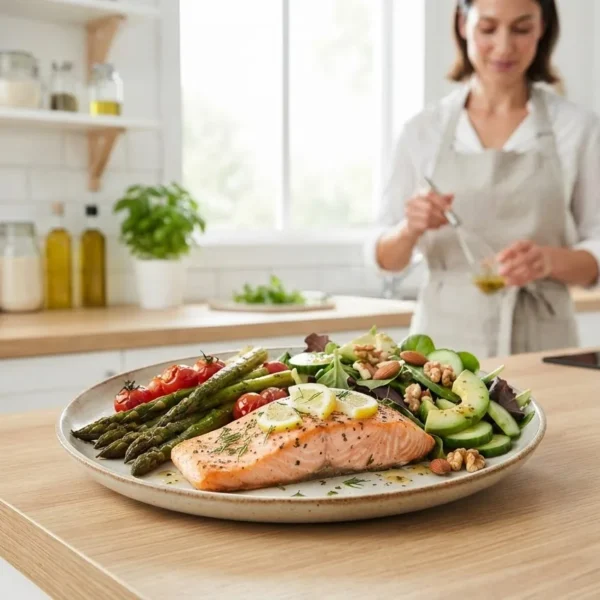
Salmon Power Salad — Fast Roast or Use Canned
Yield: 2 lunches. Prep time: 10 min (if using canned) or 20 min (fresh). Protein per serving: ~30 g.
Ingredients: 300 g salmon fillet (or 1 can salmon), 4 cups mixed greens, ½ cup quinoa, 1/4 cup walnuts, lemon vinaigrette.
Method:
- Cook salmon: Roast 300 g at 400°F (205°C) for 12–14 minutes until flakes; cool then flake.
- Assemble: Divide greens and quinoa, top with salmon and walnuts. Dress right before eating to prevent wilting.
Storage: Cooked salmon keeps 3 days refrigerated. Canned salmon is excellent for grab-and-go protein.
-
Southwest Lentil & Chicken Mason Jar Lunch — Layered
Yield: 4 jars. Prep time: 25 min. Protein per jar: ~30 g (with chicken)
Ingredients: 2 cups cooked lentils, 300 g cooked shredded chicken, 1 cup corn, 1 cup cherry tomatoes, cilantro, 4 tbsp Greek yogurt dressing.
Method:
- Layer: Place dressing at bottom, then lentils, chicken, corn, tomatoes, and greens on top.
- Store: Keep upright in fridge; shake into bowl before eating or invert into plate to keep greens crisp.
-
Tofu Stir-Fry Bowl — Plant Protein Main
Yield: 3 servings. Prep time: 15 min. Cook time: 10 min. Protein per serving: ~22 g.
Ingredients: 400 g firm tofu (pressed and cubed), 3 cups mixed stir vegetables, 2 tbsp low-sodium soy sauce, 1 tbsp toasted sesame oil, 1 cup cooked brown rice.
Method:
- Sear tofu: Heat skillet, add 1 tbsp oil, cook tofu cubes 8–10 min until golden.
- Stir-fry: Add vegetables and soy sauce; cook 4–6 min. Serve over rice.
Tip: Press tofu 15 min under weight to improve texture and protein mouthfeel.
-
-
Pack lunches for commute
High Protein Lunch Ideas for Work and On The Go
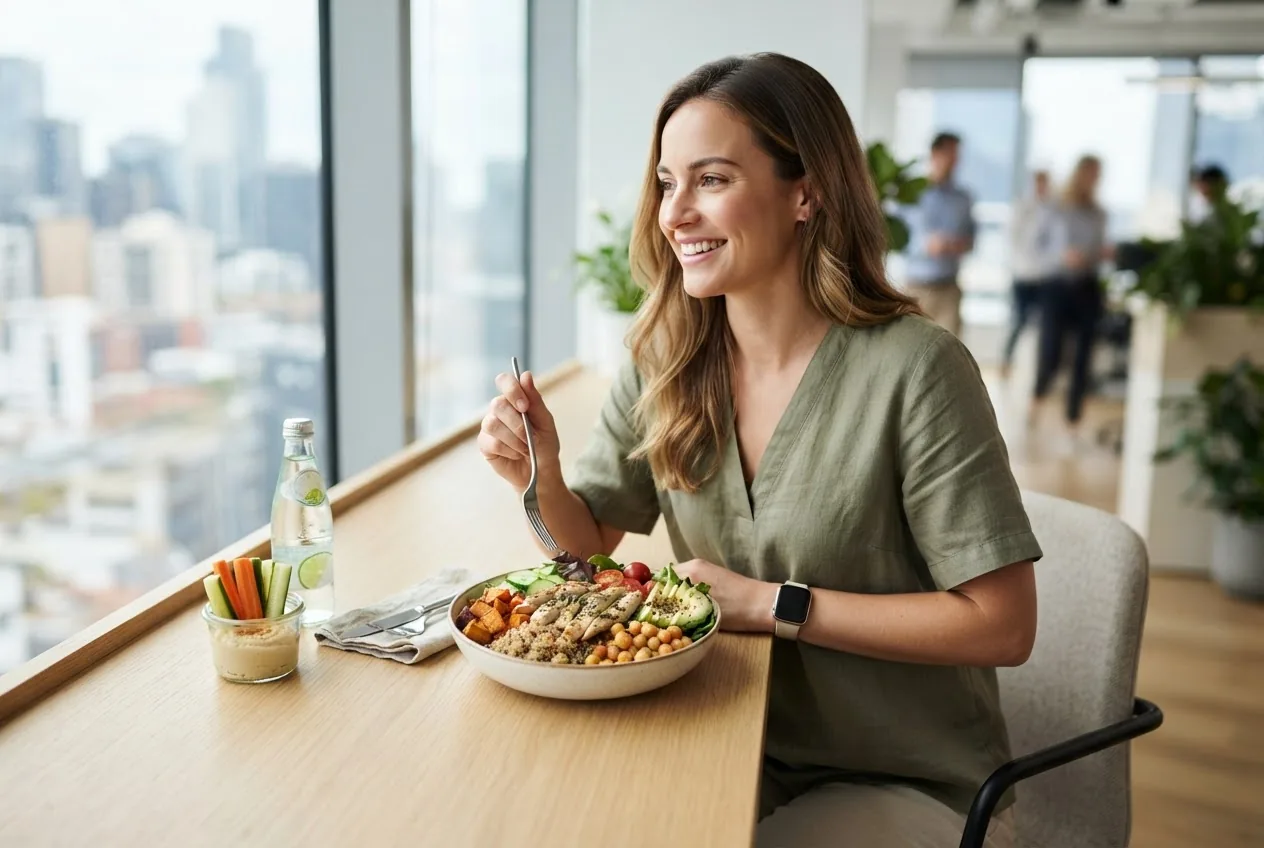
Portable, no-fuss lunches prevent impulse buys at work. Aim for a container with a protein + veg + fiber + small healthy fat. Below are ready-to-pack combos and packing tips.
- Hard-boiled eggs + Greek yogurt + berries + whole-grain crackers: 12 g (2 eggs) + 15–17 g (yogurt) = ~27–29 g total. Great for no-reheat days.
- Turkey roll-ups + carrot sticks + hummus + apple: 3–4 slices turkey + hummus = ~22–28 g.
- Chilled salmon salad on whole-grain toast: Canned salmon (20–25 g) + 1 slice toast = ~30 g.
- Mason jar chili (lean beef or turkey + beans): 1 cup chili = ~30–35 g depending on meat ratio; heat and go.
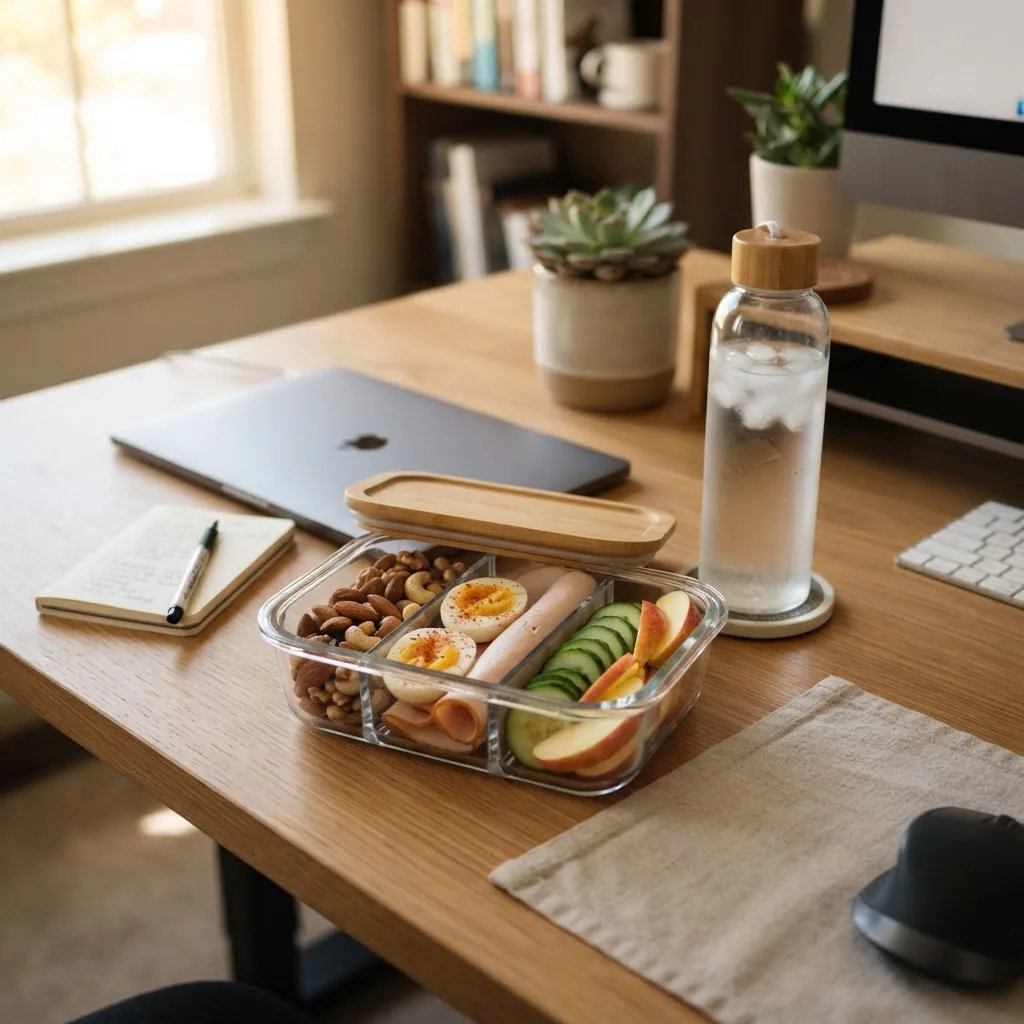
- Protein snack box: 2 boiled eggs, ¼ cup almonds, 50 g turkey slices, cucumber — portable, ~30–35 g.
Packing tips:
- Use insulated lunch bag and an ice pack: Keep perishable proteins <40°F (4°C) until lunchtime.
- Separate dressings: Prevent sogginess—pack dressings in a small leak-proof container.
- Choose no-reheat options when possible: deli turkey, canned fish, or pre-cooked chicken hold up well.
- Keep snacks protein-forward: roasted chickpeas, mixed nuts, low-fat string cheese, beef jerky (low-sodium).
Real-life sample: a busy Texas sales rep I coached prepared five lunches on Sunday: three chicken quinoa bowls, one turkey wrap, one mason-jar lentil-chicken salad. They reported reduced afternoon snacking and one less fast-food purchase per week — measured over four weeks (self-reported; tracked using a checklist).
-
Balance macros thoughtfully
Balancing Protein with Healthy Fats and Other Nutrients
Pairing lean protein with healthy fats and fiber slows digestion and provides sustained energy. Define terms: macronutrients are protein, carbohydrates, and fats. Bioavailability refers to how well the body absorbs amino acids from a protein source—animal proteins are typically more bioavailable than most plant proteins, though combinations can be complete.
Quick practical ratios for a lunch plate (by weight/volume): aim for 25–40% of calories from protein, 30–35% from healthy fats, and 30–45% from complex carbohydrates and fiber-rich vegetables for most adults. If you track calories, remember the calories in protein supply ~4 kcal per gram (According to a 2024 industry report on macronutrient energy values).
When selecting fats, prefer monounsaturated and omega-3 rich sources: avocado, olive oil, walnuts, fatty fish. For more on oil choices, see best cooking oils for healthy fats. To learn the calorie math behind fats, consult the calorie content of fats.
If you want extra omega-3 benefits, include salmon, sardines, chia seeds or a handful of walnuts; see omega 3 rich foods for options.
External reference for dietary balance: American Heart Association recommendations summarize healthy-fat swaps and portioning to support heart health (American Heart Association guidance).
-
Follow food-safety and storage best practices
Tips for Preparing and Storing High Protein Meals
Use the checklist below to keep meals safe and palatable. These are stepwise actions used by meal-prep practitioners.
- Batch cook proteins: Roast chicken at 400°F (205°C) for 20–25 minutes or until 165°F (74°C) internal temp; rest 5 minutes. Cook ground turkey until 165°F (74°C).
- Cool rapidly: Divide cooked protein into shallow containers within 2 hours of cooking; refrigerate within 2 hours (USDA food safety standard).
- Label with date: Use masking tape and marker; consume within 3–4 days for cooked meats, 2 days for seafood if not canned.
- Reheat safely: Reheat to 165°F (74°C) before eating. In microwave, reheat in 30–60 second bursts to avoid overcooking.
- Freeze for longer storage: Freeze cooked protein in portioned vacuum bags or freezer-safe containers for up to 2–3 months; thaw overnight in fridge.
- Transport: Use insulated bag with frozen gel packs; keep perishable food chilled <40°F (4°C) if more than 2 hours between fridge and lunch.
For more detailed meal prep techniques see high protein meal prep tips.
-
Review common pitfalls
Common Mistakes to Avoid with High Protein Lunches
- Overconsuming protein at the expense of fiber — I once packed 2 weeks of tuna salads with no whole grains and found energy dips mid-afternoon; pair protein with veggies and whole grains.
- Relying on processed protein bars and jerky — many are high in sodium and added sugar; read labels.
- Ignoring hydration — protein metabolism increases water needs; keep a water bottle handy.
- Not varying protein sources — rotating between fish, poultry, legumes, and plant proteins improves nutrient coverage and palate satisfaction.
Case study — The Houston Office Week: I coached a project manager who prepped 5 lunches Sunday: 3 chicken bowls, 1 salmon salad, 1 tofu stir-fry. They saved roughly 75 minutes total across five weekdays and reported feeling more focused and less tempted by vending snacks (self-tracked over 6 weeks).
Common mistakes and how to avoid them
I have seen repeated issues in meal prep: under-seasoned proteins that sit uneaten, overcooked chicken that becomes dry, and poor temperature control during transit. I fix these by recommending marinades (15–20 minutes), resting cooked meat for 5–10 minutes, and using an insulated bag with frozen gel pack started at 0–2°C to keep food cool. Measure portions with a kitchen scale (aim for 100–150 g cooked protein per lunch if targeting ~30 g protein).
Quick verification checklist
- Did I include at least 25 g protein per lunch? (Use scale.)
- Is each lunch paired with fiber (vegetables/whole grains)?
- Are dressings and oils packed separately to prevent sogginess?
- Are meals labeled with prep date and consumed within 3–4 days?
- Do I have an insulated bag and ice pack for commute longer than 2 hours?
When to call in a professional
If you have special medical needs (kidney disease, metabolic disorders), require an exact macronutrient prescription for athletic competition, or need tailored meal plans for weight loss beyond general guidance, consult a registered dietitian or your healthcare provider. For food-safety concerns in a workplace kitchen or for large-scale catering, hire a food-safety professional.