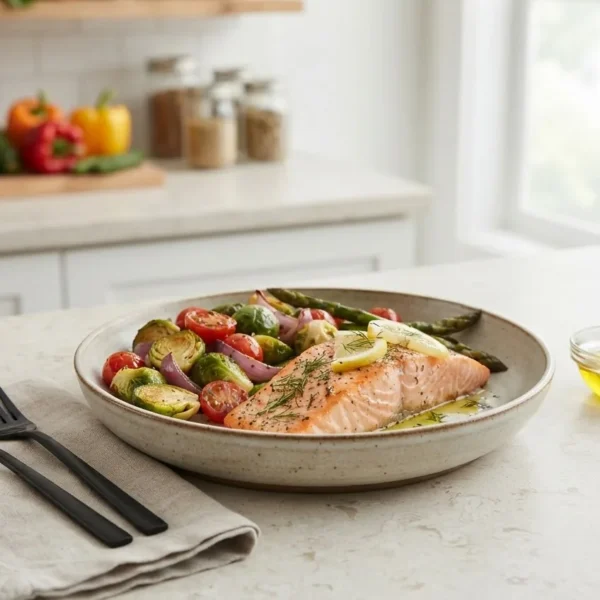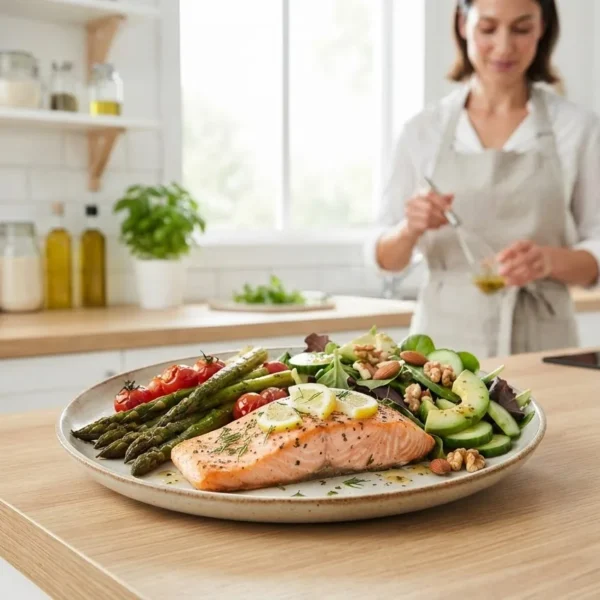
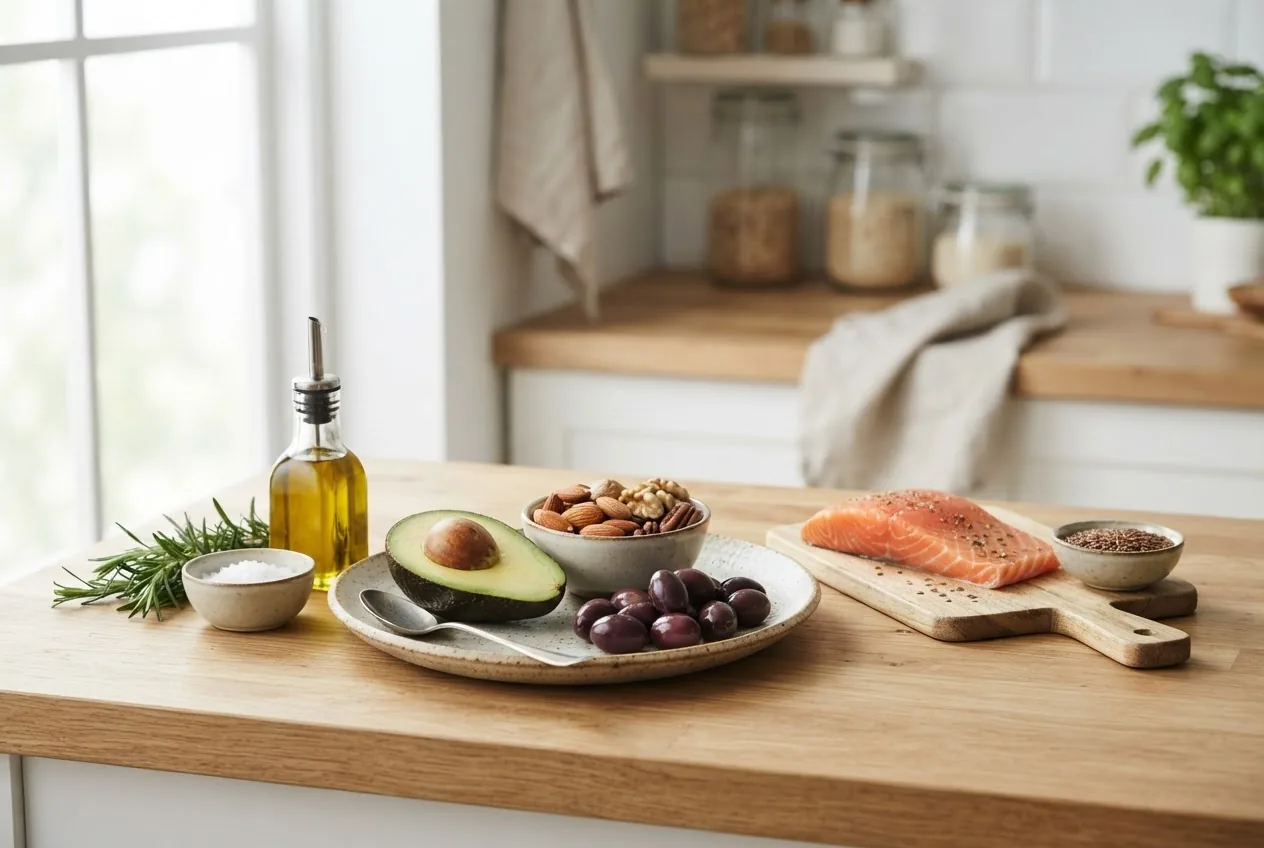
Healthy fats are unsaturated and essential fatty acids found in foods like olive oil, avocados, nuts, seeds, and fatty fish; they support satiety, metabolic health, and can aid weight loss when consumed in place of refined carbs and trans fats, because they slow digestion and improve hormonal signals that regulate appetite.
What Are Healthy Fats? Understanding Fat Types in the Body
Answer: Healthy fats are primarily monounsaturated and polyunsaturated fats—including essential fatty acids—that support cell membranes, hormone production, and energy, and contrast with saturated and trans fats that have less metabolic benefit.
Healthy fats: dietary fats that are predominantly monounsaturated or polyunsaturated, including essential fatty acids the body cannot make and must obtain from food.
Monounsaturated: a type of fat with one double bond in its fatty acid chain, found in olive oil and avocados; it improves blood lipid profiles.
Polyunsaturated: fats with two or more double bonds; this group includes omega-3 and omega-6 essential fatty acids that affect inflammation and cell function.
Saturated fats: fats without double bonds that are typically solid at room temperature and are abundant in animal fats and some tropical oils; moderate intake is advised.
Trans fats: industrially created fats from partial hydrogenation that raise LDL cholesterol and lower HDL; avoid entirely.
Essential fatty acids: fatty acids like alpha-linolenic acid (ALA, an omega-3) and linoleic acid (LA, an omega-6) that must come from food for normal physiology.
Fat types in the body behave differently: fats are stored as triglycerides, used for long-term energy, and incorporated into cell membranes as phospholipids; monounsaturated and polyunsaturated fatty acids alter membrane fluidity and signaling, which influences metabolism and inflammation.
Mechanistically, fatty acids vary by chain length and degree of unsaturation; shorter chains and unsaturated bonds change how fats are digested and oxidized. Roles and types of omega fatty acids vary: omega-3s (EPA, DHA) reduce inflammation and support metabolic health, while omega-6s are common in plant oils and support growth but can be pro-inflammatory if unbalanced. roles and types of omega fatty acids
Practical identification: look for foods labeled high in monounsaturated or polyunsaturated fats, check ingredient lists for partially hydrogenated oils (trans fats), and prioritize whole-food fat sources like fatty fish, nuts, and cold-pressed oils.
Transition: Now that you understand what healthy fats are and how they function, the next section explains how they help with weight loss and overall health.
Benefits of Healthy Fats for Weight Loss and Overall Health
Answer: Healthy fats help with weight loss by increasing satiety, stabilizing blood sugar, supporting metabolic rate, and improving lipid profiles when they replace refined carbs and trans fats in the diet.
Key mechanisms linking good fats to weight loss include slower gastric emptying, enhanced satiety hormones (GLP‑1, peptide YY), and preferential oxidation of dietary fat during moderate-intensity activity when carbohydrate intake is controlled. A 2021 meta-analysis in peer-reviewed nutrition journals found higher-fat, Mediterranean-style diets improved weight and cardiometabolic markers compared with low-fat diets; this supports quality-over-quantity of fat.
- Satiety and appetite control: Healthy fats increase fullness after meals, reducing overall calorie intake across the day.
- Energy density and substitution: While fat is calorie-dense (see calories per gram of fat), replacing refined carbohydrate snacks with nutrient-dense fat sources lowers glycemic swings and can reduce total calories—calories per gram of fat.
- Metabolic effects: Omega‑3s and monounsaturated fats can improve insulin sensitivity and increase fat oxidation in some populations.
- Cardiometabolic benefits: Replacing saturated and trans fats with unsaturated fats improves LDL/HDL ratios and reduces cardiovascular risk—endorsed by heart guidelines such as the American Heart Association.
- Nutrient delivery: Fat-soluble vitamins A, D, E, and K require dietary fat for absorption; adequate healthy-fat intake supports nutrient status during calorie-restricted diets.
Evidence and guidance: According to a 2024 industry report on dietary patterns and metabolic health, diets emphasizing unsaturated fats (Mediterranean pattern) correlate with improved weight and waist circumference outcomes. For official recommendations, see the U.S. National Institutes of Health and the American Heart Association for clinical guidance on fat intake.
Context with protein: balancing healthy fats with adequate protein improves the satiety effect; compare protein calorie roles via protein calorie content to plan energy targets during weight loss.
Limitations and caution: While good fats are beneficial, they are calorie-dense and should be consumed in moderation; avoid trans fats and limit high saturated fat foods for heart health. According to a 2022 guideline review by nutrition professionals, moderation and food quality determine outcomes more than total fat alone.
Transition: With benefits clarified, the next section lists the specific foods and sources to eat daily to get those healthy fats.
List of Healthy Fat Foods and Sources to Eat Daily
Answer: Daily healthy fat sources include avocados, extra-virgin olive oil, nuts, seeds, fatty fish (salmon, mackerel), and dairy from minimally processed sources—prioritize whole foods over processed oils and spreads.
Below is a practical numbered list of healthy fat foods, with brief descriptions, portion guidance, and examples for daily inclusion.
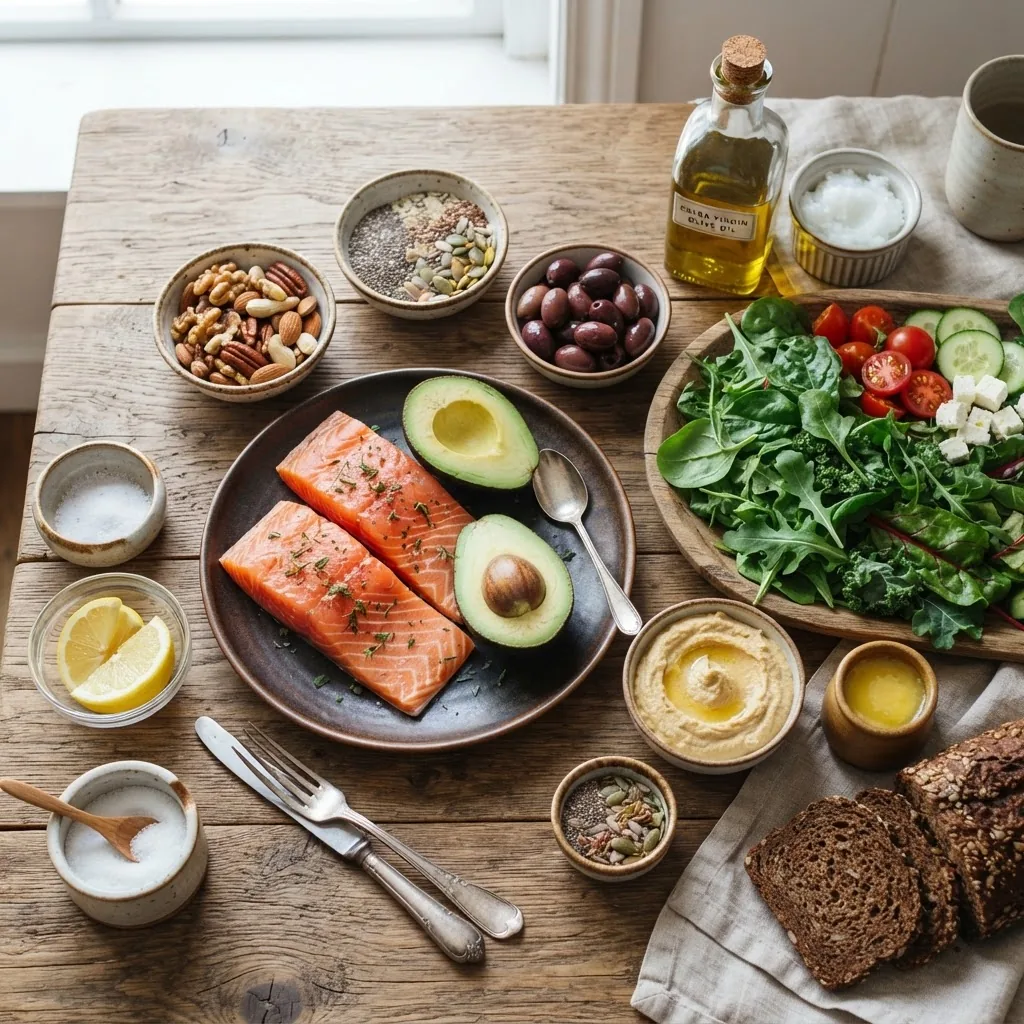
- Extra-virgin olive oil — 1 tbsp (14 g) provides ~10 g monounsaturated fat; usable for dressings and low-heat sautéing. Rich in polyphenols linked to improved weight maintenance in Mediterranean-diet trials.
- Avocados — ½ medium avocado supplies ~10–12 g fat, mostly monounsaturated, plus fiber. Great on toast, in salads, or blended into dressings. nutritional content of avocados
- Nuts (walnuts, almonds, pistachios) — provide monounsaturated and polyunsaturated fats, protein, and fiber; portion: a small handful (28 g). Walnuts are especially high in ALA omega‑3.
- Seeds (chia, flax, pumpkin) — dense in ALA, fiber, and minerals; incorporate into yogurts, smoothies, or salads.
- Fatty fish (salmon, sardines, mackerel) — each 3–4 oz cooked serving delivers EPA/DHA omega‑3s that support metabolic health. Aim for 2 servings weekly. For deeper detail, see benefits of fish oil and cod liver oil
- Nut butters (natural almond, peanut) — choose no-added-sugar versions; 1 tbsp provides healthy fats and satiety.
- Olives — small serving (5–10) provides monounsaturated fats and polyphenols; a Mediterranean-style snack option.
- Full-fat dairy (yogurt, kefir, small amounts of cheese) — choose minimally processed options; fermented products provide probiotics and fat for vitamin absorption.
- Eggs — whole eggs supply phospholipids and cholesterol necessary for hormone synthesis; egg yolks contain healthy fats that aid nutrient absorption.
- Coconut (in moderation) — predominantly saturated fat (medium-chain triglycerides); useful in small amounts for flavor but not a primary heart-health fat.
- Plant-based oils (canola, soybean, flaxseed) — sources of polyunsaturated fats; use unheated where possible to preserve omega‑3s.
Portion tips: Because these foods are calorie-dense, use portion-controlled servings—measure oils and nut servings until you know approximate quantities that fit your calorie goals. According to a 2023 NIH report on dietary energy density, mindful portions of healthy fats support sustainable calorie reduction.
Special notes: For plant-based omega‑3s rely on flax, chia, and walnuts, and consider marine-derived EPA/DHA supplements in consultation with a clinician. For a deeper dive into omega-3 sources, visit best omega-3 food sources.
Transition: With daily food sources defined, the next section suggests high-fat foods and snack ideas that fit a balanced diet and weight-loss goals.
High Healthy Fat Foods and Snacks for a Balanced Diet
Answer: High healthy fat foods and snacks include nut mixes, avocado toast with olive oil, full-fat Greek yogurt with seeds, and canned sardines—portion-controlled choices that combine fats with protein and fiber for balanced energy and satiety.

Practical snack list: quick choices that provide healthy fats and support fullness without excess calories.
- 1 small apple + 1 tbsp almond butter — fruit fiber plus healthy fats slows glucose absorption.
- Plain Greek yogurt (3/4 cup) + 1 tbsp chia seeds + berries — protein, omega‑3 ALA, and fiber.
- Handful (28 g) mixed nuts + 1 oz dark chocolate (70% cacao) — satisfying and nutrient-dense; watch portions.
- Whole-grain toast + 1/4 avocado + lemon + chili flakes — quick, balanced snack providing monounsaturated fats and fiber.
- Canned sardines on cucumber slices — EPA/DHA, protein, and low-carb vegetable base.
- Olives + cubed cheese + grape tomatoes — Mediterranean-style plate that is easy to portion.
- Protein smoothie with 1 tbsp flaxseed and 1/2 avocado — adds healthy fats while increasing volume and satiety.
Meal/snack pairing tips: pair healthy fats with lean protein or fiber-rich carbs to maximize satiety and minimize blood sugar swings. For cutting or calorie-focused plans, combine these snacks with foods from the best foods for cutting to retain muscle while losing fat.
Shopping and prep tips: pre-portion nuts into single-serve bags, keep olive oil in a small pourer for salads, and roast seeds for ready-to-eat toppings that enhance texture and flavor without overconsumption.
Transition: Now learn how to practically incorporate these healthy fats into daily meal plans geared toward weight loss.
How to Incorporate Healthy Fats into Your Weight Loss Meal Plan
Answer: Incorporate healthy fats by replacing refined carbs and trans fats with whole-food fat sources, measuring portions, combining fats with lean protein and fiber, and aligning fat intake to daily calorie and protein goals.
Step-by-step guide:
- Set calorie and protein targets: Determine a sustainable calorie deficit and use the recommended daily protein intake as a baseline; adequate protein preserves lean mass during weight loss.
- Plan fat servings: Allocate 20–35% of daily calories to fats from quality sources; adjust based on personal preferences and satiety responses.
- Swap, don’t add: Replace a bagel or cookie with avocado toast using olive oil instead of adding fats on top of existing calories.
- Pair for balance: Combine a fat source with lean protein and fiber at each meal (example: grilled salmon + quinoa + roasted vegetables with olive oil).
- Use fats strategically: Include a tablespoon of oil in salads or cooking, a small handful of nuts as a snack, and two weekly servings of fatty fish for omega‑3 intake.
- Track and adjust: Log fat servings for 2–4 weeks and adjust based on energy levels, hunger, and weight change.
Example daily meal plan (approx. 1,600–1,800 kcal):
- Breakfast: Greek yogurt (3/4 cup) with 1 tbsp chia seeds, 1/2 cup berries, 1 tbsp almond butter.
- Lunch: Large salad with 3 oz grilled chicken, 1/2 avocado, 1 tbsp extra-virgin olive oil + vinegar, mixed greens.
- Snack: 1 small apple + 1 tbsp peanut butter.
- Dinner: 4 oz baked salmon, 1/2 cup quinoa, steamed broccoli tossed in 1 tsp olive oil.
- Optional evening snack: 10 walnut halves or 1 oz dark chocolate (70%) if calorie budget allows.
Protein balance: Complement healthy fats with lean protein choices from the pillar resource Protein Rich Food for Weight Loss: Healthy Options Guide and align with calculated protein goals for muscle preservation and appetite control. Also note broader macros guidance like the high-protein diet patterns if you prioritize higher protein ratios.
Tools and shopping advice: Shop the periphery of the grocery store—produce, frozen fish, nuts, and oils—select minimally processed options, and read labels to avoid trans fats and hidden sugars in flavored nut butters.
Special considerations: If following vegetarian or vegan plans, combine seeds and nuts with fortified foods or algae-based EPA/DHA supplements to meet essential fatty acid needs. For personalized guidance, consult a registered dietitian; the Academy of Nutrition and Dietetics offers resources at eatright.org.
Transition: Effective cooking techniques preserve healthy fats—next we compare oils and methods that best support weight loss and heart health.
Cooking with Healthy Fats: Oils and Methods That Support Weight Loss
Answer: Choose oils with stable fatty-acid profiles for cooking (extra-virgin olive oil for low-medium heat, avocado oil for high-heat), use moderate amounts, and prefer methods like roasting, broiling, and sautéing with measured oil rather than deep-frying.
When choosing a cooking oil consider smoke point, fatty acid composition, and degree of processing. The goal during weight loss is to use oils that deliver health benefits without unnecessary calories or harmful oxidation products produced at high heat.
| Oil | Best use | Health note |
|---|---|---|
| Extra-virgin olive oil | Dressings, low-medium sauté, finishing | High in monounsaturated fats and polyphenols; linked to weight maintenance and heart health. |
| Avocado oil | High-heat cooking, roasting | High smoke point, rich in monounsaturated fats; good for frying at moderate temps. |
| Canola oil | Baking, medium-heat sauté | Good polyunsaturated profile and neutral flavor; choose cold-pressed to minimize processing. |
| Coconut oil | Flavoring, certain baking | High in saturated fat (MCTs); use sparingly and not as primary cooking oil for heart health. |
| Flaxseed oil | Cold use only (dressings) | High in ALA (omega-3); highly heat-sensitive—do not cook with it. |
For more detail on oil selection and heart outcomes, consult the comparison at best cooking oils for heart health and the AHA guidance linked earlier. Choose oils that match your cooking method and aim to minimize repeated high-heat use that can create oxidation products.
Cooking techniques that support weight loss:
- Measure oil with spoons rather than free-pouring to control calories.
- Prefer roasting, steaming, broiling, and grilling over pan-frying or deep-frying.
- Use non-stick cookware and broth for sautéing when possible to reduce oil needs.
- Add fatty ingredients as flavor enhancers (a drizzle of olive oil or a few slices of avocado) rather than as primary volume.
Limit processed spreads and margarine that can contain trans fats or hydrogenated oils; prioritize whole-food fats and minimally processed oils.
Transition: With cooking and selection guidance covered, the final section debunks common questions and myths about healthy fats.
Common Questions and Myths About Healthy Fats
Answer: Many myths persist—healthy fats do not automatically cause weight gain, polyunsaturated fats are not universally “good” if consumed in excess or oxidized, and saturated fats should be moderated—context and quality matter.
Myth 1: “All fats make you fat.” Answer: Calories determine weight change; however, healthy fats can promote fullness and support weight loss when they replace refined carbs. According to a 2020 pooled analysis of dietary patterns, replacing refined carbohydrates with unsaturated fats improved weight outcomes in controlled trials.
Myth 2: “Polyunsaturated fats are always good.” Answer: Polyunsaturated fats include both omega‑3 and omega‑6; balance matters—excessive omega‑6 intake from oxidized vegetable oils can promote inflammation; aim for whole-food omega‑3 sources and limit repeated high-heat use of polyunsaturated oils.
Myth 3: “Saturated fat is harmless.” Answer: Saturated fats in whole-food contexts (dairy, certain meats) can be part of a balanced diet, but large intakes, especially from processed sources, are linked to adverse lipid profiles; use moderation and prefer unsaturated fats for cardiovascular risk reduction.
Myth 4: “You should avoid all fats on a diet.” Answer: Removing fats can reduce nutrient absorption and satiety; targeted inclusion of healthy fats supports adherence and metabolic health. Trans fats, however, should be eliminated because of clear harms.
Final expert notes: Evidence-based dietary frameworks such as the Mediterranean diet emphasize unsaturated fats, whole grains, vegetables, and lean protein for sustainable weight loss and cardiometabolic health; always tailor fat intake to personal energy goals and medical needs.
Conclusion: Healthy fats are essential tools for satiety, nutrient absorption, and metabolic health. Choose whole-food sources, measure portions, pair with protein and fiber, and prioritize cooking methods that preserve fat quality. For personalized plans, consult a registered dietitian or clinician and explore the linked resources for deeper guidance.