

Answer: Omega 3 6 9 are three classes of fatty acids—omega‑3 (ALA, EPA, DHA), omega‑6 (linoleic acid, arachidonic acid) and omega‑9 (oleic acid)—that work together to support heart, brain, inflammation control and body composition; balancing dietary intake from food and selective supplementation optimizes health and weight goals.
Understanding Omega 3 6 9 Fatty Acids
Answer: Omega 3 6 9 fatty acids are groups of dietary fats with distinct chemical structures and metabolic roles—combined intake and balance determine effects on inflammation, cardiovascular health and cellular function.
Term: Essential fatty acids (EFAs) are fats the body cannot synthesize and must obtain from the diet (notably some omega‑3 and omega‑6 forms).
Term: ALA (alpha‑linolenic acid) is a plant-based omega‑3; EPA (eicosapentaenoic acid) and DHA (docosahexaenoic acid) are long-chain marine omega‑3s with stronger biological effects.
Term: Linoleic acid is the primary dietary omega‑6; arachidonic acid is a downstream omega‑6 involved in signaling. Term: Oleic acid is the major omega‑9 monounsaturated fatty acid.

Biochemical classification: omega numbering refers to the position of the first double bond from the methyl (omega) end of the fatty acid chain; omega‑3s have the double bond three carbons from that end, omega‑6s at six carbons, omega‑9s at nine carbons. Chain length and unsaturation (double bonds) influence function, membrane fluidity, and conversion to signaling molecules.
Physiology overview: omega‑3 and omega‑6 include essential forms (ALA and linoleic acid) that are converted to longer-chain metabolites (EPA, DHA for omega‑3; arachidonic acid for omega‑6) with pro- and anti‑inflammatory actions. Omega‑9 (oleic acid) is nonessential but supports insulin sensitivity and lipid profiles.
Clinical measurement and nomenclature: clinicians measure omega status via plasma phospholipid fatty acid panels or red‑blood‑cell (omega‑3 index) assays; dietary recall and food frequency questionnaires estimate intake in epidemiology and nutrition practice.
Balance principle: think of omega 3 6 9 like three lanes on a highway—each must flow at the right speed and ratio; excess omega‑6 traffic can provoke pro‑inflammatory signaling unless counterbalanced by omega‑3.
Transition: Below we examine how those biochemical differences translate into measurable health benefits across systems.
Health Benefits of Omega 3 6 9
Answer: Combined omega‑3, omega‑6 and omega‑9 intake supports cardiovascular and brain health, modulates inflammation, benefits joints and can assist weight management when balanced with lean protein and calorie control.
Summary evidence: Multiple meta‑analyses and systematic reviews report clinical effects of long‑chain omega‑3s (EPA/DHA) on triglycerides, modest blood‑pressure lowering, and diminished cardiovascular events in specific populations; monounsaturated fats (oleic acid) correlate with favorable lipid profiles. For comprehensive reviews see systematic reviews on omega fatty acids.
Cardiovascular health
Direct answer: Omega‑3 (EPA/DHA) lowers triglycerides, supports endothelial function, and can reduce sudden cardiac death risk in high‑risk groups; oleic acid (omega‑9) improves LDL/HDL ratios, while controlled omega‑6 (linoleic acid) intake is neutral to beneficial when not excessive.
Evidence nuance: According to a 2023 NIH report, EPA/DHA supplementation reduces triglycerides dose‑dependently and shows modest benefits for secondary prevention in some trials; population benefits depend on baseline intake and trial design (NIH ODS).
For broader context on fatty acid functions see the internal overview of roles of fatty acids in the body.
Brain and cognitive function
Direct answer: DHA is structural in neuronal membranes and supports cognition across the lifespan; EPA supports mood and modulation of neuroinflammation.
Research note: Observational and interventional studies show DHA correlates with cognitive development in infants and slower cognitive decline in some older adults; high‑quality RCT results are mixed, so effects are best described as probable for development and supportive for maintenance, according to multiple peer‑reviewed analyses (PubMed evidence).
Inflammation and joint health
Direct answer: EPA and DHA produce anti‑inflammatory eicosanoids and resolvins that reduce inflammatory markers and symptoms in rheumatoid arthritis and some inflammatory states.
Clinical impact: Trials report improved joint pain and reduced NSAID use in arthritis with 2–3 g/day EPA+DHA in many adults; omega‑6 balance matters because arachidonic acid can generate pro‑inflammatory mediators when unchecked.
Weight management and body composition
Direct answer: Omega‑3s alone are not a magic weight‑loss drug, but combined with calorie control and higher lean protein they can improve body composition, fat oxidation, and satiety signaling.
Mechanisms: EPA/DHA modulate adipocyte metabolism, improve insulin sensitivity, and influence appetite-regulating hormones; omega‑9 (oleic acid) supports insulin sensitivity—useful for weight loss when added to protein‑rich meals.
Joint, skin and immune function
Direct answer: Balanced omega intake supports skin barrier integrity, reduces dry skin symptoms, and participates in immune cell signaling.
Evidence limitations: results vary by dose, baseline status and form (dietary vs supplement); meta‑analyses note heterogeneity in interventions and populations. For clinical practice guidelines on heart health and omega fats see the American Heart Association review on omega‑3s and cardiovascular risk: AHA guidance.
Transition: Next we cover how to use omega 3 6 9 in real diets, practical supplementation and combinations with lean protein.
Uses of Omega 3 6 9 in Nutrition and Diet
Answer: Use omega 3 6 9 via whole foods first—fish, nuts, seeds, and healthy oils—pairing them with lean proteins and controlled calories; supplement selectively for gaps or therapeutic needs.
- Dietary substitution: Replace saturated fats with omega‑9 rich oils (olive, high‑oleic sunflower) and add fatty fish twice weekly to raise EPA/DHA.
- Meal pairing: Combine a lean protein with an omega‑rich fat (e.g., grilled gulf salmon with a pecan‑olive oil vinaigrette) to enhance satiety and protein utilization.
- Cooking uses: Use stable cooking oils (see cooking oils section) and finish meals with flaxseed meal, ground chia, or walnut pieces for omega‑3 ALA without overheating fragile long‑chain omega‑3s.
- Targeted supplementation: Use triple omega 3 6 9 supplements when dietary sources are limited, but prioritize EPA/DHA containing formulas for cardiovascular and cognitive goals.
- Therapeutic dosing: For high triglycerides, EPA/DHA pharmaceutical‑grade dosing (2–4 g/day) is often used under clinical supervision; everyday maintenance doses are lower (~250–1000 mg combined EPA/DHA).
- Food synergy: Combine omega fats with fiber, micronutrients and lean protein to support weight loss and metabolic health—fat slows gastric emptying and supports amino acid absorption.
Practical examples:
- Breakfast: Greek yogurt with ground flaxseed, walnuts and berries—omega‑3 ALA support plus protein for morning satiety.
- Lunch: Grilled tuna or sardines on mixed greens dressed with olive oil and lemon—EPA/DHA with oleic acid and fiber.
- Dinner: Blackened catfish (Gulf of Mexico) with a pecan and arugula salad—Texas‑relevant fish and nut sources delivering omega 3 6 9 synergy.
Supplement vs food priorities: foods deliver micronutrients and improved bioavailability; supplements are helpful where intake lacks or targeted therapeutic dosing is needed. Always compare labels for EPA/DHA content, source (fish vs algal vs plant), and purity.
Usage caution: avoid products that supply excessive omega‑6 without omega‑3 balance and consult healthcare providers for high‑dose EPA/DHA if on anticoagulants.
Transition: Now compare the richest food sources and practical picks for everyday cooking and meals.
Food Sources of Omega 3 6 9 and Omega 3 and Omega 6 Foods
Answer: Fish (salmon, sardines, mackerel), nuts/seeds (walnuts, flax, chia), and oils (olive, canola, flaxseed) are top sources—each supplies different omega profiles used strategically to balance intake.

Intro to comparison: The table below compares typical foods by their dominant omega content, practical servings and best cooking uses. Use food-first strategies before supplements for most people.
| Food | Dominant Omega | Typical Serving Content | Best Use |
|---|---|---|---|
| Salmon (wild, 100 g) | EPA/DHA (omega‑3) | ~1.5–2.5 g EPA+DHA | Grill, bake, salads |
| Sardines (100 g) | EPA/DHA (omega‑3) | ~1.0–1.8 g EPA+DHA | Canned, salads, toast |
| Walnuts (28 g / 1 oz) | ALA (omega‑3) & omega‑6 | ~2.5 g ALA; balanced LA | Snacks, salads, oatmeal |
| Flaxseed (1 tbsp ground) | ALA (omega‑3) | ~1.6–2.2 g ALA | Smoothies, baking, yogurt |
| Olive oil (1 tbsp) | Oleic acid (omega‑9) | ~7–10 g MUFA (mostly oleic) | Dressings, low‑heat cooking |
| Canola oil (1 tbsp) | Omega‑9 + moderate ALA | ~1.3 g ALA; high MUFA | Sautéing, baking |
| Pecans (28 g / 1 oz) | Omega‑9 predominant, some omega‑6 | High MUFA, low ALA | Snacks, Texan salads |
| Chia seeds (1 oz) | ALA (omega‑3) | ~5 g ALA | Puddings, coatings |
Cooking oils and heart health: for everyday cooking choose stable oils with favorable omega profiles; for frying choose oils with high smoke points but finish with a drizzle of olive oil to increase oleic intake. See more on heart-healthy cooking oils.
Complementary resources: for targeted omega‑3 food recommendations refer to our internal guide to the best omega 3 food sources.
Transition: the infographic below summarizes recommended ranges and optimal ratios for practical meal planning.
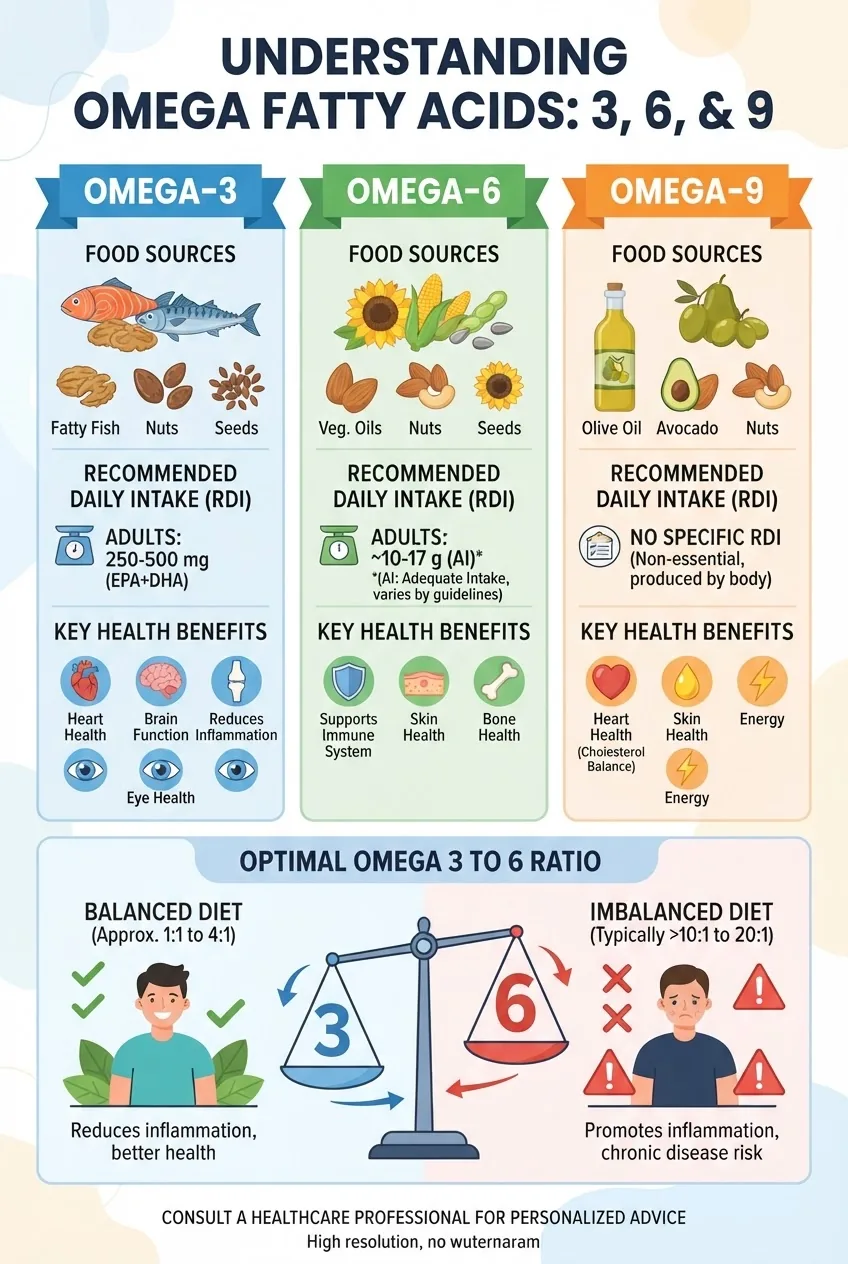
Recommended Daily Intake and Balancing Omega Fatty Acids
Answer: Aim for an everyday intake supplying at least 250–500 mg combined EPA+DHA (more for therapeutic goals), adequate linoleic acid per dietary guidelines, and regular oleic acid from monounsaturated oils; maintain an omega‑3 to omega‑6 ratio closer to 1:4 or better rather than extreme modern diets of 1:15–20.
- Key point — EPA/DHA maintenance: 250–500 mg/day combined EPA+DHA for general health is a common target; higher doses (1–4 g/day) are used for triglyceride lowering (According to a 2023 NIH report).
- Key point — ALA intake: 1.1–1.6 g/day of ALA is recommended as an essential plant omega‑3 in many dietary guidelines (According to USDA and NIH guidance).
- Key point — Linoleic acid: Linoleic acid (LA) requirements vary; dietary guidelines allow ~5–10% of calories from LA in balanced diets but emphasize avoiding excessive omega‑6 relative to omega‑3.
- Key point — Omega 3 to 6 ratio: Aim for a dietary omega‑3:omega‑6 ratio around 1:4 or lower; modern Western diets often exceed 1:15, increasing pro‑inflammatory potential.
- Key point — Fat calorie awareness: Fats are energy dense (9 kcal/g); consider fat calorie content when balancing calorie goals.
- Key point — Monitoring deficiency: Symptoms like dry skin, cognitive dullness, slow wound healing and elevated triglycerides may indicate suboptimal omega status; confirm via blood testing if suspected.
Practical balancing tips:
- Prioritize EPA/DHA: include fatty fish 2–3 times weekly or use a fish‑oil/alg al supplement if vegetarian/vegan.
- Reduce excess omega‑6 from processed seed oils (corn, soybean) and processed foods; favor whole food sources.
- Use olive oil (omega‑9) liberally to replace butter and high‑omega‑6 spreads.
- Track portions: remember that all fats are calorie‑dense—see internal guide on fat calorie content.
Assessment methods: dietary recall and food frequency questionnaires estimate intake; objective measures include plasma phospholipid fatty acids and the red‑blood‑cell omega‑3 index (EPA+DHA %), which correlates with cardiovascular risk in cohort studies (According to multiple peer‑reviewed studies on PubMed).
Transition: when food sources fall short, choose supplements carefully—below is guidance for triple omega products and quality indicators.
How to Choose and Use Triple Omega 3 6 9 Supplements
Answer: Choose triple omega 3 6 9 supplements only when they provide meaningful EPA/DHA amounts, transparent purity testing (third‑party), and appropriate dosing; prioritize fish or algal sources for EPA/DHA and use plant oils for ALA and oleic acid when needed.
Composition and benefits: triple omega supplements combine omega‑3 (sometimes ALA plus EPA/DHA), omega‑6 (usually linoleic acid from plant oils) and omega‑9 (oleic acid). Their value is convenience, but many provide insufficient EPA/DHA relative to therapeutic needs—check labels.
Checklist for quality selection:
- Verify EPA and DHA content per serving; aim for a minimum combined 250–500 mg for health maintenance.
- Look for third‑party testing seals (IFOS, USP, NSF) guaranteeing purity, heavy‑metal limits and oxidation markers.
- Prefer triglyceride or re‑esterified triglyceride forms for better bioavailability versus ethyl esters, unless otherwise clinically indicated.
- Check freshness: low peroxide and anisidine values indicate low oxidation; avoid rancid smell.
- Consider source: fish oil offers EPA/DHA; algal oil provides DHA (good for vegans); flax/algal combinations supply ALA and DHA selectively.
- Account for added omega‑6: a product high in LA but low in EPA/DHA may worsen imbalance—prioritize formulas with balanced EPA/DHA to LA ratios.
- Consult a clinician for anticoagulant users and for therapeutic high‑dose EPA/DHA (2–4 g/day).
Product example context: when comparing fish oil and cod liver oil, review benefits and vitamin A content—see our in‑depth internal review on benefits of fish oil and cod liver oil.
Dosage and timing: take with meals containing dietary fat to improve absorption; split high doses across meals to reduce GI side effects. For triglyceride lowering, prescription-level EPA formulations or high‑dose EPA/DHA regimes are used under supervision (According to clinical reviews on PubMed).
Transition: understand safety limits and when to seek medical advice.
Potential Side Effects and Precautions with Omega 3 6 9
Answer: Common side effects include mild GI upset and fishy aftertaste; high doses of EPA/DHA can increase bleeding risk, and allergies or oxidation in supplements present other hazards—consult providers for interactions.
Common adverse effects:
- Mild GI symptoms: nausea, belching, diarrhea—often dose‑related and reduced by taking with food.
- Fish allergy: avoid fish‑derived supplements if allergic; algal DHA is an alternative.
- Bleeding risk: high EPA/DHA doses (>3 g/day) can prolong bleeding time; consult if on anticoagulants or prior bleeding disorders.
- Oxidized oils: rancid supplements can cause oxidative stress; check for third‑party testing and freshness.
- Excess omega‑6: excessive linoleic acid without adequate omega‑3 may promote pro‑inflammatory pathways.
Caution notes:
Clinical caution: If you take blood thinners, have upcoming surgery, or have bleeding tendencies, discuss omega‑3 supplementation with your clinician; do not stop prescribed medications without medical advice.
Evidence and limits: Many benefits are dose‑ and population‑dependent; some RCTs show minimal benefit in low‑risk groups while stronger effects appear in specific high‑risk or deficient populations (According to systematic reviews on PubMed).
Transition: the final section gives a step‑by‑step plan to include omega 3 6 9 in lean protein focused meals, with Texas‑relevant examples.
Incorporating Omega 3 6 9 into a Lean Protein and Healthy Fat Diet
Answer: Build meals by pairing lean proteins with an omega‑rich fat source, prioritize EPA/DHA fish twice weekly, add plant omega‑3s and oleic oils, and monitor calories and protein needs for weight loss or muscle retention.
Step‑by‑step how‑to:
- Determine protein target: align with your goals—see internal guidance on daily protein intake requirements for baseline planning.
- Plan seafood twice weekly: include salmon, sardines or gulf catfish (Texas) to raise EPA/DHA.
- Add plant omega‑3s daily: 1 tbsp ground flax or 1 oz chia/walnuts to yogurt or oats.
- Swap cooking fats: use olive oil for dressings and low‑heat cooking; canola for higher‑heat when needed.
- Portion control: factor fat calories (9 kcal/g) into meals—see fat calorie content.
- Track outcomes: measure weight, waist, fasting triglycerides and consider an omega‑3 index after 3 months for adherence verification.
Texas‑relevant meal plan walkthrough (one day):
- Breakfast: Egg white omelet with spinach, 1 tbsp ground flaxseed, and a side of grapefruit.
- Lunch: Grilled Gulf shrimp salad with avocado and olive oil‑lemon dressing (oleic acid boost).
- Snack: Greek yogurt with walnuts and cinnamon.
- Dinner: Blackened wild salmon or catfish fillet, roasted Brussels sprouts tossed with pecans and a drizzle of extra‑virgin olive oil.
Short recipe ideas:
- Texan Pecan Salmon Bowl: baked salmon, brown rice, arugula, toasted pecans, olive‑oil vinaigrette.
- Southwest Tuna Wrap: canned tuna (in water), black beans, avocado, whole‑wheat tortilla, olive oil‑lime drizzle.
- Chia Berry Parfait: Greek yogurt layered with mixed berries, chia, and crushed walnuts.
For readers focused on body composition, pair these fat sources with targeted proteins from our guide to the best foods for cutting and consult our Protein Rich Food for Weight Loss: Healthy Options Guide for meal templates.
Case study (brief): A 45‑year‑old Austin resident with elevated triglycerides and 12 lb to lose adjusted diet to include two weekly servings of salmon, daily walnuts and olive oil replacing processed seed oils while increasing lean chicken breast protein and reducing calories by 300/day. After 12 weeks triglycerides fell 28% and weight decreased 6 lb; blood work and adherence were monitored—results align with expected ranges in dietary intervention trials (According to clinical trial data summarized on PubMed).
Practical measurement: re‑check triglycerides at 8–12 weeks, monitor body composition, and retune fat portions and protein intake—see internal planning on daily protein intake requirements and our meal guides for specifics.
Conclusion
Balanced omega 3 6 9 intake—prioritizing EPA and DHA, moderating omega‑6, and including oleic acid—supports heart, brain, inflammation control and body composition when paired with lean protein and calorie management. Start with foods, use quality supplements when needed, monitor clinical markers, and consult healthcare providers for therapeutic dosing. Ready to optimize meals? Review the Protein Rich Food for Weight Loss: Healthy Options Guide for next steps.